OCTOBER 23, 2026
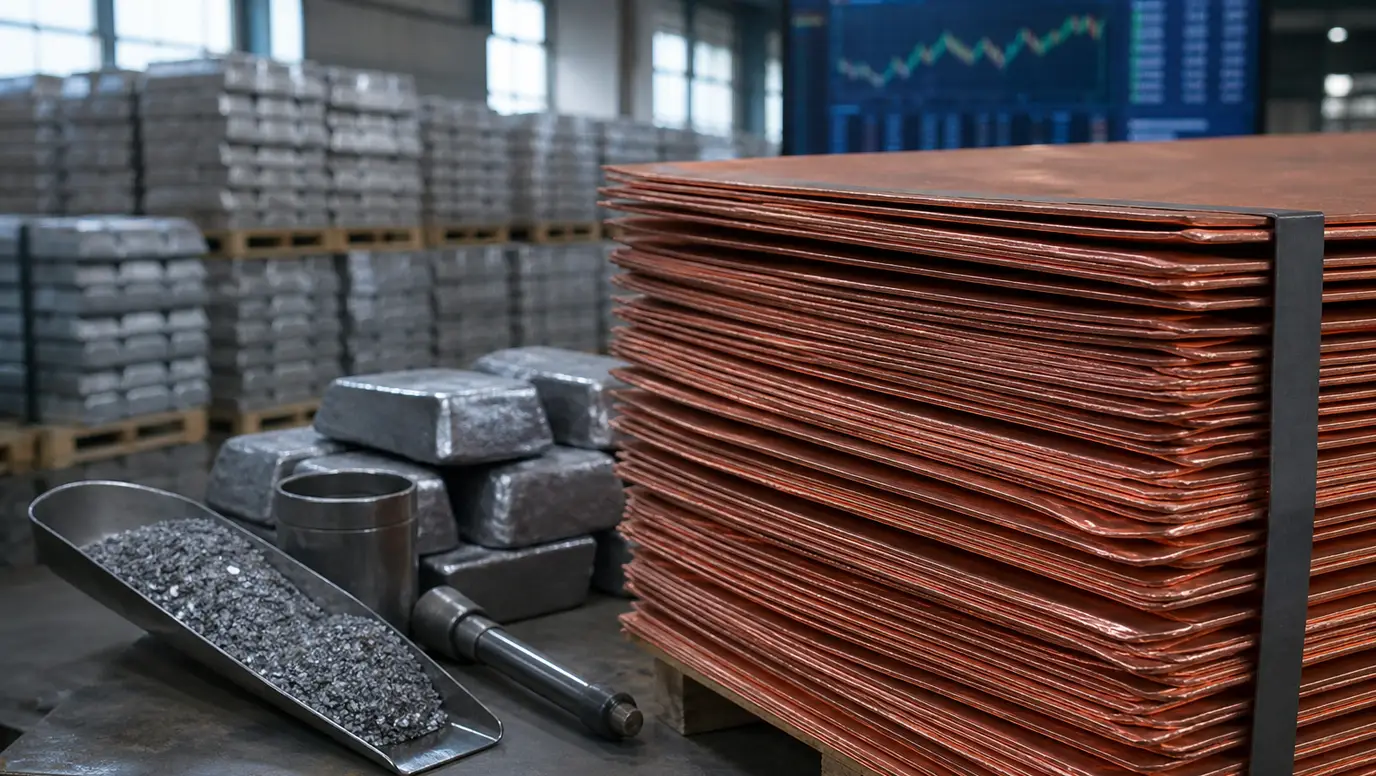
Copper Metals Market Rebounds as Nickel Slips on Indonesia Cut WatchCopper rebounds as risk appetite steadies, while nickel slips as traders await firmer signals on Indonesian output cuts.

© 1box.site 2026
JULY 9, 2026
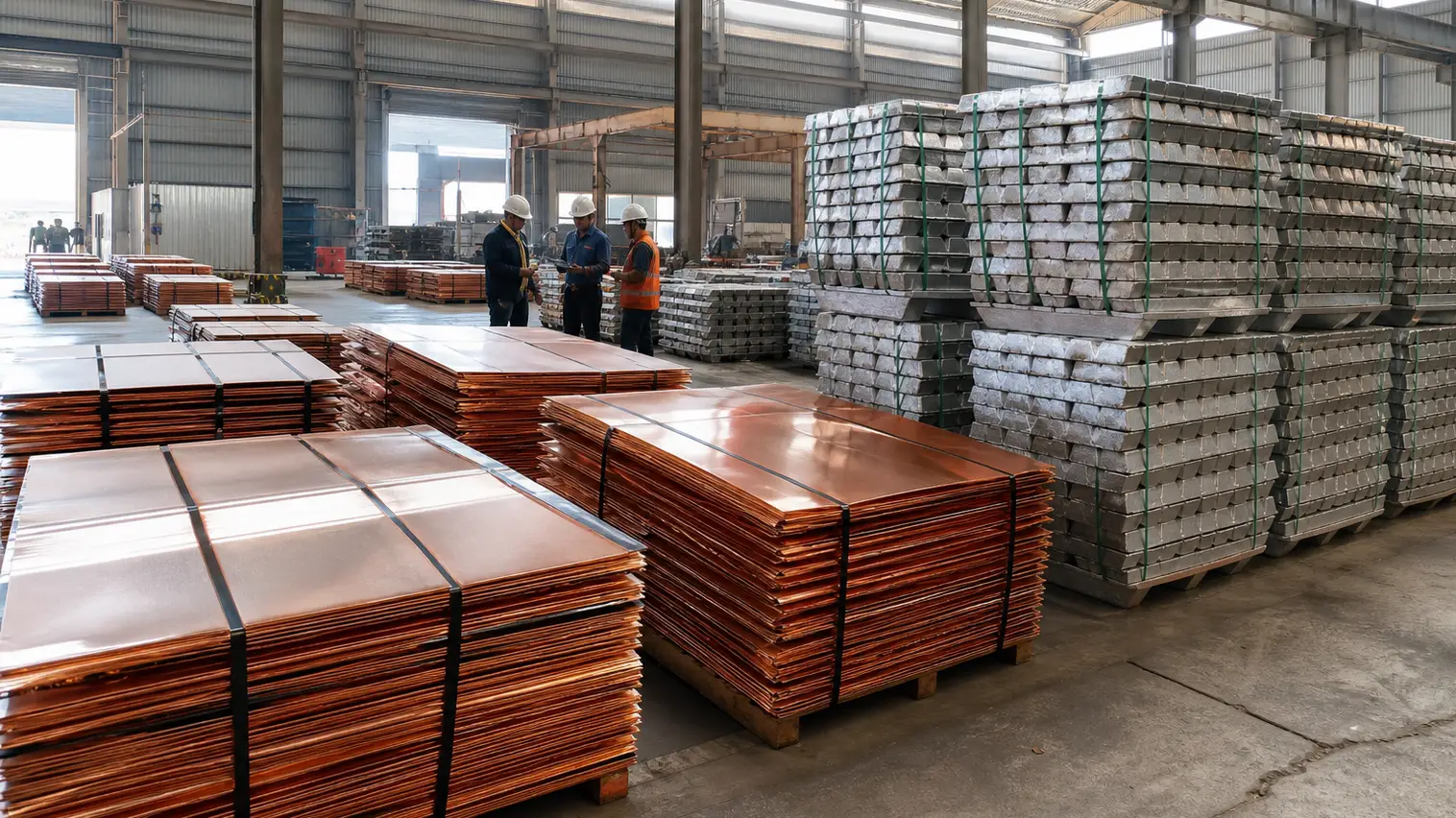
Copper fell as renewed Gulf tension pushed investors back toward a defensive reading of the metals complex, with higher energy prices raising the risk of slower industrial demand and stickier inflation. The latest move left base metals trading less on long-term electrification demand and more on immediate macro stress, as oil-linked cost pressure and geopolitical uncertainty unsettled risk appetite.
Benchmark three-month copper traded around $13,184 a metric ton in late London dealing, down about 1.4%, while US copper futures also weakened and moved near $6.08 a pound. The sharper decline in the US contract pointed to a market still sensitive to policy uncertainty after traders did not receive a fresh announcement on possible refined copper tariffs following a late-June review deadline.
The immediate pressure on copper came from the way the market interpreted the latest escalation: higher oil prices can squeeze consumers, raise business costs and complicate the interest-rate outlook. For copper, which is closely tied to construction, manufacturing, power grids and equipment spending, that combination can quickly shift attention from supply tightness to demand destruction risk.
The move does not erase copper’s structural support from grid investment, data-center power demand and energy-transition spending. However, it shows that short-term positioning remains vulnerable when geopolitical headlines threaten global growth. In this environment, traders are likely to keep watching whether the pullback attracts physical buyers or whether consumers delay purchases in anticipation of cheaper spot availability.
Aluminum held up better than copper, dipping only modestly near $3,131 a ton after earlier gains tied to potential supply disruption risks. The Middle East is a significant aluminum-producing region, so renewed instability can raise concern over smelter operations, power availability and shipment routes even as broader commodities sentiment weakens.
That creates a split metals tape: copper is being treated as a demand-sensitive growth barometer, while aluminum is finding some support from possible supply interruptions. The divergence could persist if energy markets stay elevated, because electricity and fuel costs matter heavily for smelting economics. Still, aluminum’s recent volatility remains a warning sign after a steep June decline removed much of the earlier war-risk premium.
Precious metals also reflected the same inflation-rate trade. Gold slipped toward the low $4,000s per ounce as higher oil prices fed concern that central banks may need to keep policy tighter for longer. Silver, platinum and palladium were also lower, showing that haven demand was not strong enough to offset pressure from yields, the dollar and liquidation across risk assets.
The Federal Reserve remains central to the next phase for metals. Minutes from the June policy meeting reinforced the market’s focus on inflation risks, while rate-futures pricing continued to imply a meaningful chance of a rate increase later this year. For non-yielding metals such as gold and silver, that keeps real-rate expectations important. For industrial metals, the key question is whether tighter policy would cool demand faster than supply constraints can support prices.
The metals market now faces three linked tests: whether Gulf tensions keep oil prices elevated, whether US copper tariff policy becomes clearer, and whether buyers step into the latest base-metals pullback. A quick easing in geopolitical stress could stabilize copper, but a sustained energy shock would likely keep pressure on the most growth-sensitive contracts.
For now, copper’s retreat is less a rejection of its long-term demand story than a reminder that macro shocks can dominate even tight commodity markets. Until oil, the dollar and Fed expectations settle, metals traders may continue to favor relative-value trades over broad bullish exposure.
OCTOBER 23, 2026
Copper Metals Market Rebounds as Nickel Slips on Indonesia Cut Watch
OCTOBER 22, 2026
Gold Metals Market Rebounds as Softer Treasury Yields Put PCE Inflation Test in Focus
OCTOBER 18, 2026
Copper Metals Market Holds Near Record as Tight Stocks Offset Federal Reserve Shock
OCTOBER 16, 2026
Gold Metals Market Rebounds as US Dollar and Treasury Yields Ease Before Federal Reserve Decision
OCTOBER 14, 2026
Aluminum Metals Futures Hold Near $3,000 as Japan Premium Drop Masks Supply Stress
OCTOBER 12, 2026
Copper Metals Market Rises as China Premium and Tight LME Stocks Challenge US Dollar
OCTOBER 11, 2026
Gold Metals Market Braces for Federal Reserve Test as US Dollar and Treasury Yields Bite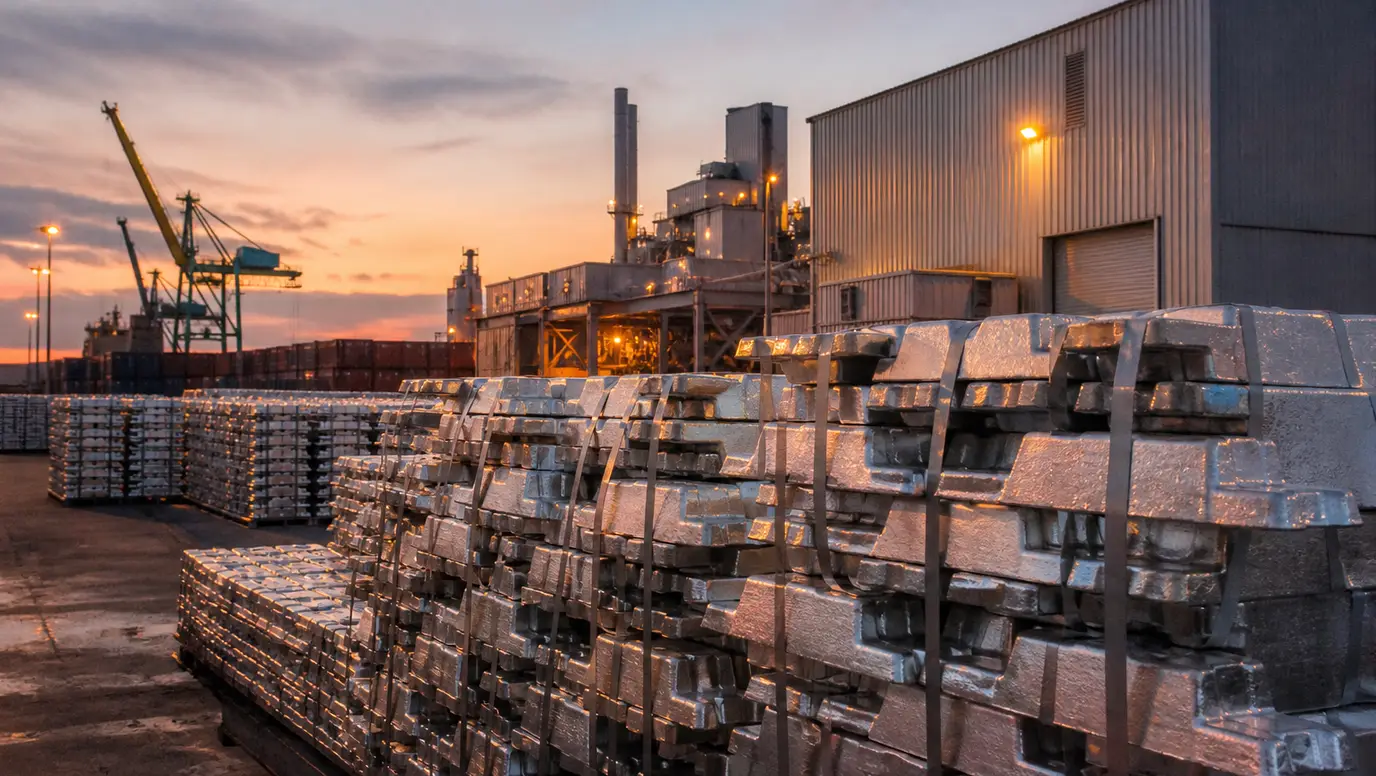
OCTOBER 7, 2026
Aluminum Rebound Tests Metals Market as Dollar Strength and China Lull Cap Buyers
OCTOBER 6, 2026
Copper Futures Rally Puts Metals Market Focus on Smelter Squeeze
OCTOBER 4, 2026
Gold Metals Rebound Stalls as Treasury Yields Blunt Fed Pause Bets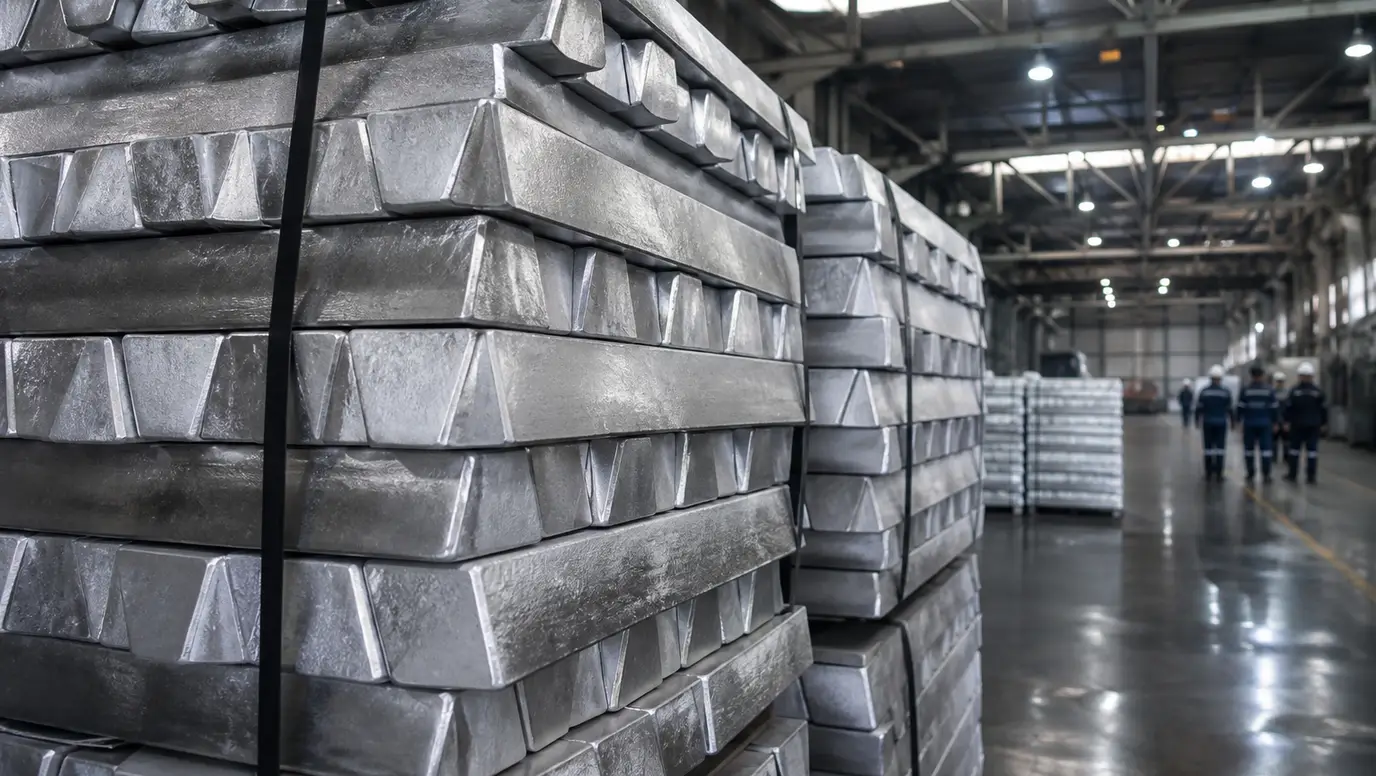
OCTOBER 1, 2026
Aluminum Slumps to 12-Week Low as Strong Dollar Hits Metals Market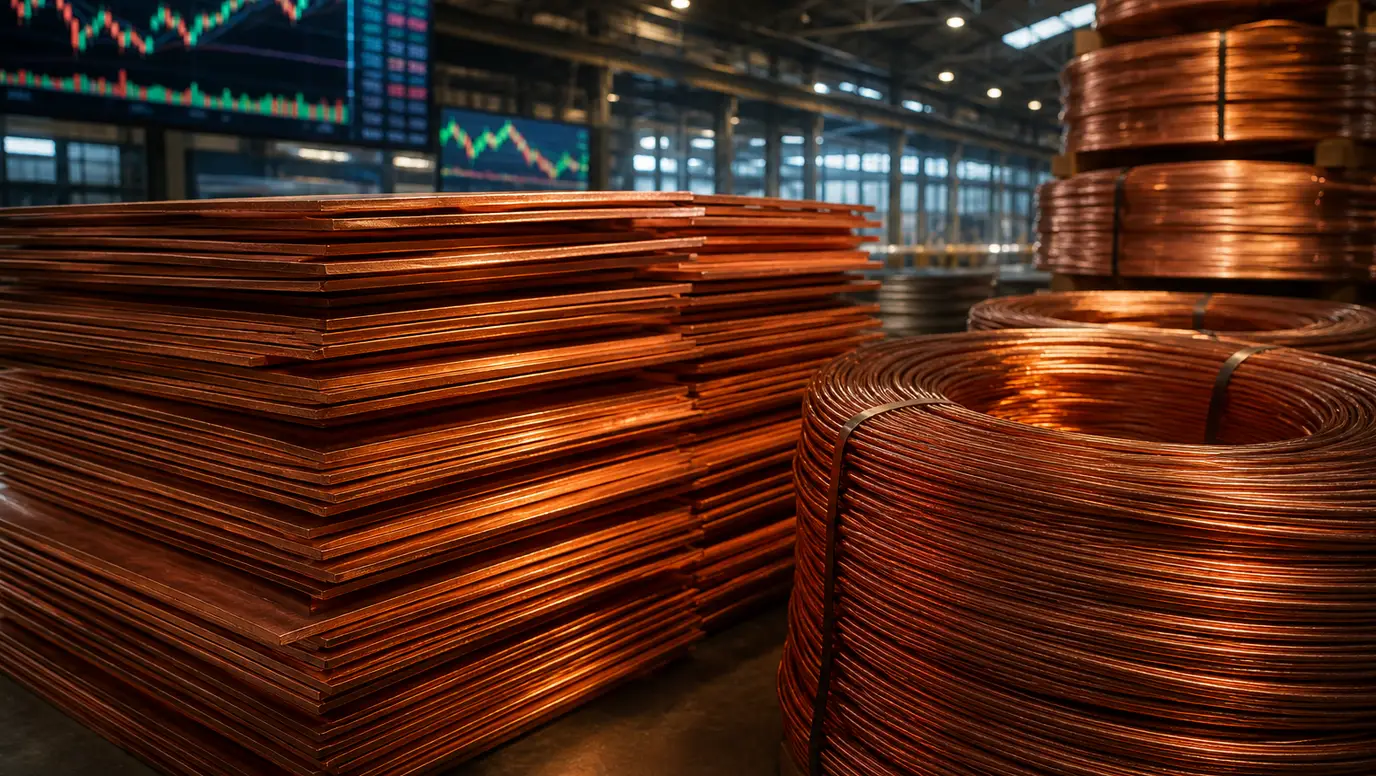
SEPTEMBER 30, 2026
Copper Futures Steady as Metals Market Weighs Dollar, Oil and Federal Reserve Risk
SEPTEMBER 27, 2026
Gold Futures Slip as Sticky Inflation and Fed Rate Bets Cap Metals Market Rebound
SEPTEMBER 25, 2026
Copper Futures Climb as China Tightness Puts Metals Market on Supply Watch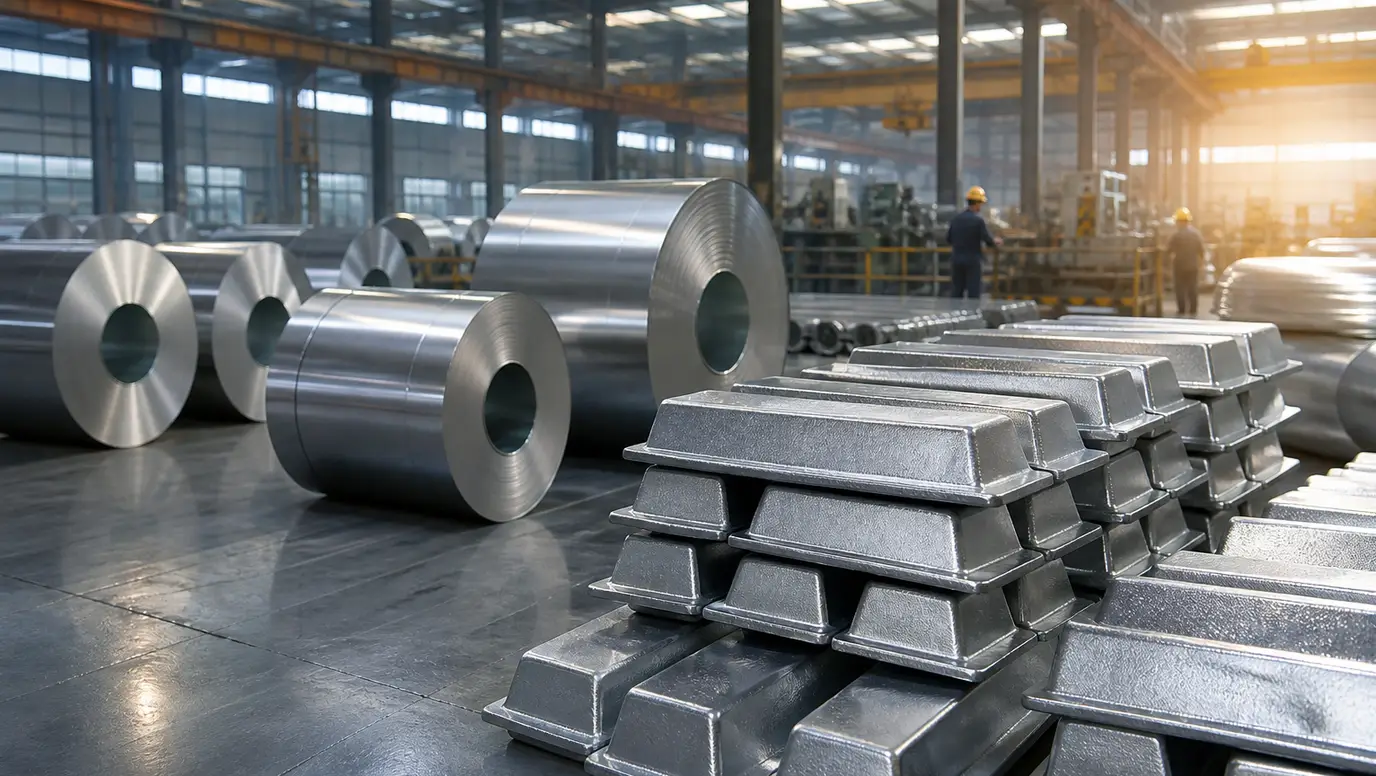
SEPTEMBER 24, 2026
Aluminum Futures Steady as China Destocking Offsets Metals Market Yield Pressure
SEPTEMBER 22, 2026
Gold Holds Near $4,350 as Federal Reserve Rate Bets Cap Metals Market Rebound
SEPTEMBER 19, 2026
Copper Futures Rally Puts Metals Market on Federal Reserve and PMI Watch
SEPTEMBER 16, 2026
Aluminum Rally Tests China Supply Cap as Metals Market Weighs Export Surge
SEPTEMBER 15, 2026
Gold Holds Near $4,300 as Federal Reserve Hike Bets Pressure Metals Market
SEPTEMBER 13, 2026
Copper Futures Pullback Puts Metals Market on Tariff Doubt Watch
SEPTEMBER 10, 2026
Gold Edges Higher as Soft Dollar Puts Metals Market on Federal Reserve Watch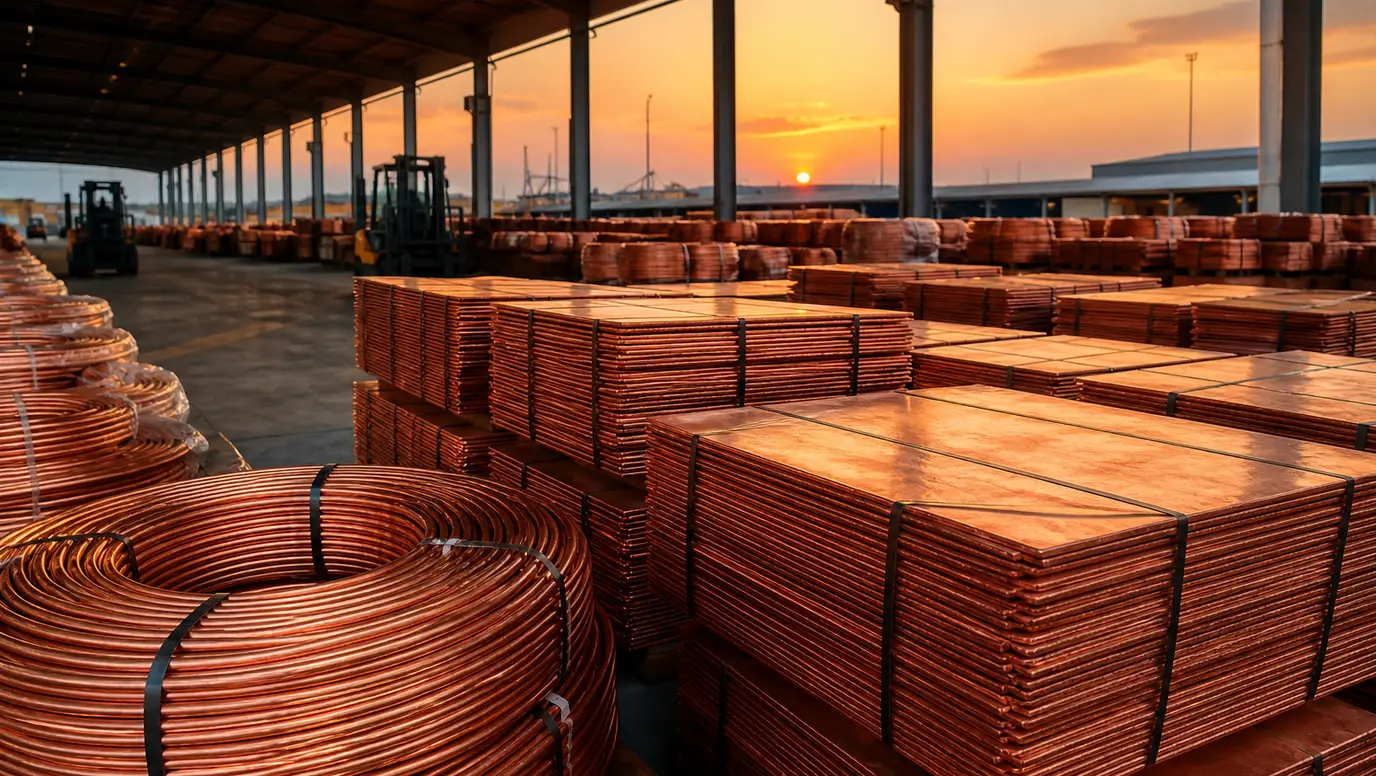
SEPTEMBER 8, 2026
Copper Hits Record High as Tariff Risk Tightens Metals Market Supply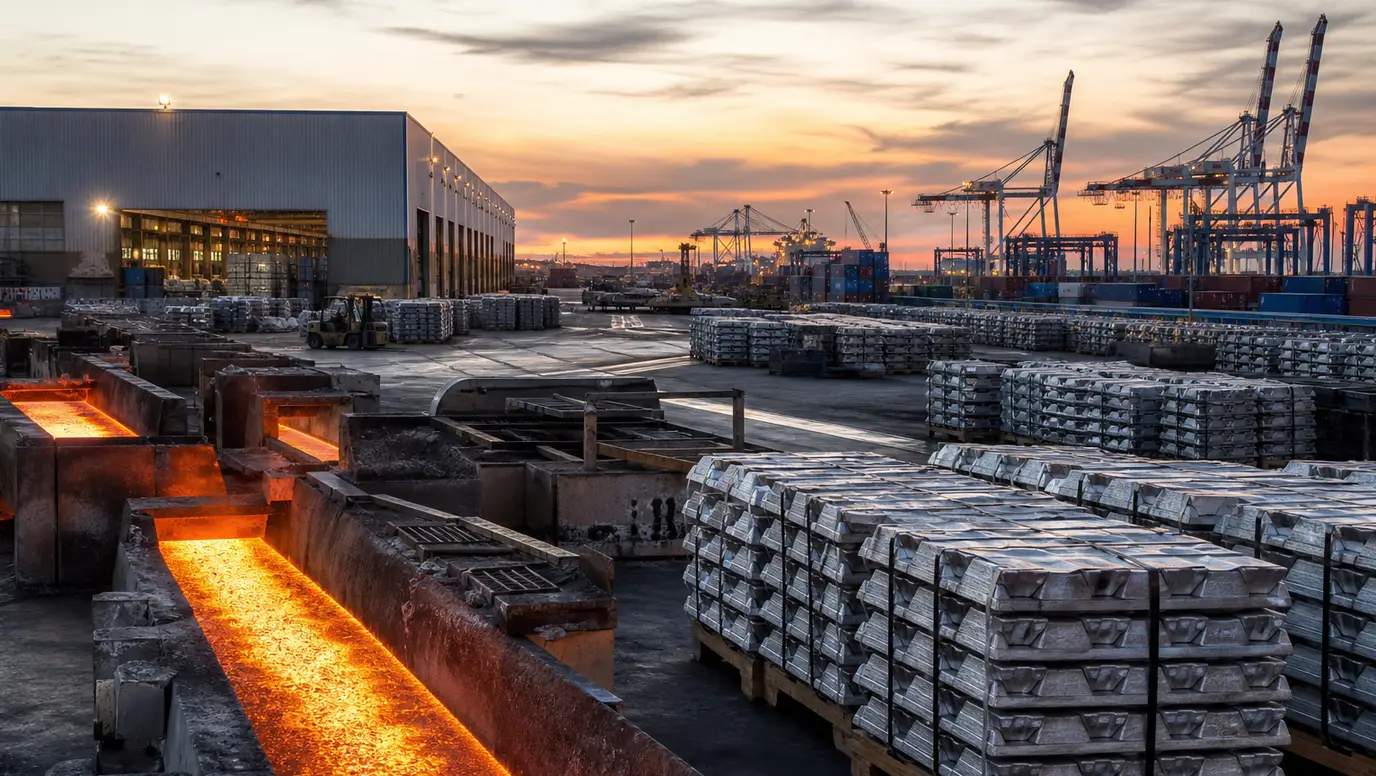
SEPTEMBER 6, 2026
Aluminum Futures Split Metals Market as Supply Risk Meets Soft China Demand
SEPTEMBER 5, 2026
Lead Lags Metals Market as Inventory Draws Fail to Shift Demand Doubts
SEPTEMBER 4, 2026
Gold Slides as Strong US Jobs Report Reprices Metals Market for Federal Reserve Risk
SEPTEMBER 2, 2026
Copper Pullback Hits Metals Market as Strong Dollar Revives Federal Reserve Rate Risk
AUGUST 31, 2026
Aluminum Premiums Rebound as Metals Market Tracks Tariff Risk and Alumina Squeeze
AUGUST 29, 2026
Gold Retreat Puts Metals Market on Federal Reserve Rate-Hike Watch
AUGUST 27, 2026
Copper Backwardation Puts Metals Market on Supply Stress Alert as Fed Risk Caps Rally
AUGUST 23, 2026
Aluminum Rally Puts Metals Market on Smelter Restart Watch as Inventories Tighten