OCTOBER 23, 2026
Copper Metals Market Rebounds as Nickel Slips on Indonesia Cut WatchCopper rebounds as risk appetite steadies, while nickel slips as traders await firmer signals on Indonesian output cuts.

© 1box.site 2026
JULY 28, 2026
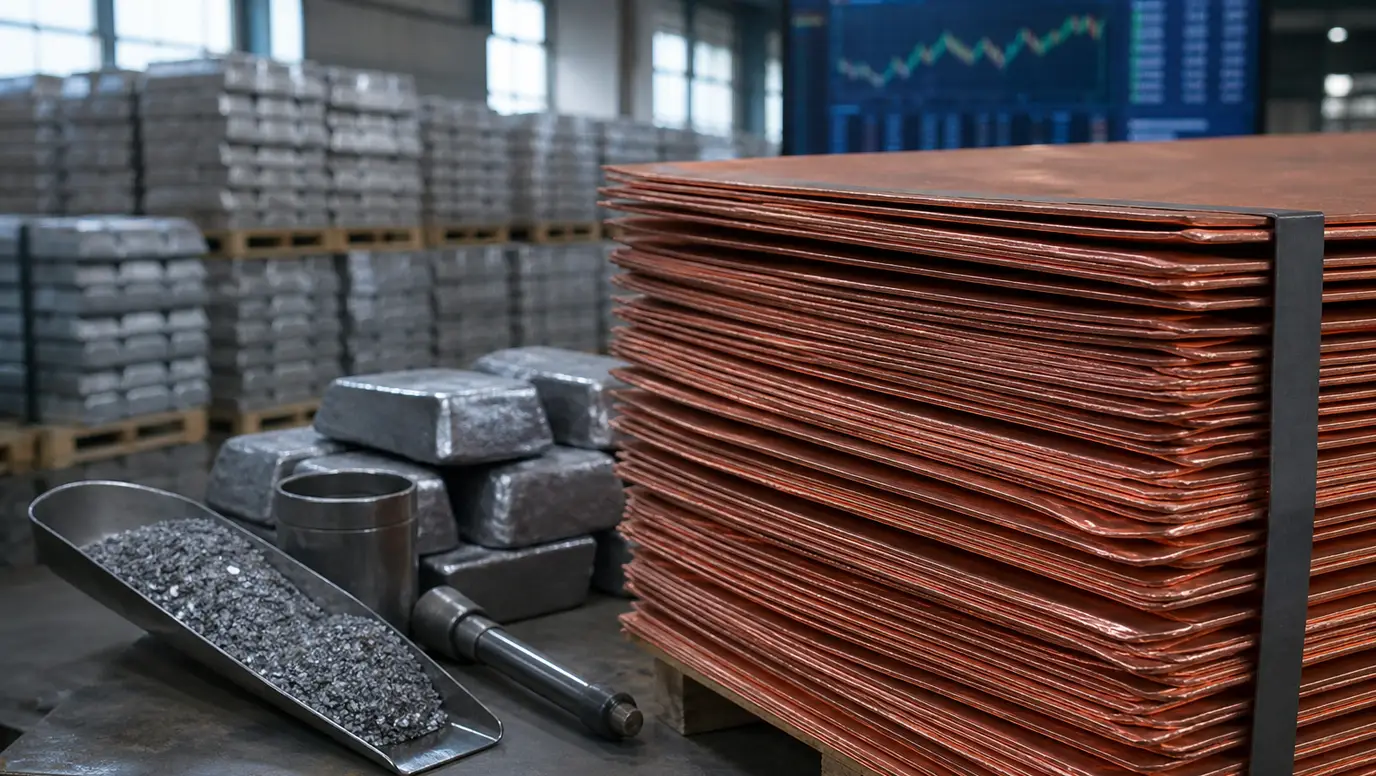
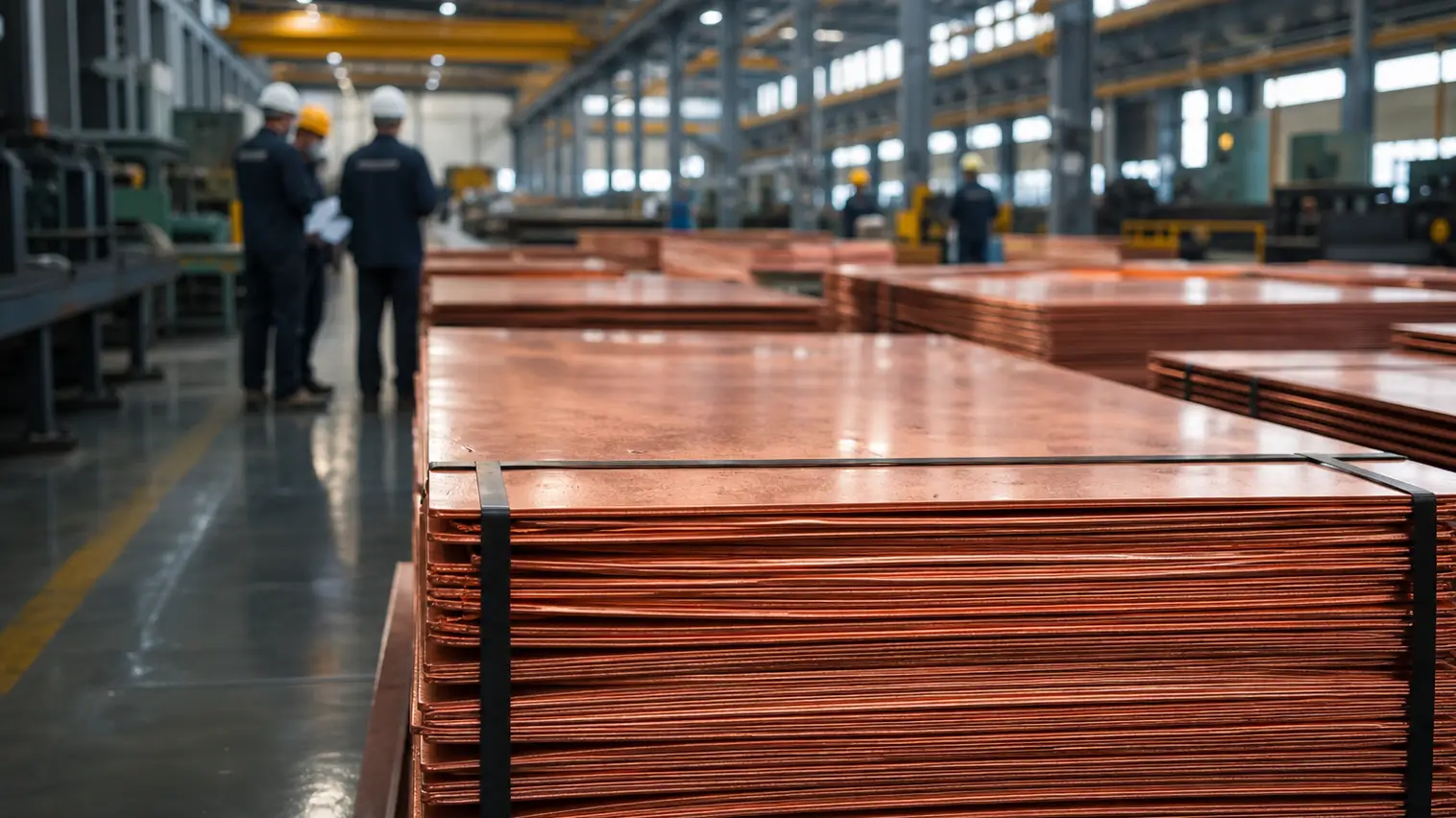
Copper is moving back to the center of the metals market as traders balance firm Chinese physical demand against a raw-material squeeze that is keeping supply risk elevated. The red metal has avoided a deeper pullback even as broader risk assets wait for fresh guidance from rates, the US Dollar and global growth indicators.
The latest focus is not just the headline price, but the condition of the physical chain behind it. Exchange inventories have been drawing down in recent weeks, cancelled warrants have pointed to metal being prepared for withdrawal, and Chinese smelters continue to compete for constrained concentrate supply. That mix is keeping copper sensitive to any sign of mine disruption or stronger downstream buying.
For metals and commodities investors, the setup is important because copper often acts as a real-time gauge of industrial confidence. Unlike gold, which is driven heavily by yields and haven demand, copper is being priced through power grids, electric vehicles, construction activity, manufacturing orders and the availability of refined metal in the right regions.
China remains the key swing factor. Refined copper production has stayed strong despite tight concentrate availability, with smelters turning to alternative feed such as scrap and blister copper to maintain output. That has helped prevent an immediate shortage of refined units, but it has also underlined how little spare comfort exists in the processing chain.
Treatment and refining charges remain under pressure, a sign that smelters have less bargaining power because concentrate is scarce. In practical terms, low charges suggest miners are in a stronger position, while processors must work harder to secure feedstock. If this pressure persists, the market may increasingly distinguish between companies exposed to upstream copper supply and those relying on lower-margin processing activity.
Demand indicators are mixed but not weak enough to break the bullish supply narrative. High prices can discourage discretionary purchases, especially among fabricators that buy only for immediate needs. Still, copper consumption tied to grid investment, renewable power connections, data infrastructure and electric mobility continues to provide a structural support layer that has not disappeared.
The inventory picture is another reason copper bears have struggled to take control. Drawdowns across visible exchange stocks suggest that available metal is not building quickly, even after a strong price run earlier in the year. When warehouse cushions are thin, small disruptions can have an outsized impact on nearby pricing and regional premiums.
Chile remains a key supply risk for the market. Production setbacks at large mining operations and weather-related disruptions have kept traders alert to the possibility that mine supply will not respond fast enough to higher prices. Because copper projects are capital intensive and slow to develop, the market cannot easily replace lost output in the short term.
That is why copper is trading less like a simple macro bet and more like a supply-chain stress trade. A stronger US Dollar or rising Treasury yields can still pressure metals by making dollar-priced commodities more expensive for overseas buyers. However, tight physical conditions can offset some of that macro drag when consumers need material and inventories are not abundant.
The next phase for copper will likely depend on whether Chinese demand remains resilient into late summer and whether exchange stocks continue to fall. A sustained rebuild in inventories would cool the tightness premium and invite more profit-taking. By contrast, further draws in London and Shanghai would reinforce the view that the market is short of immediately deliverable metal.
Traders are also watching policy signals and trade measures that could reshape regional flows. Tariff uncertainty can widen gaps between exchange prices, shift metal toward the most profitable destination and create temporary shortages in one region even when global supply looks adequate on paper. That makes copper spreads, premiums and warehouse data as important as the outright futures price.
For now, copper’s message is that the metals market is still pricing a narrow supply margin. Unless demand weakens more clearly or inventories rebuild, dips may continue to attract buyers looking for exposure to electrification, infrastructure and industrial restocking. The risk is that high prices eventually slow consumption, but the immediate market tone remains anchored by tight supply rather than oversupply.
OCTOBER 23, 2026
Copper Metals Market Rebounds as Nickel Slips on Indonesia Cut Watch
OCTOBER 18, 2026
Copper Metals Market Holds Near Record as Tight Stocks Offset Federal Reserve Shock
OCTOBER 12, 2026
Copper Metals Market Rises as China Premium and Tight LME Stocks Challenge US Dollar
OCTOBER 6, 2026
Copper Futures Rally Puts Metals Market Focus on Smelter Squeeze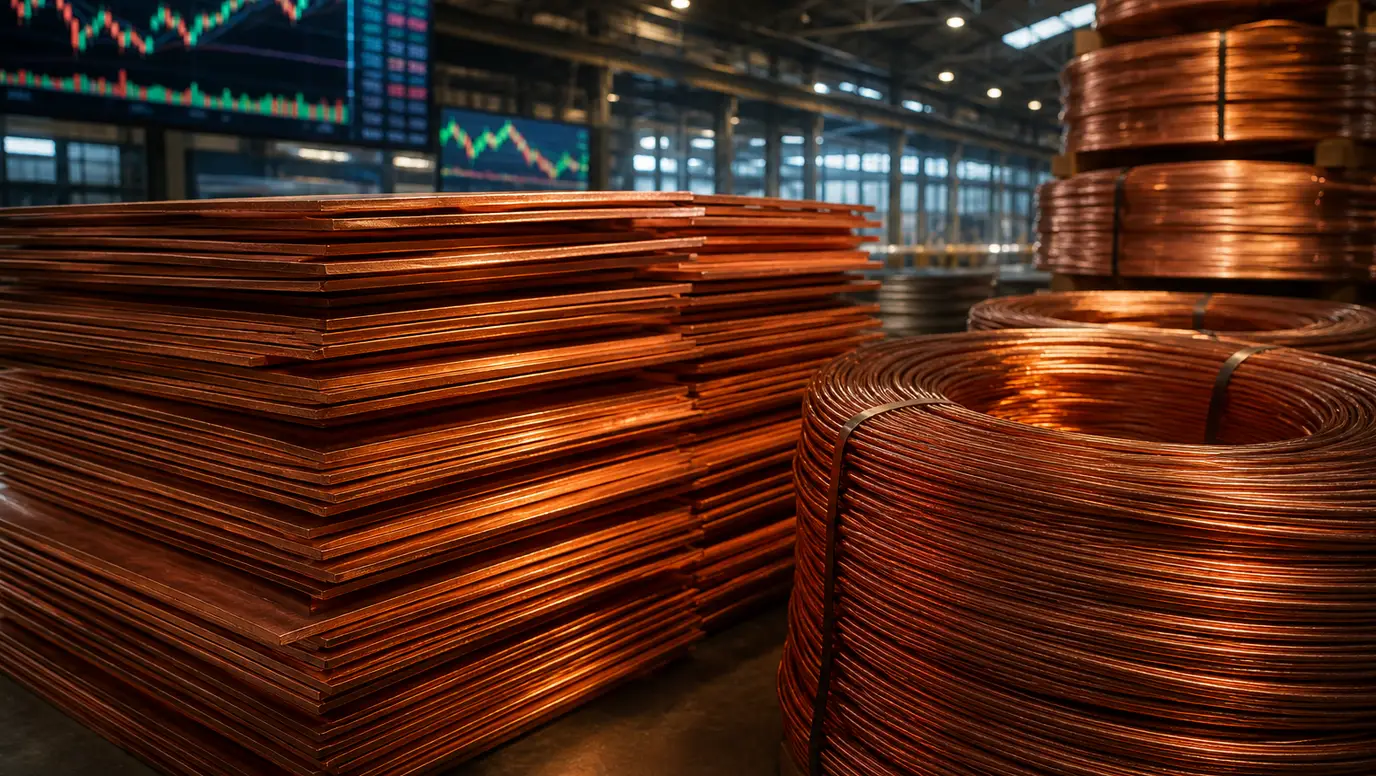
SEPTEMBER 30, 2026
Copper Futures Steady as Metals Market Weighs Dollar, Oil and Federal Reserve Risk
SEPTEMBER 27, 2026
Gold Futures Slip as Sticky Inflation and Fed Rate Bets Cap Metals Market Rebound
SEPTEMBER 25, 2026
Copper Futures Climb as China Tightness Puts Metals Market on Supply Watch
SEPTEMBER 19, 2026
Copper Futures Rally Puts Metals Market on Federal Reserve and PMI Watch
SEPTEMBER 13, 2026
Copper Futures Pullback Puts Metals Market on Tariff Doubt Watch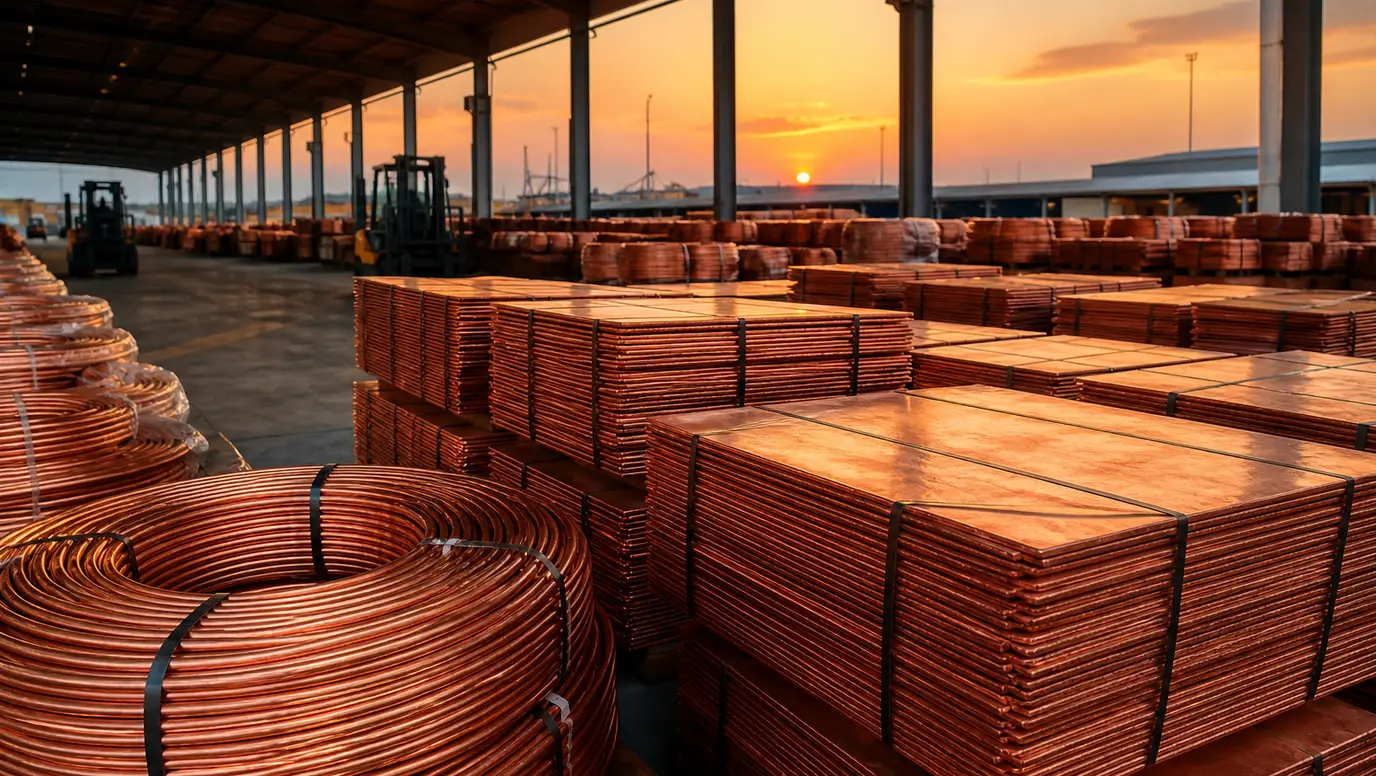
SEPTEMBER 8, 2026
Copper Hits Record High as Tariff Risk Tightens Metals Market Supply
SEPTEMBER 5, 2026
Lead Lags Metals Market as Inventory Draws Fail to Shift Demand Doubts
SEPTEMBER 2, 2026
Copper Pullback Hits Metals Market as Strong Dollar Revives Federal Reserve Rate Risk
AUGUST 27, 2026
Copper Backwardation Puts Metals Market on Supply Stress Alert as Fed Risk Caps Rally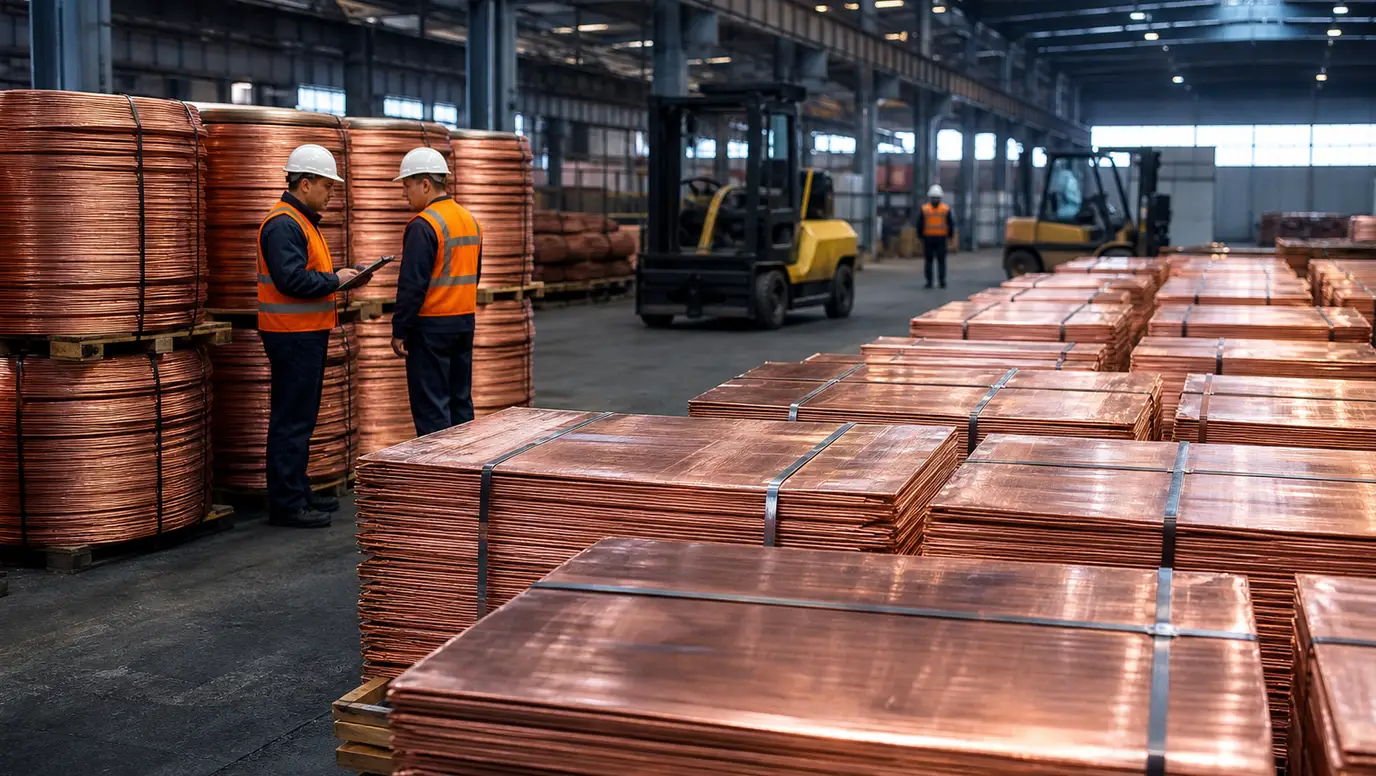
AUGUST 20, 2026
Copper Backwardation Puts Metals Market on Tariff Watch as Warehouse Stocks Fall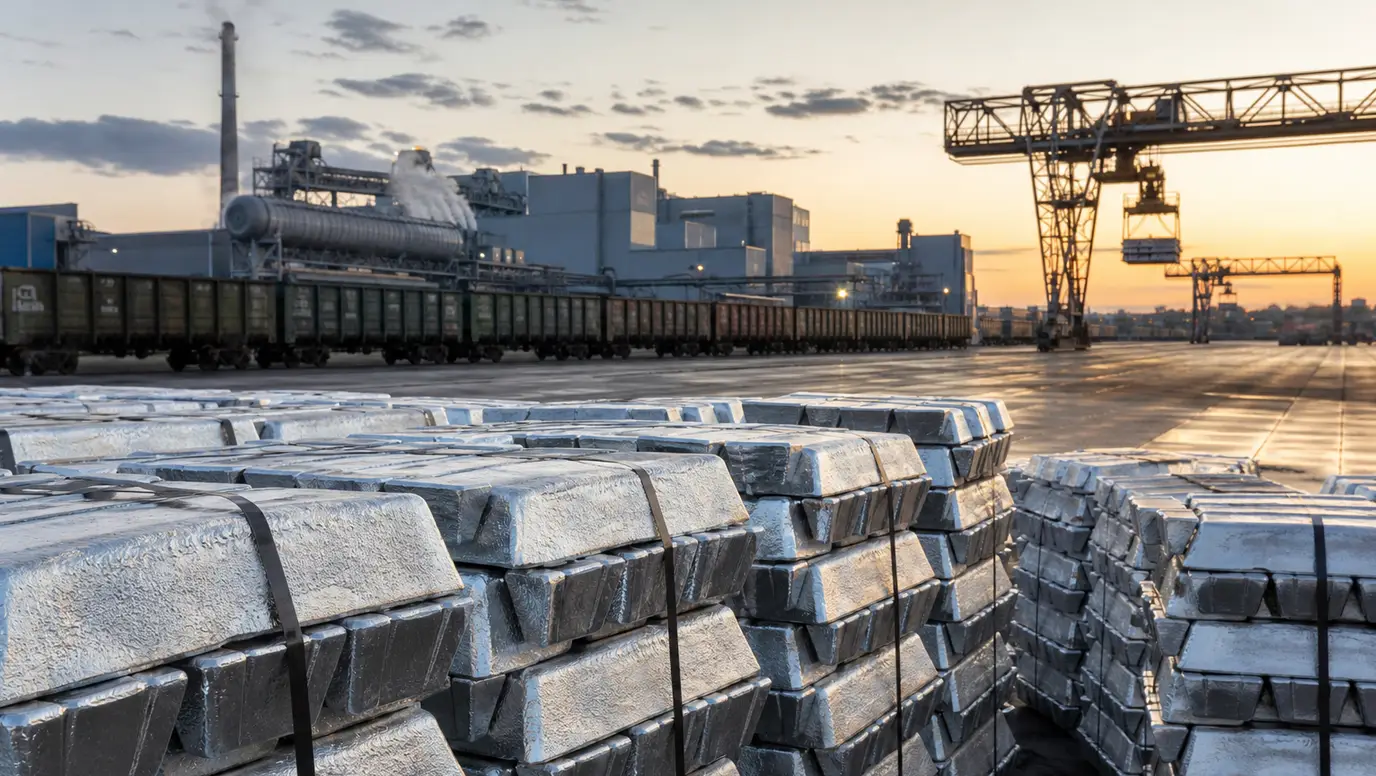
AUGUST 15, 2026
Aluminum Keeps Metals Market on Inventory Watch as China Demand Offsets Tariff Risk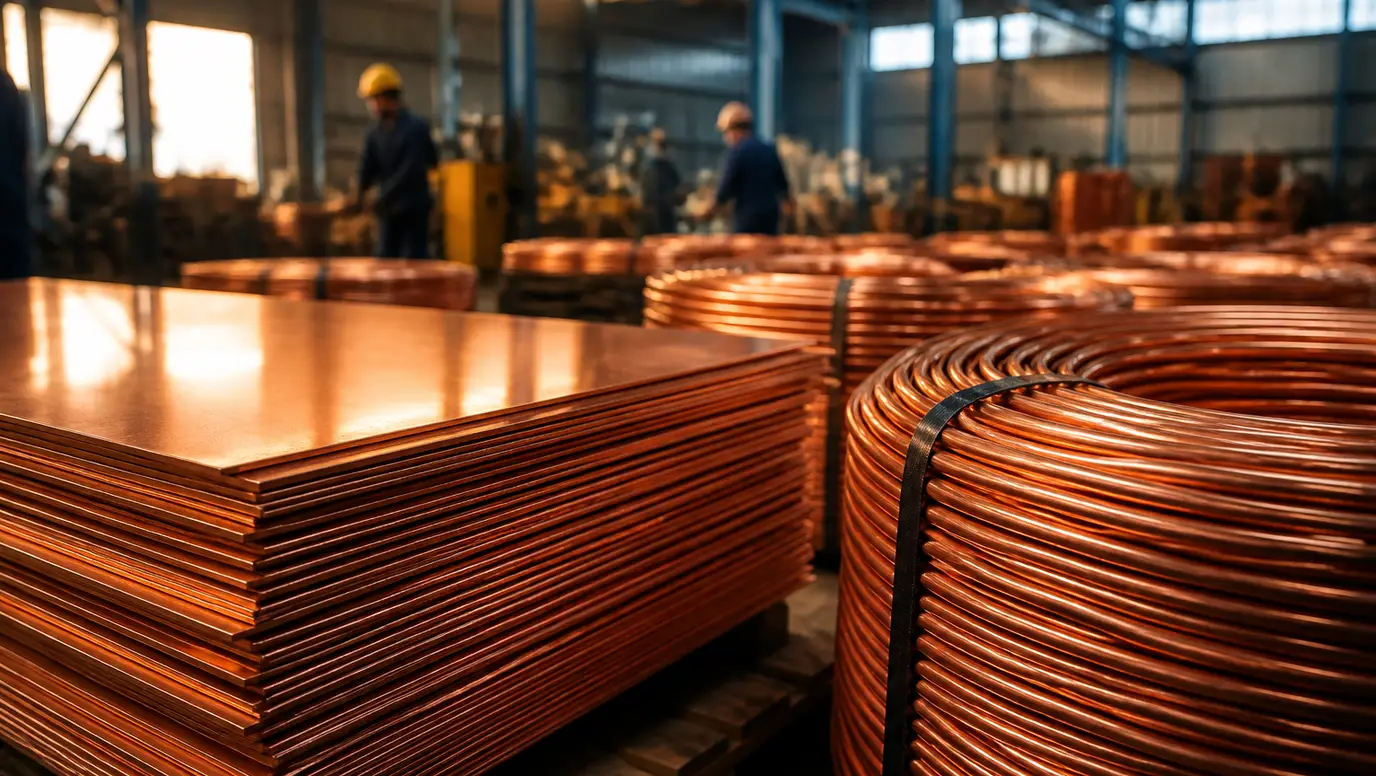
AUGUST 14, 2026
Copper Squeeze Lifts Metals Market as Treasury Yields Test Rally
AUGUST 8, 2026
Copper Breakout Keeps Metals Market Focused on China Premiums and Inventory Drain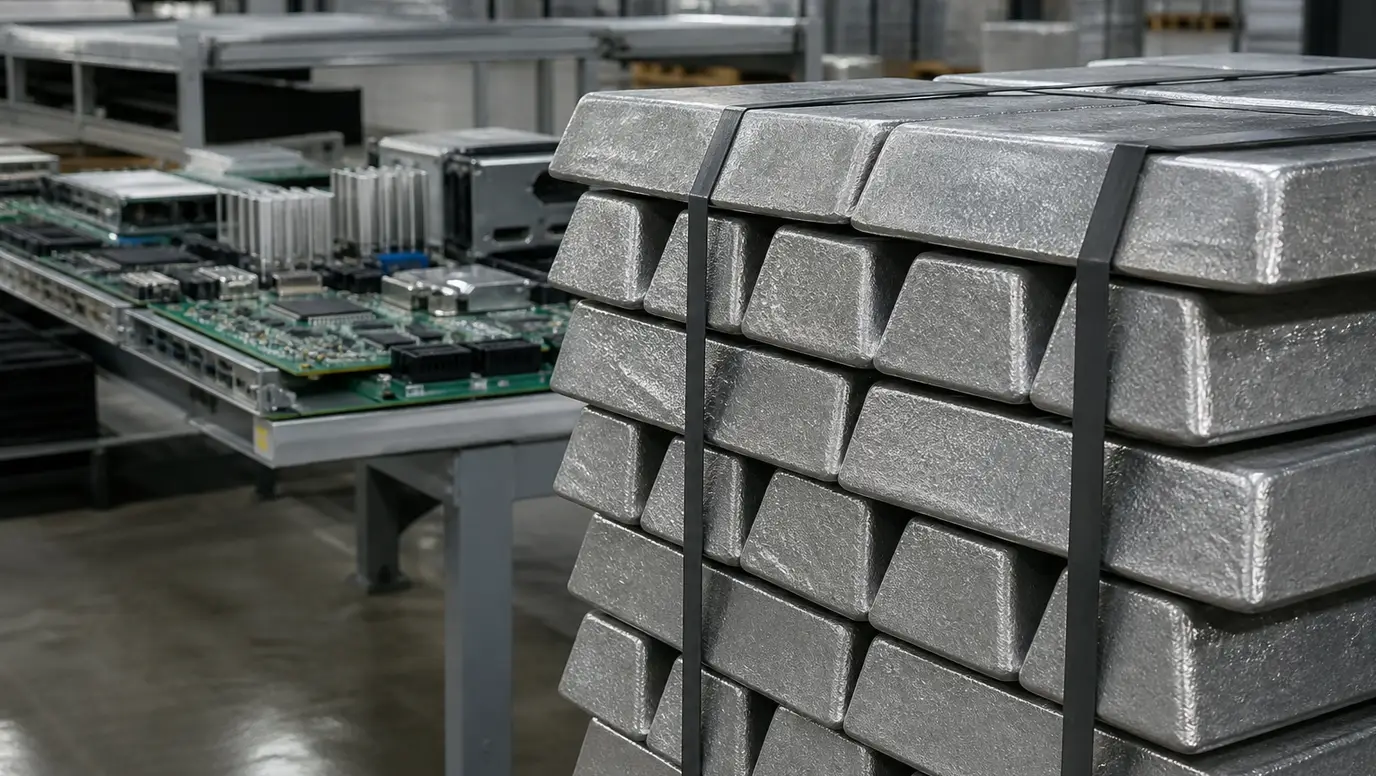
AUGUST 7, 2026
Tin Keeps Metals Market on Supply Watch as AI Demand Supports Commodities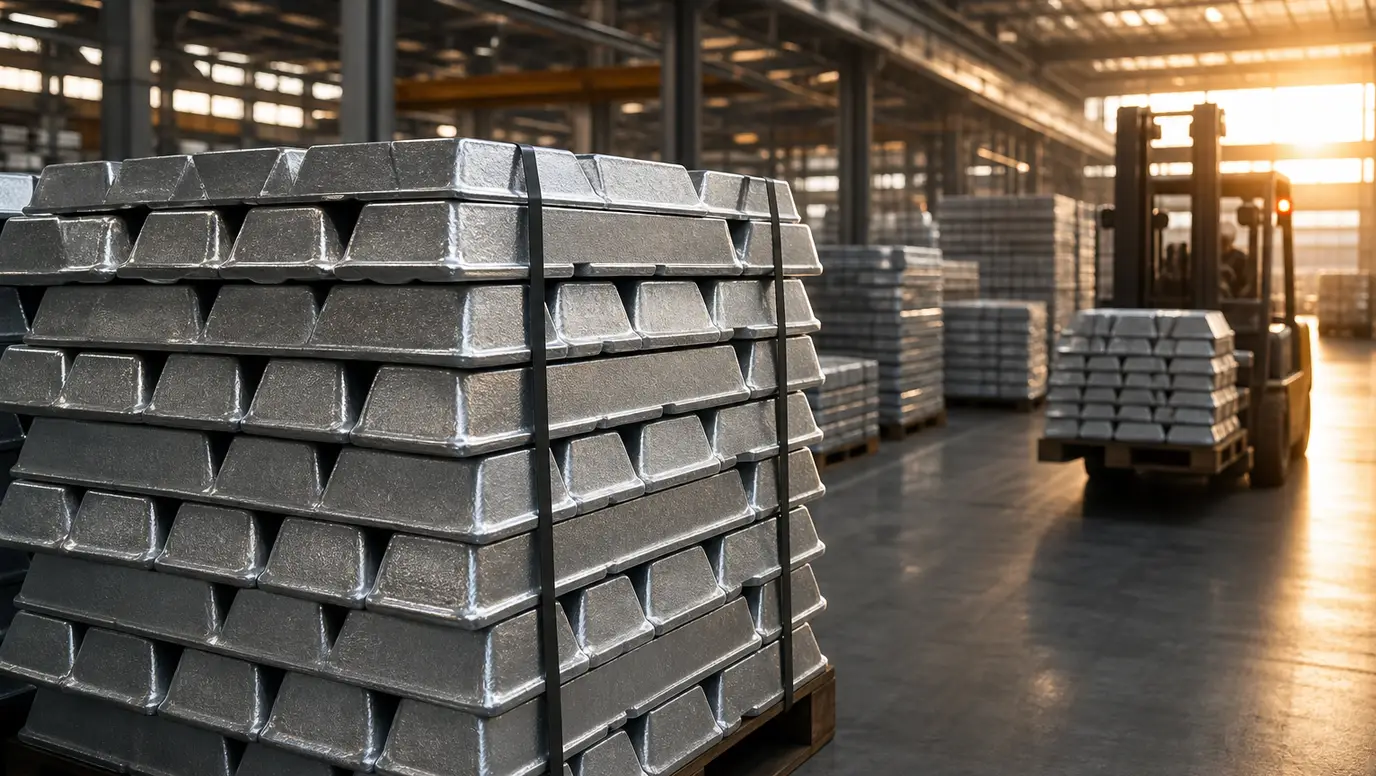
AUGUST 4, 2026
Aluminum Premium Squeeze Keeps Metals and Commodities Traders Focused on U.S. Tariffs
AUGUST 3, 2026
Copper Rebound Puts Metals Market on US Dollar Watch as Supply Tightness Offsets Demand Caution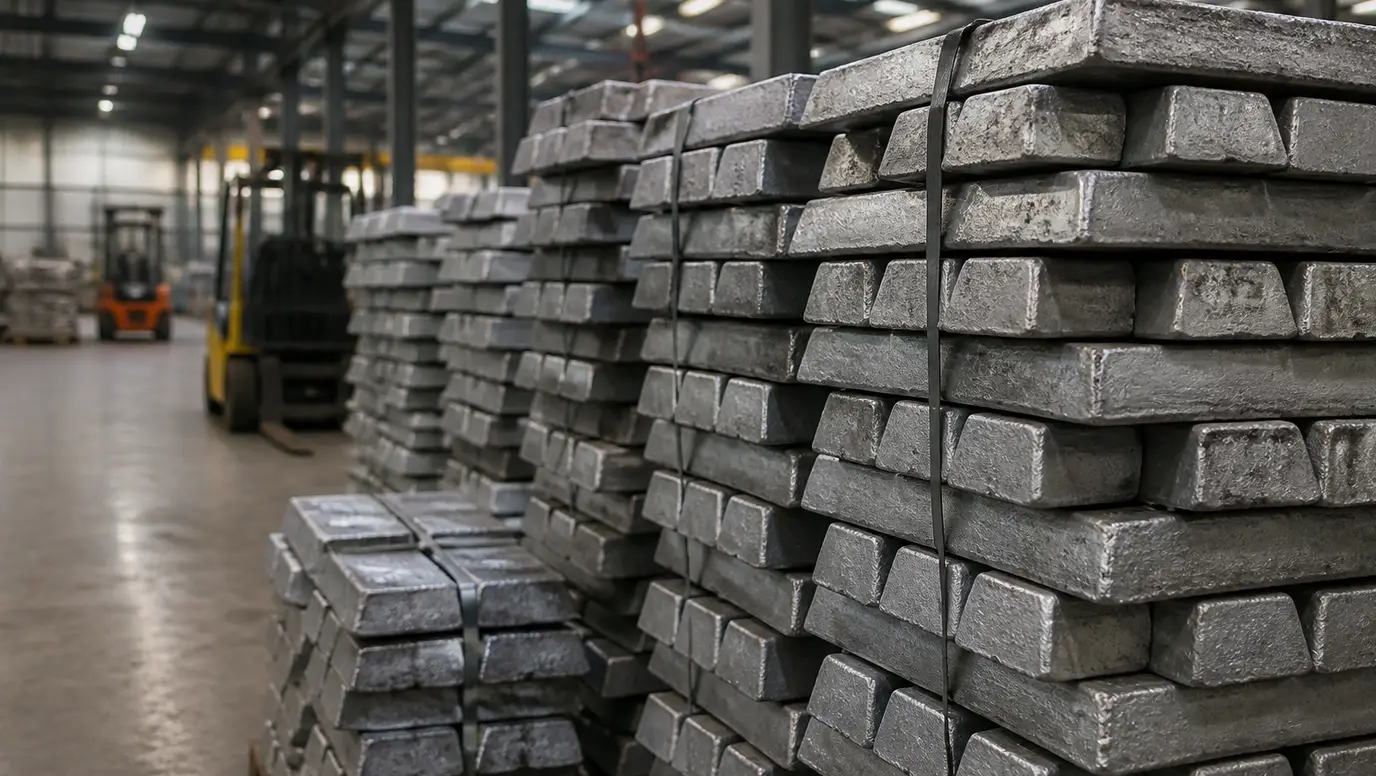
AUGUST 2, 2026
Lead Rebound Tests Metals and Commodities as Warehouse Overhang Caps Rally
JULY 30, 2026
Palladium Rebound Stalls as Metals and Commodities Traders Weigh Auto Demand
JULY 29, 2026
Aluminum Stockpile Drain Puts Metals and Commodities on Premium Watch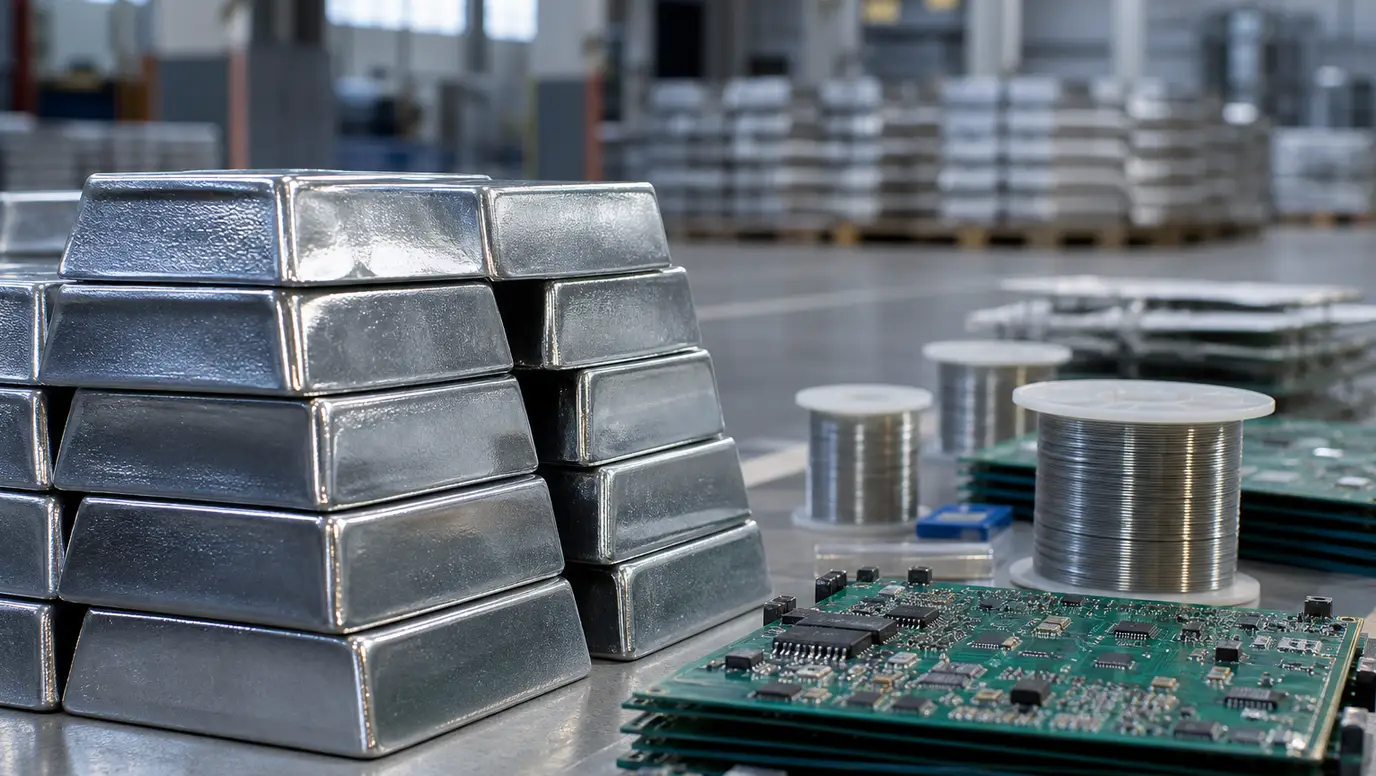
JULY 25, 2026
Tin Tightness Puts Metals and Commodities Traders on Solder Supply Watch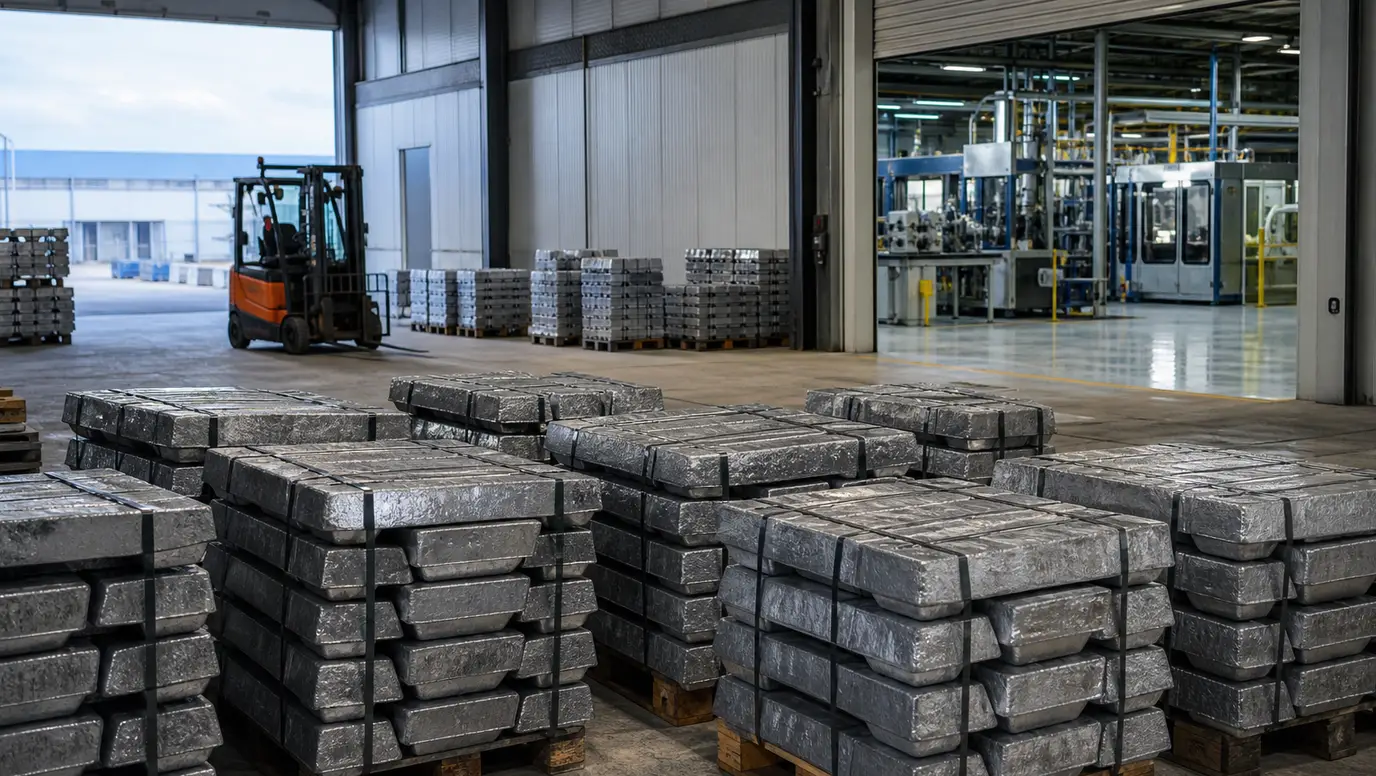
JULY 24, 2026
Lead Inventory Shock Puts Metals Traders on Battery Demand Watch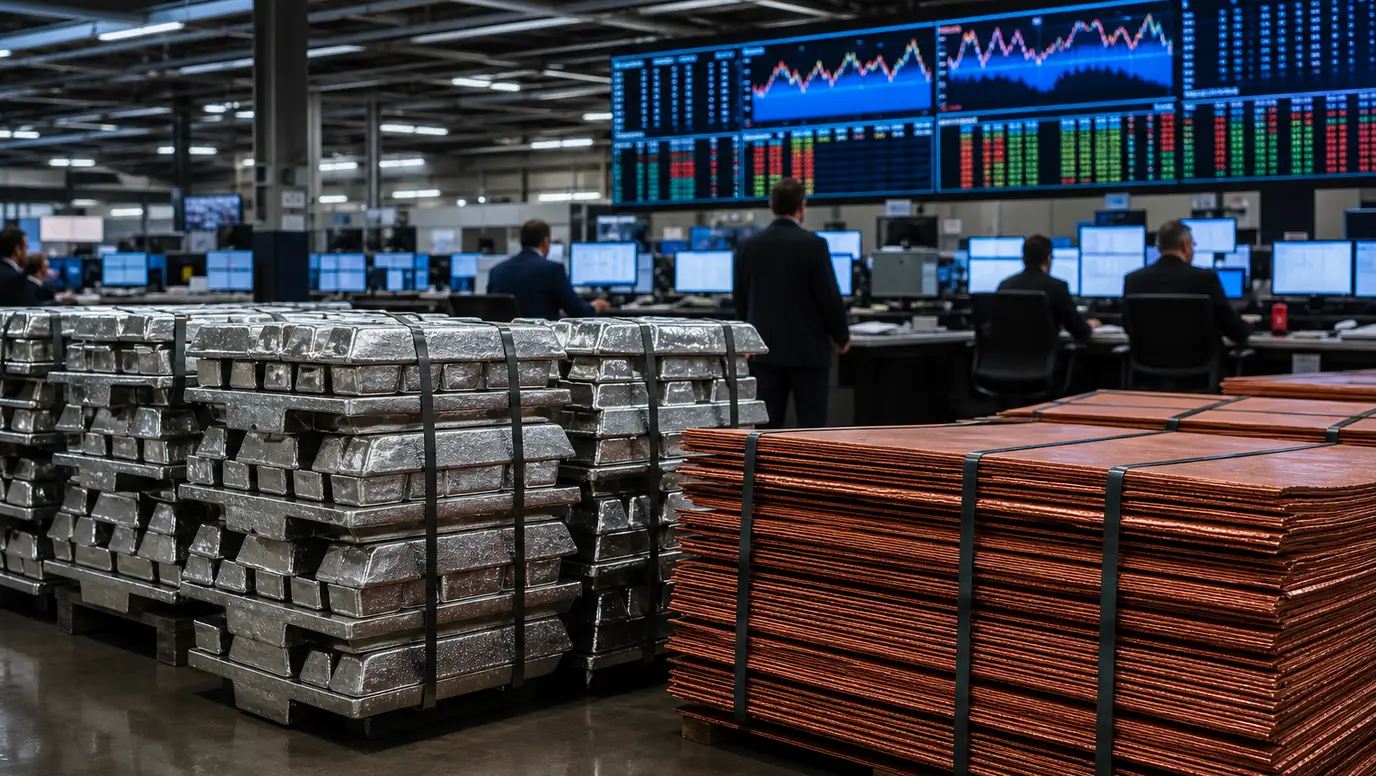
JULY 21, 2026
Aluminum and Copper Rally Puts Metals Market on Tariff Watch
JULY 18, 2026
Copper Pullback Keeps Metals Market Defensive as Gold and Silver Watch Yields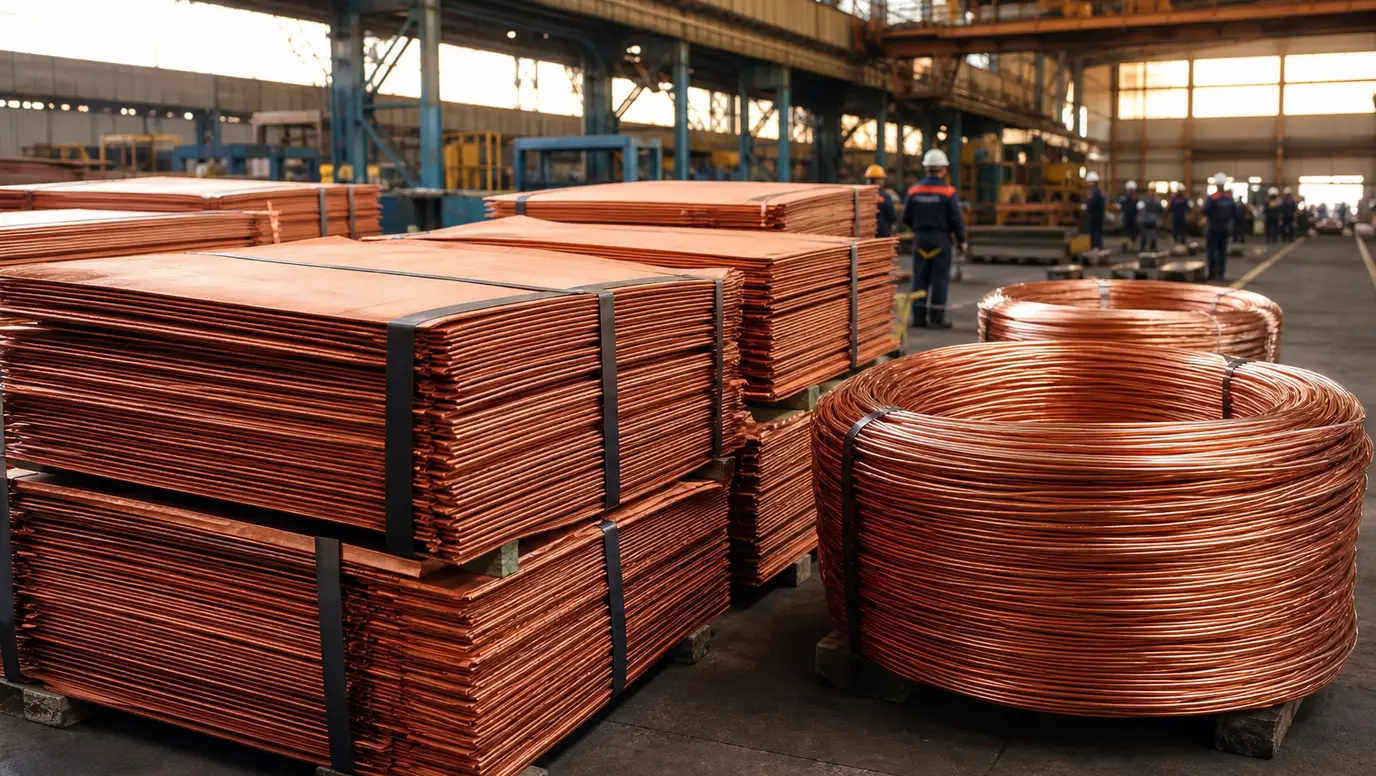
JULY 15, 2026
Copper Prices Lead Metals Market as China Demand Puts Supply Tightness Back in Focus
JULY 14, 2026
Gold and Silver Jump as Cool CPI Pulls Metals Market Back Toward Real-Yield Trade
JULY 13, 2026
Silver Slides as Yield Shock Overpowers Haven Demand in Metals Market