OCTOBER 24, 2026
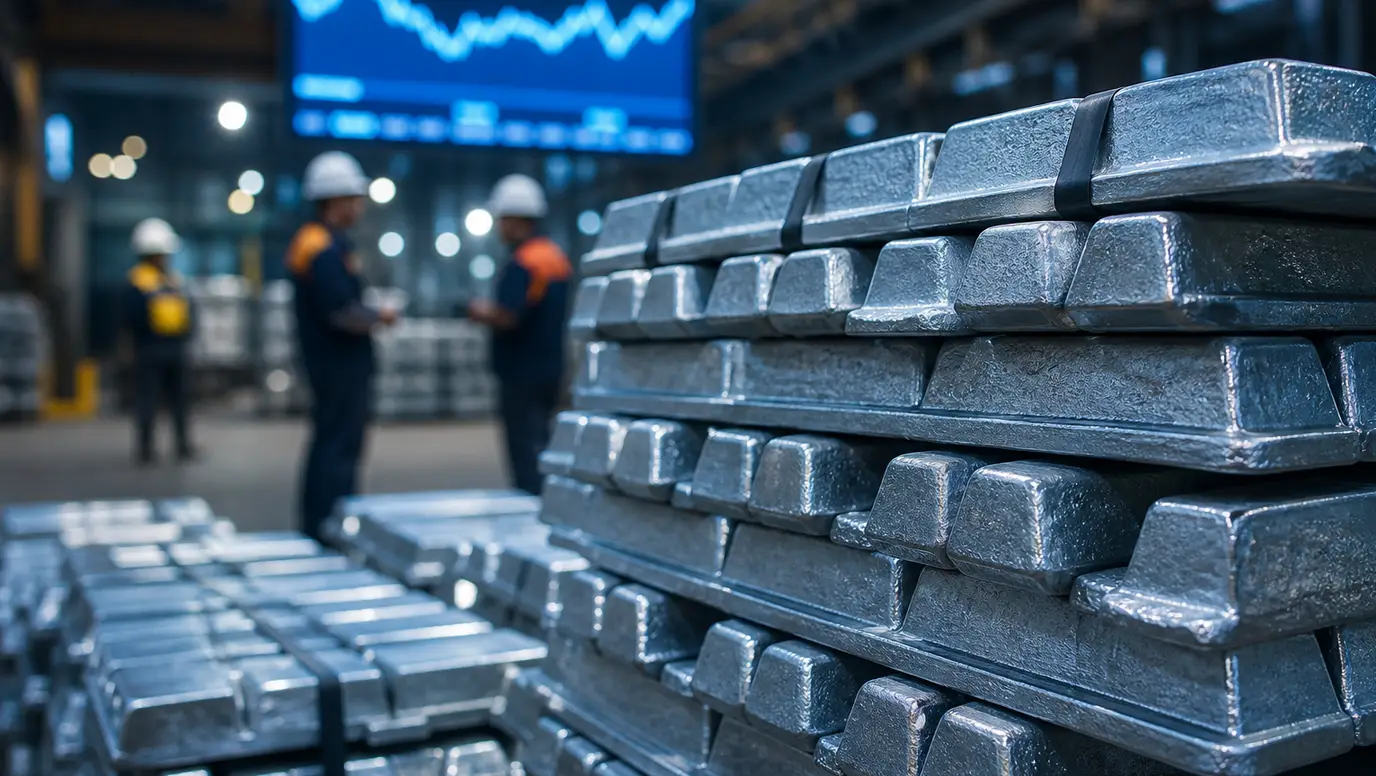
Zinc Metals Market Leads Base-Metal Rebound as Dollar Risk Meets Inventory BuildZinc leads the metals market rebound as traders weigh stronger base-metal demand signals against rising inventories and dollar risk.

© 1box.site 2026
SEPTEMBER 12, 2026
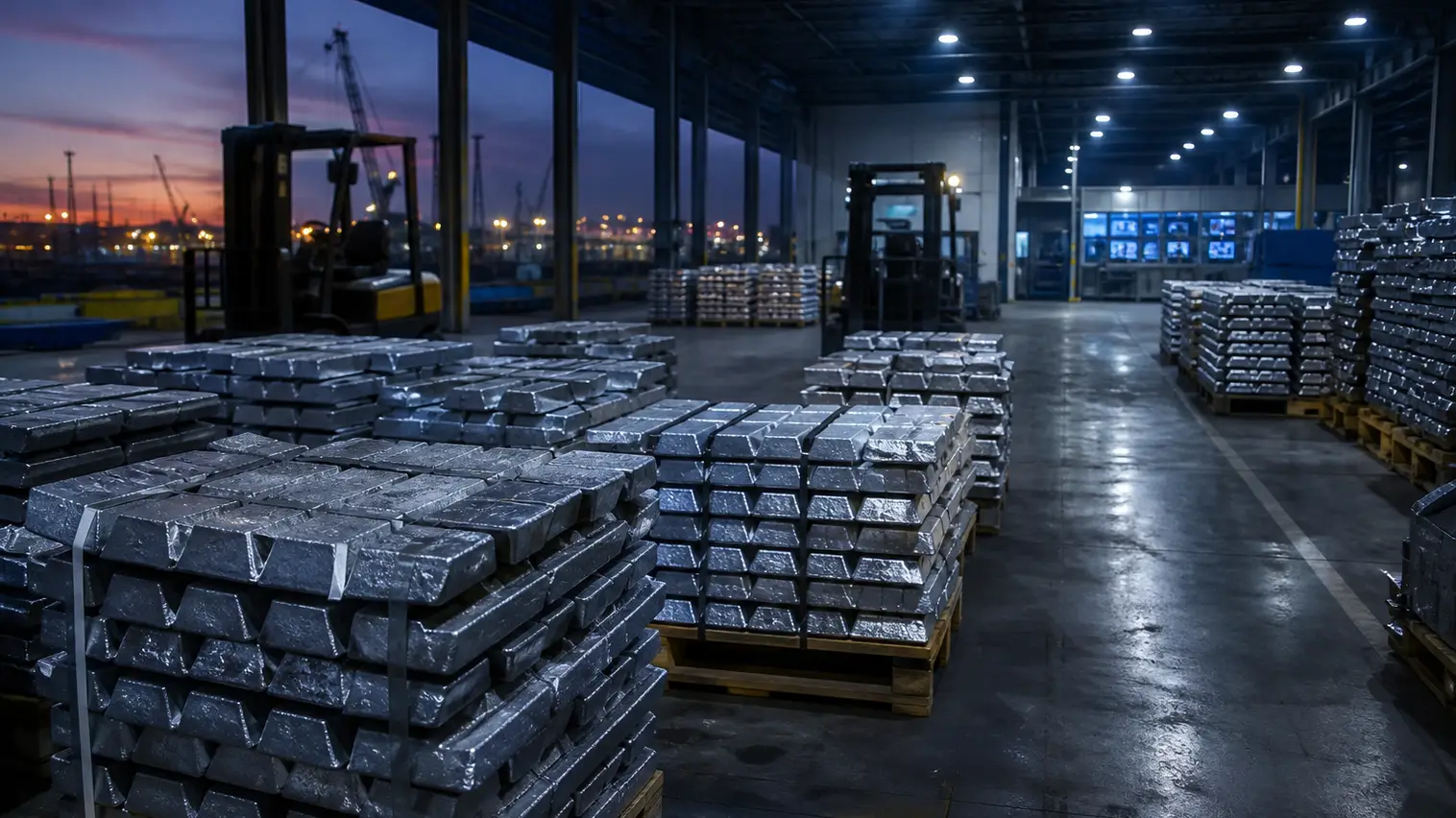
Zinc futures are moving into the new trading week with stronger momentum than much of the base metals complex, but the rally is now facing a sharper test from warehouse data and mixed demand signals. Recent market pricing shows zinc outperforming several industrial metals in September, supported by broad commodity rotation, short-covering and expectations that lower financing costs could eventually improve manufacturing demand.
The latest inventory picture is less straightforward. Exchange-registered zinc stocks have risen sharply over the past month, even after a small daily draw in the most recent reported session. That combination suggests the market is not facing an immediate shortage, yet traders are still willing to pay up for zinc exposure when macro sentiment improves. The result is a metals market that looks constructive on price charts but more cautious in its physical signals.
Zinc’s recent advance has been notable because it has come alongside a meaningful rebuild in visible inventories. Stocks remain moderate by long-term standards, but the speed of the increase has cooled the argument that supply tightness alone is driving prices higher. For traders, the key question is whether this inventory build reflects temporary metal movement into warehouses or a more durable cooling in consumption from galvanizing, construction and transport-linked demand.
The answer matters because zinc often reacts quickly to shifts in industrial confidence. A sustained fall in inventories would strengthen the bullish case and could encourage funds to add to long positions. A renewed rise, especially if paired with softer factory data, would leave futures vulnerable to profit-taking after September’s gains.
China remains the central demand variable for the zinc market because of its role in steel galvanizing, infrastructure activity and property-related metals consumption. Recent signals from the region point to uneven demand rather than a clear acceleration. Some physical-market indicators suggest buyers are still price-sensitive, while inventory movements show metal is available even as futures prices hold firm.
That divergence is keeping zinc in a delicate position. If policy support in China translates into stronger orders for galvanized steel, the current rally could gain a stronger fundamental base. If demand remains uneven, higher stocks may become harder for the market to ignore.
Macro conditions are also influencing zinc futures. A softer dollar and expectations of easier monetary policy tend to support dollar-denominated commodities by improving affordability for overseas buyers and lowering the opportunity cost of holding cyclical assets. This has helped keep investor interest alive across parts of the metals market, even where physical demand data has not fully confirmed the price move.
Still, zinc is likely to remain highly sensitive to incoming economic releases. Stronger manufacturing indicators could validate the rally, while hotter inflation or firmer bond yields could pressure metals by reviving concerns that central banks may keep policy restrictive for longer.
For now, zinc futures have a constructive tone, but the next phase of the move may depend on whether inventories stop rebuilding and downstream demand improves. Traders will be watching warehouse flows, Chinese industrial data and currency moves for confirmation that the rally is more than a positioning-driven rebound.
If visible stocks begin to decline while macro conditions remain supportive, zinc could continue to lead parts of the base metals complex. If inventories build again, the market may shift from chasing momentum to questioning whether current prices have moved ahead of fundamentals.
OCTOBER 24, 2026
Zinc Metals Market Leads Base-Metal Rebound as Dollar Risk Meets Inventory Build
OCTOBER 13, 2026
Zinc Metals Market Falls as LME Stock Jump and US Dollar Pressure Base Metals
OCTOBER 8, 2026
Zinc Metals Tightness Faces US Dollar and Treasury Yield Test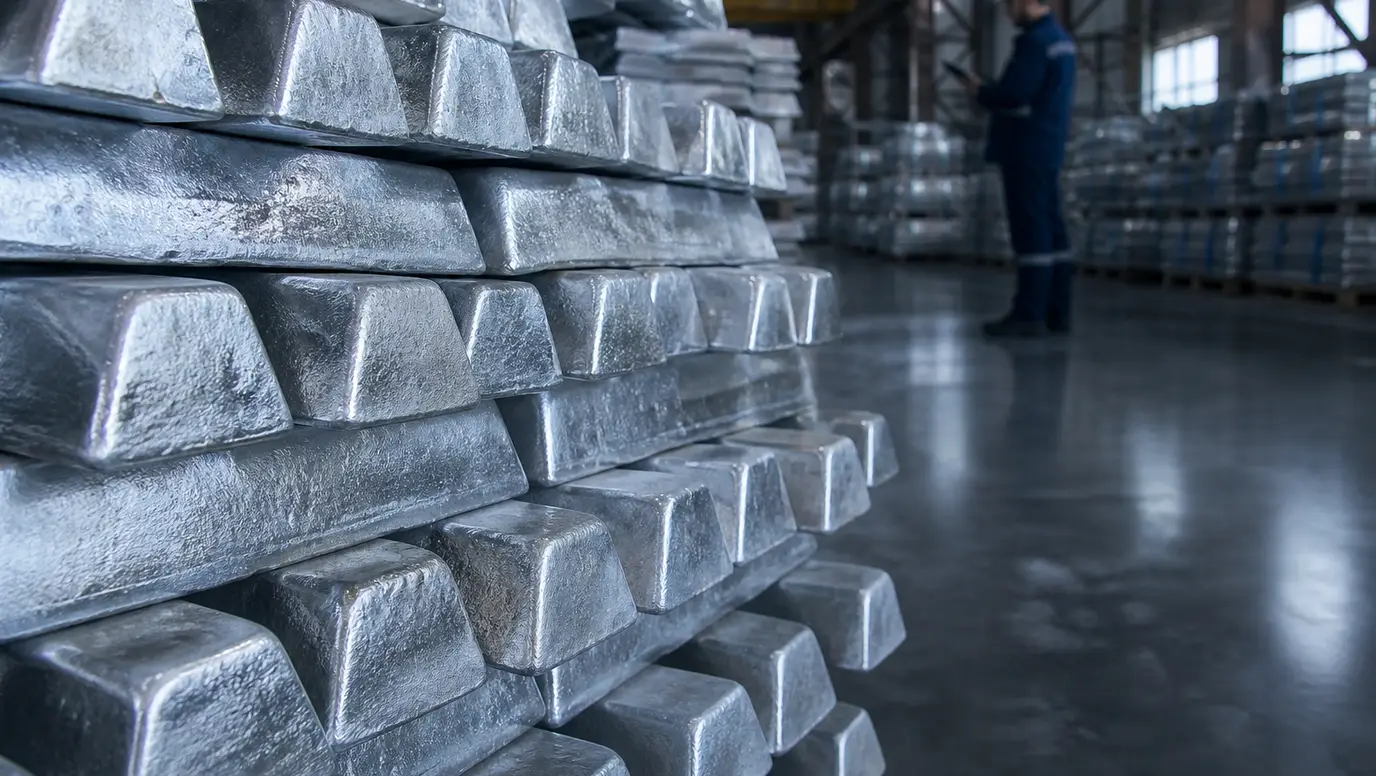
SEPTEMBER 29, 2026
Zinc Futures Fall as China Demand Worries Test Metals Market Tightness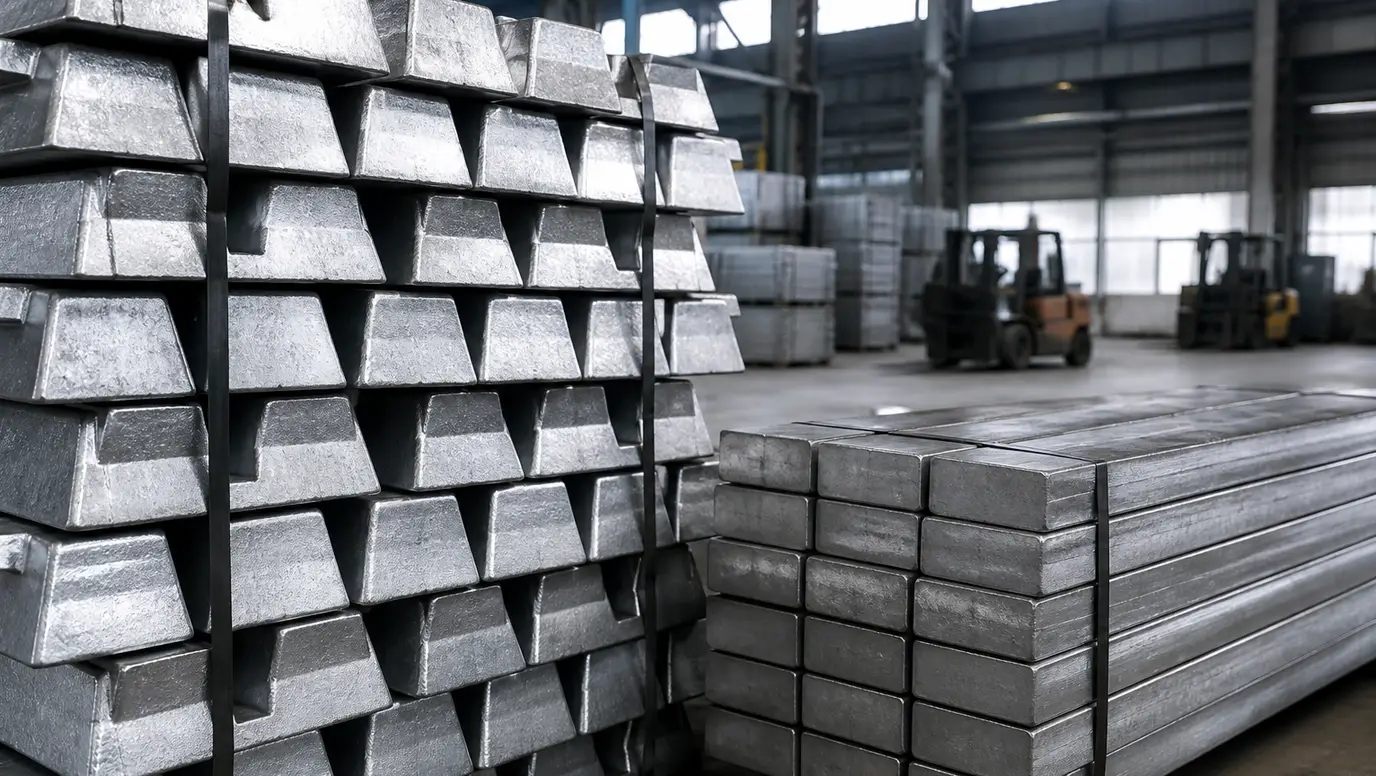
SEPTEMBER 18, 2026
Zinc Futures Squeeze Lifts Metals Market as Lead Inventories Tighten
SEPTEMBER 7, 2026
Zinc Futures Defy Federal Reserve Pressure as Supply Squeeze Tightens Metals Market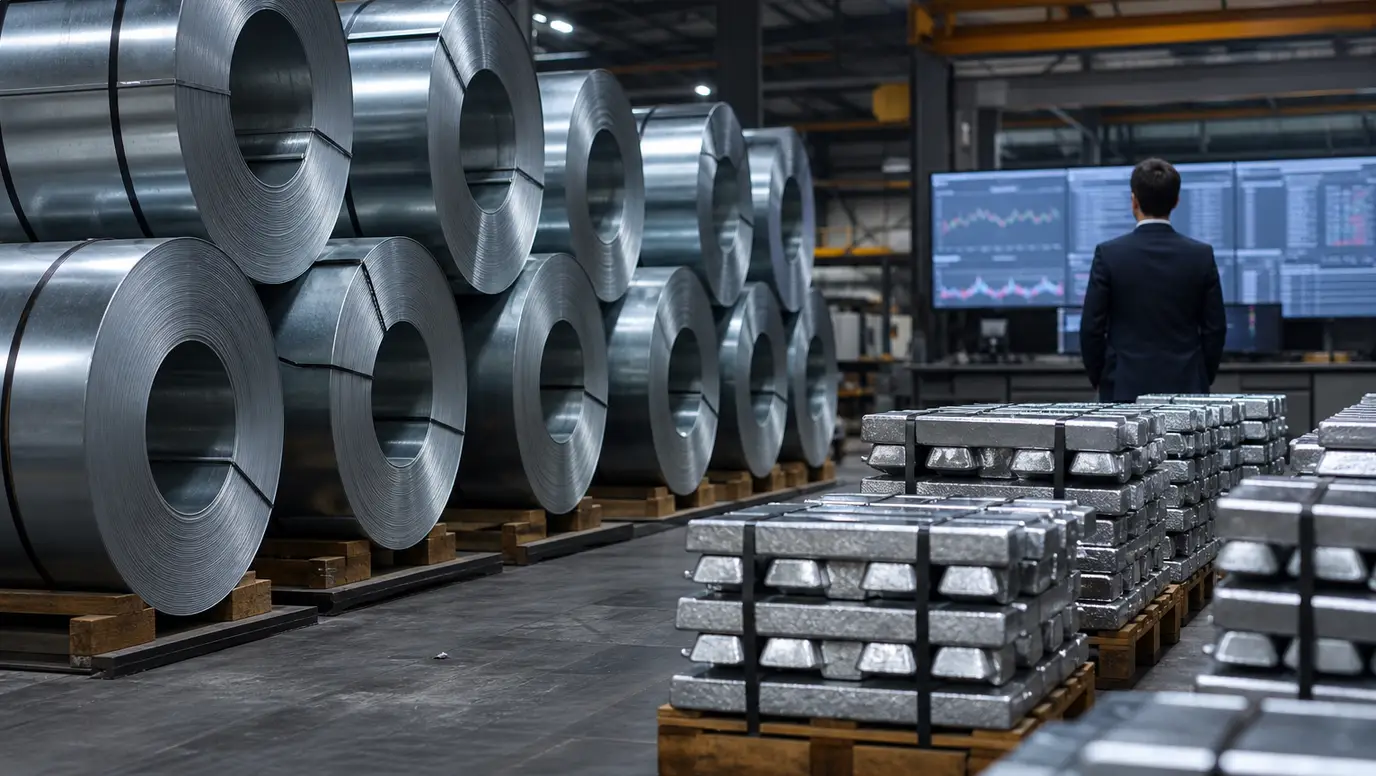
SEPTEMBER 1, 2026
Zinc Rally Leads Metals Market as Supply Fears Lift Base Metals
AUGUST 26, 2026
U.S. Zinc Futures Debut Puts Metals Market on Regional Pricing Watch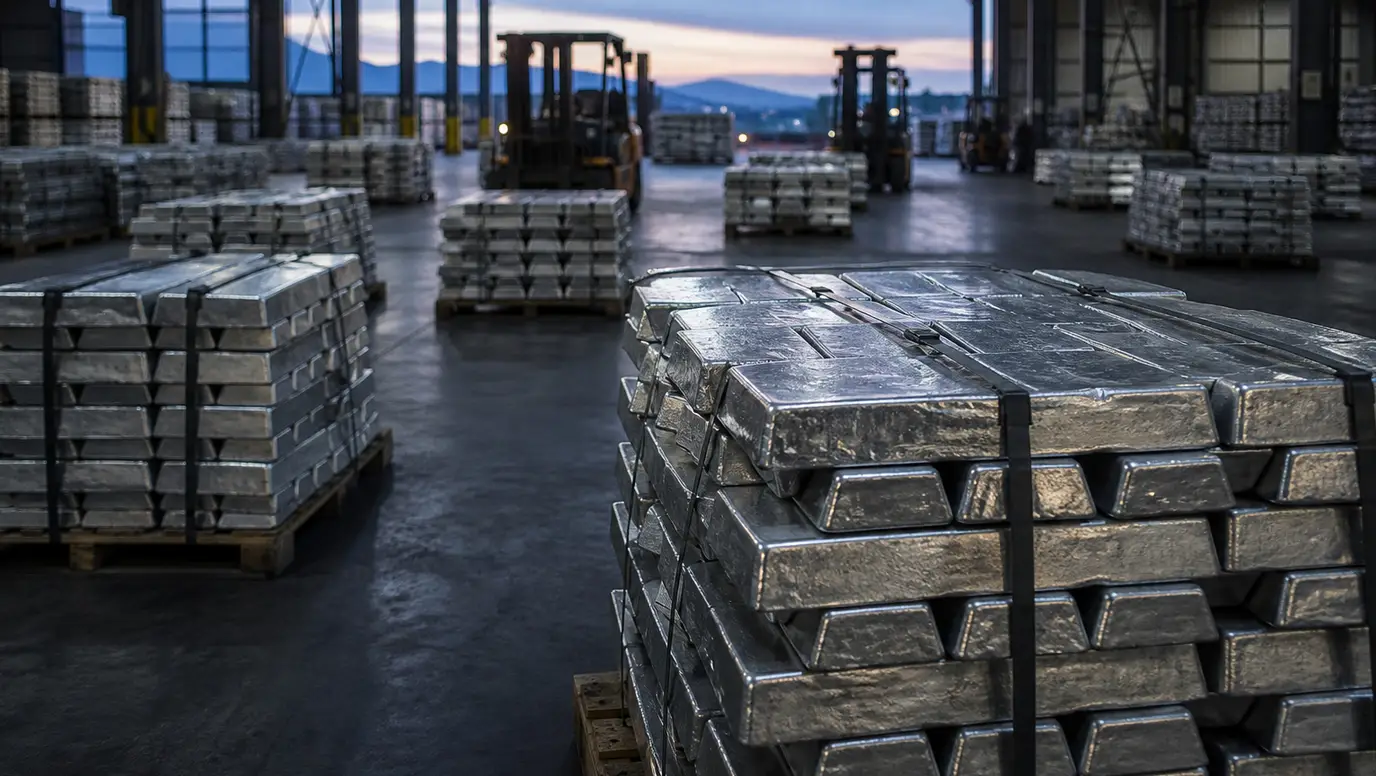
AUGUST 19, 2026
Zinc Tightness Keeps Metals Market Alert as Inventory Cushion Shrinks
AUGUST 13, 2026
Zinc Tightness Keeps Metals Market Alert as China Demand Caps Rally
AUGUST 6, 2026
Zinc Inventory Draw Keeps Metals Market Focused on China Supply and US Dollar Risk
JULY 31, 2026
Zinc Rally Puts Metals Traders on Alert as LME Stocks Slide After US Dollar Pullback
JULY 22, 2026
Nickel and Zinc Join Metals Rally as China Supply Signals Revive Risk Appetite
JULY 4, 2026
Silver and Zinc Lead Broad Metals Rally as Dollar Weakness Extends Holiday Bounce
JULY 1, 2026
Copper Leads Metals Lower as Tariff Uncertainty Hits Aluminum and Zinc
JUNE 27, 2026
Zinc Bounce Masks Gold and Silver Weekly Slump as Metals Market Splits on Fed Risk
JUNE 26, 2026
Base Metals Reverse Early Rally as Copper, Nickel and Zinc Drag Metals Market Lower
JUNE 4, 2026
Zinc Breakout Moves to Center of Metals Market as Copper Rally Cools