OCTOBER 13, 2026
Zinc Metals Market Falls as LME Stock Jump and US Dollar Pressure Base MetalsZinc weakens as LME inventories rise, the US dollar stays firm and traders reassess base metals demand before US inflation data.

© 1box.site 2026
JULY 1, 2026
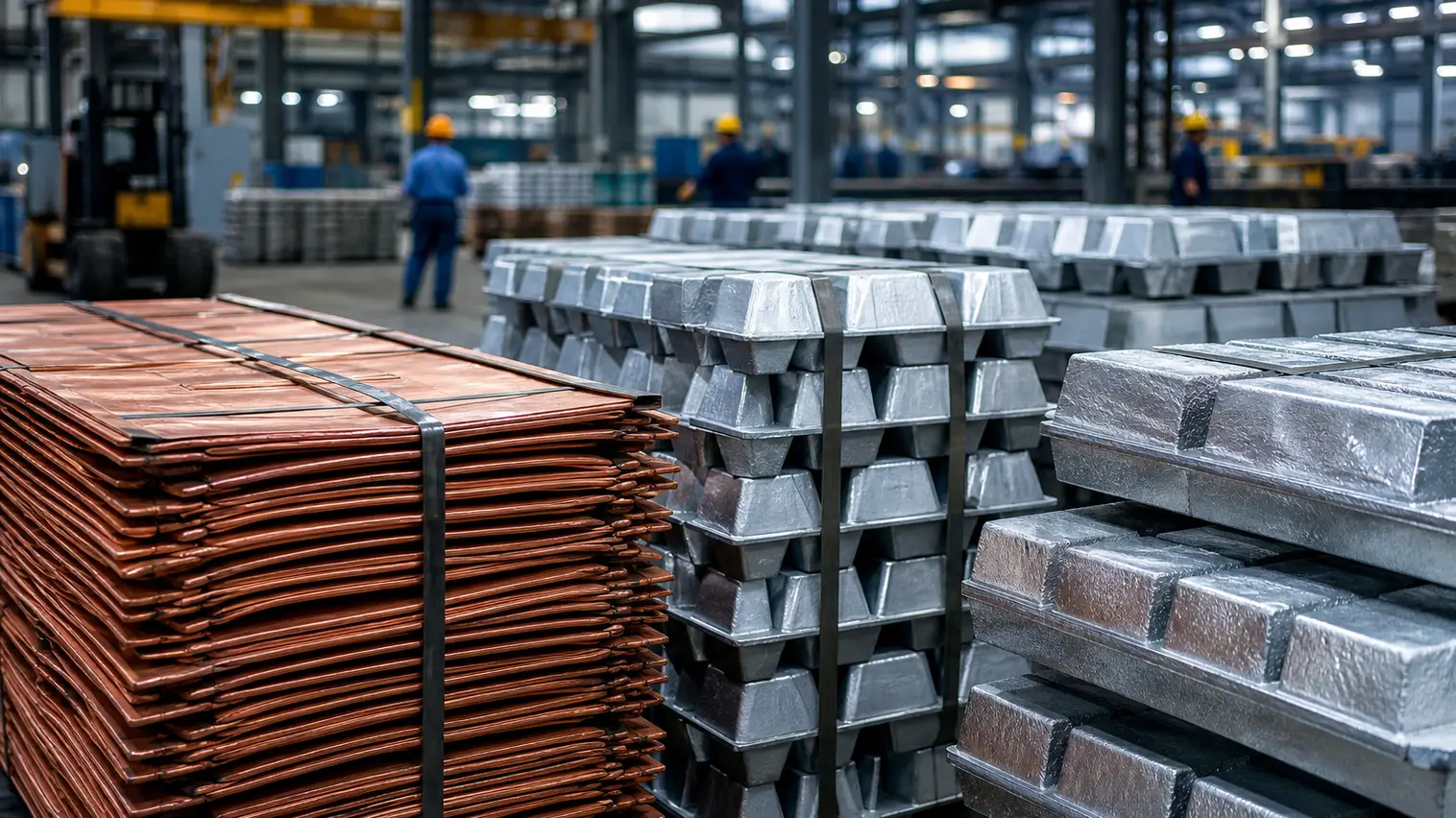
Copper led a fresh decline across the metals market on Wednesday as traders reacted to unresolved U.S. tariff risk, a firmer macro backdrop and renewed liquidation in industrial metals. The move extended the defensive tone that has dominated the start of July, with base metals struggling to attract dip-buying even as some precious metals attempted to stabilize after heavy quarterly losses.
Benchmark copper prices moved lower in both London and U.S. trading, with futures hovering near the $6.10 per pound area and three-month London prices sliding toward the low $13,000s per metric ton. The pressure followed the absence of a clear U.S. decision on refined copper import measures after a closely watched June 30 policy marker, leaving traders to price in continued uncertainty rather than relief.
Aluminum also weakened, touching its lowest levels in roughly four months in some trading venues, while zinc posted another notable drop. The breadth of the move suggested that the market was not only reacting to copper-specific policy risk, but also to a wider reduction in bullish exposure across cyclical metals.
The copper market entered July with traders still trying to assess whether U.S. trade policy will reshape refined metal flows. A formal tariff action could widen regional price gaps, encourage stockpiling, and alter the economics of moving copper between exchanges and physical markets. A delay, however, does not remove the risk; it extends the period in which traders must manage positions around uncertain timing and scope.
That uncertainty has made copper vulnerable to fast reversals. Earlier strength in the metal was supported by tight supply narratives, electrification demand and concerns over mine output. On Wednesday, those long-term themes were overshadowed by short-term policy risk and profit-taking after a volatile first half of the year.
The weakness in aluminum and zinc reinforced the view that funds were trimming exposure across the base metals complex. Aluminum’s retreat to multi-month lows signaled caution toward industrial demand, while zinc’s decline highlighted how quickly momentum can fade when dollar strength, rates risk and China-linked demand questions converge.
Macro conditions also remained challenging. Stronger U.S. data has kept markets focused on the possibility that the Federal Reserve may need to maintain a tighter policy stance for longer, or even consider additional tightening if inflation pressure proves persistent. Higher Treasury yields tend to weigh on metals by lifting financing costs, supporting the U.S. Dollar and reducing the appeal of non-yielding or inventory-heavy assets.
For industrial metals, the rates channel matters through demand expectations as well as currency effects. A stronger dollar can make dollar-priced commodities more expensive for overseas buyers, while tighter financial conditions can cool construction, manufacturing and inventory restocking activity. That leaves copper, aluminum and zinc exposed to both policy headlines and economic data surprises.
Precious metals were not immune to the same backdrop. Gold remained under pressure after a difficult quarter, while silver continued to trade defensively as investors balanced its precious-metal role against its industrial exposure. The split between safe-haven demand and rate sensitivity remains a central issue for gold, but Wednesday’s market action showed that base metals are carrying the sharper growth and policy risk.
The immediate focus now shifts to U.S. labor market indicators and any further detail on copper trade policy. Softer employment data could ease yield pressure and help metals stabilize, while another strong reading would likely reinforce the dollar and keep pressure on cyclical commodities.
For copper, the key question is whether prices can hold near recent support while traders wait for clarity on tariffs. A break lower could invite further liquidation across aluminum, zinc and nickel, especially if macro funds continue reducing commodity exposure. Conversely, a policy resolution that avoids severe disruption could allow physical supply tightness and energy-transition demand to regain influence.
Until then, the metals market is likely to remain highly reactive. Copper has become the clearest barometer of policy risk, aluminum is flashing demand caution, and zinc is reflecting the broader pullback in base-metal risk appetite. That combination leaves the sector vulnerable to another volatile session as July trading begins.
OCTOBER 13, 2026
Zinc Metals Market Falls as LME Stock Jump and US Dollar Pressure Base Metals
OCTOBER 8, 2026
Zinc Metals Tightness Faces US Dollar and Treasury Yield Test
SEPTEMBER 29, 2026
Zinc Futures Fall as China Demand Worries Test Metals Market Tightness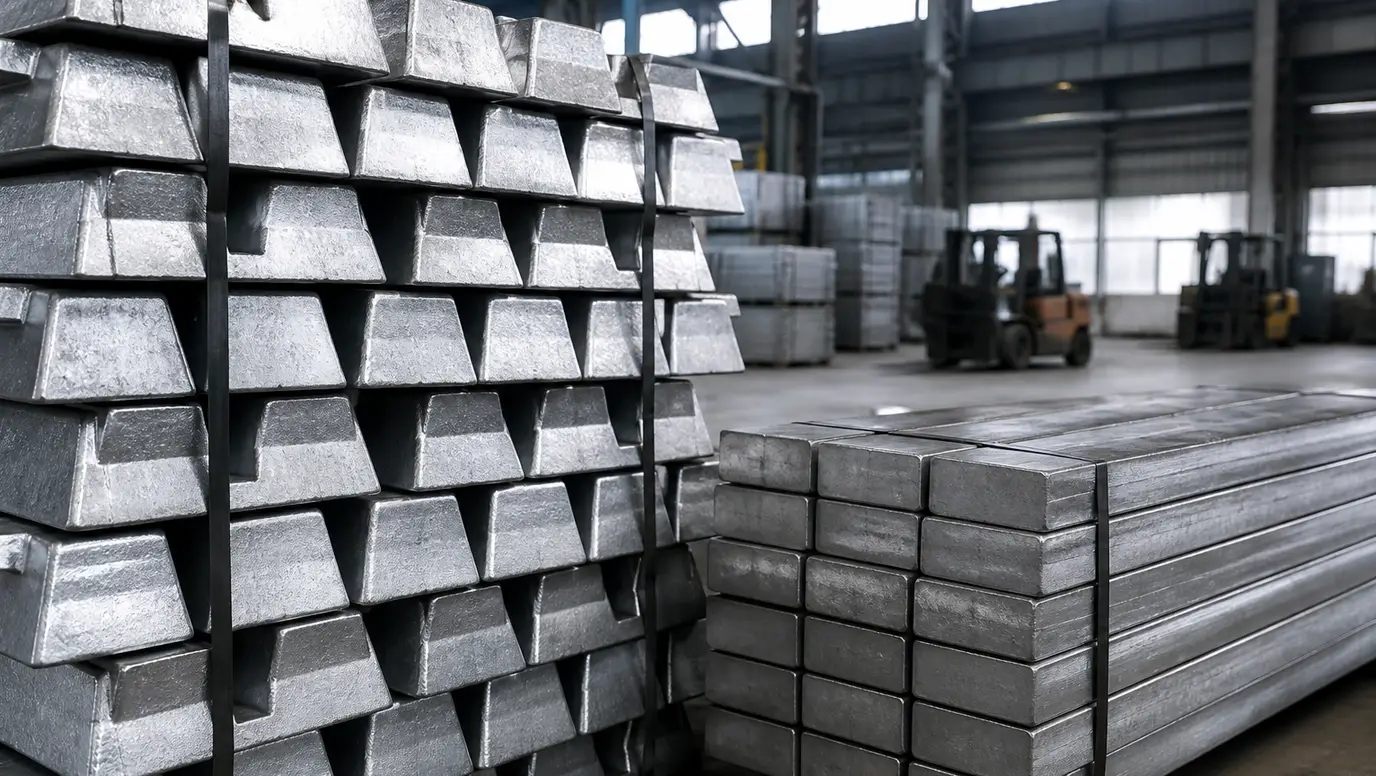
SEPTEMBER 18, 2026
Zinc Futures Squeeze Lifts Metals Market as Lead Inventories Tighten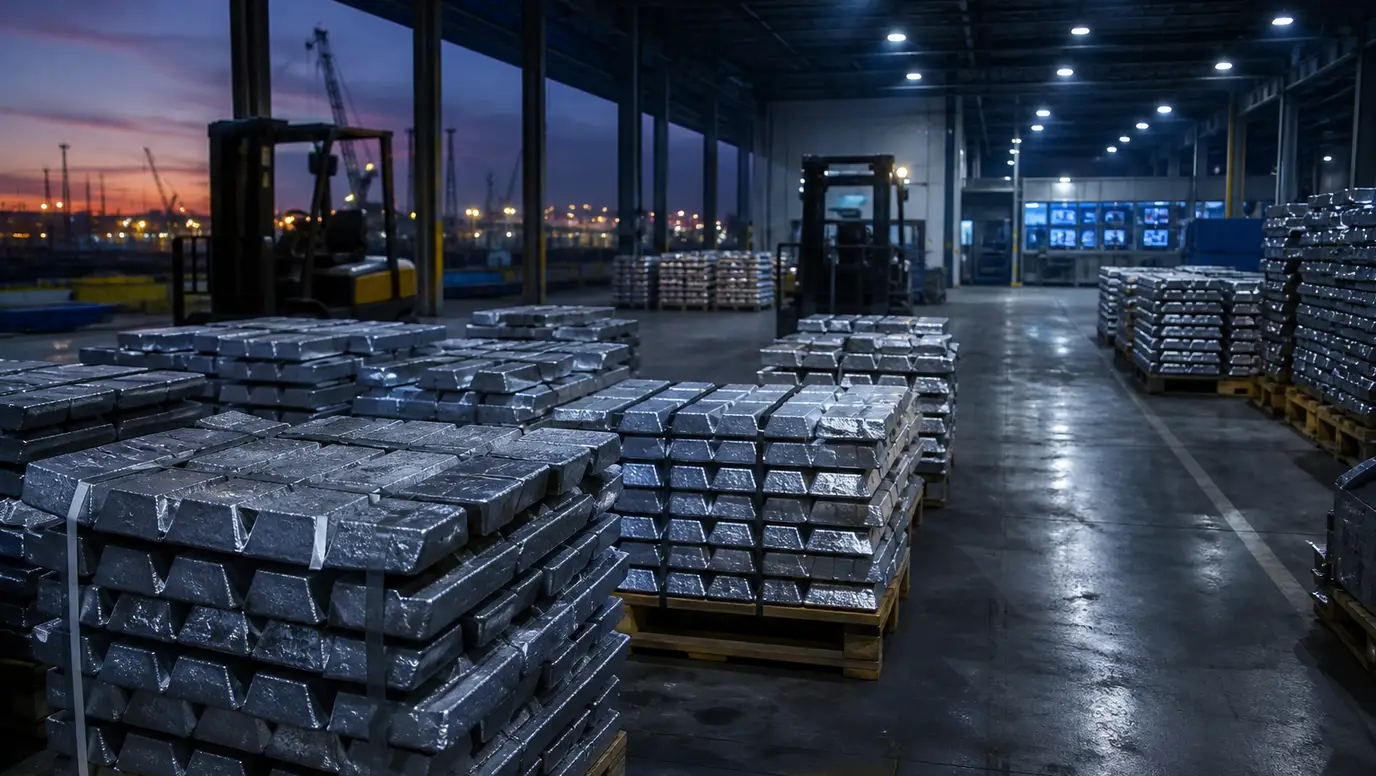
SEPTEMBER 12, 2026
Zinc Futures Rally Faces Inventory Test as Metals Market Weighs Demand Signals
SEPTEMBER 7, 2026
Zinc Futures Defy Federal Reserve Pressure as Supply Squeeze Tightens Metals Market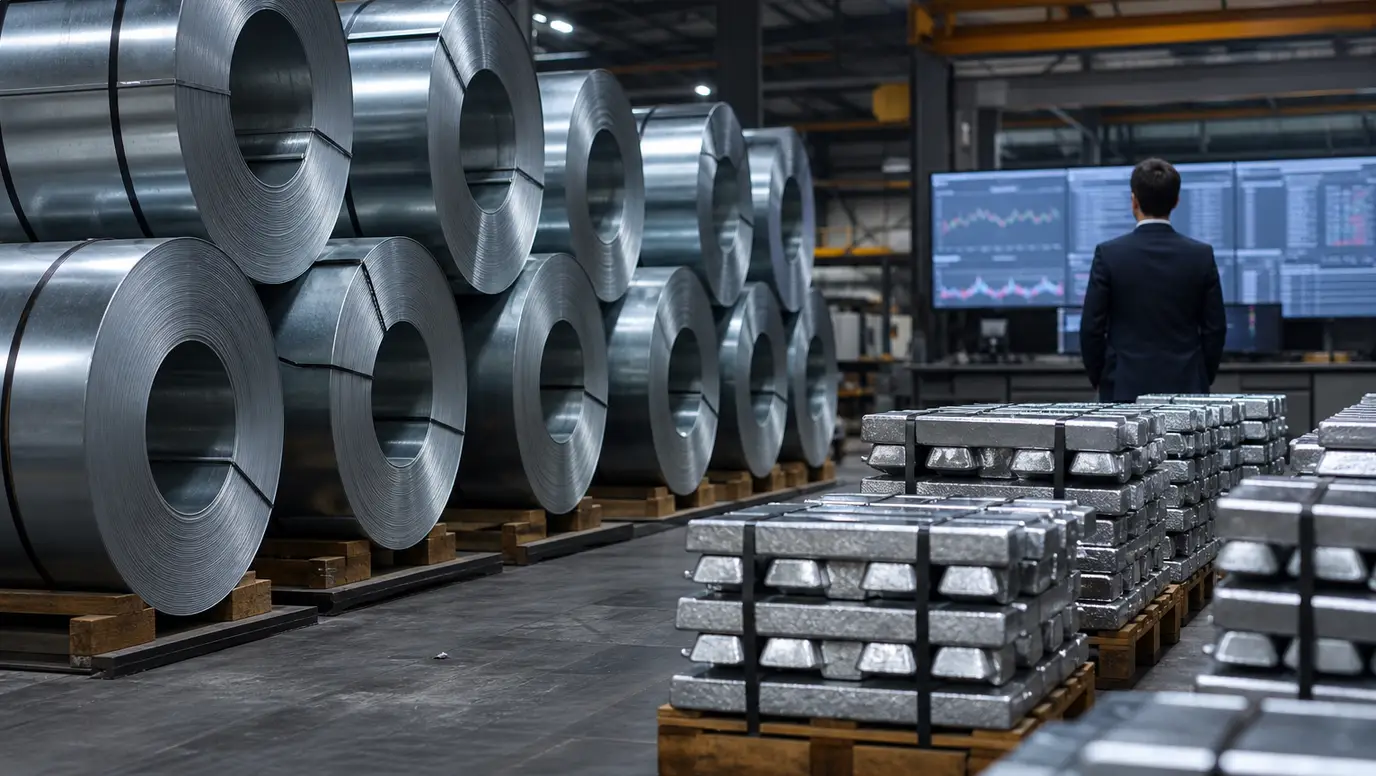
SEPTEMBER 1, 2026
Zinc Rally Leads Metals Market as Supply Fears Lift Base Metals
AUGUST 26, 2026
U.S. Zinc Futures Debut Puts Metals Market on Regional Pricing Watch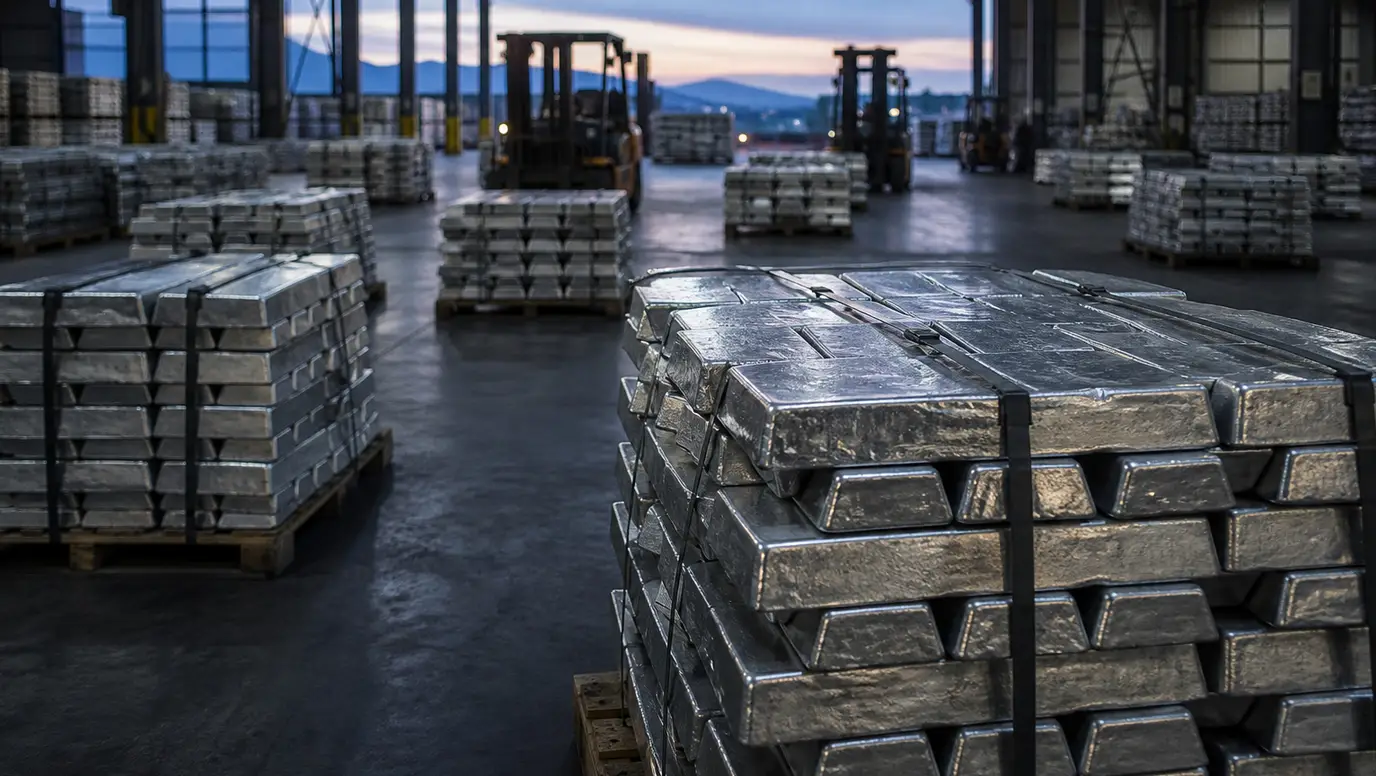
AUGUST 19, 2026
Zinc Tightness Keeps Metals Market Alert as Inventory Cushion Shrinks
AUGUST 13, 2026
Zinc Tightness Keeps Metals Market Alert as China Demand Caps Rally
AUGUST 6, 2026
Zinc Inventory Draw Keeps Metals Market Focused on China Supply and US Dollar Risk
JULY 31, 2026
Zinc Rally Puts Metals Traders on Alert as LME Stocks Slide After US Dollar Pullback
JULY 22, 2026
Nickel and Zinc Join Metals Rally as China Supply Signals Revive Risk Appetite
JULY 4, 2026
Silver and Zinc Lead Broad Metals Rally as Dollar Weakness Extends Holiday Bounce
JUNE 27, 2026
Zinc Bounce Masks Gold and Silver Weekly Slump as Metals Market Splits on Fed Risk
JUNE 26, 2026
Base Metals Reverse Early Rally as Copper, Nickel and Zinc Drag Metals Market Lower
JUNE 4, 2026
Zinc Breakout Moves to Center of Metals Market as Copper Rally Cools