OCTOBER 13, 2026
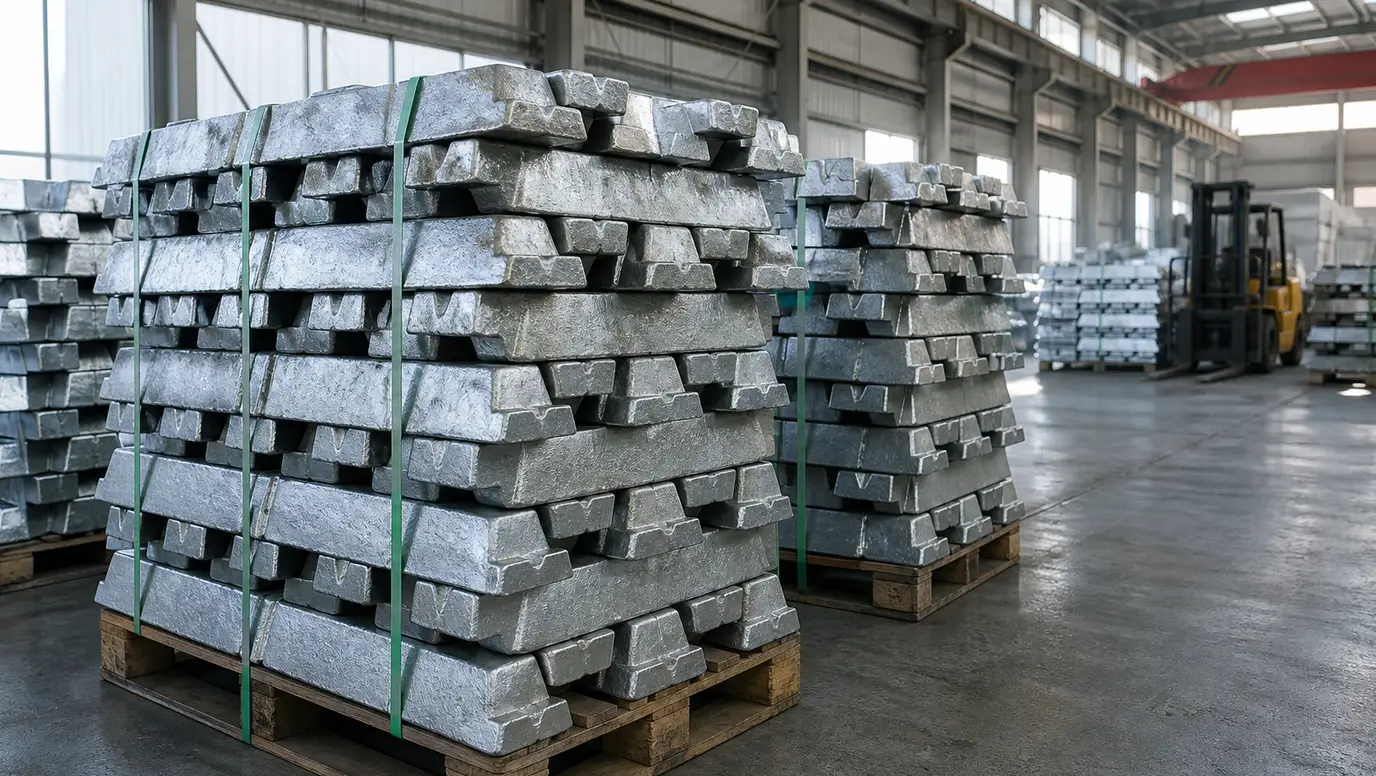
Zinc Metals Market Falls as LME Stock Jump and US Dollar Pressure Base MetalsZinc weakens as LME inventories rise, the US dollar stays firm and traders reassess base metals demand before US inflation data.

© 1box.site 2026
JUNE 27, 2026
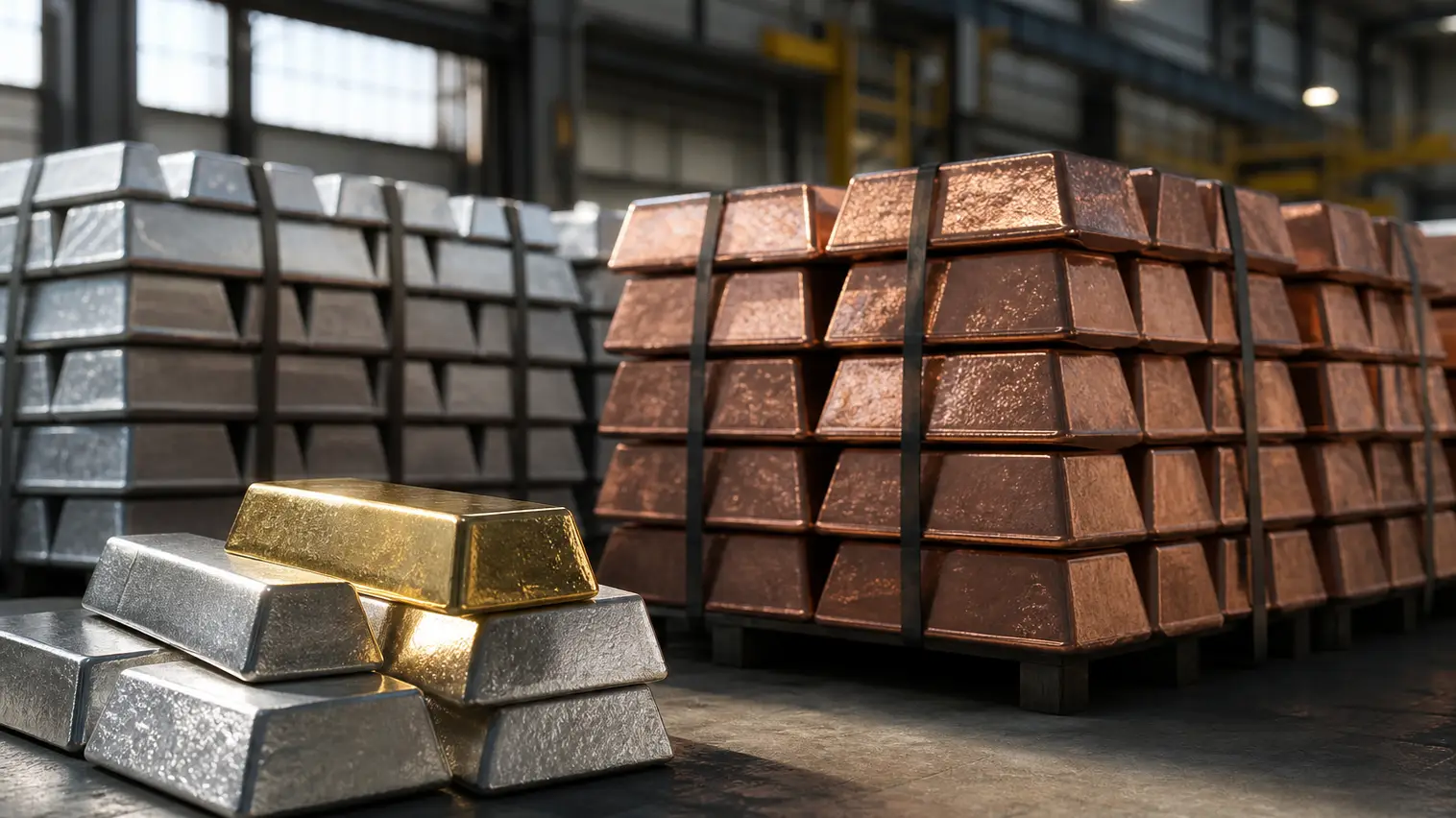
The metals market ended the week with a sharper divide between base-metal resilience and precious-metal caution, as a late rebound in zinc, tin and copper failed to erase heavy weekly pressure on gold and silver. The latest trading action suggests investors are no longer treating the complex as a single inflation or safe-haven trade.
Domestic base metals were broadly firmer in overnight dealings, led by a more than 2% advance in zinc, while copper, aluminum, tin and nickel also moved higher. Lead lagged the broader move. Overseas trading showed a similar but uneven pattern, with zinc and tin outperforming while nickel and lead remained under pressure.
Precious metals also managed a short-term bounce, with gold and silver both rising on the session. However, the weekly picture remained weak: gold recorded another weekly decline, while silver’s drop was much steeper, highlighting continued liquidation risk after a volatile run earlier in the year.
The rebound in zinc and tin points to selective bargain hunting after a broad midweek selloff hit industrial metals. Copper’s smaller gain was still notable because the red metal remains tied to a separate set of drivers, including electrical demand, grid investment, warehouse flows and potential trade-policy changes.
That separation matters for metals traders. Zinc and tin can respond quickly to inventory tightness and short-covering, while copper is still being priced against a longer-term demand story linked to electrification, data centers and power infrastructure. Aluminum’s modest recovery suggests the market is stabilizing, but not yet signaling a clean return to risk appetite across the base-metal board.
The result is a metals market where rallies are becoming more selective. Traders are rewarding contracts with clearer supply or demand support, while avoiding those exposed to softer manufacturing signals or weaker technical momentum.
Gold’s rebound was not enough to repair the damage from its recent break lower, and silver’s weekly loss showed that volatility in precious metals remains elevated. The key drag is still the same: a stronger rate backdrop raises the opportunity cost of holding non-yielding assets, especially when Treasury yields and the US dollar remain central to market direction.
For gold, the near-term test is whether buyers can rebuild confidence after the metal slipped below important technical levels earlier in June. Safe-haven demand has not disappeared, but it is being offset by expectations that monetary policy may stay restrictive for longer than investors had hoped.
Silver faces a more complicated setup. It can benefit from industrial demand tied to solar, electronics and high-end manufacturing, but it often trades like a leveraged version of gold when macro stress rises. That dual identity explains why silver can recover quickly during risk-on sessions but still suffer deeper weekly drawdowns when rate expectations turn hostile.
The next phase for metals is likely to be driven by whether the macro backdrop softens enough to pull yields lower. Inflation data, labor-market signals and Federal Reserve commentary will remain important for gold and silver, while base metals will also track industrial demand, Chinese activity, inventories and trade-policy headlines.
If yields stabilize and the dollar eases, precious metals could attract fresh buying after the recent washout. If the rate premium stays elevated, rallies in gold and silver may remain vulnerable to profit-taking, even if geopolitical and fiscal risks continue to provide longer-term support.
For now, the metals market is sending a mixed but useful signal: industrial contracts are trying to recover from oversold conditions, while precious metals are still digesting a tougher policy environment. That split keeps zinc, tin and copper in focus for relative strength, while gold and silver remain the clearest barometers of Fed and dollar risk.
OCTOBER 13, 2026
Zinc Metals Market Falls as LME Stock Jump and US Dollar Pressure Base Metals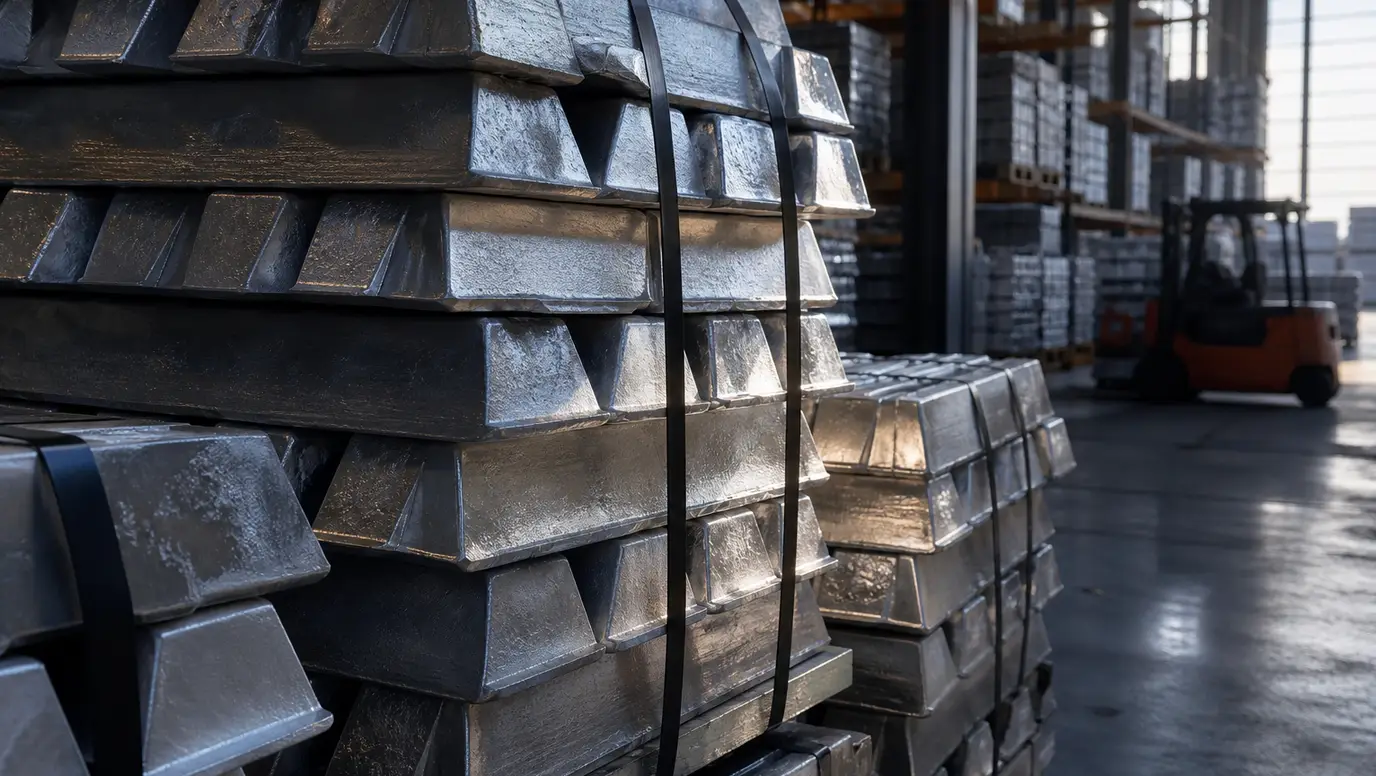
OCTOBER 8, 2026
Zinc Metals Tightness Faces US Dollar and Treasury Yield Test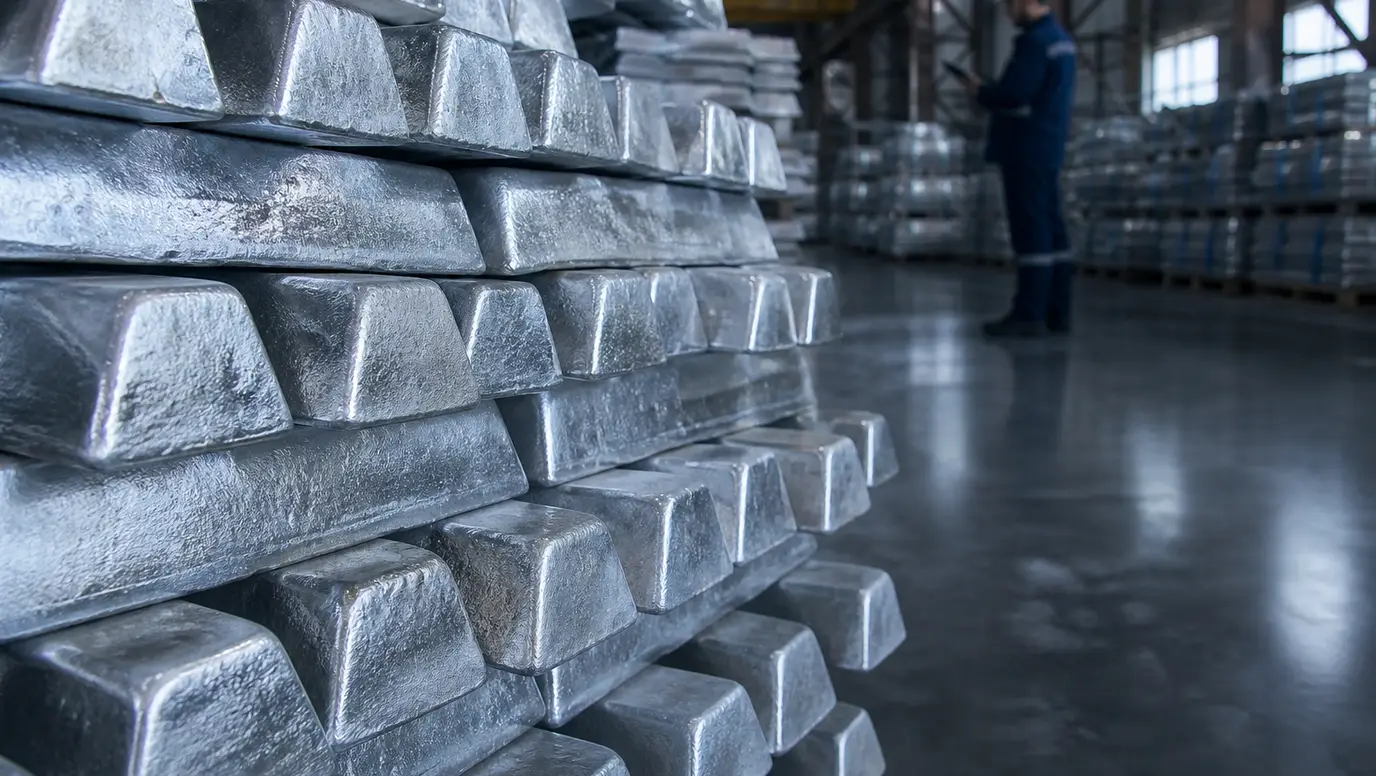
SEPTEMBER 29, 2026
Zinc Futures Fall as China Demand Worries Test Metals Market Tightness
SEPTEMBER 18, 2026
Zinc Futures Squeeze Lifts Metals Market as Lead Inventories Tighten
SEPTEMBER 12, 2026
Zinc Futures Rally Faces Inventory Test as Metals Market Weighs Demand Signals
SEPTEMBER 7, 2026
Zinc Futures Defy Federal Reserve Pressure as Supply Squeeze Tightens Metals Market
SEPTEMBER 1, 2026
Zinc Rally Leads Metals Market as Supply Fears Lift Base Metals
AUGUST 26, 2026
U.S. Zinc Futures Debut Puts Metals Market on Regional Pricing Watch
AUGUST 19, 2026
Zinc Tightness Keeps Metals Market Alert as Inventory Cushion Shrinks
AUGUST 13, 2026
Zinc Tightness Keeps Metals Market Alert as China Demand Caps Rally
AUGUST 6, 2026
Zinc Inventory Draw Keeps Metals Market Focused on China Supply and US Dollar Risk
JULY 31, 2026
Zinc Rally Puts Metals Traders on Alert as LME Stocks Slide After US Dollar Pullback
JULY 22, 2026
Nickel and Zinc Join Metals Rally as China Supply Signals Revive Risk Appetite
JULY 4, 2026
Silver and Zinc Lead Broad Metals Rally as Dollar Weakness Extends Holiday Bounce
JULY 1, 2026
Copper Leads Metals Lower as Tariff Uncertainty Hits Aluminum and Zinc
JUNE 26, 2026
Base Metals Reverse Early Rally as Copper, Nickel and Zinc Drag Metals Market Lower
JUNE 4, 2026
Zinc Breakout Moves to Center of Metals Market as Copper Rally Cools