OCTOBER 13, 2026
Zinc Metals Market Falls as LME Stock Jump and US Dollar Pressure Base MetalsZinc weakens as LME inventories rise, the US dollar stays firm and traders reassess base metals demand before US inflation data.

© 1box.site 2026

JULY 31, 2026
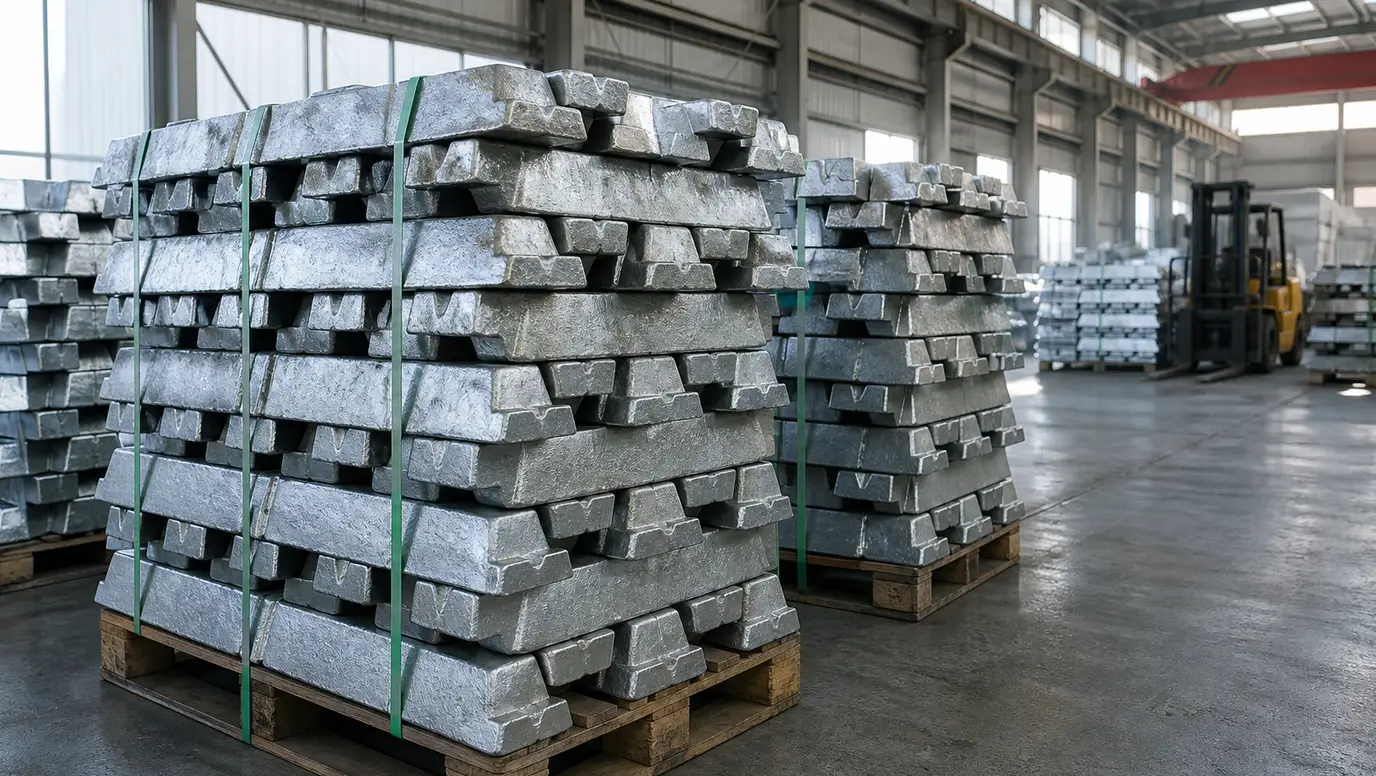
Zinc is moving back to the center of the metals market as falling visible inventories, tight concentrate supply and a softer US Dollar give traders a fresh reason to defend long exposure. The latest price action suggests that the market is no longer treating zinc as a quiet industrial contract, but as one of the more sensitive base metals in the current supply-demand squeeze.
Official LME price data for July 29 showed zinc cash settlement near $3,639 per metric ton, above the three-month price near $3,579. That cash premium is important because it points to demand for immediately available metal at a time when exchange stocks are shrinking. LME warehouse inventories were reported near 101,800 metric tons on the same date, down 700 tons on the session, keeping the market focused on whether available metal can continue to cover spot demand.
The move has been helped by broader macro conditions. Base metals found support after the US Dollar eased, while investors assessed a Federal Reserve hold and softer US economic data. A weaker dollar can make dollar-priced commodities more attractive to buyers using other currencies, and that relationship has helped zinc maintain a firmer tone even as parts of the physical demand picture remain uneven.
The strongest support for zinc is coming from the raw-material side of the chain. Spot treatment charges for imported zinc concentrate into China moved deep into negative territory in late June and early July, a rare structure that signals aggressive competition among smelters for feedstock. Negative treatment charges effectively mean miners have more pricing leverage, while smelters face pressure on margins unless refined zinc prices compensate for the shortage of concentrate.
That squeeze has not been limited to one region. Traders have been watching mine disruption risks in Latin America, operational slowdowns in parts of China and the pace of new supply from major projects. The Kipushi mine in the Democratic Republic of Congo delivered a record second-quarter zinc-in-concentrate output of more than 70,000 tons, while South African supply additions are also being monitored. Even so, the market has remained cautious because fresh tonnage takes time to move through the supply chain and may not immediately ease the tightest pockets of concentrate demand.
Chinese mine-safety inspections have added another layer of uncertainty. Some zinc, lead and silver operations have reduced activity to comply with tighter safety checks, while several smelters have reportedly trimmed run rates modestly in response to squeezed economics. For refined zinc, that creates a delicate balance: weaker smelter output can support prices, but too much downstream weakness can cap rallies.
The demand side is less clearly bullish. Recent Chinese spot-market signals point to cautious purchasing from galvanizing, die-casting alloy and zinc oxide users. Operating rates in several downstream segments have slipped, and buyers have shown reluctance to chase higher futures prices. That means the current zinc rally is not purely a demand boom; it is more accurately a supply-led repricing with macro support.
Still, traders are paying close attention to the drawdown in visible inventories. When exchange stocks move toward psychologically important levels near 100,000 tons, the market often becomes more sensitive to shipping delays, import-window changes and regional spot premiums. If warehouse inventories continue to fall while concentrate availability remains tight, zinc could keep a risk premium even if end-user demand stays uneven.
The SHFE-LME relationship is also important. A narrower import window into China can limit the flow of refined metal from overseas markets, leaving regional balances tighter than headline global supply numbers suggest. For investors, that makes zinc a contract where spreads, warehouse stocks and treatment charges may matter as much as the outright price.
The near-term outlook depends on whether the physical market confirms the rally. Bulls will want to see another leg lower in LME stocks, sustained cash strength and continued pressure in concentrate treatment charges. If those signals hold, zinc may remain one of the more resilient metals contracts even in a mixed industrial-demand environment.
The main risk is that high prices ration demand before supply stress worsens. If downstream buyers continue to cut purchases and new mine output reaches smelters more smoothly in the third quarter, zinc could lose momentum. A renewed US Dollar rebound would also challenge base metals by tightening financial conditions and reducing overseas purchasing power.
For now, however, the zinc market is trading like a supply chain that has little room for error. With stocks sliding, concentrate scarce and macro sentiment improving, metals traders are likely to keep zinc on the watchlist as one of the clearest stress points in the base-metals complex.
OCTOBER 13, 2026
Zinc Metals Market Falls as LME Stock Jump and US Dollar Pressure Base Metals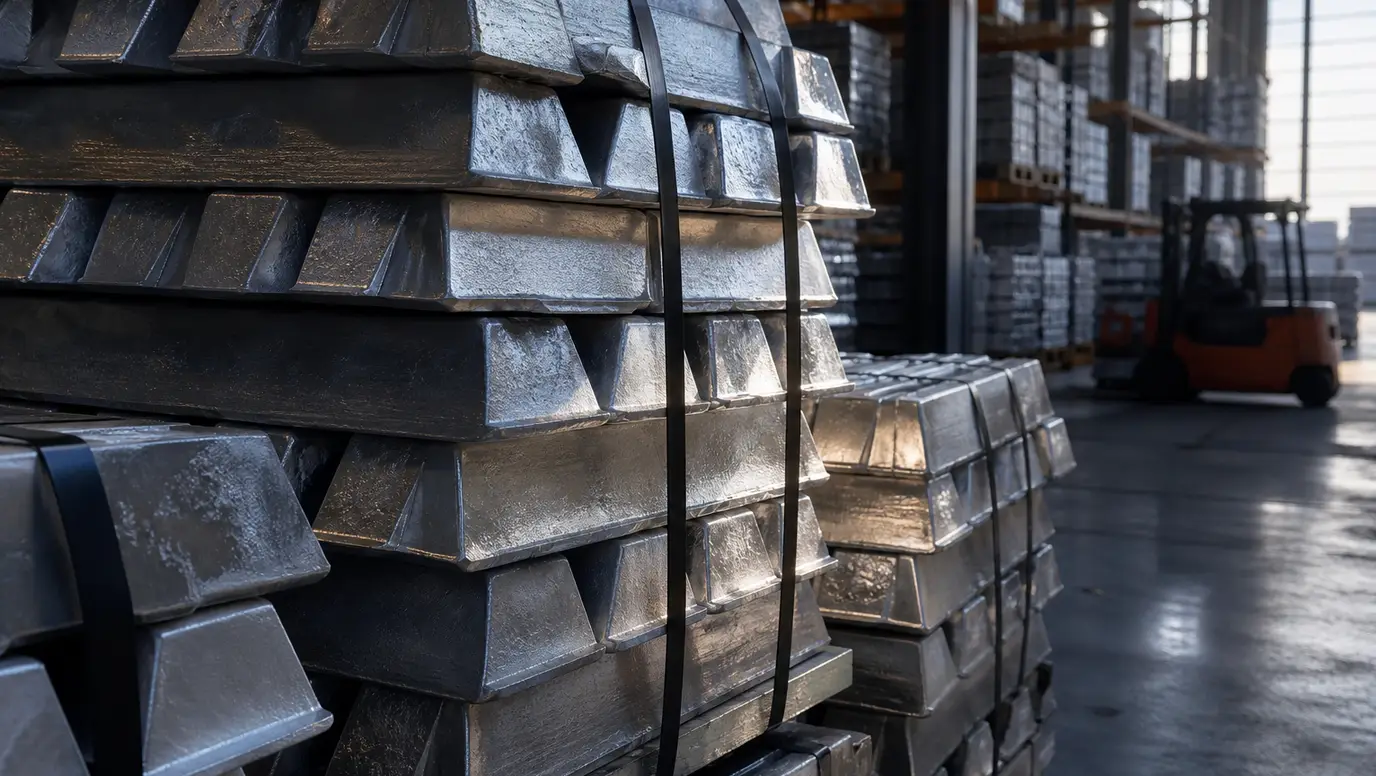
OCTOBER 8, 2026
Zinc Metals Tightness Faces US Dollar and Treasury Yield Test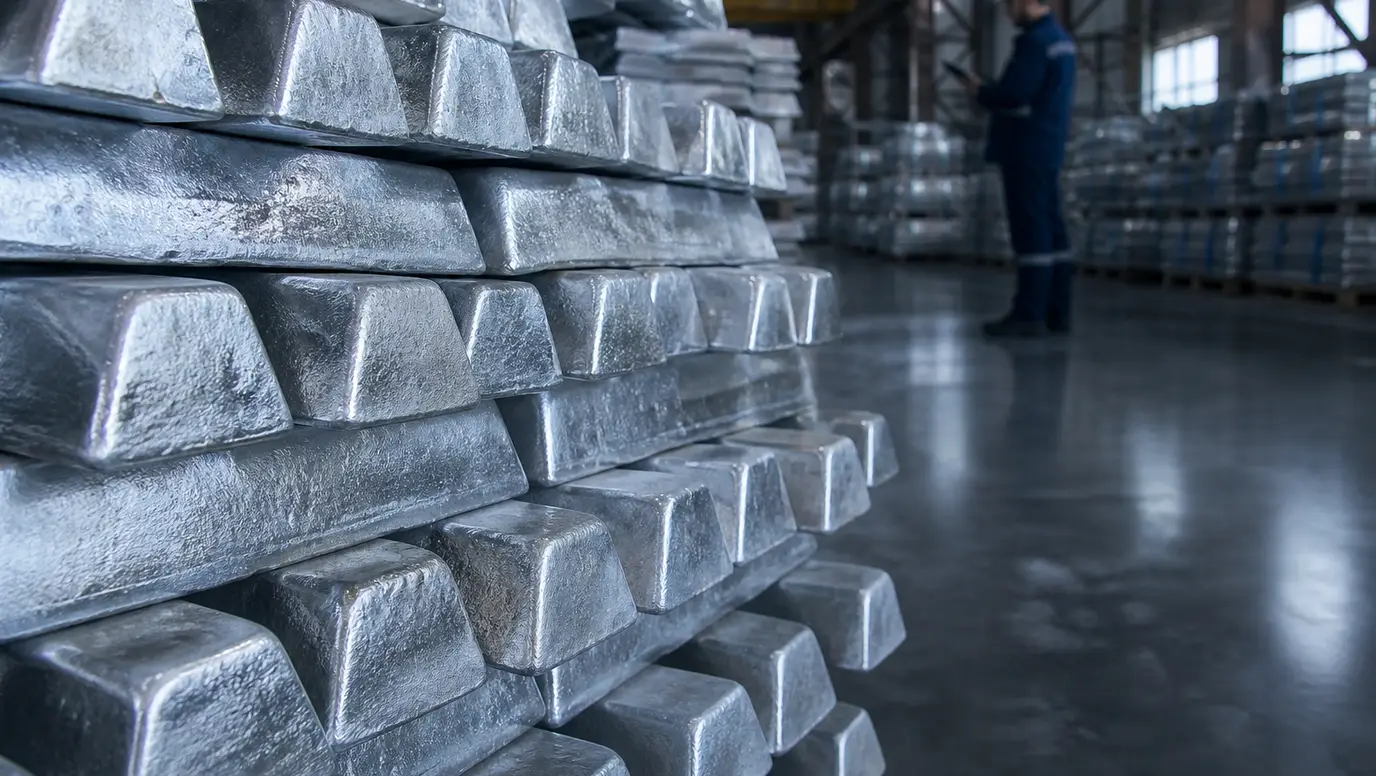
SEPTEMBER 29, 2026
Zinc Futures Fall as China Demand Worries Test Metals Market Tightness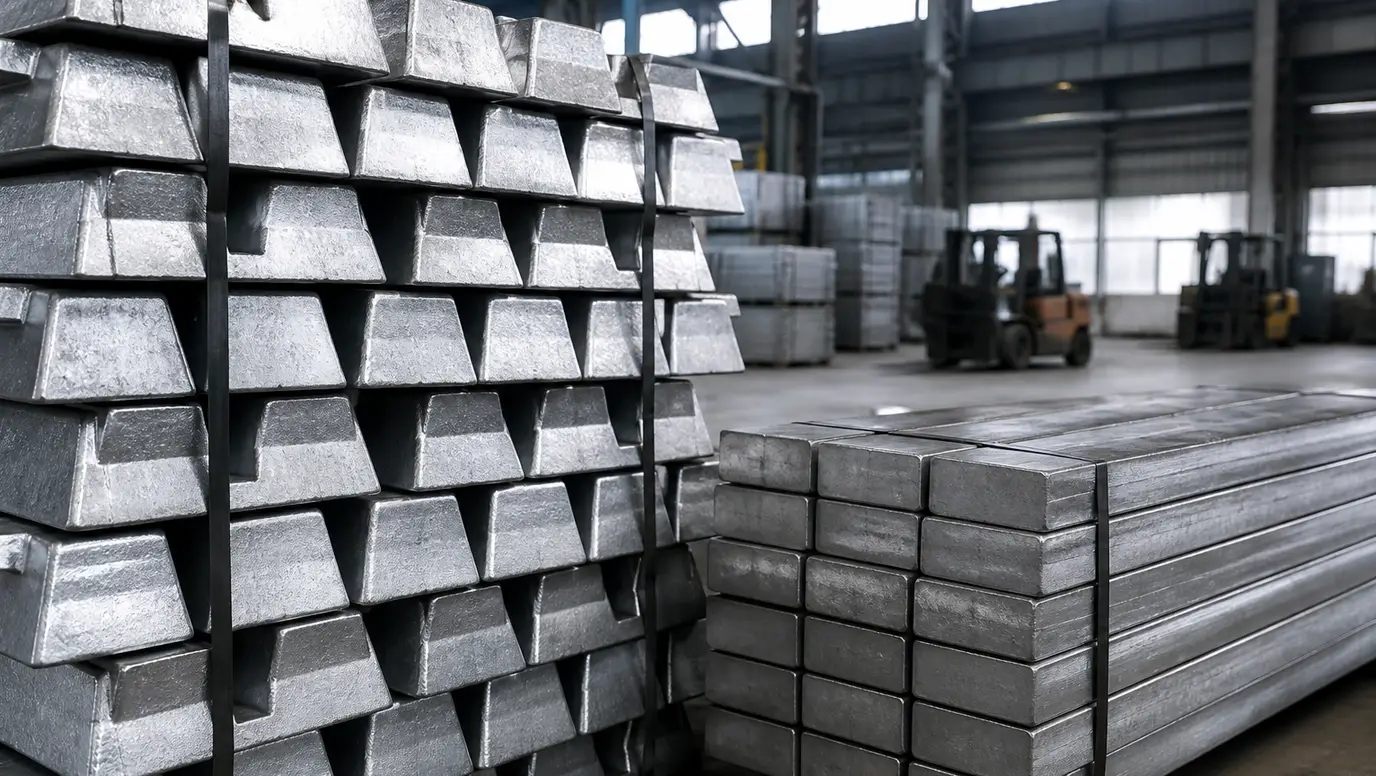
SEPTEMBER 18, 2026
Zinc Futures Squeeze Lifts Metals Market as Lead Inventories Tighten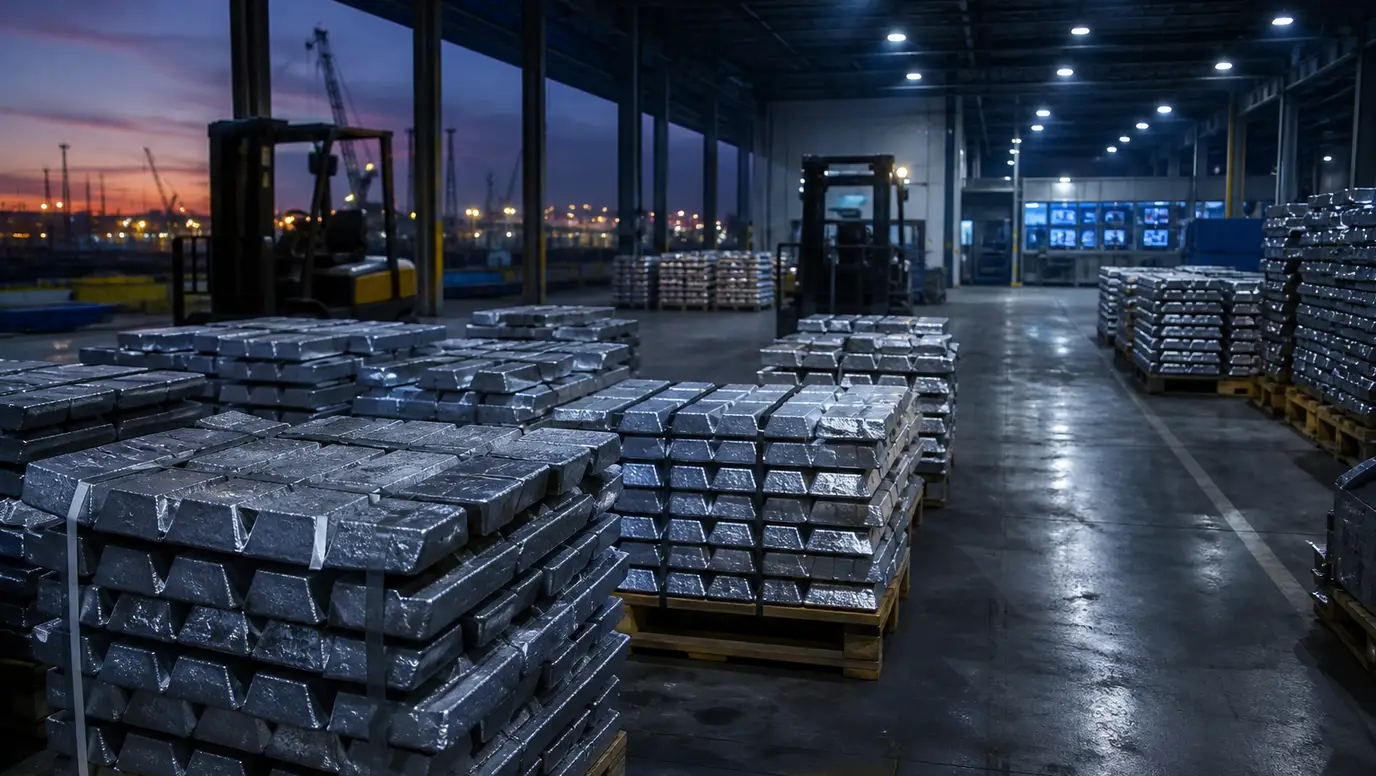
SEPTEMBER 12, 2026
Zinc Futures Rally Faces Inventory Test as Metals Market Weighs Demand Signals
SEPTEMBER 7, 2026
Zinc Futures Defy Federal Reserve Pressure as Supply Squeeze Tightens Metals Market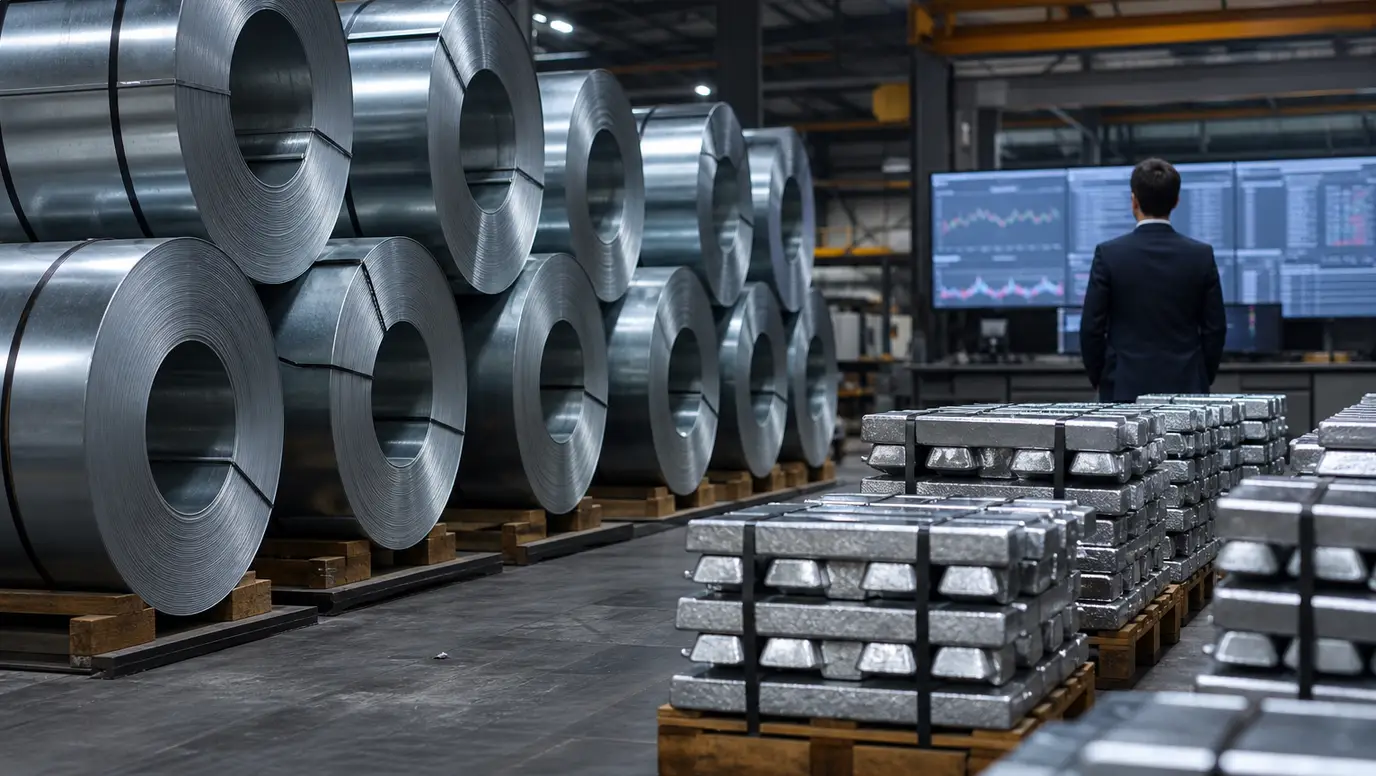
SEPTEMBER 1, 2026
Zinc Rally Leads Metals Market as Supply Fears Lift Base Metals
AUGUST 26, 2026
U.S. Zinc Futures Debut Puts Metals Market on Regional Pricing Watch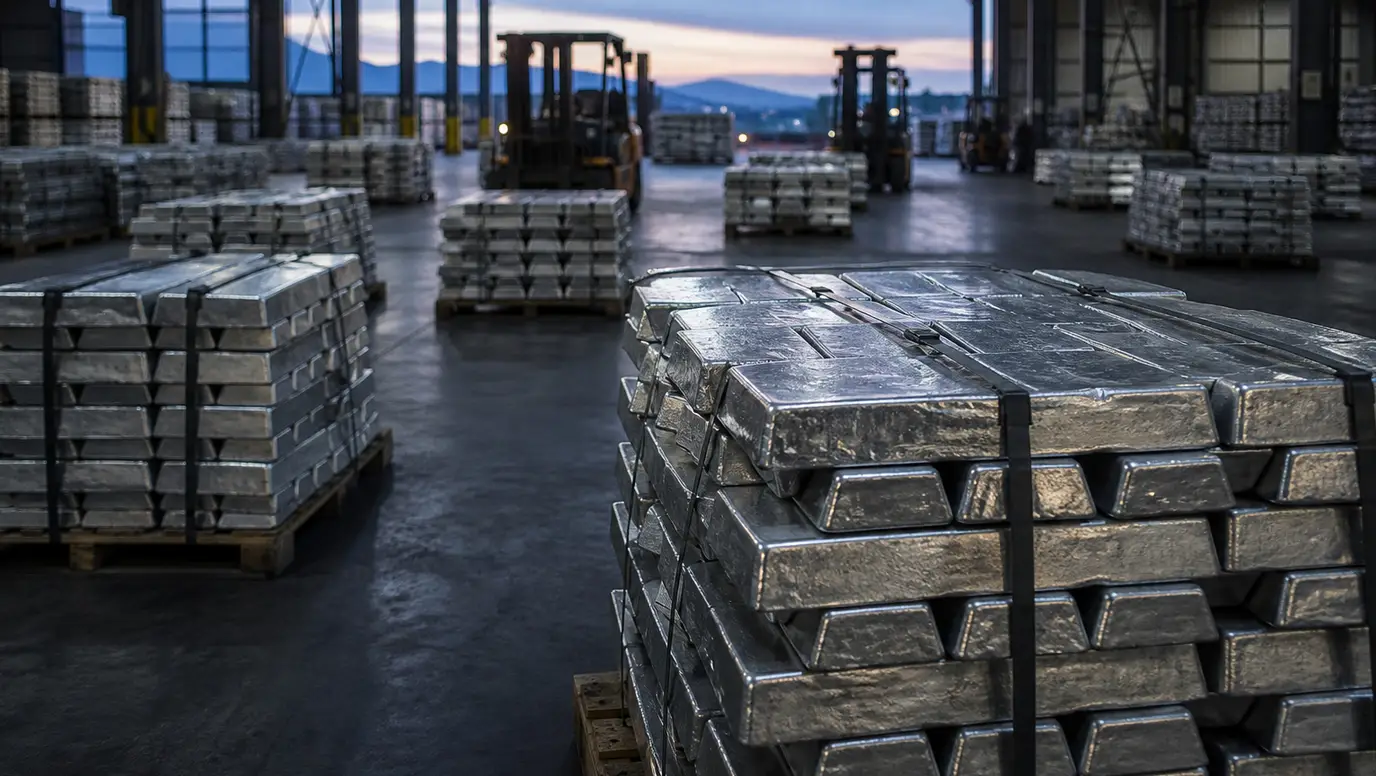
AUGUST 19, 2026
Zinc Tightness Keeps Metals Market Alert as Inventory Cushion Shrinks
AUGUST 13, 2026
Zinc Tightness Keeps Metals Market Alert as China Demand Caps Rally
AUGUST 6, 2026
Zinc Inventory Draw Keeps Metals Market Focused on China Supply and US Dollar Risk
JULY 22, 2026
Nickel and Zinc Join Metals Rally as China Supply Signals Revive Risk Appetite
JULY 4, 2026
Silver and Zinc Lead Broad Metals Rally as Dollar Weakness Extends Holiday Bounce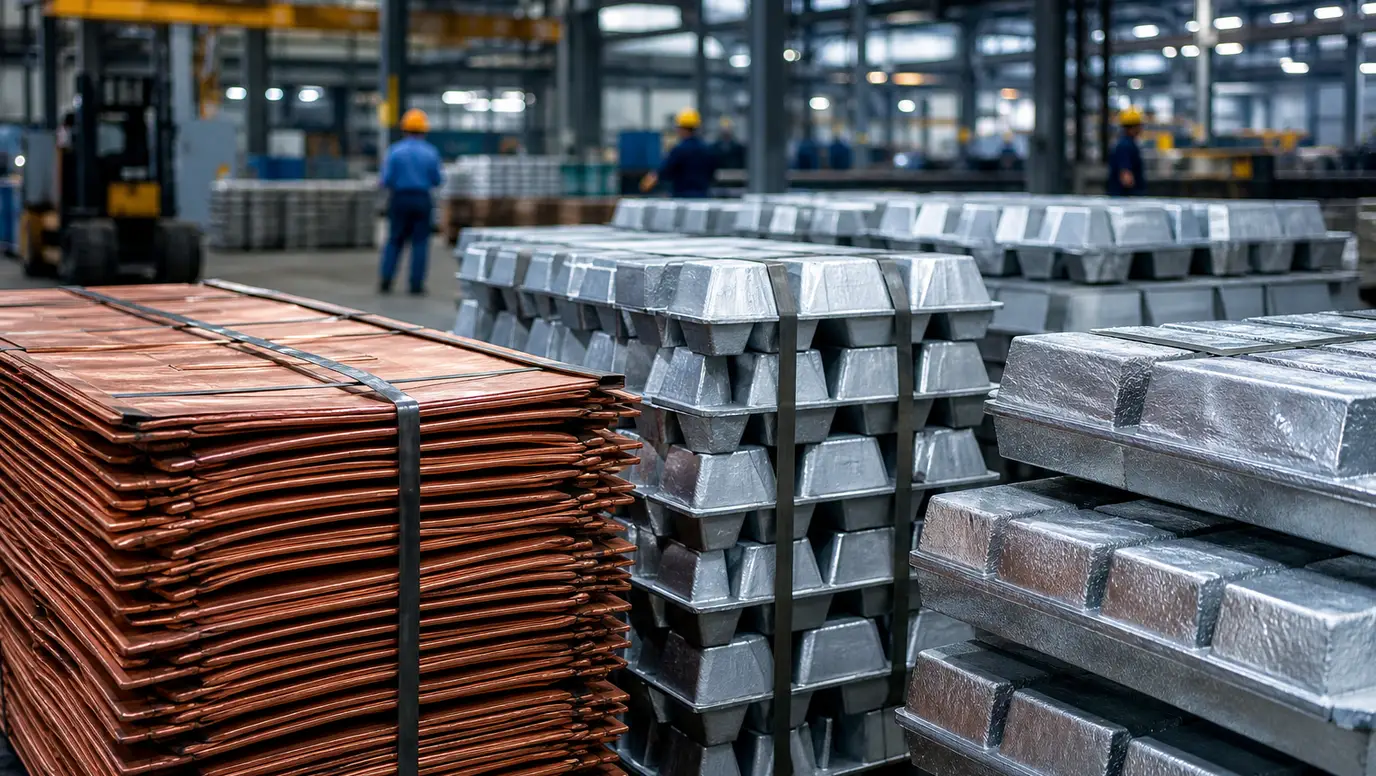
JULY 1, 2026
Copper Leads Metals Lower as Tariff Uncertainty Hits Aluminum and Zinc
JUNE 27, 2026
Zinc Bounce Masks Gold and Silver Weekly Slump as Metals Market Splits on Fed Risk
JUNE 26, 2026
Base Metals Reverse Early Rally as Copper, Nickel and Zinc Drag Metals Market Lower
JUNE 4, 2026
Zinc Breakout Moves to Center of Metals Market as Copper Rally Cools