OCTOBER 13, 2026
Zinc Metals Market Falls as LME Stock Jump and US Dollar Pressure Base MetalsZinc weakens as LME inventories rise, the US dollar stays firm and traders reassess base metals demand before US inflation data.

© 1box.site 2026

SEPTEMBER 7, 2026
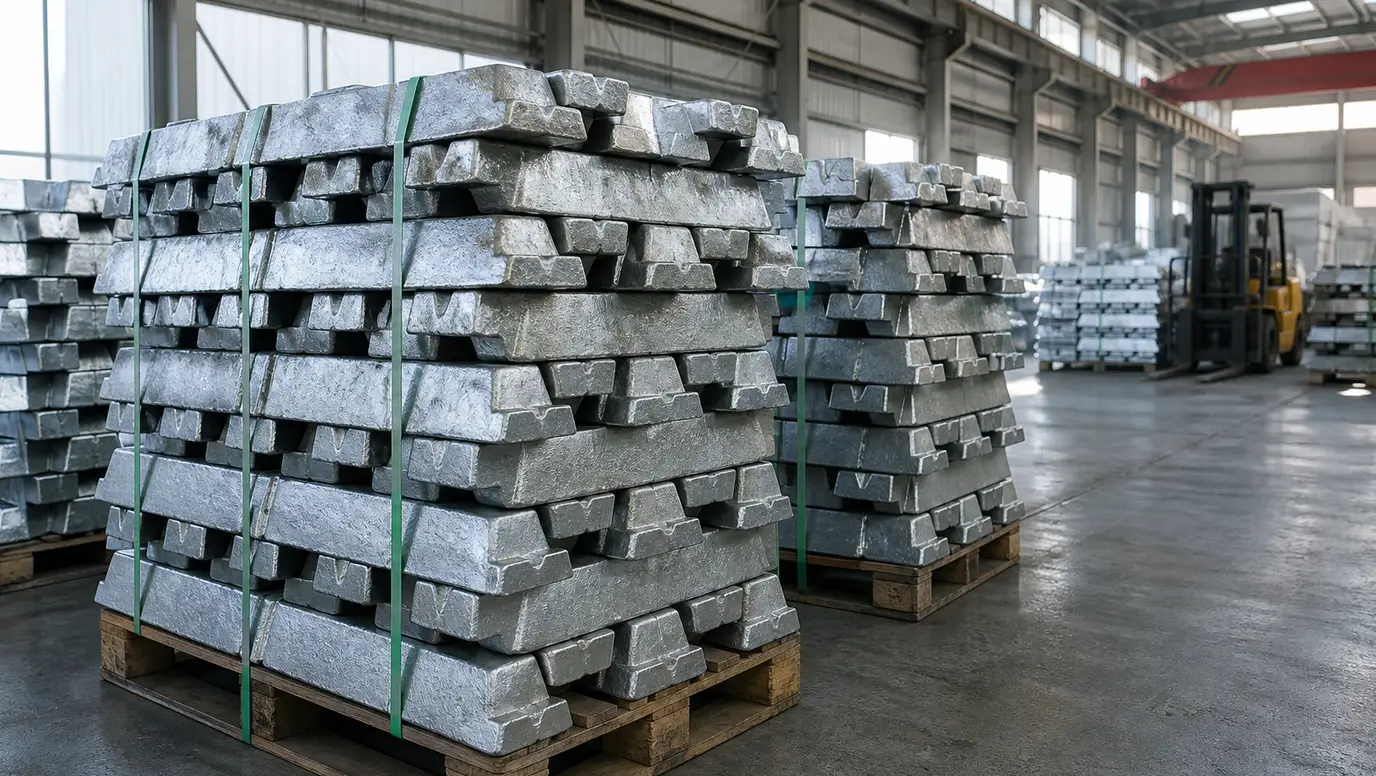
Zinc futures are taking a rare leadership role in the metals market as traders weigh a tightening physical supply chain against renewed pressure from higher Treasury yields, a firmer US dollar, and changing expectations for Federal Reserve policy.
The base metal has held near multi-year highs in early September, supported by constrained ore availability, low exchange deliverable stocks, and persistent tightness in nearby contracts. That strength has stood out because the broader metals complex remains exposed to macro headwinds after stronger US labor data revived speculation that the Federal Reserve could keep policy tighter for longer.
For investors, the zinc move is important because it is being driven less by broad risk appetite and more by physical scarcity. Zinc is heavily used in galvanizing steel, making it sensitive to construction, infrastructure, autos, and manufacturing. When inventories are low and concentrate supply is difficult to secure, prices can stay resilient even when the macro backdrop turns less friendly for commodities.
The core bullish argument in zinc is the squeeze between mine supply and refined metal availability. Treatment charges, the fees smelters receive to turn concentrate into refined metal, have remained under pressure, signaling that ore supply is tight and smelter margins are strained. In some parts of the market, deeply negative treatment-charge indications have reinforced expectations that refined output may struggle to respond quickly to higher prices.
Exchange inventories are also shaping sentiment. Available stocks outside China remain limited, while tight nearby spreads suggest that consumers and traders are still paying a premium for prompt material. This structure usually points to a market where paper price moves are being reinforced by physical availability rather than speculative demand alone.
China has become a central focus. Improved export economics have encouraged more discussion around refined zinc shipments from Chinese suppliers into the global market, especially as the gap between domestic and international pricing shifts. However, traders remain cautious because arbitrage windows can close quickly when exchange ratios move, freight costs change, or overseas demand proves less able to absorb additional metal.
That leaves the market in a delicate balance. If Chinese exports accelerate meaningfully, they could ease tightness outside China and cap further rallies. If shipments remain uneven, zinc may retain a scarcity premium, particularly in regions where spot supply is already thin.
The main counterweight is macro policy. Stronger US employment data has pushed yields higher and lifted the dollar, both of which can pressure dollar-priced commodities. A more hawkish Federal Reserve path tends to reduce the appeal of metals by raising financing costs and making commodities more expensive for non-dollar buyers.
Zinc has so far absorbed that pressure better than several other metals because the supply story is unusually strong. Still, the next US inflation readings and policy signals could determine whether buyers are willing to chase prices higher or prefer to protect recent gains. A hotter inflation print would strengthen the rate-hike argument and could trigger profit-taking across industrial metals, even if zinc fundamentals remain constructive.
Demand is more mixed. Manufacturing indicators have improved in parts of Asia, and galvanizing demand has offered some support, but property-linked demand in China remains uneven. Europe’s industrial recovery is also not strong enough to remove doubts about end-user consumption. That means zinc bulls may need continued evidence of supply stress to keep the rally intact.
The key near-term signals are treatment charges, exchange inventories, nearby spreads, and China’s export flow. A sustained drawdown in available stocks or a further tightening of front-month spreads would suggest the market remains physically short. Conversely, a visible rise in refined exports or a loosening of spreads could indicate that high prices are starting to attract supply.
Technical positioning also matters. Zinc’s ability to hold recent gains despite stronger yields has encouraged momentum-based buying, but elevated prices leave the contract vulnerable to sharp reversals if macro news shifts against metals. Traders are likely to treat pullbacks differently depending on whether they are driven by Federal Reserve repricing or by signs that physical tightness is easing.
For now, zinc is presenting one of the clearest supply-driven stories in the metals market. The rally is not immune to dollar strength or rate expectations, but tight ore supply, low deliverable stocks, and uncertain export relief are giving bulls a stronger fundamental base than in many other industrial metals.
OCTOBER 13, 2026
Zinc Metals Market Falls as LME Stock Jump and US Dollar Pressure Base Metals
OCTOBER 8, 2026
Zinc Metals Tightness Faces US Dollar and Treasury Yield Test
SEPTEMBER 29, 2026
Zinc Futures Fall as China Demand Worries Test Metals Market Tightness
SEPTEMBER 18, 2026
Zinc Futures Squeeze Lifts Metals Market as Lead Inventories Tighten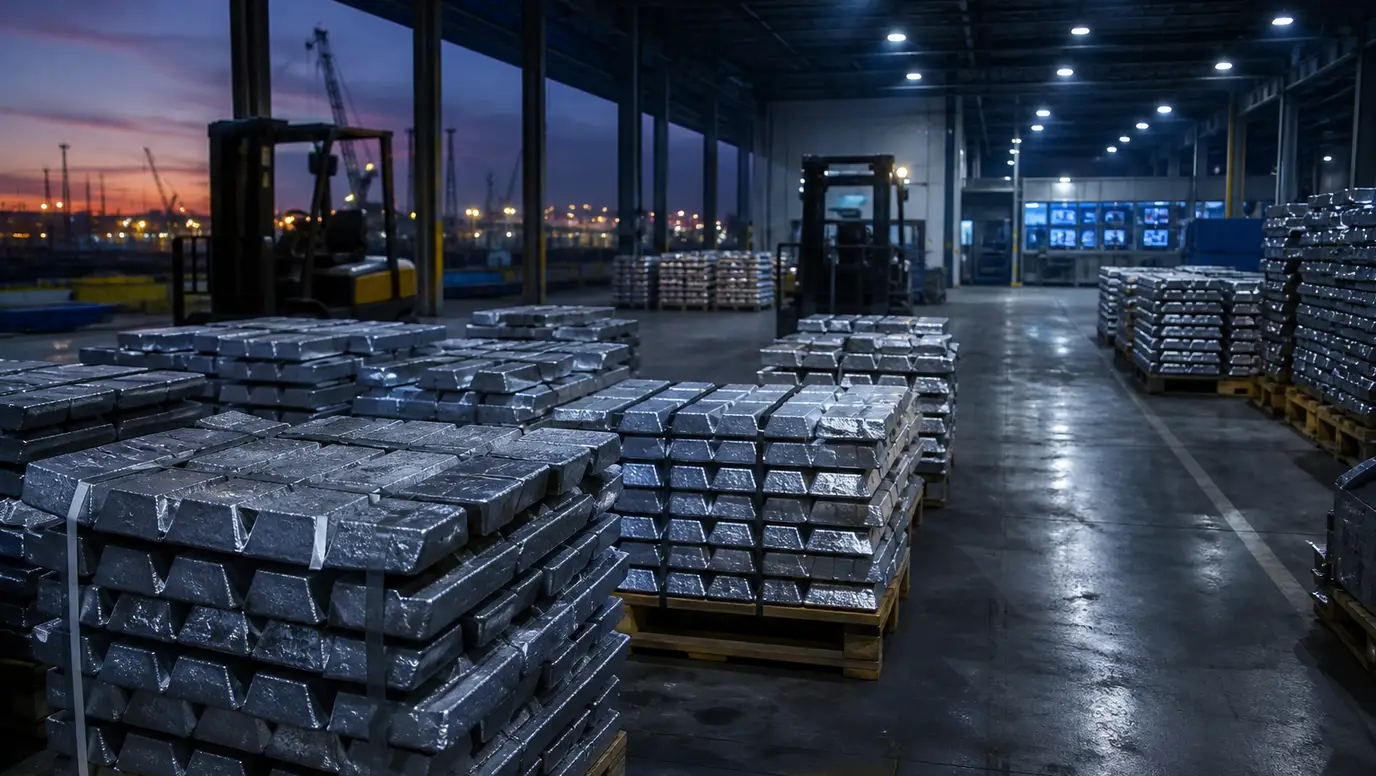
SEPTEMBER 12, 2026
Zinc Futures Rally Faces Inventory Test as Metals Market Weighs Demand Signals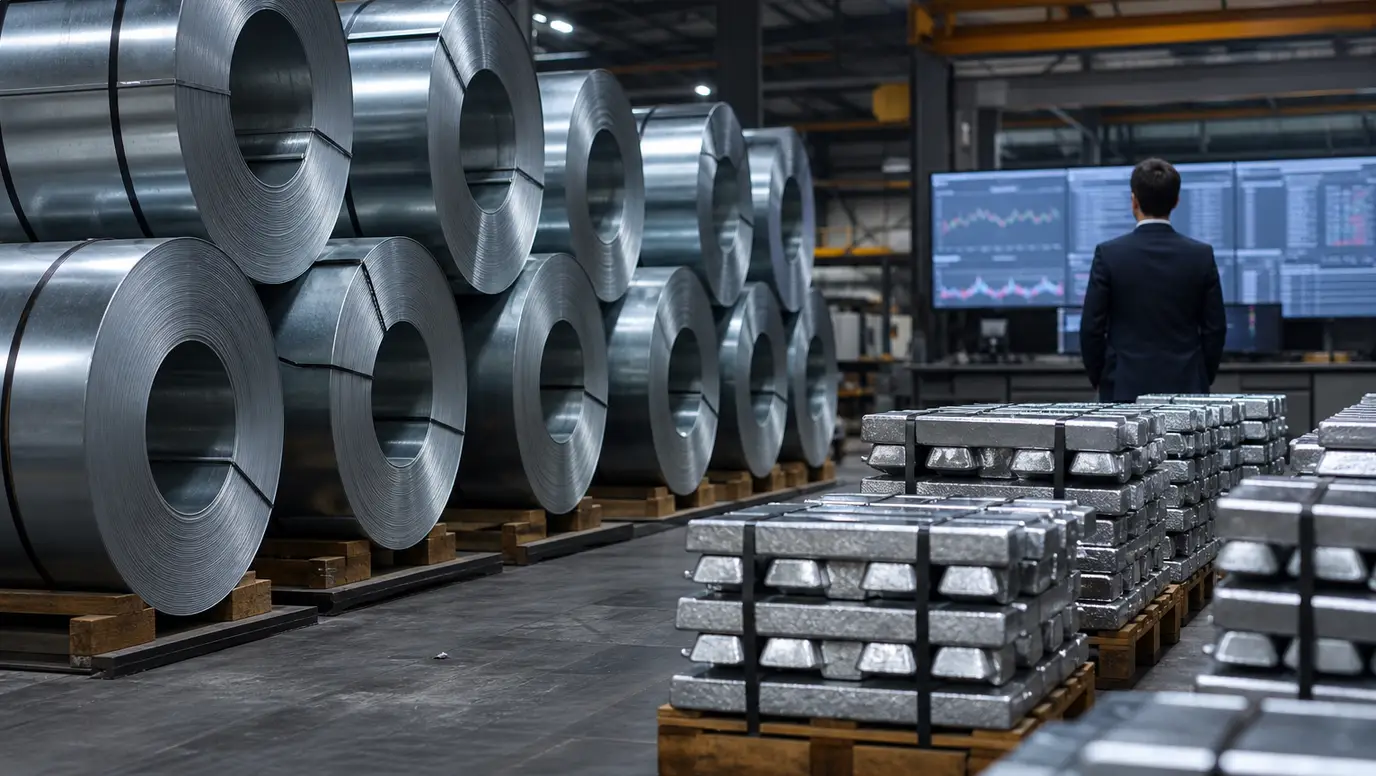
SEPTEMBER 1, 2026
Zinc Rally Leads Metals Market as Supply Fears Lift Base Metals
AUGUST 26, 2026
U.S. Zinc Futures Debut Puts Metals Market on Regional Pricing Watch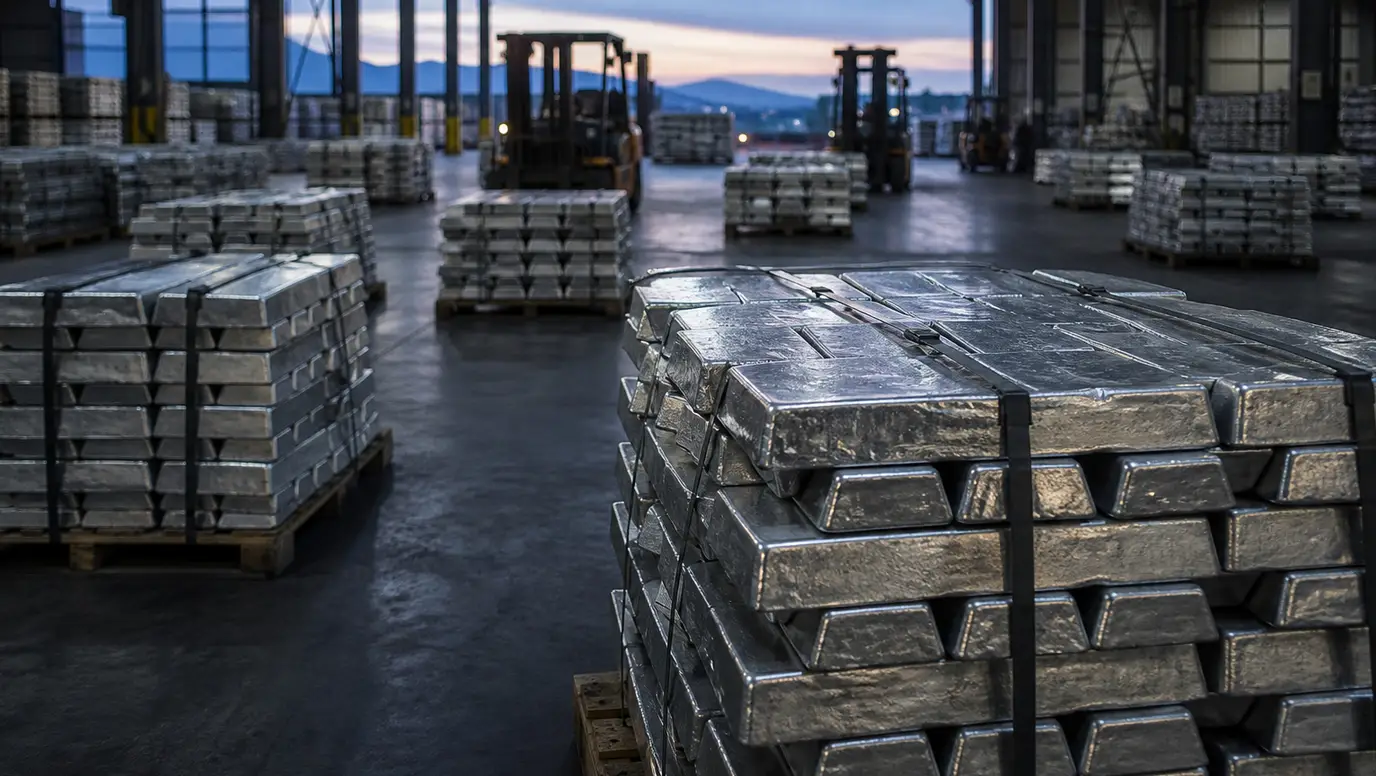
AUGUST 19, 2026
Zinc Tightness Keeps Metals Market Alert as Inventory Cushion Shrinks
AUGUST 13, 2026
Zinc Tightness Keeps Metals Market Alert as China Demand Caps Rally
AUGUST 6, 2026
Zinc Inventory Draw Keeps Metals Market Focused on China Supply and US Dollar Risk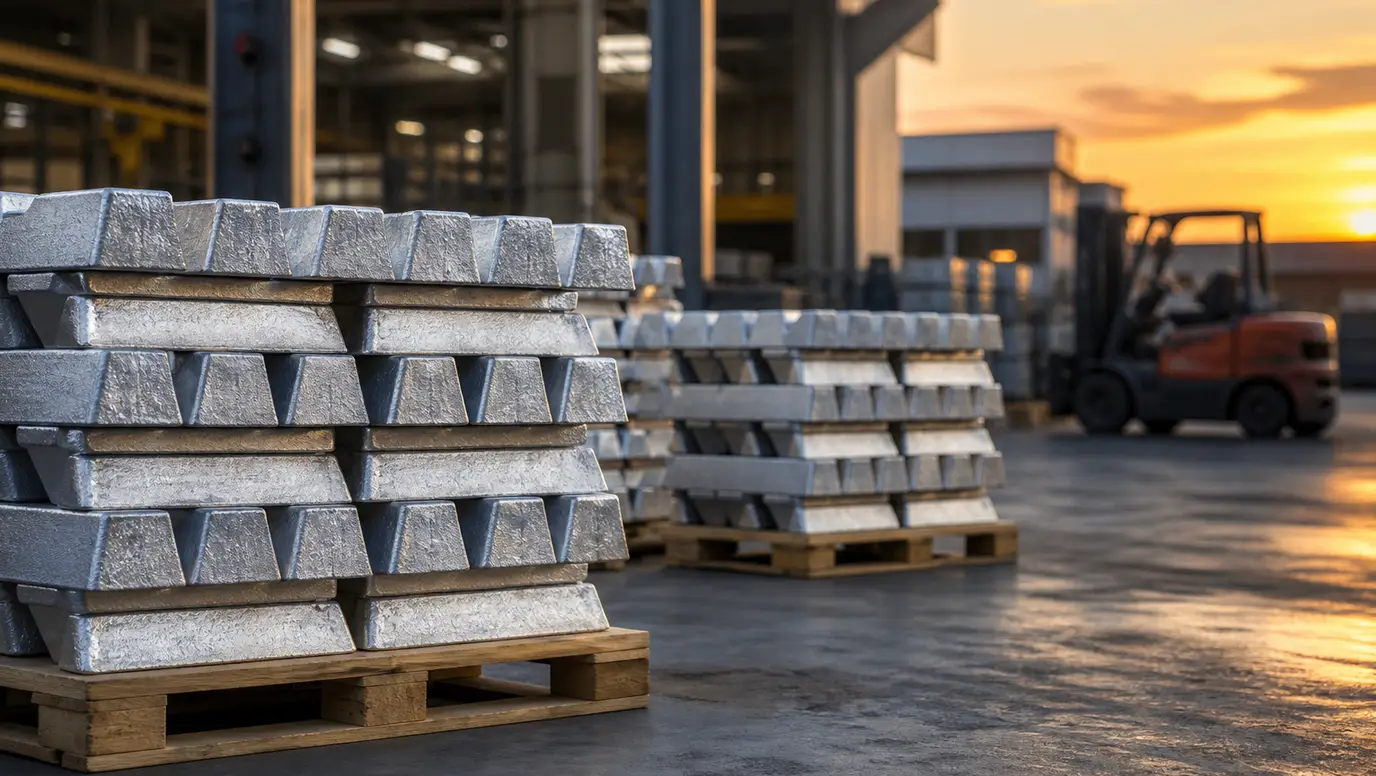
JULY 31, 2026
Zinc Rally Puts Metals Traders on Alert as LME Stocks Slide After US Dollar Pullback
JULY 22, 2026
Nickel and Zinc Join Metals Rally as China Supply Signals Revive Risk Appetite
JULY 4, 2026
Silver and Zinc Lead Broad Metals Rally as Dollar Weakness Extends Holiday Bounce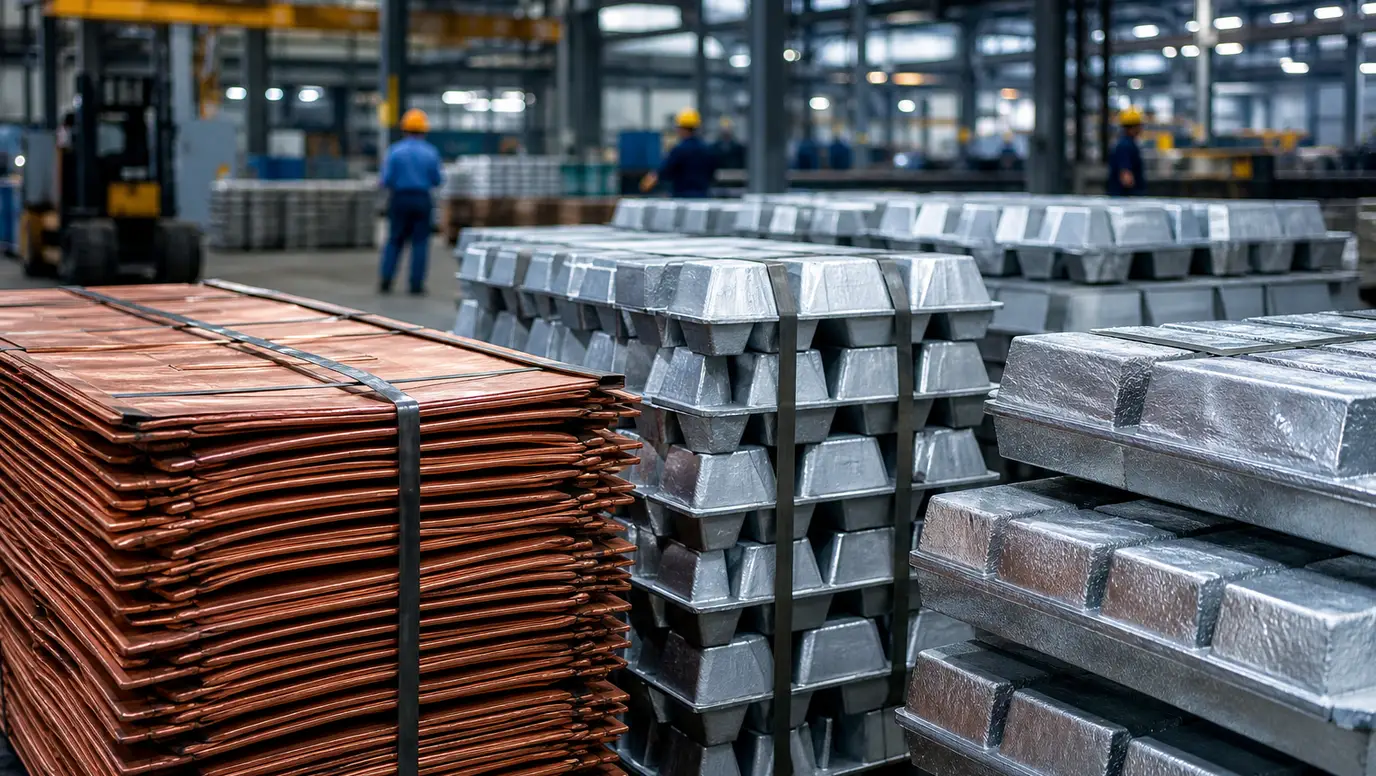
JULY 1, 2026
Copper Leads Metals Lower as Tariff Uncertainty Hits Aluminum and Zinc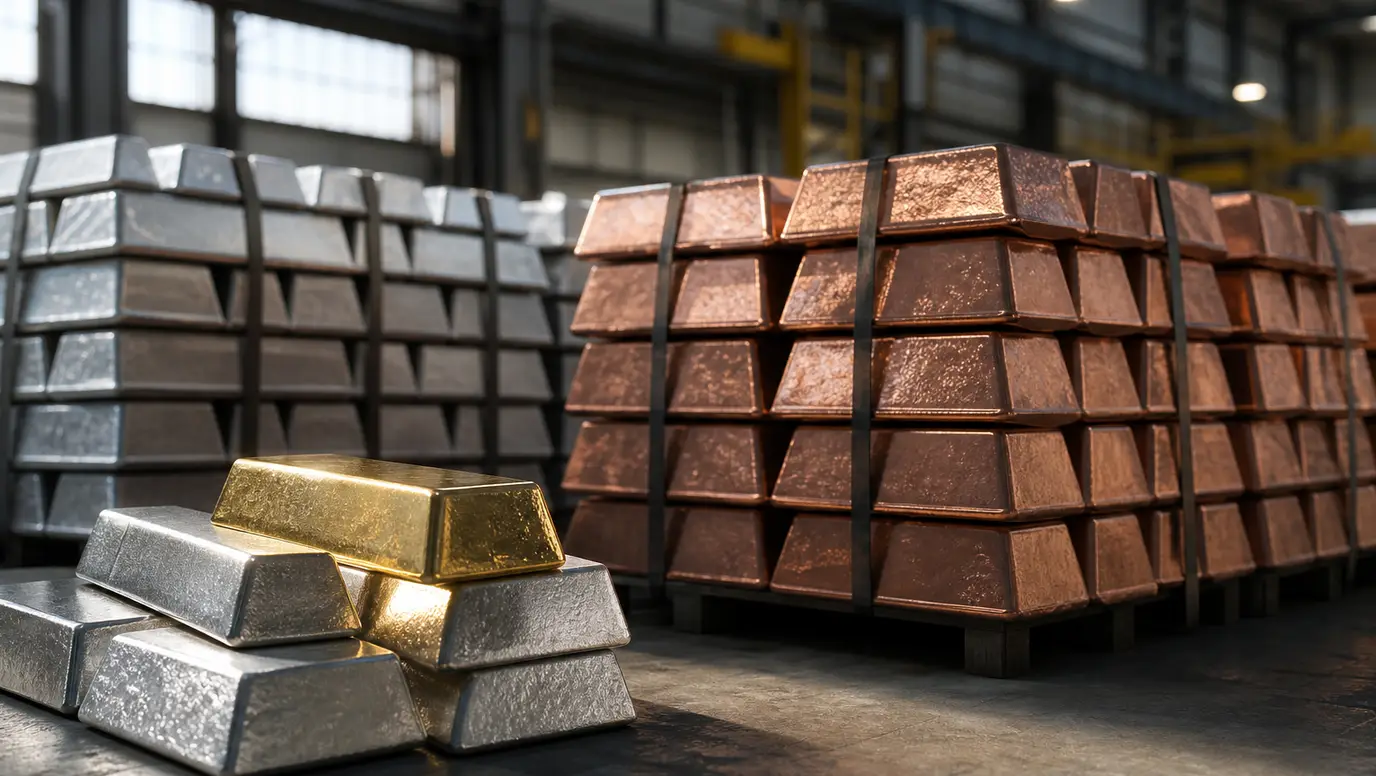
JUNE 27, 2026
Zinc Bounce Masks Gold and Silver Weekly Slump as Metals Market Splits on Fed Risk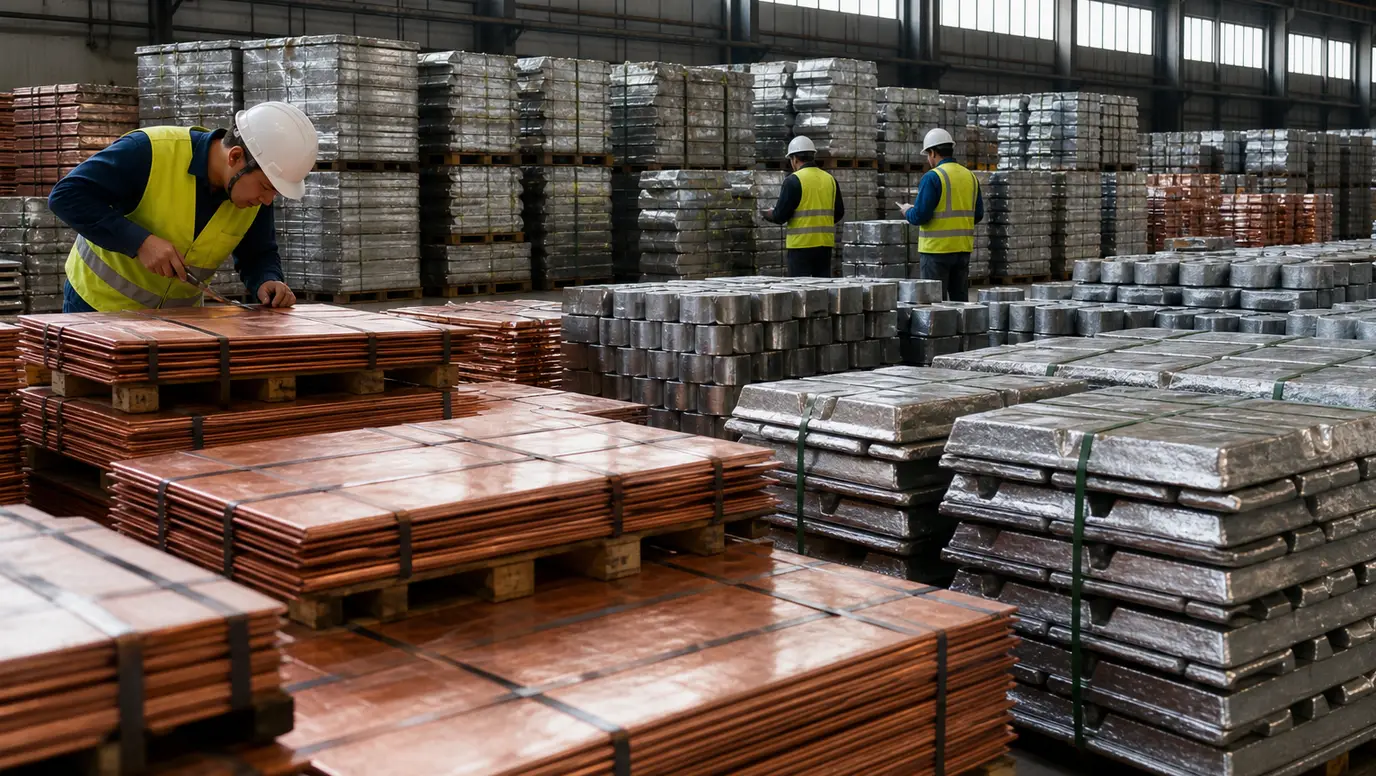
JUNE 26, 2026
Base Metals Reverse Early Rally as Copper, Nickel and Zinc Drag Metals Market Lower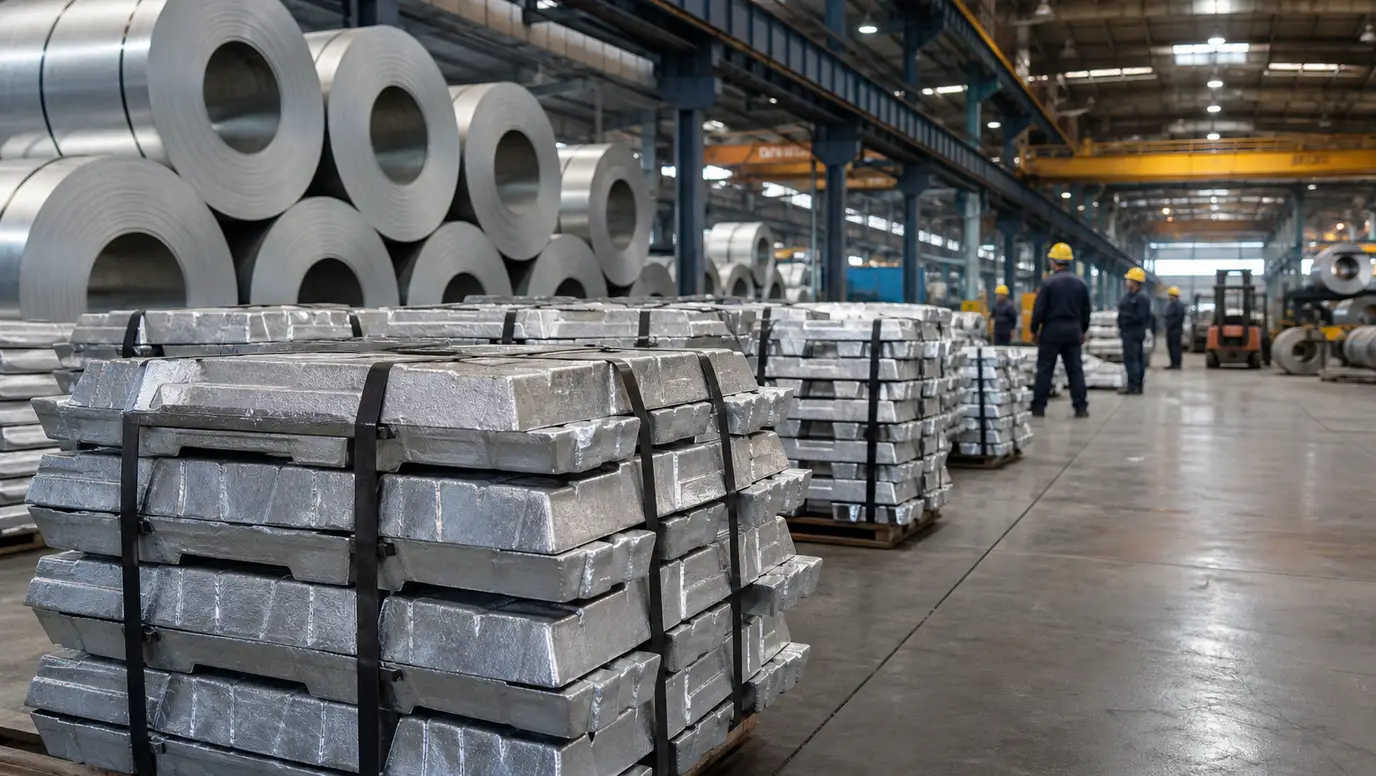
JUNE 4, 2026
Zinc Breakout Moves to Center of Metals Market as Copper Rally Cools