OCTOBER 13, 2026
Zinc Metals Market Falls as LME Stock Jump and US Dollar Pressure Base MetalsZinc weakens as LME inventories rise, the US dollar stays firm and traders reassess base metals demand before US inflation data.

© 1box.site 2026
SEPTEMBER 18, 2026
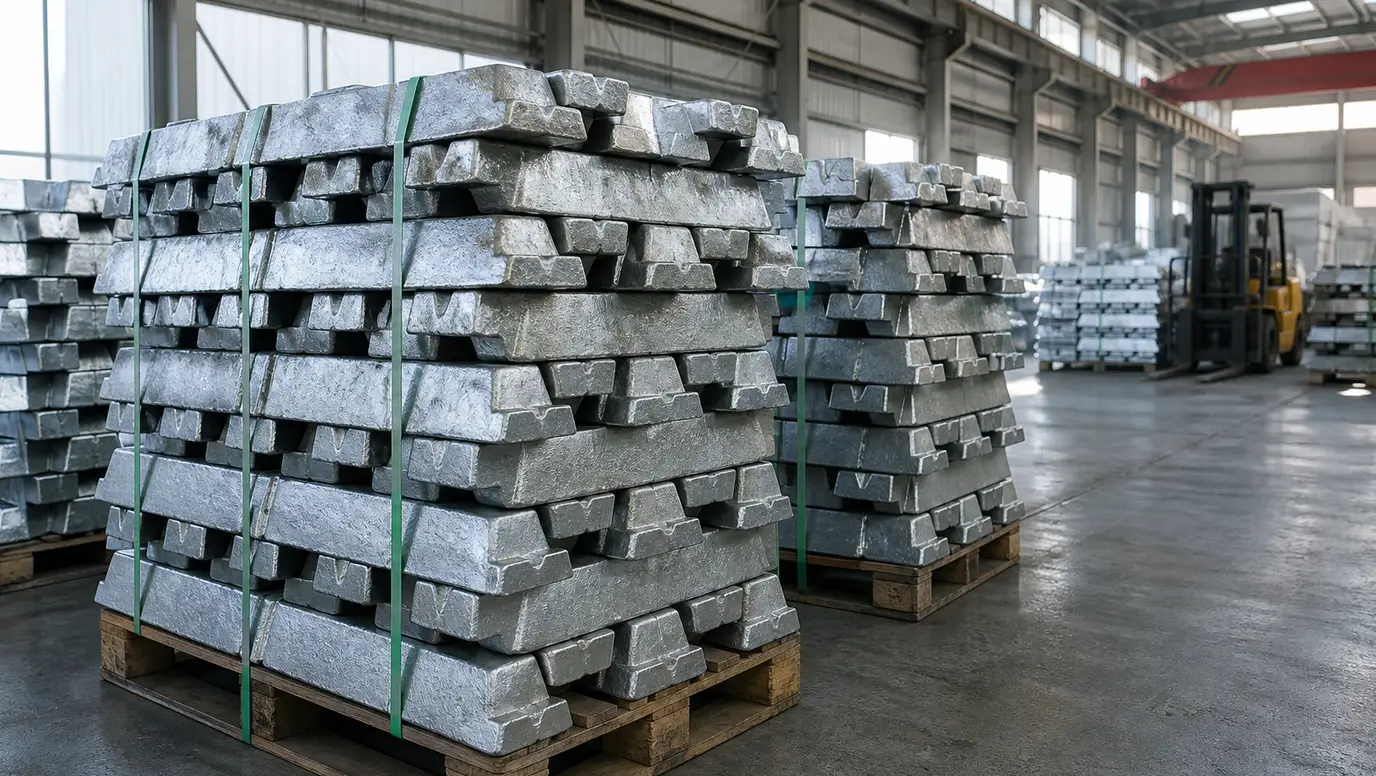
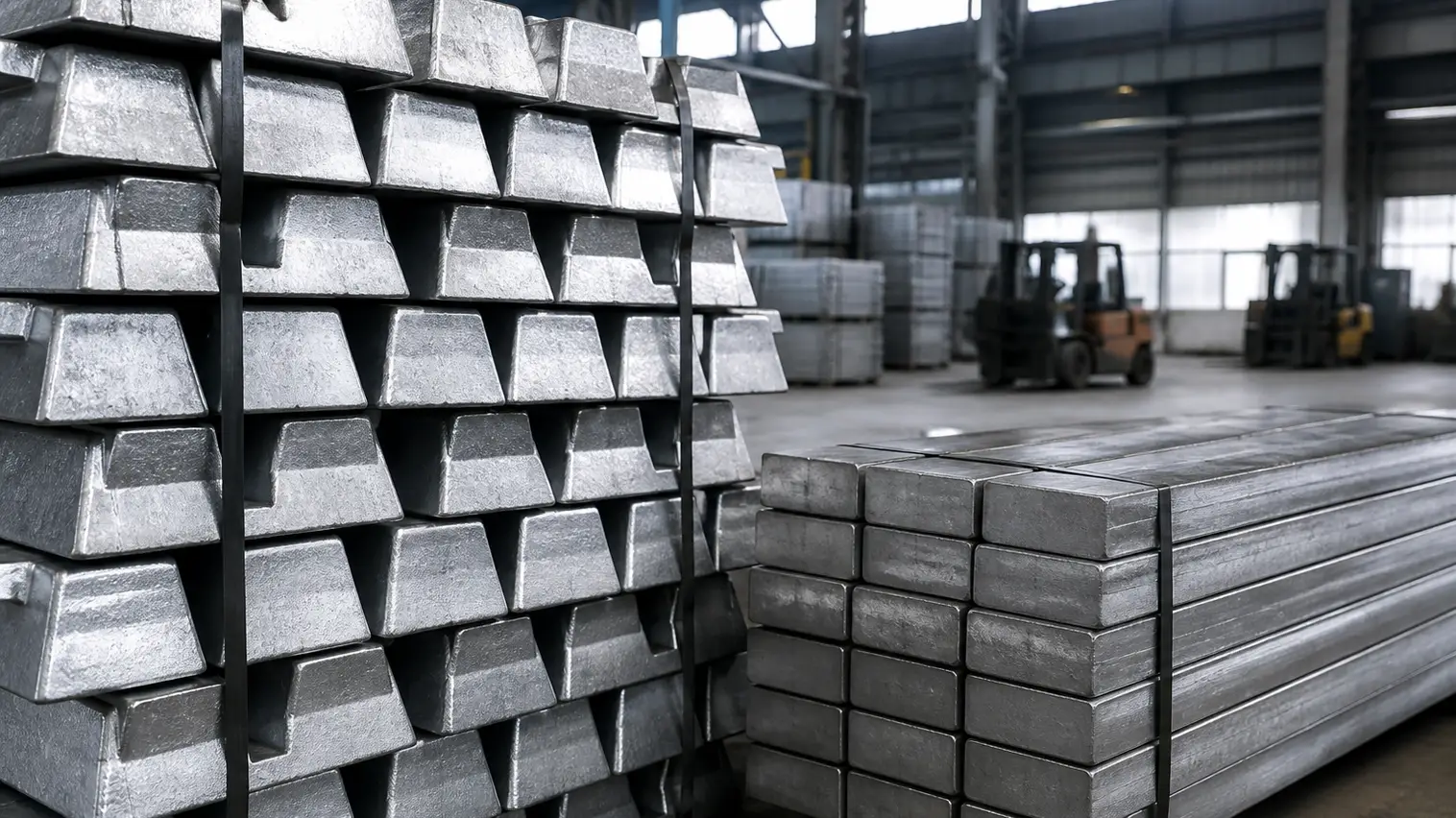
Zinc futures held near elevated levels on Friday as the metals market refocused on tight nearby availability, shrinking visible supply and resilient speculative interest across parts of the base-metals complex. The move kept zinc among the more closely watched industrial metals after a strong run in late summer, even as broader risk appetite remained sensitive to U.S. interest-rate expectations, the dollar and shifting views on global manufacturing demand.
The latest trading tone points to a market that is no longer moving only on broad macro signals. While higher real yields and a firm dollar can still cap rallies in non-yielding commodities, zinc has drawn support from signs that immediately deliverable metal remains scarce in key trading locations. That prompt tightness has helped sustain premiums in the nearby market and has encouraged traders to treat short-term inventory changes as a major price driver.
Lead also strengthened as exchange-monitored inventories eased, giving the wider metals market a second base-metal story beyond the recent focus on nickel, aluminum, gold, silver and copper. The combination of firmer zinc and improving lead momentum suggests traders are again separating metals with specific supply stress from those that are trading mainly on global growth assumptions.
Zinc’s role in galvanizing steel makes it highly exposed to construction, infrastructure and industrial activity, but the current rally has been shaped as much by supply visibility as by demand expectations. Earlier gains pushed London-traded zinc to its strongest levels in more than four years, and the market has continued to watch whether available inventories outside China are sufficient to cool the squeeze.
The key issue is the split between apparent metal availability in China and tighter conditions in other warehouse systems. When stock builds are concentrated in one region while nearby delivery premiums persist elsewhere, traders often become more cautious about assuming that global supply is comfortable. That can create sharp price action because a modest change in exchange inventories may have an outsized effect on sentiment.
For industrial consumers, the rally raises the risk that procurement costs remain elevated even if headline macro data soften. Steel galvanizers and downstream manufacturers may be forced to balance just-in-time purchasing against the danger of paying higher spot prices if prompt supply remains constrained. For funds, the same structure can make zinc attractive as a relative-value trade inside the metals market, especially when other industrial metals face clearer demand doubts.
Lead’s latest advance is also important because the metal had recently been weighed down by large visible stock movements and questions about whether warehouse flows reflected genuine end-user demand. A fresh decline in exchange inventories has helped ease some of that pressure, with traders watching whether the drawdown continues or proves temporary.
Battery demand remains the most important physical anchor for lead, but short-term pricing can be heavily influenced by warehouse cancellations, regional premiums and financing conditions. If inventories keep falling while zinc stays firm, the base-metals segment could attract more attention from commodity funds looking for supply-driven opportunities rather than simple bets on global growth.
Still, the lead signal is not yet as clean as the zinc story. Large stock changes can be distorted by warehouse incentives, logistics and trading-house positioning. That means investors may need confirmation from sustained drawdowns, stronger physical premiums or improved buying from battery and industrial users before treating the move as a durable tightening cycle.
The metals market is entering the final stretch of the week with three major risk factors. The first is U.S. monetary policy. A higher-for-longer rate outlook can support the dollar and raise the opportunity cost of holding commodities, even when individual metals have supportive supply fundamentals. The second is China demand, where any change in construction, infrastructure spending or factory activity can quickly alter expectations for zinc consumption.
The third risk is positioning. When a metal rallies quickly on tight prompt supply, momentum funds can amplify the move. That creates the potential for deeper pullbacks if inventories rise, the dollar strengthens or traders take profits into the weekend. Zinc’s recent outperformance therefore leaves it exposed to volatility, even if the physical backdrop remains supportive.
For now, however, zinc and lead are giving the metals market a fresh focal point. With recent headlines already dominated by precious metals and other base metals, the renewed squeeze in zinc futures and the tightening signal in lead inventories suggest that traders are broadening their watchlist. If nearby supply stress persists, the next leg of the metals market may be driven less by broad commodity beta and more by the specific availability of individual metals.
OCTOBER 13, 2026
Zinc Metals Market Falls as LME Stock Jump and US Dollar Pressure Base Metals
OCTOBER 8, 2026
Zinc Metals Tightness Faces US Dollar and Treasury Yield Test
SEPTEMBER 29, 2026
Zinc Futures Fall as China Demand Worries Test Metals Market Tightness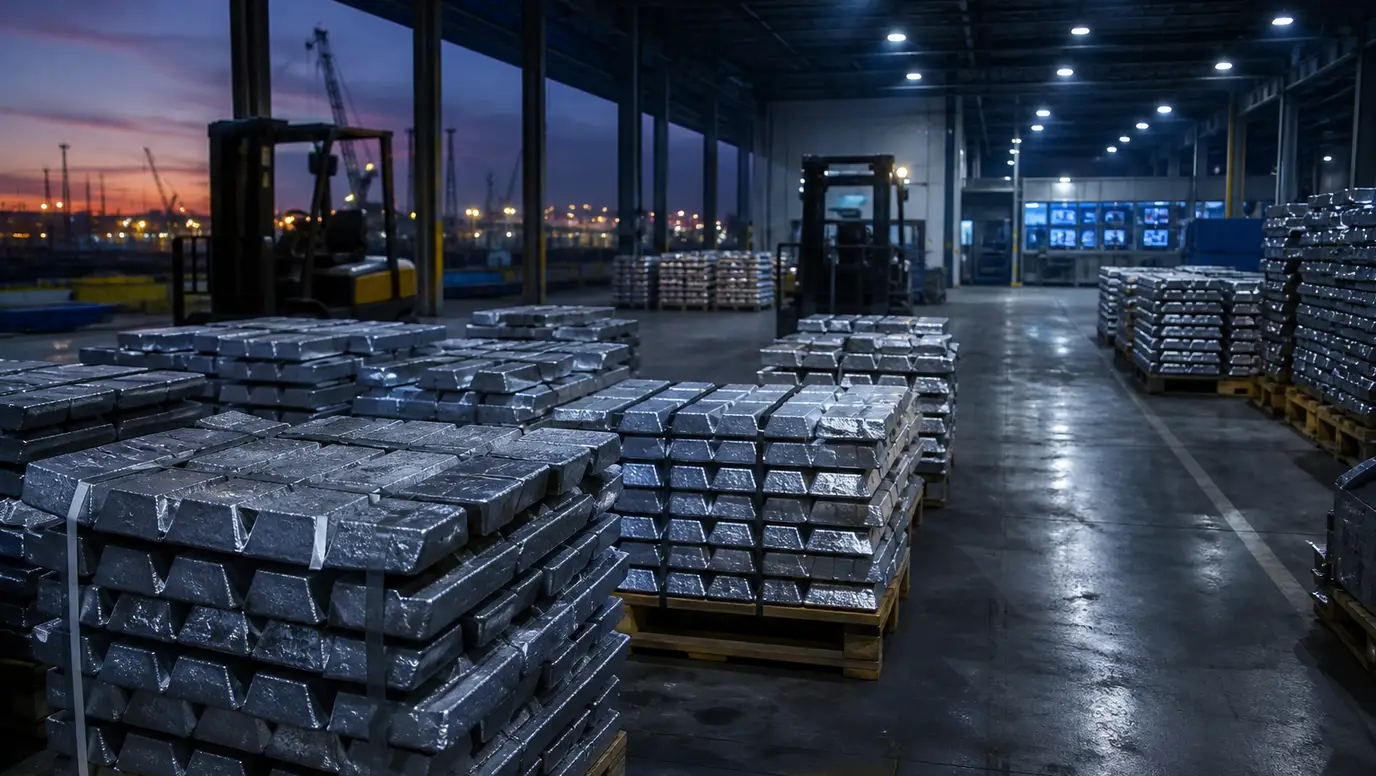
SEPTEMBER 12, 2026
Zinc Futures Rally Faces Inventory Test as Metals Market Weighs Demand Signals
SEPTEMBER 7, 2026
Zinc Futures Defy Federal Reserve Pressure as Supply Squeeze Tightens Metals Market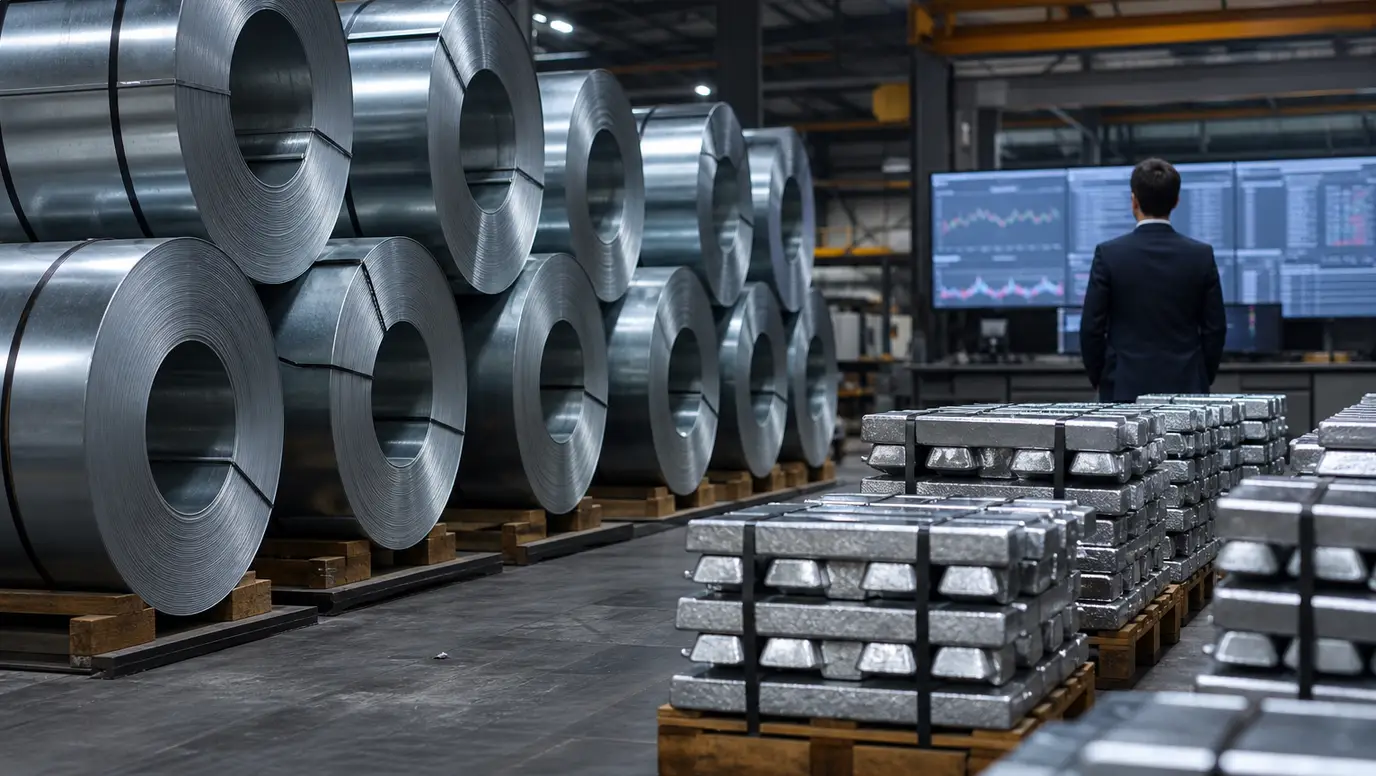
SEPTEMBER 1, 2026
Zinc Rally Leads Metals Market as Supply Fears Lift Base Metals
AUGUST 26, 2026
U.S. Zinc Futures Debut Puts Metals Market on Regional Pricing Watch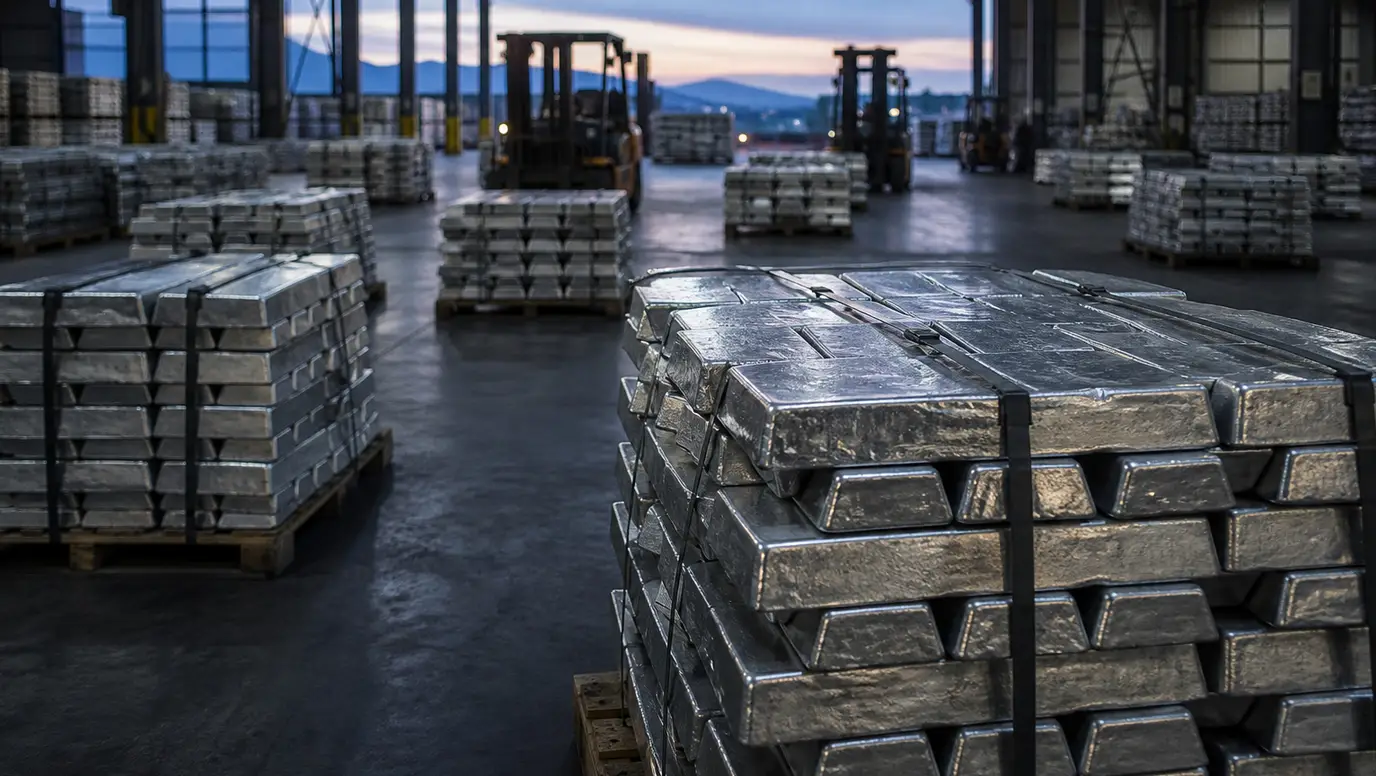
AUGUST 19, 2026
Zinc Tightness Keeps Metals Market Alert as Inventory Cushion Shrinks
AUGUST 13, 2026
Zinc Tightness Keeps Metals Market Alert as China Demand Caps Rally
AUGUST 6, 2026
Zinc Inventory Draw Keeps Metals Market Focused on China Supply and US Dollar Risk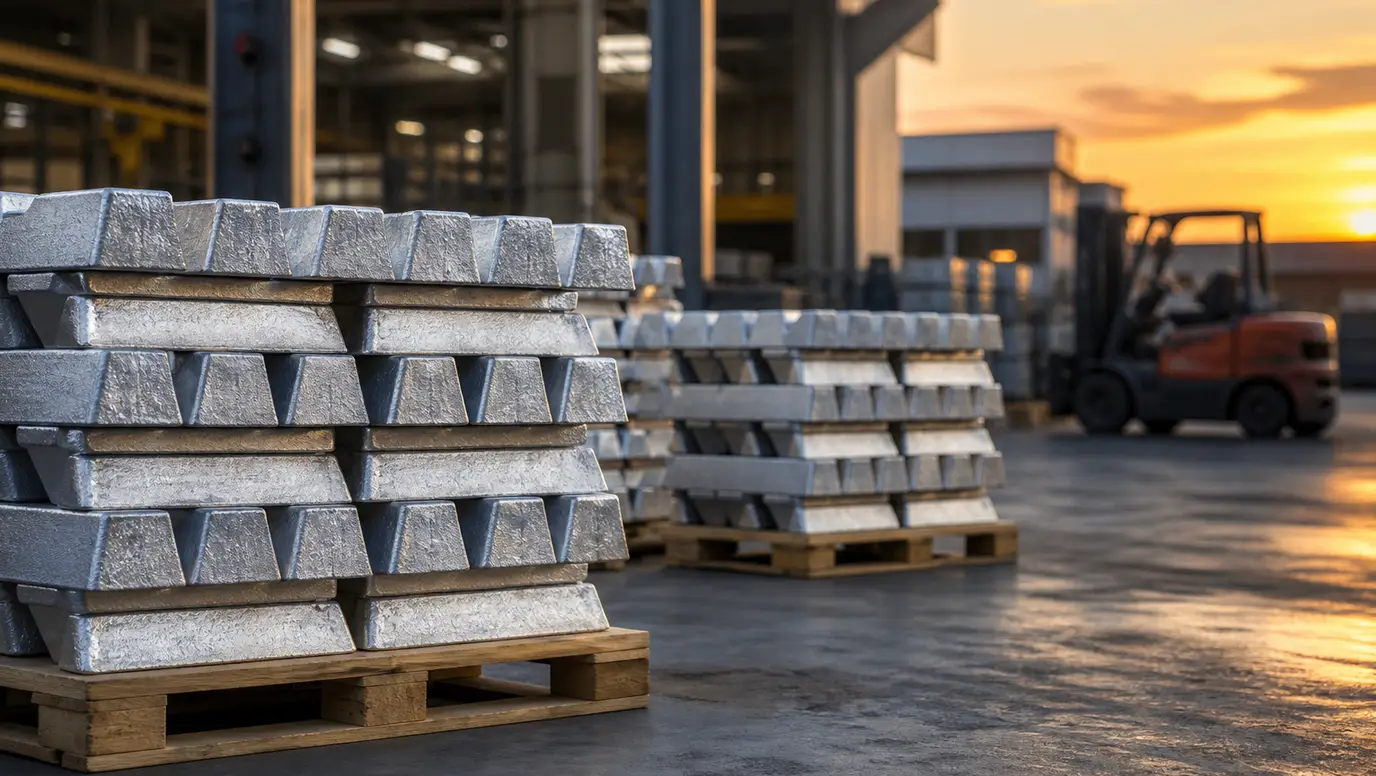
JULY 31, 2026
Zinc Rally Puts Metals Traders on Alert as LME Stocks Slide After US Dollar Pullback
JULY 22, 2026
Nickel and Zinc Join Metals Rally as China Supply Signals Revive Risk Appetite
JULY 4, 2026
Silver and Zinc Lead Broad Metals Rally as Dollar Weakness Extends Holiday Bounce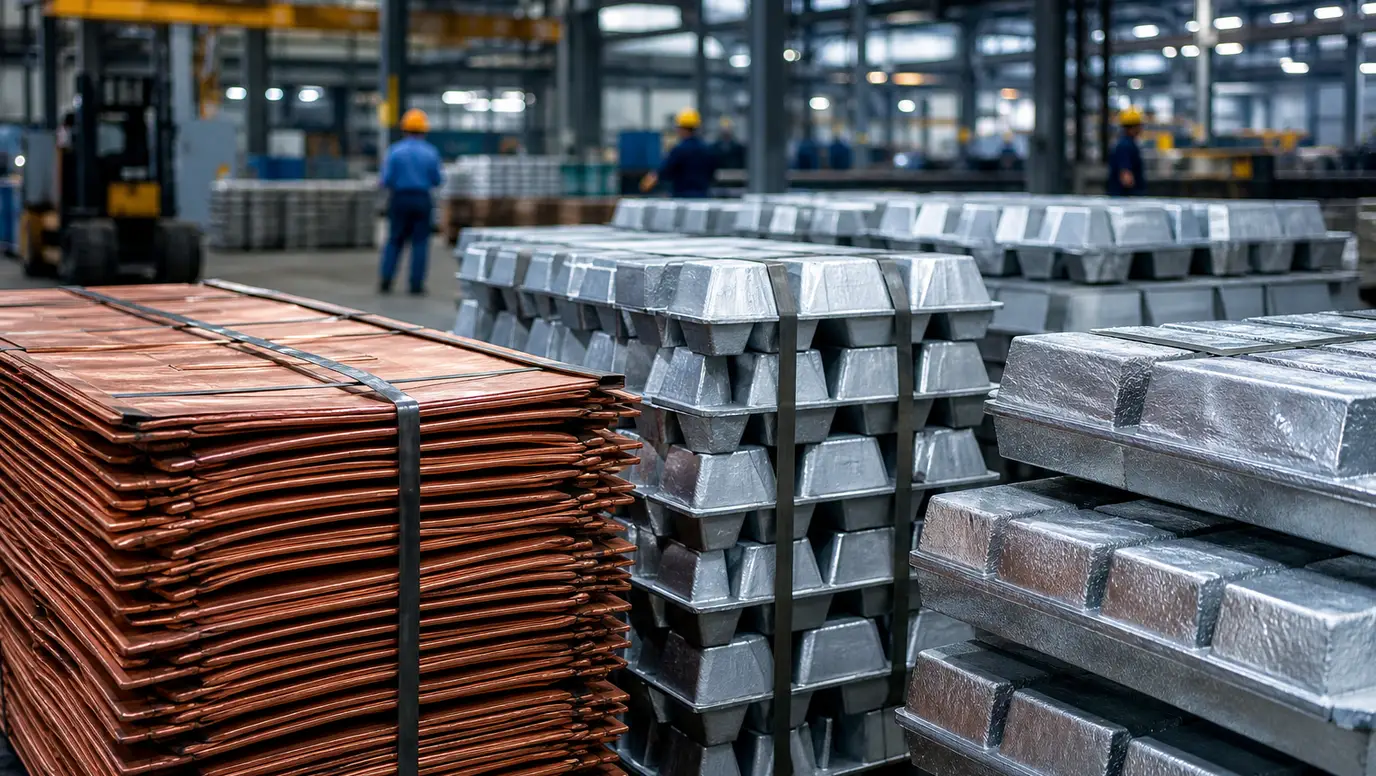
JULY 1, 2026
Copper Leads Metals Lower as Tariff Uncertainty Hits Aluminum and Zinc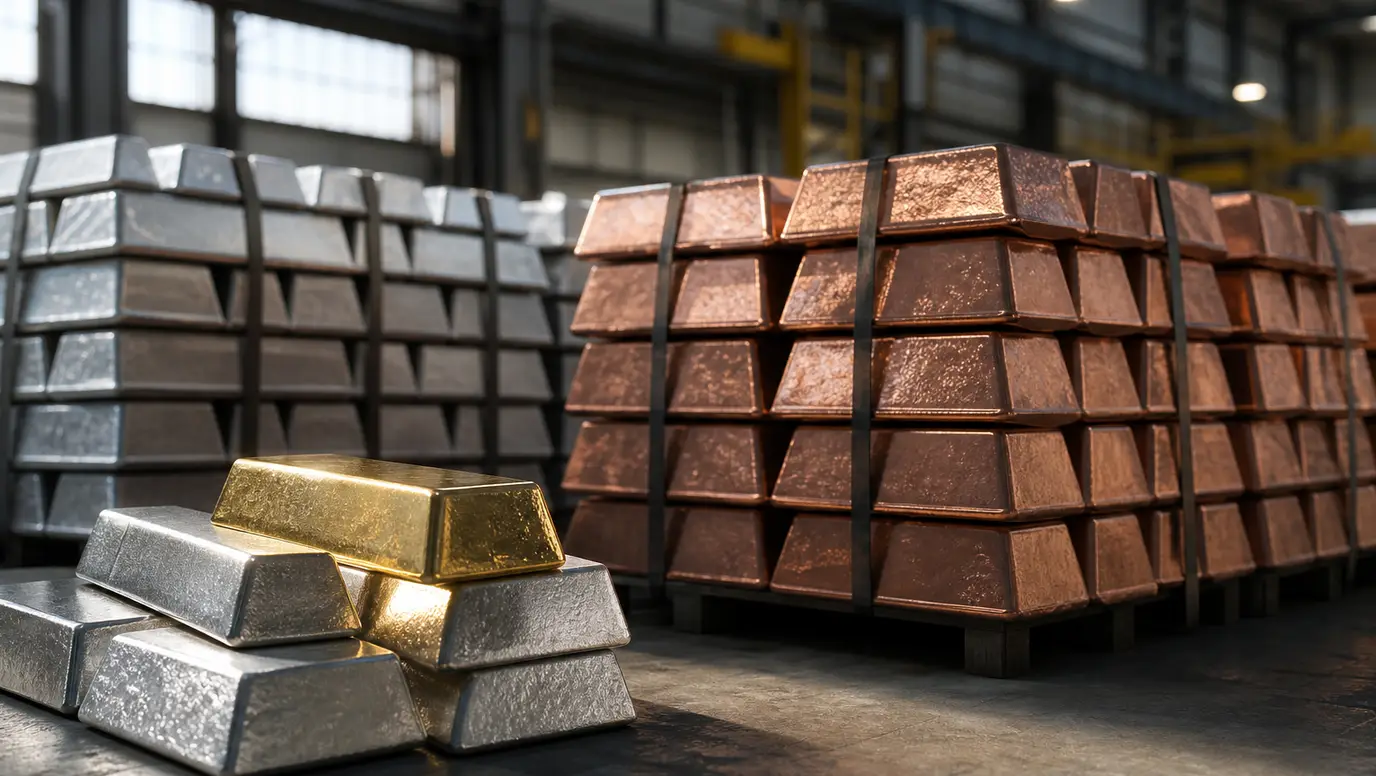
JUNE 27, 2026
Zinc Bounce Masks Gold and Silver Weekly Slump as Metals Market Splits on Fed Risk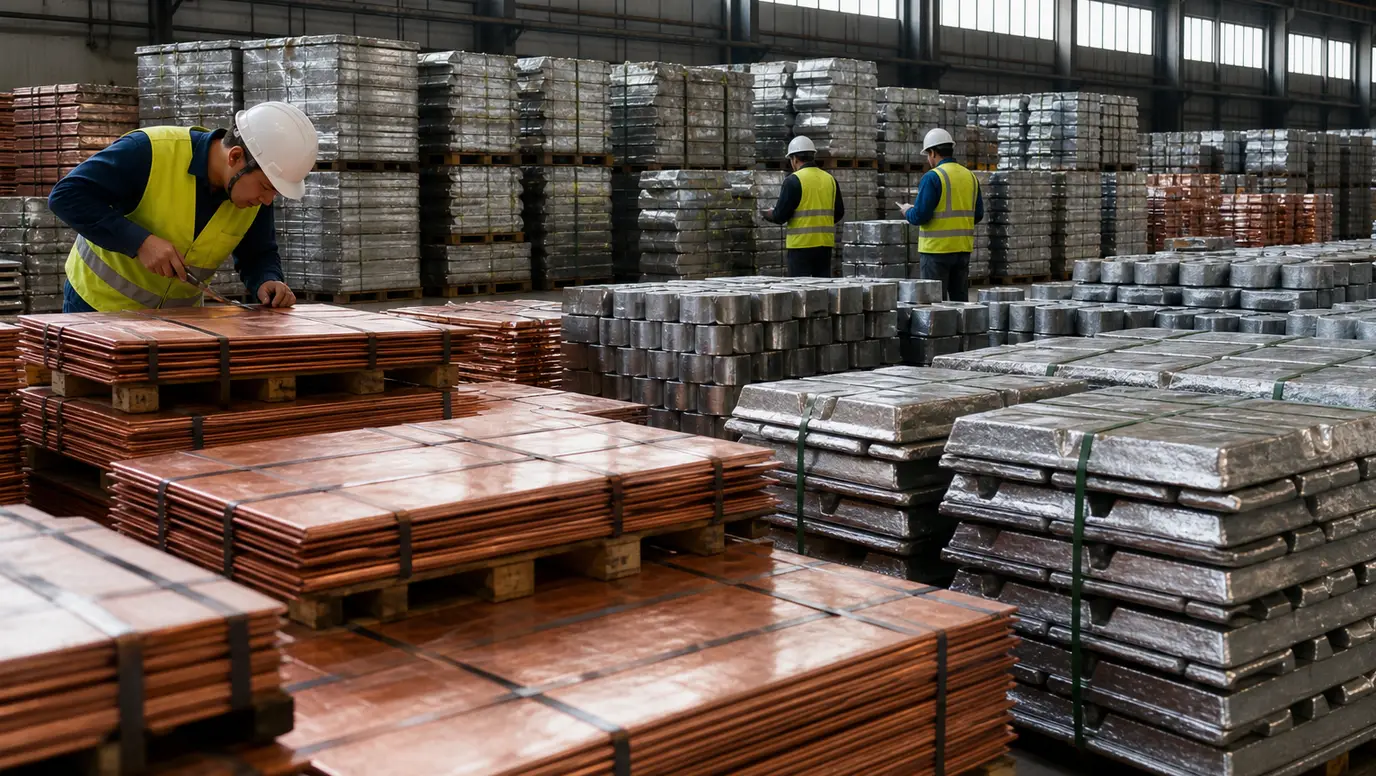
JUNE 26, 2026
Base Metals Reverse Early Rally as Copper, Nickel and Zinc Drag Metals Market Lower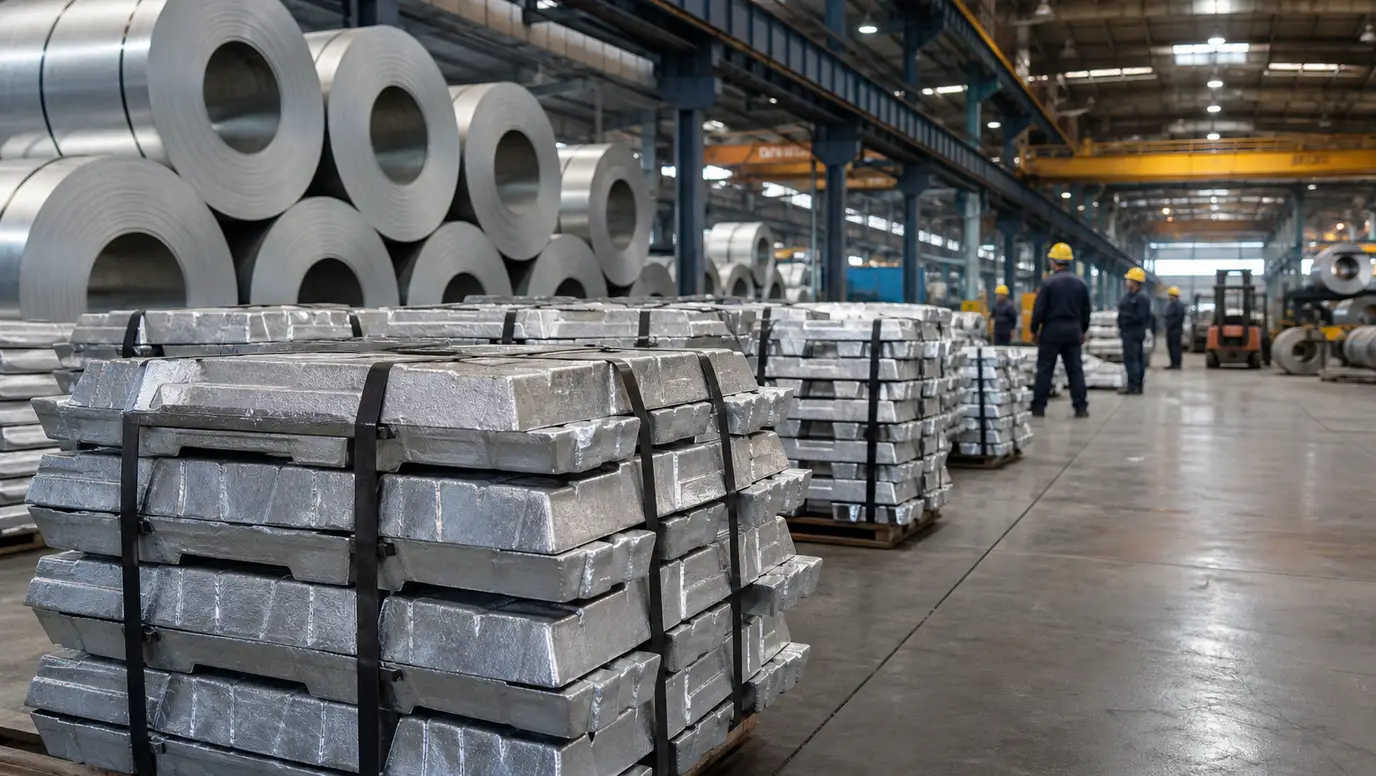
JUNE 4, 2026
Zinc Breakout Moves to Center of Metals Market as Copper Rally Cools