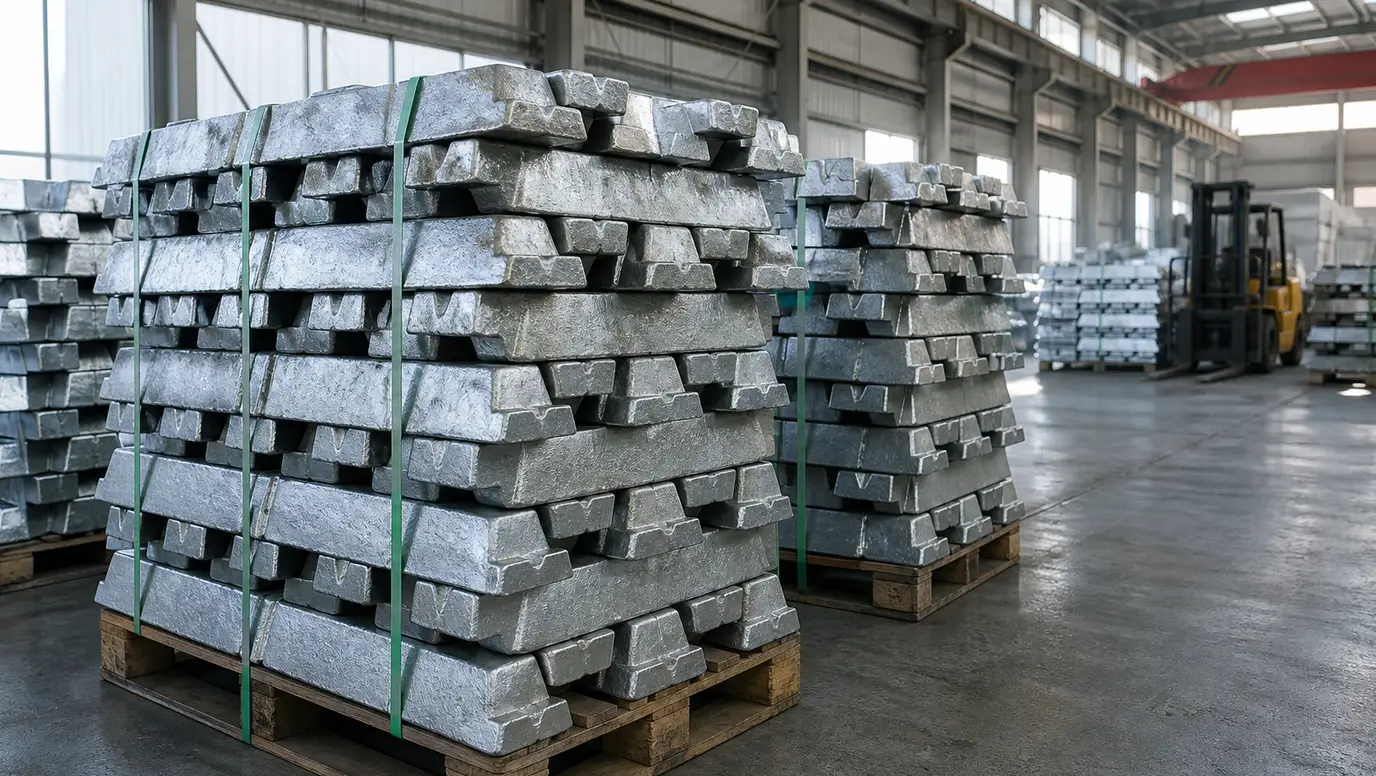
OCTOBER 13, 2026
Zinc Metals Market Falls as LME Stock Jump and US Dollar Pressure Base MetalsZinc weakens as LME inventories rise, the US dollar stays firm and traders reassess base metals demand before US inflation data.

© 1box.site 2026
SEPTEMBER 29, 2026
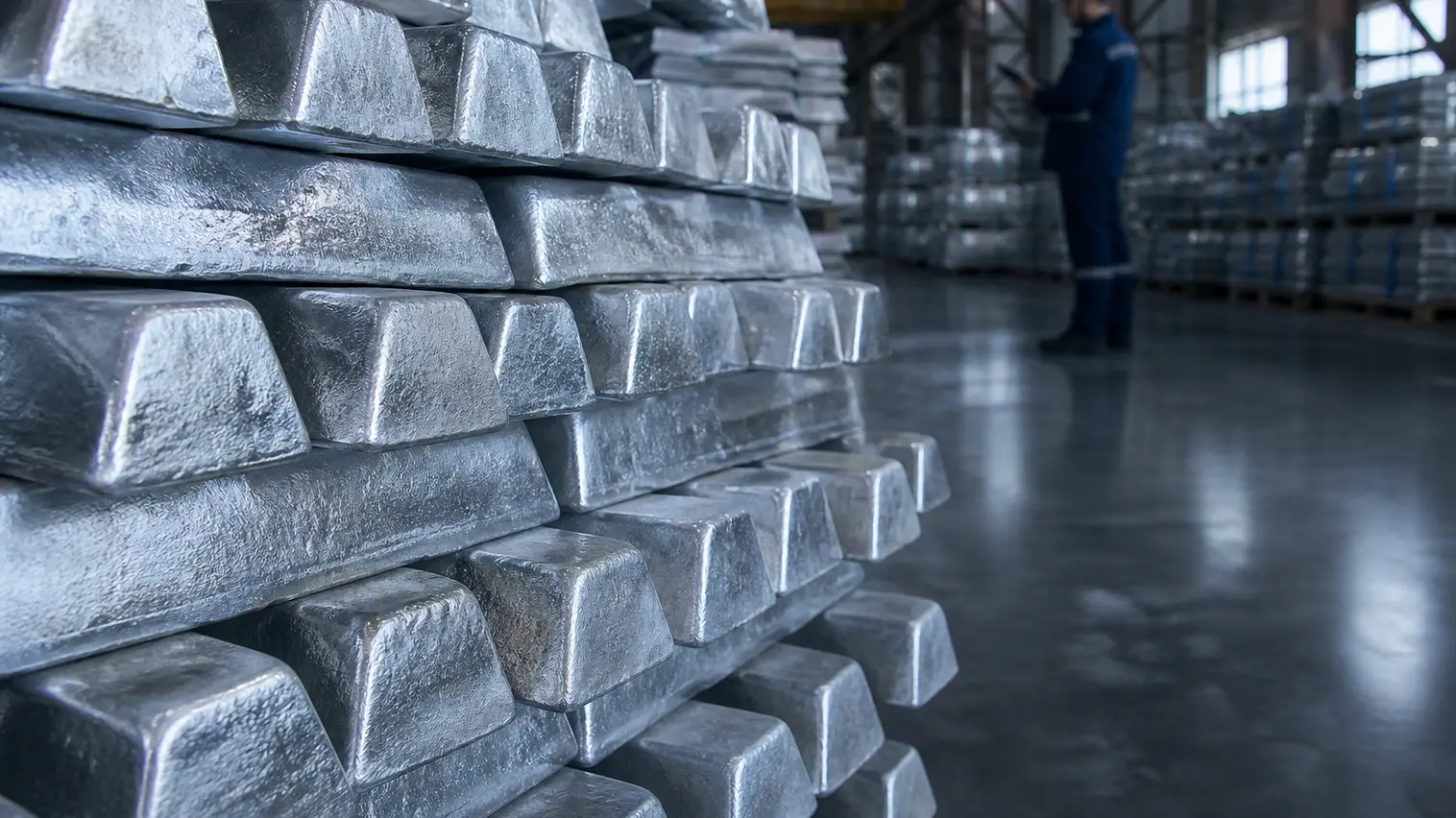
Zinc futures weakened on Tuesday, September 29, 2026, as traders weighed softer China demand signals against a still-tight nearby metals market. The retreat put zinc back in focus after recent attention across the metals complex had been dominated by precious metals volatility and copper supply concerns.
The latest selling pressure followed a broader risk-off tone in commodities, with elevated U.S. Treasury yields and a firmer dollar keeping pressure on dollar-priced raw materials. For zinc, the more specific concern is that demand from galvanizing, construction-linked steel products and manufacturing may struggle to keep pace with prices that remain high by recent historical standards.
China remains central to the zinc market because the metal is heavily used to galvanize steel for buildings, infrastructure, autos and appliances. Fresh Chinese industrial profit figures pointed to a slower pace of improvement, with profit growth for major industrial firms moderating over the first eight months of 2026 compared with the January-July period. That slowdown reinforced caution over end-user demand, even though high-tech manufacturing and selected export sectors remain areas of relative strength.
The concern for zinc bulls is not a collapse in consumption, but a loss of momentum. When construction and traditional manufacturing indicators soften, buyers often reduce spot purchases and wait for clearer signals from steel orders, property activity and infrastructure spending. That can quickly pressure futures, particularly after a strong rally has already priced in tight supply conditions.
Recent zinc pricing still suggests that nearby metal is not abundant. Cash zinc has continued to trade at a premium to three-month metal, a structure known as backwardation. This usually points to stronger demand for prompt delivery or limited availability in immediately deliverable units. However, the market is now questioning whether that tightness is strong enough to offset rising warehouse stocks and macro pressure from higher yields.
Reported zinc warehouse inventories have increased from late-August levels, reaching a fresh one-month high around the start of this week. That build has made traders more cautious because it suggests more metal is becoming available to the exchange system. Even so, stock levels remain low enough to keep the market sensitive to any disruption in mine supply, smelter output or logistics.
This creates a two-sided setup for zinc futures. A further rise in inventories could weaken the backwardation and invite more selling from momentum funds. But if physical buyers return on dips, or if mine and smelter supply headlines worsen, the nearby premium could widen again and force short-covering.
Supply risk remains part of the bullish argument. Zinc concentrate availability has improved in some regions, but refined output is still vulnerable to power costs, maintenance cycles and margins at smelters. Traders are also watching producer guidance after earlier reports of weaker zinc output from some major mining groups this year. That backdrop limits confidence in a sustained oversupply narrative.
The macro backdrop is adding another layer of pressure. U.S. yields have climbed to levels last seen before the global financial crisis, raising the opportunity cost of holding non-yielding assets and tightening financial conditions across commodity markets. While zinc is an industrial metal rather than a monetary metal, higher yields can still hurt demand expectations by lifting financing costs and supporting the dollar.
Investors now face a heavy U.S. data calendar, including labor-market readings that could shape expectations for the Federal Reserve’s next move. A hotter jobs report or renewed inflation concern would likely keep yields elevated and could weigh on metals futures. Softer data, by contrast, may weaken the dollar and give base metals room to stabilize.
For now, zinc futures are caught between two competing forces: a physical market that still shows signs of tight prompt supply, and a demand outlook that looks less certain as China data cools and global borrowing costs rise. Unless warehouse stocks stop building or Chinese demand indicators improve, rallies may face selling near recent highs. Still, the backwardated structure means bears may need more than macro pressure to drive a deeper and lasting breakdown.
OCTOBER 13, 2026
Zinc Metals Market Falls as LME Stock Jump and US Dollar Pressure Base Metals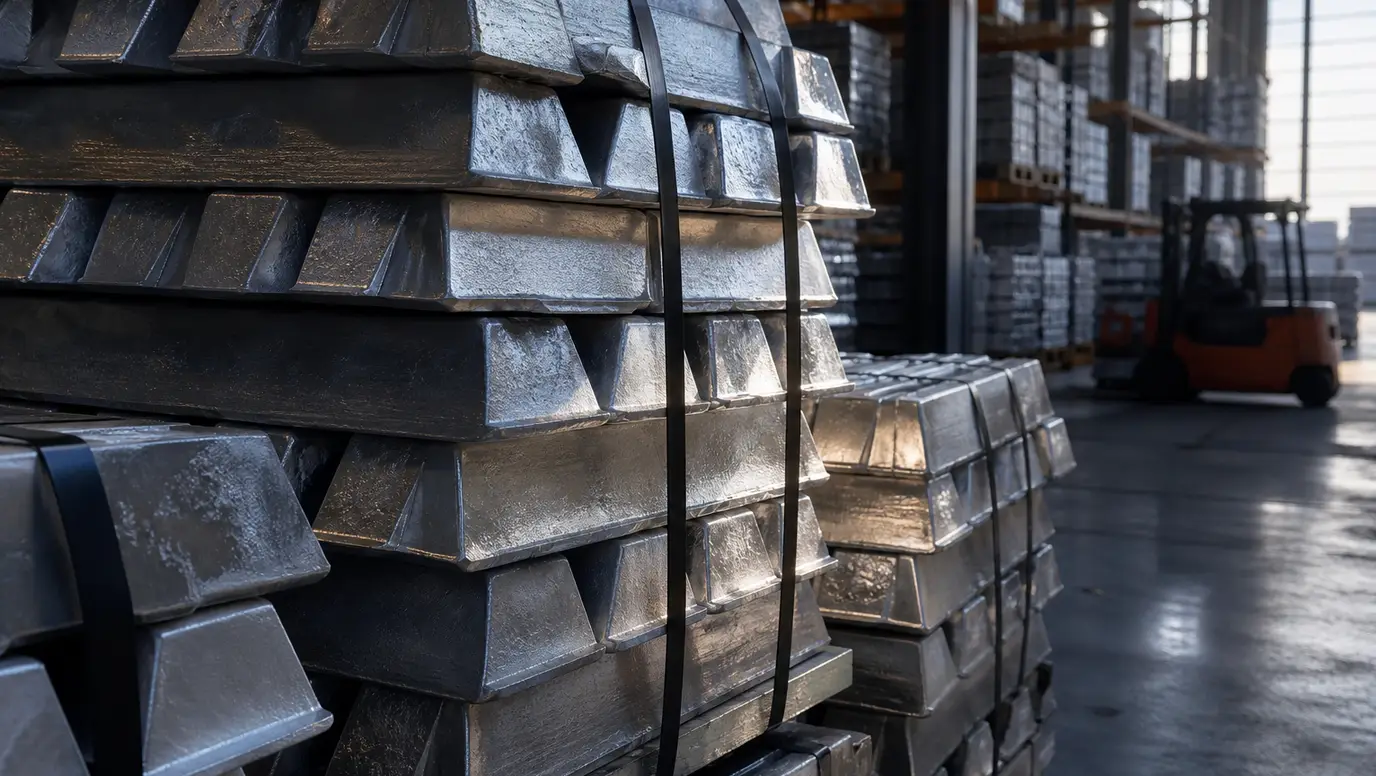
OCTOBER 8, 2026
Zinc Metals Tightness Faces US Dollar and Treasury Yield Test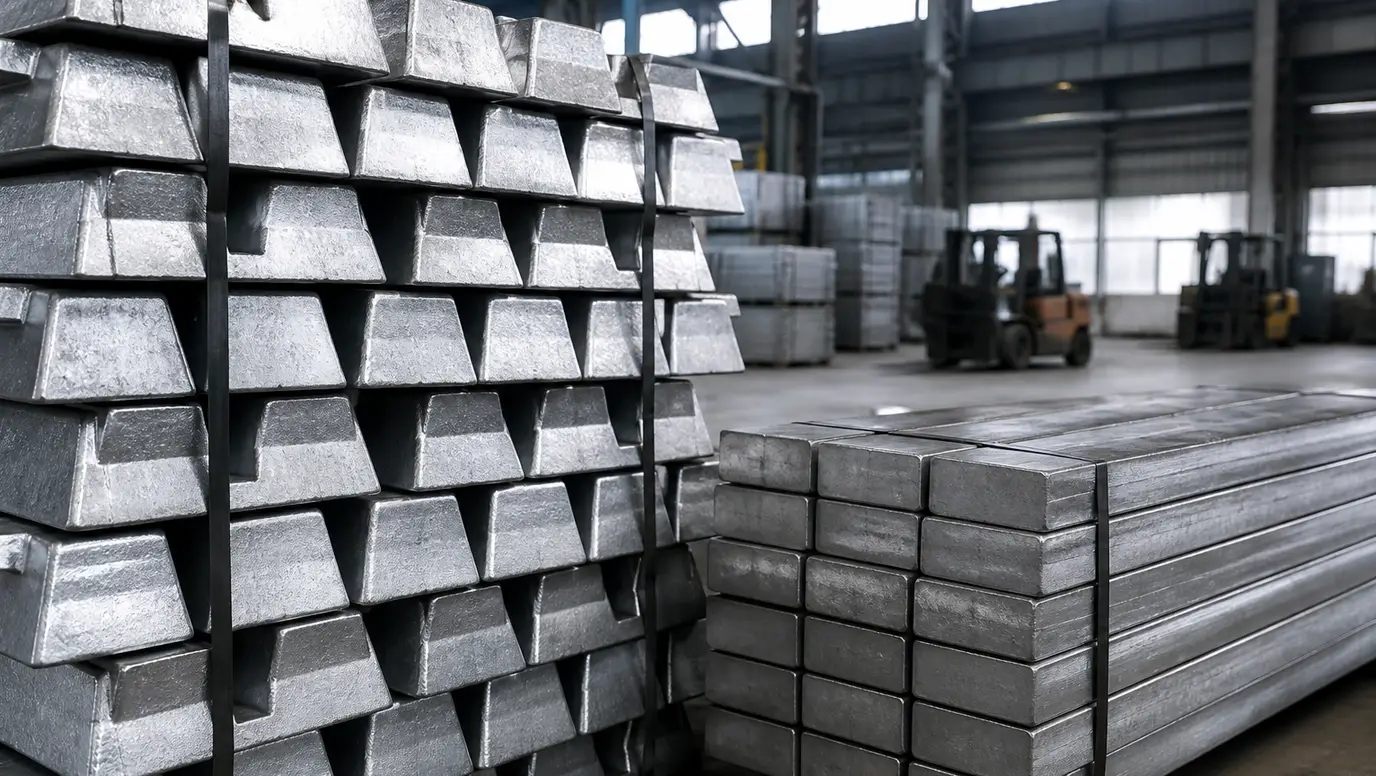
SEPTEMBER 18, 2026
Zinc Futures Squeeze Lifts Metals Market as Lead Inventories Tighten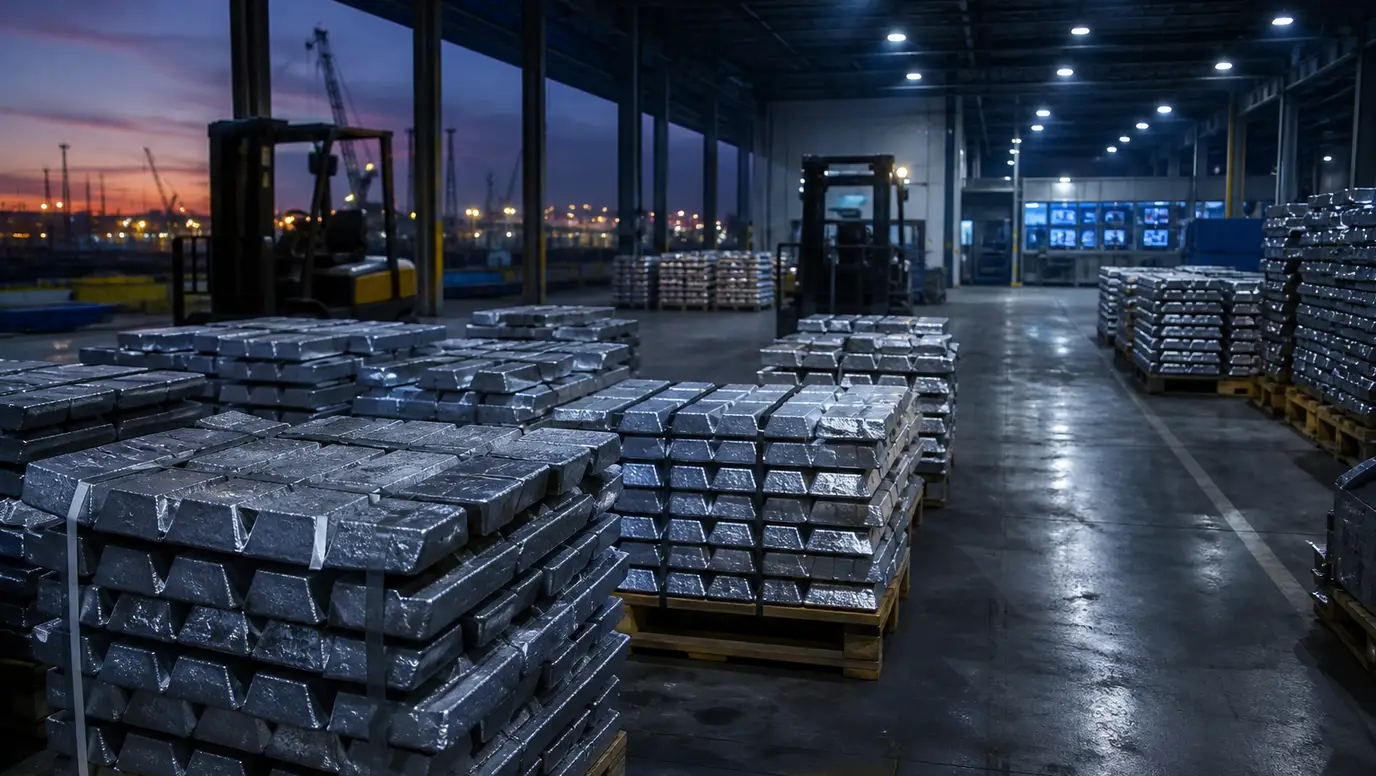
SEPTEMBER 12, 2026
Zinc Futures Rally Faces Inventory Test as Metals Market Weighs Demand Signals
SEPTEMBER 7, 2026
Zinc Futures Defy Federal Reserve Pressure as Supply Squeeze Tightens Metals Market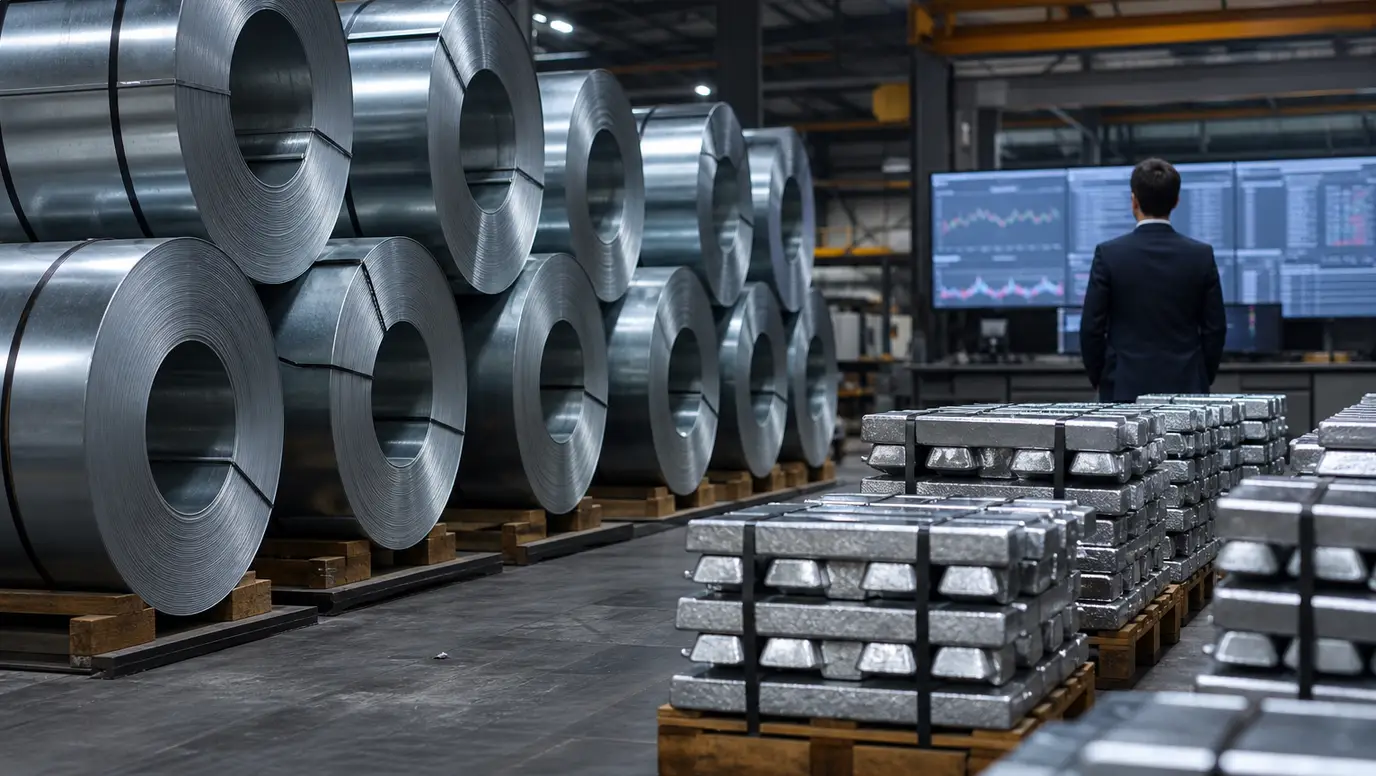
SEPTEMBER 1, 2026
Zinc Rally Leads Metals Market as Supply Fears Lift Base Metals
AUGUST 26, 2026
U.S. Zinc Futures Debut Puts Metals Market on Regional Pricing Watch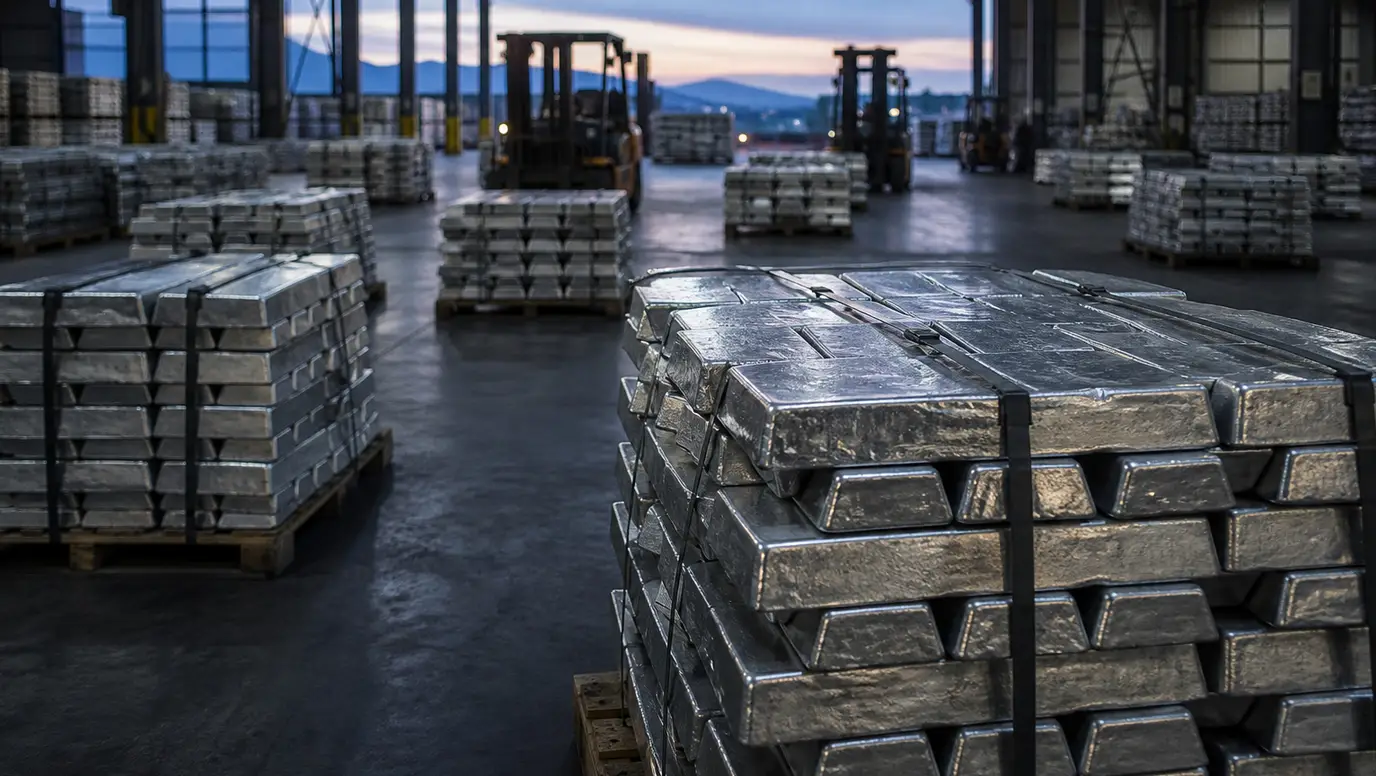
AUGUST 19, 2026
Zinc Tightness Keeps Metals Market Alert as Inventory Cushion Shrinks
AUGUST 13, 2026
Zinc Tightness Keeps Metals Market Alert as China Demand Caps Rally
AUGUST 6, 2026
Zinc Inventory Draw Keeps Metals Market Focused on China Supply and US Dollar Risk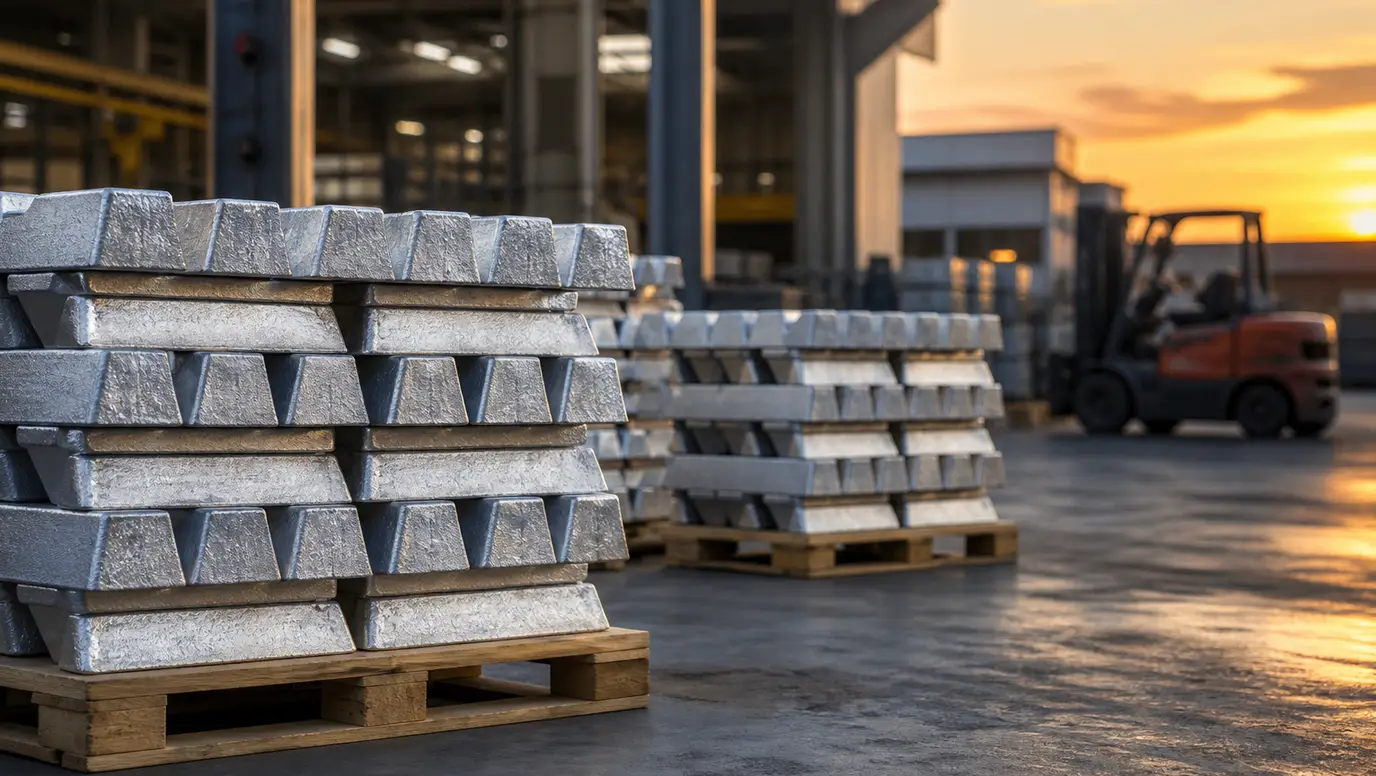
JULY 31, 2026
Zinc Rally Puts Metals Traders on Alert as LME Stocks Slide After US Dollar Pullback
JULY 22, 2026
Nickel and Zinc Join Metals Rally as China Supply Signals Revive Risk Appetite
JULY 4, 2026
Silver and Zinc Lead Broad Metals Rally as Dollar Weakness Extends Holiday Bounce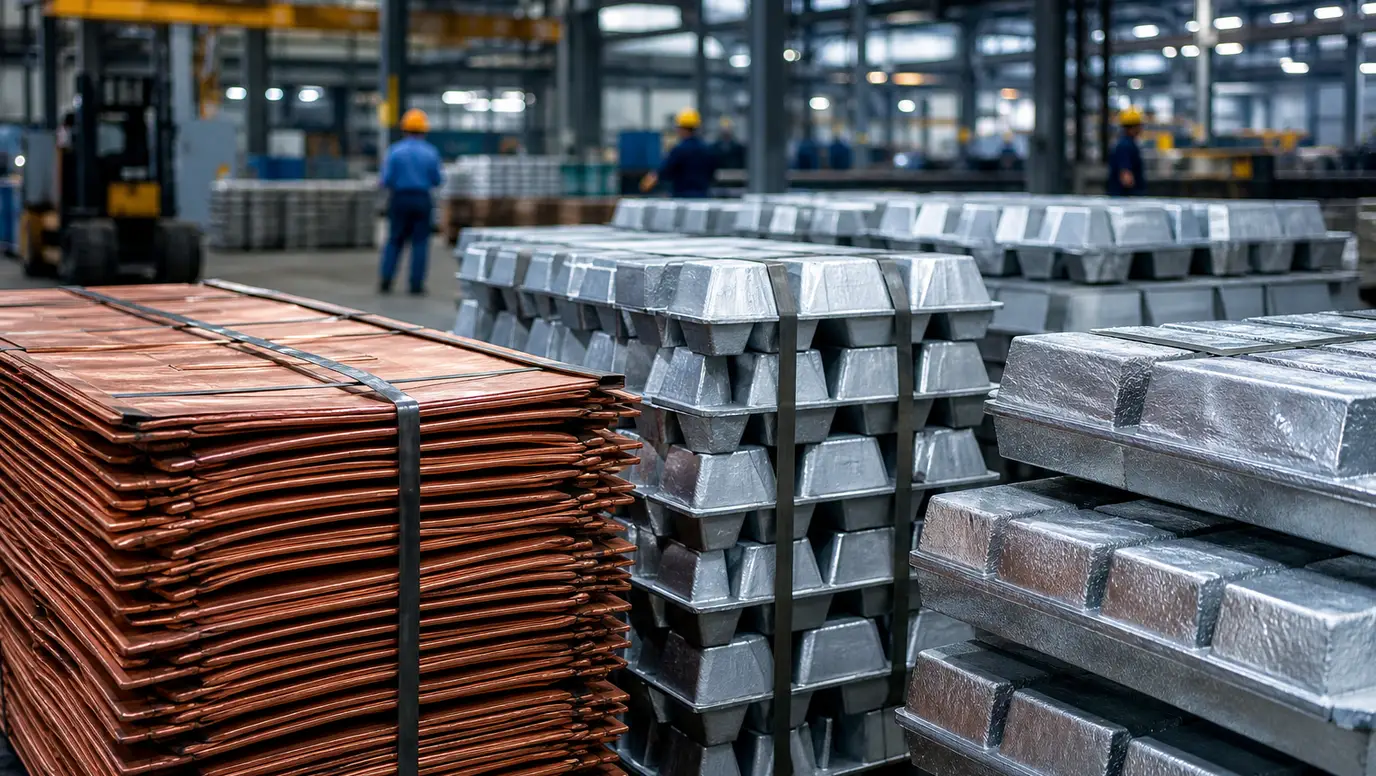
JULY 1, 2026
Copper Leads Metals Lower as Tariff Uncertainty Hits Aluminum and Zinc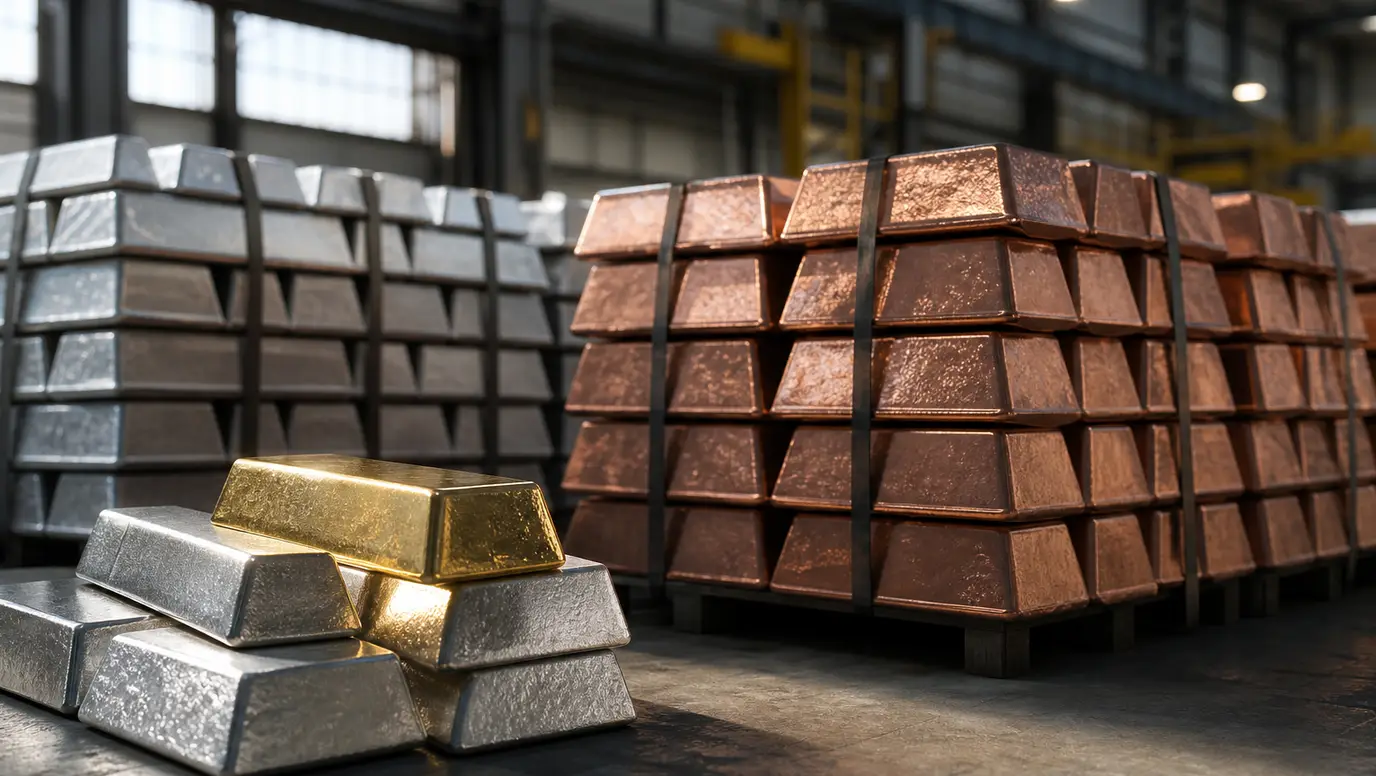
JUNE 27, 2026
Zinc Bounce Masks Gold and Silver Weekly Slump as Metals Market Splits on Fed Risk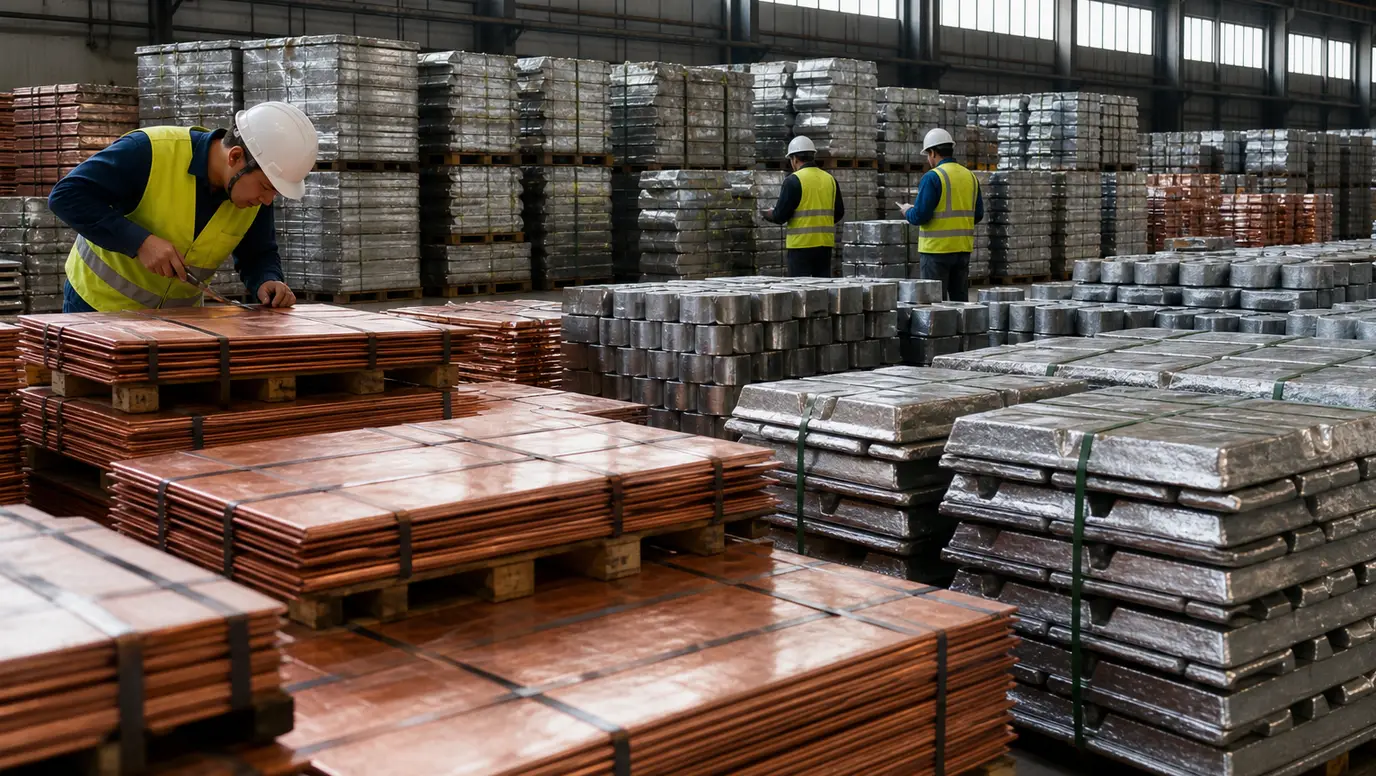
JUNE 26, 2026
Base Metals Reverse Early Rally as Copper, Nickel and Zinc Drag Metals Market Lower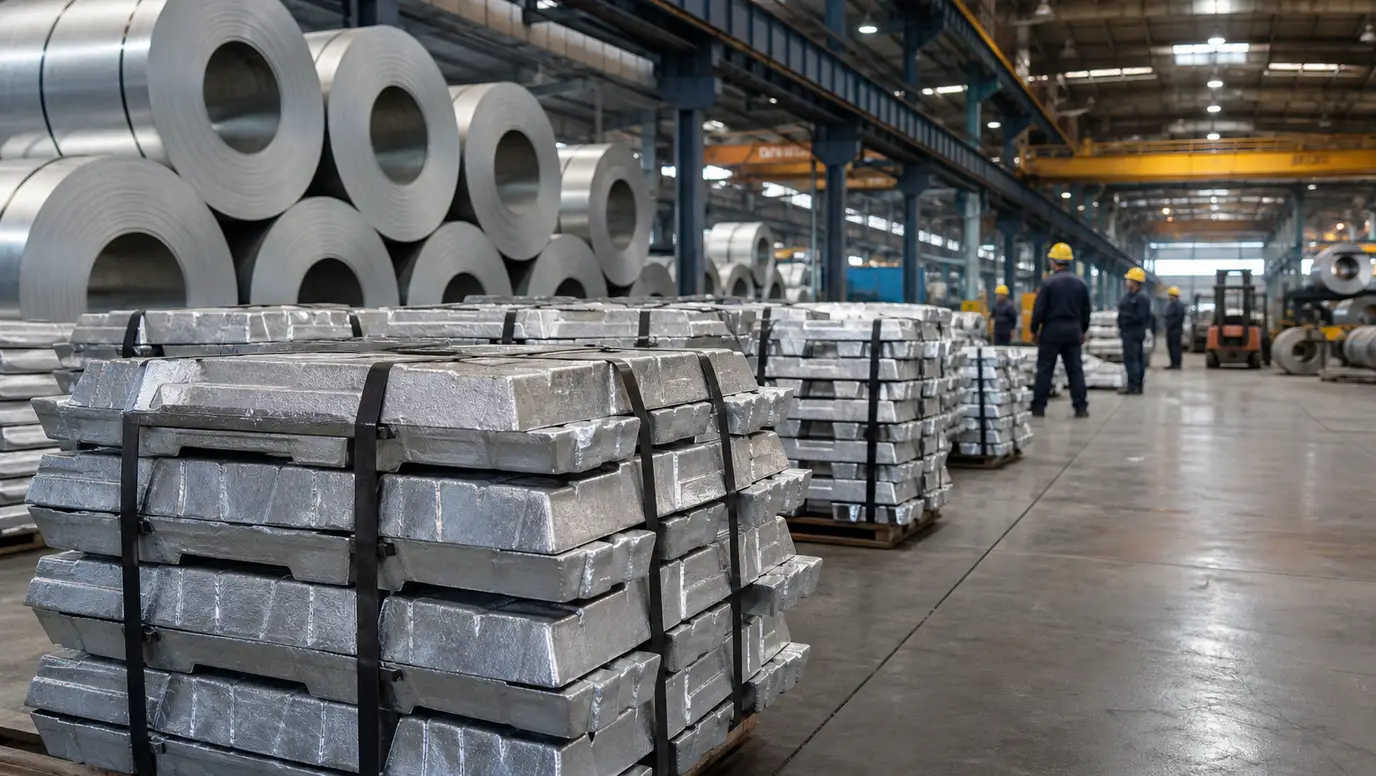
JUNE 4, 2026
Zinc Breakout Moves to Center of Metals Market as Copper Rally Cools