OCTOBER 13, 2026
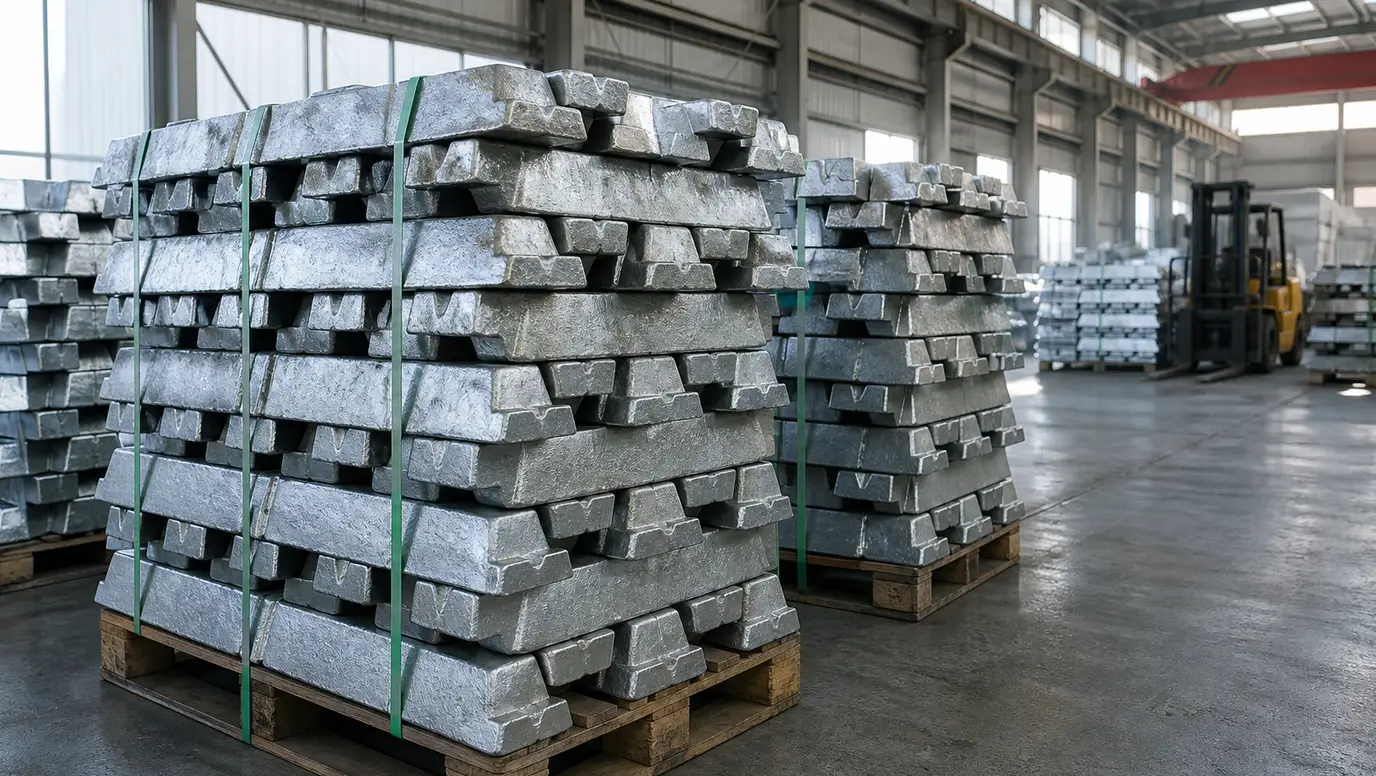
Zinc Metals Market Falls as LME Stock Jump and US Dollar Pressure Base MetalsZinc weakens as LME inventories rise, the US dollar stays firm and traders reassess base metals demand before US inflation data.

© 1box.site 2026

JULY 22, 2026
Nickel and zinc moved back into the metals market spotlight on Wednesday as traders responded to a broader improvement in risk appetite and fresh signs that supply conditions in China remain tight enough to support base-metal prices. The move stood out because it was not led by the usual precious-metal safe-haven trade or by another copper-specific tariff story. Instead, the session pointed to a wider reassessment of industrial metals after several weeks of uneven demand signals.
The rally was helped by firmer overnight trading across London-linked base metals, where nickel and zinc both advanced while lead lagged. Copper and aluminum also traded higher, but the more notable shift was the rotation into metals that had recently struggled to attract consistent momentum. For investors, that rotation suggests the market is looking beyond headline inflation hedges and is again testing the industrial demand narrative.
Nickel’s rebound is particularly important because the metal has been pressured for months by concerns over abundant supply and cautious battery-sector demand. A move higher does not erase those structural issues, but it does show that short-term positioning can change quickly when traders see signs of tighter spot availability, stronger stainless-steel activity, or improved sentiment toward China-linked manufacturing.
China remains the central reference point for the base-metals complex, and Wednesday’s price action reflected that influence. Traders were watching local inventory trends, physical premiums, smelter margins, and downstream order flow for evidence that recent price weakness had gone too far. Even modest signs of tighter supply can have an outsized impact when speculative positioning is light and macro investors are looking for cyclical trades that have not already run too far.
Zinc benefited from the same logic. The metal is closely tied to galvanized steel demand, construction activity, infrastructure spending, and manufacturing sentiment. While the property sector remains a source of caution, the market has been more willing to price a selective recovery in industrial activity when inventories tighten or when policy expectations improve. That has made zinc sensitive to any sign that supply is not expanding quickly enough to absorb demand during the second half of the year.
The zinc move also reflects a shift in relative value. After repeated attention on copper, aluminum, gold, and silver, some traders are scanning for lagging metals with cleaner technical setups. Zinc fits that profile when warehouse stocks are not rising aggressively and when the dollar is not applying heavy pressure to commodity benchmarks.
The metals rally is still vulnerable to a reversal if the US Dollar strengthens sharply or Treasury yields resume a sustained climb. A stronger dollar typically makes dollar-priced commodities more expensive for non-US buyers, while higher yields can reduce the appeal of non-income-producing assets and tighten financial conditions for industrial users. For base metals, the macro backdrop is often just as important as the physical supply story.
That is why Wednesday’s gains should be read as a cautious improvement rather than a confirmed breakout. Nickel still needs proof that supply growth is slowing enough to tighten balances. Zinc needs clearer evidence that end-user demand is improving beyond short-covering and restocking. Without those confirmations, rallies can become vulnerable to profit-taking, especially after fast intraday moves.
Still, the breadth of the advance matters. When multiple base metals rise together, it often signals that traders are moving from isolated commodity stories toward a broader industrial-cycle view. If copper, aluminum, nickel, and zinc continue to firm at the same time, the metals market may start to price a more durable improvement in manufacturing demand and supply discipline.
The next signal will come from whether nickel and zinc can hold their gains while volumes normalize and fresh macro data arrive. A rally based mainly on short covering can fade quickly, but a move backed by stronger physical demand, falling inventories, or tighter smelter economics would carry more weight. Traders will also watch whether lead continues to underperform, because divergence inside the base-metals complex can reveal where demand is still weak.
For now, nickel and zinc have given the metals market a fresh leadership angle. The session suggests that investors are no longer focused only on precious metals, copper tariffs, or aluminum supply risk. A broader base-metals bid is emerging, and that could keep volatility elevated if China-linked supply signals continue to tighten while global risk appetite holds steady.
OCTOBER 13, 2026
Zinc Metals Market Falls as LME Stock Jump and US Dollar Pressure Base Metals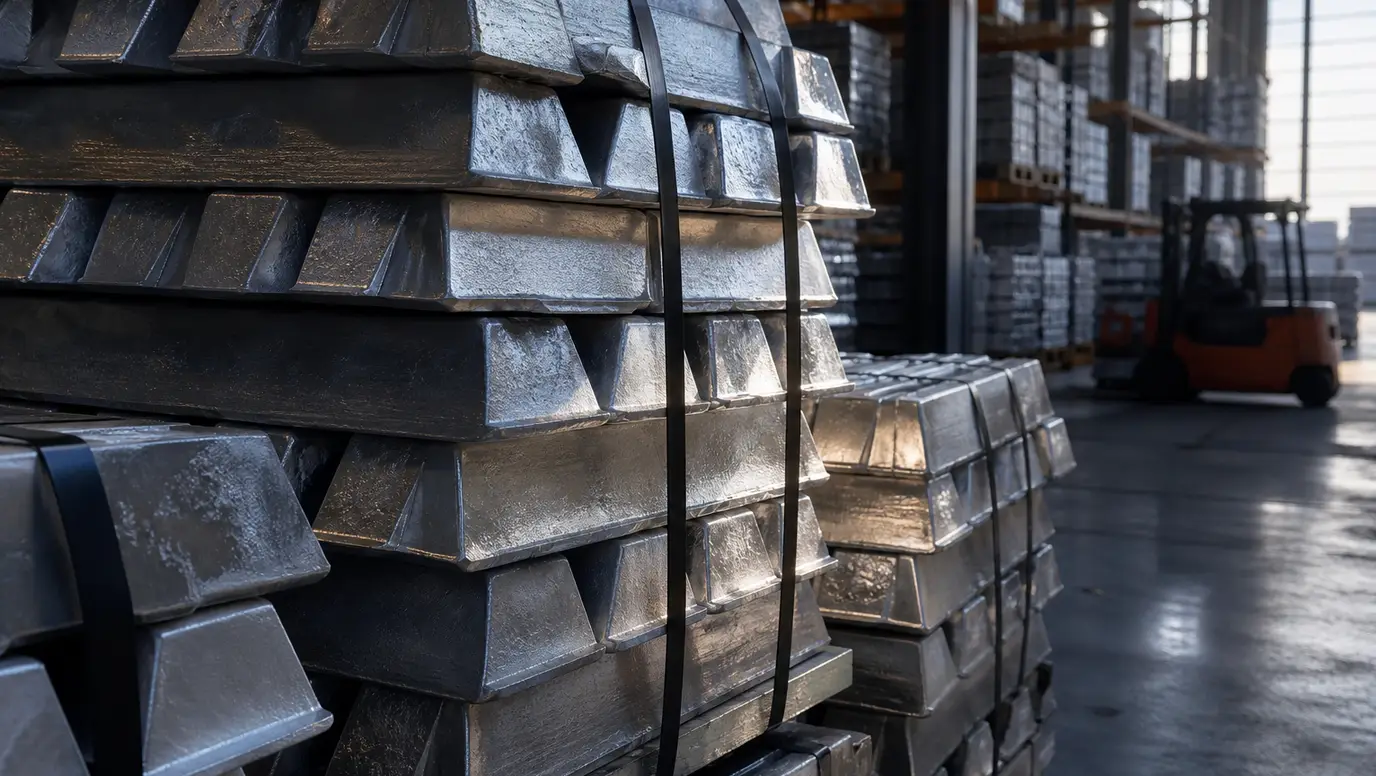
OCTOBER 8, 2026
Zinc Metals Tightness Faces US Dollar and Treasury Yield Test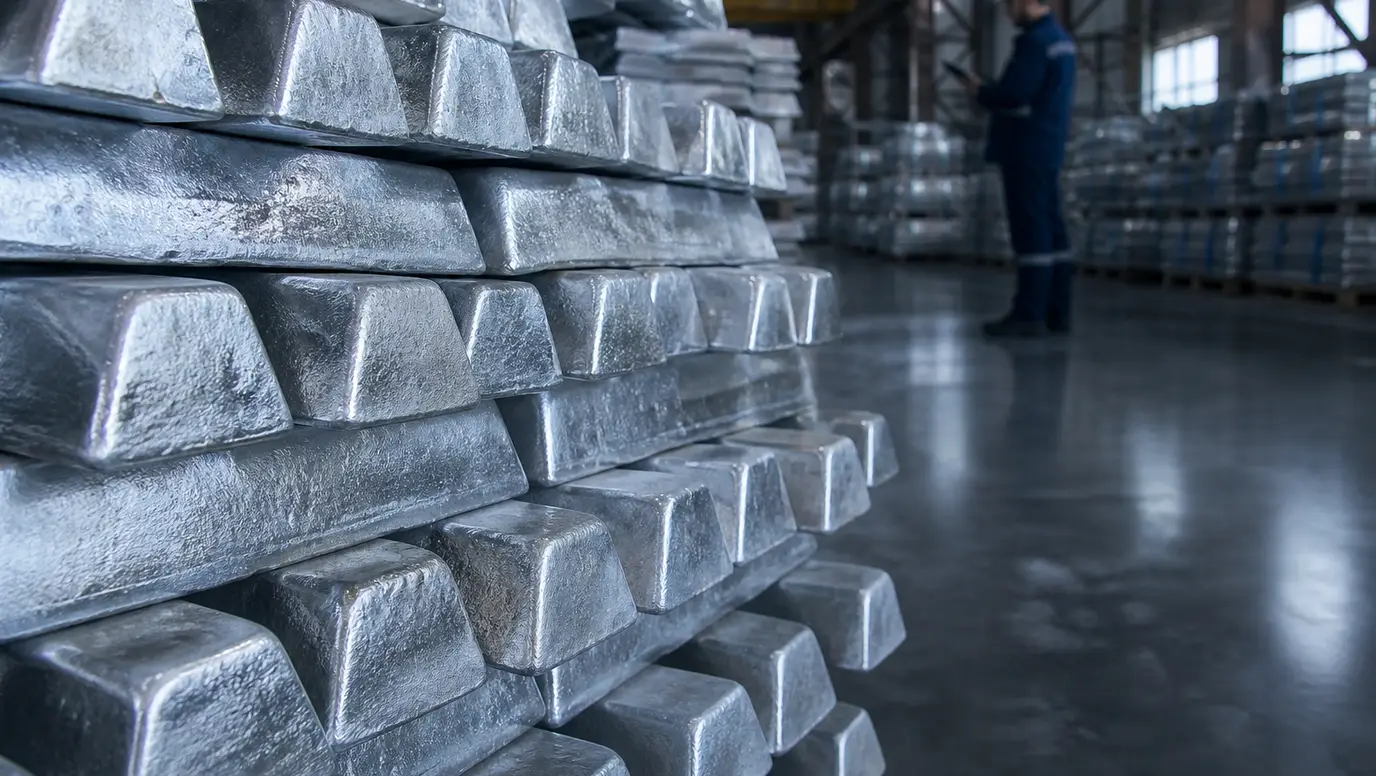
SEPTEMBER 29, 2026
Zinc Futures Fall as China Demand Worries Test Metals Market Tightness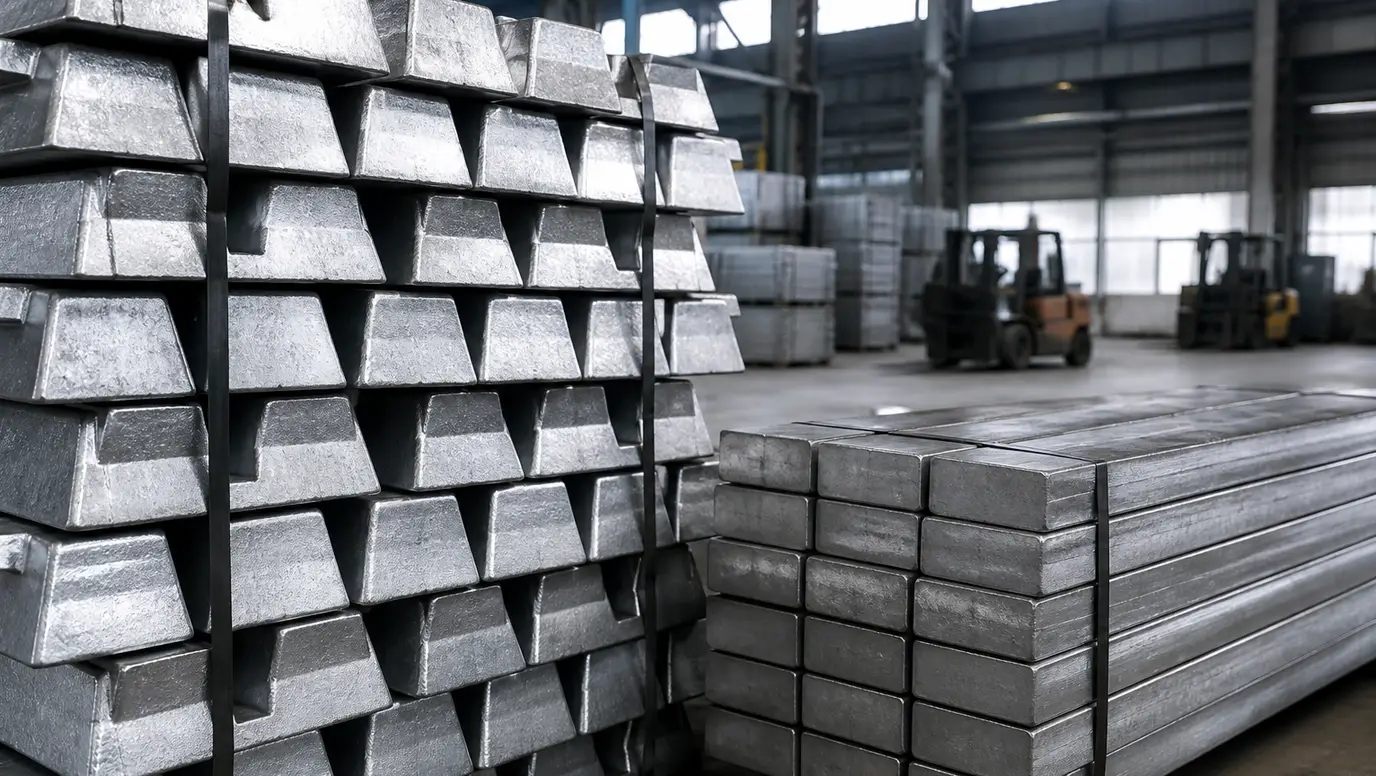
SEPTEMBER 18, 2026
Zinc Futures Squeeze Lifts Metals Market as Lead Inventories Tighten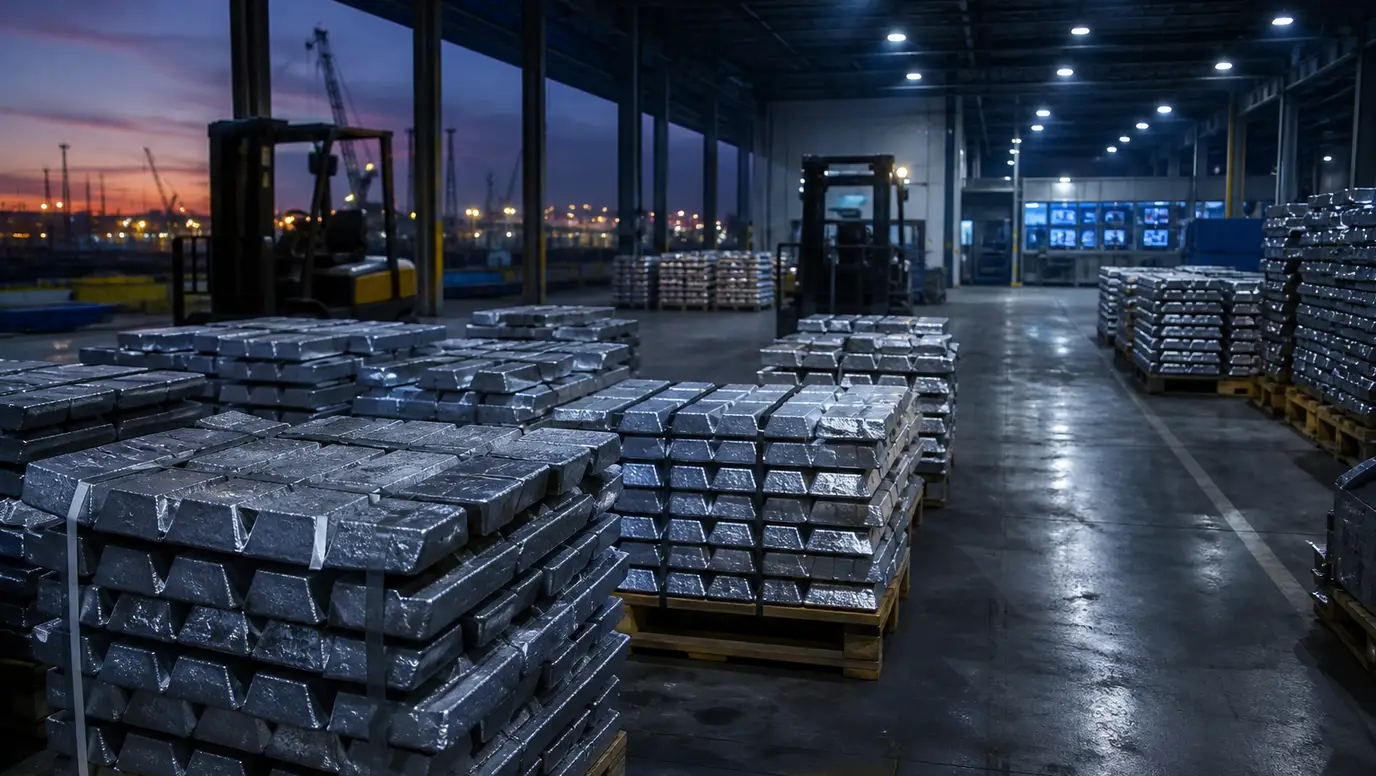
SEPTEMBER 12, 2026
Zinc Futures Rally Faces Inventory Test as Metals Market Weighs Demand Signals
SEPTEMBER 7, 2026
Zinc Futures Defy Federal Reserve Pressure as Supply Squeeze Tightens Metals Market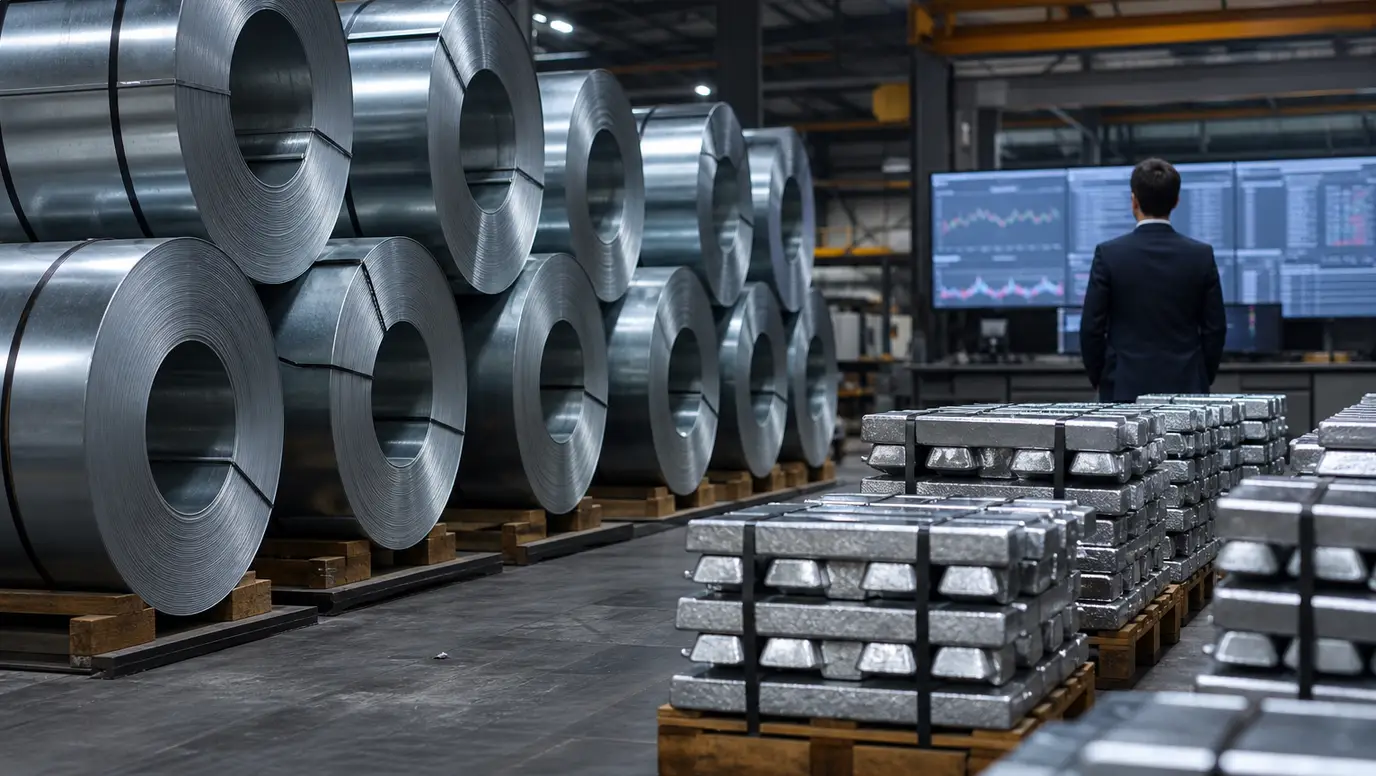
SEPTEMBER 1, 2026
Zinc Rally Leads Metals Market as Supply Fears Lift Base Metals
AUGUST 26, 2026
U.S. Zinc Futures Debut Puts Metals Market on Regional Pricing Watch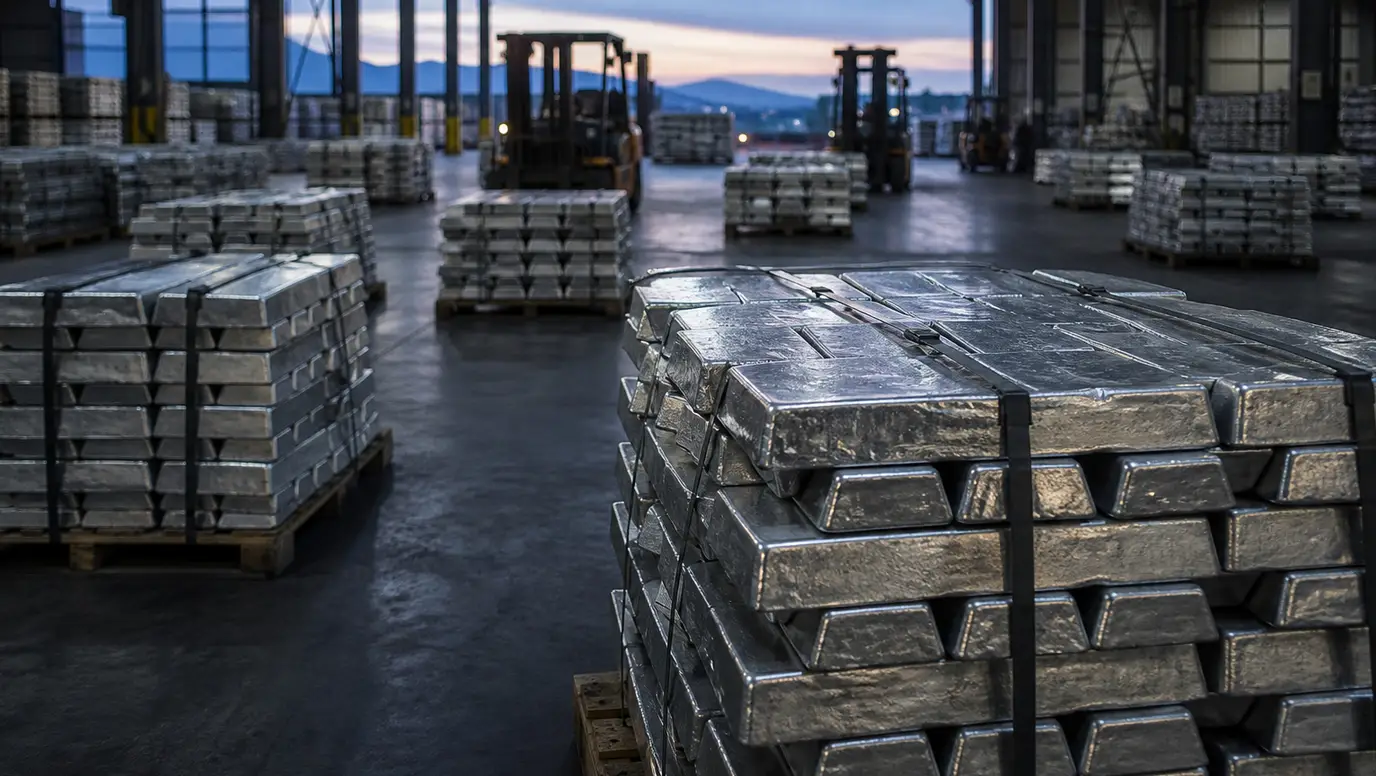
AUGUST 19, 2026
Zinc Tightness Keeps Metals Market Alert as Inventory Cushion Shrinks
AUGUST 13, 2026
Zinc Tightness Keeps Metals Market Alert as China Demand Caps Rally
AUGUST 6, 2026
Zinc Inventory Draw Keeps Metals Market Focused on China Supply and US Dollar Risk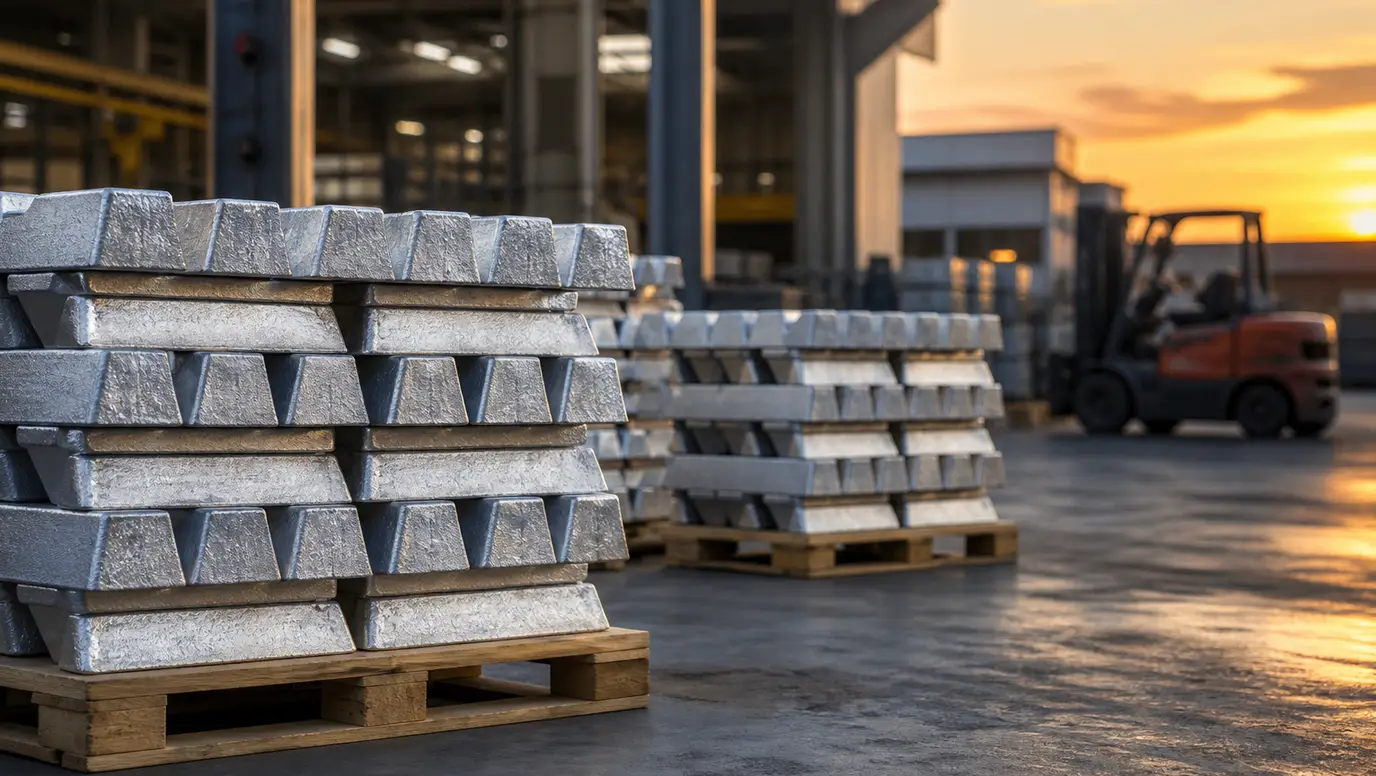
JULY 31, 2026
Zinc Rally Puts Metals Traders on Alert as LME Stocks Slide After US Dollar Pullback
JULY 4, 2026
Silver and Zinc Lead Broad Metals Rally as Dollar Weakness Extends Holiday Bounce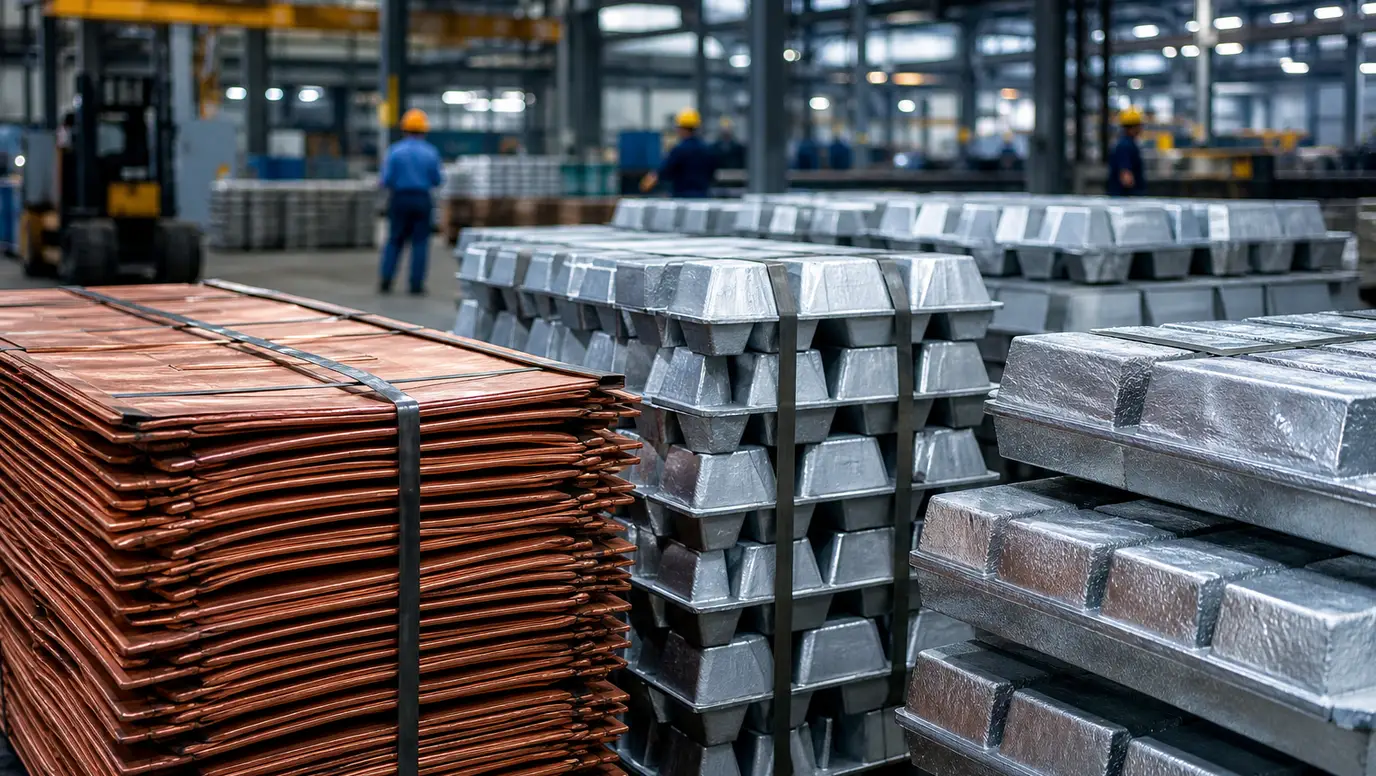
JULY 1, 2026
Copper Leads Metals Lower as Tariff Uncertainty Hits Aluminum and Zinc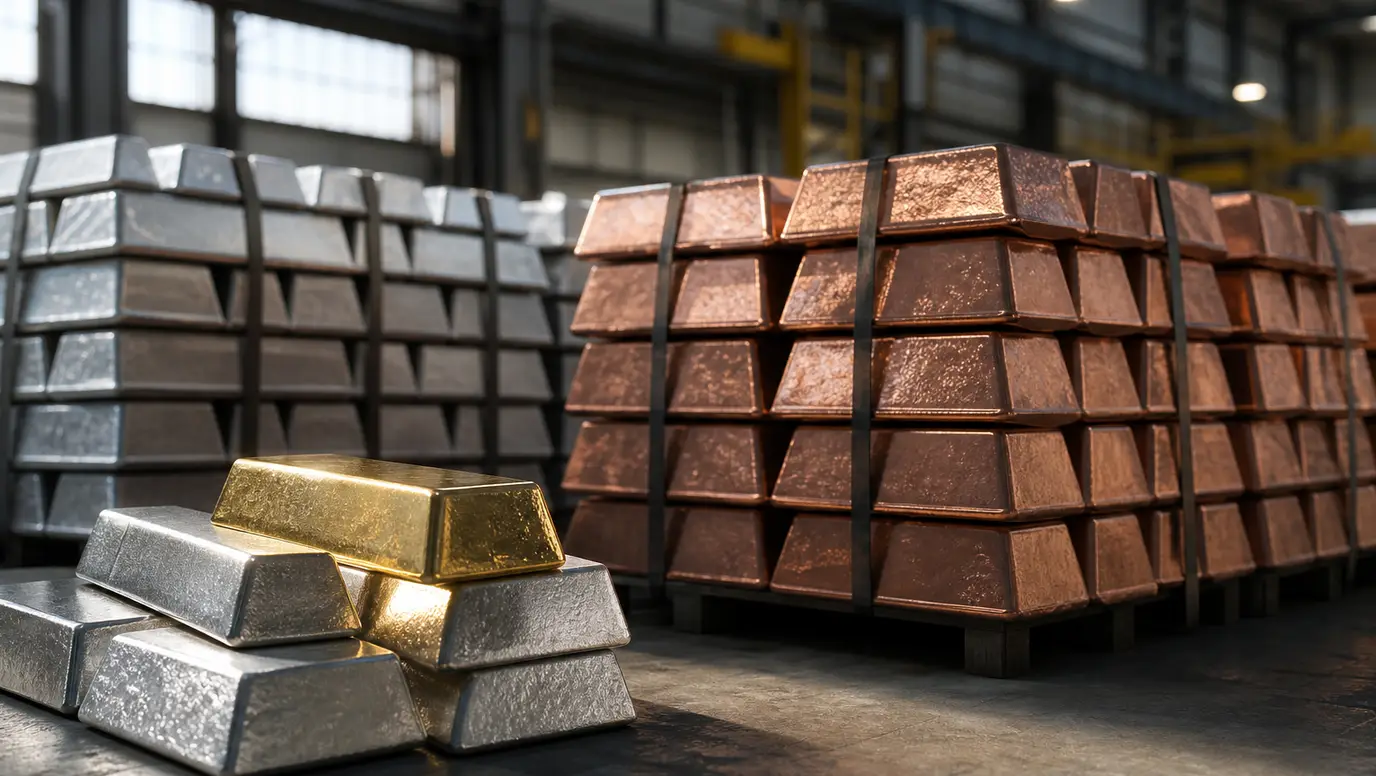
JUNE 27, 2026
Zinc Bounce Masks Gold and Silver Weekly Slump as Metals Market Splits on Fed Risk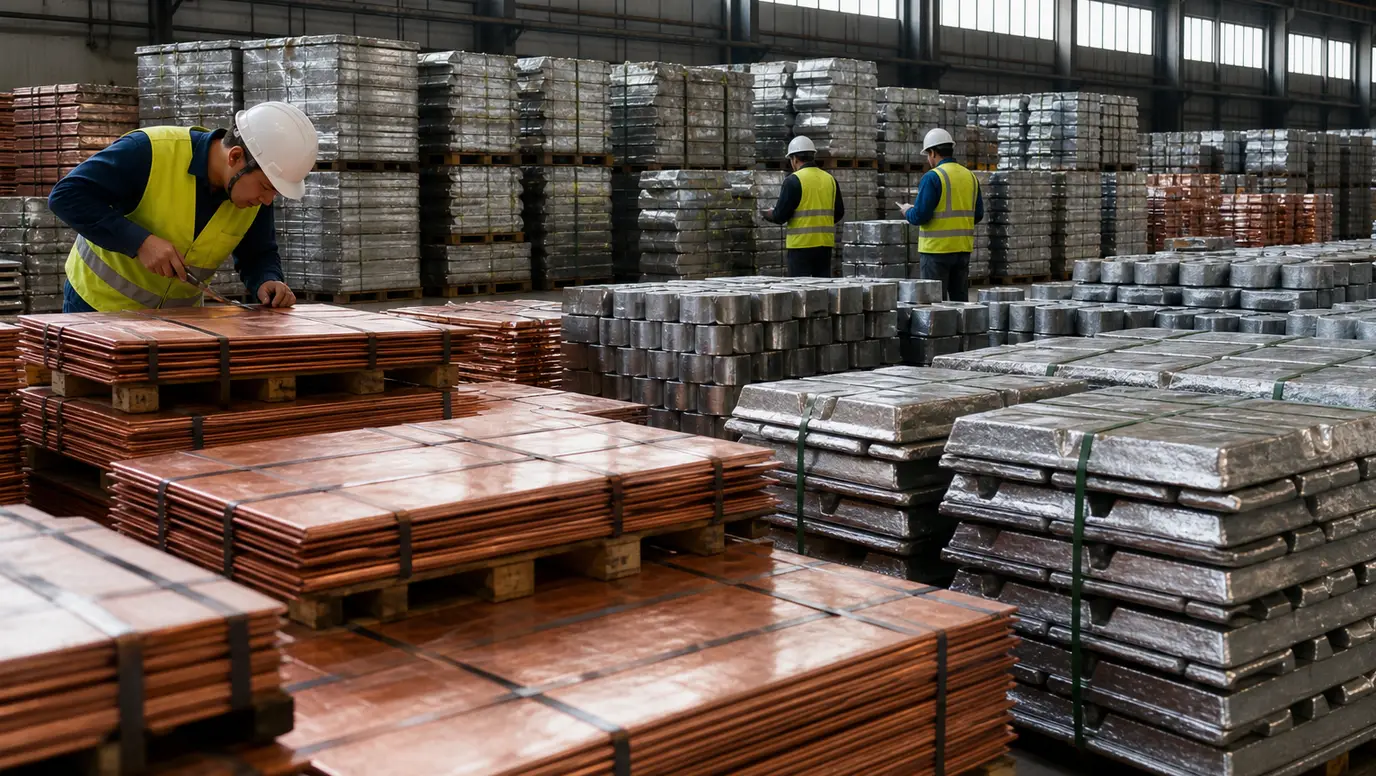
JUNE 26, 2026
Base Metals Reverse Early Rally as Copper, Nickel and Zinc Drag Metals Market Lower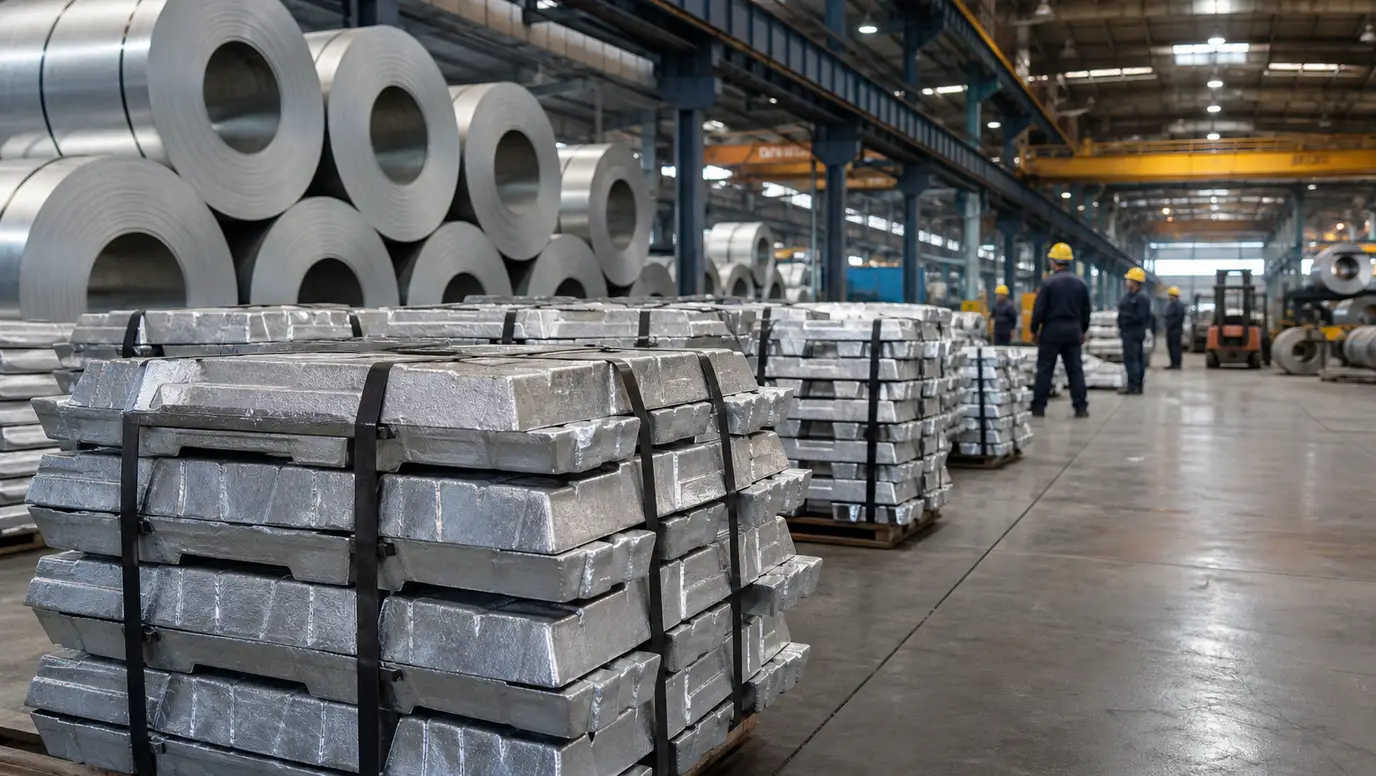
JUNE 4, 2026
Zinc Breakout Moves to Center of Metals Market as Copper Rally Cools