SEPTEMBER 29, 2026
Zinc Futures Fall as China Demand Worries Test Metals Market TightnessZinc futures fall as China demand data and rising warehouse stocks test a tight metals market ahead of key U.S. jobs and inflation signals.

© 1box.site 2026

AUGUST 6, 2026
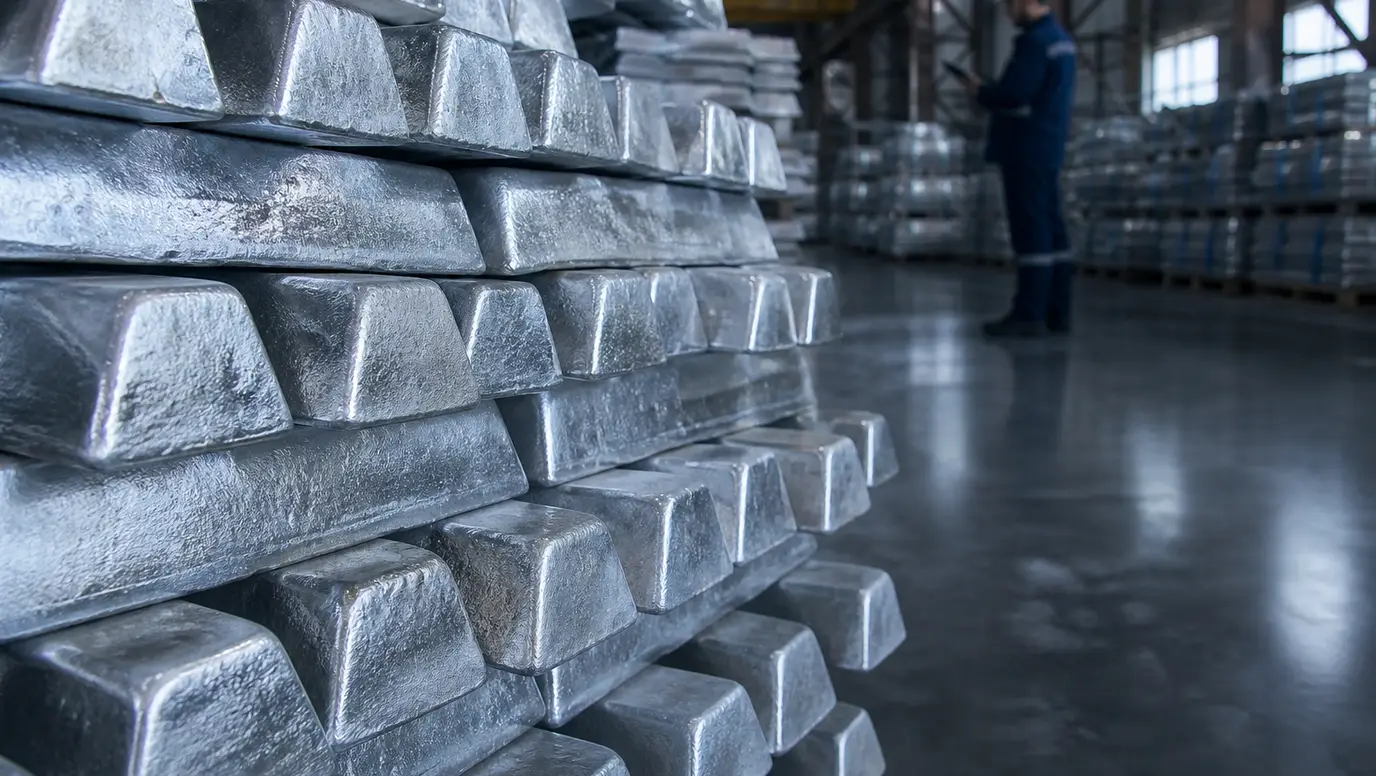
Zinc is moving back onto the metals market watchlist as falling visible inventories and uneven refined supply keep traders alert to another squeeze in a base metal that is heavily tied to construction, galvanizing and industrial production.
Recent exchange-monitored data showed zinc opening stocks near 105,800 tonnes in late July, down from levels reported earlier in the month and below the June stock tally. The decline is not large enough on its own to confirm a broad shortage, but it matters because the zinc market entered the second half of 2026 with limited visible buffers and a concentrate chain that remains tighter than many buyers expected at the start of the year.
The latest move also gives the metals market a fresh story outside the recent focus on platinum, aluminum, copper and silver. Zinc is not attracting the same headline demand as precious metals, but its supply profile is becoming harder for industrial users to ignore.
The main issue for zinc traders is the gap between visible stocks and the amount of metal that can be quickly mobilized for physical delivery. When warehouse inventories trend lower, even modest buying from galvanizers, alloy producers or merchants can have an outsized impact on spot premiums and nearby futures spreads.
That risk is being amplified by a concentrate market that has not fully normalized. Low treatment charges have pressured smelter economics, while maintenance schedules and feedstock constraints in China have limited confidence that refined output can rise quickly enough to rebuild stocks. Market participants are therefore treating inventory changes as a more important price signal than usual.
China remains central to the zinc outlook. If Chinese smelters lift output into late summer, the market could see some relief. If maintenance, concentrate tightness or power-related costs persist, zinc could remain vulnerable to short-covering and renewed physical tightness, especially if downstream demand improves after a seasonally slower period.
The zinc setup is not purely a supply story. A firm US dollar and elevated Treasury yields can still cap gains across dollar-priced commodities by making metals more expensive for non-US buyers and by lifting the opportunity cost of holding inventories. That macro pressure has already shaped trading across the wider metals complex in 2026.
For zinc, the tension is clear: tighter physical indicators support prices, while a stronger dollar can discourage speculative follow-through. This leaves the market exposed to sharp intraday swings around US data, Federal Reserve expectations and shifts in risk appetite.
Industrial demand also remains uneven. Construction-linked consumption is still cautious in several regions, while infrastructure, power-grid and manufacturing demand provide selective support. That mix means traders are unlikely to chase zinc higher without confirmation that spot demand is improving alongside the inventory draw.
Zinc is often treated as a quieter base metal, but it can become volatile quickly when stocks are low. The metal’s role in galvanizing steel makes it a useful barometer for industrial activity, while its relatively narrow visible inventory cushion can magnify supply disruptions.
For the metals market, the key question is whether the current inventory draw is a short-term logistics issue or the start of a more durable tightening cycle. A rebuilding of warehouse stocks would likely cool the rally narrative. Another round of draws, especially alongside weaker smelter output or firmer Chinese spot premiums, would strengthen the case for a broader zinc squeeze.
Until that signal becomes clearer, zinc traders are likely to keep watching three drivers: warehouse stock changes, China refined production trends and the US dollar. Together, they will determine whether zinc remains a defensive supply story or turns into the next active base metals trade of the summer.
SEPTEMBER 29, 2026
Zinc Futures Fall as China Demand Worries Test Metals Market Tightness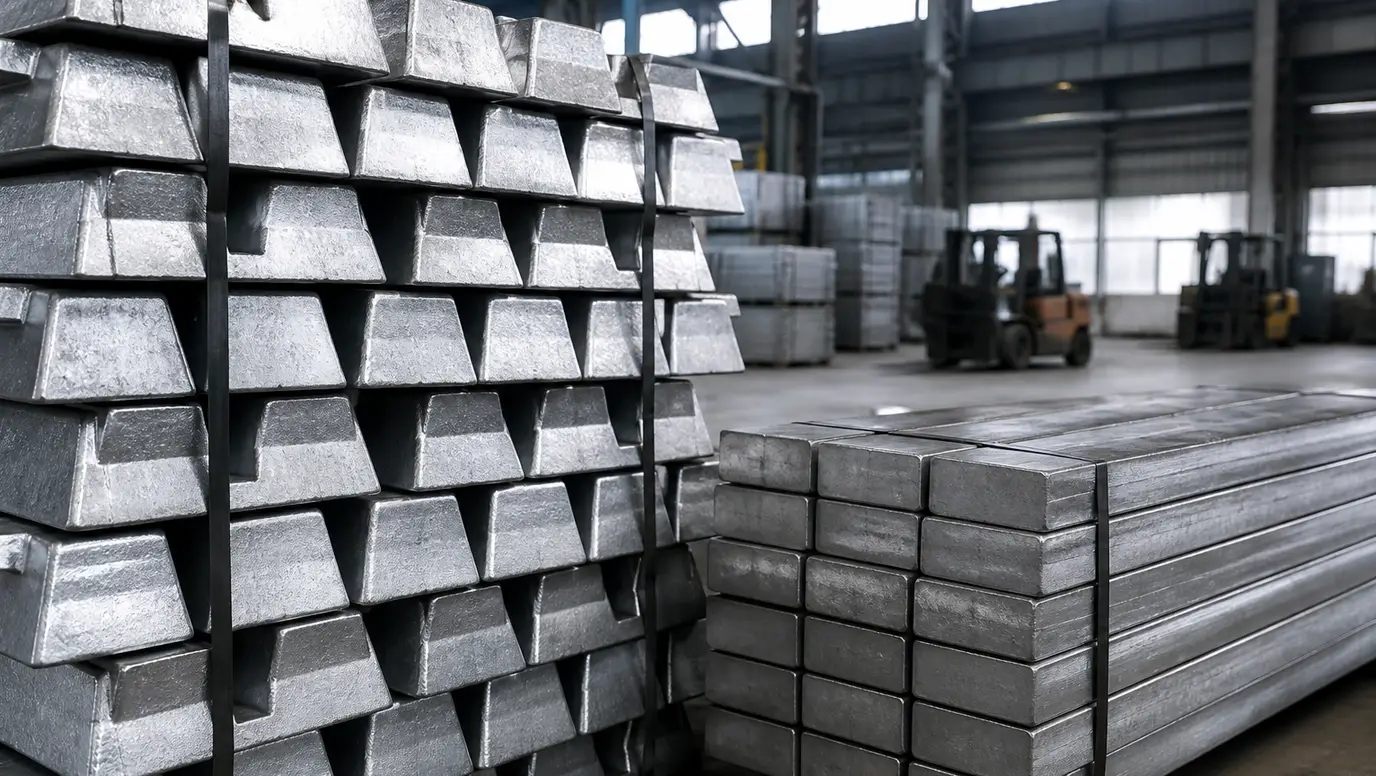
SEPTEMBER 18, 2026
Zinc Futures Squeeze Lifts Metals Market as Lead Inventories Tighten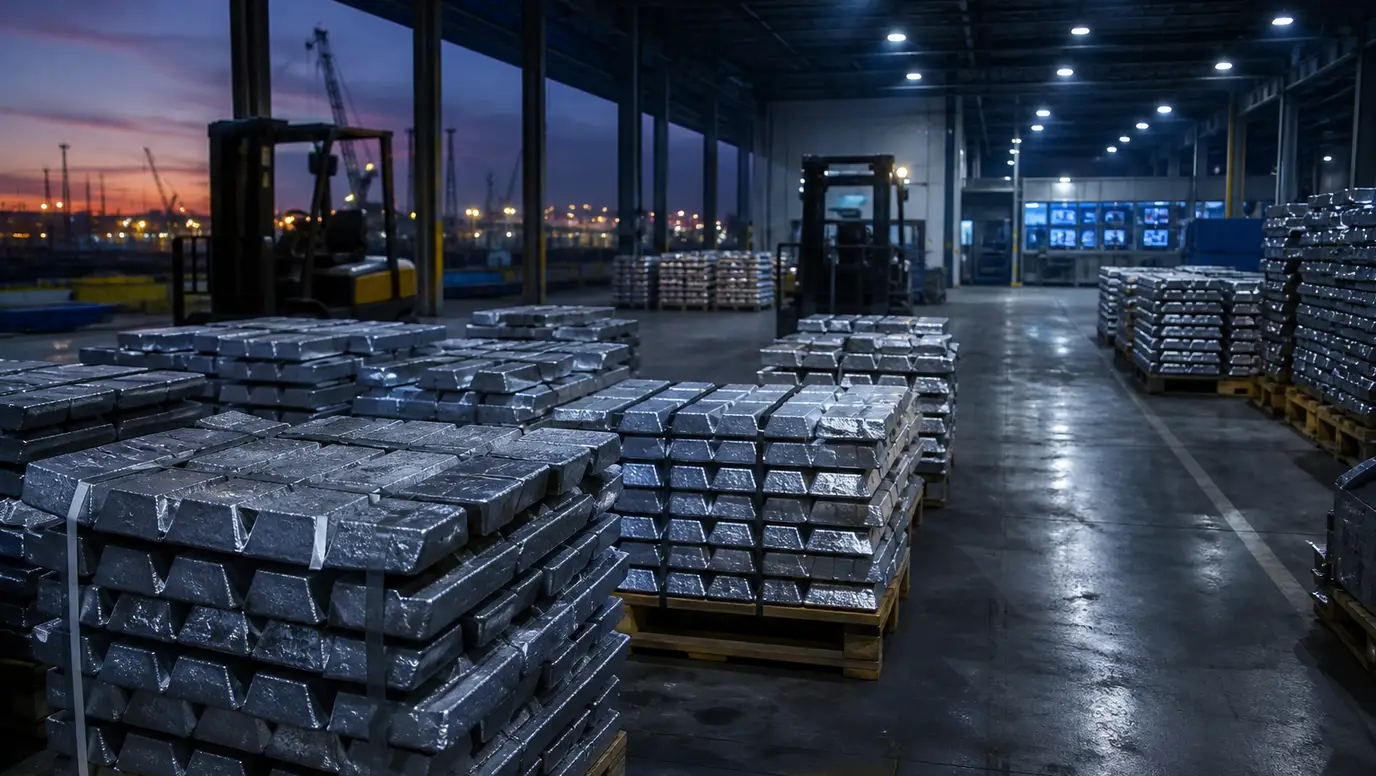
SEPTEMBER 12, 2026
Zinc Futures Rally Faces Inventory Test as Metals Market Weighs Demand Signals
SEPTEMBER 7, 2026
Zinc Futures Defy Federal Reserve Pressure as Supply Squeeze Tightens Metals Market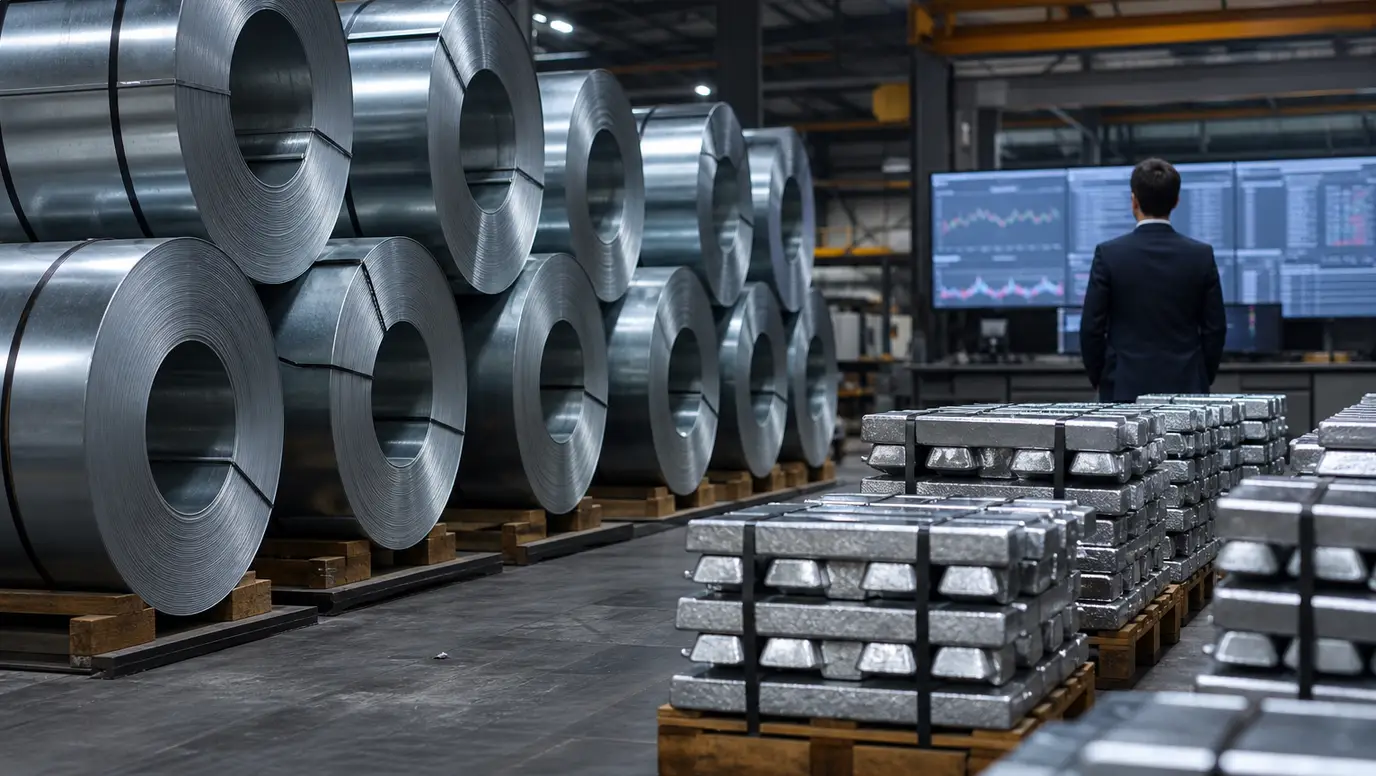
SEPTEMBER 1, 2026
Zinc Rally Leads Metals Market as Supply Fears Lift Base Metals
AUGUST 26, 2026
U.S. Zinc Futures Debut Puts Metals Market on Regional Pricing Watch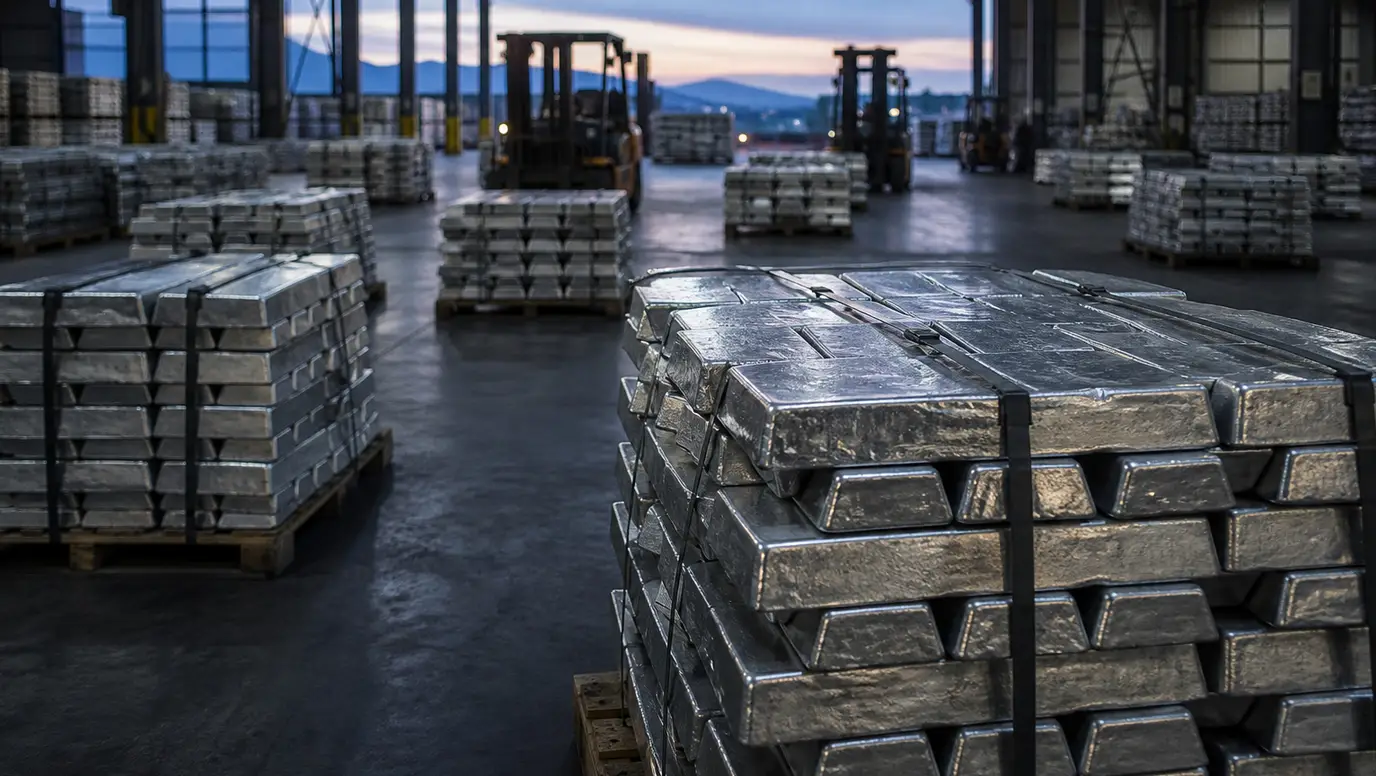
AUGUST 19, 2026
Zinc Tightness Keeps Metals Market Alert as Inventory Cushion Shrinks
AUGUST 13, 2026
Zinc Tightness Keeps Metals Market Alert as China Demand Caps Rally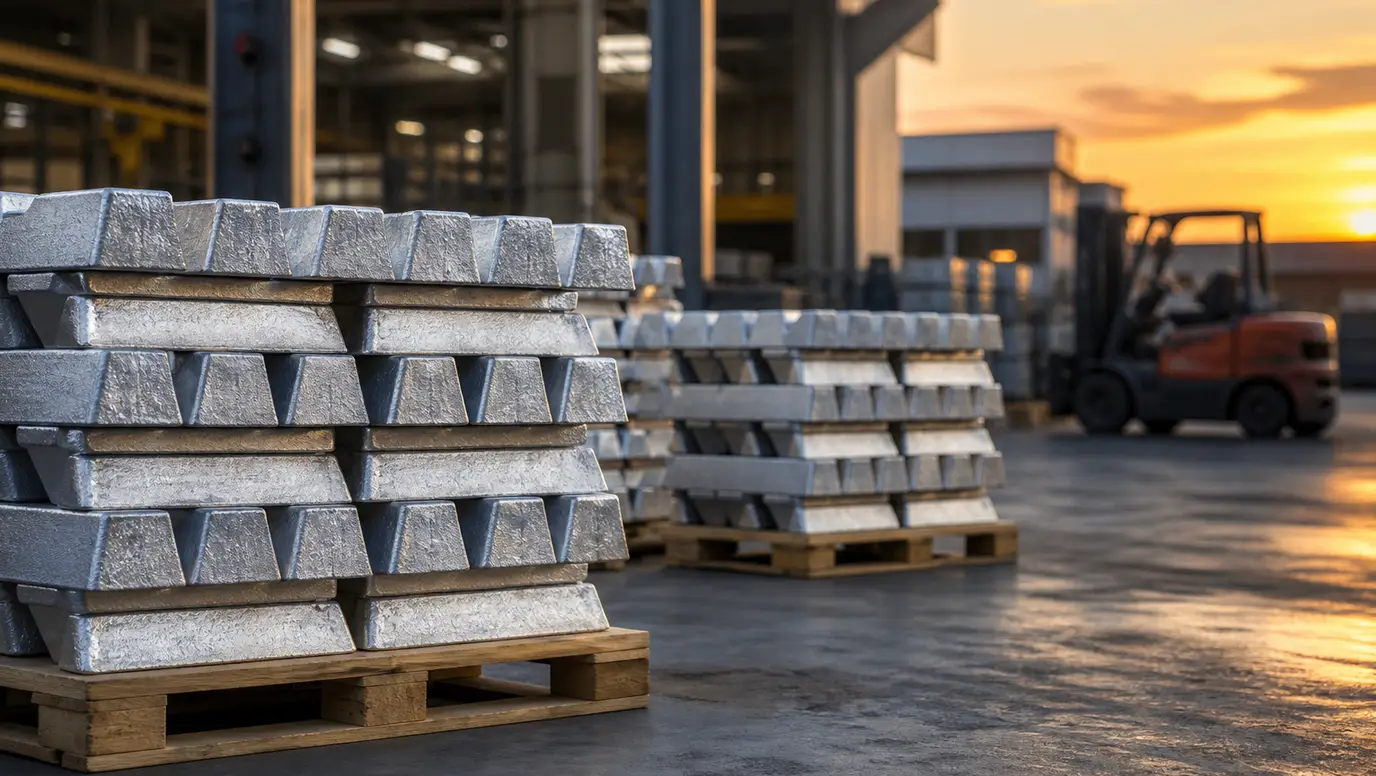
JULY 31, 2026
Zinc Rally Puts Metals Traders on Alert as LME Stocks Slide After US Dollar Pullback
JULY 22, 2026
Nickel and Zinc Join Metals Rally as China Supply Signals Revive Risk Appetite
JULY 4, 2026
Silver and Zinc Lead Broad Metals Rally as Dollar Weakness Extends Holiday Bounce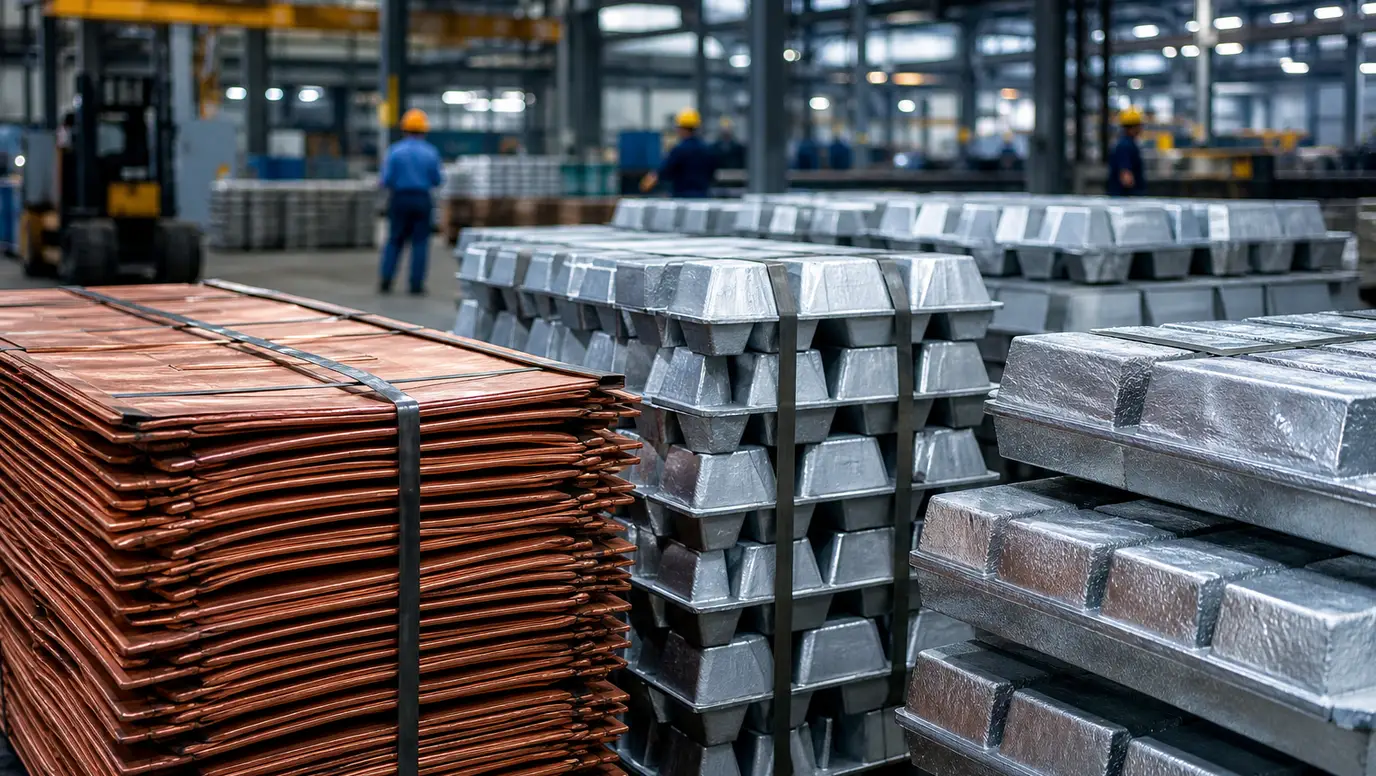
JULY 1, 2026
Copper Leads Metals Lower as Tariff Uncertainty Hits Aluminum and Zinc
JUNE 27, 2026
Zinc Bounce Masks Gold and Silver Weekly Slump as Metals Market Splits on Fed Risk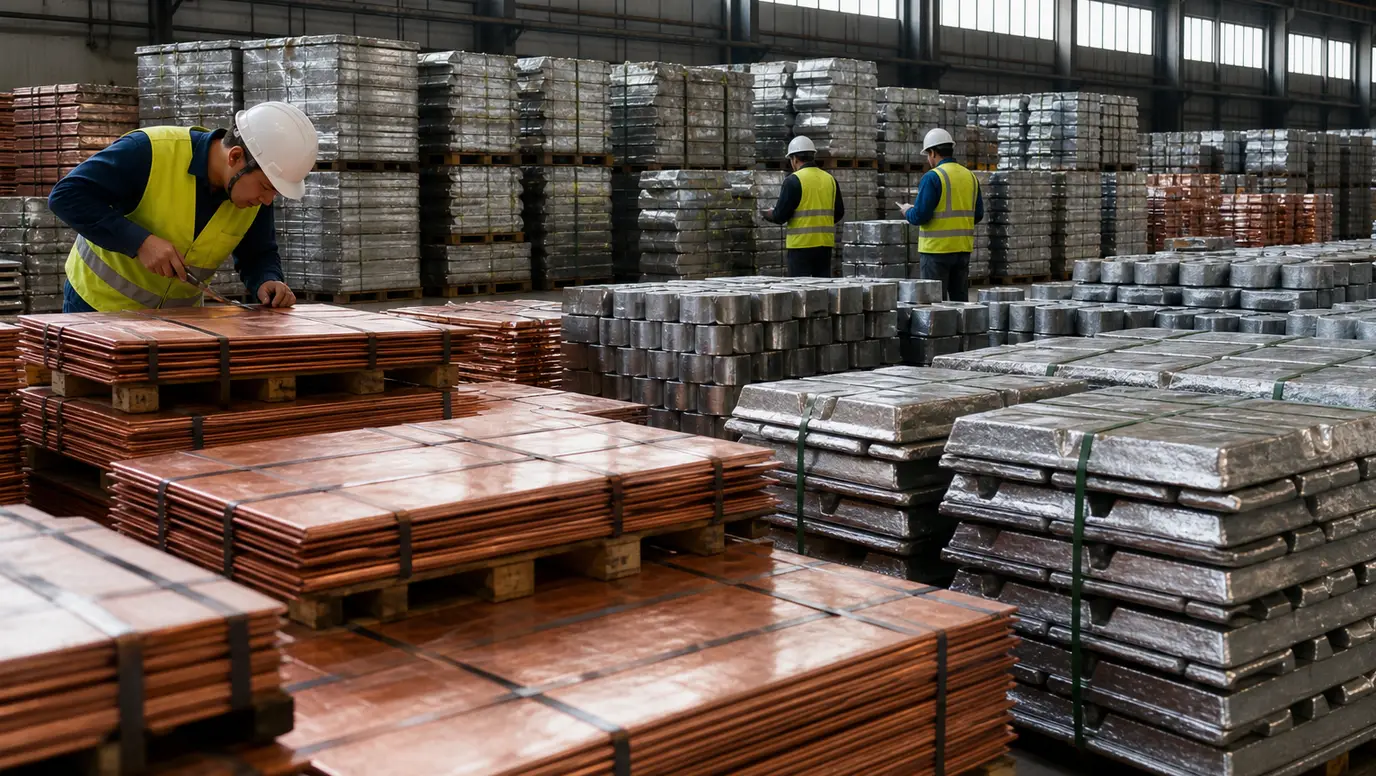
JUNE 26, 2026
Base Metals Reverse Early Rally as Copper, Nickel and Zinc Drag Metals Market Lower
JUNE 4, 2026
Zinc Breakout Moves to Center of Metals Market as Copper Rally Cools