SEPTEMBER 29, 2026
Zinc Futures Fall as China Demand Worries Test Metals Market TightnessZinc futures fall as China demand data and rising warehouse stocks test a tight metals market ahead of key U.S. jobs and inflation signals.

© 1box.site 2026

AUGUST 26, 2026
U.S. zinc futures have moved into the metals market spotlight after the first trades in a regional contract designed to capture duty-paid pricing for the American market. The debut gives producers, consumers and trading houses a more specific hedge for U.S. zinc exposure at a time when industrial metals are increasingly being priced through regional supply chains rather than a single global benchmark.
The first transactions were executed for September delivery after the contract was revised earlier this year to reflect U.S. duty-paid conditions. That change matters because zinc buyers in galvanizing, construction, automotive and infrastructure supply chains often face costs shaped by domestic premiums, logistics, policy risk and warehouse availability, not only by broader international metal prices.
For the wider metals market, the launch is another sign that regional pricing tools are becoming more important as tariffs, trade policy and supply security reshape the way industrial users manage risk. While gold and silver have recently drawn attention from inflation and yield expectations, zinc’s new U.S. contract shifts the focus toward practical hedging needs in base metals.
Zinc is widely used to galvanize steel, making it closely tied to construction, manufacturing, transport equipment and infrastructure spending. That industrial profile means zinc demand is sensitive to both macroeconomic conditions and physical supply constraints. A regional futures contract can help market participants separate the all-in U.S. price from global moves driven by warehouses in Europe or Asia.
The timing is notable because industrial metals traders are already paying closer attention to regional dislocations. In copper, for example, U.S.-linked stockpiling and tariff expectations have altered the relationship between American inventories and supplies available elsewhere. Zinc is a different market, but the same broad theme applies: when policy risk changes the flow of metal, local hedging instruments become more valuable.
The new zinc contract is physically settled and built around U.S. delivery economics. That structure may appeal to companies that need to manage the cost of real metal rather than only financial exposure. It also gives merchants and industrial buyers another tool to hedge premiums that can widen when supply chains tighten or when import terms become uncertain.
The immediate trading volumes are less important than the strategic signal. A successful regional zinc market would add transparency to a segment where buyers often rely on negotiated premiums and physical market intelligence. Over time, more visible U.S. pricing could help procurement teams benchmark supply contracts and allow producers to manage margins with greater precision.
For investors, the development adds another layer to zinc’s price outlook. The metal is still influenced by Chinese demand, mine supply, smelter economics and the U.S. dollar, but regional futures activity may make North American supply conditions easier to track. If trading interest builds, shifts in U.S. zinc futures spreads could become an early indicator of domestic tightness or surplus.
The debut also reflects a broader evolution across industrial metals. Steel, aluminum premiums, copper and battery materials have all seen rising demand for contracts that match the commercial reality of regional supply chains. Metals users are trying to protect budgets in an environment where freight, duties, sanctions risk and inventory location can be just as important as headline exchange prices.
The key question now is whether liquidity follows the initial trade. For a futures contract to become a reliable benchmark, it needs participation from producers, consumers, merchants, banks and funds. Market makers will watch bid-ask spreads, open interest and delivery interest to judge whether the U.S. zinc contract can become more than a niche hedging tool.
Warehouse signals will also matter. If U.S. zinc stocks tighten while global inventories appear adequate, the regional contract could draw stronger attention from physical buyers. Conversely, if supply remains comfortable and premiums stay contained, the contract may develop more gradually as a procurement hedge rather than a speculative trading venue.
For now, the debut places zinc back on the metals market watchlist without relying on a traditional shortage narrative. The story is not simply about whether there is enough zinc in the world. It is about where the metal is available, what costs attach to delivery, and whether U.S. buyers have a transparent way to hedge the final price they actually pay.
SEPTEMBER 29, 2026
Zinc Futures Fall as China Demand Worries Test Metals Market Tightness
SEPTEMBER 18, 2026
Zinc Futures Squeeze Lifts Metals Market as Lead Inventories Tighten
SEPTEMBER 12, 2026
Zinc Futures Rally Faces Inventory Test as Metals Market Weighs Demand Signals
SEPTEMBER 7, 2026
Zinc Futures Defy Federal Reserve Pressure as Supply Squeeze Tightens Metals Market
SEPTEMBER 1, 2026
Zinc Rally Leads Metals Market as Supply Fears Lift Base Metals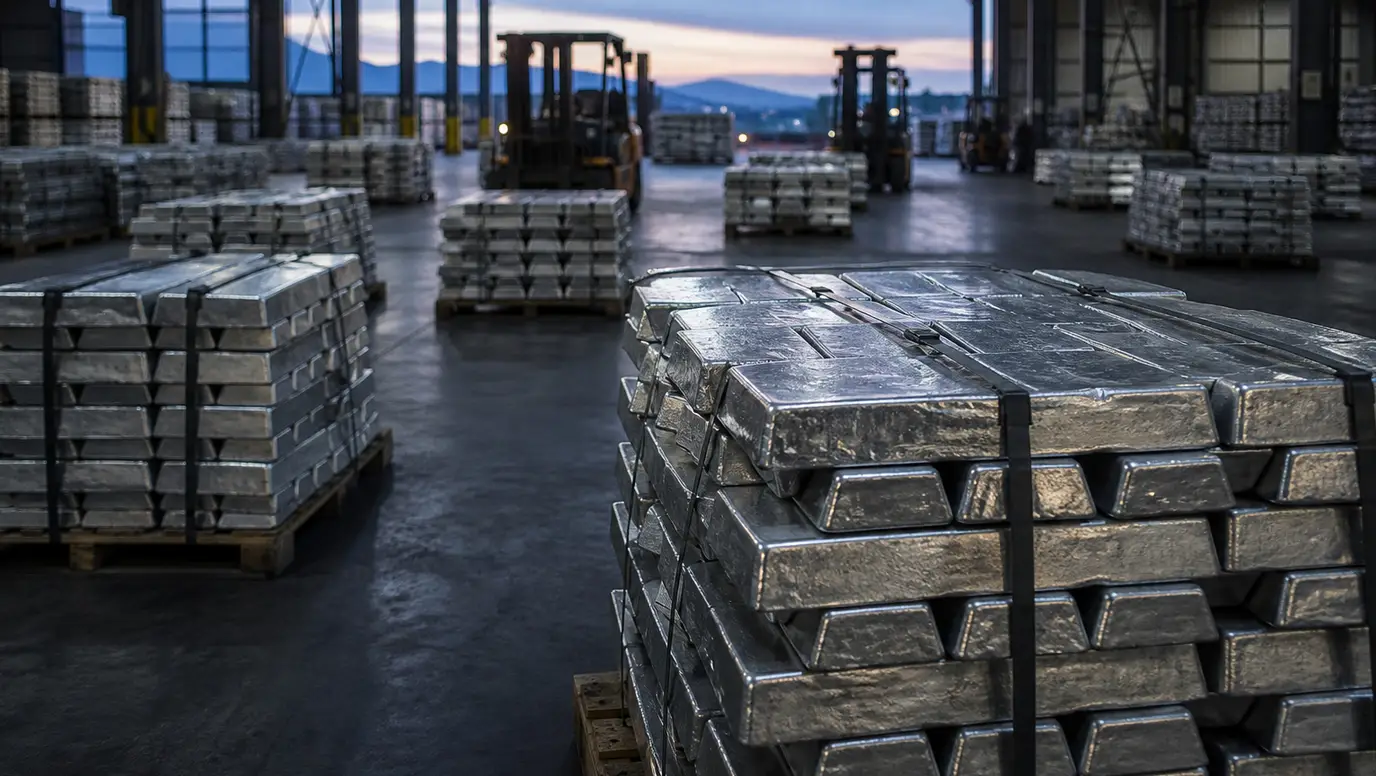
AUGUST 19, 2026
Zinc Tightness Keeps Metals Market Alert as Inventory Cushion Shrinks
AUGUST 13, 2026
Zinc Tightness Keeps Metals Market Alert as China Demand Caps Rally
AUGUST 6, 2026
Zinc Inventory Draw Keeps Metals Market Focused on China Supply and US Dollar Risk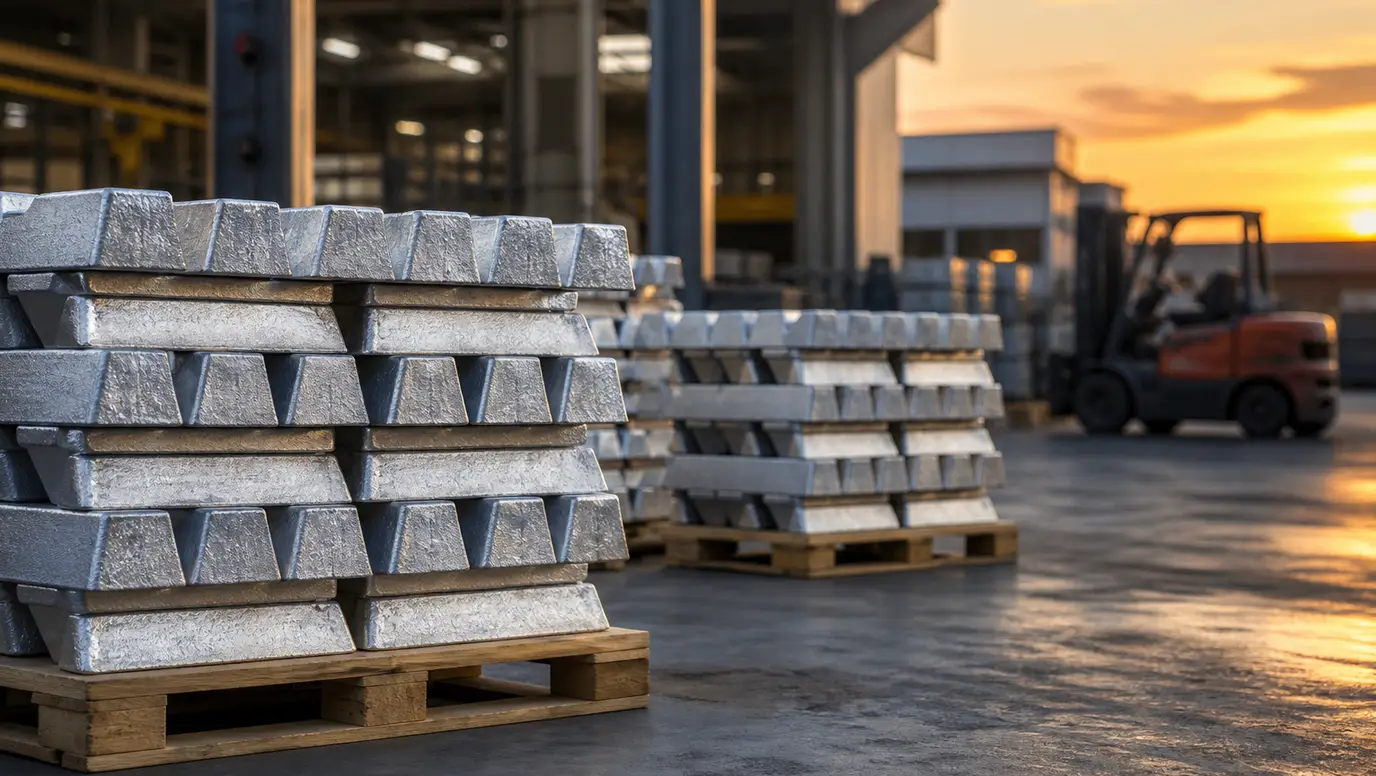
JULY 31, 2026
Zinc Rally Puts Metals Traders on Alert as LME Stocks Slide After US Dollar Pullback
JULY 22, 2026
Nickel and Zinc Join Metals Rally as China Supply Signals Revive Risk Appetite
JULY 4, 2026
Silver and Zinc Lead Broad Metals Rally as Dollar Weakness Extends Holiday Bounce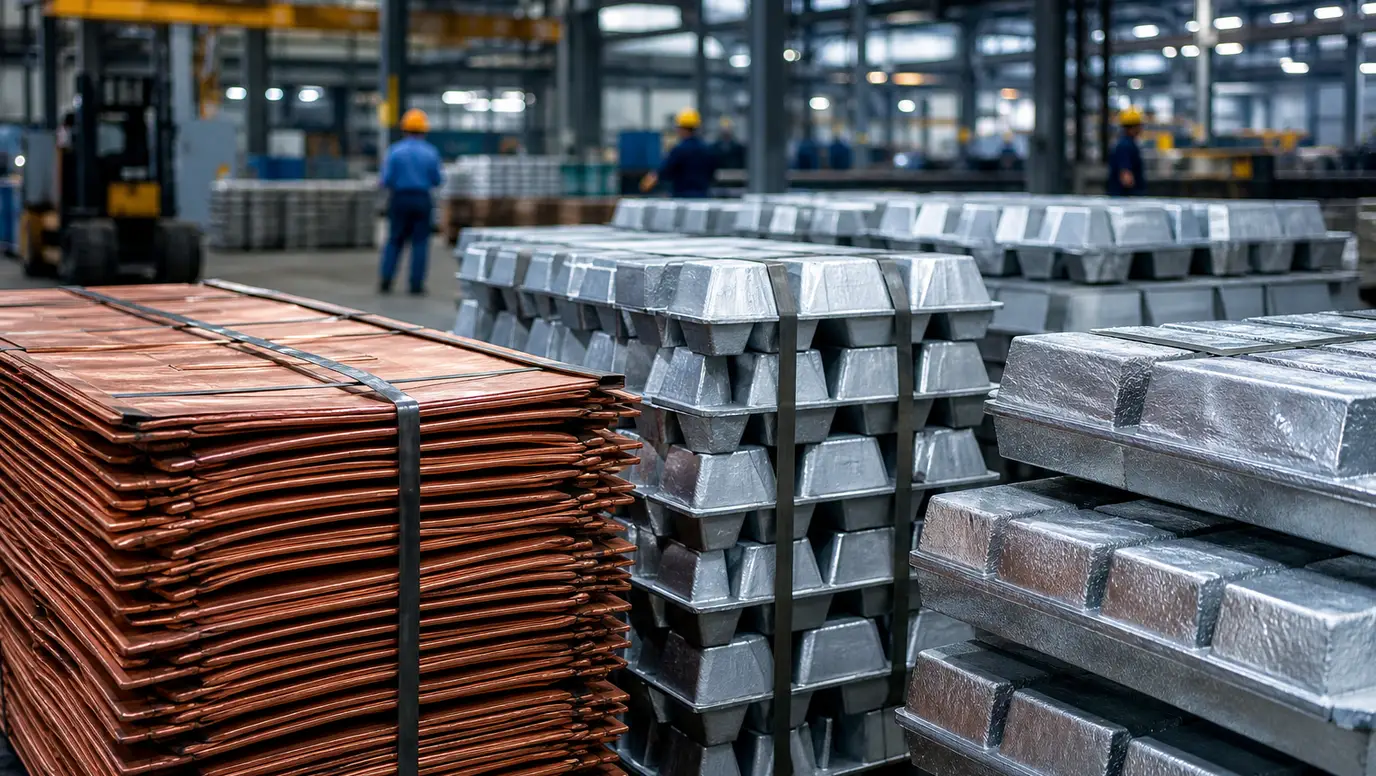
JULY 1, 2026
Copper Leads Metals Lower as Tariff Uncertainty Hits Aluminum and Zinc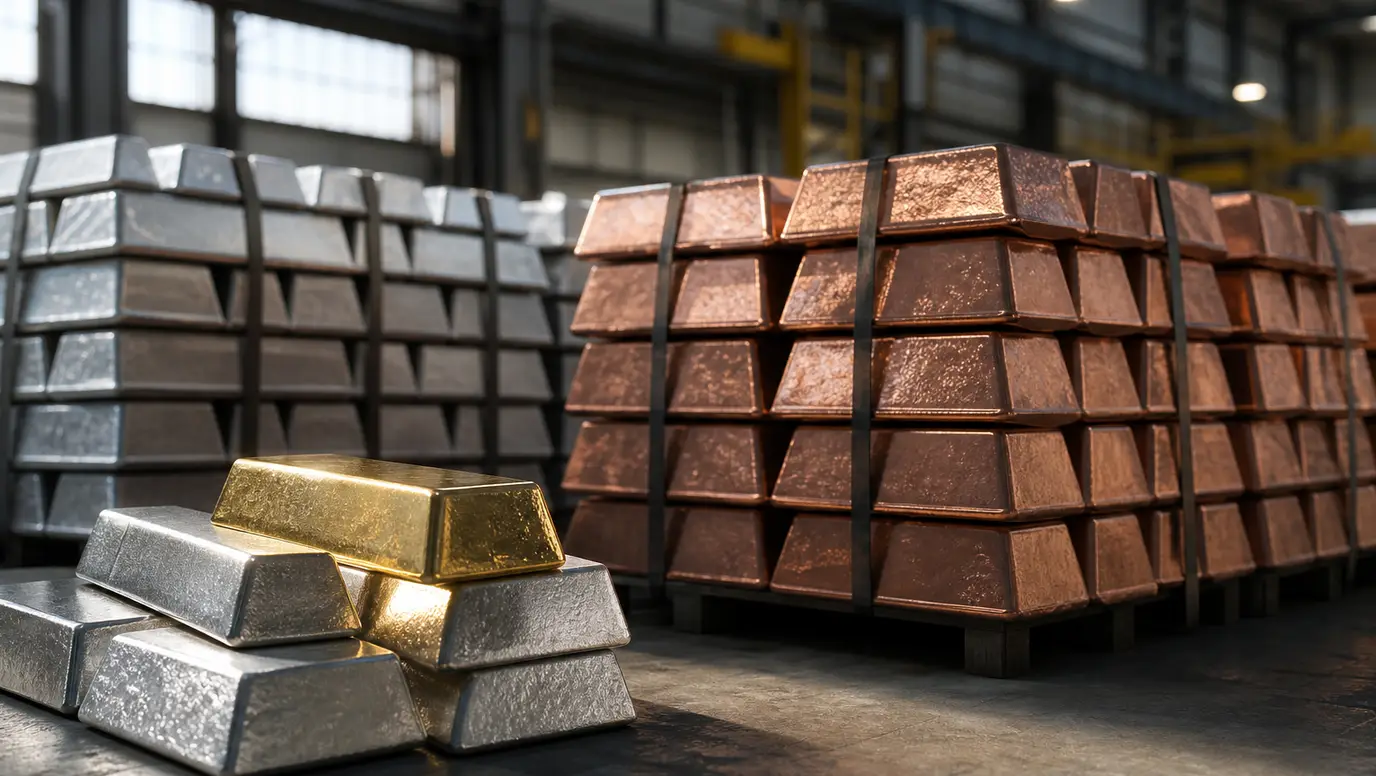
JUNE 27, 2026
Zinc Bounce Masks Gold and Silver Weekly Slump as Metals Market Splits on Fed Risk
JUNE 26, 2026
Base Metals Reverse Early Rally as Copper, Nickel and Zinc Drag Metals Market Lower
JUNE 4, 2026
Zinc Breakout Moves to Center of Metals Market as Copper Rally Cools