OCTOBER 13, 2026
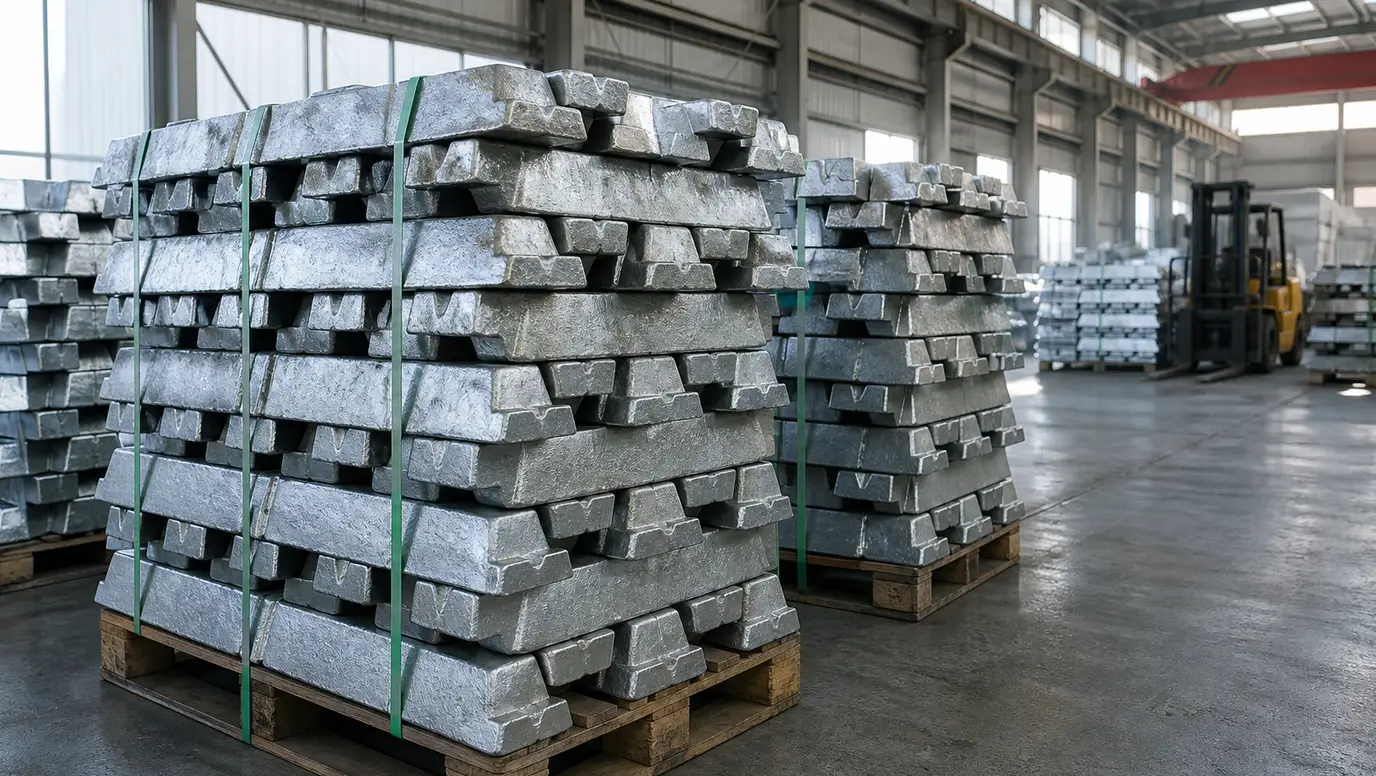
Zinc Metals Market Falls as LME Stock Jump and US Dollar Pressure Base MetalsZinc weakens as LME inventories rise, the US dollar stays firm and traders reassess base metals demand before US inflation data.

© 1box.site 2026
JULY 4, 2026
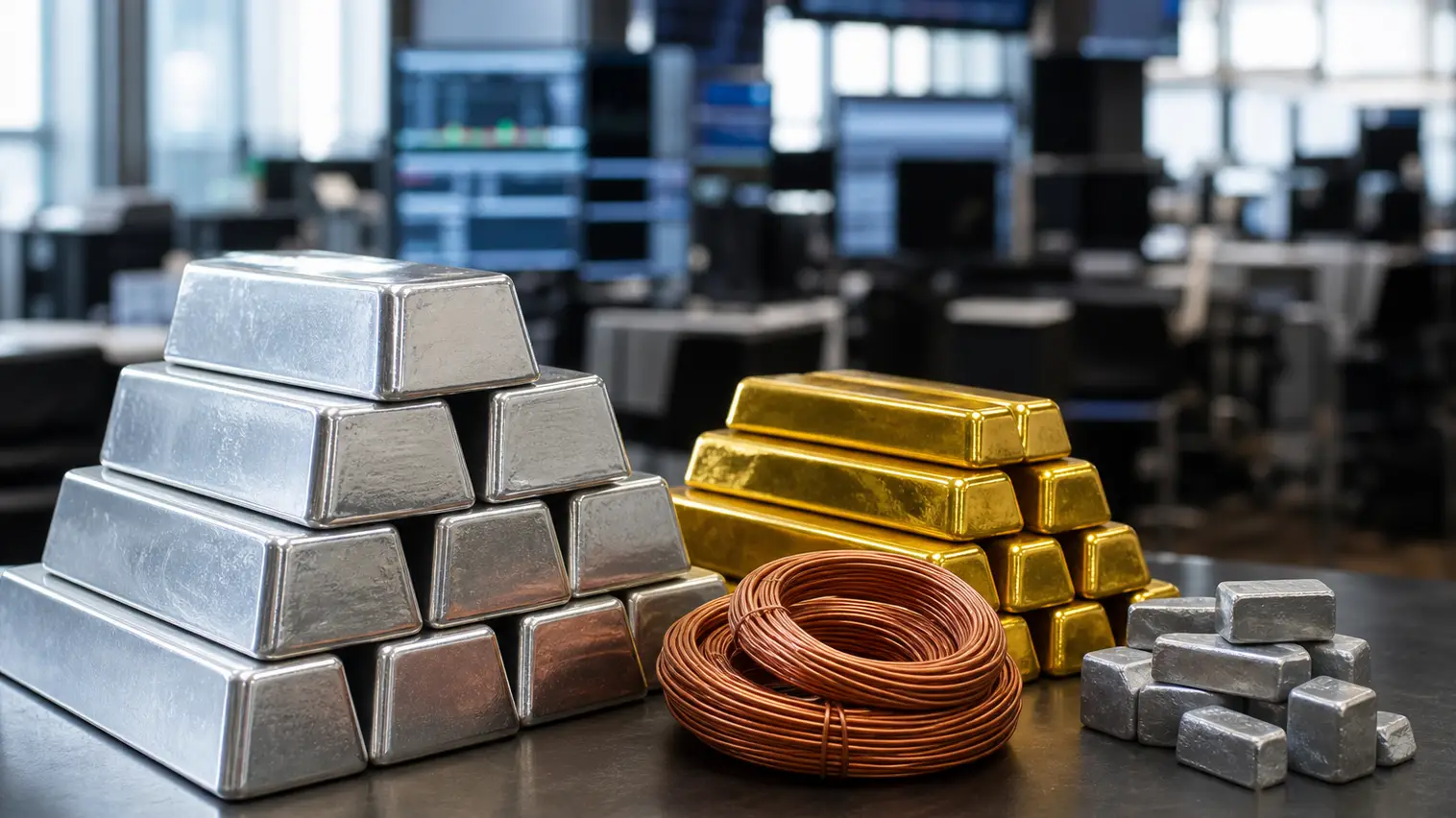
Metals entered the weekend with the strongest fresh news impulse among the covered market sections, as precious and base metals posted a synchronized advance while foreign exchange activity remained thinner around the U.S. Independence Day holiday. The move was led by silver, gold and zinc, with traders continuing to price the impact of a weaker U.S. dollar and a softer U.S. labor signal on real yields and Federal Reserve expectations.
Silver stood out as the momentum trade in the complex. Recent overnight pricing showed COMEX silver rising nearly 3% on the session and more than 5% for the week, outpacing gold as buyers looked for higher-beta exposure to the drop in the dollar. Gold also extended its recovery, trading close to the psychologically important $4,200 area after rebounding from last week’s liquidation pressure.
The immediate driver remains the dollar-and-rates channel. A weaker U.S. jobs reading released before the holiday break reduced the urgency around additional Federal Reserve tightening, pulled the dollar lower and kept Treasury yields from adding fresh pressure on non-yielding assets. That backdrop improved the relative appeal of gold and silver, even as traders remained cautious about declaring a one-way breakout.
Gold’s latest rally is important because it shows that buyers are again willing to defend the market above the $4,000 area. However, the next phase may depend on whether inflation data due later this month confirms enough economic cooling to keep rate expectations contained. If yields rebound sharply, bullion could face renewed resistance near the upper end of its recent range.
Silver’s outperformance gives the metals rally a more risk-sensitive tone. Unlike gold, silver benefits from both monetary demand and industrial use, making its strength a sign that traders are not only seeking havens but also rebuilding exposure to cyclical metals. A sustained hold above the low-$60 area would keep attention on the next resistance band, while a failure there could invite profit-taking after the rapid weekly rebound.
The base metals complex also improved, with zinc and tin among the stronger performers while copper posted a steadier gain. Recent LME pricing showed zinc rising more than 2% and copper adding roughly half a percent, suggesting that macro buying broadened beyond precious metals. Still, the move was not uniform enough to confirm a full industrial-demand reset.
Copper remains a key barometer for the broader metals market. The red metal has benefited from softer dollar conditions and continued expectations that supply discipline and trade-related uncertainty could keep downside levels supported. Yet repeated hesitation near higher resistance zones shows that funds are still waiting for clearer confirmation from manufacturing data and Chinese demand signals before chasing the rally aggressively.
Aluminum and nickel were more restrained, reinforcing the idea that this is first a macro-led rebound rather than a clean improvement in physical demand. For now, investors appear comfortable adding exposure to metals most sensitive to falling yields and dollar weakness, while remaining selective in parts of the base-metals curve where inventories, margins and end-user demand remain mixed.
The next major test for the metals market is whether the softer labor backdrop is confirmed by inflation data and Federal Reserve communication. A cooler CPI print would likely extend support for gold and silver by lowering real-rate pressure, while also helping base metals through a weaker dollar. A hotter reading, by contrast, could quickly revive concerns that the Fed will keep policy restrictive for longer.
Holiday-thinned liquidity may amplify short-term swings, so traders are likely to watch closing levels more closely than intraday spikes. For precious metals, gold’s ability to stay near the $4,200 region and silver’s ability to hold its weekly breakout zone will be crucial. For base metals, zinc and copper need broader participation from aluminum and nickel to turn the latest bounce into a more durable uptrend.
Until then, the metals market remains constructive but sensitive. The rally has broadened enough to signal renewed investor interest, yet it still depends heavily on a weaker dollar, contained yields and confirmation that U.S. economic data is cooling without triggering a deeper demand scare.
OCTOBER 13, 2026
Zinc Metals Market Falls as LME Stock Jump and US Dollar Pressure Base Metals
OCTOBER 8, 2026
Zinc Metals Tightness Faces US Dollar and Treasury Yield Test
SEPTEMBER 29, 2026
Zinc Futures Fall as China Demand Worries Test Metals Market Tightness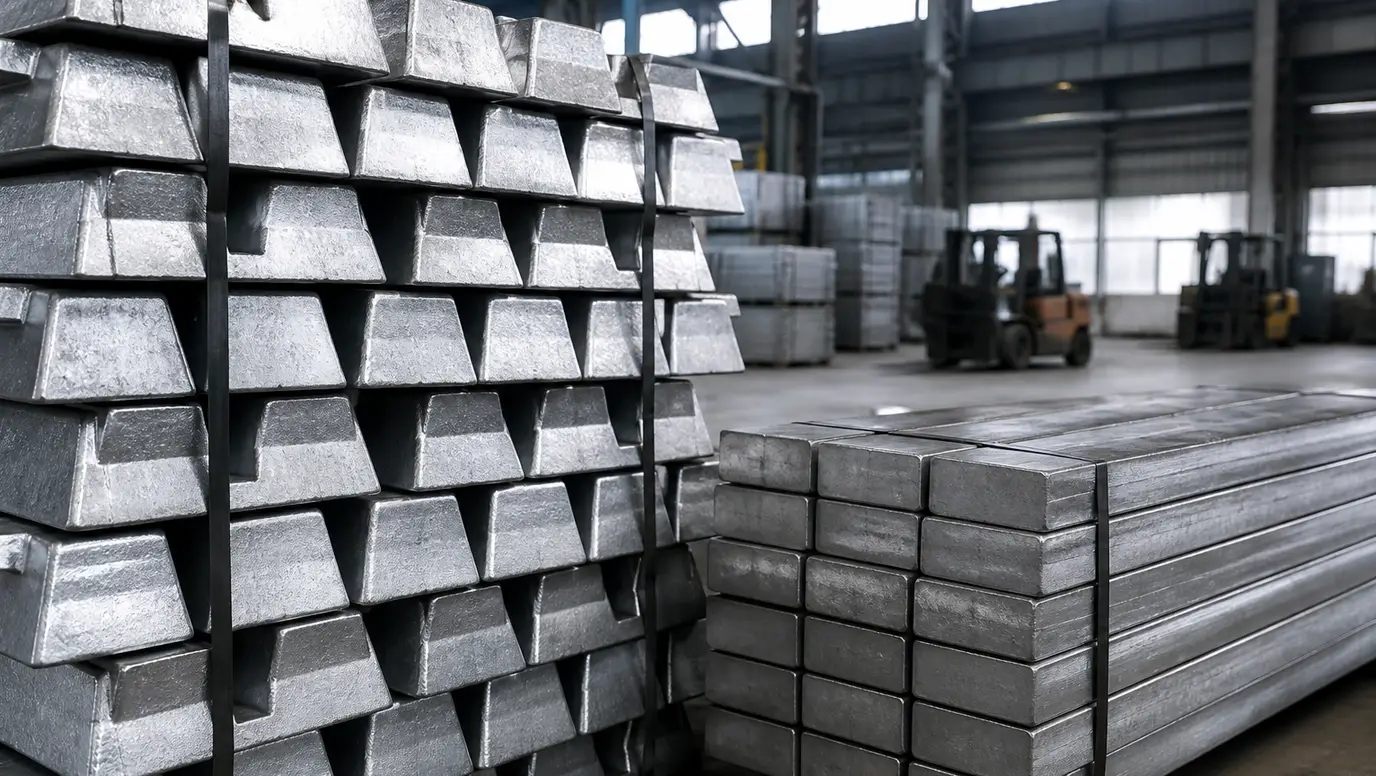
SEPTEMBER 18, 2026
Zinc Futures Squeeze Lifts Metals Market as Lead Inventories Tighten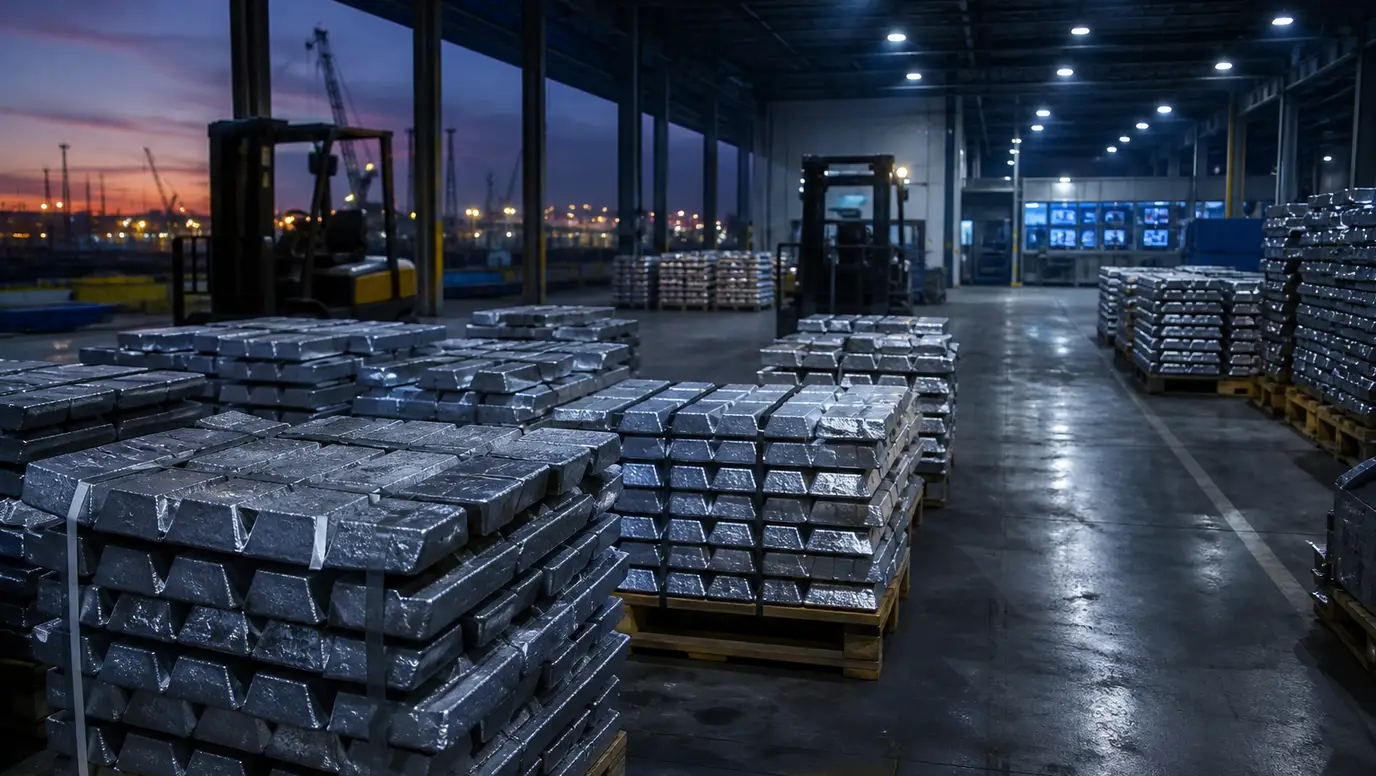
SEPTEMBER 12, 2026
Zinc Futures Rally Faces Inventory Test as Metals Market Weighs Demand Signals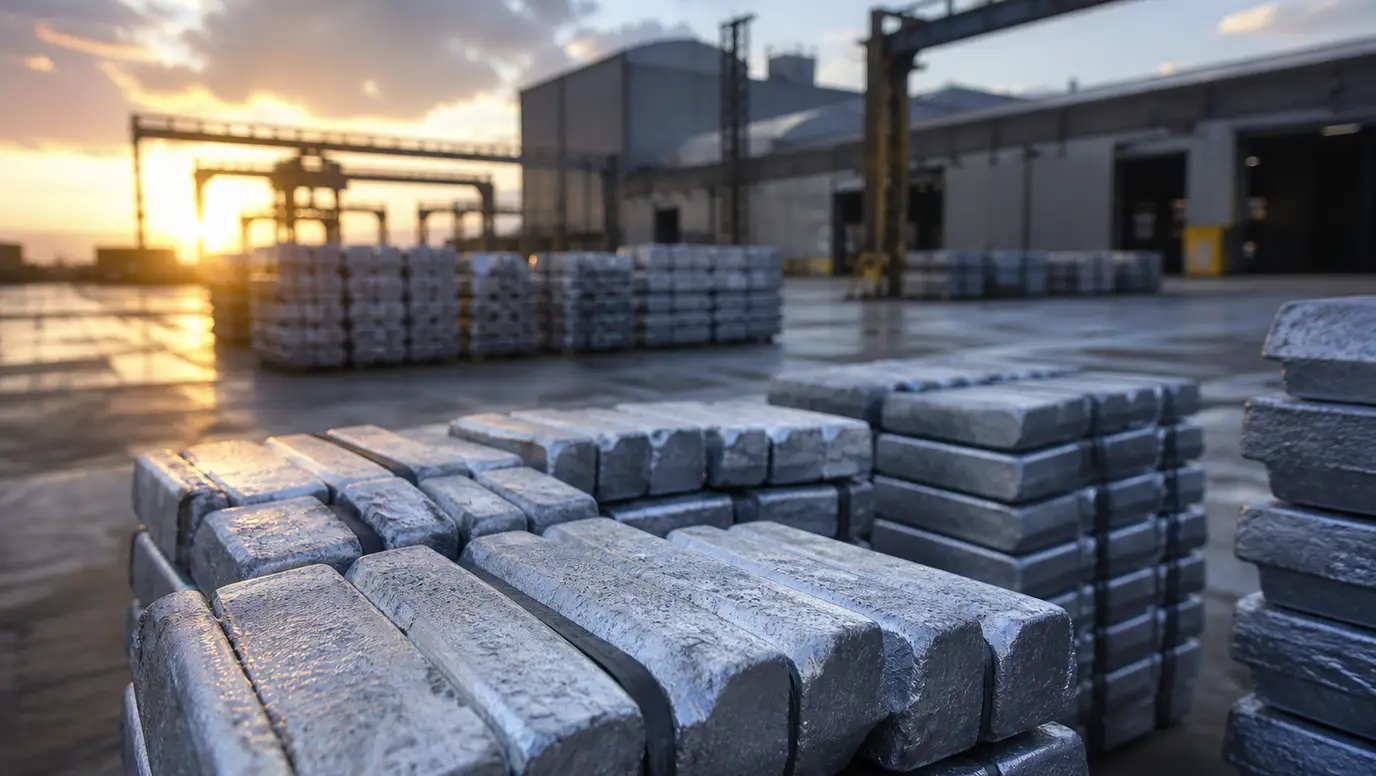
SEPTEMBER 7, 2026
Zinc Futures Defy Federal Reserve Pressure as Supply Squeeze Tightens Metals Market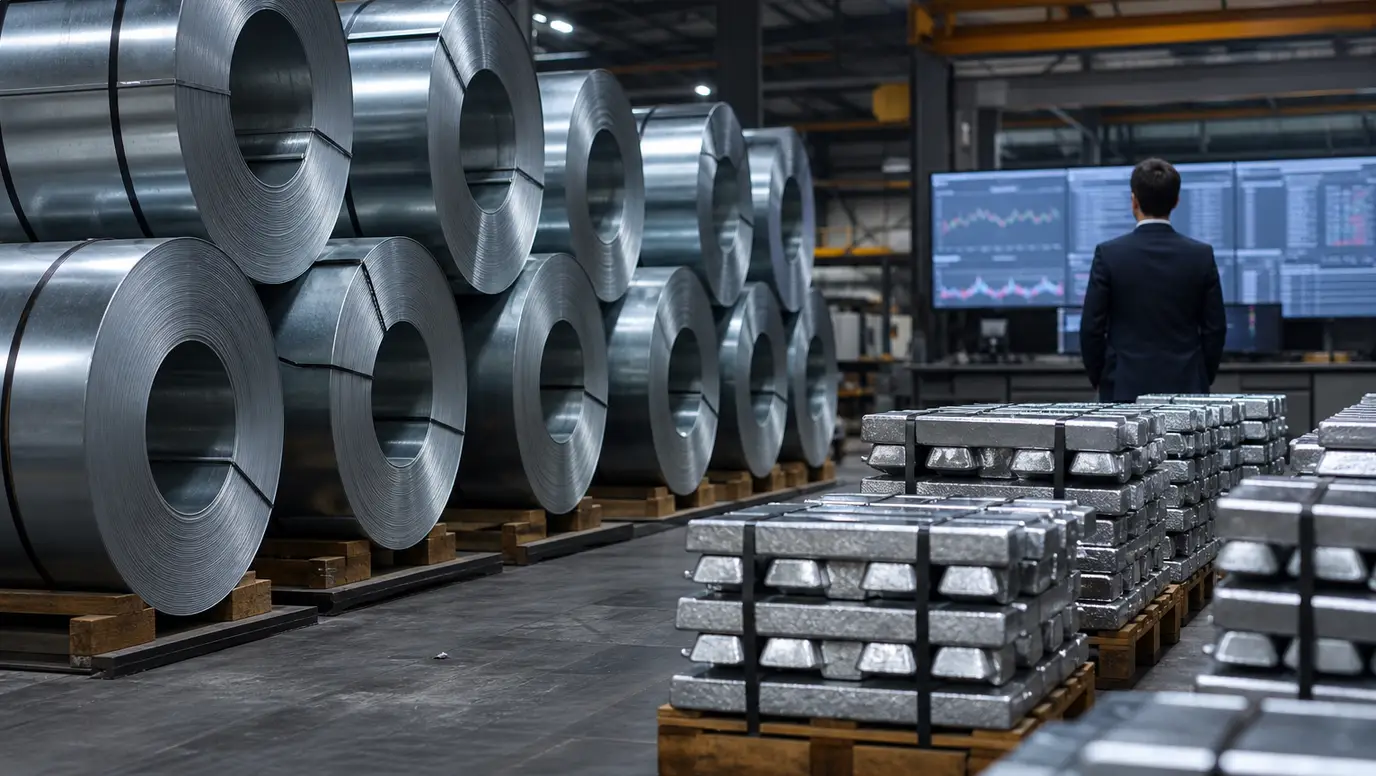
SEPTEMBER 1, 2026
Zinc Rally Leads Metals Market as Supply Fears Lift Base Metals
AUGUST 26, 2026
U.S. Zinc Futures Debut Puts Metals Market on Regional Pricing Watch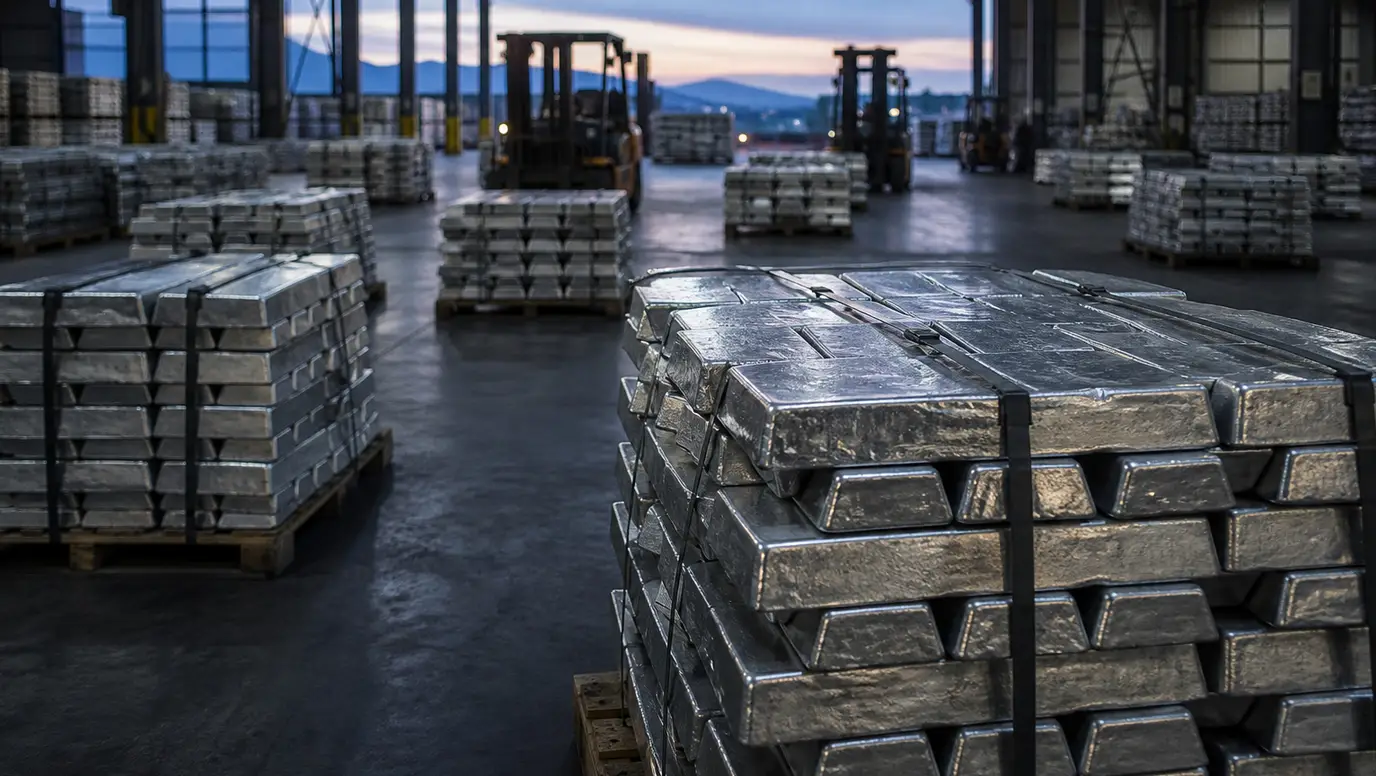
AUGUST 19, 2026
Zinc Tightness Keeps Metals Market Alert as Inventory Cushion Shrinks
AUGUST 13, 2026
Zinc Tightness Keeps Metals Market Alert as China Demand Caps Rally
AUGUST 6, 2026
Zinc Inventory Draw Keeps Metals Market Focused on China Supply and US Dollar Risk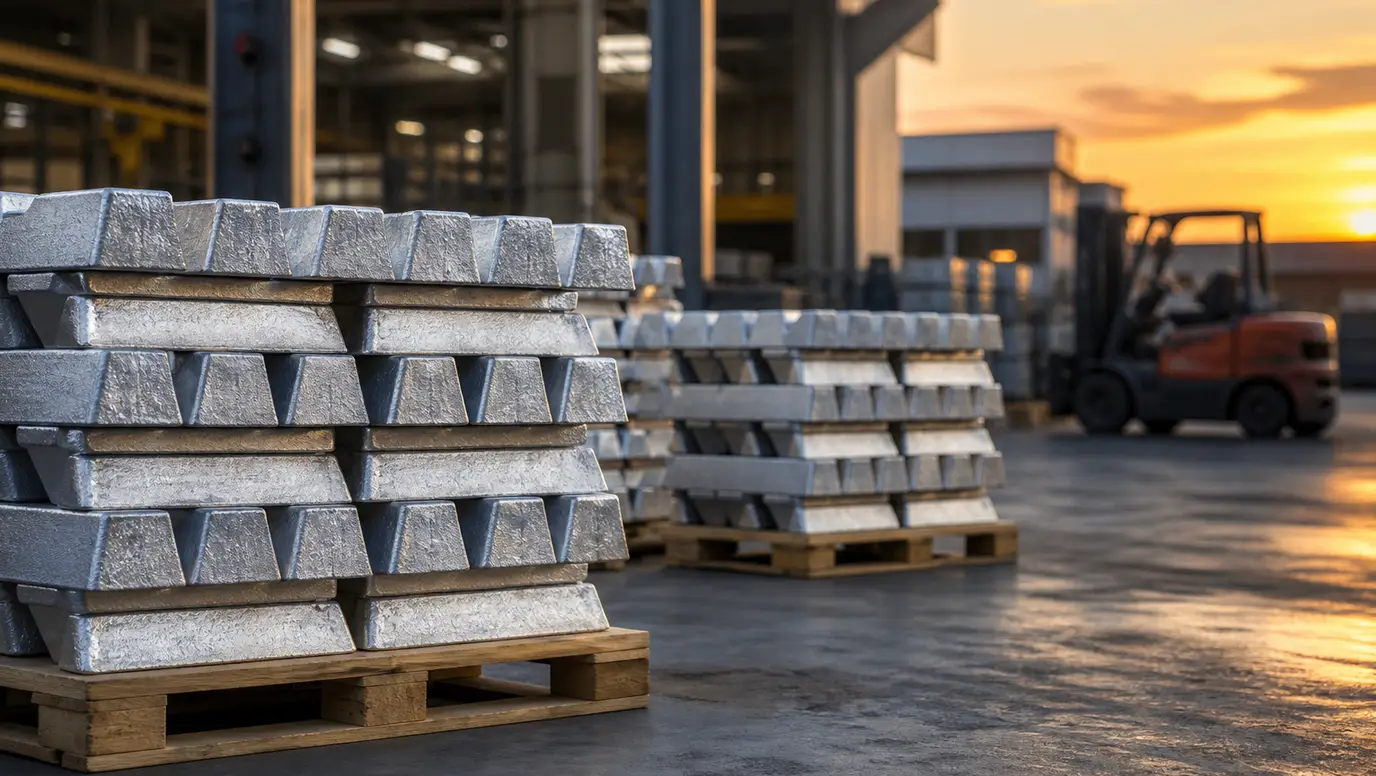
JULY 31, 2026
Zinc Rally Puts Metals Traders on Alert as LME Stocks Slide After US Dollar Pullback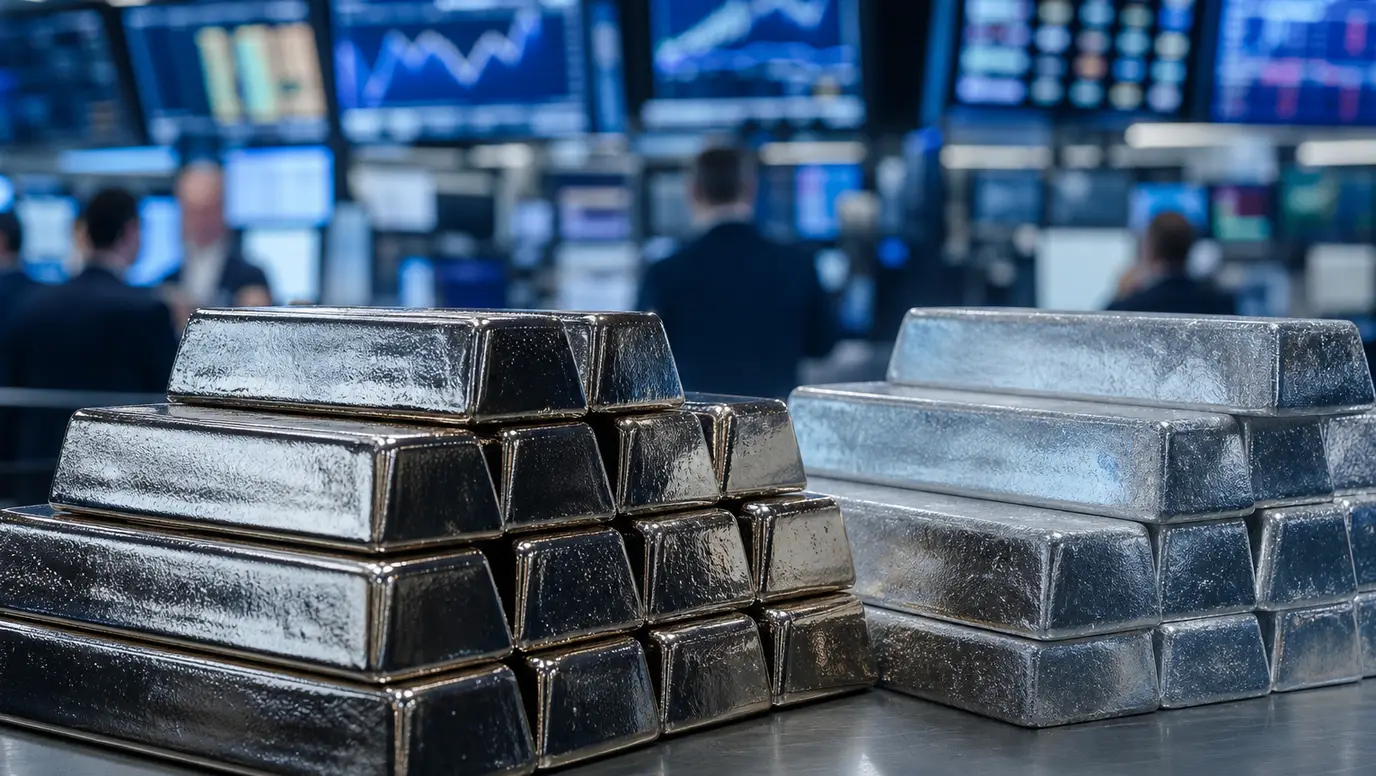
JULY 22, 2026
Nickel and Zinc Join Metals Rally as China Supply Signals Revive Risk Appetite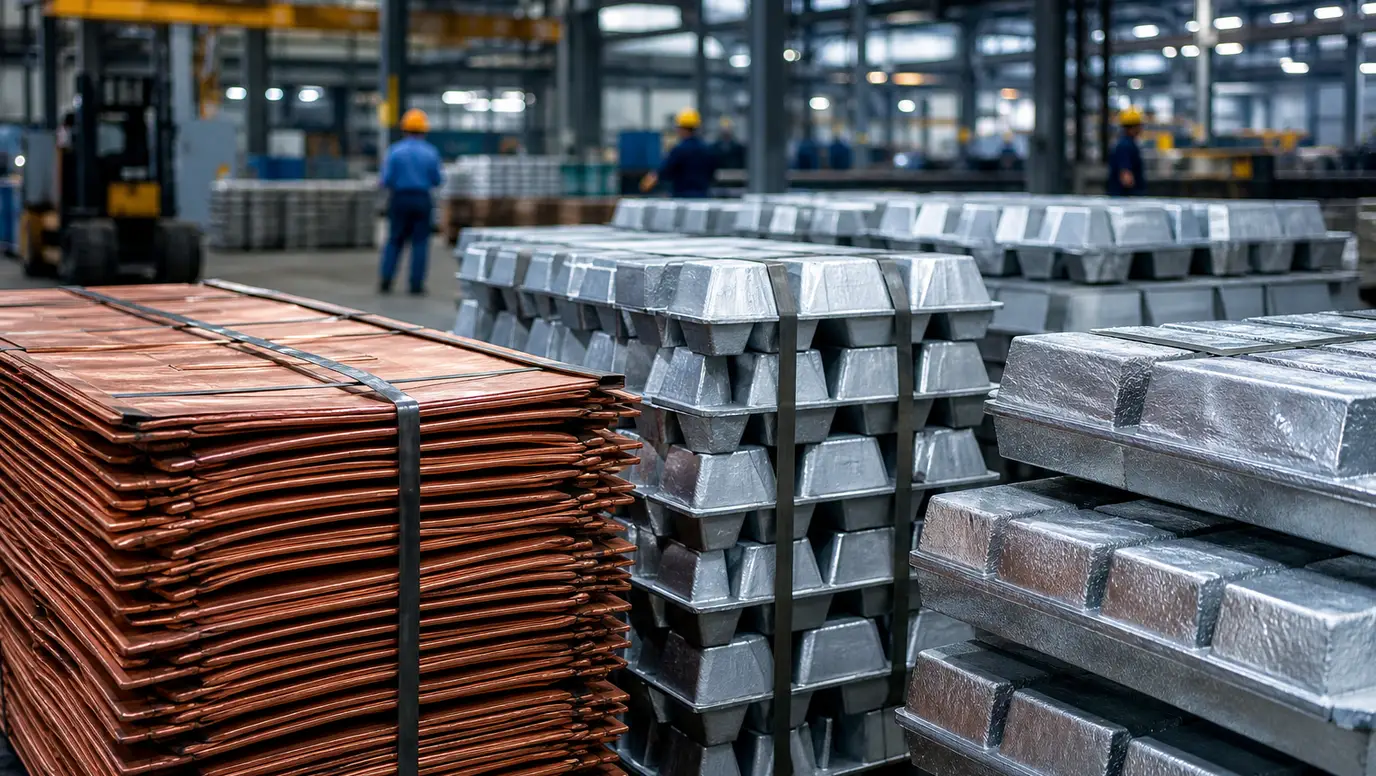
JULY 1, 2026
Copper Leads Metals Lower as Tariff Uncertainty Hits Aluminum and Zinc
JUNE 27, 2026
Zinc Bounce Masks Gold and Silver Weekly Slump as Metals Market Splits on Fed Risk
JUNE 26, 2026
Base Metals Reverse Early Rally as Copper, Nickel and Zinc Drag Metals Market Lower
JUNE 4, 2026
Zinc Breakout Moves to Center of Metals Market as Copper Rally Cools