OCTOBER 13, 2026
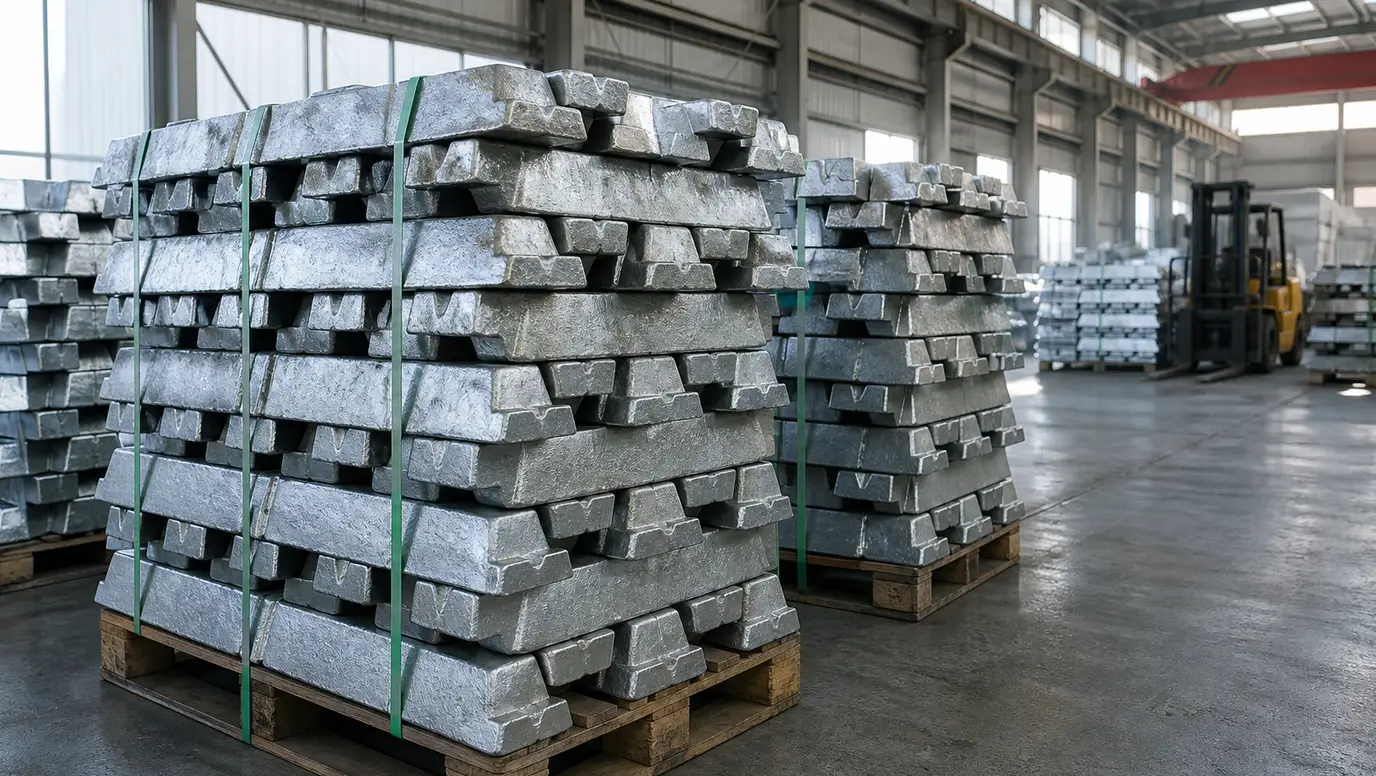
Zinc Metals Market Falls as LME Stock Jump and US Dollar Pressure Base MetalsZinc weakens as LME inventories rise, the US dollar stays firm and traders reassess base metals demand before US inflation data.

© 1box.site 2026
JUNE 26, 2026
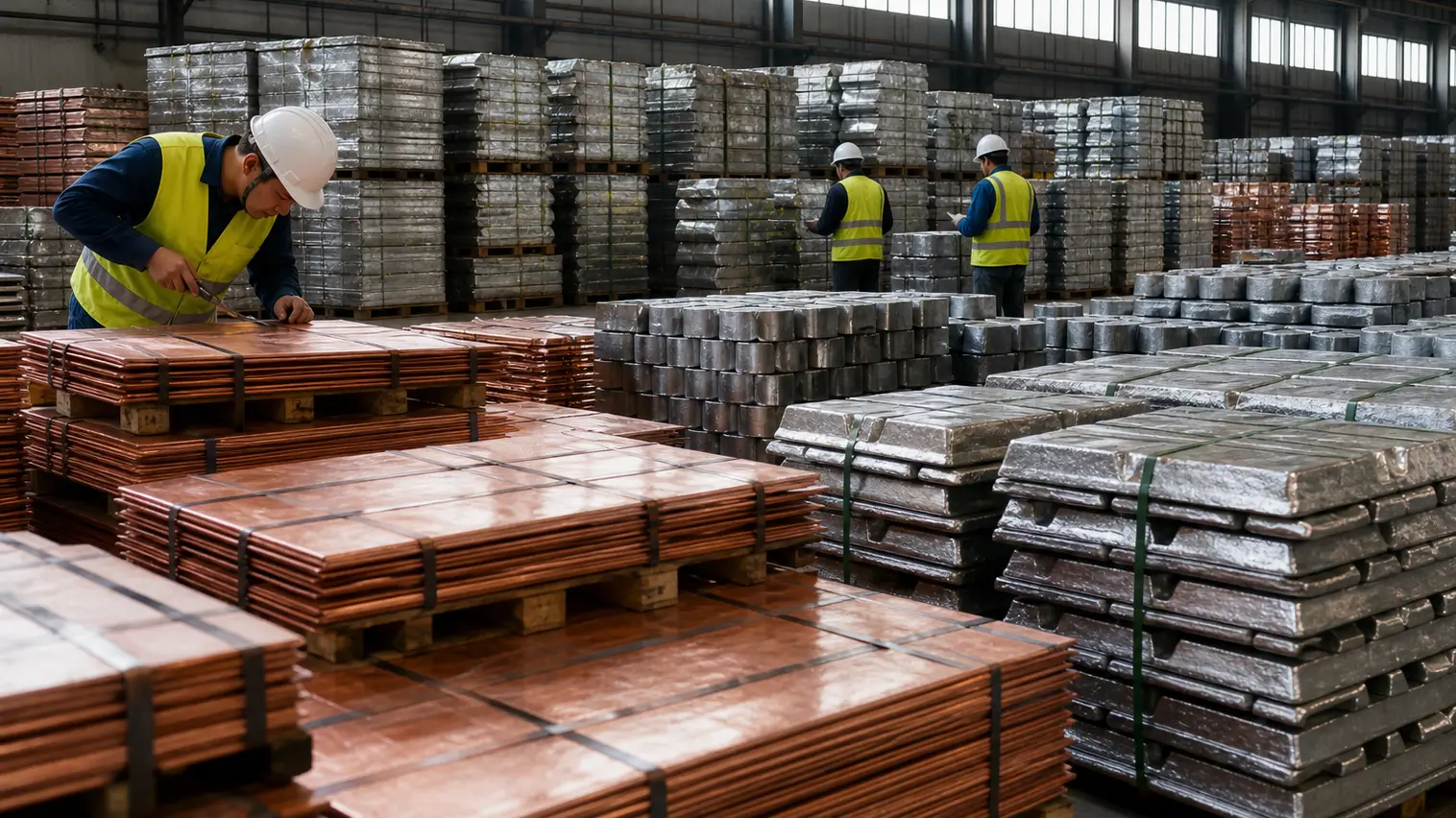
The metals market lost momentum on Friday, June 26, as an early relief rally in base metals gave way to renewed selling across copper, nickel, zinc, aluminum and tin. The reversal kept commodity traders focused on a familiar mix of macro pressure: a firmer policy-rate backdrop, shifting U.S. dollar expectations and caution ahead of fresh U.S. consumer sentiment and inflation-expectations data.
London-linked base metal contracts were broadly lower in midday trade after a stronger overnight session had briefly lifted sentiment. Copper fell more than 1%, zinc and nickel also weakened, aluminum slipped, and tin remained one of the more volatile contracts. In mainland trading, zinc, tin and nickel led declines, while lead was among the few pockets of relative resilience.
The move was notable because it followed a short-lived rebound tied to dollar weakness earlier in the session. That bounce was not enough to change the broader tone after several days of pressure across industrial and precious metals. Traders are now questioning whether the latest pullback is a temporary consolidation or a sign that high-rate expectations are again overwhelming supply-side support.
Copper remained at the center of the metals market because it carries both macro and industrial signals. The metal is still supported by long-term themes including electrification, grid spending and mine-supply constraints, but short-term trading has become more sensitive to real yields, the dollar and risk appetite.
Friday’s weakness suggested that funds were reluctant to add exposure before another U.S. data checkpoint. A stronger inflation-expectations reading would likely reinforce the view that the Federal Reserve has little room to pivot toward easier policy, while a softer reading could give metals a chance to stabilize after the week’s slide.
For copper buyers, the key issue is whether physical demand can reassert itself quickly enough to offset macro liquidation. Inventories and smelter economics remain important, but the latest price action shows that financial flows are still setting the near-term direction. If the dollar resumes its advance, copper may struggle to hold rallies even if the supply story remains constructive.
The weakness was not limited to copper. Nickel and zinc both moved lower, indicating that the selloff was broader than a single-contract move. Aluminum also retreated after a stronger overnight performance, underscoring how quickly traders are fading rebounds when macro conviction is low.
Nickel remains vulnerable to shifts in stainless-steel demand and battery-sector expectations, while zinc is being watched as a gauge of construction and manufacturing appetite. Aluminum has a different supply profile, but it has not been immune to the same risk-off trade affecting the wider base-metals complex.
The cross-metal nature of Friday’s decline matters for investors because it reduces the likelihood that the move is purely technical. When copper, nickel, zinc and aluminum all weaken together, the market is usually reacting to a broader repricing of growth, liquidity or currency risk rather than a narrow supply headline.
Precious metals also remained under scrutiny after a difficult week for gold and silver. Gold has been pressured by higher U.S. rate expectations because bullion offers no yield, while silver has faced a sharper test as investors weigh its monetary role against its industrial demand base.
Silver’s recent volatility has added to the defensive tone across metals. When silver falls alongside base metals, it can signal that both investment demand and industrial-risk appetite are being reduced at the same time. That combination tends to make the broader metals market more sensitive to U.S. data releases and central-bank commentary.
Still, the metals market is not trading on macro policy alone. Structural demand tied to power infrastructure, renewable energy, electronics and industrial upgrading remains part of the medium-term case for copper, silver and aluminum. The immediate question is whether those fundamentals can attract buyers before rate-sensitive selling extends further.
The next catalyst is likely to come from the U.S. dollar and Treasury yield response to incoming economic data. A stronger dollar would raise the cost of dollar-priced commodities for non-U.S. buyers and could keep metals under pressure into the weekend. A softer dollar, by contrast, may allow oversold contracts to stage a technical rebound.
For now, the metals market is trading with a defensive bias. Copper’s failure to hold an early bounce, combined with weakness in nickel, zinc and aluminum, suggests that investors want clearer evidence of easing macro pressure before rebuilding long exposure. Until then, rallies may remain vulnerable to selling, especially in contracts that have already shown elevated volatility this week.
OCTOBER 13, 2026
Zinc Metals Market Falls as LME Stock Jump and US Dollar Pressure Base Metals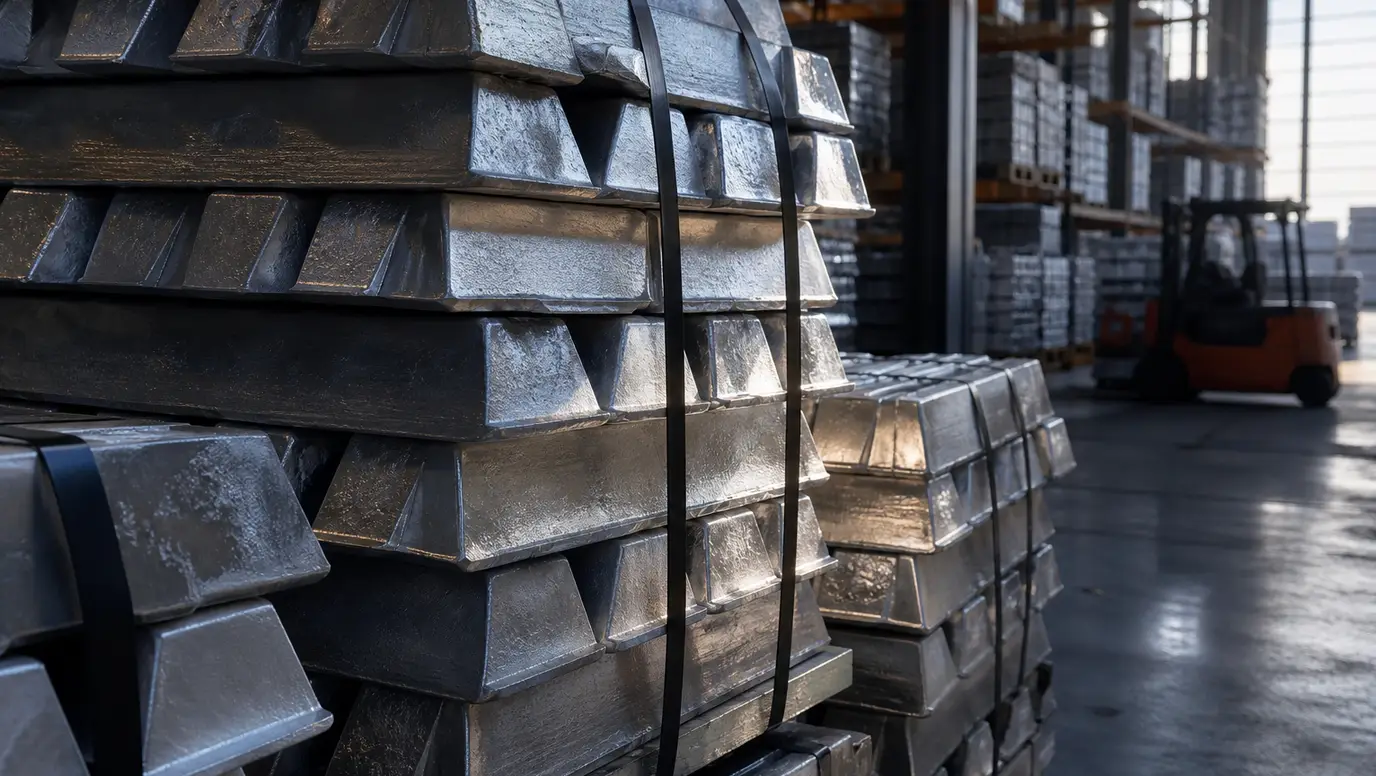
OCTOBER 8, 2026
Zinc Metals Tightness Faces US Dollar and Treasury Yield Test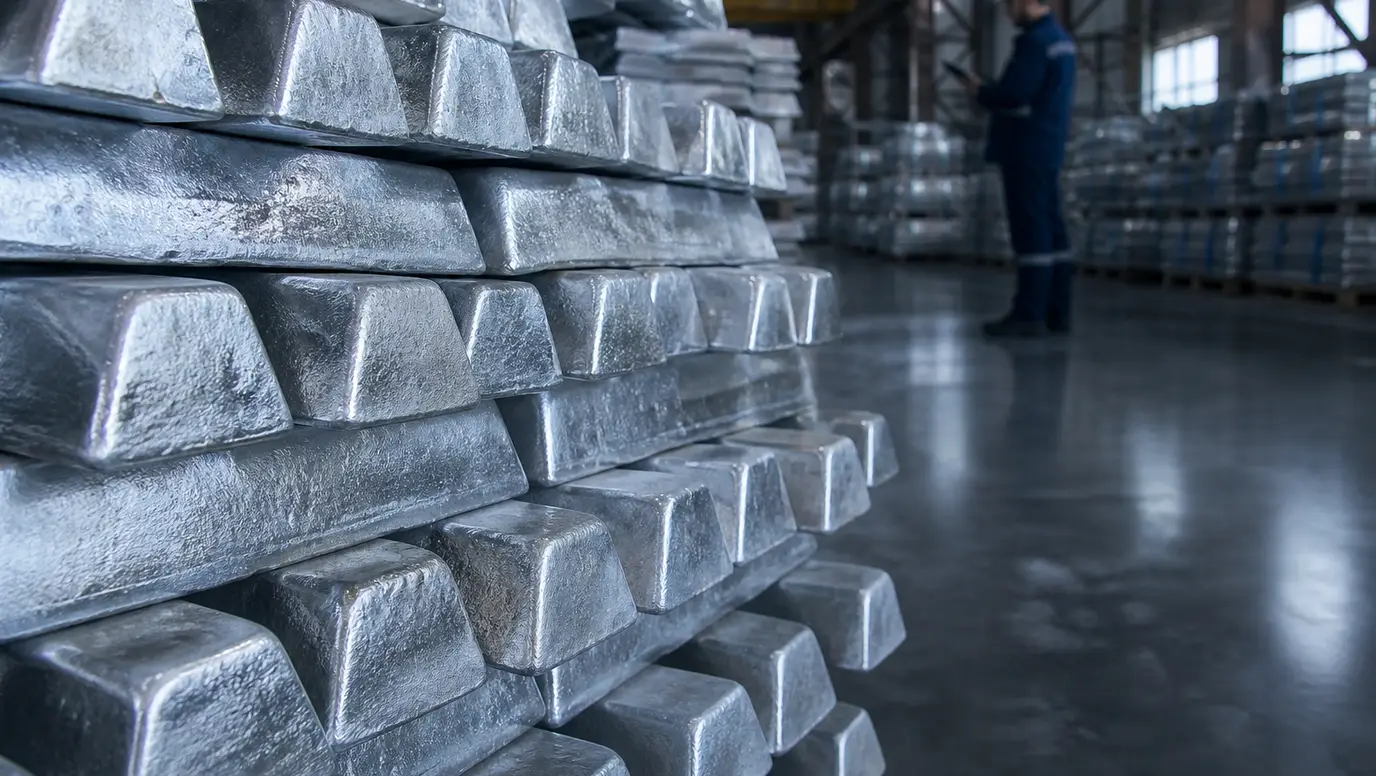
SEPTEMBER 29, 2026
Zinc Futures Fall as China Demand Worries Test Metals Market Tightness
SEPTEMBER 18, 2026
Zinc Futures Squeeze Lifts Metals Market as Lead Inventories Tighten
SEPTEMBER 12, 2026
Zinc Futures Rally Faces Inventory Test as Metals Market Weighs Demand Signals
SEPTEMBER 7, 2026
Zinc Futures Defy Federal Reserve Pressure as Supply Squeeze Tightens Metals Market
SEPTEMBER 1, 2026
Zinc Rally Leads Metals Market as Supply Fears Lift Base Metals
AUGUST 26, 2026
U.S. Zinc Futures Debut Puts Metals Market on Regional Pricing Watch
AUGUST 19, 2026
Zinc Tightness Keeps Metals Market Alert as Inventory Cushion Shrinks
AUGUST 13, 2026
Zinc Tightness Keeps Metals Market Alert as China Demand Caps Rally
AUGUST 6, 2026
Zinc Inventory Draw Keeps Metals Market Focused on China Supply and US Dollar Risk
JULY 31, 2026
Zinc Rally Puts Metals Traders on Alert as LME Stocks Slide After US Dollar Pullback
JULY 22, 2026
Nickel and Zinc Join Metals Rally as China Supply Signals Revive Risk Appetite
JULY 4, 2026
Silver and Zinc Lead Broad Metals Rally as Dollar Weakness Extends Holiday Bounce
JULY 1, 2026
Copper Leads Metals Lower as Tariff Uncertainty Hits Aluminum and Zinc
JUNE 27, 2026
Zinc Bounce Masks Gold and Silver Weekly Slump as Metals Market Splits on Fed Risk
JUNE 4, 2026
Zinc Breakout Moves to Center of Metals Market as Copper Rally Cools