OCTOBER 13, 2026
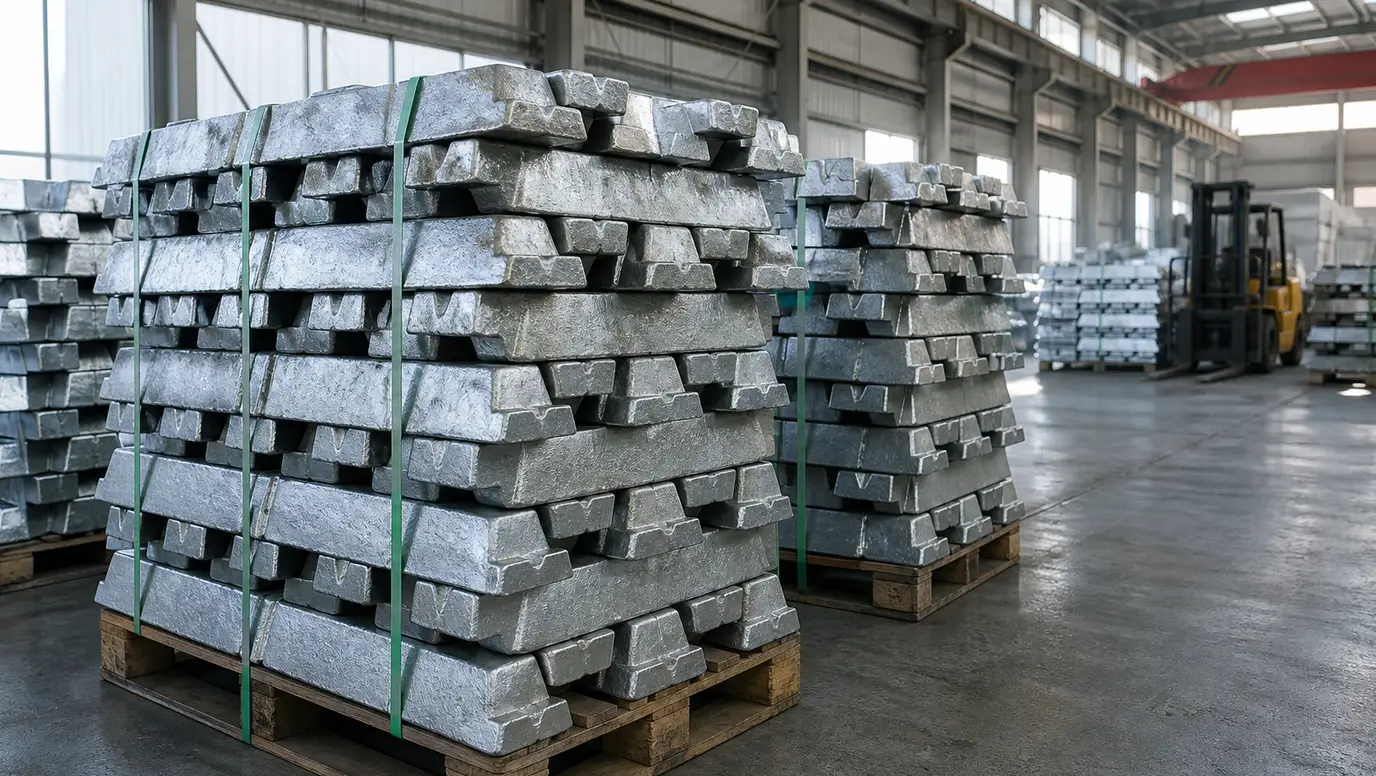
Zinc Metals Market Falls as LME Stock Jump and US Dollar Pressure Base MetalsZinc weakens as LME inventories rise, the US dollar stays firm and traders reassess base metals demand before US inflation data.

© 1box.site 2026

AUGUST 13, 2026
Zinc has become one of the more closely watched corners of the metals market as traders weigh shrinking visible inventories and extreme concentrate tightness against a still-uneven demand backdrop in China. The result is a market that looks firm underneath, but not yet strong enough to break into a broad, demand-led rally.
Recent trading has kept zinc near elevated 2026 levels, with exchange-monitored stocks still low by historical standards and the nearby curve retaining signs of physical tightness. Cash prices have recently stood above three-month values, a structure that typically points to stronger demand for immediately available metal.
The tension is especially important for galvanized steel producers, alloy makers and construction-linked buyers because zinc is heavily tied to industrial activity. For investors, the metal is also offering a cleaner read on the difference between supply-side scarcity and end-use demand strength than some larger base metals.
The strongest bullish argument remains the raw material chain. Zinc concentrate availability has stayed constrained, with treatment charges in parts of China falling deeper into negative territory in recent assessments. Negative treatment charges mean smelters are effectively paying for access to scarce feedstock, a sign that mine supply is not comfortably meeting processing demand.
That pressure has kept attention on smelter margins. Some producers have been cushioned by by-product revenues, including stronger sulfuric acid markets, but the core zinc smelting economics remain sensitive. If concentrate supply fails to improve, refined output could become harder to expand even if prices remain high.
Visible exchange stocks add to the watch list. Late-July exchange data showed zinc warehouse inventories close to 106,000 tonnes, below levels seen earlier in the month. The decline has reinforced the view that the physical market is not as loose as headline surplus projections suggest.
The counterweight is demand. China’s property-linked activity remains uneven, and galvanized steel consumption has not delivered the type of broad acceleration needed to turn supply tightness into a sustained price breakout. Seasonal softness in some downstream sectors has also limited buying appetite.
This is why zinc has struggled to turn tight concentrate conditions into a one-way rally. Traders are treating low inventories as a support factor, but they are also reluctant to chase prices aggressively without stronger signals from construction, infrastructure and manufacturing orders.
The export channel is another swing factor. A wide gap between offshore and Chinese domestic pricing has encouraged some market participants to prepare material for possible overseas shipment, but margins remain thin. Meaningful exports would ease overseas tightness, while limited flows would leave the market more vulnerable to sudden squeezes.
For the broader metals market, zinc is now a test of whether supply scarcity can outweigh demand caution. A weaker US dollar or falling Treasury yields would likely help sentiment across dollar-priced metals, but zinc still needs confirmation from physical demand to extend gains with conviction.
Near-term price action may therefore remain choppy. A further drawdown in visible inventories or additional smelter curtailments could quickly revive upside momentum. Conversely, signs of softer Chinese steel demand or improved concentrate availability would reduce the risk premium built into the market.
Until that balance shifts, zinc is likely to stay on the metals market radar as a tight but selective trade: supported by scarce ore and low stocks, yet capped by a demand cycle that has not fully recovered.
OCTOBER 13, 2026
Zinc Metals Market Falls as LME Stock Jump and US Dollar Pressure Base Metals
OCTOBER 8, 2026
Zinc Metals Tightness Faces US Dollar and Treasury Yield Test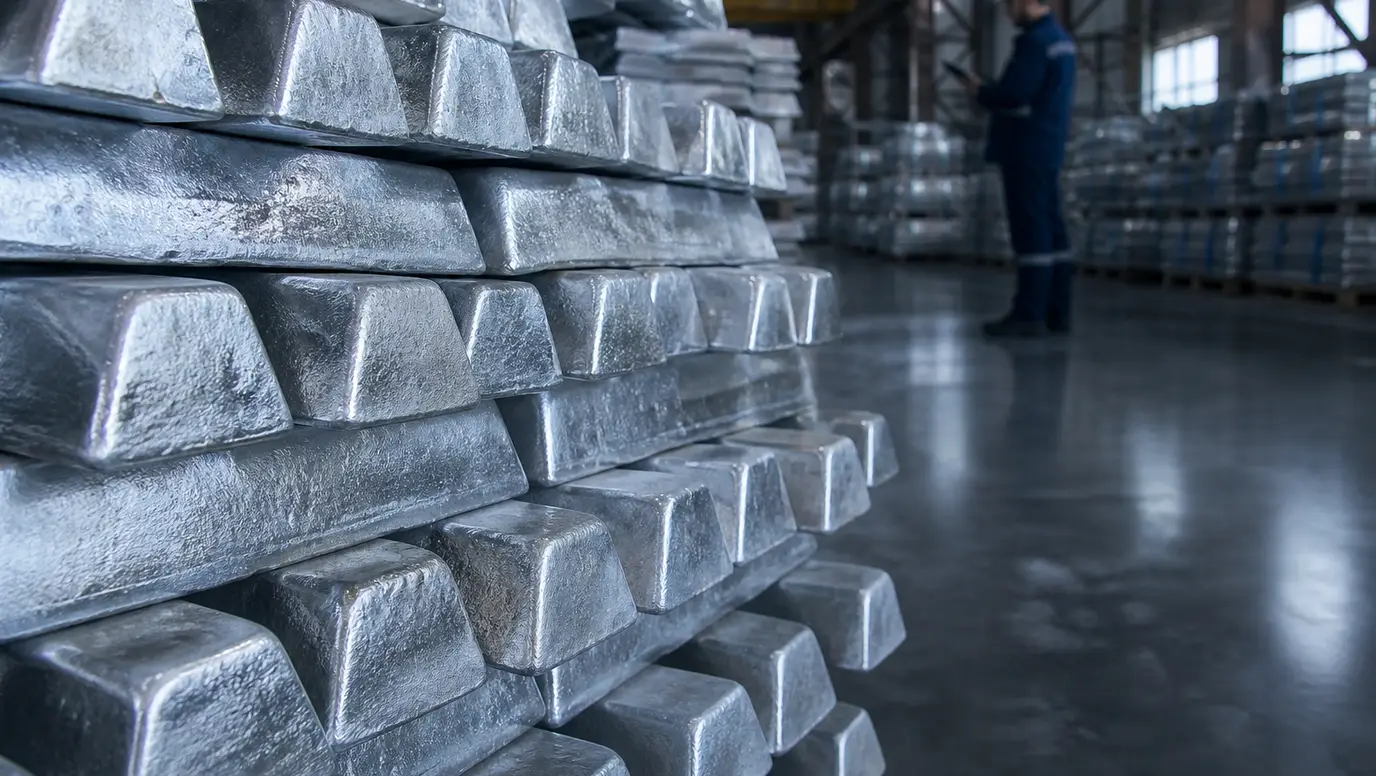
SEPTEMBER 29, 2026
Zinc Futures Fall as China Demand Worries Test Metals Market Tightness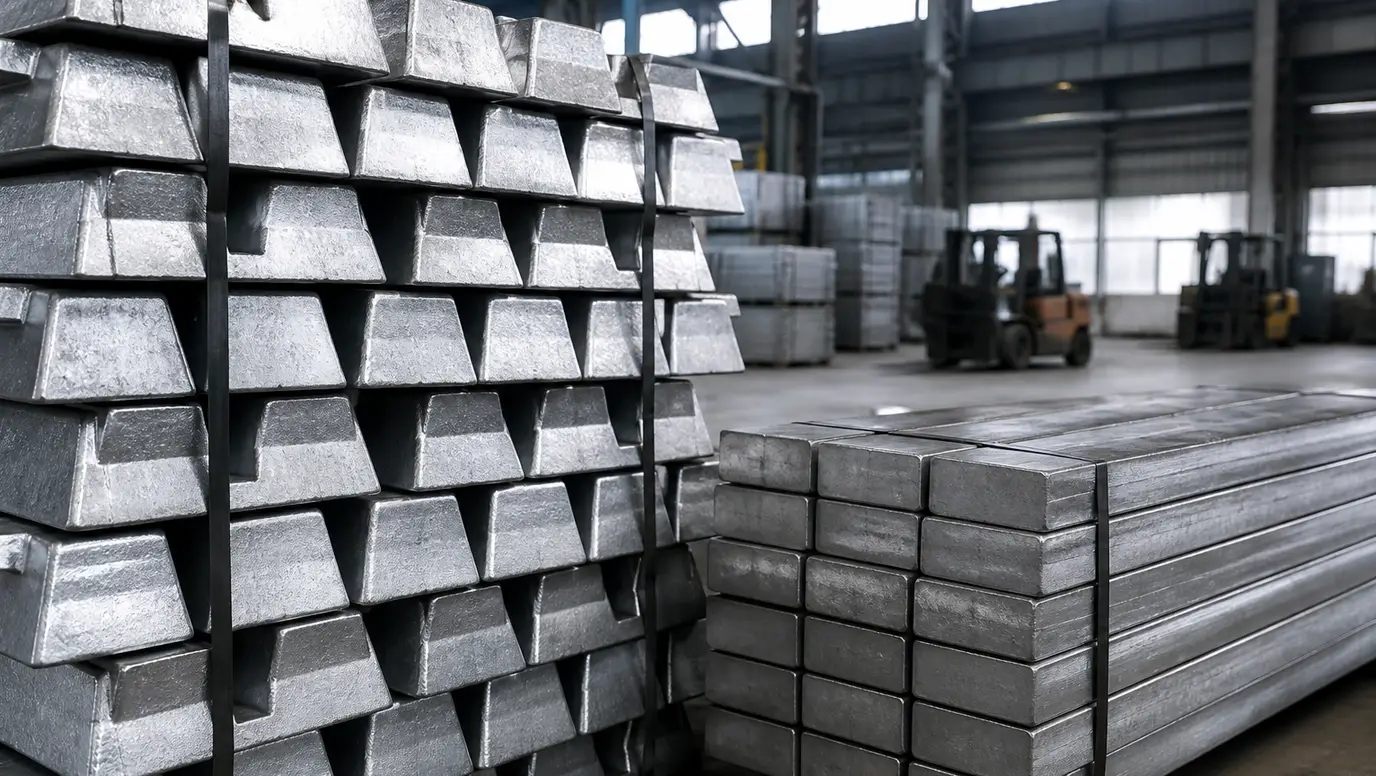
SEPTEMBER 18, 2026
Zinc Futures Squeeze Lifts Metals Market as Lead Inventories Tighten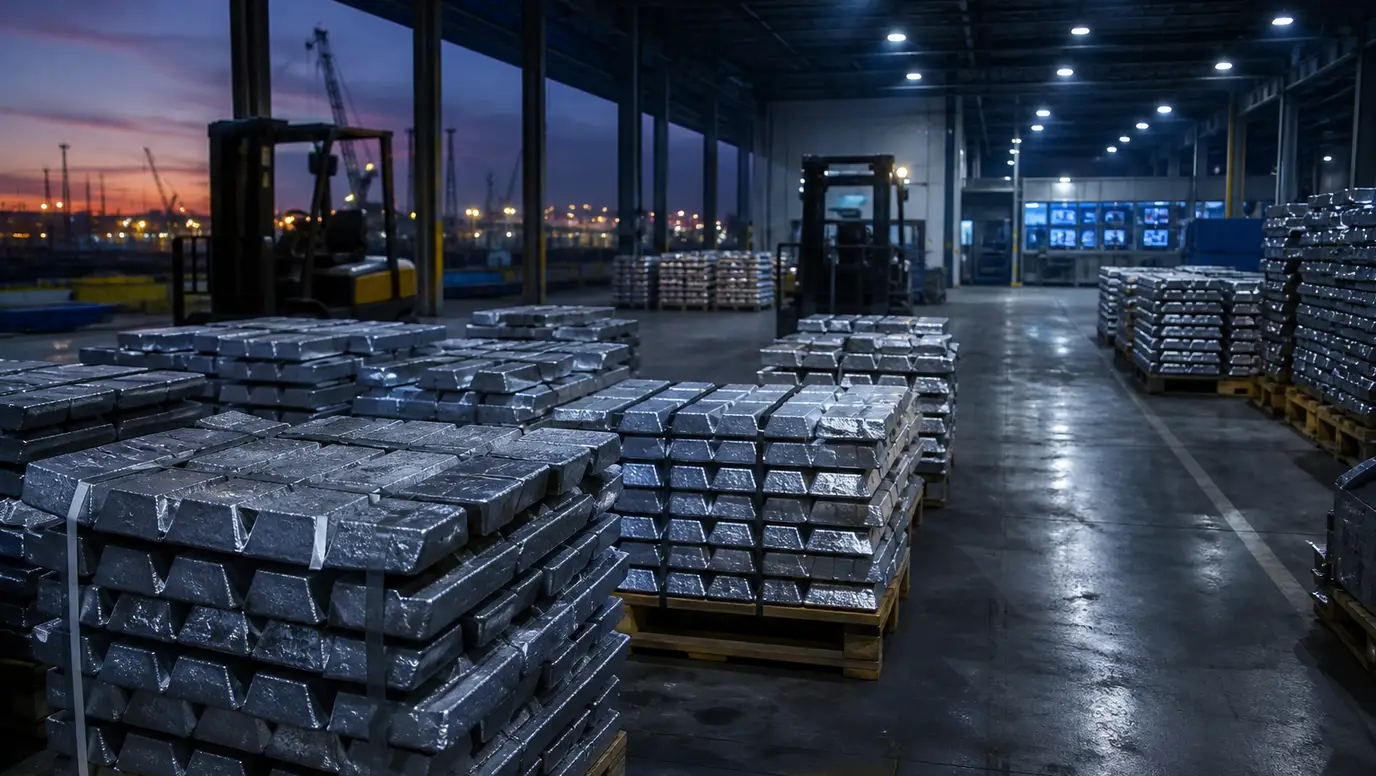
SEPTEMBER 12, 2026
Zinc Futures Rally Faces Inventory Test as Metals Market Weighs Demand Signals
SEPTEMBER 7, 2026
Zinc Futures Defy Federal Reserve Pressure as Supply Squeeze Tightens Metals Market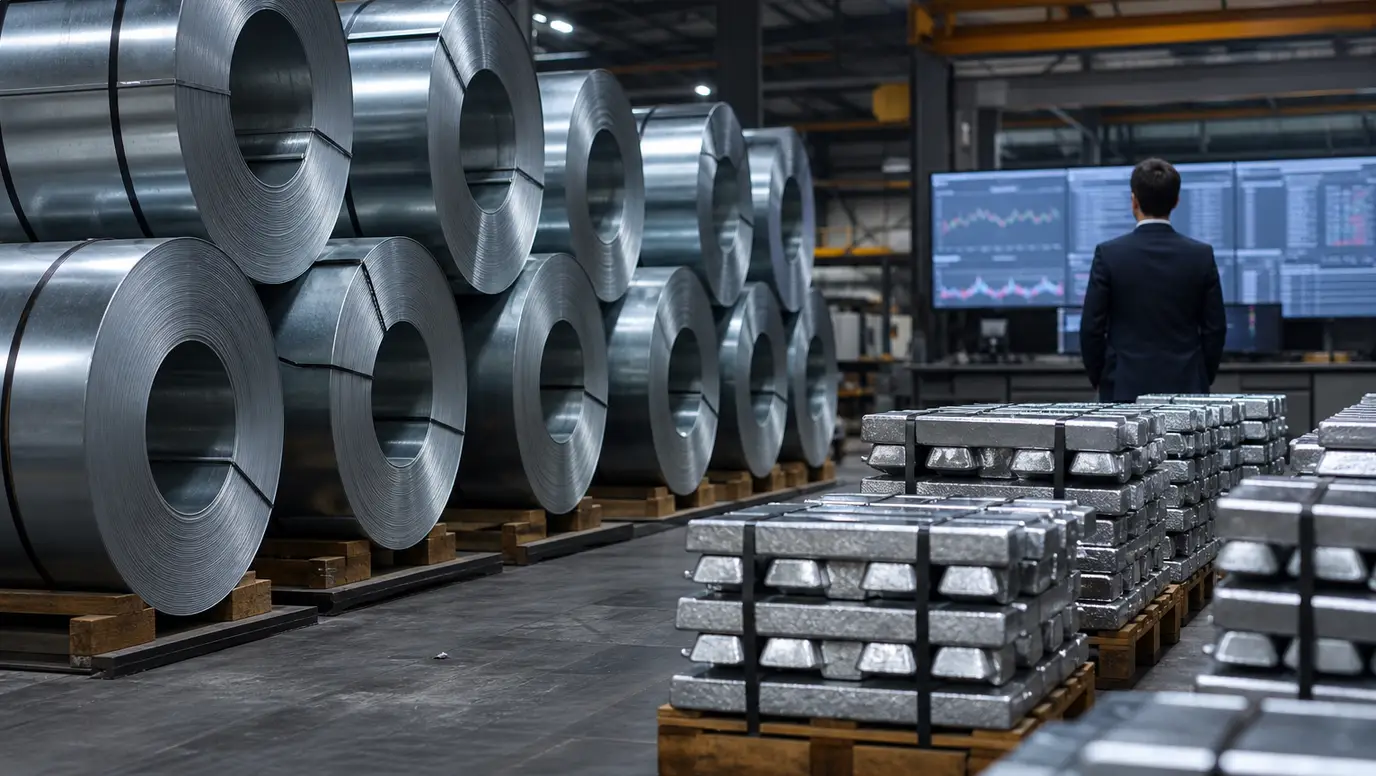
SEPTEMBER 1, 2026
Zinc Rally Leads Metals Market as Supply Fears Lift Base Metals
AUGUST 26, 2026
U.S. Zinc Futures Debut Puts Metals Market on Regional Pricing Watch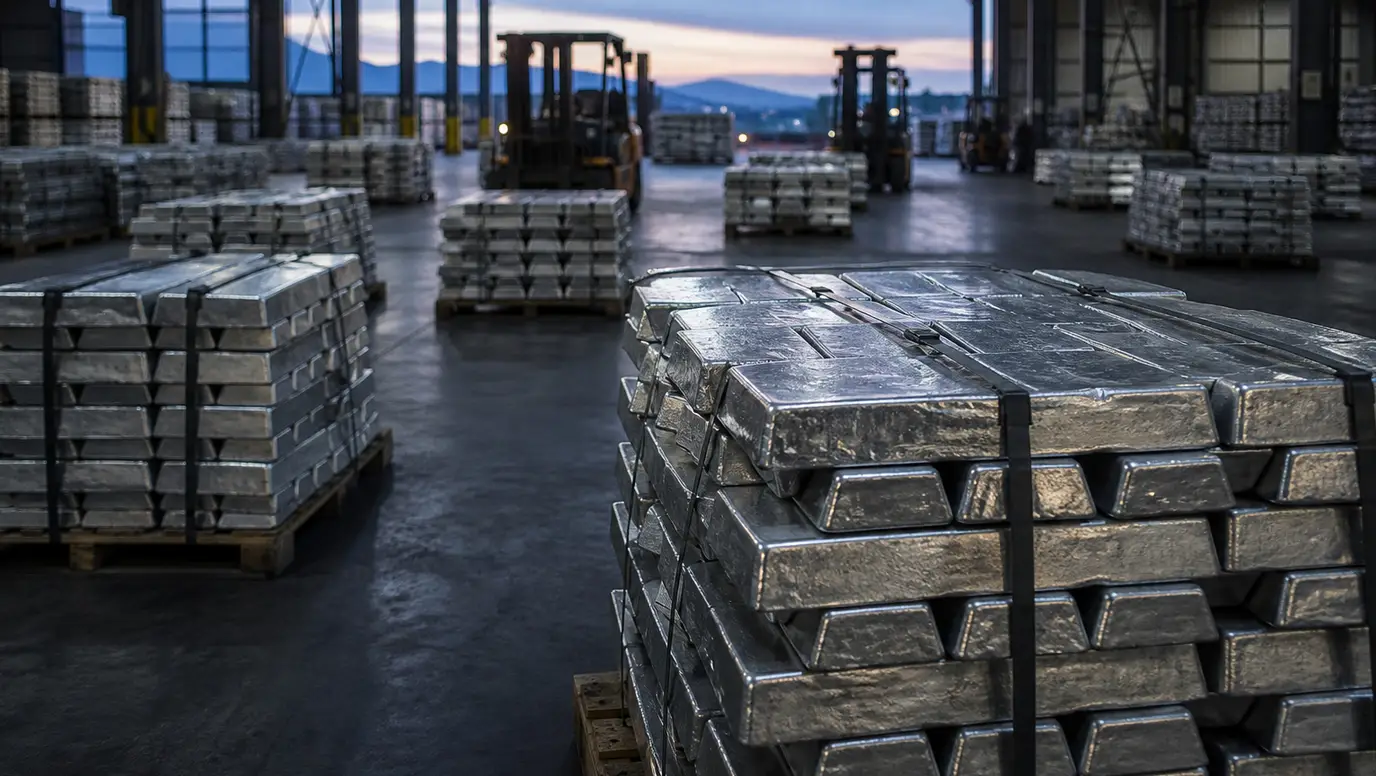
AUGUST 19, 2026
Zinc Tightness Keeps Metals Market Alert as Inventory Cushion Shrinks
AUGUST 6, 2026
Zinc Inventory Draw Keeps Metals Market Focused on China Supply and US Dollar Risk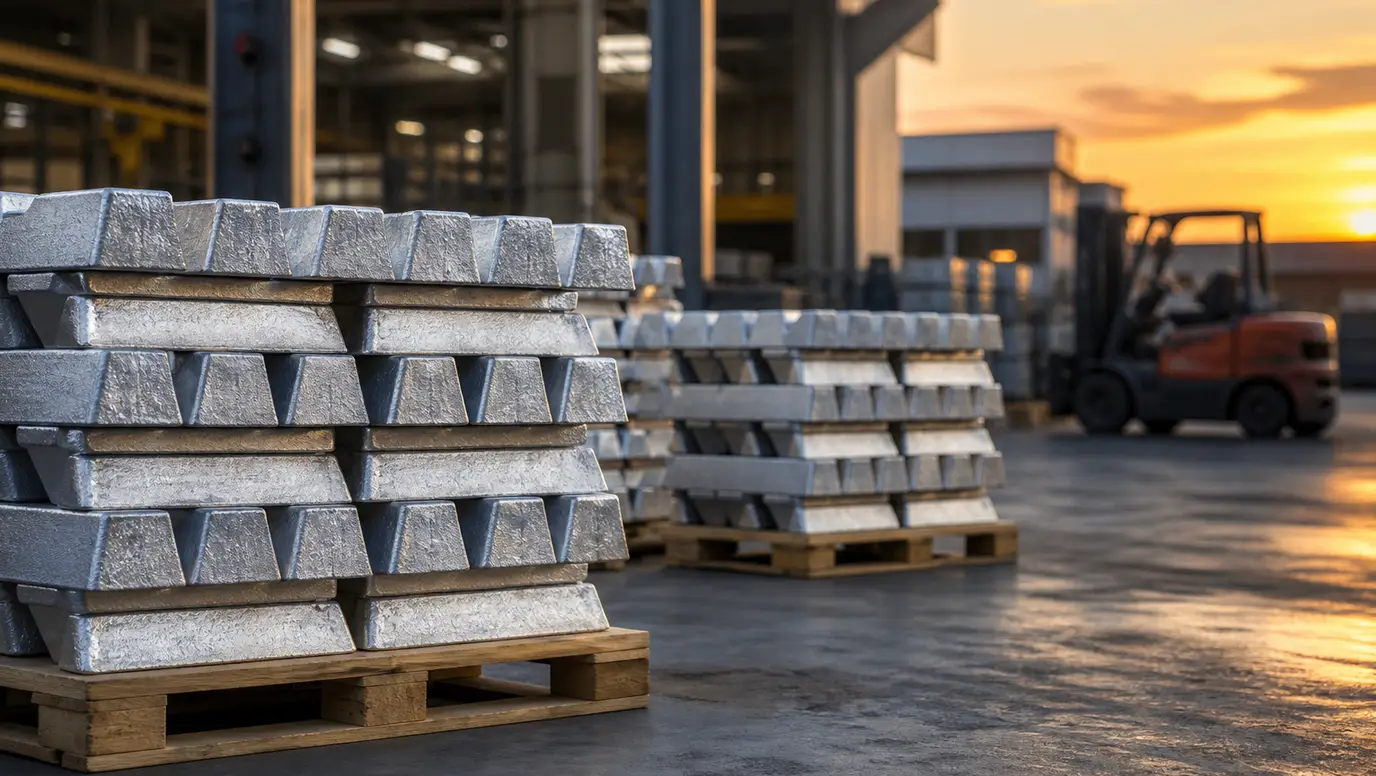
JULY 31, 2026
Zinc Rally Puts Metals Traders on Alert as LME Stocks Slide After US Dollar Pullback
JULY 22, 2026
Nickel and Zinc Join Metals Rally as China Supply Signals Revive Risk Appetite
JULY 4, 2026
Silver and Zinc Lead Broad Metals Rally as Dollar Weakness Extends Holiday Bounce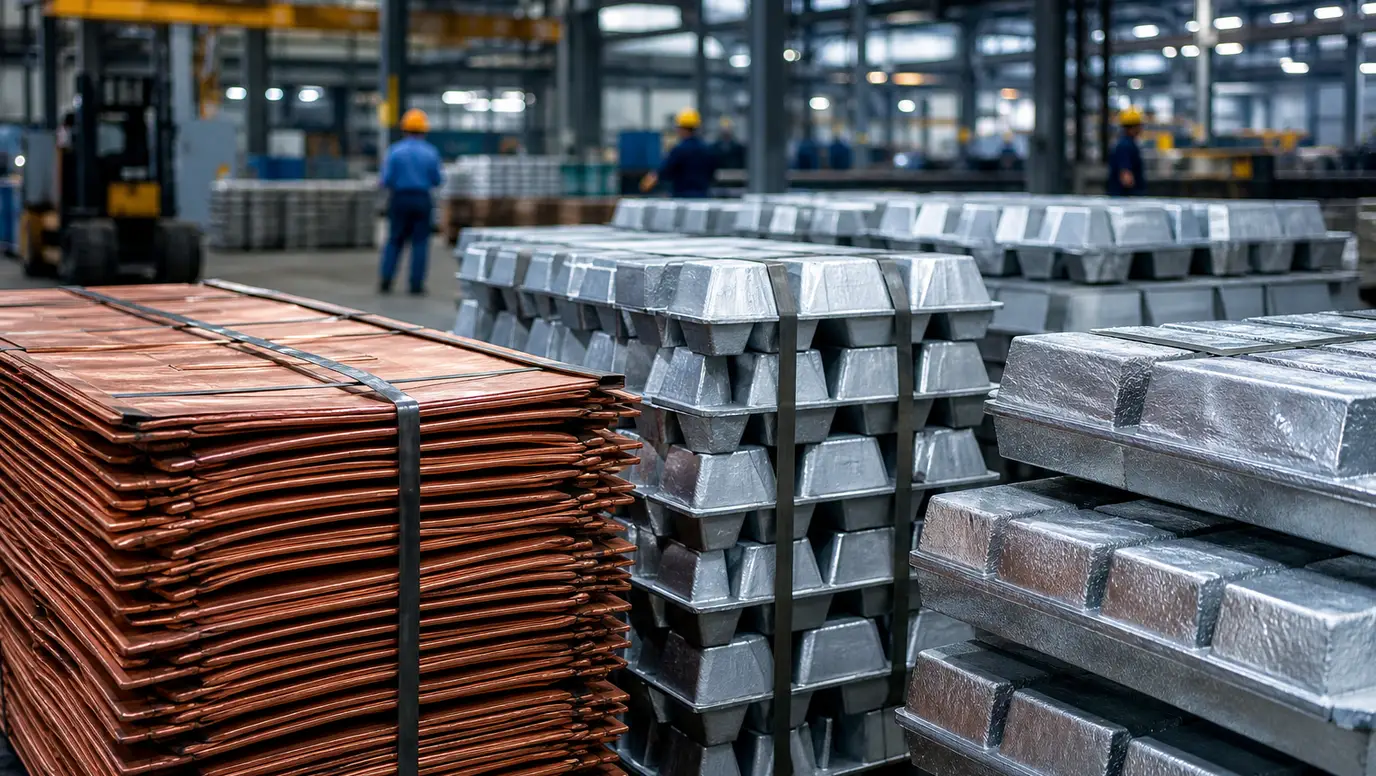
JULY 1, 2026
Copper Leads Metals Lower as Tariff Uncertainty Hits Aluminum and Zinc
JUNE 27, 2026
Zinc Bounce Masks Gold and Silver Weekly Slump as Metals Market Splits on Fed Risk
JUNE 26, 2026
Base Metals Reverse Early Rally as Copper, Nickel and Zinc Drag Metals Market Lower
JUNE 4, 2026
Zinc Breakout Moves to Center of Metals Market as Copper Rally Cools