OCTOBER 13, 2026
Zinc Metals Market Falls as LME Stock Jump and US Dollar Pressure Base MetalsZinc weakens as LME inventories rise, the US dollar stays firm and traders reassess base metals demand before US inflation data.

© 1box.site 2026
SEPTEMBER 1, 2026
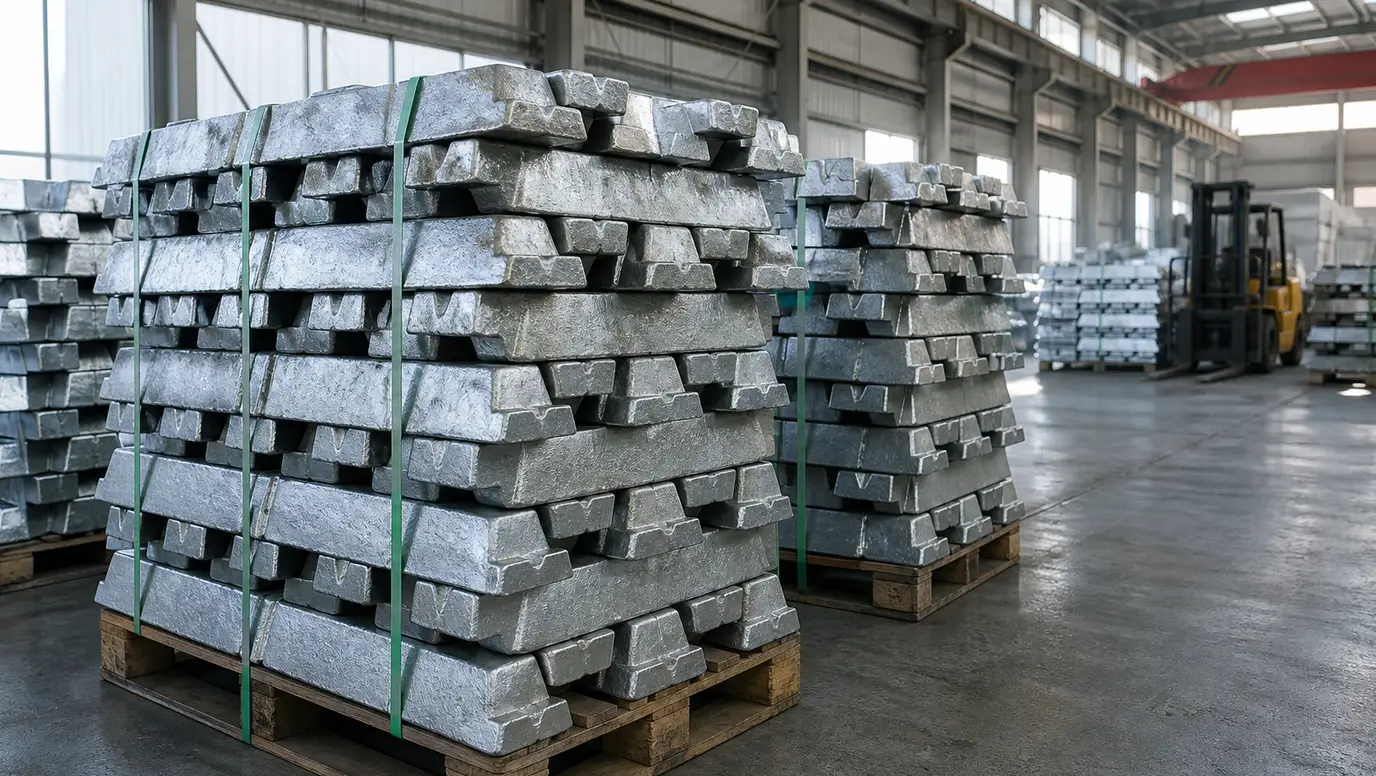
Zinc became the standout mover in the metals market on Tuesday, September 1, 2026, as supply concerns and firm speculative demand pushed the base metal to its strongest levels in more than four years. The move gave the metals complex a clear focal point at the start of the new month, even as higher bond yields, a firmer dollar and renewed Federal Reserve rate-hike speculation continued to pressure parts of the broader commodity space.
Benchmark London zinc rose more than 2% in early trading and briefly approached the $3,980 per metric ton area, while the most-active Shanghai zinc contract advanced close to 27,165 yuan per metric ton during the session. The rally stood out because it came alongside broader gains in several industrial metals, suggesting traders were responding not only to macro volatility but also to a tightening zinc-specific supply story.
The strongest driver behind the zinc rally was the perception that available refined metal remains tight outside China. Falling inventories, constrained raw material availability and firm positioning have combined to support a market that has become increasingly sensitive to any sign of smelter disruption or delayed production recovery.
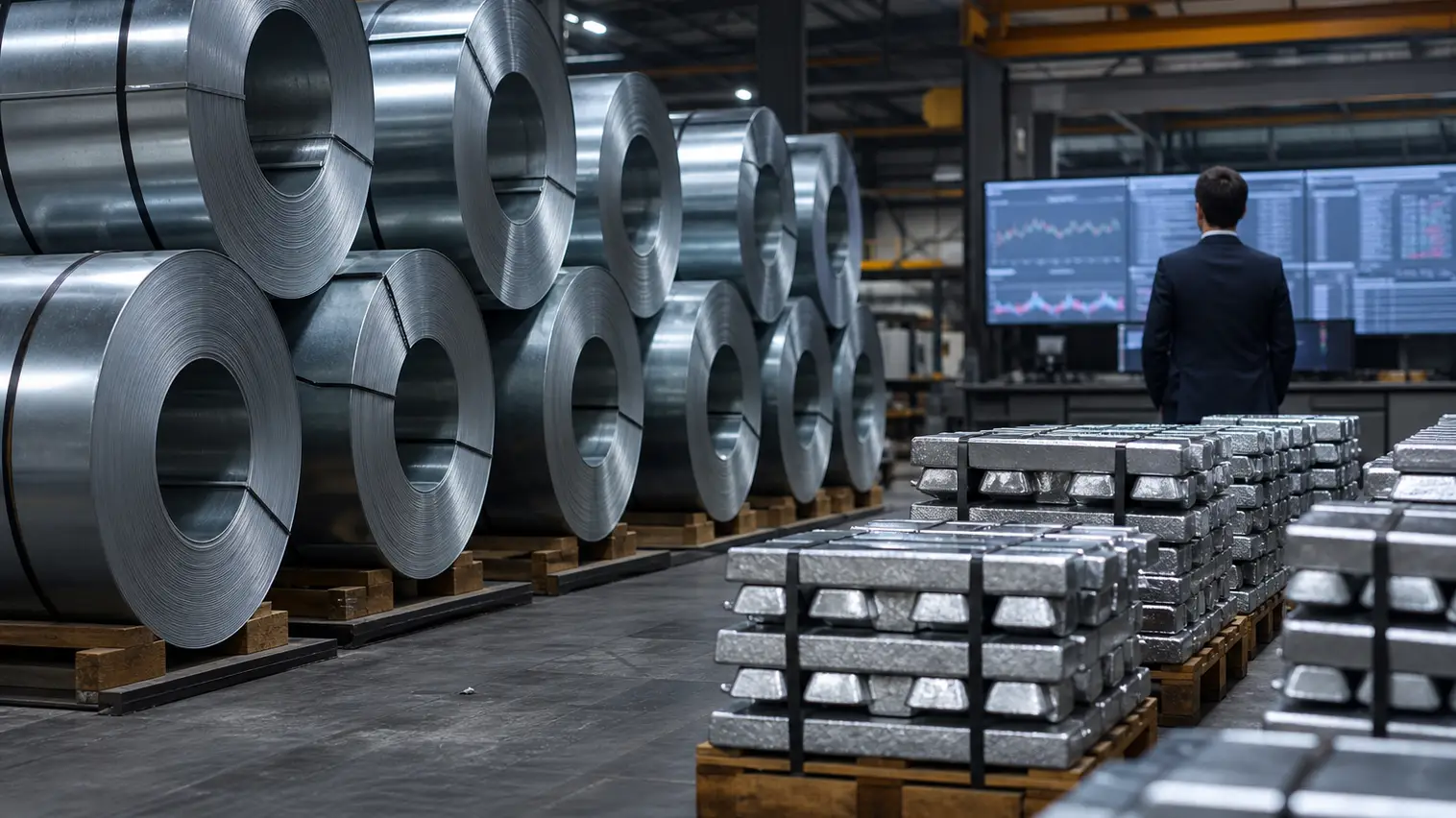
Traders are also watching treatment-charge signals and smelter maintenance plans, which have reinforced the view that supply growth may not arrive quickly enough to cool the rally. Zinc is widely used to galvanize steel, so its price action often reflects expectations for construction, infrastructure and manufacturing demand, but the current move appears more heavily linked to supply-side constraints than to a broad demand boom.
The Shanghai market added to the bullish tone after domestic zinc contracts climbed sharply and open interest remained elevated. That combination suggests fresh buying interest rather than a simple short-covering move, although the pace of the rally could leave prices vulnerable to profit-taking if inventories stabilize or the dollar extends its rebound.
The broader metals market was mixed beneath the surface. Copper and aluminum traded higher, while some precious metals remained under pressure from rising yields and expectations that the Federal Reserve may keep policy restrictive for longer. That divergence highlights a split between industrial metals supported by physical-market tightness and non-yielding precious metals exposed to real-rate pressure.
For base metals, the key question is whether zinc’s rally can broaden into a more durable industrial-metals advance. A firmer dollar normally makes dollar-denominated metals more expensive for non-U.S. buyers, while higher Treasury yields can reduce investor appetite for commodities. However, when exchange stocks are low and raw material supply is strained, those macro headwinds can be partly offset by fears of a physical squeeze.
Market participants are likely to focus next on U.S. manufacturing data, labor-market readings and any shift in rate expectations before the next Federal Reserve decision. Strong U.S. data could support the dollar and cap metals upside, while weaker data may ease yield pressure and give zinc bulls additional room to test higher resistance levels.
Near term, zinc’s direction may depend on whether prices can hold above recently reclaimed technical levels after the sharp jump. A sustained move near four-year highs would keep the metals market focused on inventory tightness and smelter discipline, while a quick reversal could signal that speculative positioning has moved ahead of fundamentals.
For now, zinc remains the clearest source of momentum in the metals market. Supply fears, declining available stocks and strong futures activity have given the base metal a stronger fundamental narrative than many peers, making it a key barometer for whether industrial metals can withstand the current mix of higher yields, dollar strength and policy uncertainty.
OCTOBER 13, 2026
Zinc Metals Market Falls as LME Stock Jump and US Dollar Pressure Base Metals
OCTOBER 8, 2026
Zinc Metals Tightness Faces US Dollar and Treasury Yield Test
SEPTEMBER 29, 2026
Zinc Futures Fall as China Demand Worries Test Metals Market Tightness
SEPTEMBER 18, 2026
Zinc Futures Squeeze Lifts Metals Market as Lead Inventories Tighten
SEPTEMBER 12, 2026
Zinc Futures Rally Faces Inventory Test as Metals Market Weighs Demand Signals
SEPTEMBER 7, 2026
Zinc Futures Defy Federal Reserve Pressure as Supply Squeeze Tightens Metals Market
AUGUST 26, 2026
U.S. Zinc Futures Debut Puts Metals Market on Regional Pricing Watch
AUGUST 19, 2026
Zinc Tightness Keeps Metals Market Alert as Inventory Cushion Shrinks
AUGUST 13, 2026
Zinc Tightness Keeps Metals Market Alert as China Demand Caps Rally
AUGUST 6, 2026
Zinc Inventory Draw Keeps Metals Market Focused on China Supply and US Dollar Risk
JULY 31, 2026
Zinc Rally Puts Metals Traders on Alert as LME Stocks Slide After US Dollar Pullback
JULY 22, 2026
Nickel and Zinc Join Metals Rally as China Supply Signals Revive Risk Appetite
JULY 4, 2026
Silver and Zinc Lead Broad Metals Rally as Dollar Weakness Extends Holiday Bounce
JULY 1, 2026
Copper Leads Metals Lower as Tariff Uncertainty Hits Aluminum and Zinc
JUNE 27, 2026
Zinc Bounce Masks Gold and Silver Weekly Slump as Metals Market Splits on Fed Risk
JUNE 26, 2026
Base Metals Reverse Early Rally as Copper, Nickel and Zinc Drag Metals Market Lower
JUNE 4, 2026
Zinc Breakout Moves to Center of Metals Market as Copper Rally Cools