SEPTEMBER 29, 2026
Zinc Futures Fall as China Demand Worries Test Metals Market TightnessZinc futures fall as China demand data and rising warehouse stocks test a tight metals market ahead of key U.S. jobs and inflation signals.

© 1box.site 2026
OCTOBER 8, 2026
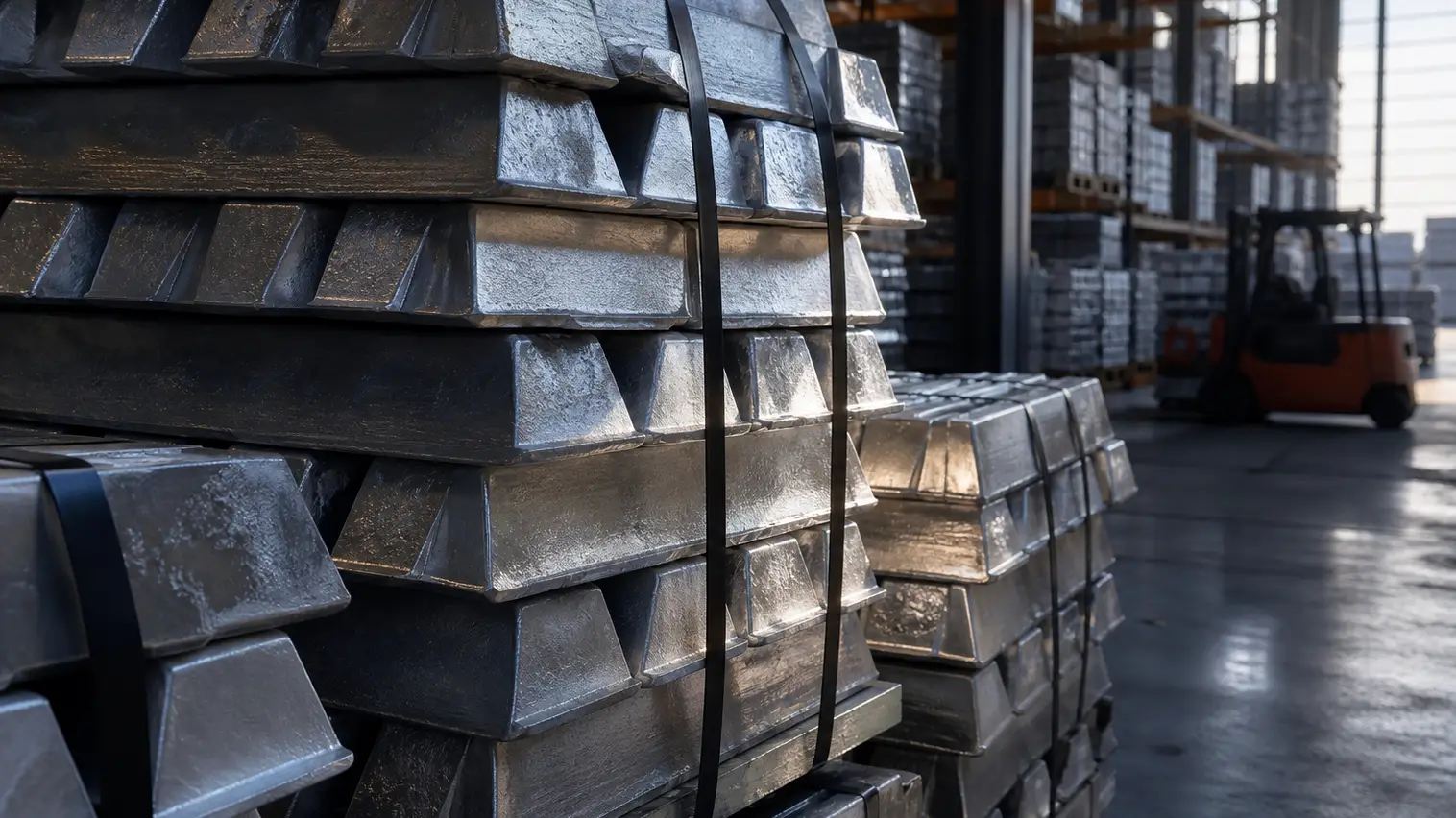
Zinc moved back into focus in the metals market on Thursday as nearby supply tightness helped cushion prices against a stronger US dollar, elevated Treasury yields and a broader risk-off tone across commodities. The metal held near the upper end of its recent range, with traders watching whether tight prompt availability can keep offsetting pressure from higher financing costs.
The move comes as fresh metals news flow outpaced the forex tape for commodity investors, with base metals reacting to China’s post-holiday return, shifting warehouse signals and a stronger macro headwind from the dollar. Zinc’s price action stood out because it remains supported by physical-market indicators even as several industrial metals struggled to extend gains.
Zinc has been underpinned by signs of tight immediate availability, with the cash market continuing to command a premium over forward contracts. That backwardation signals that buyers are still willing to pay more for nearby units, a structure often associated with short-term supply stress, low deliverable stocks or urgent restocking demand.
Spot-market tightness is especially important for zinc because the metal is widely used in galvanizing steel, making it sensitive to construction, infrastructure and industrial demand signals. While the broader growth outlook remains uneven, the physical zinc market has not yet shown the type of surplus conditions that would normally weaken the curve decisively.
Supply-side headlines have also kept traders cautious about becoming too bearish. Mine output trends have been mixed, and reduced production from some major producers earlier in the year has kept attention on concentrate availability. Even where refined demand is not accelerating sharply, constrained supply can leave zinc vulnerable to short-covering rallies when inventories fall or cancelled warrants rise.
The main obstacle for zinc bulls is the macro backdrop. A firm US dollar makes dollar-priced metals more expensive for non-US buyers, while high Treasury yields increase the opportunity cost of holding commodities. That combination has already weighed on precious metals and has limited follow-through in parts of the base-metals complex.
Oil’s rebound has added another layer of pressure by reviving inflation concerns and keeping bond markets defensive. For metals traders, that matters because higher energy costs can support production costs, but they can also harden expectations that central banks will stay restrictive for longer. Zinc is therefore being pulled between physical tightness and a less friendly financial environment.
That tension explains why the market has been reluctant to chase zinc aggressively higher despite supportive nearby spreads. Momentum buyers may want confirmation that prices can hold above recent resistance while the dollar remains firm. Without that confirmation, rallies risk turning into profit-taking opportunities, especially if industrial demand indicators from China fail to improve after the holiday period.
China’s return from the National Day break is a key near-term test for zinc because the country remains central to refined metals consumption. Traders are watching whether restocking demand broadens beyond the first post-holiday sessions and whether steel-sector activity can improve after recent margin pressure.
If Chinese buyers step back in with stronger physical demand, zinc could continue to trade with a firmer tone even in the face of dollar strength. A sustained move higher would likely require both resilient spot premiums and evidence that end-user consumption is improving rather than simply reflecting short-term restocking.
On the downside, a break in nearby tightness would weaken one of zinc’s most important supports. If warehouse availability improves while yields remain elevated, the market could quickly shift from a supply-tightness story to a macro-pressure story. That would leave zinc exposed to a deeper correction alongside other cyclical metals.
For now, zinc’s message to the metals market is balanced but constructive: physical conditions are still tight enough to prevent a clean bearish breakdown, yet the US dollar and Treasury yield backdrop is strong enough to cap enthusiasm. The next directional move will likely depend on whether post-holiday demand confirms the tightness already visible in the front of the curve.
SEPTEMBER 29, 2026
Zinc Futures Fall as China Demand Worries Test Metals Market Tightness
SEPTEMBER 18, 2026
Zinc Futures Squeeze Lifts Metals Market as Lead Inventories Tighten
SEPTEMBER 12, 2026
Zinc Futures Rally Faces Inventory Test as Metals Market Weighs Demand Signals
SEPTEMBER 7, 2026
Zinc Futures Defy Federal Reserve Pressure as Supply Squeeze Tightens Metals Market
SEPTEMBER 1, 2026
Zinc Rally Leads Metals Market as Supply Fears Lift Base Metals
AUGUST 26, 2026
U.S. Zinc Futures Debut Puts Metals Market on Regional Pricing Watch
AUGUST 19, 2026
Zinc Tightness Keeps Metals Market Alert as Inventory Cushion Shrinks
AUGUST 13, 2026
Zinc Tightness Keeps Metals Market Alert as China Demand Caps Rally
AUGUST 6, 2026
Zinc Inventory Draw Keeps Metals Market Focused on China Supply and US Dollar Risk
JULY 31, 2026
Zinc Rally Puts Metals Traders on Alert as LME Stocks Slide After US Dollar Pullback
JULY 22, 2026
Nickel and Zinc Join Metals Rally as China Supply Signals Revive Risk Appetite
JULY 4, 2026
Silver and Zinc Lead Broad Metals Rally as Dollar Weakness Extends Holiday Bounce
JULY 1, 2026
Copper Leads Metals Lower as Tariff Uncertainty Hits Aluminum and Zinc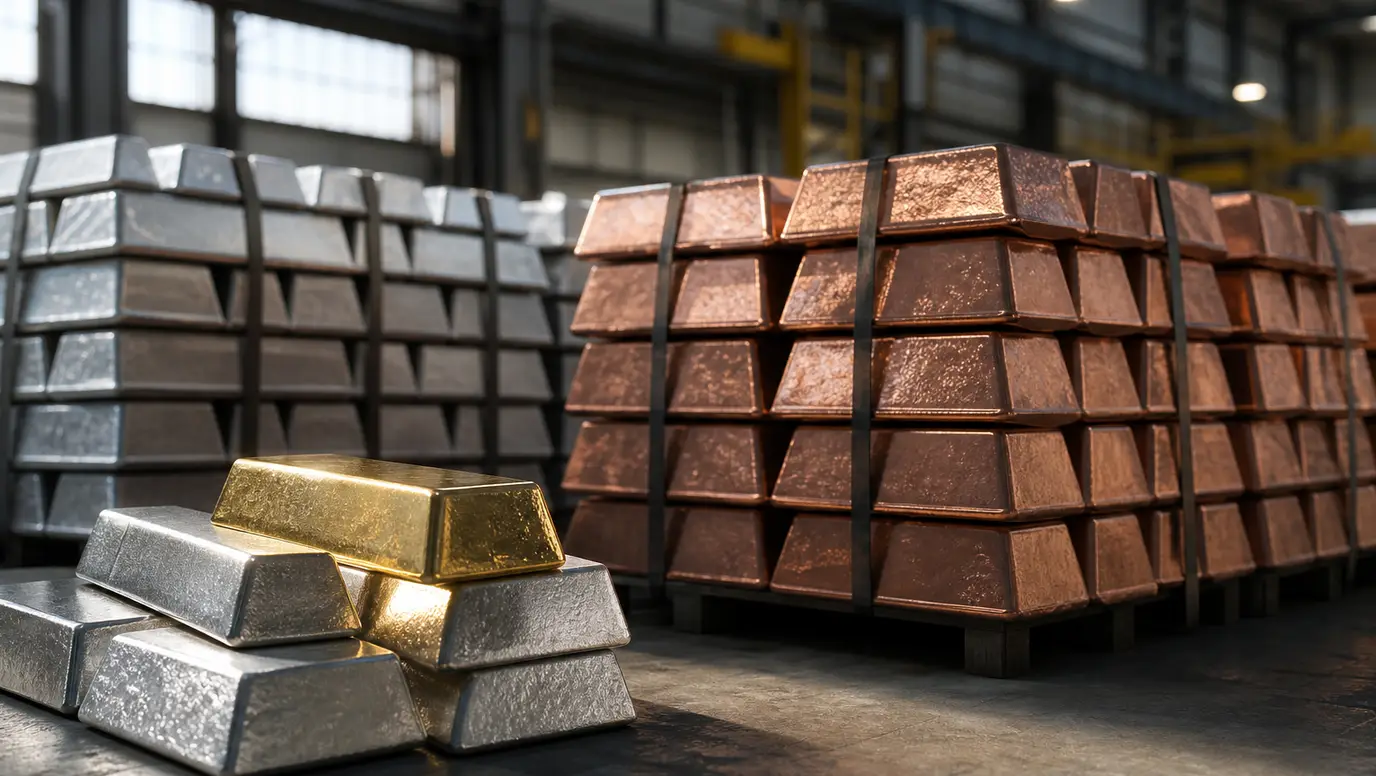
JUNE 27, 2026
Zinc Bounce Masks Gold and Silver Weekly Slump as Metals Market Splits on Fed Risk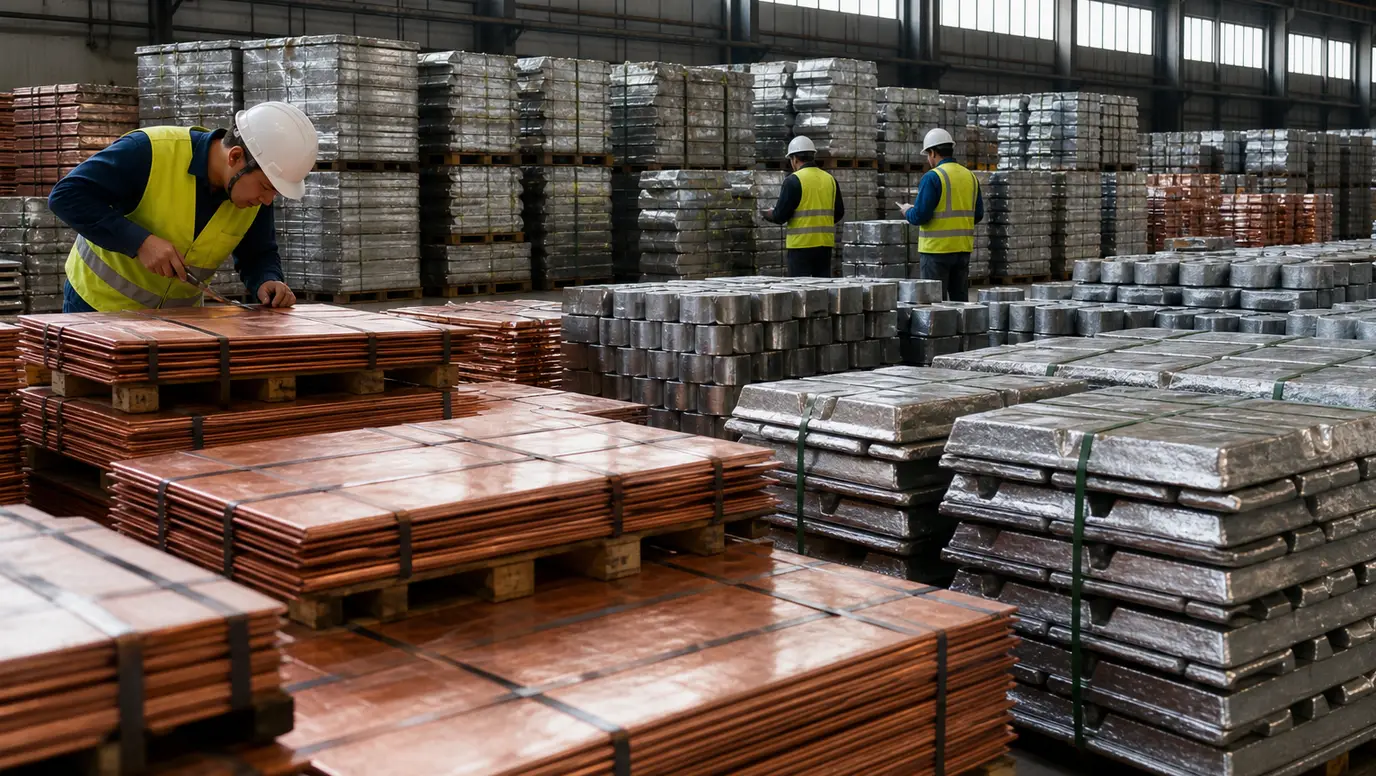
JUNE 26, 2026
Base Metals Reverse Early Rally as Copper, Nickel and Zinc Drag Metals Market Lower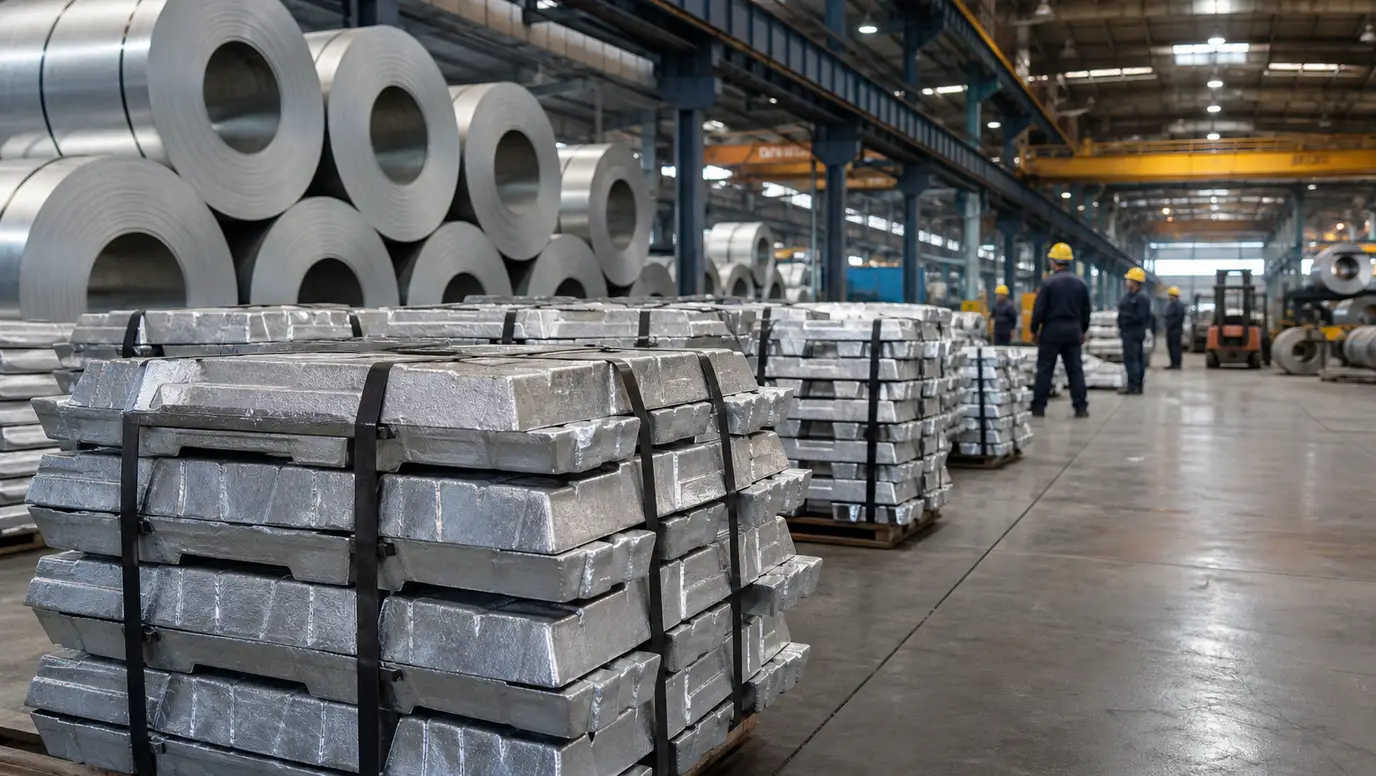
JUNE 4, 2026
Zinc Breakout Moves to Center of Metals Market as Copper Rally Cools