OCTOBER 8, 2026
Zinc Metals Tightness Faces US Dollar and Treasury Yield TestZinc stays firm as tight nearby supply offsets a stronger dollar and elevated Treasury yields in the metals market.

© 1box.site 2026
OCTOBER 13, 2026
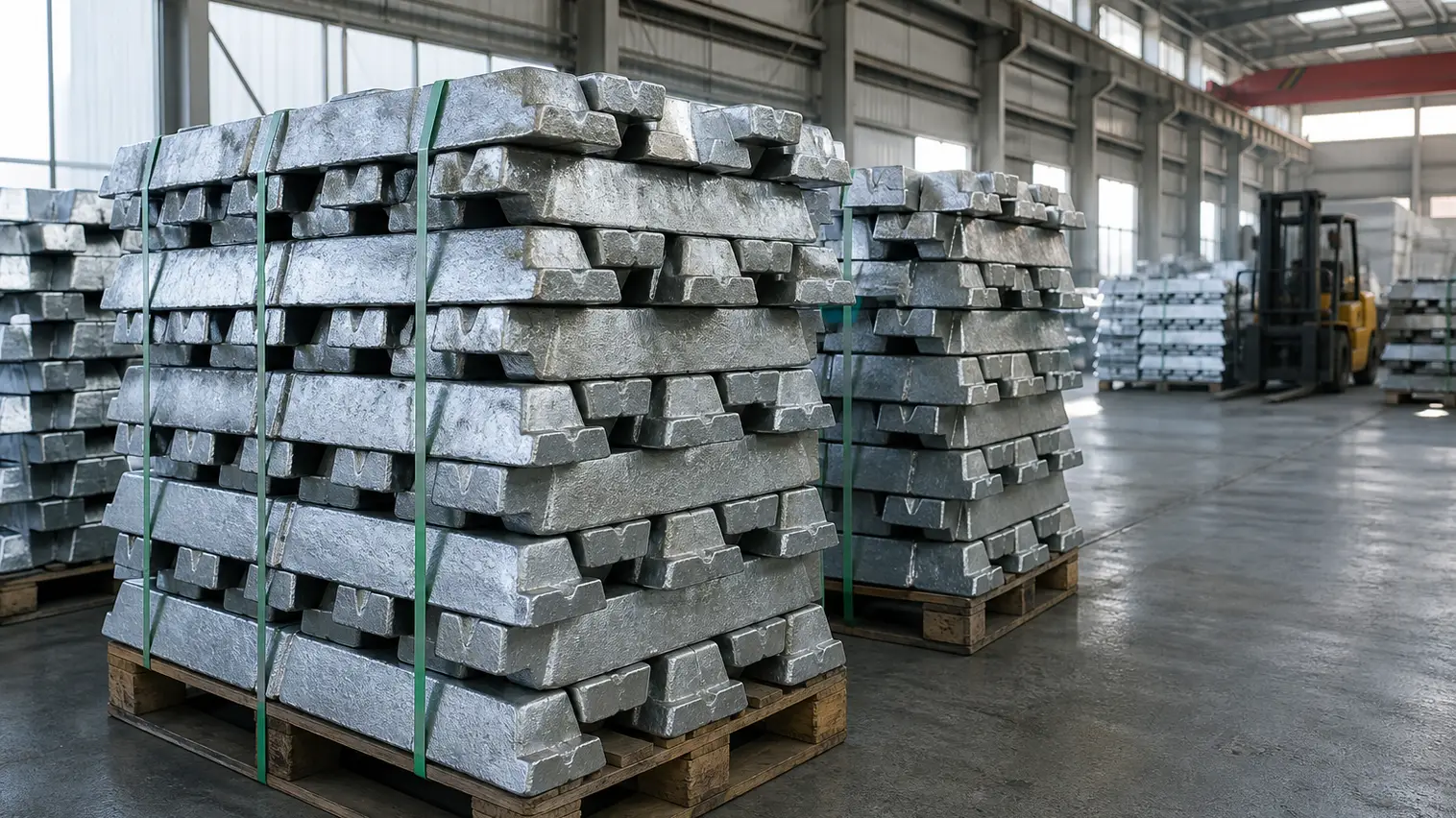
Zinc moved to the defensive side of the metals market on Tuesday as a sharp rise in exchange inventories and a firm US dollar undercut sentiment across base metals. The move stood out in a busy commodities session because it combined a direct supply signal with broader macro pressure before key US inflation data.
London zinc prices were reported lower after exchange stocks increased by about 6,000 tonnes to roughly 132,850 tonnes, a level described by market trackers as the highest since mid-2025. The inventory build gave bears a fresh argument that nearby availability is improving, even as longer-term mine supply and smelter economics remain uneven.
The latest stock increase matters because zinc often reacts sharply to visible warehouse changes. Rising inventories can suggest weaker spot demand, softer physical offtake, or improved deliveries into exchange sheds. For traders, that reduces the urgency to pay higher prices for prompt metal and can flatten bullish momentum after previous rallies.
Shanghai zinc also traded lower, reinforcing the impression that the pressure was not limited to one venue. The weakness came as other base metals produced mixed signals, with copper steadier but aluminum, nickel and tin struggling to gain traction. That pattern points to selective pressure rather than a single broad liquidation across the whole metals complex.
The US dollar remains a central driver for dollar-priced metals. A stronger greenback makes commodities more expensive for buyers using other currencies and can discourage speculative buying. With traders waiting for US consumer and producer inflation figures, zinc buyers appeared reluctant to chase prices before receiving a clearer signal on Federal Reserve policy risk.
Higher-for-longer rate expectations would be a headwind for industrial metals because they can strengthen the dollar, lift financing costs and pressure global manufacturing sentiment. Zinc is especially sensitive to construction, galvanizing and infrastructure demand, making it vulnerable when investors question the pace of industrial activity in China, Europe and the United States.
The next test for zinc is whether the inventory build proves temporary or becomes a trend. If exchange stocks keep rising, traders may view rallies as selling opportunities until physical premiums or downstream orders show improvement. A reversal in warehouse inflows, by contrast, could quickly rebuild confidence that current prices are attracting real demand.
For now, the metals market is treating zinc as one of the more exposed base metals heading into the inflation data window. A softer dollar and stable risk appetite could limit downside, but fresh stock additions would keep the market focused on supply availability rather than recovery hopes.
OCTOBER 8, 2026
Zinc Metals Tightness Faces US Dollar and Treasury Yield Test
SEPTEMBER 29, 2026
Zinc Futures Fall as China Demand Worries Test Metals Market Tightness
SEPTEMBER 18, 2026
Zinc Futures Squeeze Lifts Metals Market as Lead Inventories Tighten
SEPTEMBER 12, 2026
Zinc Futures Rally Faces Inventory Test as Metals Market Weighs Demand Signals
SEPTEMBER 7, 2026
Zinc Futures Defy Federal Reserve Pressure as Supply Squeeze Tightens Metals Market
SEPTEMBER 1, 2026
Zinc Rally Leads Metals Market as Supply Fears Lift Base Metals
AUGUST 26, 2026
U.S. Zinc Futures Debut Puts Metals Market on Regional Pricing Watch
AUGUST 19, 2026
Zinc Tightness Keeps Metals Market Alert as Inventory Cushion Shrinks
AUGUST 13, 2026
Zinc Tightness Keeps Metals Market Alert as China Demand Caps Rally
AUGUST 6, 2026
Zinc Inventory Draw Keeps Metals Market Focused on China Supply and US Dollar Risk
JULY 31, 2026
Zinc Rally Puts Metals Traders on Alert as LME Stocks Slide After US Dollar Pullback
JULY 22, 2026
Nickel and Zinc Join Metals Rally as China Supply Signals Revive Risk Appetite
JULY 4, 2026
Silver and Zinc Lead Broad Metals Rally as Dollar Weakness Extends Holiday Bounce
JULY 1, 2026
Copper Leads Metals Lower as Tariff Uncertainty Hits Aluminum and Zinc
JUNE 27, 2026
Zinc Bounce Masks Gold and Silver Weekly Slump as Metals Market Splits on Fed Risk
JUNE 26, 2026
Base Metals Reverse Early Rally as Copper, Nickel and Zinc Drag Metals Market Lower
JUNE 4, 2026
Zinc Breakout Moves to Center of Metals Market as Copper Rally Cools