
NOVEMBER 14, 2026
Tin Metals Market Tightens as LME Premium Defies US Dollar and Federal Reserve PressureTin leads metals market focus as a sharp LME cash premium and low stocks offset dollar strength, Fed risks and cautious electronics demand.

© 1box.site 2026
NOVEMBER 15, 2026
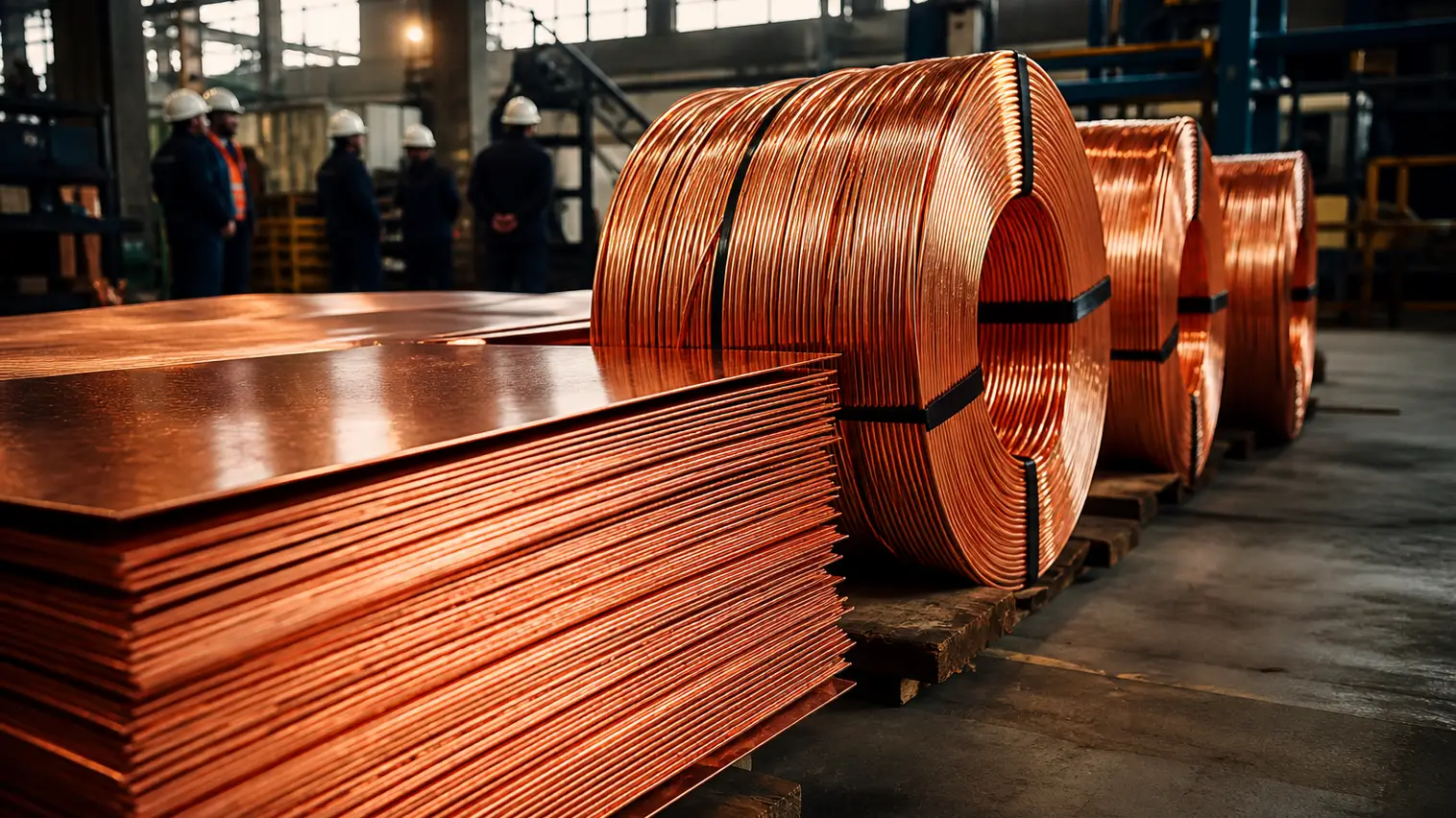
Copper moved back into the center of the metals market this weekend as traders weighed a sharp macro reset against still-tight pockets of physical supply. The red metal has been trading near its weakest levels in roughly four months after a stronger US dollar, higher Treasury yields and renewed expectations for another Federal Reserve rate increase reduced investor appetite for cyclical commodities.
The latest pressure follows a run of firmer US inflation data that has pushed markets toward a more hawkish interest-rate outlook. For copper, the shift matters because the metal is priced in dollars and is highly sensitive to changes in global growth expectations. A firmer dollar makes dollar-denominated commodities more expensive for many overseas buyers, while higher real yields can draw capital away from non-income-producing assets and industrial raw materials.
Three-month copper recently hovered around the high $13,000-per-ton area, well below the peaks seen earlier in the year. The retreat has not yet broken the broader structural story built around electrification, grid expansion and data-center construction, but it has forced traders to reassess how much near-term demand strength is already priced into the market.
The immediate driver is less about a collapse in end-use demand and more about the speed of the repricing in rates. Hotter inflation has revived the view that the Federal Reserve may need to keep policy restrictive for longer, or even tighten again if price pressures fail to cool. That has supported the US dollar and made metals bulls more cautious heading into the next round of central-bank communication.
Copper has been caught between two competing narratives. On one side, long-term demand remains tied to power grids, electric vehicles, renewable infrastructure, automation and artificial intelligence-related energy needs. On the other, the market is being asked to discount the possibility that higher borrowing costs slow construction, manufacturing orders and speculative inventory building.
That tension has encouraged funds to reduce exposure after a strong multi-month advance. Short-term traders have also reacted to weakness across technology and AI-linked equities, where questions about capital spending discipline have spilled into commodities tied to data-center expansion. Copper is not an AI stock, but the market has increasingly treated it as one of the physical inputs behind the electrification and power-hungry computing theme.
The result is a more fragile tape. Rallies have been met with selling when the dollar firms, while dips have attracted selective buying from participants who still see structural deficits developing over the medium term. This two-way flow suggests copper is entering a consolidation phase rather than a simple trend reversal, though momentum remains tilted lower until the macro backdrop stabilizes.
Rising visible inventories have added another layer of pressure. Exchange-monitored copper stocks climbed in recent weeks, easing some of the urgency that supported prices during earlier supply scares. When inventories rise while the dollar is strengthening, traders often demand a clearer demand signal before rebuilding long positions.
Even so, the physical market is not sending a fully bearish message. Short-dated copper spreads have remained firm in places, indicating that nearby supply is not uniformly abundant. This is why the current pullback has been uneven: financial traders are selling the macro headwinds, while some physical buyers are watching for opportunities created by the correction.
Smelter economics also remain a key part of the copper story. Concentrate availability has been tight for much of the year, and the market continues to monitor whether mine supply can keep pace with refined demand. If concentrate stress persists, any sustained fall in prices could eventually collide with production constraints, limiting downside unless global consumption weakens more noticeably.
China remains another critical variable. The market is looking for evidence that manufacturing activity, grid spending and property-related metals demand can absorb higher refined output and inventory flows. Without a stronger China impulse, copper may struggle to reclaim its previous highs, especially while US rates and the dollar remain elevated.
For the week ahead, traders are watching whether copper can hold the recent support zone near the mid-to-high $13,000-per-ton range. A sustained break lower would risk inviting additional fund selling and could shift attention toward the next major technical support area. A recovery back above recent breakdown levels would suggest that the market has absorbed the rate shock and is returning to the longer-term supply-demand theme.
The Federal Reserve path is likely to remain the decisive macro input. If policymakers reinforce expectations for another rate increase, copper may continue to face headwinds from the dollar and yields. If incoming data soften or officials signal a more patient stance, the metal could rebound quickly because long-term demand narratives remain intact.
For now, the copper metals market is trading like a commodity caught between a powerful future-demand story and an uncomfortable present-rate environment. The long-term case built on electrification has not disappeared, but near-term buyers may need confirmation from inventories, China demand and Federal Reserve guidance before treating the latest dip as a durable turning point.
NOVEMBER 14, 2026
Tin Metals Market Tightens as LME Premium Defies US Dollar and Federal Reserve Pressure
NOVEMBER 12, 2026
Silver Metals Market Holds Near $52 as US Dollar and Federal Reserve Bets Test Bulls
NOVEMBER 11, 2026
US Dollar Forex Rally Sends Swiss Franc Lower as Federal Reserve Hike Bets Build
NOVEMBER 10, 2026
Copper Metals Market Holds Above $14,000 as Tight Supply Offsets Stronger Dollar
NOVEMBER 10, 2026
Euro Forex Market Slips as Hot US CPI Revives US Dollar and Federal Reserve Hike Bets
NOVEMBER 8, 2026
Gold Metals Market Defends $4,000 as US Dollar and Treasury Yields Revive Federal Reserve Risk
NOVEMBER 7, 2026
Silver Holds Near $52 in Metals Market as Stronger US Dollar Tests Precious Metals Rally
NOVEMBER 4, 2026
Copper Futures Slide in Metals Market as Inventory Builds Test China Supply Premiums
NOVEMBER 2, 2026
Gold and Silver Metals Market Rebounds as Softer Oil Eases Federal Reserve Rate Fears
OCTOBER 29, 2026
Copper Metals Market Holds Near Two-Week High as China Premium and US Dollar Shape Squeeze
OCTOBER 29, 2026
US Dollar Forex Holds Firm as Fed Pause Puts Euro and GDP Data in Focus
OCTOBER 28, 2026
Gold Metals Market Holds Near $4,030 as ETF Demand Buffers Federal Reserve and US Dollar Pressure
OCTOBER 28, 2026
Euro Forex Slides Toward $1.11 as Fed and ECB Decisions Put Dollar in Control
OCTOBER 27, 2026
Silver Metals Market Falls Toward $53 as US Dollar and Federal Reserve Risk Pressure Bulls
OCTOBER 25, 2026
Palladium Metals Market Tests $1,050 as Platinum Premium Widens Before Federal Reserve Week
OCTOBER 25, 2026
Japanese Yen Forex Rebounds as USD/JPY Nears 157 Before Fed and Bank of Japan Decisions
OCTOBER 24, 2026
Zinc Metals Market Leads Base-Metal Rebound as Dollar Risk Meets Inventory Build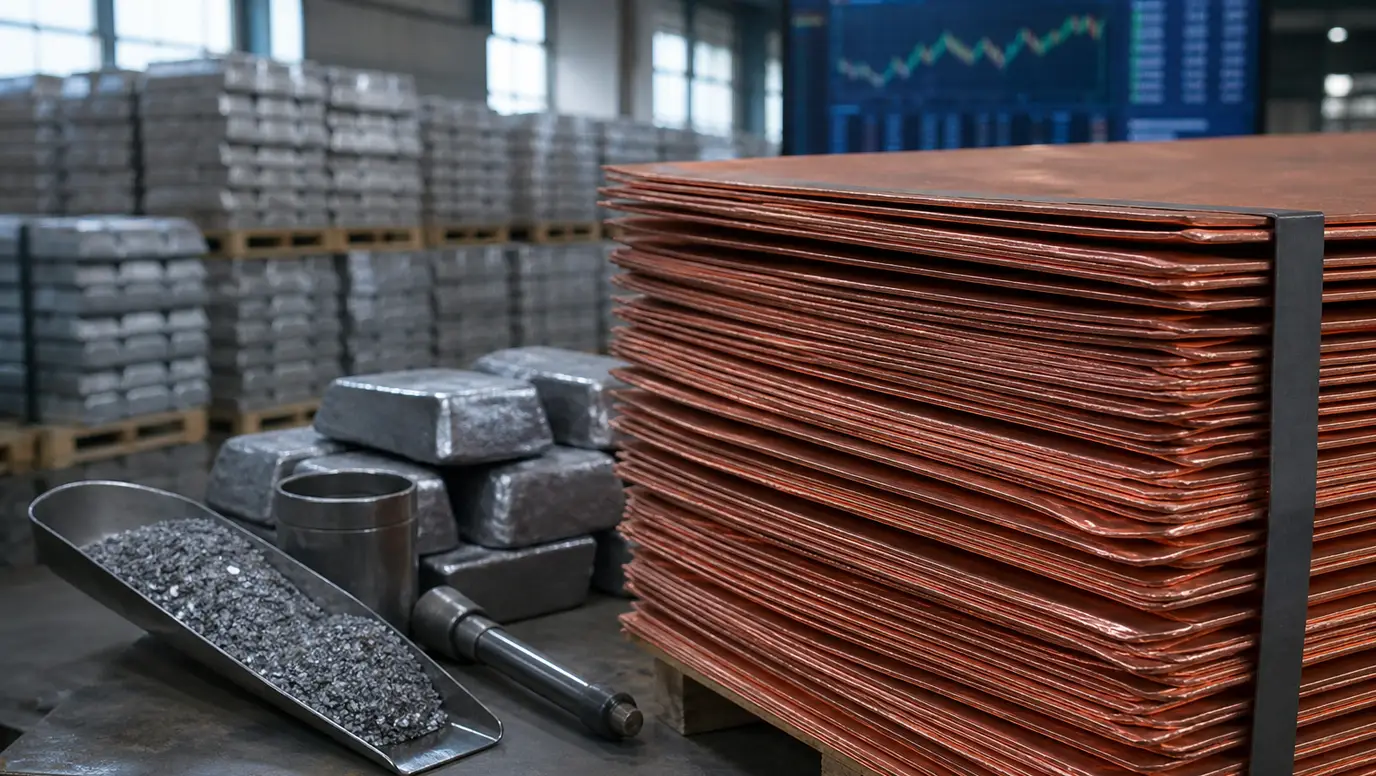
OCTOBER 23, 2026
Copper Metals Market Rebounds as Nickel Slips on Indonesia Cut Watch
OCTOBER 21, 2026
Silver Metals Market Slips as US Dollar and Treasury Yields Revive Federal Reserve Risk
OCTOBER 20, 2026
Australian Dollar Forex Eyes 0.70 as China Growth and Fed Pause Bets Lift AUD/USD
OCTOBER 20, 2026
Tin Metals Market Holds Above $50,000 as Inventory Draws Offset Dollar Risk
OCTOBER 19, 2026
Platinum and Palladium Metals Market Rallies as Federal Reserve Pause Bets Return
OCTOBER 18, 2026
Copper Metals Market Holds Near Record as Tight Stocks Offset Federal Reserve Shock
OCTOBER 16, 2026
Gold Metals Market Rebounds as US Dollar and Treasury Yields Ease Before Federal Reserve Decision
OCTOBER 15, 2026
Silver Metals Market Tests 2026 Low as Federal Reserve Rate Bets Lift US Dollar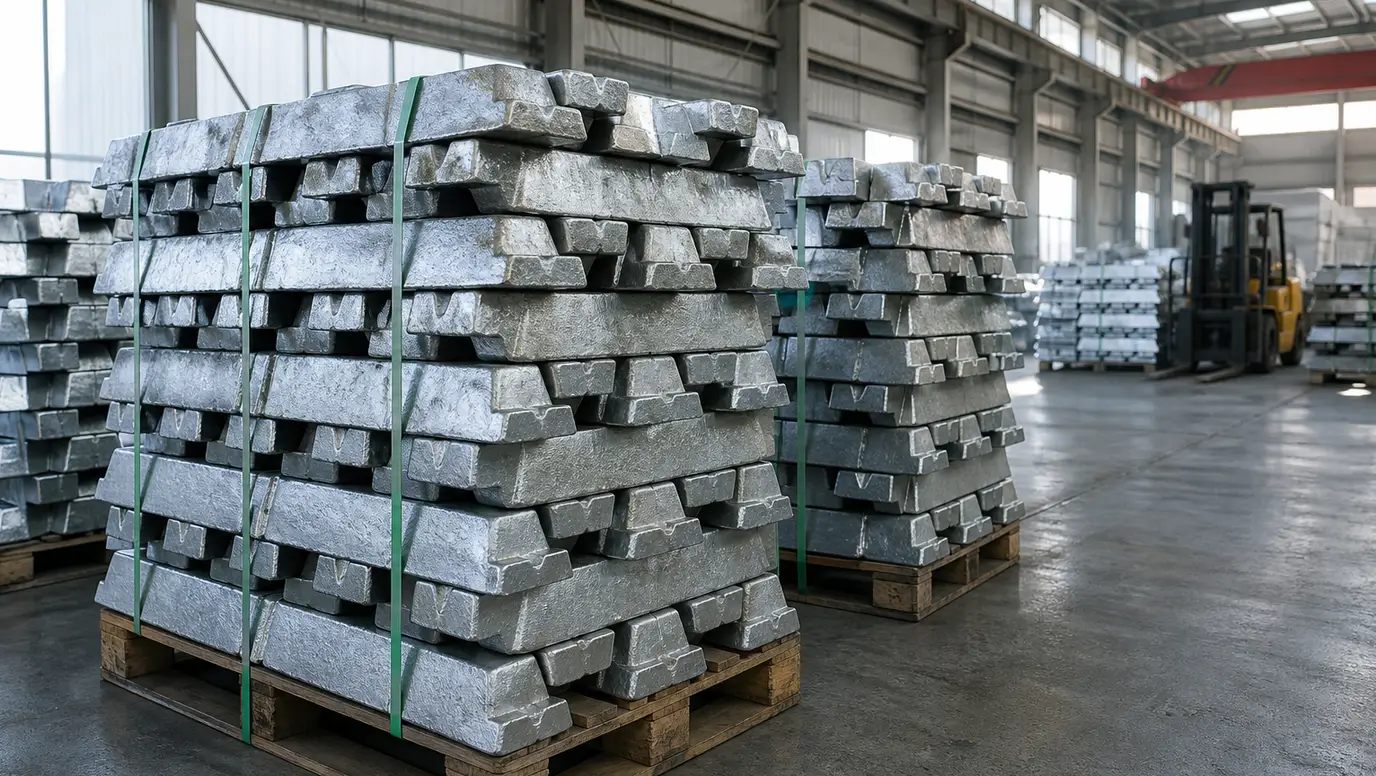
OCTOBER 13, 2026
Zinc Metals Market Falls as LME Stock Jump and US Dollar Pressure Base Metals
OCTOBER 12, 2026
Copper Metals Market Rises as China Premium and Tight LME Stocks Challenge US Dollar
OCTOBER 11, 2026
Gold Metals Market Braces for Federal Reserve Test as US Dollar and Treasury Yields Bite
OCTOBER 10, 2026
Palladium Metals Market Slips as Auto Demand and US Dollar Pressure Deepen Surplus Worries
OCTOBER 8, 2026
Zinc Metals Tightness Faces US Dollar and Treasury Yield Test