
NOVEMBER 2, 2026
Gold and Silver Metals Market Rebounds as Softer Oil Eases Federal Reserve Rate FearsGold and silver rebound as softer oil prices calm inflation fears, leaving metals traders focused on Federal Reserve signals and U.S. data.

© 1box.site 2026
NOVEMBER 7, 2026
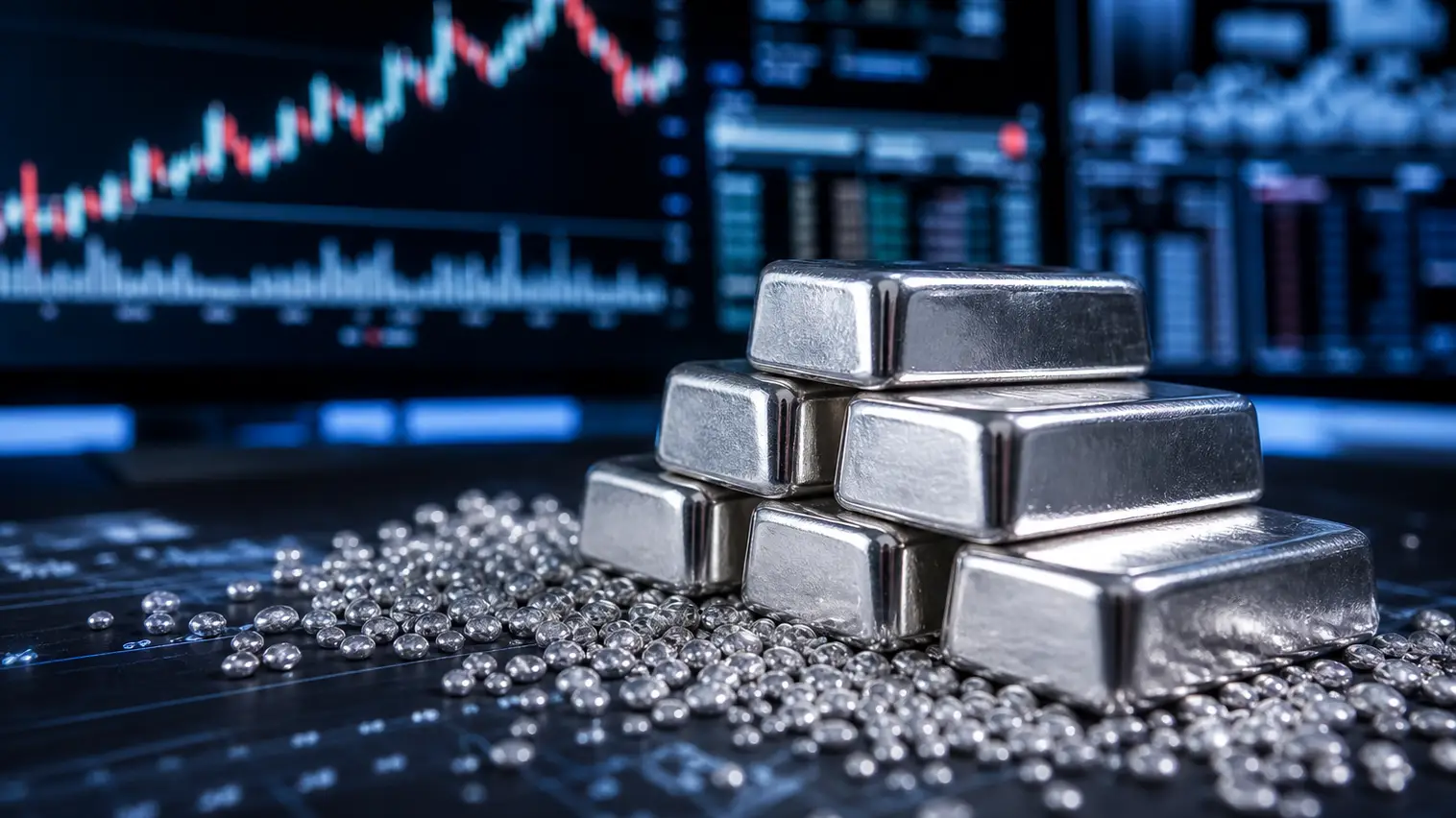
Silver remained close to the $52 an ounce area in the metals market as traders weighed a firmer US Dollar against resilient demand signals across precious metals. The move kept silver near multi-year highs after a volatile week in which lower yields, political uncertainty and renewed safe-haven interest helped bullion-linked contracts recover from an earlier correction.
Gold also stayed elevated near the $4,055 an ounce region, but silver drew fresh attention because its rally is being supported by both monetary and industrial themes. Investors are still treating precious metals as a hedge against policy uncertainty, while manufacturers continue to monitor availability for solar, electronics and battery-linked demand.
The latest trading tone suggests that the precious metals rally is not one-way. A stronger US Dollar has made dollar-priced metals more expensive for overseas buyers, limiting aggressive follow-through even as silver holds a constructive technical position. That currency pressure is especially important after the recent post-election slide in the dollar helped lift gold and silver earlier in the week.
Treasury yields remain another key driver. Any renewed rise in real yields would challenge non-yielding assets such as silver and gold, particularly if traders reassess the Federal Reserve path after stronger labor-market signals. For now, the market appears to be balancing rate-risk caution with persistent demand for portfolio protection.
Physical demand is helping to keep silver supported. India’s easing import channel is expected to increase available supply for local buyers into the coming months, but the move also highlights how strong underlying appetite remains after a period of constrained flows. Even if not all import allocations are used immediately, the policy shift has reinforced silver’s role as a key metal for both investment and fabrication demand.
Across the wider metals complex, tight nearby futures spreads in several industrial contracts are also keeping attention on supply risk. That backdrop matters for silver because it trades as both a precious metal and an industrial input. When base-metal supply indicators tighten, silver often benefits from the broader narrative of constrained availability across raw materials.
The next test for silver is whether it can defend the $50 area if the US Dollar continues to rebound. A sustained break above the recent highs would likely require either another decline in yields, stronger safe-haven flows, or fresh evidence that physical demand is absorbing higher prices.
For metals traders, the setup remains supportive but sensitive. Silver’s ability to stay near $52 despite currency headwinds suggests buyers are still active, yet the pace of gains may slow if the dollar strengthens further. Until clearer Federal Reserve signals emerge, precious metals are likely to trade on a mix of macro volatility, physical demand and cross-market risk appetite.
NOVEMBER 2, 2026
Gold and Silver Metals Market Rebounds as Softer Oil Eases Federal Reserve Rate Fears
OCTOBER 29, 2026
Copper Metals Market Holds Near Two-Week High as China Premium and US Dollar Shape Squeeze
OCTOBER 28, 2026
Gold Metals Market Holds Near $4,030 as ETF Demand Buffers Federal Reserve and US Dollar Pressure
OCTOBER 27, 2026
Silver Metals Market Falls Toward $53 as US Dollar and Federal Reserve Risk Pressure Bulls
OCTOBER 24, 2026
Zinc Metals Market Leads Base-Metal Rebound as Dollar Risk Meets Inventory Build
OCTOBER 21, 2026
Silver Metals Market Slips as US Dollar and Treasury Yields Revive Federal Reserve Risk
OCTOBER 20, 2026
Tin Metals Market Holds Above $50,000 as Inventory Draws Offset Dollar Risk
OCTOBER 16, 2026
Gold Metals Market Rebounds as US Dollar and Treasury Yields Ease Before Federal Reserve Decision
OCTOBER 15, 2026
Silver Metals Market Tests 2026 Low as Federal Reserve Rate Bets Lift US Dollar
OCTOBER 13, 2026
Zinc Metals Market Falls as LME Stock Jump and US Dollar Pressure Base Metals
OCTOBER 12, 2026
Copper Metals Market Rises as China Premium and Tight LME Stocks Challenge US Dollar
OCTOBER 11, 2026
Gold Metals Market Braces for Federal Reserve Test as US Dollar and Treasury Yields Bite
OCTOBER 10, 2026
Palladium Metals Market Slips as Auto Demand and US Dollar Pressure Deepen Surplus Worries
OCTOBER 9, 2026
Silver Rebound Tests Metals Market as Treasury Yields Cap XAG Demand
OCTOBER 8, 2026
Zinc Metals Tightness Faces US Dollar and Treasury Yield Test
OCTOBER 7, 2026
Aluminum Rebound Tests Metals Market as Dollar Strength and China Lull Cap Buyers
OCTOBER 2, 2026
Silver Holds Above $61 as Dollar and Treasury Yields Keep Metals Market on Payrolls Watch
SEPTEMBER 26, 2026
Silver Futures Rebound as Treasury Yield Pause Tests Metals Market Bears
SEPTEMBER 21, 2026
Silver Futures Hold Above $66 as Federal Reserve Hike Tests Metals Market Rally
SEPTEMBER 14, 2026
Silver Rebound Puts Metals Market on Federal Reserve Real-Yield Watch
AUGUST 30, 2026
Silver Breakout Failure Puts Metals Market on Federal Reserve Yield Watch
AUGUST 25, 2026
Silver Pullback Puts Metals Market on $70 Resistance Watch as Inflation Data Looms
AUGUST 18, 2026
Silver Pullback Keeps Metals Market Focus on Federal Reserve Minutes
AUGUST 9, 2026
Silver Rebound Puts Metals Market on Deficit Watch as Federal Reserve Risk Eases
AUGUST 6, 2026
Zinc Inventory Draw Keeps Metals Market Focused on China Supply and US Dollar Risk
AUGUST 3, 2026
Copper Rebound Puts Metals Market on US Dollar Watch as Supply Tightness Offsets Demand Caution
AUGUST 1, 2026
Silver Slide Puts Metals Market on Fed Watch as US Dollar Reasserts Pressure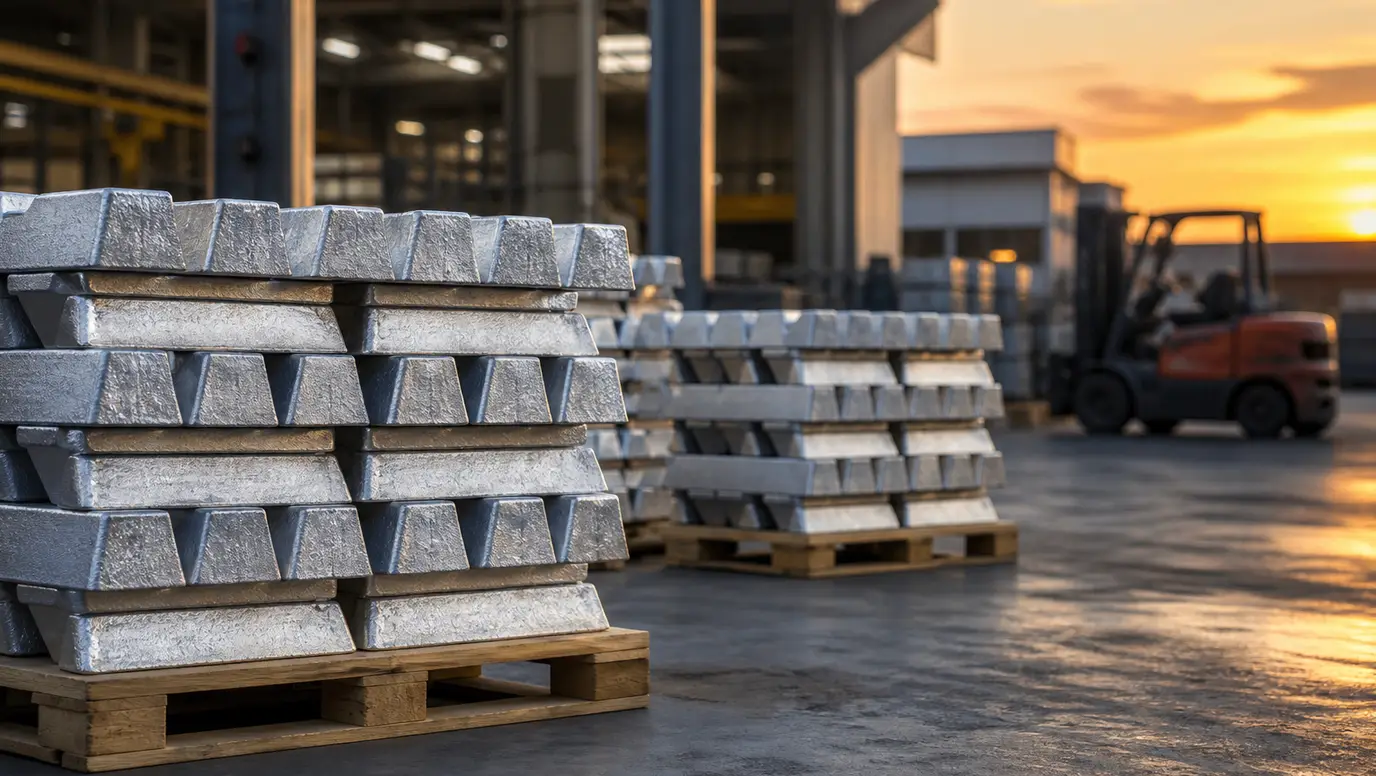
JULY 31, 2026
Zinc Rally Puts Metals Traders on Alert as LME Stocks Slide After US Dollar Pullback
JULY 26, 2026
Gold and Silver Hold Firm as Metals Traders Brace for Federal Reserve Signal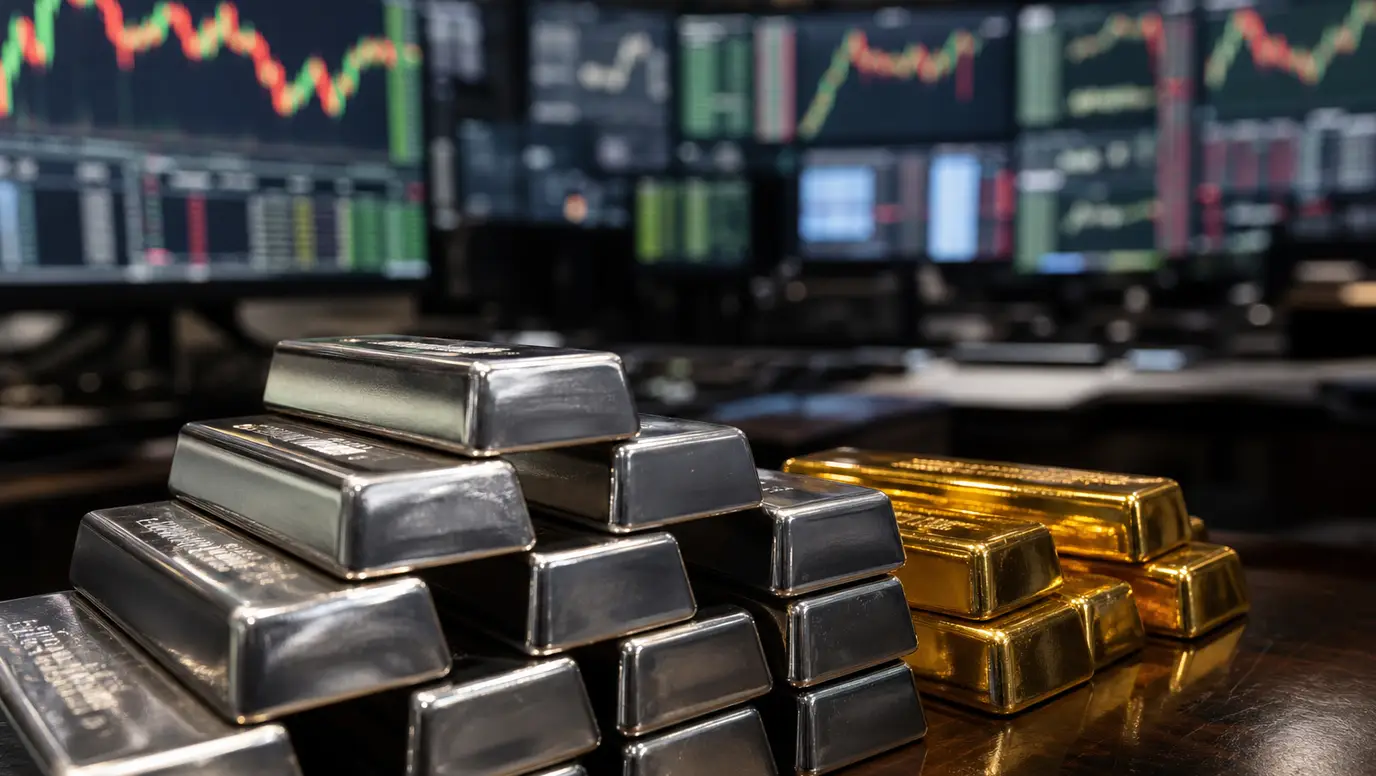
JULY 20, 2026
Silver Leads Metals as Gold Stalls Near $4,000 on Oil-Driven Inflation Risk