OCTOBER 13, 2026
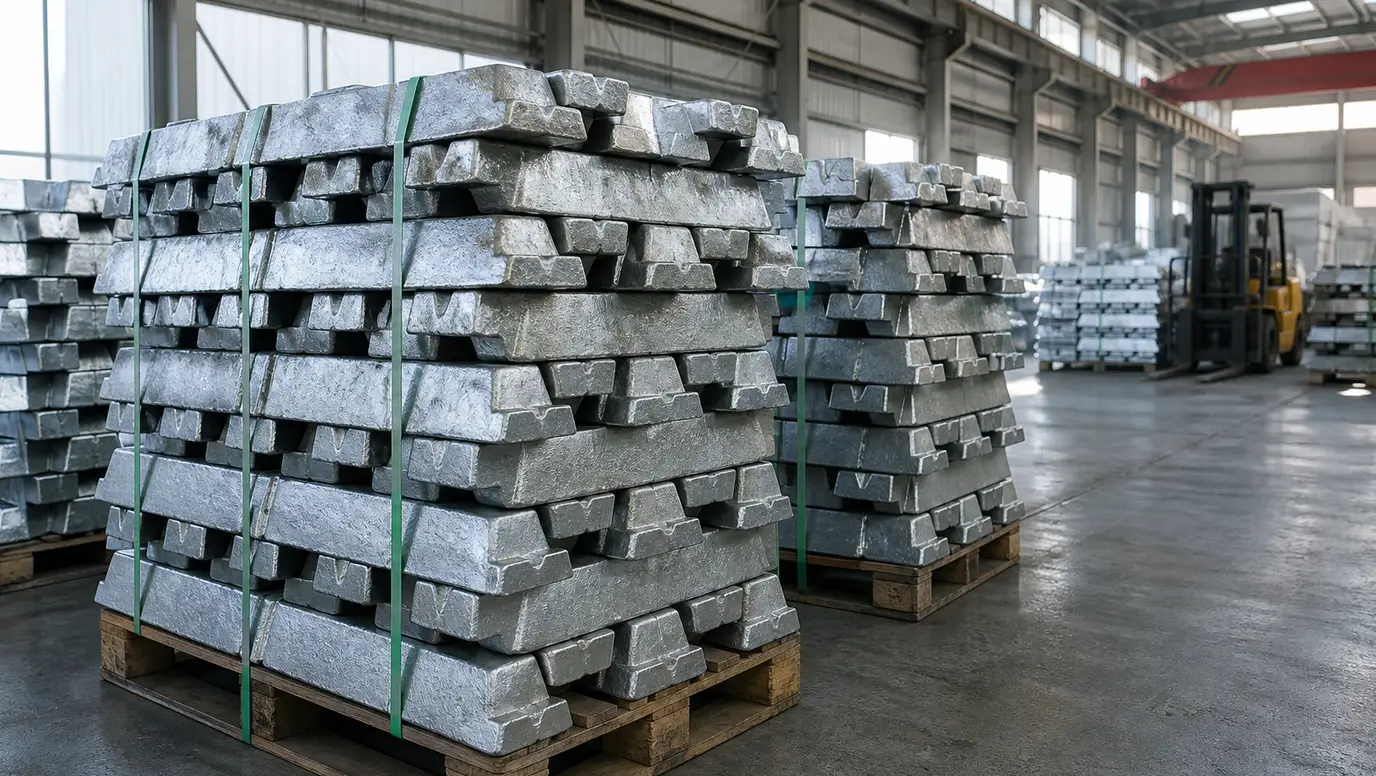
Zinc Metals Market Falls as LME Stock Jump and US Dollar Pressure Base MetalsZinc weakens as LME inventories rise, the US dollar stays firm and traders reassess base metals demand before US inflation data.

© 1box.site 2026

OCTOBER 12, 2026
Copper moved higher on Monday, keeping the metals market focused on a fresh mix of Chinese demand signals, tight exchange availability outside the United States and a still-important US Dollar test. The latest move follows a volatile start to October, when traders balanced mine supply risks against concerns that a firmer dollar could slow speculative demand for industrial metals.
US copper futures traded near the upper end of their recent range, extending gains after last week’s rebound. The move kept attention on whether copper can hold momentum after a sharp rally that has already left prices vulnerable to profit-taking. For metals investors, the key question is whether the current advance is being driven by genuine end-user restocking or by regional inventory distortions that may fade if arbitrage conditions change.
China remains the central demand story for copper. A high import premium after the Golden Week holiday pointed to active buying interest from the world’s largest metals consumer, while exchange inventories in Shanghai stayed relatively low even after a recent weekly build. That combination suggests the physical market is not sending a simple bearish message, even as traders remain cautious about China’s property sector and broader manufacturing momentum.
The stronger China premium matters because it reflects the price buyers are willing to pay to bring refined copper into the domestic market. When that premium rises alongside firm futures prices, it can indicate that physical users are competing for supply rather than merely watching a financial rally from the sidelines. Copper bulls are also drawing support from longer-term demand themes, including grid investment, electrification, electric vehicles and data center construction.
Still, the demand picture is not risk-free. If China’s post-holiday restocking slows or if factory data disappoints, copper could quickly lose part of its recent premium. Traders are likely to watch import flows, Shanghai warehouse changes and the next round of Chinese activity indicators for confirmation that buying interest is broad enough to support prices near elevated levels.
Visible copper inventories remain unevenly distributed across global exchanges. A large share of exchange-monitored metal has been concentrated in the United States, leaving the London and Asian physical markets more sensitive to withdrawals and nearby delivery demand. That split has made headline inventory totals less useful as a standalone signal for the copper market.
Recent LME warehouse drawdowns have added to the sense of tight nearby supply. The cash-to-three-month spread has also reflected tighter availability at times, with nearby metal commanding a premium over later delivery. In practical terms, that means some buyers have been willing to pay more for immediate access, a classic sign that the physical market is under stress even when global inventory numbers do not look historically low.
Supply risk is another support factor. Mine disruptions, contract negotiations and concentrate tightness have kept the upstream copper market in focus. Any fresh interruption at a major mine would likely increase pressure on smelters and reinforce expectations that refined copper supply could remain constrained into the coming quarters.
The US Dollar remains the main macro obstacle for copper. A stronger dollar can make dollar-denominated metals more expensive for overseas buyers, while higher Treasury yields can reduce appetite for non-yielding and cyclical commodities. That is why copper’s rally is being watched not only through warehouse data, but also through Federal Reserve expectations and the direction of the dollar index.
If the dollar softens and China demand remains firm, copper could retest recent highs as funds rebuild long exposure across the metals complex. If the dollar strengthens again, the market may struggle to extend gains even with tight physical signals. For now, copper is trading as one of the clearest tests of whether industrial demand and supply constraints can outweigh macro pressure.
The near-term setup remains constructive but fragile. Tight LME availability, a stronger China import premium and mine supply concerns give copper a bullish foundation. However, elevated prices leave the metal exposed to abrupt pullbacks if traders see weaker demand data, a stronger US Dollar or signs that regional inventory stress is easing.
OCTOBER 13, 2026
Zinc Metals Market Falls as LME Stock Jump and US Dollar Pressure Base Metals
OCTOBER 13, 2026
Japanese Yen Forex Rebounds as Bank of Japan Price Data Checks US Dollar Rally
OCTOBER 12, 2026
British Pound Forex Holds Steady as Bank of England Speakers and US Dollar Test Loom
OCTOBER 11, 2026
Gold Metals Market Braces for Federal Reserve Test as US Dollar and Treasury Yields Bite
OCTOBER 11, 2026
Australian Dollar Faces Reserve Bank of Australia Minutes Test as US Dollar Stays Near 18-Month High
OCTOBER 10, 2026
Iraqi Dinar Devaluation Puts Forex Market on Alert as US Dollar Premium Widens
OCTOBER 10, 2026
Palladium Metals Market Slips as Auto Demand and US Dollar Pressure Deepen Surplus Worries
OCTOBER 8, 2026
Euro Forex Slides as French Debt Stress and Treasury Yields Lift Dollar
OCTOBER 8, 2026
Zinc Metals Tightness Faces US Dollar and Treasury Yield Test
OCTOBER 7, 2026
Japanese Yen Forex Weakens as USD/JPY Tests 158 Before Fed Minutes
OCTOBER 7, 2026
Aluminum Rebound Tests Metals Market as Dollar Strength and China Lull Cap Buyers
OCTOBER 6, 2026
British Pound Forex Steadies as Firm US Dollar and Gilt Yields Cap GBP/USD Bounce
OCTOBER 5, 2026
Australian Dollar Forex Holds Below 70 Cents as Reserve Bank of Australia Hike Meets Firm US Dollar
OCTOBER 4, 2026
Canadian Dollar Forex Slips as U.S. Rate Gap and Flat GDP Keep USD/CAD Near Highs
OCTOBER 2, 2026
Silver Holds Above $61 as Dollar and Treasury Yields Keep Metals Market on Payrolls Watch
SEPTEMBER 30, 2026
Swiss Franc Forex Rebound Tests US Dollar Rally as Federal Reserve Inflation Gauge Cools
SEPTEMBER 22, 2026
Japanese Yen Slides as Dollar Strength and Bank of Japan Doubts Put Forex Market on Intervention Watch
SEPTEMBER 15, 2026
Euro Slides as US Dollar Rally Puts Forex Market on Federal Reserve Watch
SEPTEMBER 11, 2026
Japanese Yen Firms in Forex Market as Bank of Japan Bets Challenge US Dollar Rally
SEPTEMBER 6, 2026
Euro Firms in Forex Market as European Central Bank Decision Sets Up Dollar Test
SEPTEMBER 1, 2026
Swiss Franc Weakens as Forex Market Backs Dollar on Federal Reserve Rate Risk
AUGUST 27, 2026
US Dollar Rebound Tests Forex Market as Hot PCE Revives Fed Rate Risk
AUGUST 21, 2026
Dollar Slide Puts Forex Market on Treasury Yields Watch as Fiscal Fears Spread
AUGUST 20, 2026
Euro Forex Rally Holds as US Dollar Weighs Hawkish Federal Reserve Minutes
AUGUST 19, 2026
Swiss Franc Takes Forex Funding Spotlight as Dollar Rate Gap Stays Wide
AUGUST 18, 2026
Stablecoin Liquidity Squeeze Puts Cryptocurrency Market on US Dollar Rail Watch
AUGUST 13, 2026
US Dollar Drifts as Soft PPI Pulls Treasury Yields Into Federal Reserve Forex Focus
AUGUST 12, 2026
British Pound Rises as Softer US CPI Hits US Dollar and Resets Bank of England Watch
AUGUST 11, 2026
Forex Market: Japanese Yen Weakens as US Dollar Rebound Tests Intervention Risk Before CPI
AUGUST 9, 2026
Swiss Franc Holds Near US Dollar Pivot as SNB Intervention Warning Shapes Forex Market