
NOVEMBER 3, 2026
Aluminum Metals Market Rebounds as China Demand Doubts Meet Tight Supply SignalsAluminum steadies as traders weigh slower China demand, tight supply and dollar moves after a volatile start to November metals trading.

© 1box.site 2026

NOVEMBER 4, 2026
Copper futures moved lower in the metals market as traders reassessed whether the latest inventory build is strong enough to cool one of the year’s most crowded industrial-metal rallies. The pullback has not erased the broader tight-supply narrative, but it has forced short-term buyers to confront a less comfortable mix of rising visible stocks, policy uncertainty and stretched prices near historically elevated levels.
December copper futures recently slipped toward $6.32 per pound after a third consecutive decline, while benchmark three-month copper traded near the $14,000-per-ton area after falling to its weakest level in roughly two and a half months. The move marked a notable change in tone for a market that had spent much of 2026 pricing in mine disruption, strong electrification demand and persistent competition for refined units.
The immediate pressure came from warehouse data showing a sharp increase in available copper stocks. Inventories rose by more than 15,000 tons in the latest reported session, lifting total exchange-held stocks to just under 310,000 tons and extending a November build. For a market that had been supported by fears of scarce refined metal, the stock increase encouraged profit-taking and reduced the urgency to chase prices higher.
The inventory story is complicated rather than outright bearish. Rising warehouse stocks can signal softer spot demand, but they can also reflect regional dislocations, financing flows or metal being repositioned ahead of policy decisions. That distinction matters because copper’s 2026 rally has not been driven by a single demand story. It has combined constrained concentrate supply, lower smelter margins, tariff speculation and heavy long-term demand expectations from power grids, data centers, electric vehicles and renewable infrastructure.
Still, the near-term message from the market is clear: traders are less willing to pay any price for tightness. The recent slide pushed copper back toward important technical levels, including the area around its 200-day moving average in U.S. futures trading. A break below that zone could invite more systematic selling, especially if macro funds interpret the inventory build as confirmation that the rally has outrun physical demand.
China remains the key offset. Physical indicators in the country continue to suggest that refined copper is not abundant where end users need it most. Premiums for imported copper into China have stayed firm by recent historical standards, implying that domestic buyers are still competing for units even as headline exchange stocks rise elsewhere. That divergence is keeping bears cautious, because a stronger draw from Chinese fabricators could quickly tighten the market again.
The next phase for copper is likely to be shaped by three forces: Chinese demand, U.S. tariff policy and the direction of the dollar. China consumes more than half of the world’s copper, so even modest changes in construction, grid spending or manufacturing orders can alter sentiment across the base-metals complex. Recent buying has been selective, with high prices discouraging some fabricators, but infrastructure and energy-transition demand continue to provide a structural floor.
U.S. policy risk is also keeping traders defensive. Copper has attracted stockpiling flows this year as buyers tried to protect supply chains from possible trade measures. If tariff uncertainty fades, some of that precautionary demand could unwind and pressure futures spreads. If tariff risk returns, however, metal could again be pulled toward U.S. warehouses, tightening availability in other regions and supporting premiums.
The dollar and interest-rate outlook add another layer of volatility. A firmer U.S. dollar makes dollar-priced metals more expensive for non-U.S. buyers, while higher real yields can reduce investor appetite for commodities that do not generate income. At the same time, copper is less sensitive to monetary policy than gold because it has a direct industrial-use case. If rate concerns ease while manufacturing data stabilizes, investors may treat the current correction as a reset rather than the start of a deeper downturn.
For now, copper’s retreat looks more like a test of conviction than a full trend reversal. Prices remain high by long-term standards, and the supply backdrop is still fragile. Mine-output disappointments, low treatment charges and limited smelting flexibility continue to support the argument that refined copper availability could tighten again into 2027.
However, the market has lost the one-way momentum that defined earlier advances. A sustained move below recent technical support would make the inventory build more important and could shift attention toward weaker spot consumption. Conversely, a rebound in Chinese premiums or renewed supply disruption would quickly revive the bullish case.
That leaves copper futures at a pivotal point in the metals market. The metal still has powerful long-term demand drivers, but short-term traders are demanding proof that physical tightness is real enough to justify prices near record territory. Until inventories stop rising or China buying strengthens further, copper may remain vulnerable to sharp swings around policy headlines, dollar moves and warehouse data.
NOVEMBER 3, 2026
Aluminum Metals Market Rebounds as China Demand Doubts Meet Tight Supply Signals
OCTOBER 30, 2026
Zinc Futures Lead Metals Market Toward $4,000 as Warehouse Draws Tighten Supply
OCTOBER 29, 2026
Copper Metals Market Holds Near Two-Week High as China Premium and US Dollar Shape Squeeze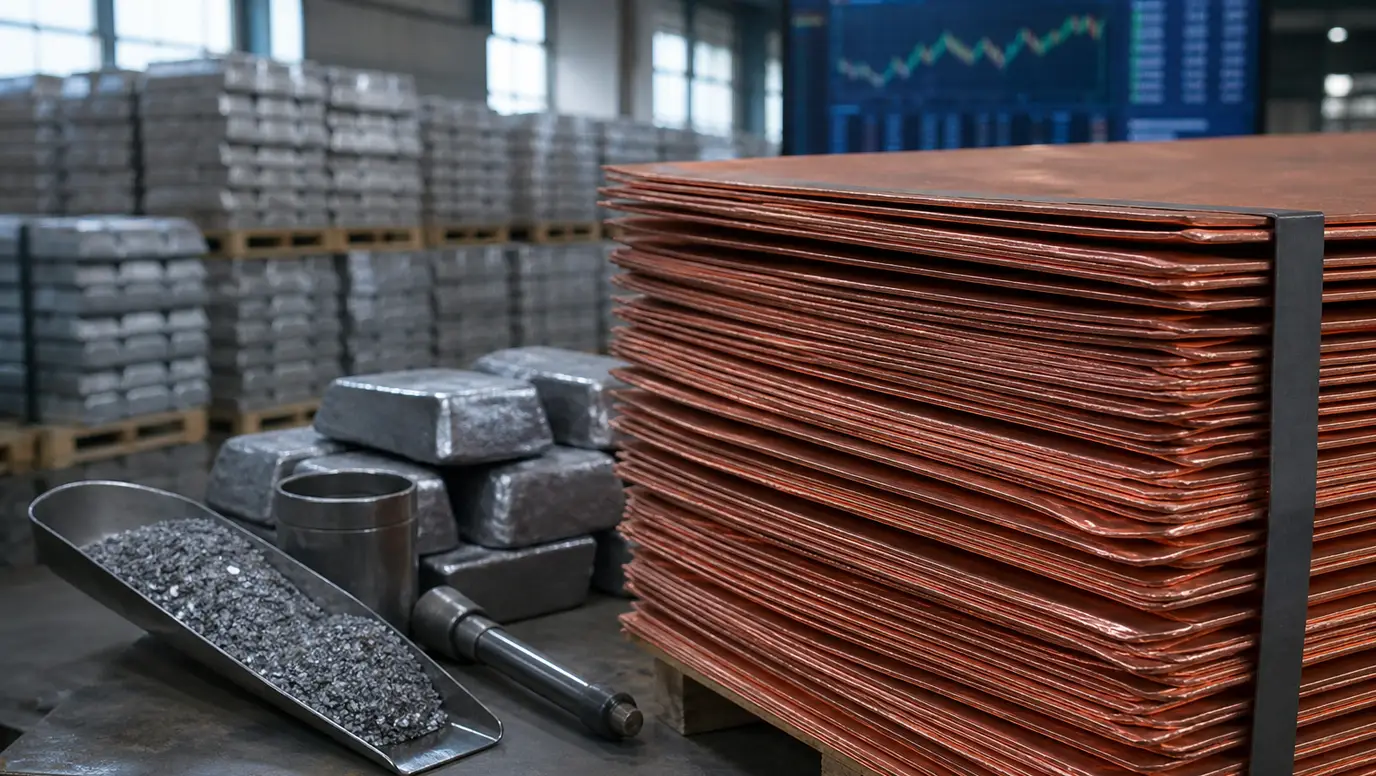
OCTOBER 23, 2026
Copper Metals Market Rebounds as Nickel Slips on Indonesia Cut Watch
OCTOBER 18, 2026
Copper Metals Market Holds Near Record as Tight Stocks Offset Federal Reserve Shock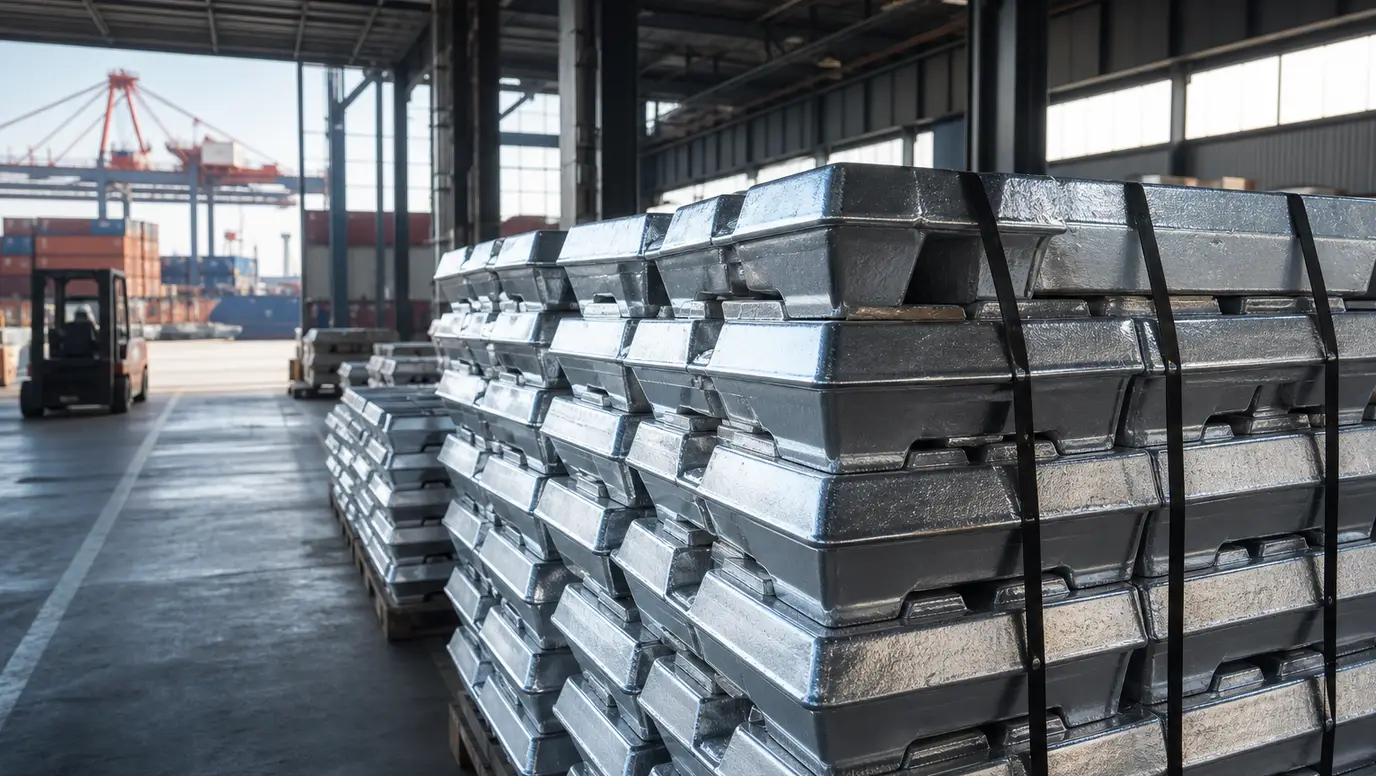
OCTOBER 14, 2026
Aluminum Metals Futures Hold Near $3,000 as Japan Premium Drop Masks Supply Stress
OCTOBER 12, 2026
Copper Metals Market Rises as China Premium and Tight LME Stocks Challenge US Dollar
OCTOBER 7, 2026
Aluminum Rebound Tests Metals Market as Dollar Strength and China Lull Cap Buyers
OCTOBER 6, 2026
Copper Futures Rally Puts Metals Market Focus on Smelter Squeeze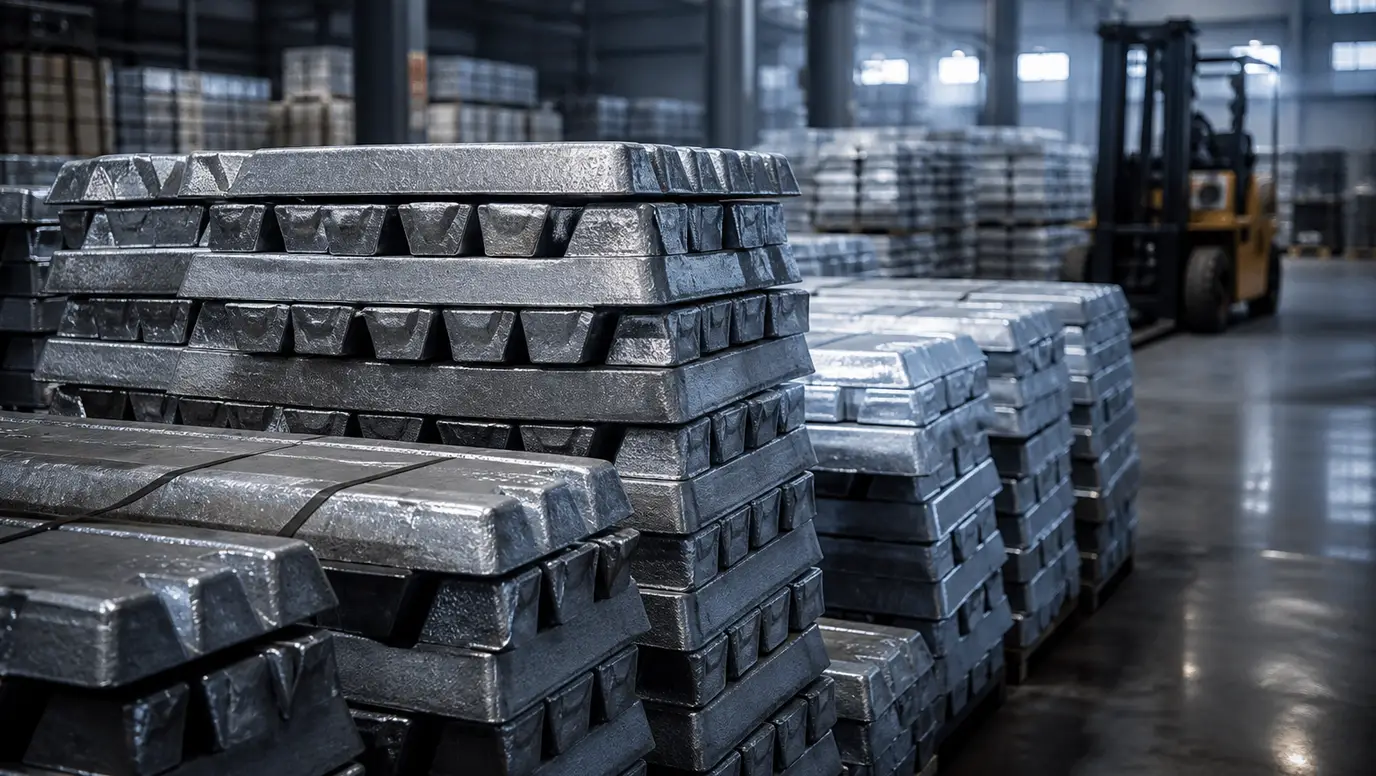
OCTOBER 5, 2026
Lead Futures Rebound as Warehouse Drawdown Puts Battery Metal Back on Metals Watch
SEPTEMBER 30, 2026
Copper Futures Steady as Metals Market Weighs Dollar, Oil and Federal Reserve Risk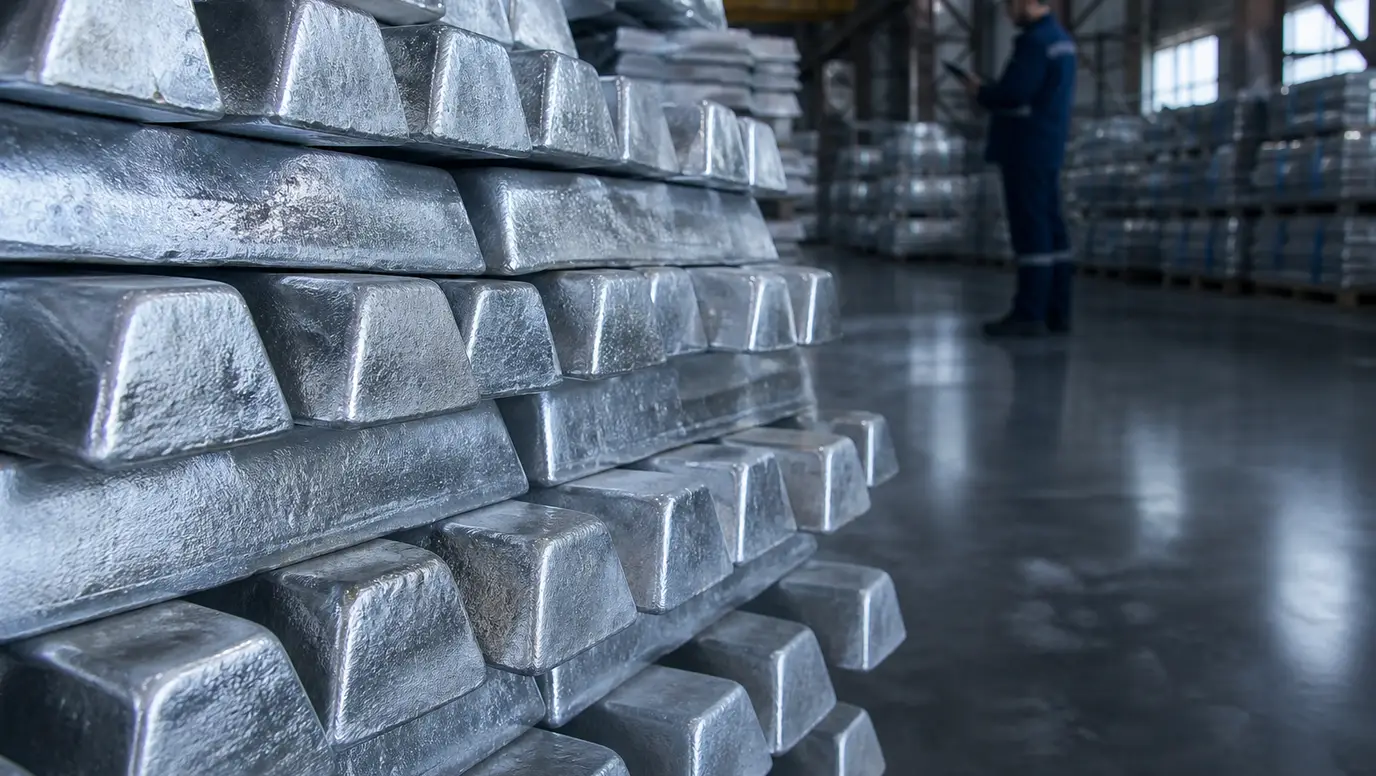
SEPTEMBER 29, 2026
Zinc Futures Fall as China Demand Worries Test Metals Market Tightness
SEPTEMBER 26, 2026
Silver Futures Rebound as Treasury Yield Pause Tests Metals Market Bears
SEPTEMBER 25, 2026
Copper Futures Climb as China Tightness Puts Metals Market on Supply Watch
SEPTEMBER 24, 2026
Aluminum Futures Steady as China Destocking Offsets Metals Market Yield Pressure
SEPTEMBER 23, 2026
Nickel Futures Hold Firm as Indonesia Drought Cuts Put Metals Market on Supply Watch
SEPTEMBER 21, 2026
Silver Futures Hold Above $66 as Federal Reserve Hike Tests Metals Market Rally
SEPTEMBER 20, 2026
Palladium Futures Rebound Puts Metals Market on Autocatalyst Supply Watch
SEPTEMBER 19, 2026
Copper Futures Rally Puts Metals Market on Federal Reserve and PMI Watch
SEPTEMBER 18, 2026
Zinc Futures Squeeze Lifts Metals Market as Lead Inventories Tighten
SEPTEMBER 17, 2026
Nickel Futures Slide as Indonesia Ore Price Reset Tests Metals Market
SEPTEMBER 16, 2026
Aluminum Rally Tests China Supply Cap as Metals Market Weighs Export Surge
SEPTEMBER 13, 2026
Copper Futures Pullback Puts Metals Market on Tariff Doubt Watch
SEPTEMBER 12, 2026
Zinc Futures Rally Faces Inventory Test as Metals Market Weighs Demand Signals
SEPTEMBER 11, 2026
Palladium Futures Swing as Auto Demand Clouds Metals Market Outlook
SEPTEMBER 9, 2026
Nickel Futures Rebound as Indonesia Supply Risk Jolts Metals Market
SEPTEMBER 8, 2026
Copper Hits Record High as Tariff Risk Tightens Metals Market Supply
SEPTEMBER 7, 2026
Zinc Futures Defy Federal Reserve Pressure as Supply Squeeze Tightens Metals Market
SEPTEMBER 6, 2026
Aluminum Futures Split Metals Market as Supply Risk Meets Soft China Demand
SEPTEMBER 2, 2026
Copper Pullback Hits Metals Market as Strong Dollar Revives Federal Reserve Rate Risk