
OCTOBER 24, 2026
Zinc Metals Market Leads Base-Metal Rebound as Dollar Risk Meets Inventory BuildZinc leads the metals market rebound as traders weigh stronger base-metal demand signals against rising inventories and dollar risk.

© 1box.site 2026

OCTOBER 30, 2026
Zinc moved to the front of the metals market on Friday as traders focused on tightening nearby availability, falling warehouse receipts and a widening gap between prompt physical demand and forward supply expectations. Cash zinc was indicated just below $4,000 per metric ton in the latest official pricing, while three-month metal held near the high $3,800s, keeping the market close to a psychologically important level after a multi-session advance.
The move stood out in a mixed base-metals complex. Some metals were dragged by firmer Treasury yields, a resilient US dollar and caution around industrial demand, but zinc continued to attract support from visible inventory declines and firm spot conditions. The result is a market that is increasingly being priced less like a broad macro trade and more like a near-term supply squeeze.
The immediate catalyst is the continued decline in available zinc stocks. Latest warehouse readings showed registered inventories in the global exchange system near the low 160,000-ton range, while Chinese inventory measures also moved lower. That combination matters because zinc is heavily used in galvanizing steel, making short-term availability important for construction, autos, infrastructure and manufactured goods supply chains.
Spot premiums in China have stayed firm even as high outright prices cooled some buying interest. That is a notable signal: when end-user transactions slow but sellers still resist discounts, the market is usually reflecting a belief that replacement metal will not be easy to secure. Traders are also watching the backwardated structure in zinc, where nearby material commands a premium over later-dated supply, reinforcing the view that prompt metal is scarce.
Power costs and smelter economics add another layer of support. Zinc refining is energy intensive, and higher electricity prices can quickly pressure margins at marginal smelters. With treatment charges still a concern for parts of the supply chain, any disruption to refined output could amplify the inventory drawdown and keep spot metal bid even if broader industrial sentiment softens.
The rally is not without resistance. A stronger rates backdrop has weighed on parts of the metals market by raising the opportunity cost of holding commodities and supporting the dollar. That pressure has been most visible in precious metals, but base metals are not immune, especially if investors reduce cyclical exposure after strong price gains.
For zinc, the key question is whether the physical squeeze can overpower macro headwinds. A clean break above $4,000 would likely require confirmation that warehouse draws are continuing and that Chinese spot premiums remain resilient. Without that, the market could invite profit-taking from funds that bought the recent momentum.
Demand signals are also uneven. Galvanized steel consumption is linked to construction and manufacturing cycles, both of which remain sensitive to financing costs. If higher yields translate into weaker building activity or reduced factory orders, zinc could struggle to extend gains on supply tightness alone. For now, however, the market appears more concerned about near-term deliverable metal than about a distant slowdown scenario.
The most important indicators for the next sessions will be daily warehouse changes, cash-to-three-month spreads and spot premiums in Asia. Continued stock declines would strengthen the bullish case and could pull cash zinc through $4,000, while a sudden inventory rebuild would weaken the squeeze narrative quickly.
Technically, the area just below $4,000 is now the first major resistance zone. A sustained move above it could draw in momentum buying and force consumers to hedge more aggressively. On the downside, a fall back toward the mid-$3,800s would suggest the latest advance is losing urgency, especially if accompanied by softer premiums or a flatter forward curve.
For the wider metals market, zinc’s performance is a reminder that individual supply balances can diverge sharply from macro direction. Even as investors debate Federal Reserve policy, the dollar and global growth, zinc is trading on a more immediate question: how much metal is actually available for prompt delivery. Until that question is resolved, volatility around the $4,000 level is likely to remain elevated.
OCTOBER 24, 2026
Zinc Metals Market Leads Base-Metal Rebound as Dollar Risk Meets Inventory Build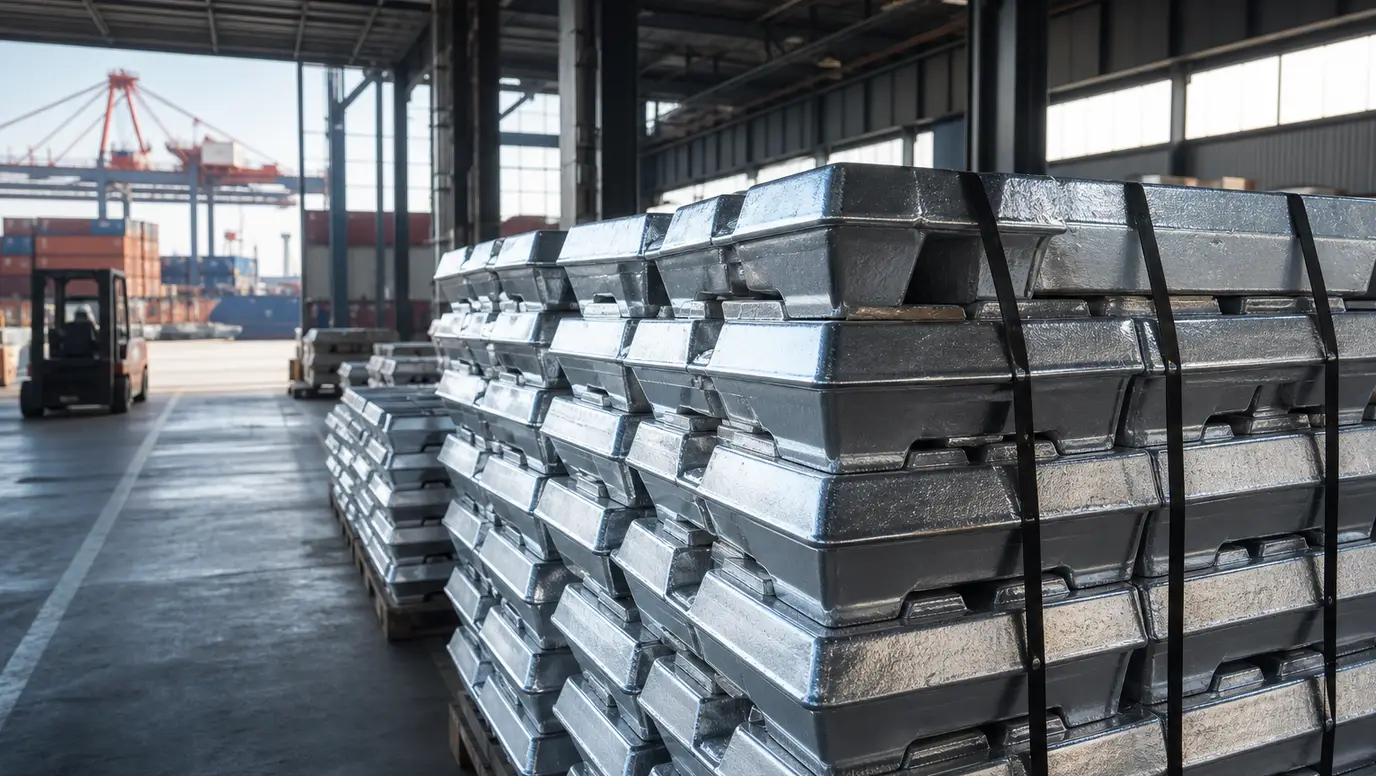
OCTOBER 14, 2026
Aluminum Metals Futures Hold Near $3,000 as Japan Premium Drop Masks Supply Stress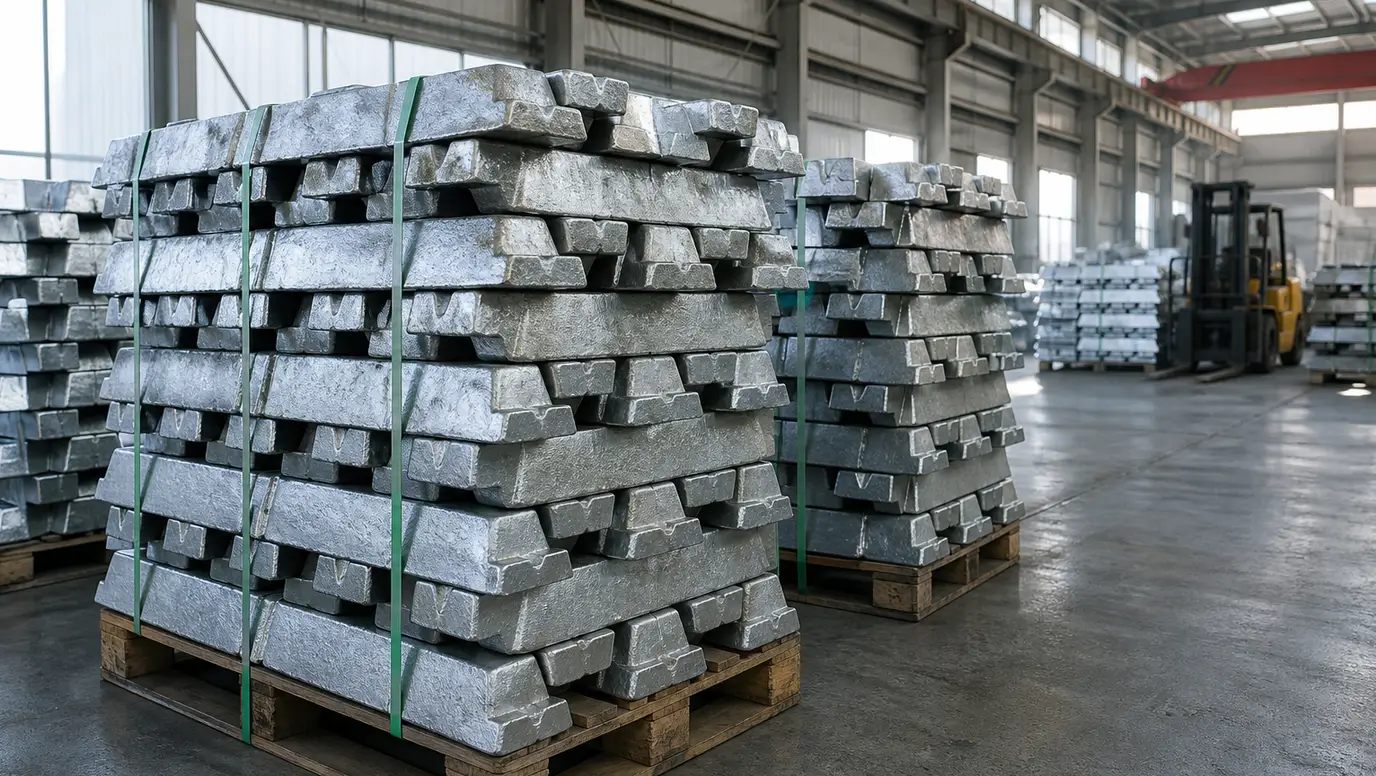
OCTOBER 13, 2026
Zinc Metals Market Falls as LME Stock Jump and US Dollar Pressure Base Metals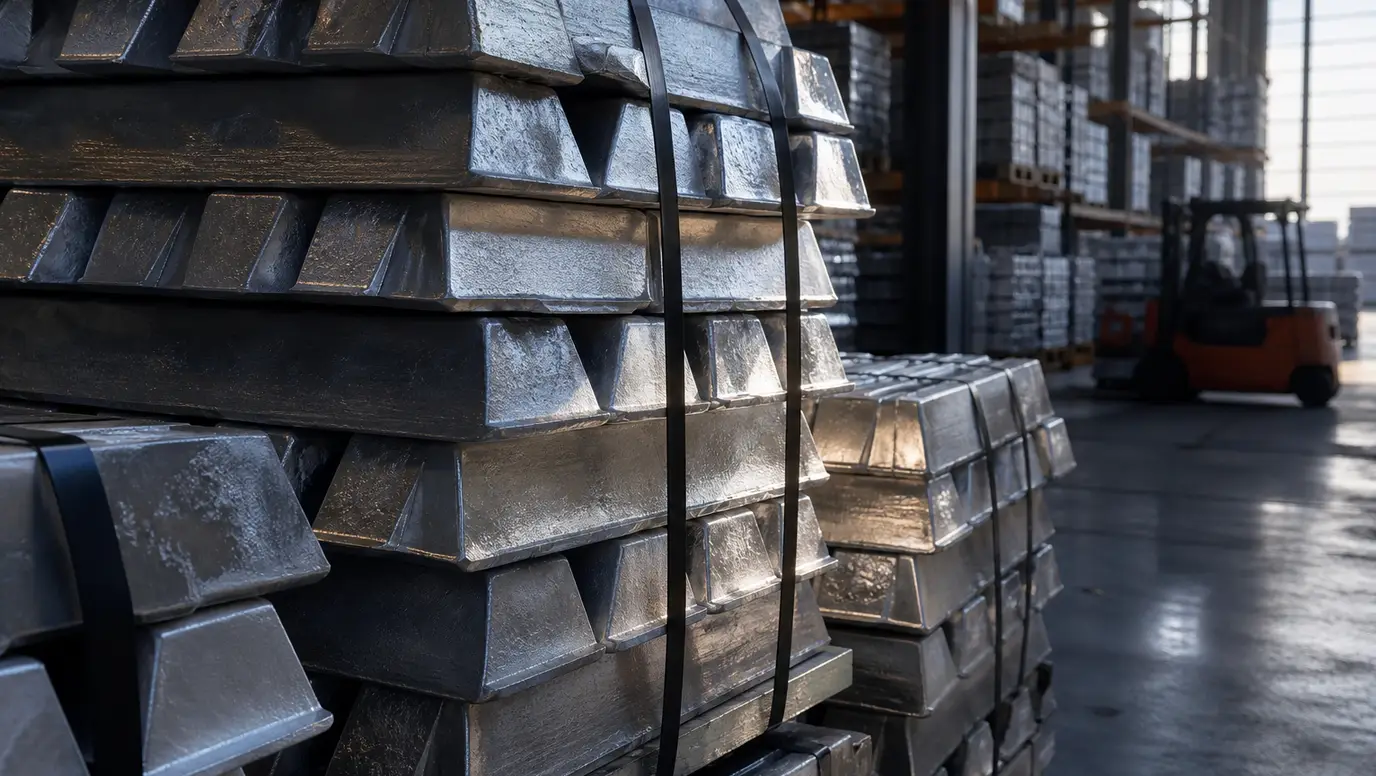
OCTOBER 8, 2026
Zinc Metals Tightness Faces US Dollar and Treasury Yield Test
OCTOBER 6, 2026
Copper Futures Rally Puts Metals Market Focus on Smelter Squeeze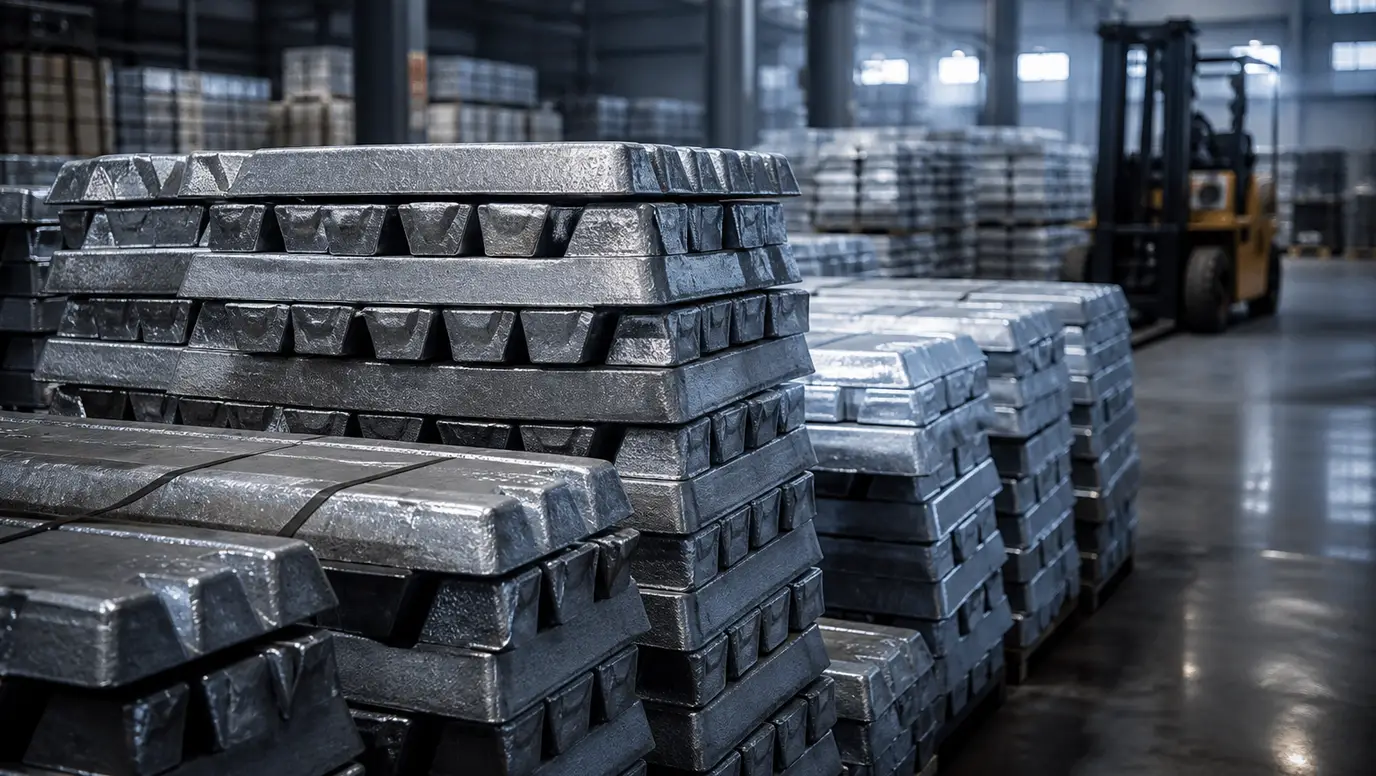
OCTOBER 5, 2026
Lead Futures Rebound as Warehouse Drawdown Puts Battery Metal Back on Metals Watch
SEPTEMBER 30, 2026
Copper Futures Steady as Metals Market Weighs Dollar, Oil and Federal Reserve Risk
SEPTEMBER 29, 2026
Zinc Futures Fall as China Demand Worries Test Metals Market Tightness
SEPTEMBER 26, 2026
Silver Futures Rebound as Treasury Yield Pause Tests Metals Market Bears
SEPTEMBER 24, 2026
Aluminum Futures Steady as China Destocking Offsets Metals Market Yield Pressure
SEPTEMBER 23, 2026
Nickel Futures Hold Firm as Indonesia Drought Cuts Put Metals Market on Supply Watch
SEPTEMBER 21, 2026
Silver Futures Hold Above $66 as Federal Reserve Hike Tests Metals Market Rally
SEPTEMBER 20, 2026
Palladium Futures Rebound Puts Metals Market on Autocatalyst Supply Watch
SEPTEMBER 19, 2026
Copper Futures Rally Puts Metals Market on Federal Reserve and PMI Watch
SEPTEMBER 18, 2026
Zinc Futures Squeeze Lifts Metals Market as Lead Inventories Tighten
SEPTEMBER 17, 2026
Nickel Futures Slide as Indonesia Ore Price Reset Tests Metals Market
SEPTEMBER 13, 2026
Copper Futures Pullback Puts Metals Market on Tariff Doubt Watch
SEPTEMBER 12, 2026
Zinc Futures Rally Faces Inventory Test as Metals Market Weighs Demand Signals
SEPTEMBER 11, 2026
Palladium Futures Swing as Auto Demand Clouds Metals Market Outlook
SEPTEMBER 9, 2026
Nickel Futures Rebound as Indonesia Supply Risk Jolts Metals Market
SEPTEMBER 7, 2026
Zinc Futures Defy Federal Reserve Pressure as Supply Squeeze Tightens Metals Market
SEPTEMBER 6, 2026
Aluminum Futures Split Metals Market as Supply Risk Meets Soft China Demand
SEPTEMBER 1, 2026
Zinc Rally Leads Metals Market as Supply Fears Lift Base Metals
AUGUST 26, 2026
U.S. Zinc Futures Debut Puts Metals Market on Regional Pricing Watch
AUGUST 19, 2026
Zinc Tightness Keeps Metals Market Alert as Inventory Cushion Shrinks
AUGUST 13, 2026
Zinc Tightness Keeps Metals Market Alert as China Demand Caps Rally
AUGUST 6, 2026
Zinc Inventory Draw Keeps Metals Market Focused on China Supply and US Dollar Risk
JULY 31, 2026
Zinc Rally Puts Metals Traders on Alert as LME Stocks Slide After US Dollar Pullback
JULY 22, 2026
Nickel and Zinc Join Metals Rally as China Supply Signals Revive Risk Appetite
JULY 4, 2026
Silver and Zinc Lead Broad Metals Rally as Dollar Weakness Extends Holiday Bounce