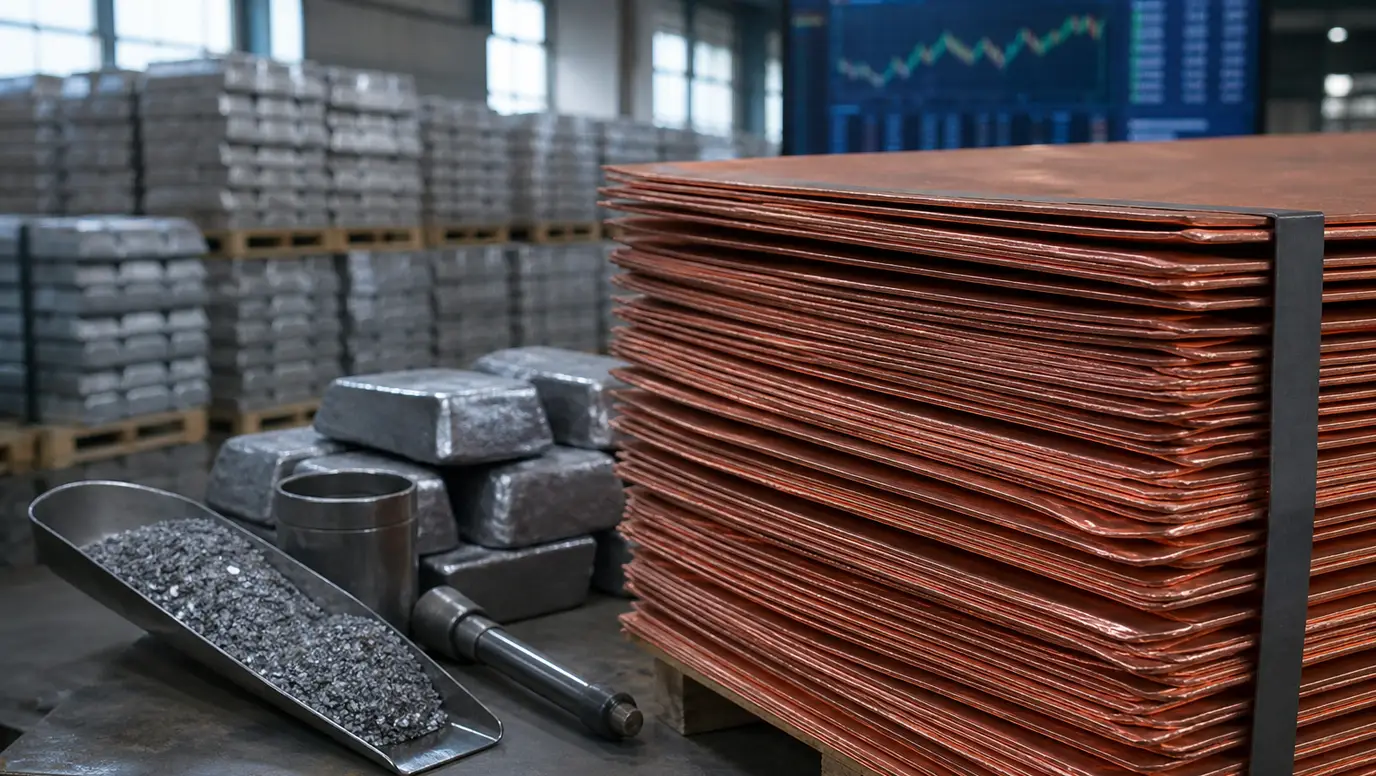
OCTOBER 23, 2026
Copper Metals Market Rebounds as Nickel Slips on Indonesia Cut WatchCopper rebounds as risk appetite steadies, while nickel slips as traders await firmer signals on Indonesian output cuts.

© 1box.site 2026

SEPTEMBER 13, 2026
Copper futures moved to the center of the metals market debate after a sharp reversal from record territory left traders weighing whether the latest rally was driven more by durable supply tightness or by a tariff premium that may now be fading.
Three-month copper on the London market recently hovered near $14,238 a metric ton after touching fresh highs earlier in the week. The retreat put the contract on track for its first weekly decline since June, a notable shift for a market that had been lifted by expectations of tighter refined copper flows into the United States and a broader scramble for deliverable material.
The pullback followed signs that a proposed refined copper import tariff may not be imminent. That change in expectation quickly reduced the incentive to reroute metal toward the U.S. market, narrowing regional price gaps and forcing investors to reassess a rally that had drawn in momentum funds, physical buyers and macro traders alike.
The most important change for copper is not a collapse in demand expectations, but a repricing of policy risk. Earlier tariff speculation had helped pull copper into U.S. warehouses, draining availability elsewhere and amplifying tightness in the international market. As doubts grew over the timing and scope of any tariff decision, that premium became harder to defend.
The shift was also visible in market structure. A move in the three-month spread into contango suggested immediate availability concerns had eased, at least for now. That does not mean the copper market has suddenly become oversupplied, but it does indicate that the most aggressive shortage pricing has cooled.
For industrial users, the retreat offers some relief after a rapid climb in raw material costs. Copper remains expensive by historical standards, and buyers in electrical equipment, grid infrastructure, construction and manufacturing still face elevated input prices. However, a less distorted arbitrage between U.S. and international prices may reduce the urgency of panic buying.
Inventory data remain a critical part of the story. U.S. exchange stocks have risen sharply after months of tariff-driven inflows, while international traders continue to monitor whether metal previously directed toward America will become available to other consuming regions. If supply is redistributed rather than newly produced, price volatility may persist even without a fresh demand shock.
The broader metals market is also reacting to macro pressure. A stronger U.S. dollar and elevated Treasury yields can reduce the appeal of dollar-priced commodities, especially when investors are already protecting profits after a large rally. At the same time, any renewed weakness in the dollar could quickly restore support for copper and other base metals.
Federal Reserve expectations remain another source of uncertainty. If inflation pressure from energy and goods prices keeps policy restrictive, risk appetite across commodities could weaken. But if growth indicators stay resilient, copper may continue to attract buyers because of its exposure to electrification, power grids and industrial recovery.
The immediate question is whether copper can stabilize above recent breakout levels or whether the tariff trade continues to unwind. A deeper correction could encourage consumers to rebuild hedges, while a quick recovery would suggest that underlying physical tightness remains strong enough to absorb the policy disappointment.
Other base metals are likely to follow the copper signal closely. Aluminum, zinc and nickel have each faced their own supply-demand pressures, but copper’s role as a macro-sensitive industrial benchmark means its reversal can influence sentiment across the complex.
For now, the metals market is shifting from a one-way rally to a more selective phase. Copper’s long-term demand narrative remains intact, but the latest price action shows that tariff expectations, warehouse flows and monetary policy can still overwhelm structural themes in the short run.
That makes the next sessions important for traders. If copper holds near current levels despite fading tariff support, the market may view the pullback as consolidation. If prices slide further and spreads continue to loosen, the record-setting rally could give way to a broader reset across metals futures.
OCTOBER 23, 2026
Copper Metals Market Rebounds as Nickel Slips on Indonesia Cut Watch
OCTOBER 18, 2026
Copper Metals Market Holds Near Record as Tight Stocks Offset Federal Reserve Shock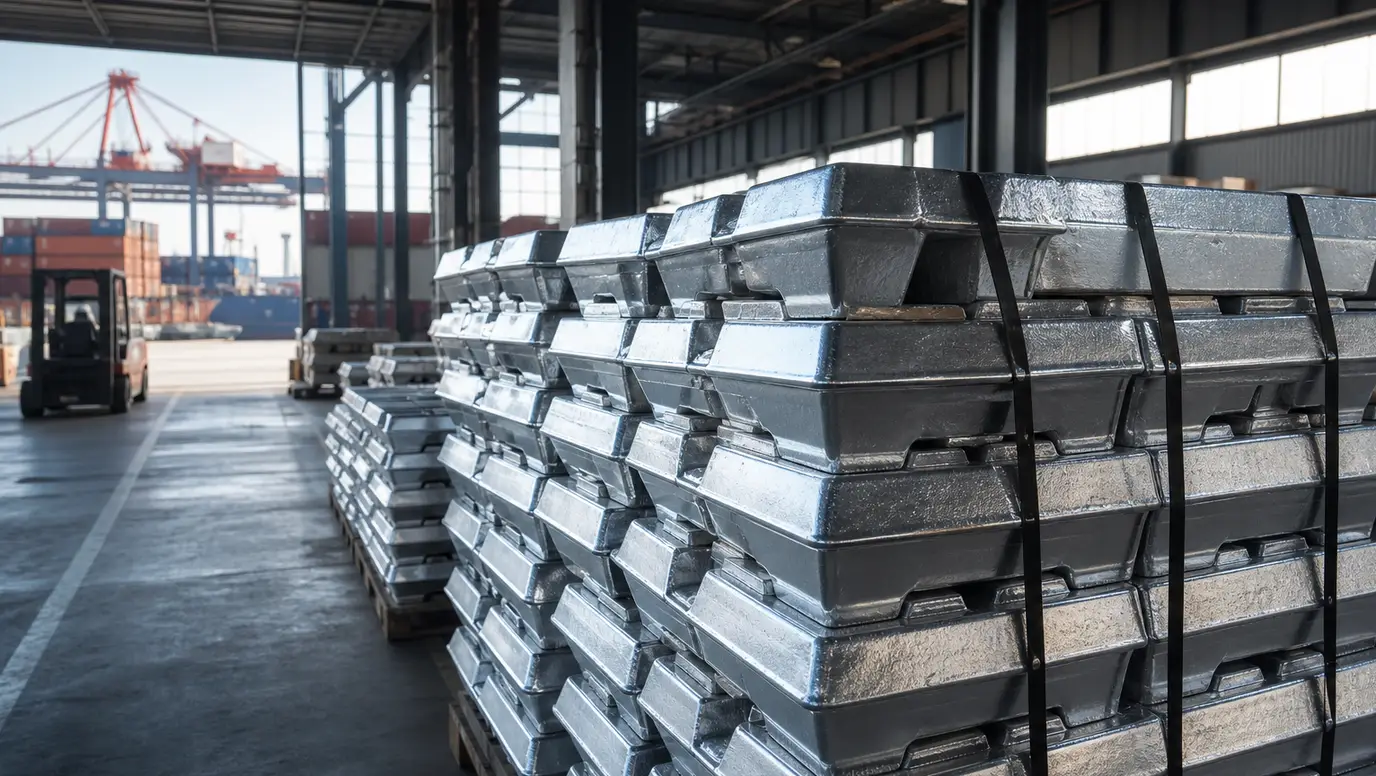
OCTOBER 14, 2026
Aluminum Metals Futures Hold Near $3,000 as Japan Premium Drop Masks Supply Stress
OCTOBER 12, 2026
Copper Metals Market Rises as China Premium and Tight LME Stocks Challenge US Dollar
OCTOBER 6, 2026
Copper Futures Rally Puts Metals Market Focus on Smelter Squeeze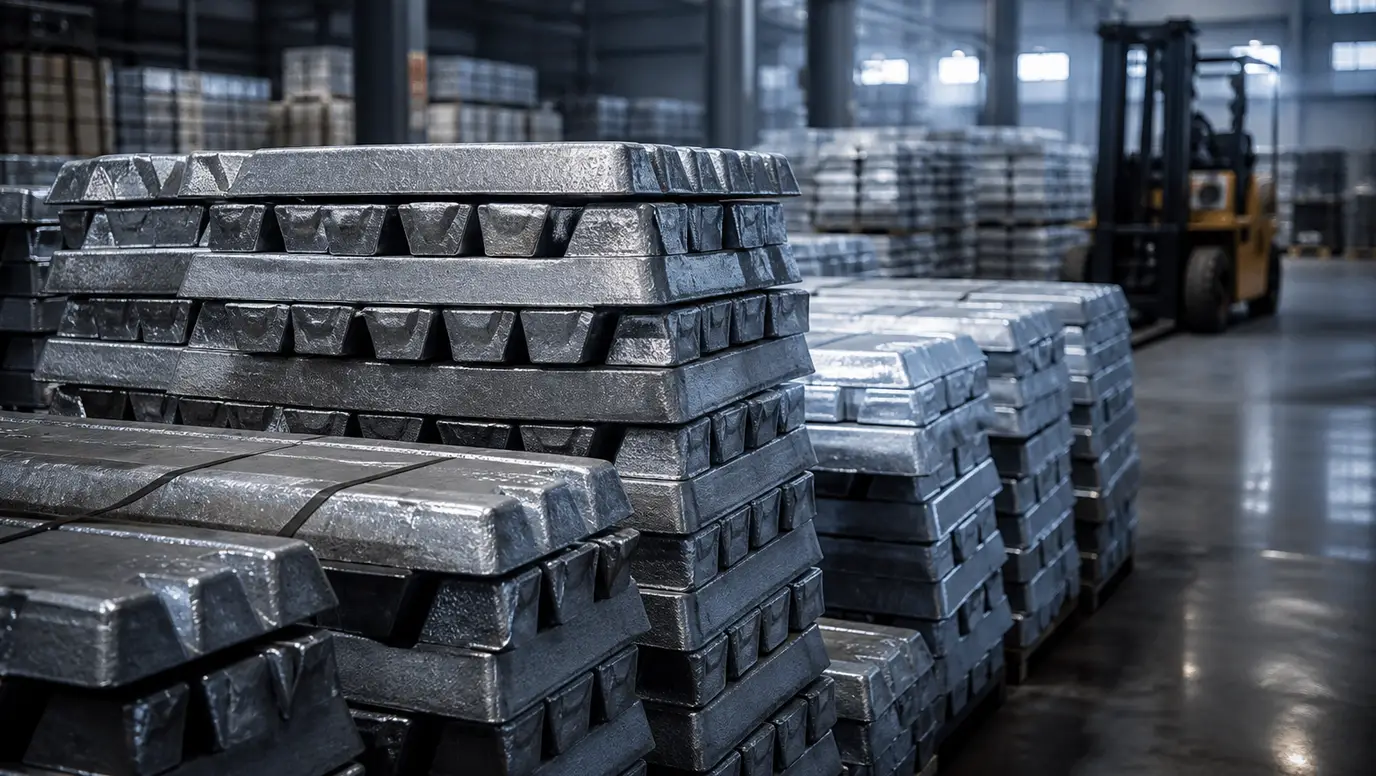
OCTOBER 5, 2026
Lead Futures Rebound as Warehouse Drawdown Puts Battery Metal Back on Metals Watch
SEPTEMBER 30, 2026
Copper Futures Steady as Metals Market Weighs Dollar, Oil and Federal Reserve Risk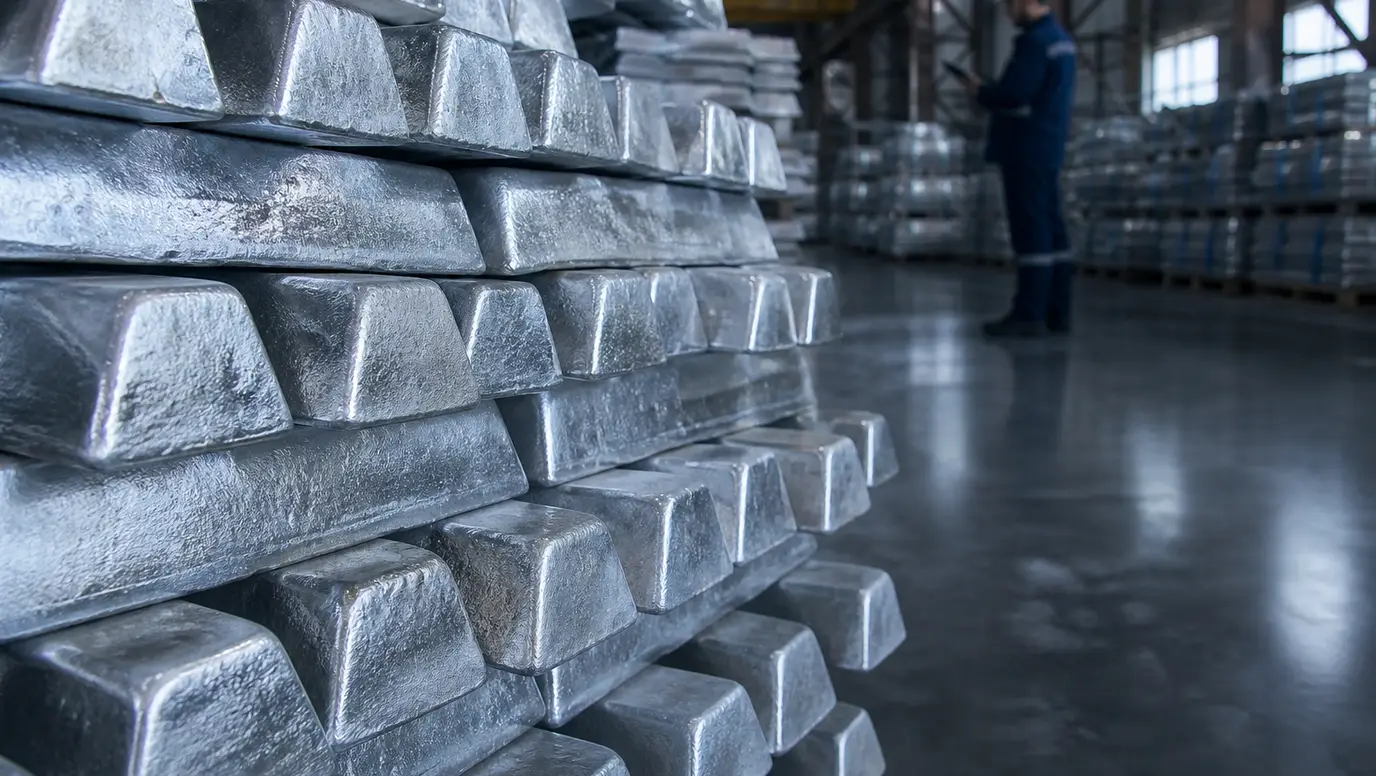
SEPTEMBER 29, 2026
Zinc Futures Fall as China Demand Worries Test Metals Market Tightness
SEPTEMBER 26, 2026
Silver Futures Rebound as Treasury Yield Pause Tests Metals Market Bears
SEPTEMBER 25, 2026
Copper Futures Climb as China Tightness Puts Metals Market on Supply Watch
SEPTEMBER 24, 2026
Aluminum Futures Steady as China Destocking Offsets Metals Market Yield Pressure
SEPTEMBER 23, 2026
Nickel Futures Hold Firm as Indonesia Drought Cuts Put Metals Market on Supply Watch
SEPTEMBER 21, 2026
Silver Futures Hold Above $66 as Federal Reserve Hike Tests Metals Market Rally
SEPTEMBER 20, 2026
Palladium Futures Rebound Puts Metals Market on Autocatalyst Supply Watch
SEPTEMBER 19, 2026
Copper Futures Rally Puts Metals Market on Federal Reserve and PMI Watch
SEPTEMBER 18, 2026
Zinc Futures Squeeze Lifts Metals Market as Lead Inventories Tighten
SEPTEMBER 17, 2026
Nickel Futures Slide as Indonesia Ore Price Reset Tests Metals Market
SEPTEMBER 12, 2026
Zinc Futures Rally Faces Inventory Test as Metals Market Weighs Demand Signals
SEPTEMBER 11, 2026
Palladium Futures Swing as Auto Demand Clouds Metals Market Outlook
SEPTEMBER 9, 2026
Nickel Futures Rebound as Indonesia Supply Risk Jolts Metals Market
SEPTEMBER 8, 2026
Copper Hits Record High as Tariff Risk Tightens Metals Market Supply
SEPTEMBER 7, 2026
Zinc Futures Defy Federal Reserve Pressure as Supply Squeeze Tightens Metals Market
SEPTEMBER 6, 2026
Aluminum Futures Split Metals Market as Supply Risk Meets Soft China Demand
SEPTEMBER 2, 2026
Copper Pullback Hits Metals Market as Strong Dollar Revives Federal Reserve Rate Risk
AUGUST 27, 2026
Copper Backwardation Puts Metals Market on Supply Stress Alert as Fed Risk Caps Rally
AUGUST 26, 2026
U.S. Zinc Futures Debut Puts Metals Market on Regional Pricing Watch
AUGUST 20, 2026
Copper Backwardation Puts Metals Market on Tariff Watch as Warehouse Stocks Fall
AUGUST 14, 2026
Copper Squeeze Lifts Metals Market as Treasury Yields Test Rally
AUGUST 8, 2026
Copper Breakout Keeps Metals Market Focused on China Premiums and Inventory Drain
AUGUST 3, 2026
Copper Rebound Puts Metals Market on US Dollar Watch as Supply Tightness Offsets Demand Caution