OCTOBER 19, 2026
Platinum and Palladium Metals Market Rallies as Federal Reserve Pause Bets ReturnPlatinum and palladium rise as softer rate-hike expectations lift precious metals, while supply and auto-demand signals shape PGM trading.

© 1box.site 2026
OCTOBER 3, 2026
Palladium moved back into focus for metals traders after a volatile session left the metal attempting to stabilize near one-year-low territory, even as the broader precious-metals complex remained under pressure from elevated Treasury yields and a still-resilient U.S. dollar.
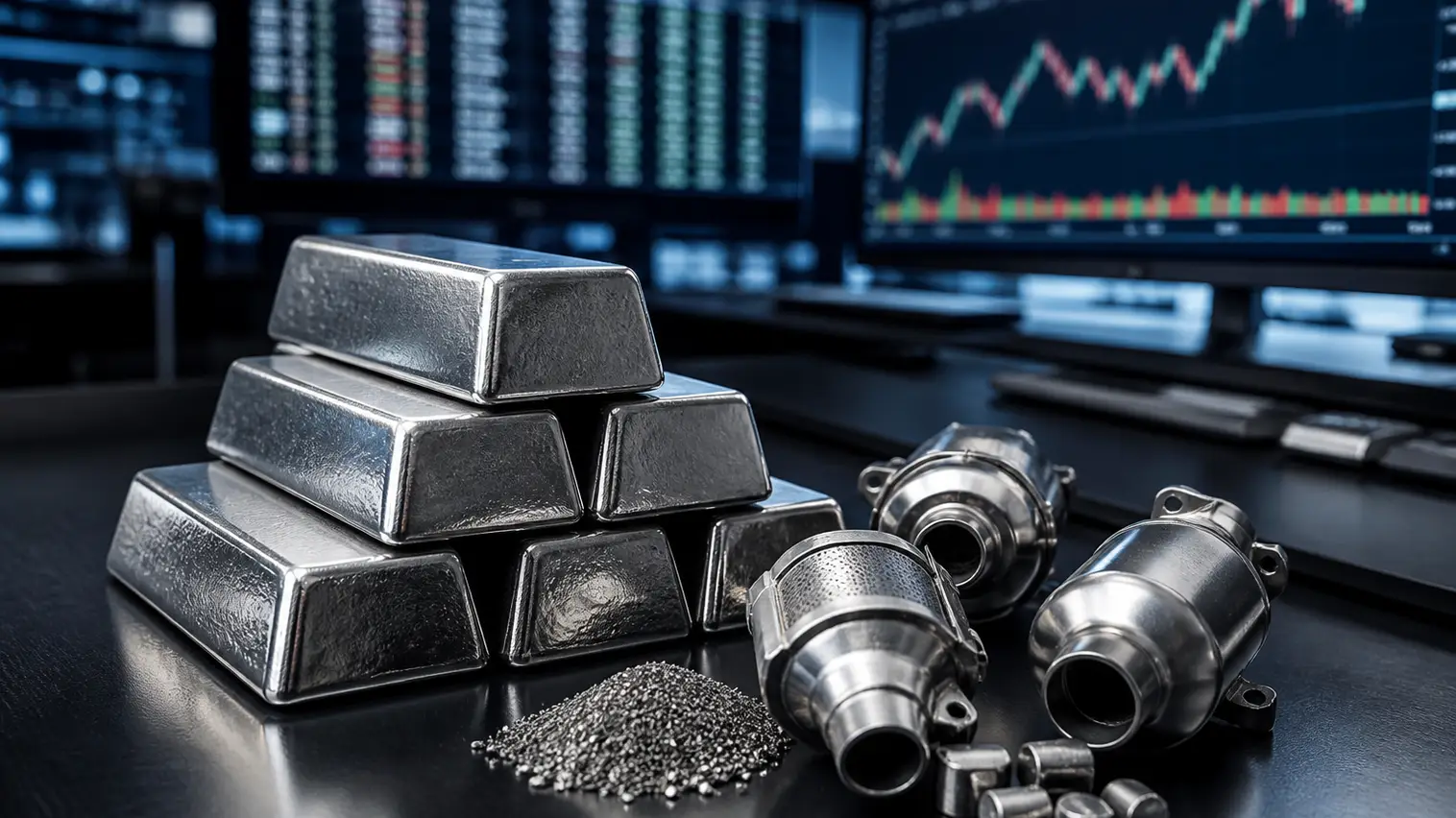
Market quotes late Friday placed palladium broadly in the $1,160 to $1,190 an ounce area, following a sharp pullback through recent weeks. The move stood out because palladium has been trading with a weaker tone than gold and platinum, reflecting a mix of macro pressure and more specific concerns about automotive demand, where the metal is heavily used in emissions-control systems for gasoline vehicles.
The immediate catalyst for cross-asset volatility was the latest U.S. employment report, which showed September payroll growth slowing to 29,000 jobs and the unemployment rate rising to 4.2%. That softer labor-market signal reduced expectations for an imminent Federal Reserve rate increase, but it did not deliver a clean rally for metals because longer-dated yields remained high and investors continued to demand compensation for inflation and fiscal risk.
Palladium’s rebound attempt came after the metal traded near the bottom of its 52-week range, a level that can attract short-covering and bargain hunting from industrial users. Still, the recovery remains tentative. Unlike gold, palladium does not benefit as directly from safe-haven demand, and unlike silver, it has less exposure to the strongest parts of the electrification and solar narrative.
The market is therefore watching whether the latest bounce is a technical reaction or the start of a more durable stabilization. A sustained move above the $1,200 area would improve short-term sentiment, while renewed weakness below recent lows could reinforce expectations that the metal is still adjusting to a softer demand backdrop.
Platinum-group metals have also been pulled in different directions by substitution trends. Automakers can adjust catalyst loadings over time, and the long-running shift toward battery-electric vehicles continues to reduce the expected intensity of palladium use in new vehicle fleets. Hybrid and gasoline vehicle production still support demand, but traders are increasingly sensitive to any evidence that inventory rebuilding is slowing.
The payrolls miss would normally be supportive for precious metals because lower rate-hike expectations reduce the opportunity cost of holding non-yielding assets. This time, the response was more complicated. Treasury yields remained elevated after an early decline, and the dollar’s broader strength continued to limit enthusiasm across the metals market.
For palladium, the macro backdrop matters because tight financial conditions can pressure auto financing, consumer demand and industrial stocking decisions. If bond yields stay high into the Federal Reserve’s October meeting, the metal may struggle to build momentum even if short-term rate expectations soften.
Traders are now looking to upcoming U.S. inflation data and Federal Reserve communications for confirmation that policy pressure is easing. A cooler inflation reading could support a broader metals-market rebound, while another sticky price report would risk renewing the yield-driven pressure that has weighed on precious and industrial metals since late September.
In the near term, palladium’s first test is whether it can hold above the recent low zone and reclaim the $1,200 threshold. A close above that level would suggest that forced selling has faded, while a failure to hold the rebound would keep the market vulnerable to another retest of the lower end of its yearly range.
For the wider metals market, palladium’s behavior is important because it reflects both cyclical industrial demand and investor appetite for riskier corners of the precious-metals complex. If the metal stabilizes despite high yields, it could signal that much of the bad news on auto demand is already priced in. If it slips again, the move would underline how selective metals investors have become as Federal Reserve uncertainty, the dollar and end-use demand compete for control of the next trend.
OCTOBER 19, 2026
Platinum and Palladium Metals Market Rallies as Federal Reserve Pause Bets Return
OCTOBER 10, 2026
Palladium Metals Market Slips as Auto Demand and US Dollar Pressure Deepen Surplus Worries
SEPTEMBER 28, 2026
Palladium and Platinum Slide as Dollar, Yields Pressure Metals Market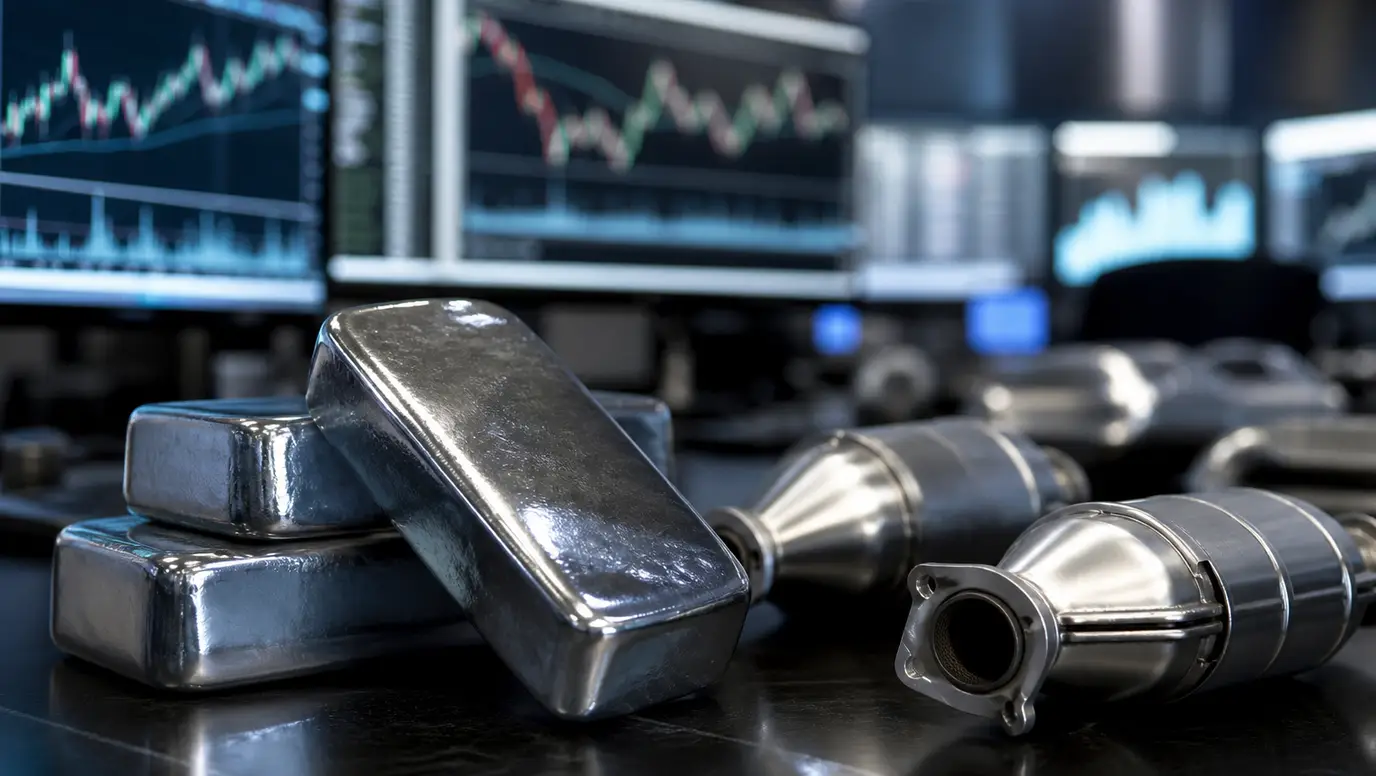
SEPTEMBER 20, 2026
Palladium Futures Rebound Puts Metals Market on Autocatalyst Supply Watch
SEPTEMBER 11, 2026
Palladium Futures Swing as Auto Demand Clouds Metals Market Outlook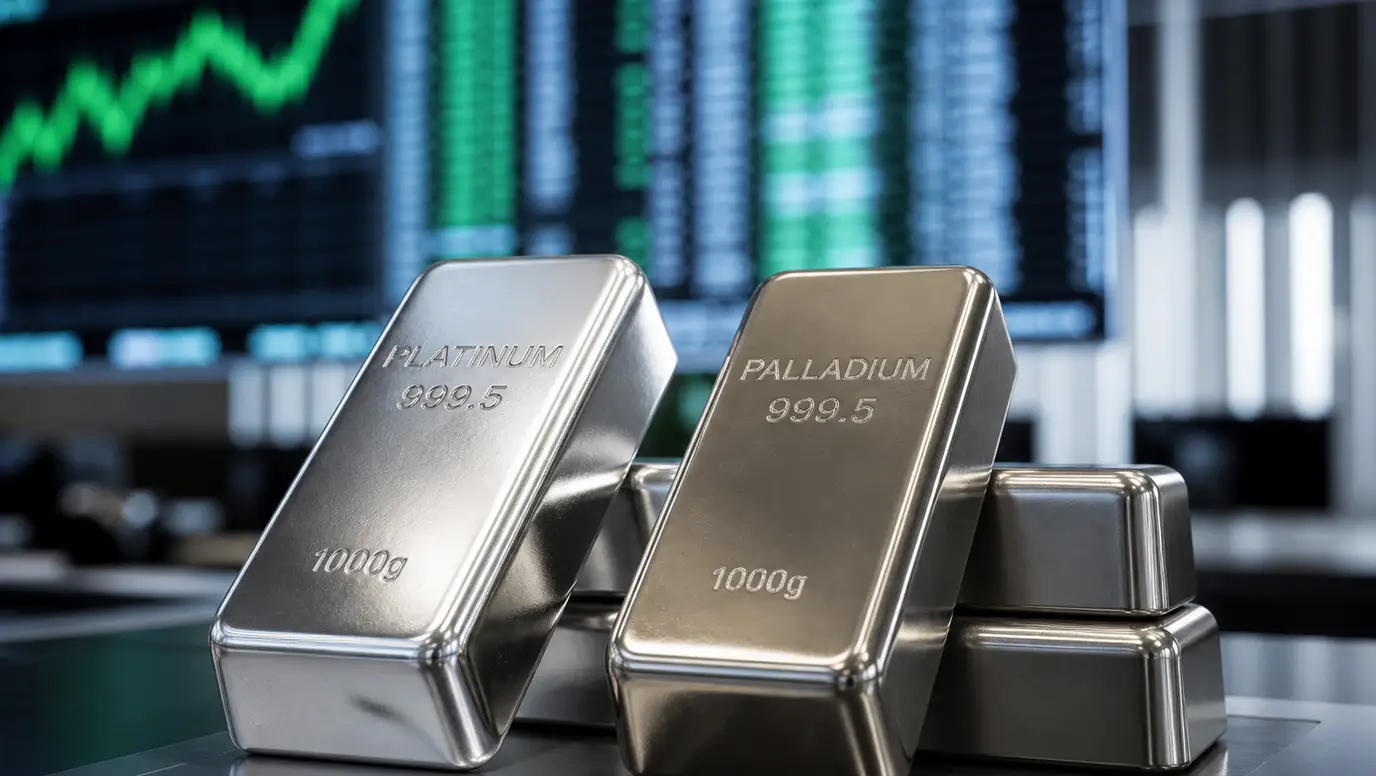
SEPTEMBER 3, 2026
Platinum and Palladium Rebound as Softer Dollar Lifts Metals Before US Jobs Data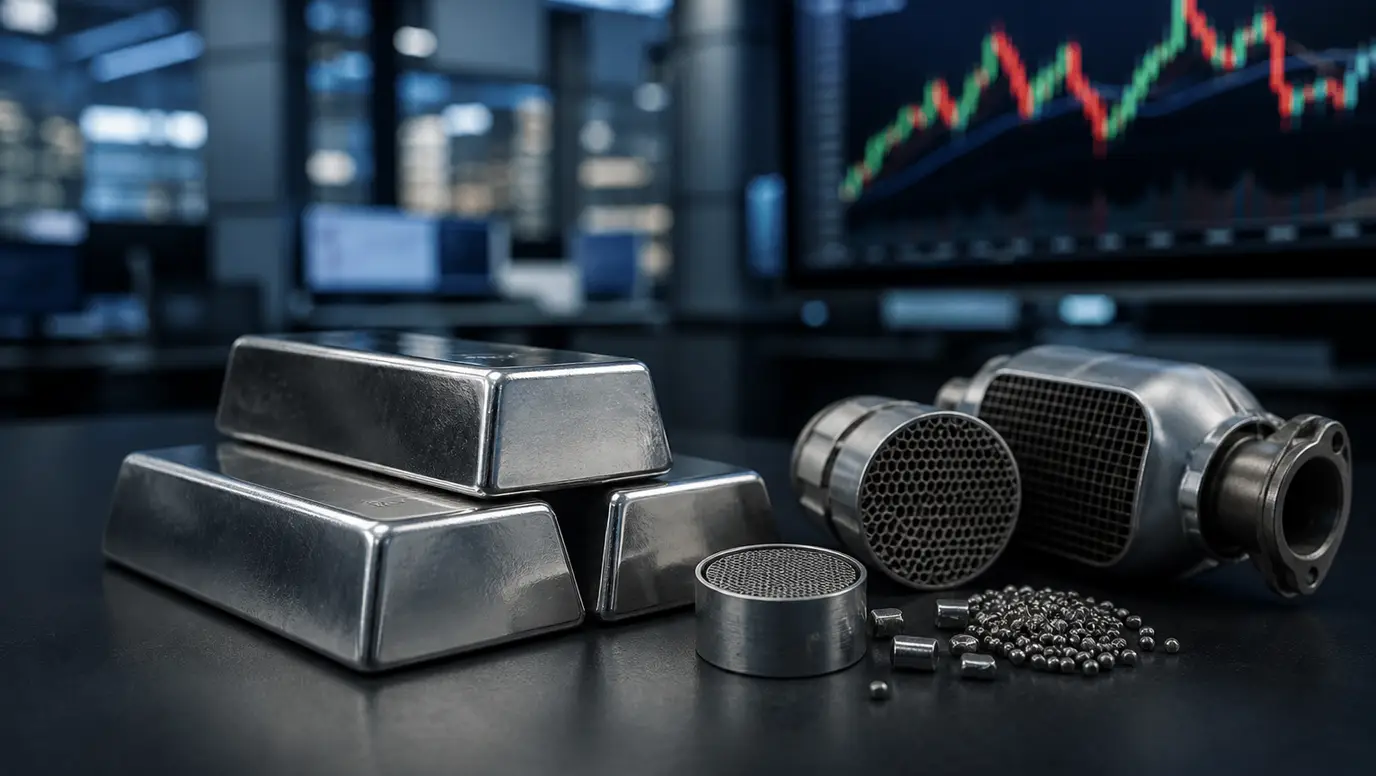
AUGUST 28, 2026
Palladium Jump Puts Metals Market on Federal Reserve Watch as Supply Risks Return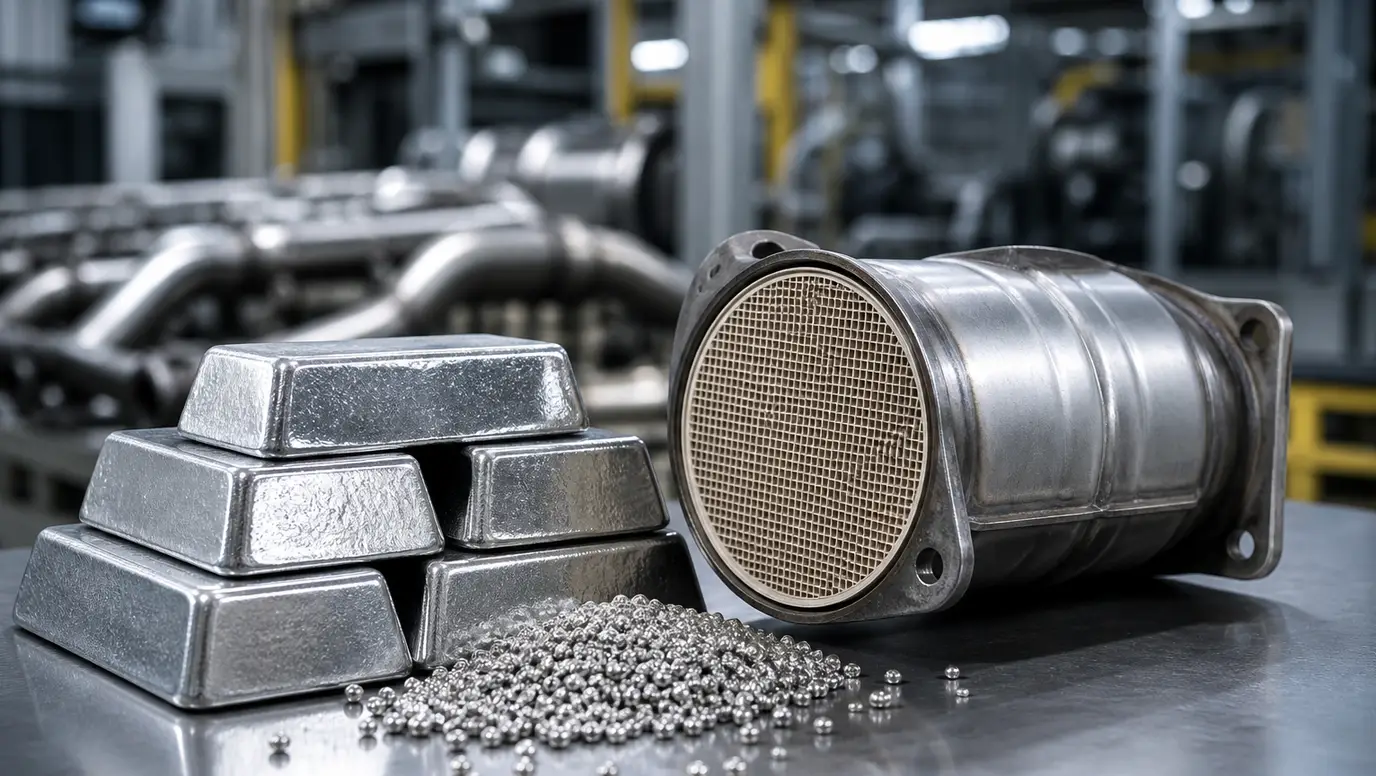
AUGUST 21, 2026
Palladium Rebound Puts Metals Market on Autocatalyst Supply Watch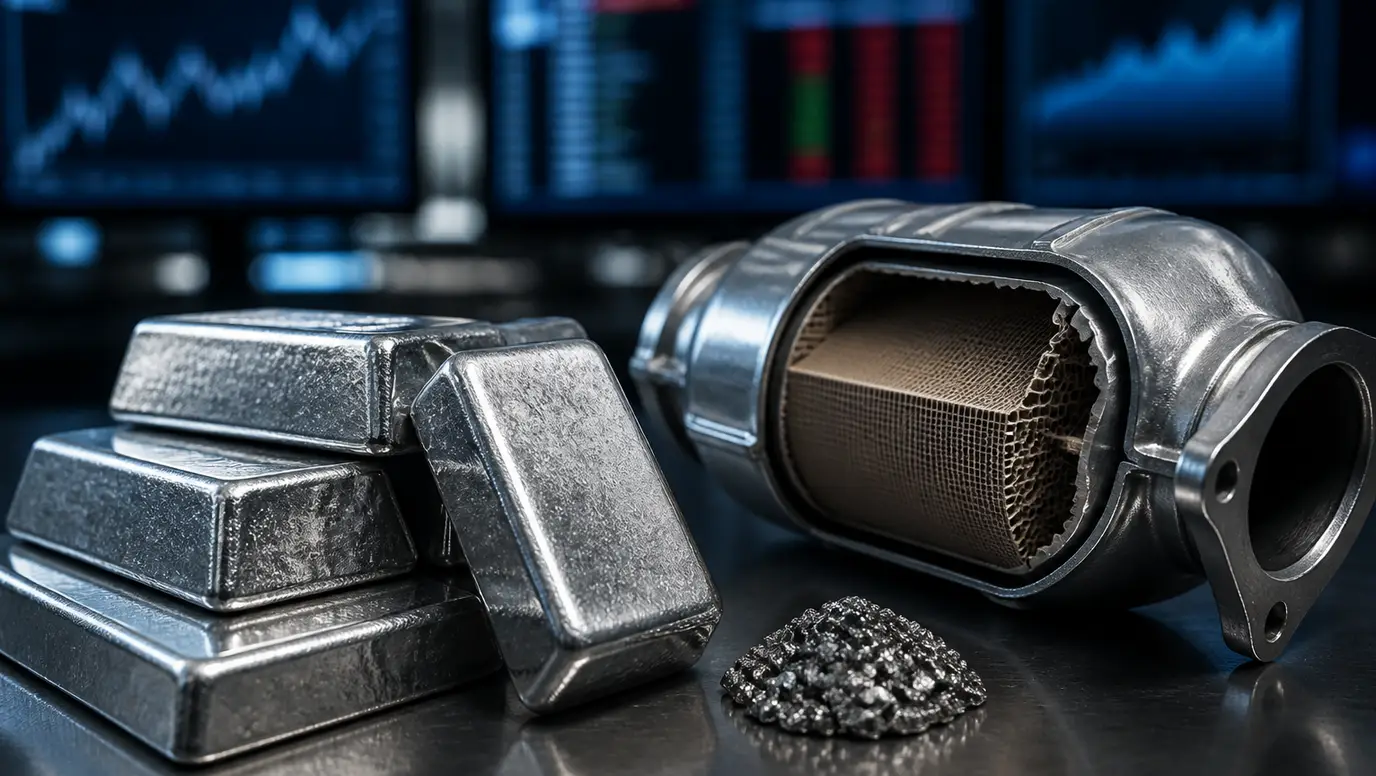
AUGUST 11, 2026
Platinum Rally Puts Metals Market on Deficit Watch as Palladium Lags
AUGUST 5, 2026
Platinum Rally Puts Metals Market on Supply Deficit Watch as Palladium Joins Move
JULY 30, 2026
Palladium Rebound Stalls as Metals and Commodities Traders Weigh Auto Demand
JULY 23, 2026
Platinum and Palladium Rebound as Metals Traders Price Fed Risk and Supply Friction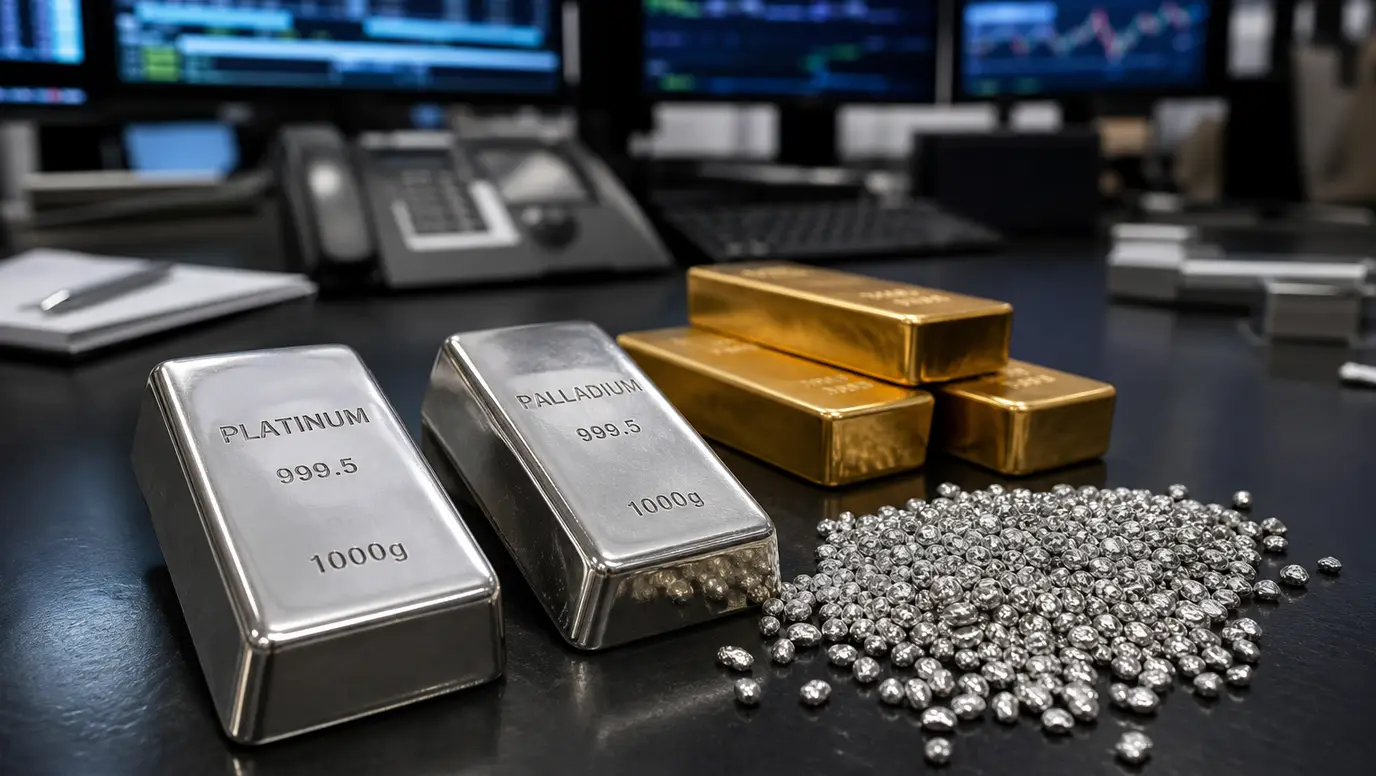
JULY 17, 2026
Platinum and Palladium Slide as Gold Bounce Fails to Lift Metals Market
JULY 7, 2026
Platinum and Palladium Buck Gold Slide as Asia Bullion Moves Reshape Metals Market
JUNE 14, 2026
Platinum and Palladium Pullback Tests the PGM Deficit Trade