OCTOBER 19, 2026
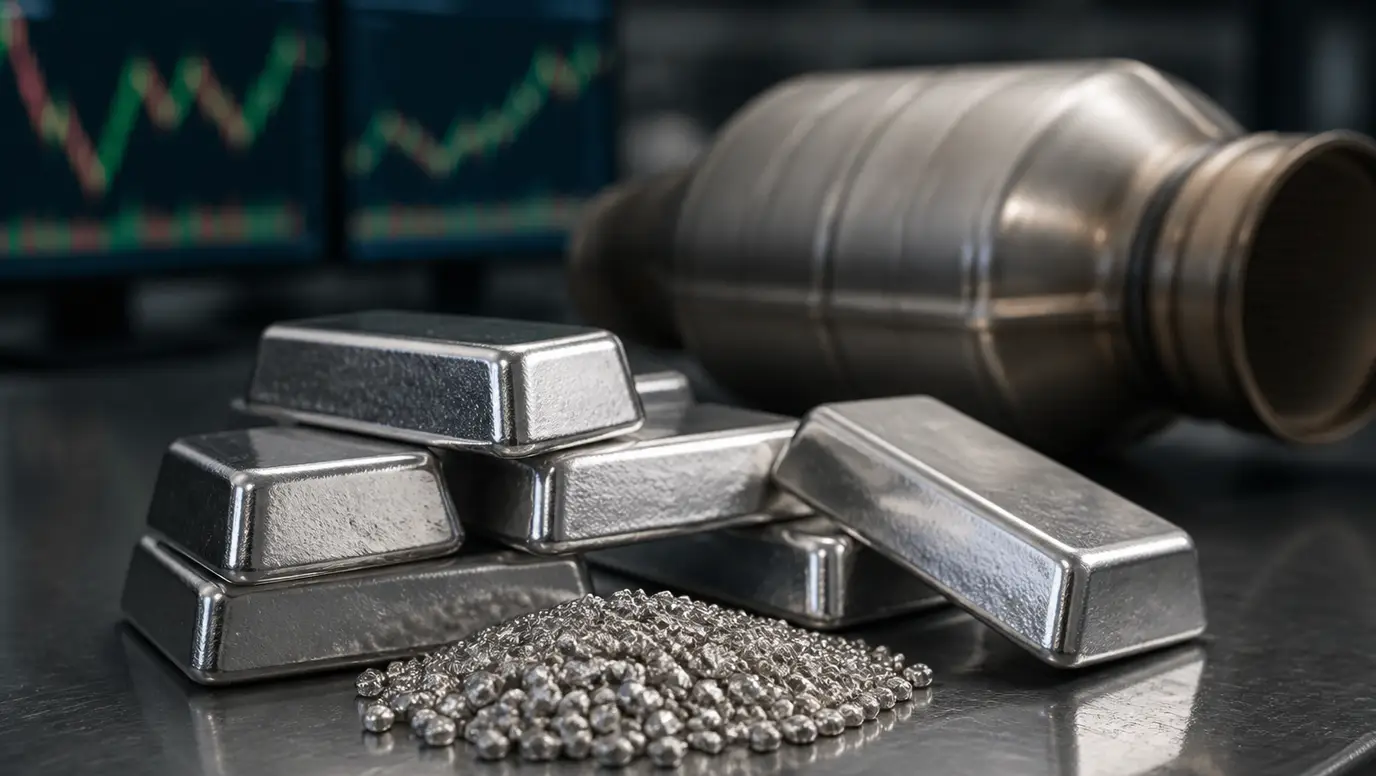
Platinum and Palladium Metals Market Rallies as Federal Reserve Pause Bets ReturnPlatinum and palladium rise as softer rate-hike expectations lift precious metals, while supply and auto-demand signals shape PGM trading.

© 1box.site 2026
JULY 17, 2026
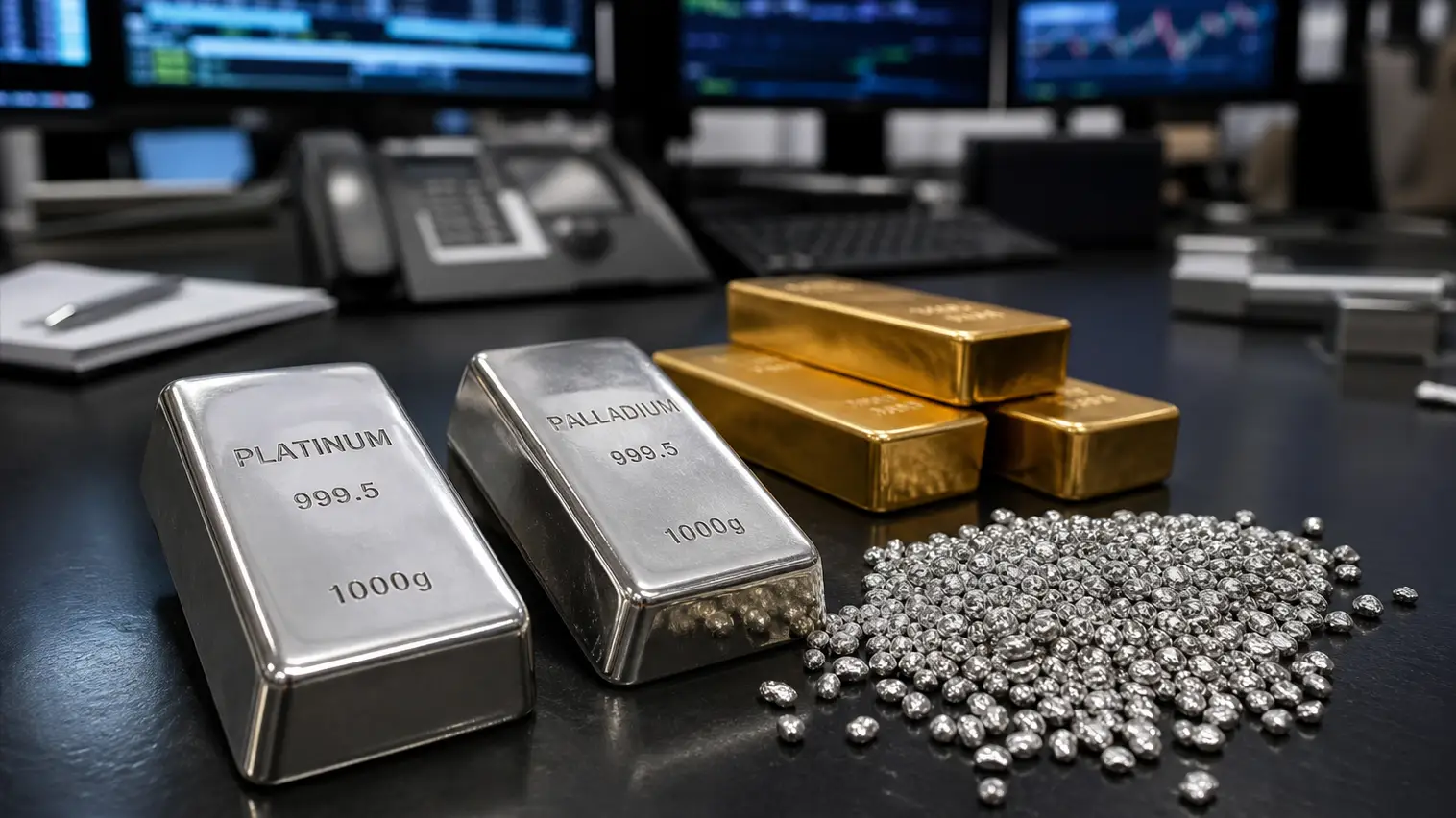
Platinum and palladium remained under pressure on Friday, July 17, as a modest recovery in gold failed to restore broader confidence across the metals market. The move left precious metals trading defensively after a volatile week shaped by higher energy costs, renewed inflation concerns and a market reassessment of how long restrictive interest-rate conditions may persist.
Spot gold edged higher in early trading but was still on course for a weekly decline, keeping the focus on whether bullion can defend the psychologically important $4,000 area after Thursday's sharper setback. Silver also stayed heavy, underscoring that the latest pressure was not limited to one metal but reflected a wider rotation away from non-yielding assets as investors weighed the risk of stickier inflation.
The sharpest weakness was visible in platinum group metals, where platinum fell toward the mid-$1,500s per ounce and palladium traded near the low-$1,200s. Both metals have struggled to attract sustained haven demand, even as geopolitical tension has remained elevated, because traders are also focused on the possibility that higher oil prices could delay a more dovish turn in monetary policy.
For platinum, the pullback interrupts a market that had previously benefited from supply concerns and renewed interest in precious metals outside gold. Palladium remains more exposed to industrial-cycle sentiment, particularly demand expectations tied to the automotive sector, where investors continue to debate the pace of substitution, emissions technology demand and electric-vehicle adoption.
Gold's limited rebound showed that safe-haven demand has not disappeared, but the metal's upside remains constrained by real-yield sensitivity. When investors expect policy rates to stay elevated, the opportunity cost of holding bullion rises, making rallies more vulnerable to profit-taking even during periods of geopolitical stress.
The US dollar and Treasury yields remain central to the next move. A firmer dollar can make dollar-priced metals more expensive for overseas buyers, while higher yields tend to pressure gold, silver, platinum and palladium by increasing the appeal of income-generating assets. That macro backdrop has left traders reluctant to rebuild aggressive long positions before clearer signals from inflation data and Federal Reserve commentary.
Silver's weakness added another layer of caution because the metal sits between precious-metal and industrial demand narratives. A decline in silver alongside platinum and palladium suggests investors are not only reacting to rate expectations, but also questioning whether recent price levels fully reflect near-term manufacturing and clean-energy demand.
Copper has also become an important cross-market signal for the metals complex. After a strong run earlier in July, copper's softer tone points to a more selective commodity market in which supply tightness can support prices, but macro pressure can still limit follow-through. That makes the coming sessions especially important for judging whether the broader metals rally is consolidating or losing momentum.
For the metals market, the near-term test is whether gold can stabilize above $4,000 while platinum and palladium find support after their latest slide. A softer dollar or a retreat in yields could help precious metals recover, but another rise in oil-driven inflation expectations would likely keep the sector defensive.
Until that balance shifts, traders may continue to favor short-term positioning over broad accumulation. The current setup leaves metals highly sensitive to incoming inflation readings, central-bank signals and any fresh developments that alter the outlook for energy prices and global industrial demand.
OCTOBER 19, 2026
Platinum and Palladium Metals Market Rallies as Federal Reserve Pause Bets Return
SEPTEMBER 28, 2026
Palladium and Platinum Slide as Dollar, Yields Pressure Metals Market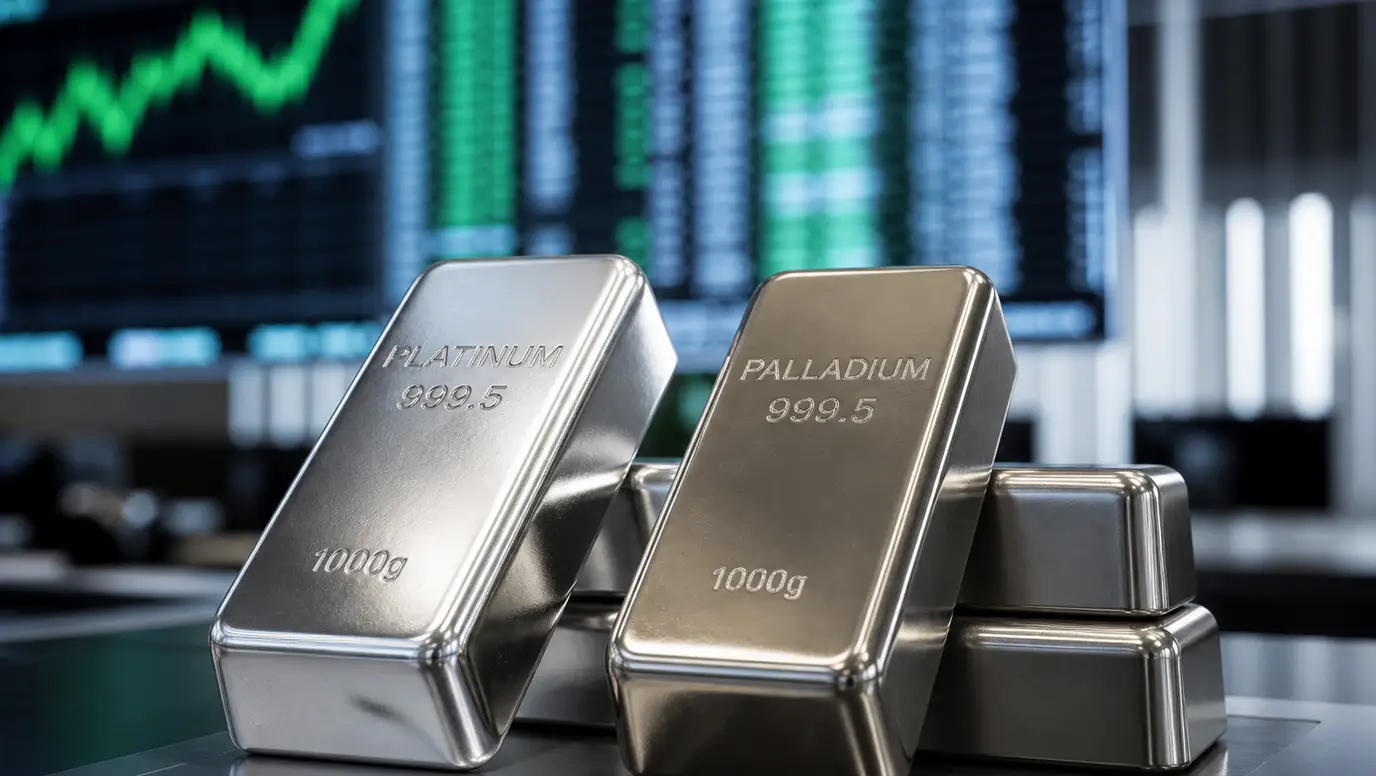
SEPTEMBER 3, 2026
Platinum and Palladium Rebound as Softer Dollar Lifts Metals Before US Jobs Data
AUGUST 24, 2026
Platinum Rally Puts Metals Market on Treasury Yields Watch as Supply Deficit Talk Returns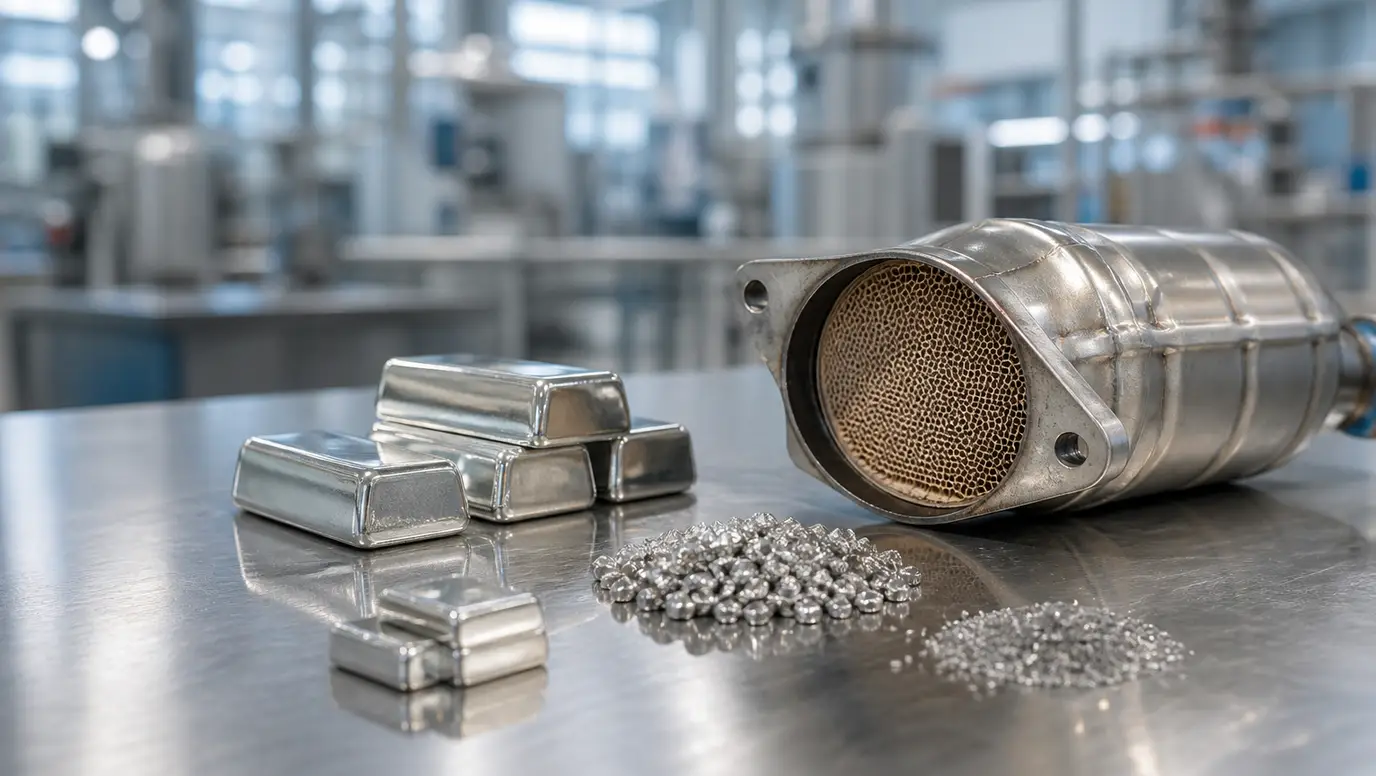
AUGUST 17, 2026
Platinum Holds Metals Market Focus as Deficit Story Meets Federal Reserve Minutes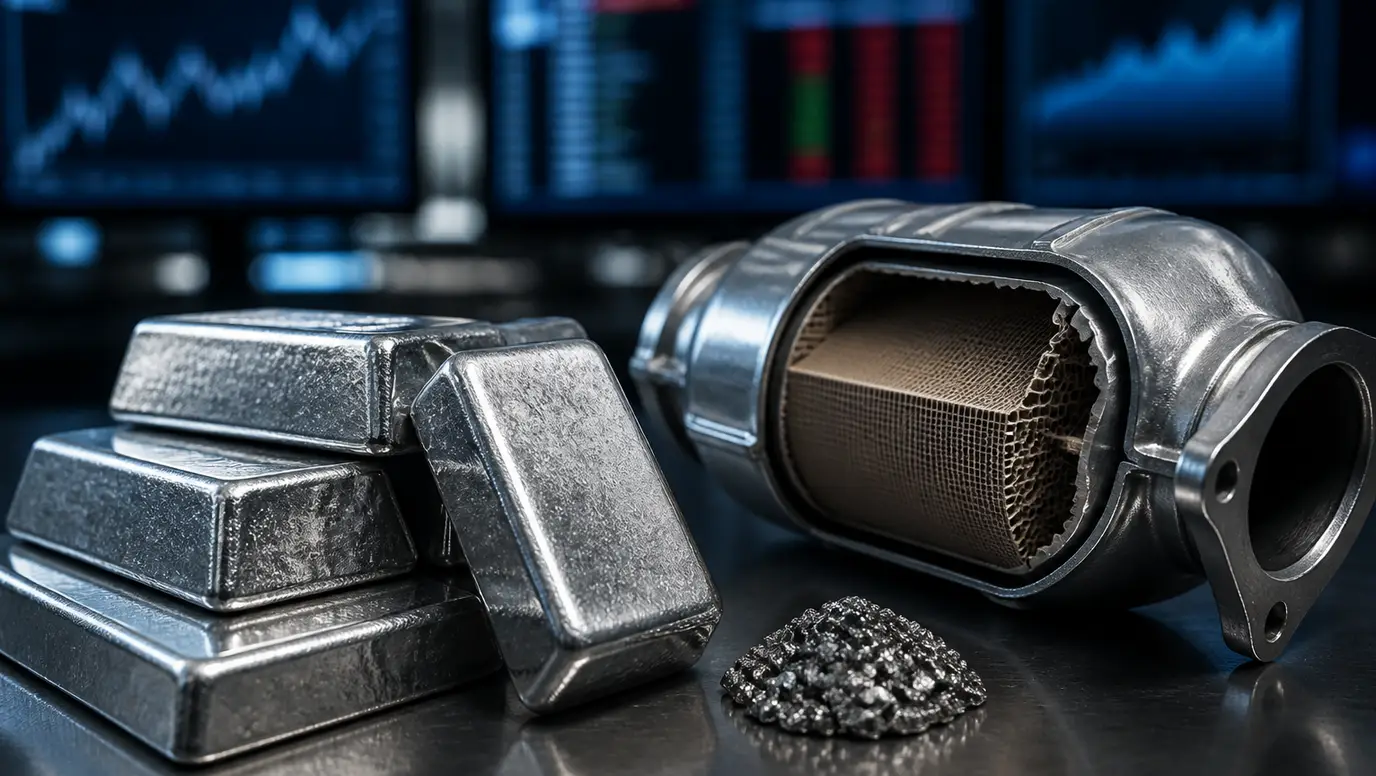
AUGUST 11, 2026
Platinum Rally Puts Metals Market on Deficit Watch as Palladium Lags
AUGUST 5, 2026
Platinum Rally Puts Metals Market on Supply Deficit Watch as Palladium Joins Move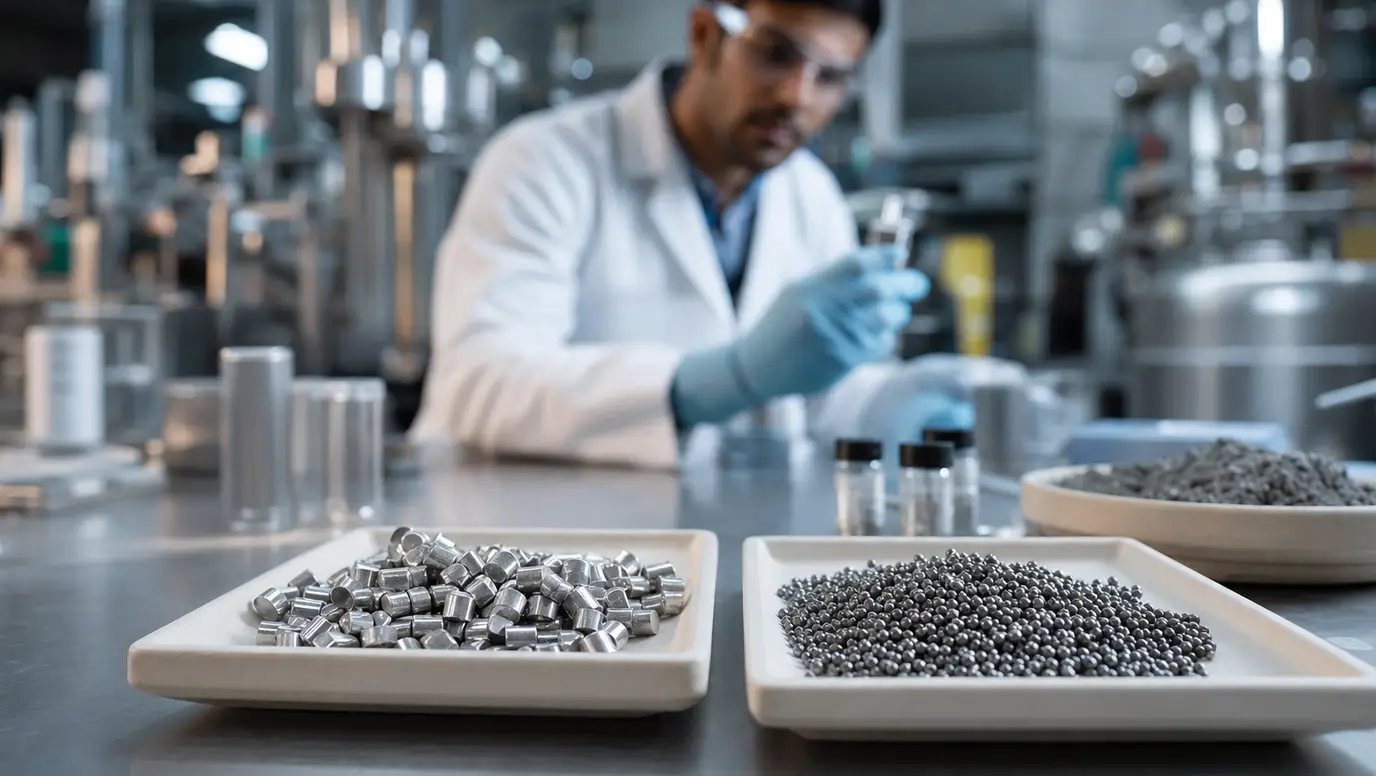
JULY 23, 2026
Platinum and Palladium Rebound as Metals Traders Price Fed Risk and Supply Friction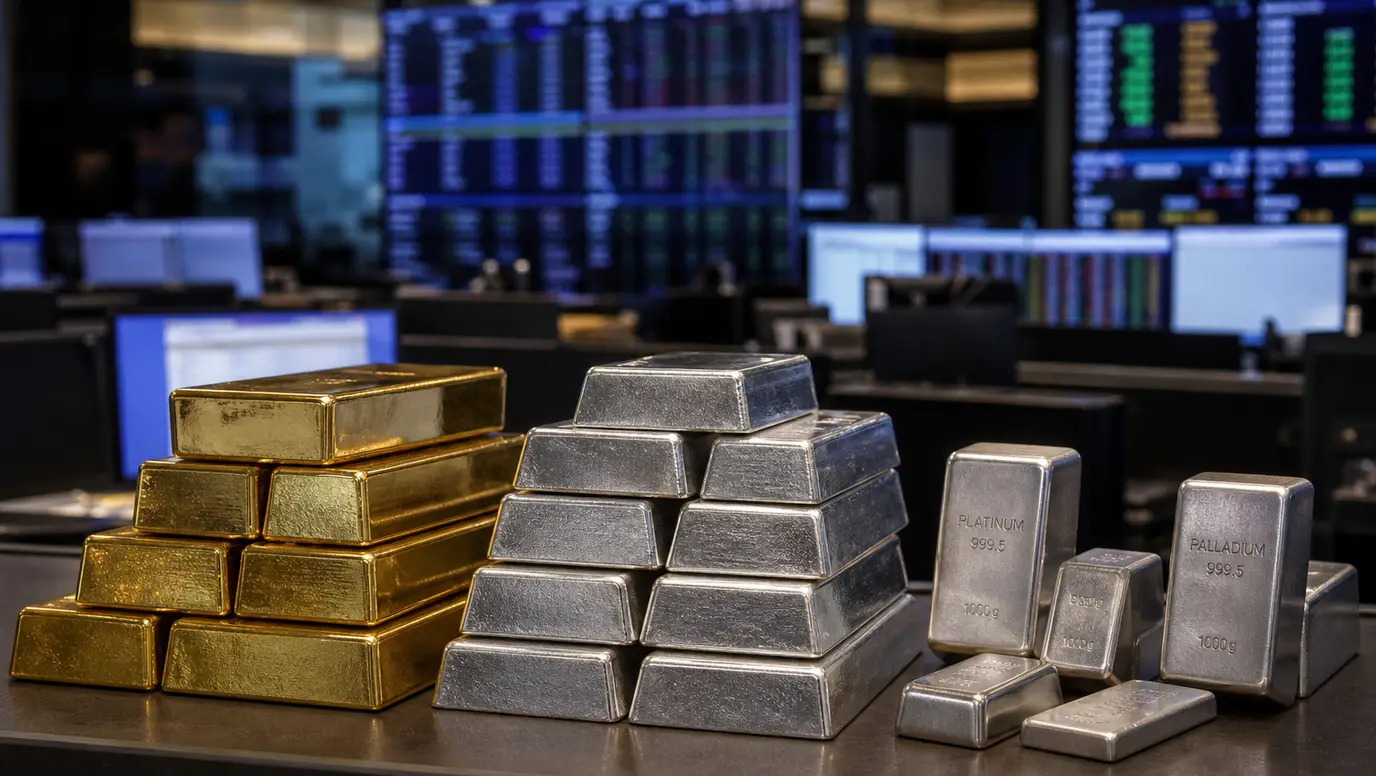
JULY 7, 2026
Platinum and Palladium Buck Gold Slide as Asia Bullion Moves Reshape Metals Market
JUNE 14, 2026
Platinum and Palladium Pullback Tests the PGM Deficit Trade