SEPTEMBER 28, 2026
Palladium and Platinum Slide as Dollar, Yields Pressure Metals MarketPalladium and platinum fall as a stronger dollar, higher yields and oil-led inflation fears pressure the metals market.

© 1box.site 2026
AUGUST 5, 2026
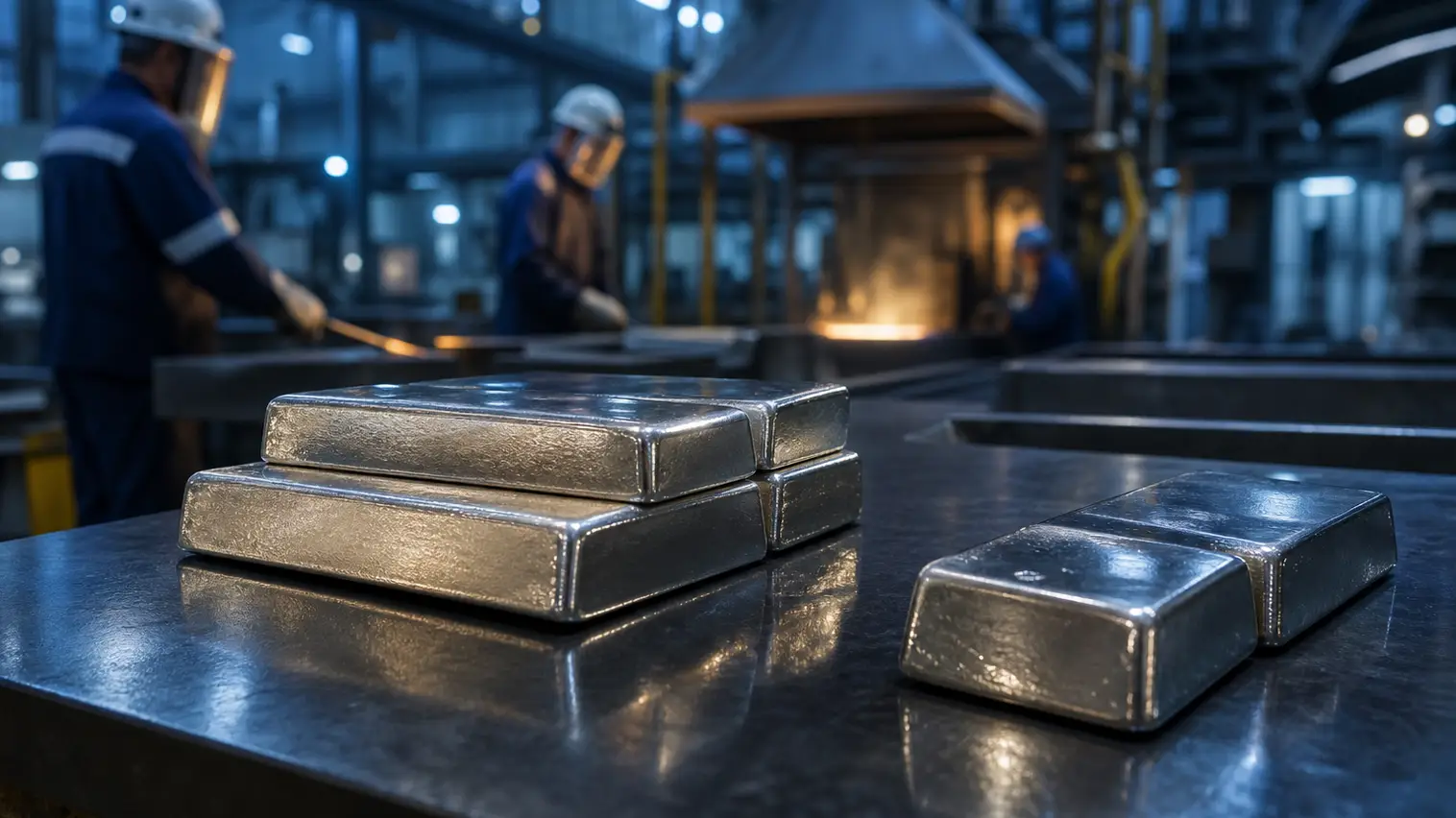
Platinum returned to the center of metals market attention on August 5 as traders reassessed the balance between tight physical supply, industrial demand and a still-sensitive macro backdrop. The move also pulled palladium into focus, with the broader platinum group metals complex showing renewed momentum after weeks of choppy trading.
The latest shift is not simply a technical rebound. Investors are weighing a market that remains vulnerable to mine disruptions, elevated operating costs and limited spare supply, especially in key producing regions. At the same time, rate expectations, Treasury yields and the US Dollar continue to shape appetite for non-yielding precious metals, leaving platinum exposed to both supply headlines and macro swings.
The most important support for platinum is the view that demand is likely to exceed available supply again in 2026. Industrial users continue to compete with automotive, jewelry and investment demand, while mine output has not shown enough flexibility to quickly rebuild inventories. That keeps the market sensitive to any sign of labor disruption, power constraints or lower refined production.
Unlike gold, platinum has a heavier industrial profile, which makes its rally more dependent on real-world consumption. Chemical, petroleum, electronics and automotive applications all matter for pricing. This gives the metal a different risk profile from traditional safe-haven bullion: it can benefit from supply tightness, but it can also weaken quickly if traders begin to price in slower manufacturing activity.
Above-ground stocks remain a key concern for buyers. When inventories are thin, short-term price rallies can accelerate as fabricators and investors compete for available metal. That dynamic has helped keep dips relatively shallow when supply concerns return, even as broader precious metals sentiment remains tied to the Federal Reserve and the direction of real yields.
Palladium’s participation in the rally adds strength to the metals market signal, but its outlook is more complicated. The metal still relies heavily on gasoline vehicle catalysts, making it more exposed to changes in auto production, emissions technology and electric vehicle penetration. That narrower demand base means palladium can rise sharply during short-covering phases but may struggle to sustain gains without stronger evidence of durable consumption.
Substitution trends are also important. Automakers have adjusted catalyst mixes in recent years as relative prices between platinum and palladium shifted. If palladium remains cheaper than platinum for a sustained period, some demand could rotate back toward palladium-rich systems. However, that process is gradual and depends on technical approvals, regulatory requirements and production planning cycles.
For metals traders, the key question is whether platinum’s deficit story can keep supporting the wider group even if palladium faces a looser balance. A synchronized advance would suggest stronger conviction in platinum group metals as a whole. A divergence, with platinum outperforming and palladium fading, would point to a more selective market driven by supply scarcity rather than broad industrial optimism.
Despite the strong fundamental argument, platinum is unlikely to trade in isolation. Higher Treasury yields tend to raise the opportunity cost of holding precious metals, while a stronger US Dollar makes dollar-priced commodities more expensive for international buyers. That means any hawkish repricing of Federal Reserve policy could cool momentum, even if the physical market remains tight.
Conversely, softer yields or a weaker dollar would improve the backdrop for platinum and palladium. In that scenario, investors may be more willing to add exposure to metals with supply deficits and industrial demand links. This is why upcoming US inflation, jobs and central bank signals remain relevant for the metals market, even when the immediate story is supply-driven.
The near-term setup favors volatility rather than a straight-line rally. Platinum has a credible deficit narrative, palladium has rebound potential, and both metals sit at the intersection of industrial demand and precious metals positioning. For now, the metals market is treating platinum group metals as a live risk trade, with supply stress providing the spark and macro policy deciding how far the move can run.
SEPTEMBER 28, 2026
Palladium and Platinum Slide as Dollar, Yields Pressure Metals Market
SEPTEMBER 3, 2026
Platinum and Palladium Rebound as Softer Dollar Lifts Metals Before US Jobs Data
AUGUST 24, 2026
Platinum Rally Puts Metals Market on Treasury Yields Watch as Supply Deficit Talk Returns
AUGUST 17, 2026
Platinum Holds Metals Market Focus as Deficit Story Meets Federal Reserve Minutes
AUGUST 11, 2026
Platinum Rally Puts Metals Market on Deficit Watch as Palladium Lags
JULY 23, 2026
Platinum and Palladium Rebound as Metals Traders Price Fed Risk and Supply Friction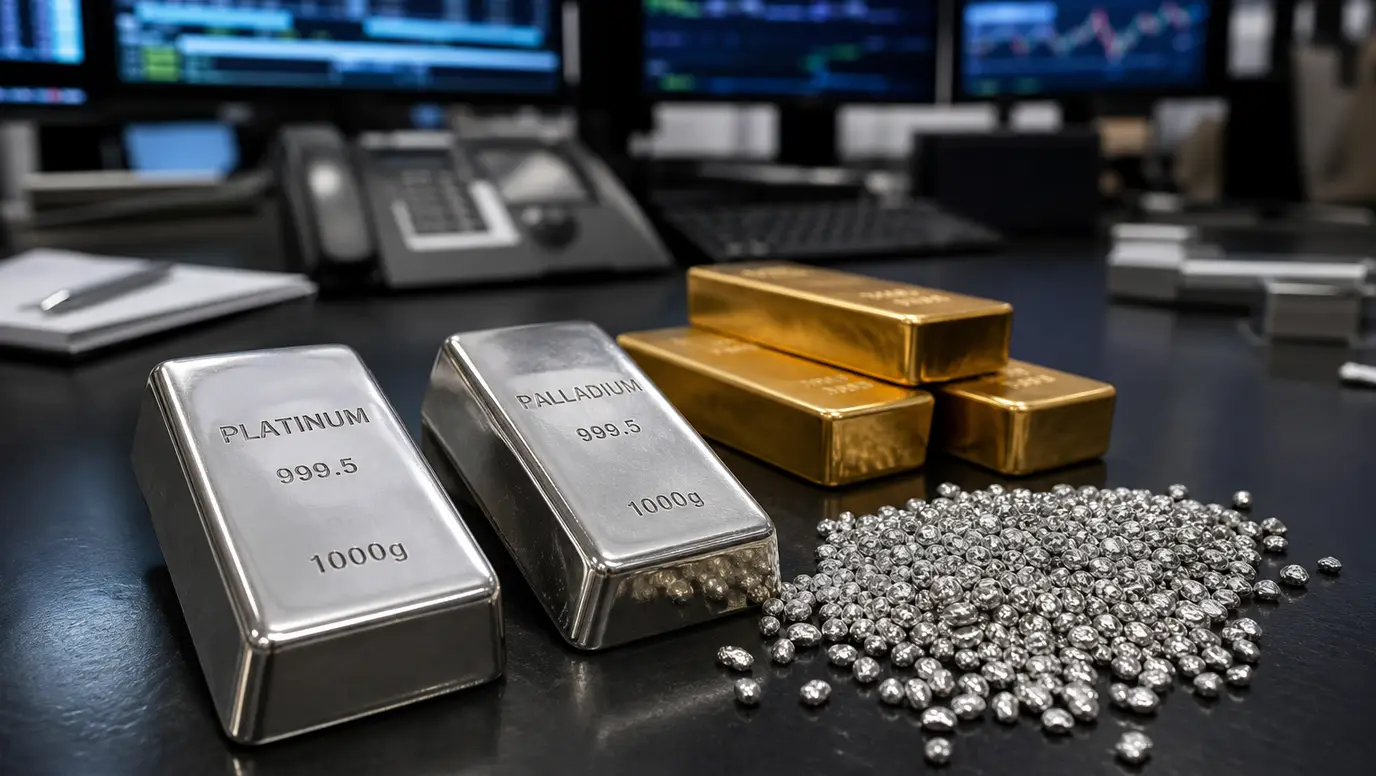
JULY 17, 2026
Platinum and Palladium Slide as Gold Bounce Fails to Lift Metals Market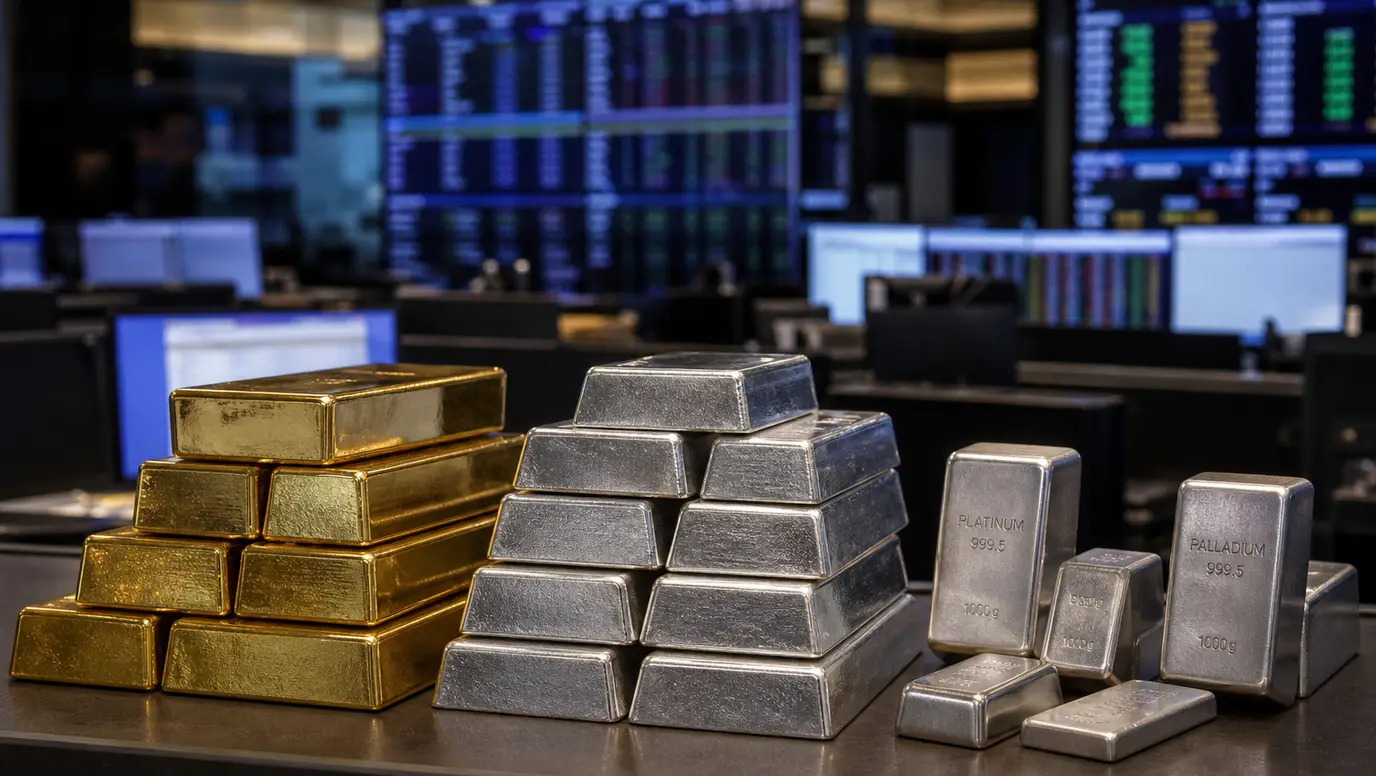
JULY 7, 2026
Platinum and Palladium Buck Gold Slide as Asia Bullion Moves Reshape Metals Market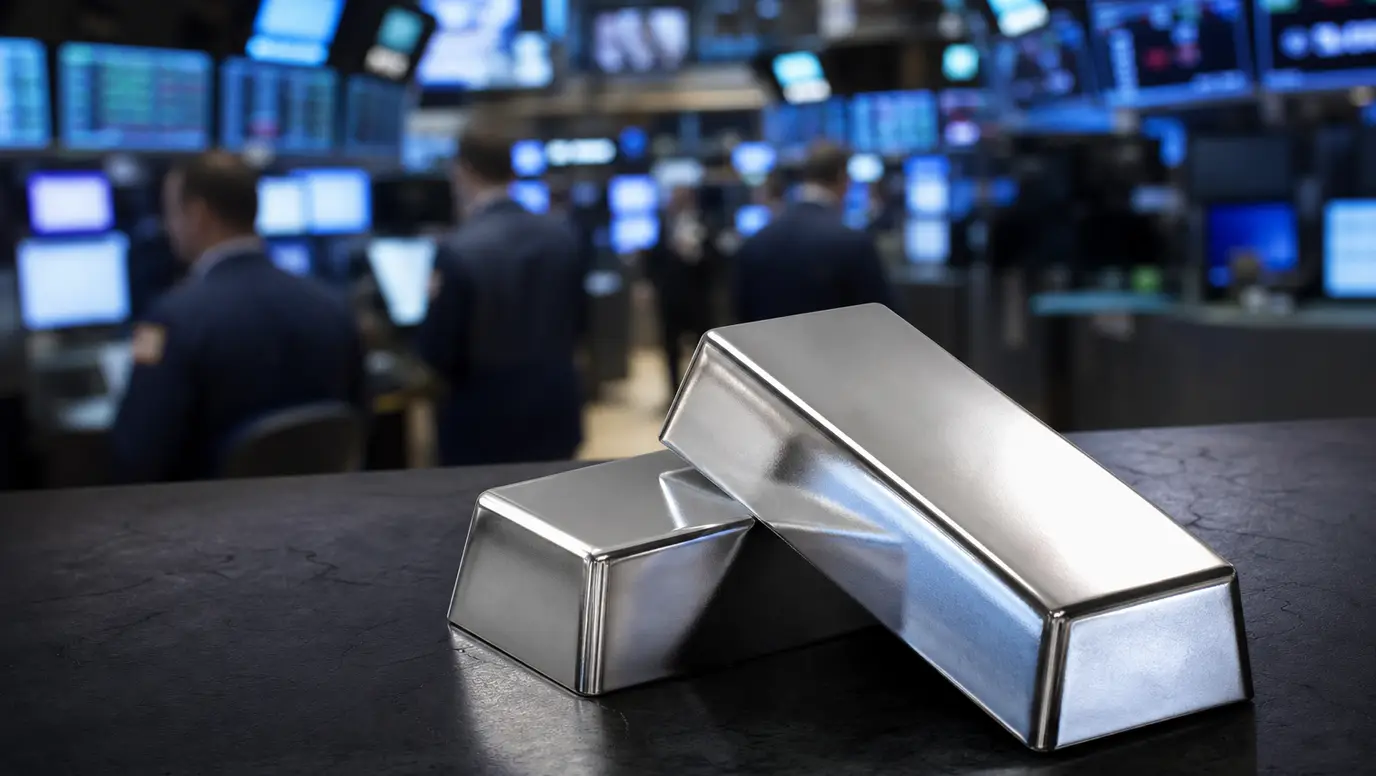
JUNE 14, 2026
Platinum and Palladium Pullback Tests the PGM Deficit Trade