OCTOBER 19, 2026
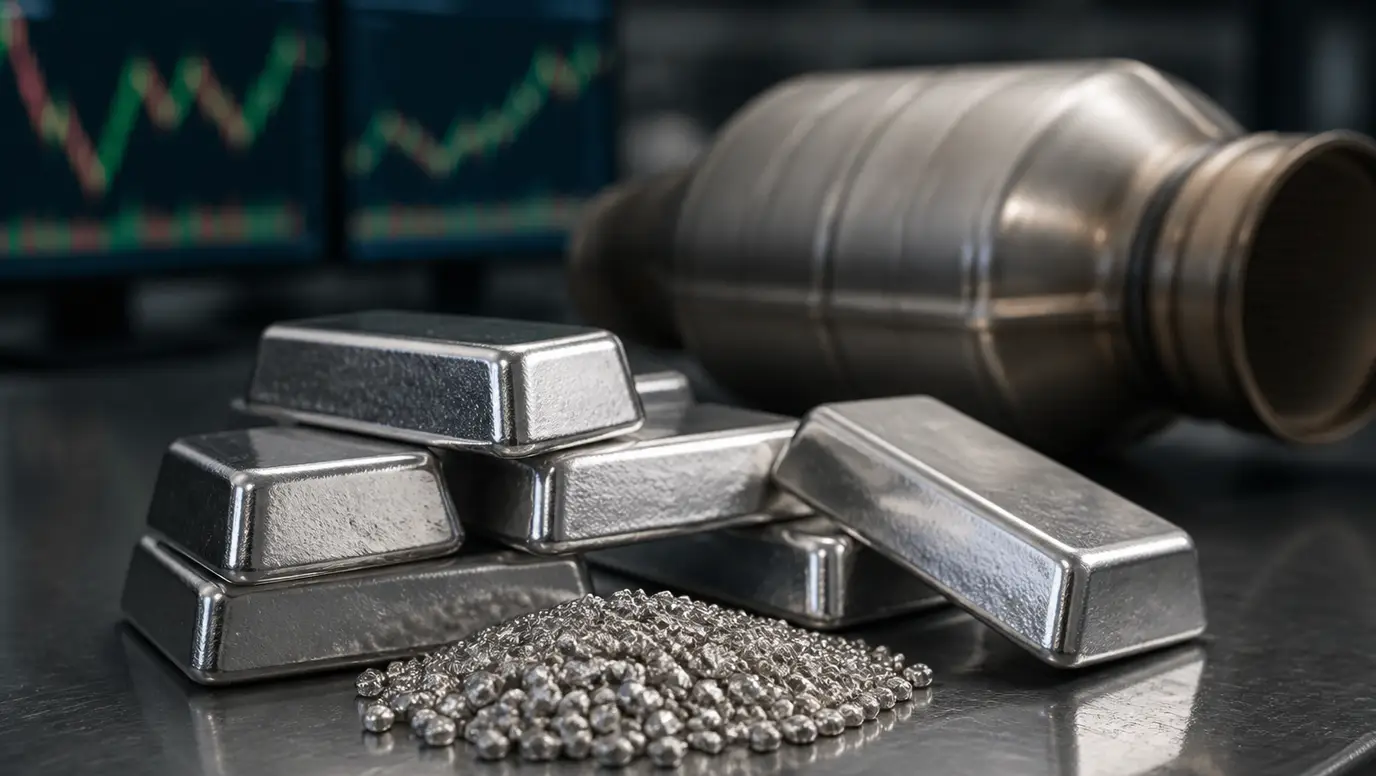
Platinum and Palladium Metals Market Rallies as Federal Reserve Pause Bets ReturnPlatinum and palladium rise as softer rate-hike expectations lift precious metals, while supply and auto-demand signals shape PGM trading.

© 1box.site 2026
AUGUST 11, 2026
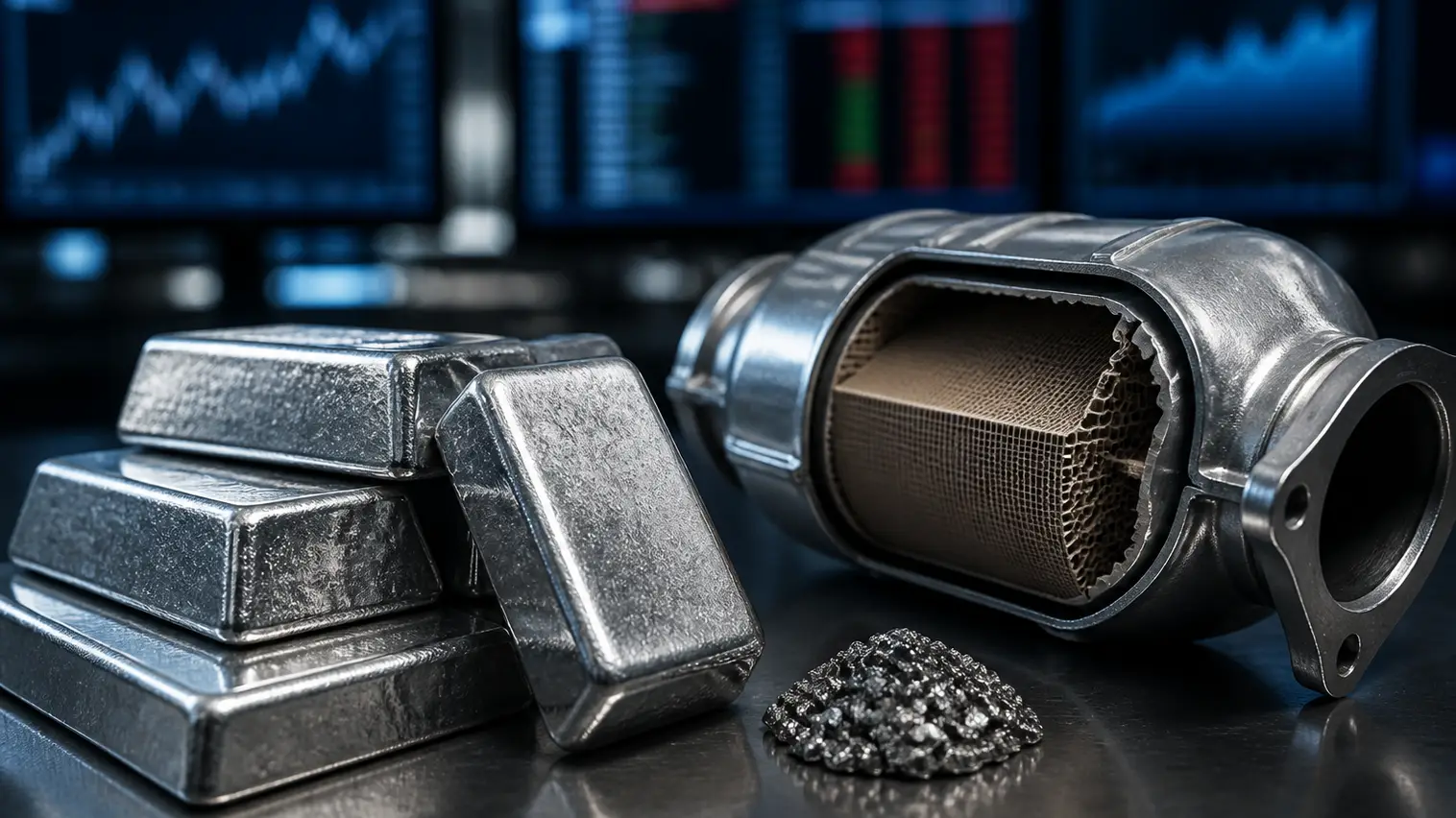
Platinum moved back into the center of the metals market on Tuesday, August 11, 2026, as traders weighed a sharp recent rebound against a still-fragile supply outlook and a more cautious tone in palladium. The move has made platinum one of the livelier corners of the precious-metals complex, particularly because recent coverage of the sector has already been dominated by gold, silver, copper and tin.
The latest bid in platinum is being driven less by a single macro headline and more by a tightening narrative: constrained mined supply, uneven recycling flows, firm industrial consumption and renewed investor interest in metals that still trade with a smaller liquidity pool than gold or silver. That combination can amplify price swings when speculative positioning meets physical-market stress.
Palladium, by contrast, remains more exposed to questions around autocatalyst demand and the pace of substitution in vehicle emissions systems. The divergence is important for metals investors because both metals belong to the platinum group, but their demand profiles are no longer moving in lockstep.
Industry forecasts continue to point to another annual platinum supply shortfall in 2026, though estimates vary on the exact size of the deficit. The key issue for traders is not only whether demand exceeds supply this year, but how much above-ground inventory has already been drawn down after several tight years.
South Africa remains central to the supply debate because it is the dominant source of mined platinum. Aging shafts, cost pressure, power reliability concerns and safety-related disruptions can all limit the speed at which producers respond to higher prices. Zimbabwe and Russia also matter, but neither offers an easy short-term fix if South African output disappoints.
On the demand side, platinum still draws support from autocatalysts, jewelry, glass, chemical applications and investment products. Hybrid vehicle growth is also being watched closely because it can preserve catalyst demand even as battery-electric vehicles gain share. That makes platinum less purely defensive than gold and more tied to the health of manufacturing, vehicle production and industrial capital spending.
Palladium’s weaker relative tone reflects a different set of fundamentals. The metal remains heavily tied to gasoline vehicle catalysts, a market facing pressure from electric-vehicle adoption, substitution by platinum in some systems and a gradual recovery in recycling. If recycled palladium supply improves while vehicle demand softens, the market can loosen even when spot prices enjoy short-term rallies.
That contrast is why the platinum-palladium spread is becoming a more important signal for metals desks. A firmer platinum price alongside restrained palladium momentum suggests investors are distinguishing between a structural deficit story and a market still adjusting to changing auto technology.
For now, platinum bulls need to see evidence that industrial demand can absorb higher prices without a sharp retreat in jewelry or investment buying. Bears, meanwhile, will look for stronger recycling flows, softer global manufacturing indicators or a rebound in the U.S. dollar to cool the rally.
The broader metals market is entering a data-heavy stretch, with U.S. inflation figures, Treasury-yield moves and dollar direction still capable of influencing precious metals sentiment. Platinum’s advantage is that its current story is not purely monetary. It also carries a physical supply angle that can remain supportive even when rate expectations shift.
That does not remove risk. Platinum is a thinner market than gold, so gains can reverse quickly if investors reduce commodity exposure or if macro data revive expectations for tighter monetary policy. Still, the latest price action shows that traders are looking beyond the traditional safe-haven trade and reassessing metals with more direct industrial scarcity themes.
If platinum holds its recent momentum while palladium struggles to confirm the move, the metals market may continue to reward the deficit story over the broader platinum-group basket. That would keep platinum in focus as one of the most actively watched metals heading into the second half of August.
OCTOBER 19, 2026
Platinum and Palladium Metals Market Rallies as Federal Reserve Pause Bets Return
SEPTEMBER 28, 2026
Palladium and Platinum Slide as Dollar, Yields Pressure Metals Market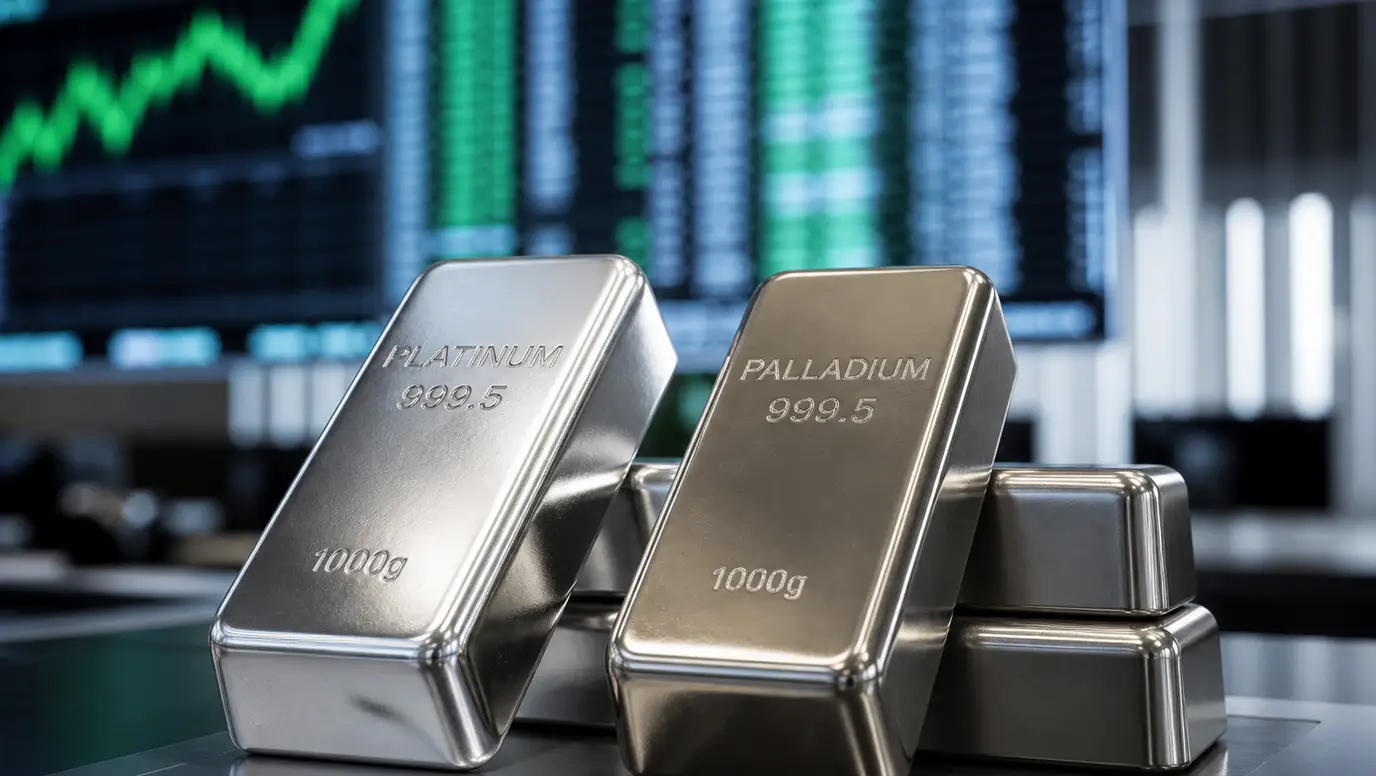
SEPTEMBER 3, 2026
Platinum and Palladium Rebound as Softer Dollar Lifts Metals Before US Jobs Data
AUGUST 24, 2026
Platinum Rally Puts Metals Market on Treasury Yields Watch as Supply Deficit Talk Returns
AUGUST 17, 2026
Platinum Holds Metals Market Focus as Deficit Story Meets Federal Reserve Minutes
AUGUST 5, 2026
Platinum Rally Puts Metals Market on Supply Deficit Watch as Palladium Joins Move
JULY 23, 2026
Platinum and Palladium Rebound as Metals Traders Price Fed Risk and Supply Friction
JULY 17, 2026
Platinum and Palladium Slide as Gold Bounce Fails to Lift Metals Market
JULY 7, 2026
Platinum and Palladium Buck Gold Slide as Asia Bullion Moves Reshape Metals Market
JUNE 14, 2026
Platinum and Palladium Pullback Tests the PGM Deficit Trade