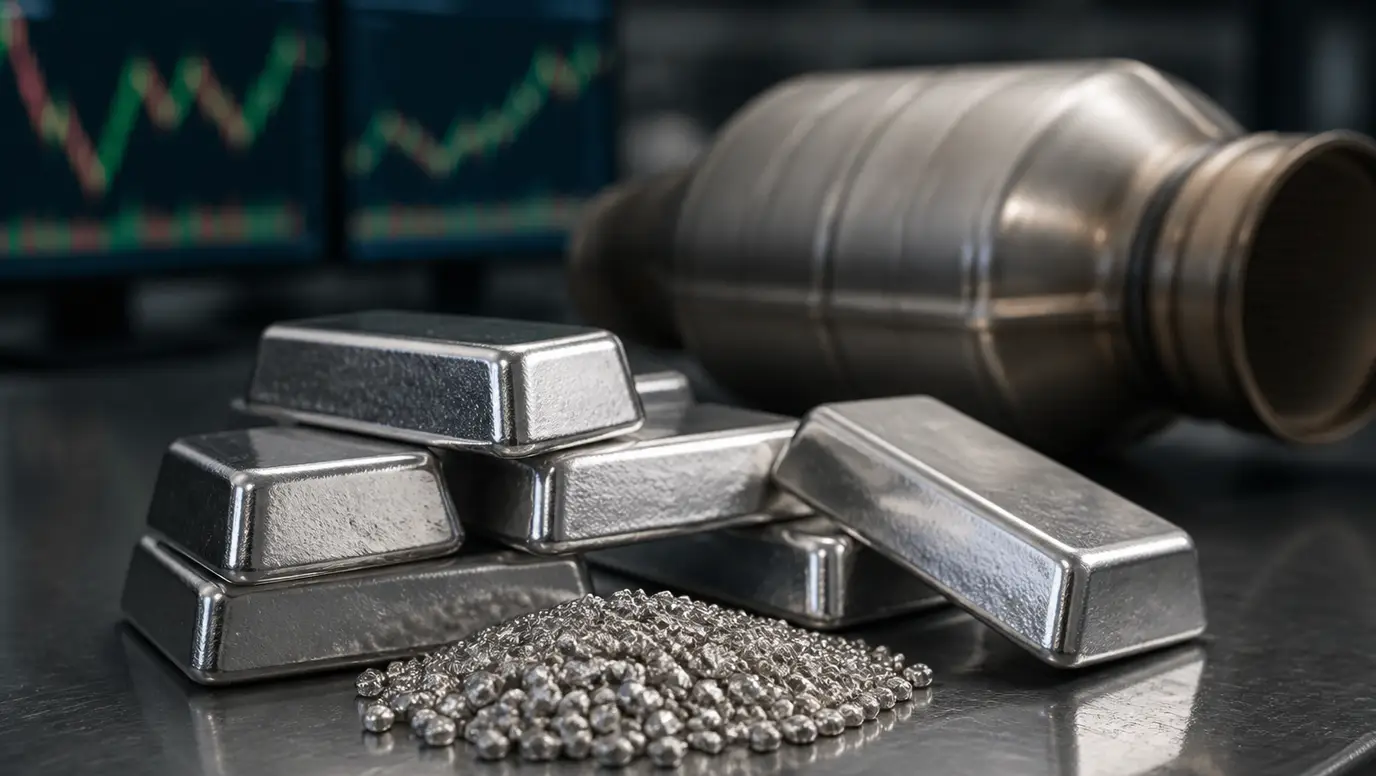
OCTOBER 19, 2026
Platinum and Palladium Metals Market Rallies as Federal Reserve Pause Bets ReturnPlatinum and palladium rise as softer rate-hike expectations lift precious metals, while supply and auto-demand signals shape PGM trading.

© 1box.site 2026
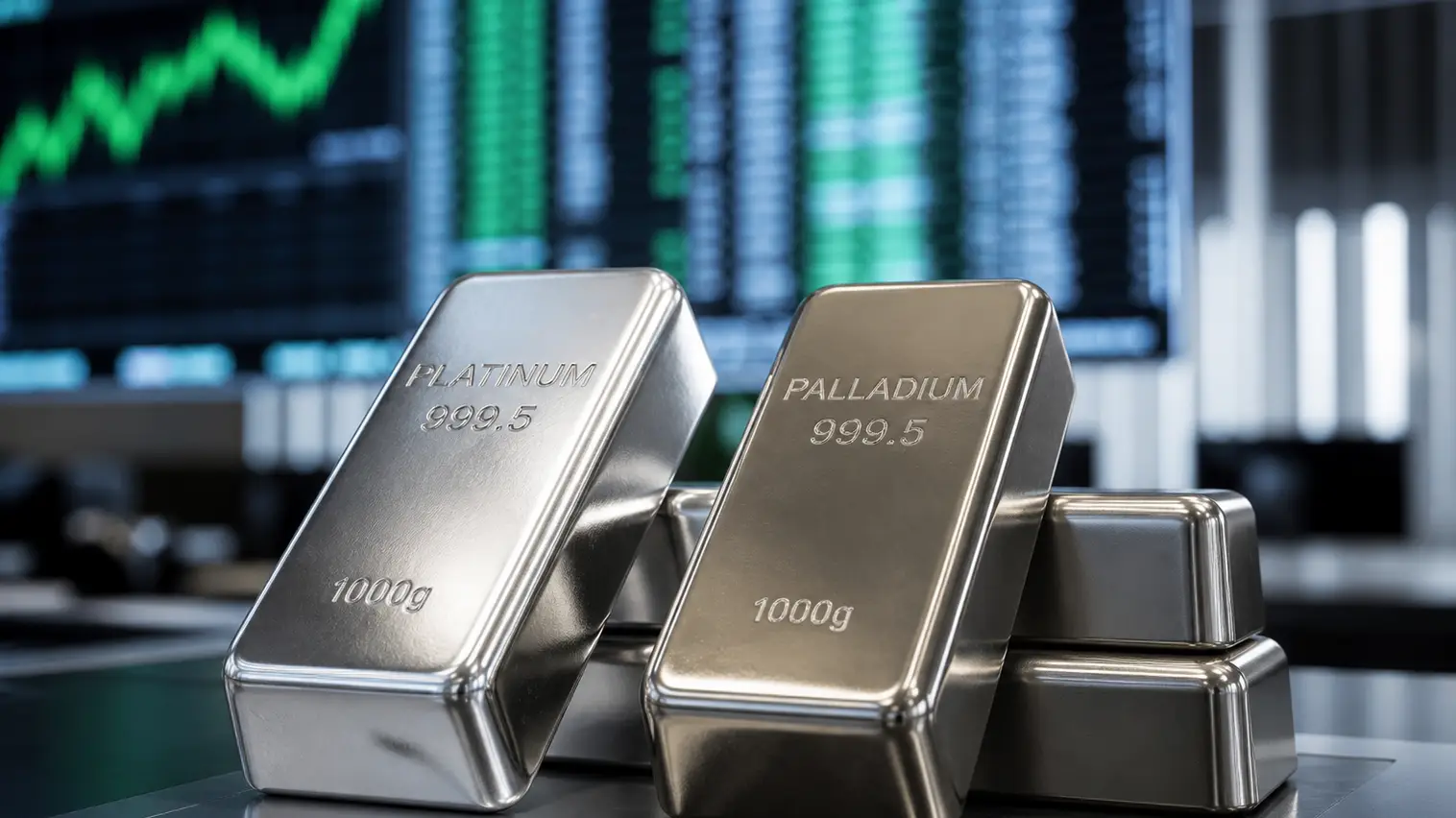
SEPTEMBER 3, 2026
Platinum and palladium pushed higher on Thursday as the metals market found support from a weaker US dollar, easing Treasury yields and renewed caution before the next US employment report. The move extended a broader precious-metals rebound after recent pressure from higher bond yields and expectations that the Federal Reserve could keep policy restrictive.
Spot platinum rose around 1% in early European trade, while palladium gained more sharply, climbing about 1.7%. The advance came alongside gains in gold and silver, signaling that investors were again willing to add exposure to non-yielding and industrially sensitive metals as the dollar retreated from recent highs.
The rebound was not driven by one metal alone. Instead, traders appeared to be recalibrating positions across the complex after a volatile start to September. A softer dollar makes dollar-priced metals more accessible for buyers using other currencies, while lower yields reduce the opportunity cost of holding assets that do not pay income. That combination is especially important for platinum-group metals, which can trade on both macro conditions and industrial-demand expectations.
The latest price action showed how quickly metals can respond when the bond-market backdrop turns less hostile. Treasury yields eased from elevated levels, and the dollar lost momentum as investors waited for confirmation from the labor market. For platinum and palladium, that shift helped stabilize sentiment after recent sessions were dominated by rate-hike concerns and risk aversion.
Markets are focused on whether the upcoming US jobs figures will validate hawkish Federal Reserve expectations or weaken the case for another rate increase. A resilient payrolls reading could lift yields again and pressure metals, while a softer report may encourage traders to price in a less aggressive policy path. Until that data arrives, short-term positioning is likely to remain sensitive to moves in the dollar index and real yields.
Platinum and palladium also benefited from the broader tone in precious metals. Gold’s rise helped anchor the complex, while silver’s advance added another signal that buyers were returning after the previous pullback. Even so, the rally remains vulnerable if stronger US data revives the view that interest rates will stay higher for longer.
Unlike gold, platinum and palladium are heavily tied to industrial use, especially in emissions-control systems for vehicles. That gives the two metals a different risk profile: they can rise with precious-metal demand when the dollar weakens, but they also react to expectations for manufacturing activity, auto production and substitution trends inside the catalytic-converter market.
Palladium’s stronger percentage gain suggested some short covering after a difficult period for the metal. The long-term demand outlook remains complicated by the gradual shift toward electric vehicles and ongoing substitution with platinum in some applications. However, tightness in specific physical markets and sudden changes in investor positioning can still produce sharp rallies when macro conditions become more supportive.
Platinum’s advance was steadier, helped by its dual role as a precious metal and an industrial input. Investors continue to monitor whether demand from autocatalysts, hydrogen-related technologies and jewelry can offset macro pressure from higher rates. In the near term, however, the dominant driver remains the same as for the broader metals market: the direction of the dollar and Treasury yields before the Federal Reserve’s next policy decision.
The payrolls report is now the key event risk for metals traders. A weaker labor-market signal would likely reinforce the current rebound by lowering rate-hike expectations and extending the dollar pullback. That scenario could keep platinum and palladium supported, especially if gold and silver continue to attract defensive flows.
A stronger report would carry the opposite risk. If investors rebuild bets on tighter Federal Reserve policy, yields could rise again and challenge the recovery across precious metals. Platinum and palladium may then give back part of Thursday’s move, particularly if industrial-risk sentiment weakens at the same time.
For now, the metals market is trading as though the sharpest pressure from the recent yield spike has eased. Platinum and palladium have regained buyers, but the durability of the rebound depends on whether upcoming US data confirms a cooling economy or reopens the case for another round of monetary tightening.
OCTOBER 19, 2026
Platinum and Palladium Metals Market Rallies as Federal Reserve Pause Bets Return
SEPTEMBER 28, 2026
Palladium and Platinum Slide as Dollar, Yields Pressure Metals Market
AUGUST 24, 2026
Platinum Rally Puts Metals Market on Treasury Yields Watch as Supply Deficit Talk Returns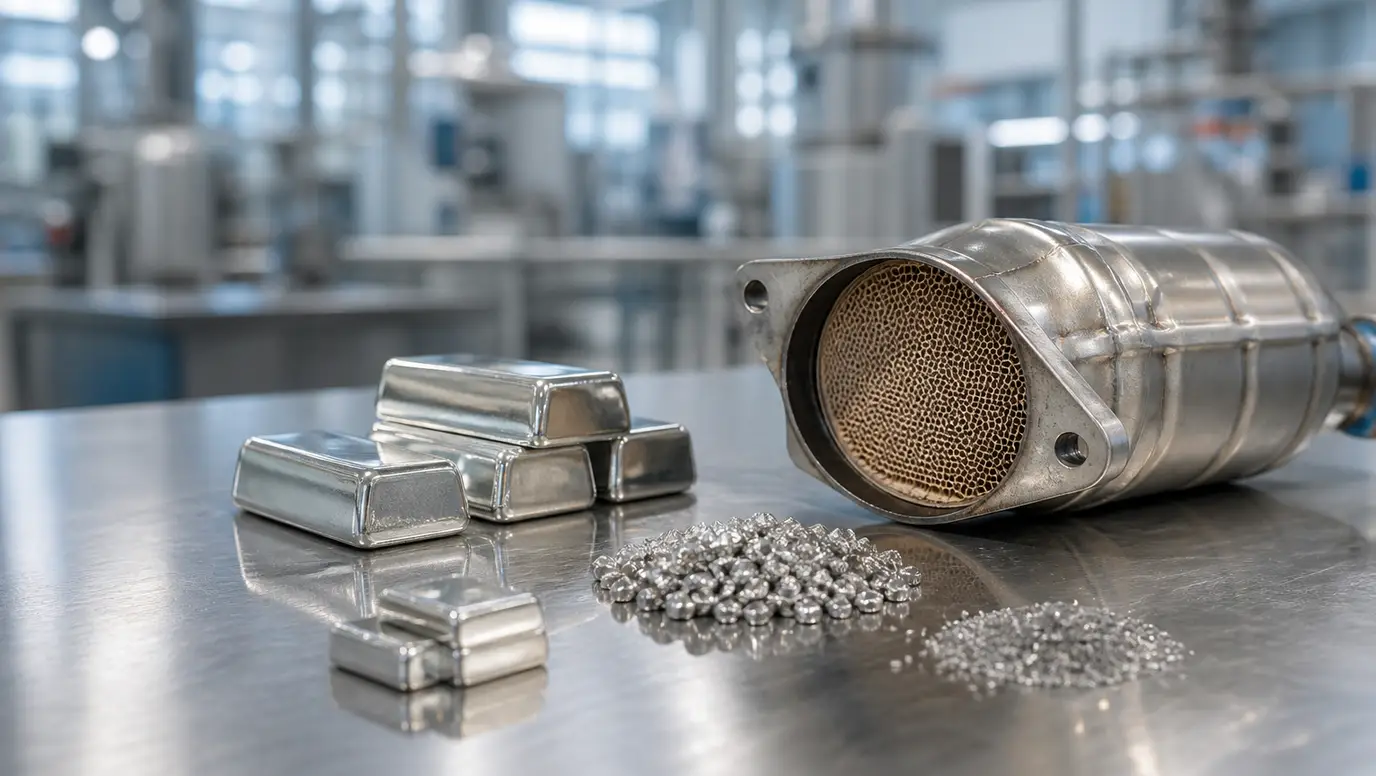
AUGUST 17, 2026
Platinum Holds Metals Market Focus as Deficit Story Meets Federal Reserve Minutes
AUGUST 11, 2026
Platinum Rally Puts Metals Market on Deficit Watch as Palladium Lags
AUGUST 5, 2026
Platinum Rally Puts Metals Market on Supply Deficit Watch as Palladium Joins Move
JULY 23, 2026
Platinum and Palladium Rebound as Metals Traders Price Fed Risk and Supply Friction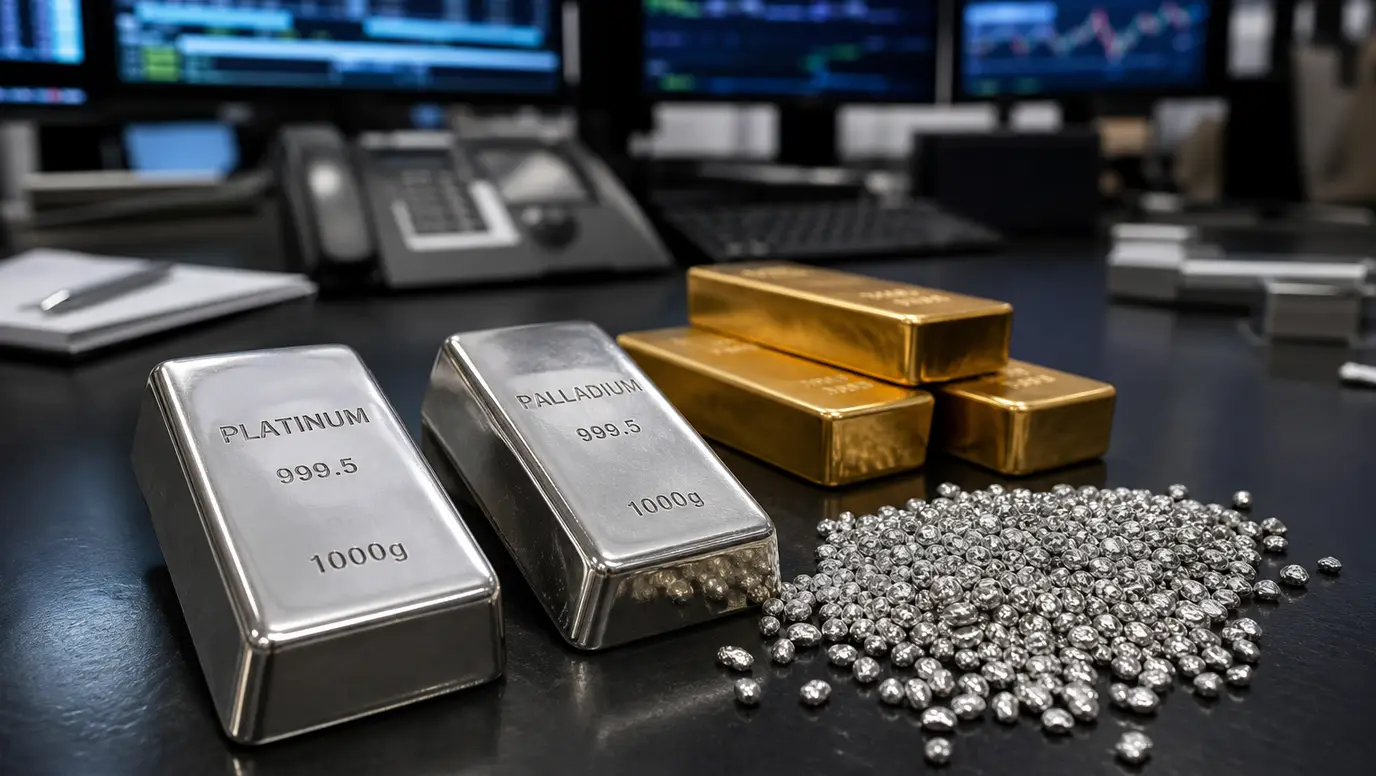
JULY 17, 2026
Platinum and Palladium Slide as Gold Bounce Fails to Lift Metals Market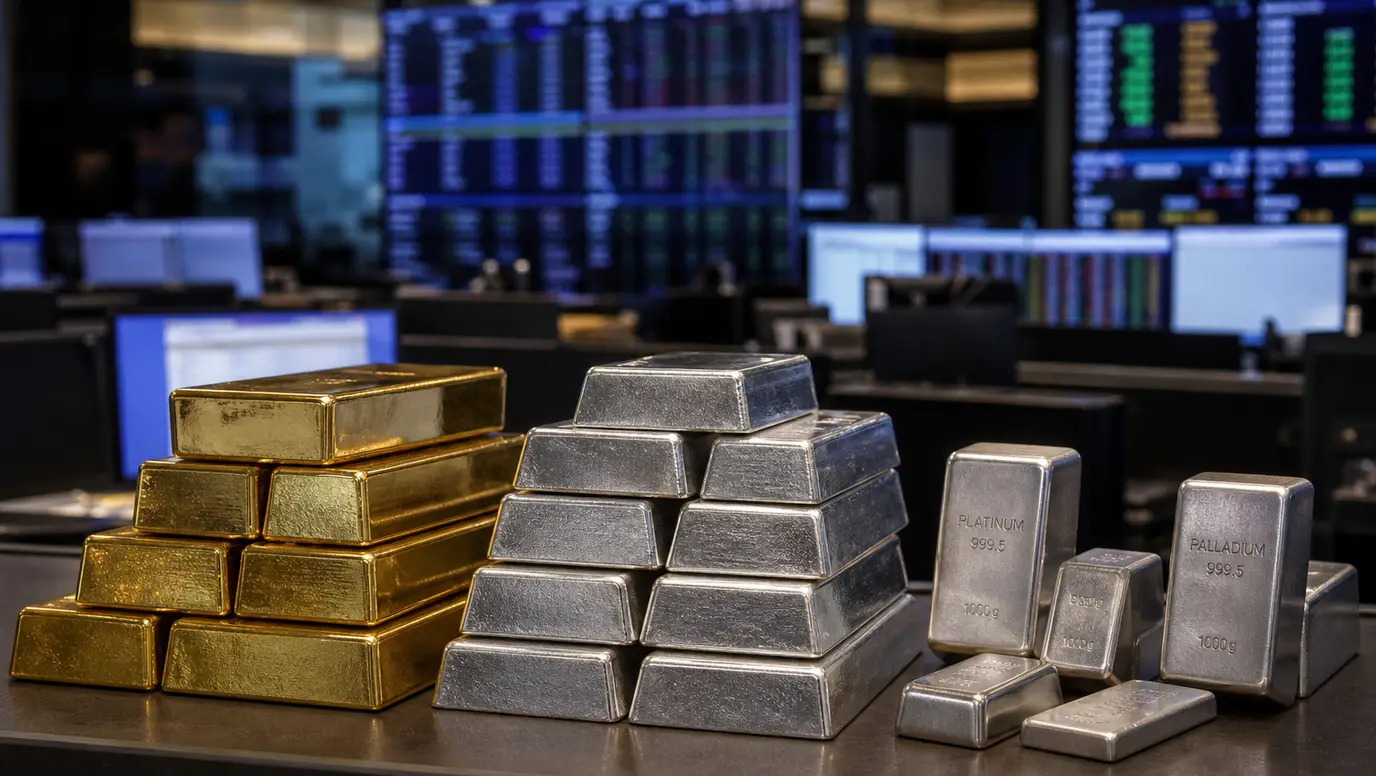
JULY 7, 2026
Platinum and Palladium Buck Gold Slide as Asia Bullion Moves Reshape Metals Market
JUNE 14, 2026
Platinum and Palladium Pullback Tests the PGM Deficit Trade