OCTOBER 19, 2026
Platinum and Palladium Metals Market Rallies as Federal Reserve Pause Bets ReturnPlatinum and palladium rise as softer rate-hike expectations lift precious metals, while supply and auto-demand signals shape PGM trading.

© 1box.site 2026

JULY 23, 2026
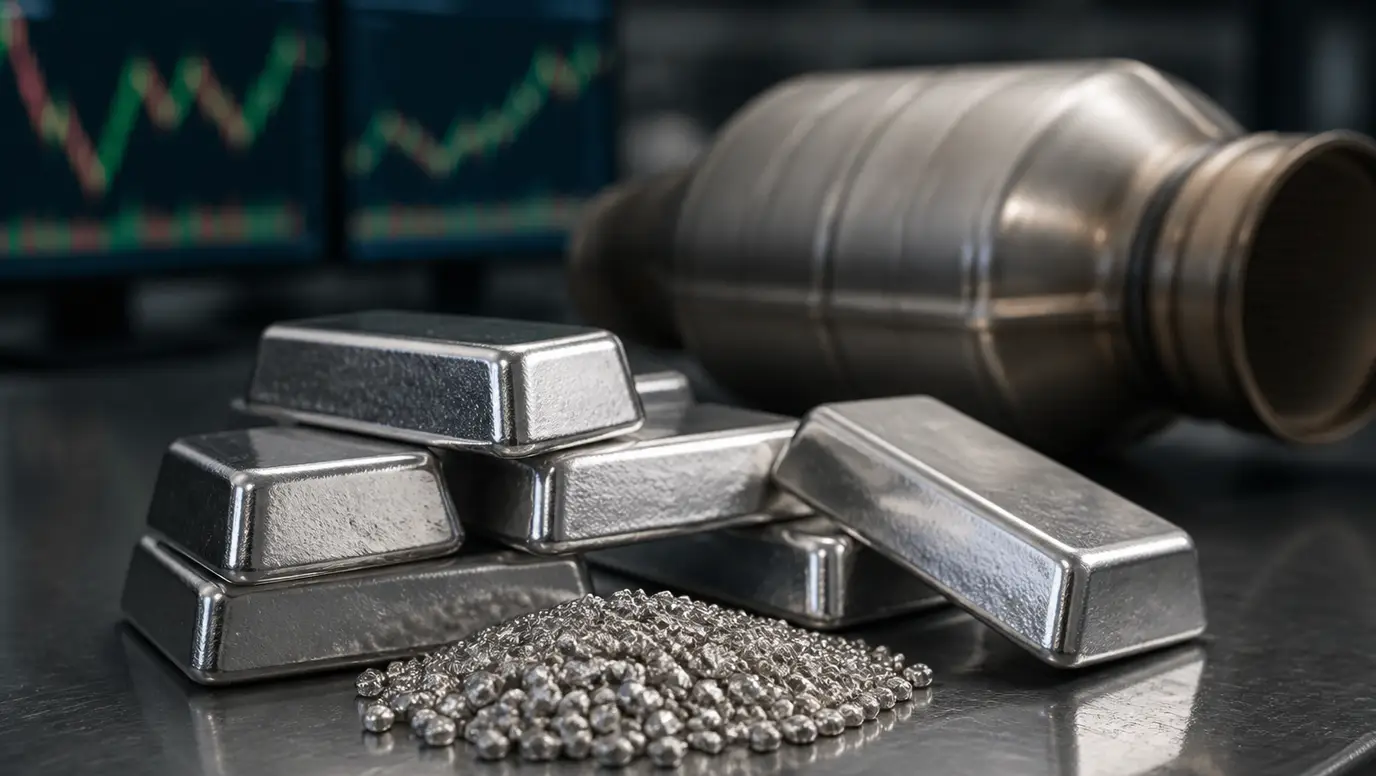
Platinum and palladium moved back into the metals-market spotlight on Thursday after a volatile July 17-23 trading stretch left traders balancing stronger rebound momentum against a crowded calendar of macro and supply risks. The recovery followed an early-week pullback, with both platinum-group metals drawing fresh interest as investors reassessed Federal Reserve policy risk, geopolitical tension and signs of resilient physical demand in Asia.
The move gives the precious-metals complex a different tone from recent sessions dominated by gold, silver, copper, aluminum, nickel and zinc. Platinum and palladium are now attracting attention because they sit at the intersection of investment flows, auto-sector demand and concentrated mine supply. That makes the rebound more than a simple risk-on bounce: it is also a test of whether industrial users and short-term funds are prepared to chase prices higher into the end of July.
The immediate macro question for metals traders is whether next week’s Federal Reserve communication will reinforce higher-for-longer rate expectations or reopen the door to a softer policy path. Platinum and palladium do not always trade with the same monetary sensitivity as gold, but they remain exposed to shifts in the U.S. dollar, Treasury yields and broader risk appetite. A firmer dollar can reduce international purchasing power, while higher real yields can make non-yielding metals less attractive to financial investors.
That is why the latest rebound is being treated cautiously. Traders are reluctant to price a clean breakout before seeing whether the Fed sounds more concerned about inflation pressure or slowing demand. Energy-market volatility has complicated that calculation, as higher oil prices can feed inflation expectations while also raising operating costs across mining, refining and transport networks.
For platinum, the Fed risk matters because the metal has recently benefited from a wider precious-metals bid and from expectations that industrial demand can absorb supply. For palladium, the policy channel is more delicate because the market is still adjusting to longer-term questions around auto-catalyst demand, electric-vehicle penetration and substitution trends inside emissions-control systems.
Physical-market signals are also supporting interest in platinum and palladium. China’s import activity for the two metals has been strong in 2026, helping to rebuild domestic availability while keeping global traders focused on where end-user demand is most active. Ample local supply can cap urgency in the near term, but steady import growth also suggests that fabricators and investors remain willing to accumulate metal when prices retreat.
Supply risk remains a central part of the platinum-group metals story. Production is geographically concentrated, with South Africa and Russia playing major roles in global availability. That concentration means geopolitical headlines, power-supply disruptions, labor issues or sanctions risk can quickly change the market’s assessment of how much metal is realistically available to consumers.
Russia-related uncertainty is especially important for palladium, where supply concentration has historically made the market sensitive to disruptions. Platinum, meanwhile, continues to draw support from a tighter medium-term demand narrative, including auto-catalyst use, jewelry demand in some regions and emerging applications linked to hydrogen and industrial technologies.
The rebound is not being interpreted equally across the two metals. Platinum’s outlook appears relatively better supported because substitution from palladium in some gasoline auto-catalyst applications has improved its industrial demand base. The metal also retains appeal to investors seeking exposure to a precious metal with a clearer supply-demand tightening story.
Palladium’s recovery is more vulnerable to profit-taking because the market still faces structural pressure from the shift toward electric vehicles and the gradual normalization of supply chains after earlier disruptions. Even so, palladium can rally sharply when positioning is light, inventories are questioned or geopolitical risk returns to the foreground.
That leaves traders watching the spread between platinum and palladium as closely as outright prices. A sustained improvement in platinum relative to palladium would suggest that substitution and demand rotation remain active. A sharper palladium catch-up move, by contrast, would point to short-covering and supply anxiety rather than a broad improvement in end-use demand.
For the metals market, the key issue is whether this week’s rebound can survive a test from the dollar, yields and central-bank messaging. If the Fed leans cautious on inflation and the dollar strengthens, platinum and palladium could struggle to extend gains. If policy language sounds less restrictive and geopolitical risk remains elevated, the rebound may draw additional momentum from both macro funds and physical buyers.
Near-term support for platinum and palladium is likely to come from dips that attract industrial buying, especially if fabricators remain concerned about supply concentration. Resistance is likely to emerge if financial investors decide that the Fed meeting reduces the appeal of precious metals or if China’s stronger import flows are interpreted as already sufficient to cover near-term demand.
The result is a two-sided market with a stronger news pulse than the broader metals complex. Platinum and palladium have reclaimed attention not because their outlook is risk-free, but because their price action now reflects several live themes at once: central-bank uncertainty, geopolitical friction, China demand, auto-sector transition and concentrated mine supply. That mix should keep volatility elevated into the final week of July.
OCTOBER 19, 2026
Platinum and Palladium Metals Market Rallies as Federal Reserve Pause Bets Return
SEPTEMBER 28, 2026
Palladium and Platinum Slide as Dollar, Yields Pressure Metals Market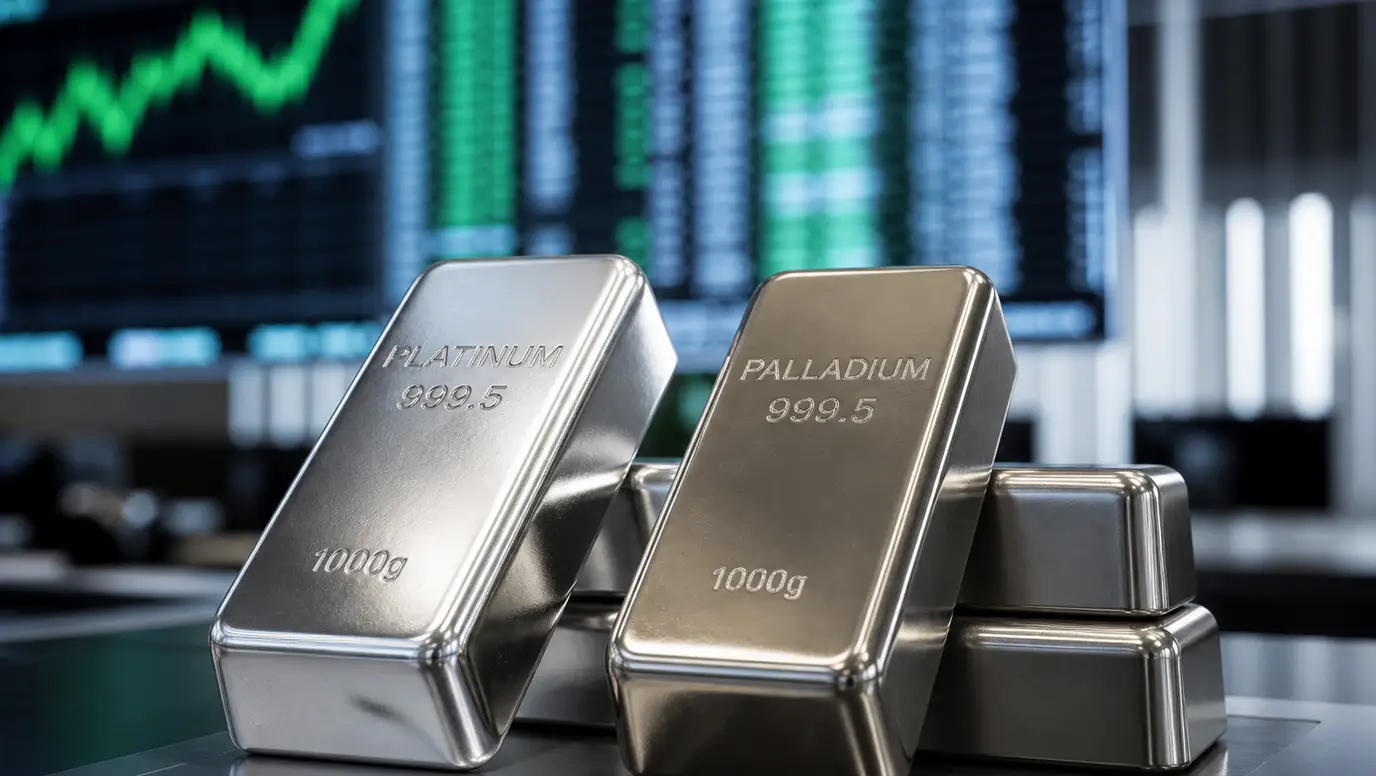
SEPTEMBER 3, 2026
Platinum and Palladium Rebound as Softer Dollar Lifts Metals Before US Jobs Data
AUGUST 24, 2026
Platinum Rally Puts Metals Market on Treasury Yields Watch as Supply Deficit Talk Returns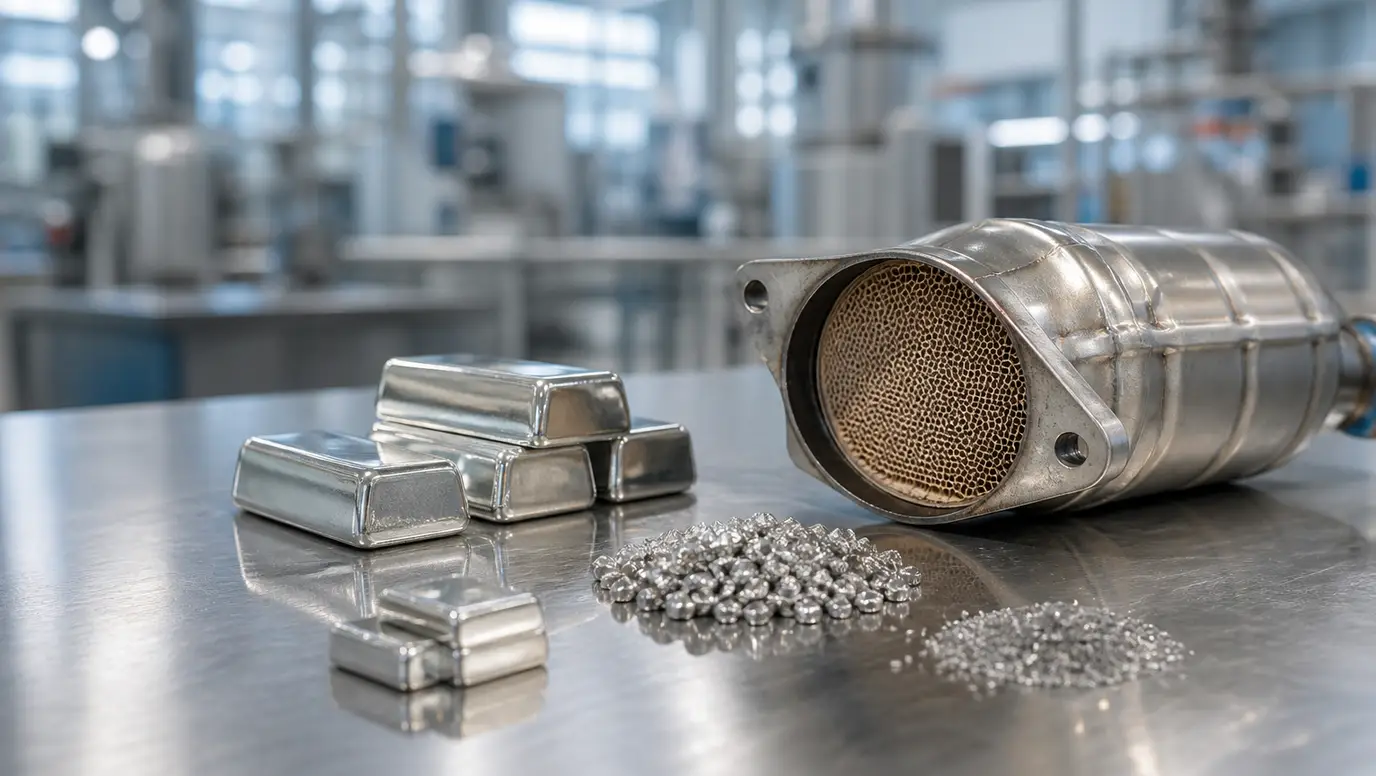
AUGUST 17, 2026
Platinum Holds Metals Market Focus as Deficit Story Meets Federal Reserve Minutes
AUGUST 11, 2026
Platinum Rally Puts Metals Market on Deficit Watch as Palladium Lags
AUGUST 5, 2026
Platinum Rally Puts Metals Market on Supply Deficit Watch as Palladium Joins Move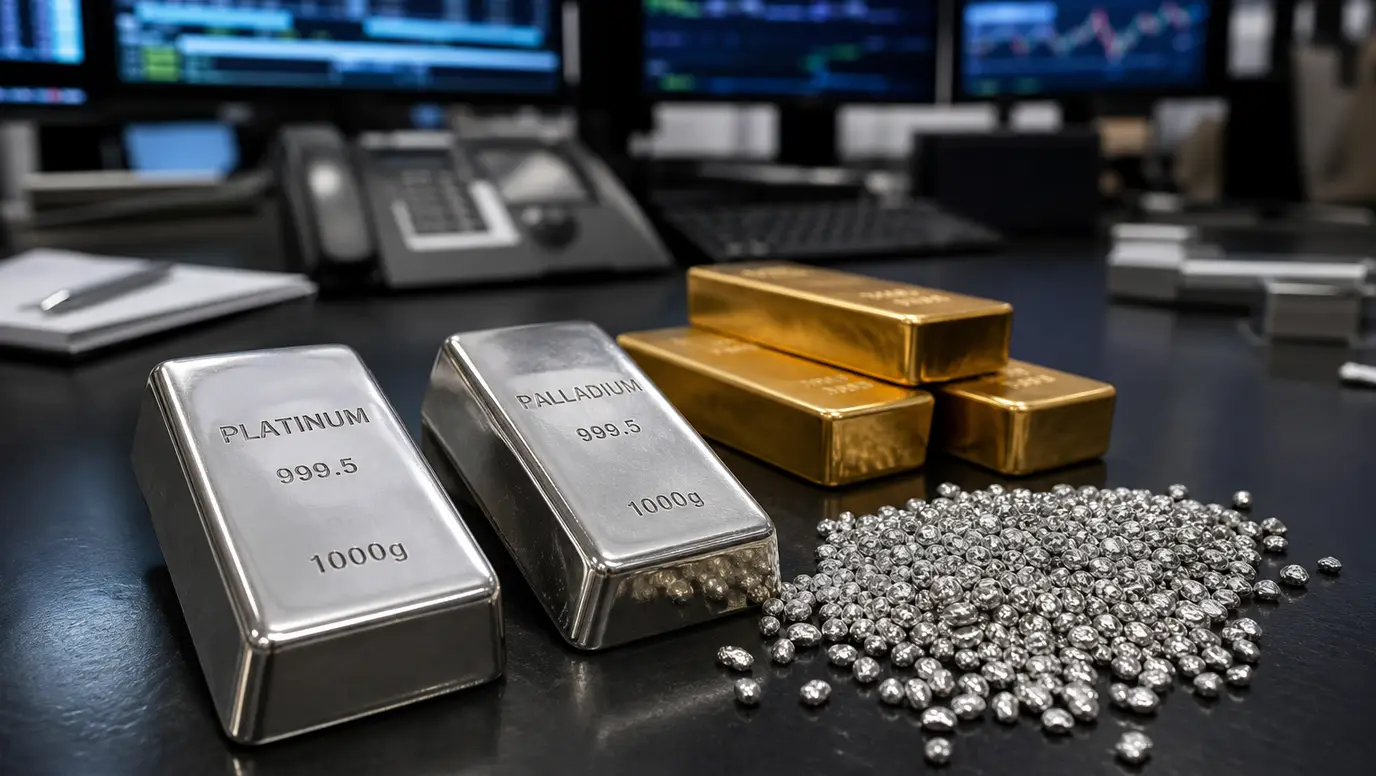
JULY 17, 2026
Platinum and Palladium Slide as Gold Bounce Fails to Lift Metals Market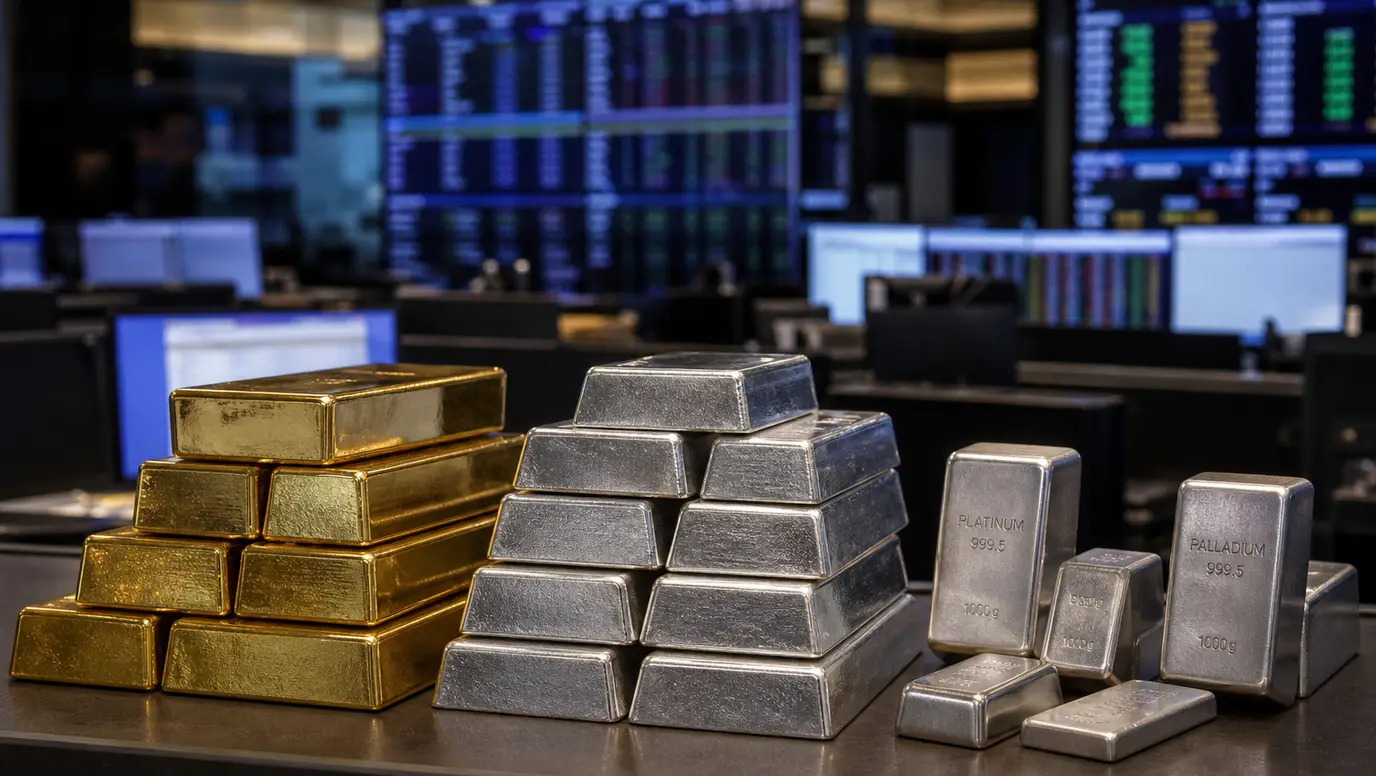
JULY 7, 2026
Platinum and Palladium Buck Gold Slide as Asia Bullion Moves Reshape Metals Market
JUNE 14, 2026
Platinum and Palladium Pullback Tests the PGM Deficit Trade