SEPTEMBER 28, 2026
Palladium and Platinum Slide as Dollar, Yields Pressure Metals MarketPalladium and platinum fall as a stronger dollar, higher yields and oil-led inflation fears pressure the metals market.

© 1box.site 2026
OCTOBER 19, 2026
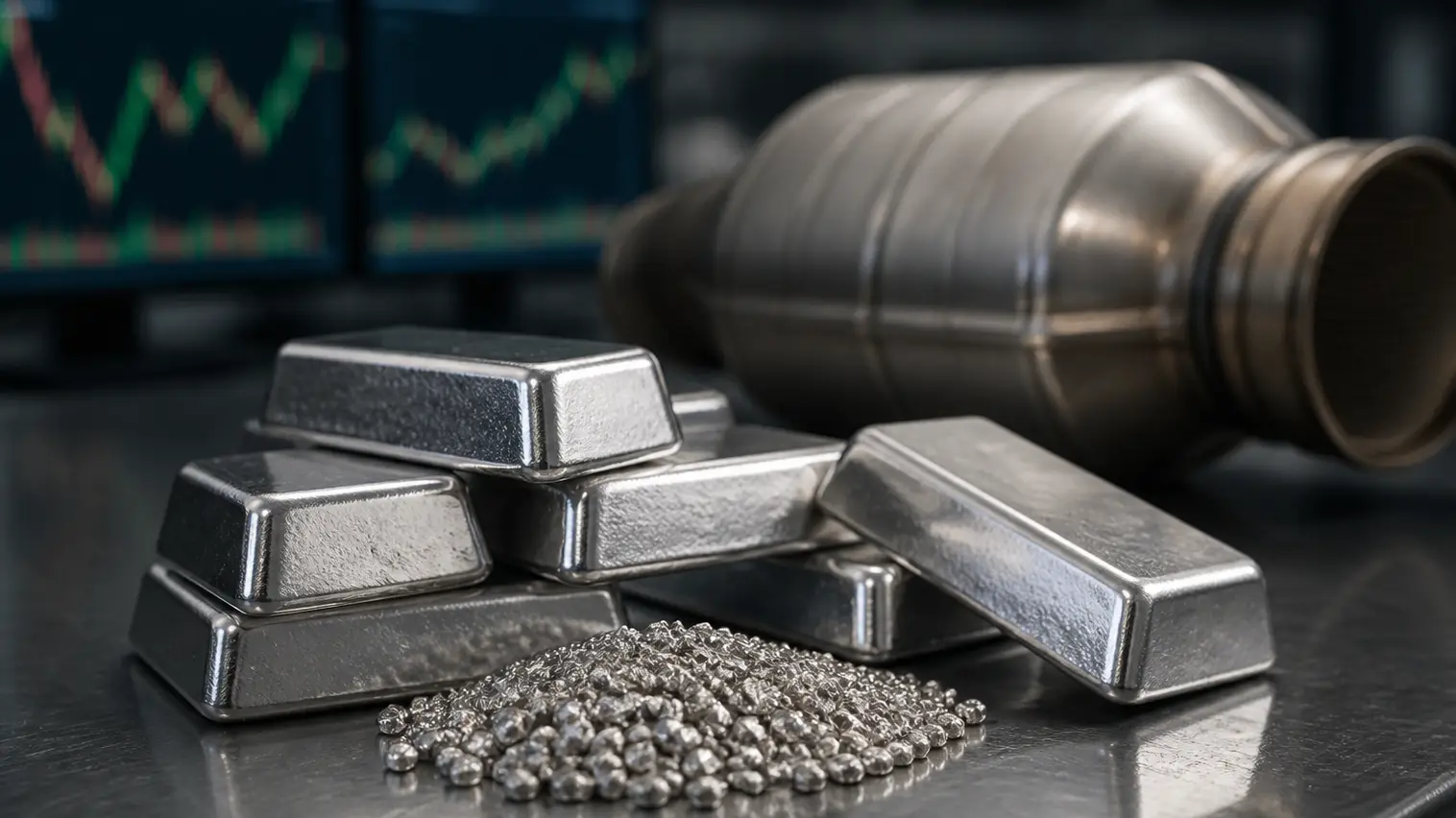
Platinum and palladium moved higher on Monday as traders returned to precious metals after a sharp repricing of near-term Federal Reserve risk. Platinum traded around the mid-$1,600-an-ounce area in early global dealing, while palladium advanced near the low-$1,100s, extending a rebound that has been supported by lower immediate rate-hike expectations and renewed interest in platinum group metals.
The move keeps the metals market focused on the same macro channel that has driven volatility across commodities in recent sessions: Treasury yields, the US dollar and the timing of the next Federal Reserve decision. A lower probability of an October rate increase reduces some pressure on non-yielding assets, although traders remain cautious because inflation readings are still firm enough to keep a later policy move on the table.
The latest bid in platinum and palladium reflects a broader improvement in precious-metals sentiment rather than a single supply shock. When interest-rate expectations cool, the opportunity cost of holding metals falls, and dollar-priced commodities can attract buyers from outside the United States. That dynamic has helped platinum group metals recover after a difficult stretch for cyclical commodities and risk assets.
Still, the rally is not free of resistance. US yields remain elevated by recent standards, and a renewed hawkish signal from policymakers could quickly rebuild pressure on metals. For platinum, the near-term technical test is whether buying can hold above the recent rebound zone rather than fading into another round of profit-taking before the Federal Reserve meeting.
Platinum has a firmer fundamental backdrop than palladium in the eyes of many metals traders. Recent industry forecasts have pointed to depleted above-ground inventories after several years of tight balances, even as the market outlook for 2026 has shifted between small deficit and modest surplus estimates. That leaves prices sensitive to disruptions in mine output, recycling flows and investment demand.
Industrial use is also helping platinum retain a strategic role in the metals market. Demand from chemical, glass and automotive applications continues to matter, while substitution trends in emissions-control systems have kept attention on the relative value between platinum and palladium. If manufacturers continue to optimize catalyst loadings, the spread between the two metals could remain an important signal for investors.
Palladium’s advance looks more tactical. The metal still benefits from short covering and broader precious-metals strength, but its longer-term demand profile remains closely tied to gasoline autocatalysts. Growth in battery-electric vehicle market share and the substitution of some palladium with platinum have created a more challenging demand narrative than the one that supported palladium during its previous bull cycle.
That does not mean palladium lacks upside risk. Supply is concentrated, recycling can respond slowly to price changes, and liquidity in the metal can amplify moves when positioning becomes one-sided. For now, however, traders are likely to treat palladium’s rally as more vulnerable to shifts in auto demand and risk appetite than platinum’s move.
The immediate outlook for platinum and palladium depends on whether the softer Federal Reserve pricing can survive the next round of US data and policy commentary. A steadier dollar and lower yields would support additional buying, while another inflation scare could stall the recovery.
For metals investors, the key signal is whether platinum group metals can attract demand beyond a short-term macro bounce. Sustained gains would require a combination of firmer industrial indicators, stable investment flows and evidence that supply remains tight enough to absorb weaker pockets of automotive demand. Until then, platinum and palladium are likely to trade as a high-beta corner of the precious-metals market, responsive to every turn in Federal Reserve expectations.
SEPTEMBER 28, 2026
Palladium and Platinum Slide as Dollar, Yields Pressure Metals Market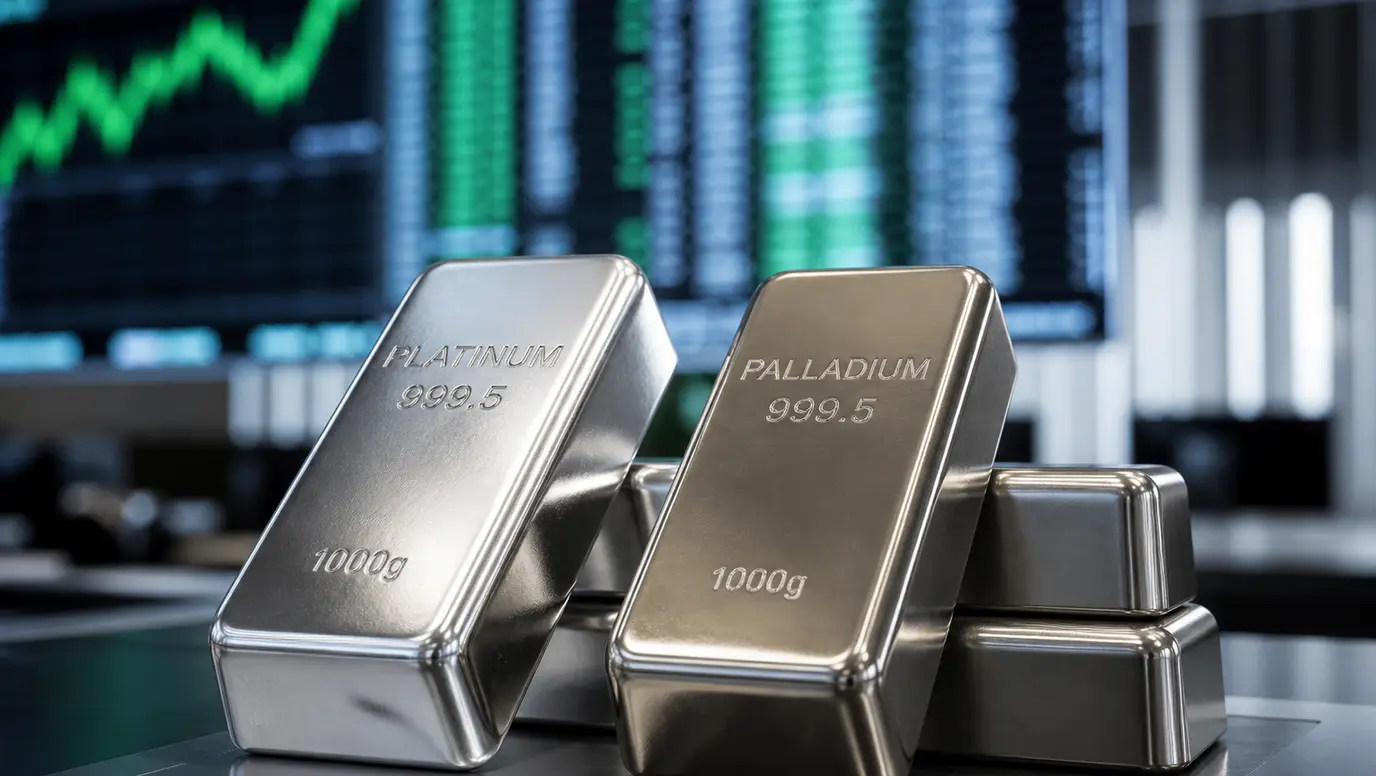
SEPTEMBER 3, 2026
Platinum and Palladium Rebound as Softer Dollar Lifts Metals Before US Jobs Data
AUGUST 24, 2026
Platinum Rally Puts Metals Market on Treasury Yields Watch as Supply Deficit Talk Returns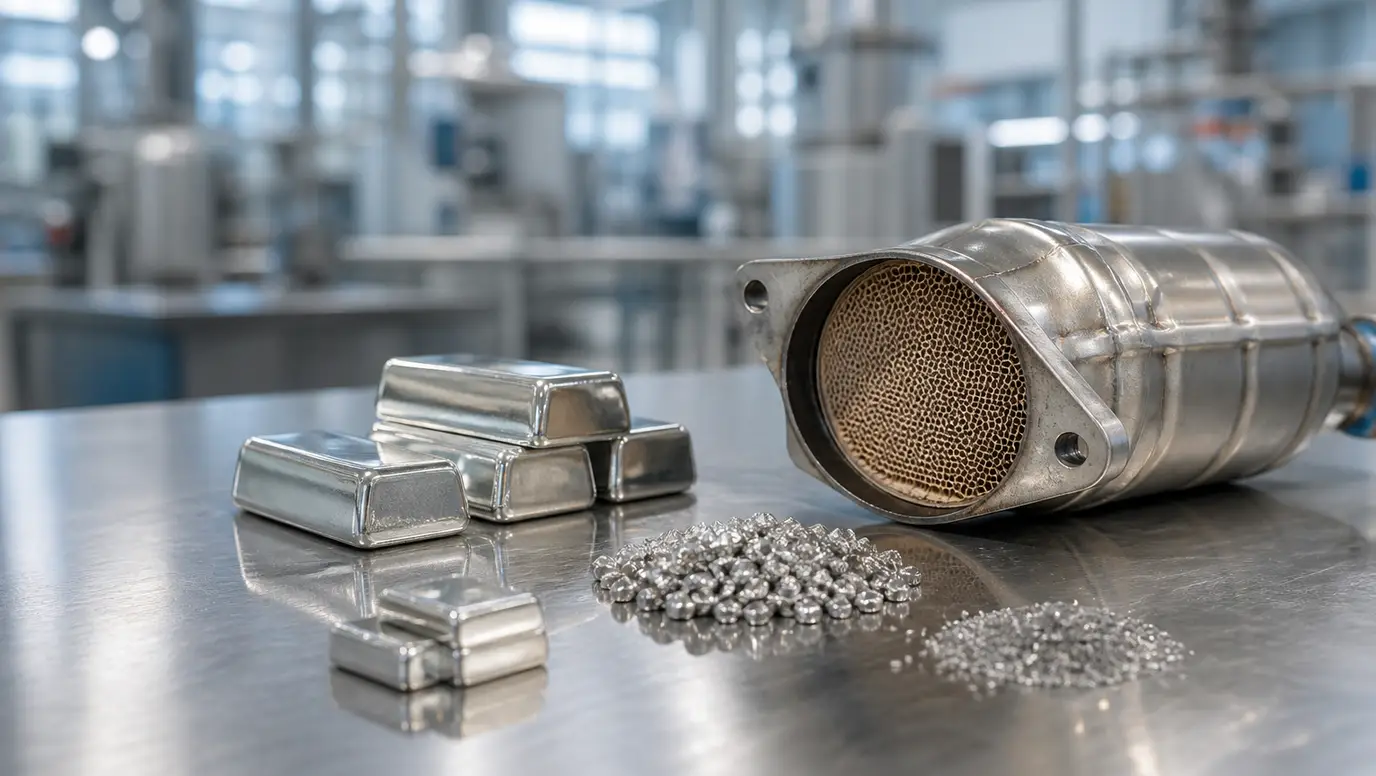
AUGUST 17, 2026
Platinum Holds Metals Market Focus as Deficit Story Meets Federal Reserve Minutes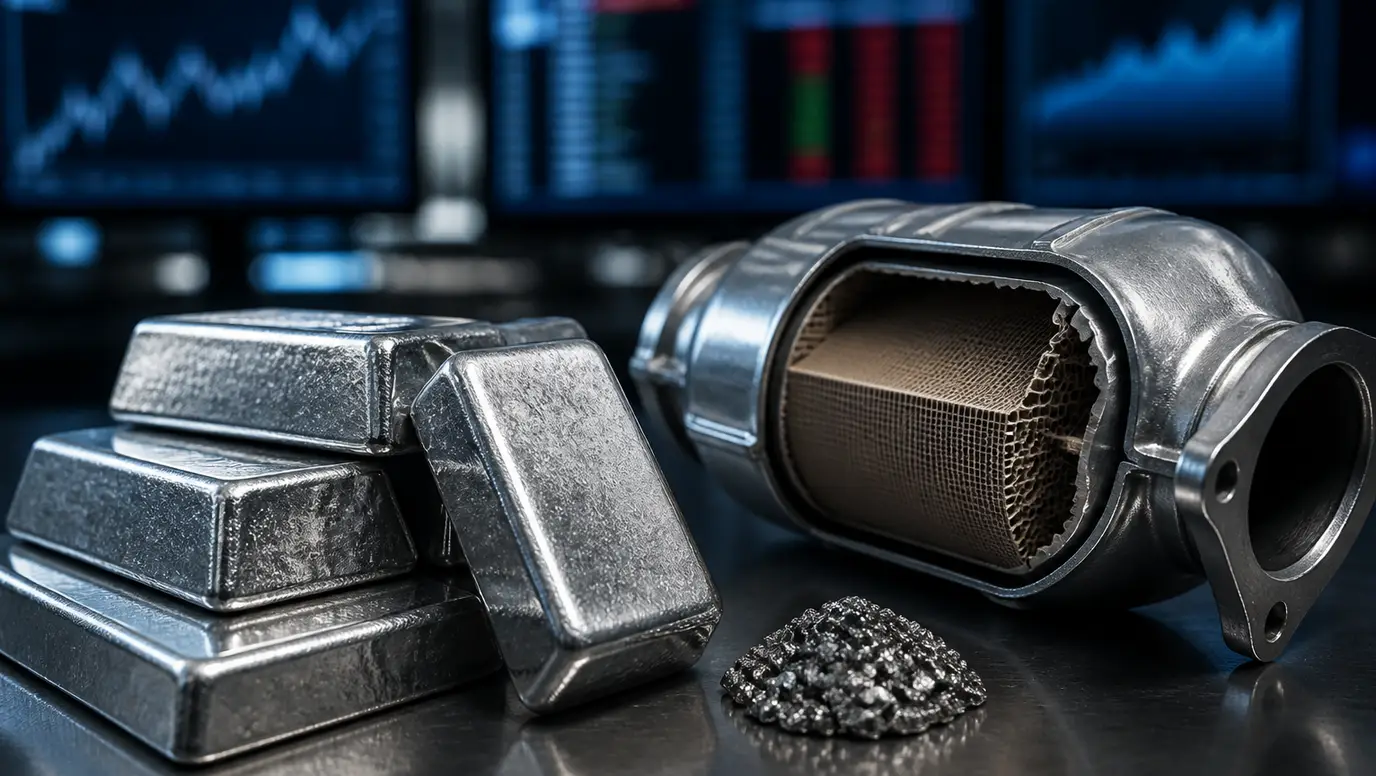
AUGUST 11, 2026
Platinum Rally Puts Metals Market on Deficit Watch as Palladium Lags
AUGUST 5, 2026
Platinum Rally Puts Metals Market on Supply Deficit Watch as Palladium Joins Move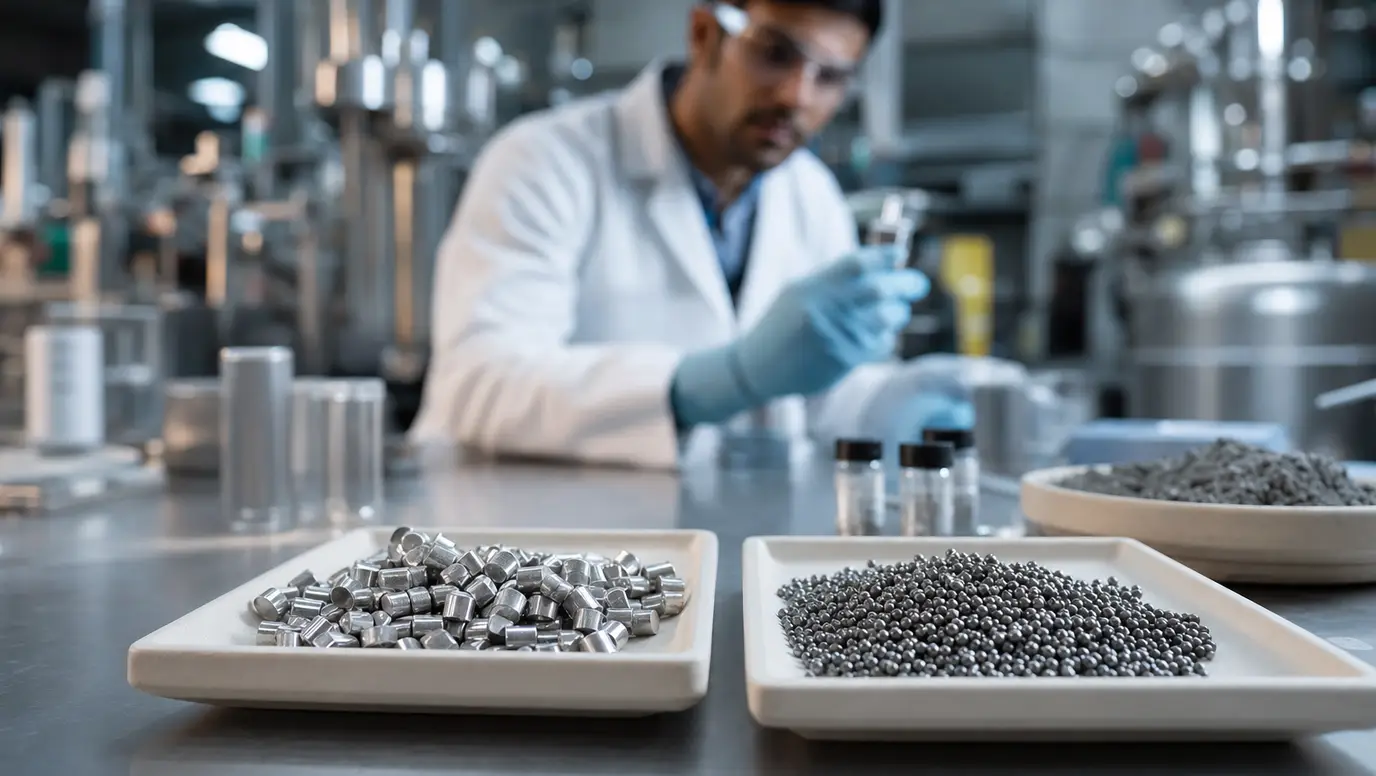
JULY 23, 2026
Platinum and Palladium Rebound as Metals Traders Price Fed Risk and Supply Friction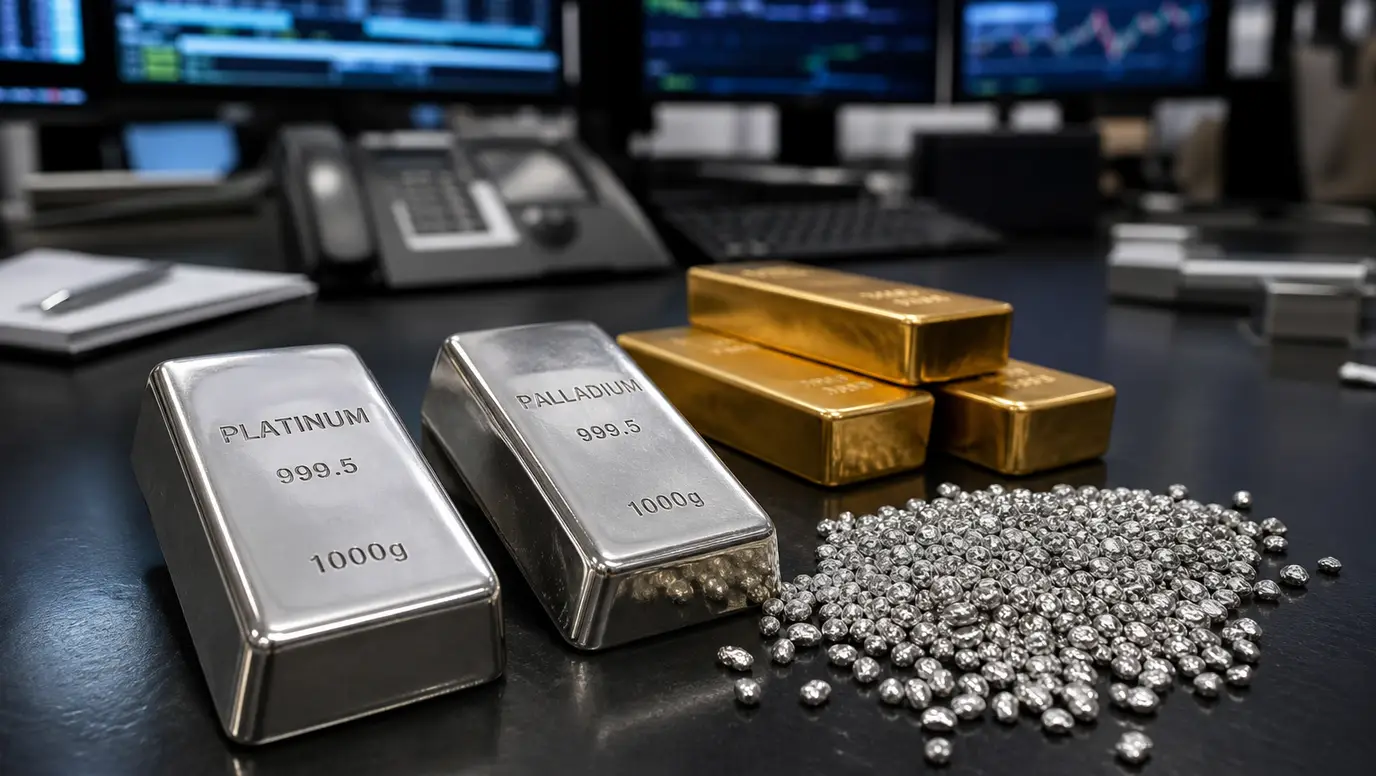
JULY 17, 2026
Platinum and Palladium Slide as Gold Bounce Fails to Lift Metals Market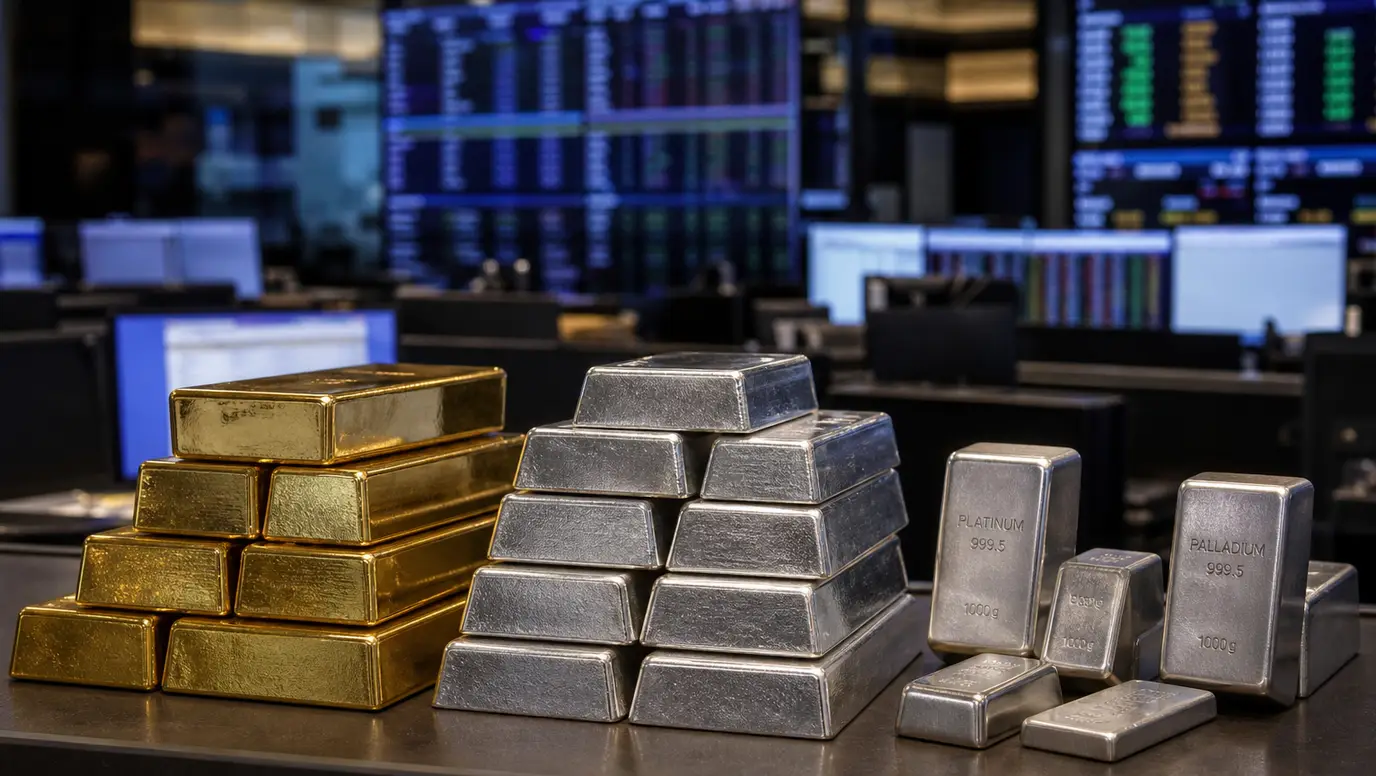
JULY 7, 2026
Platinum and Palladium Buck Gold Slide as Asia Bullion Moves Reshape Metals Market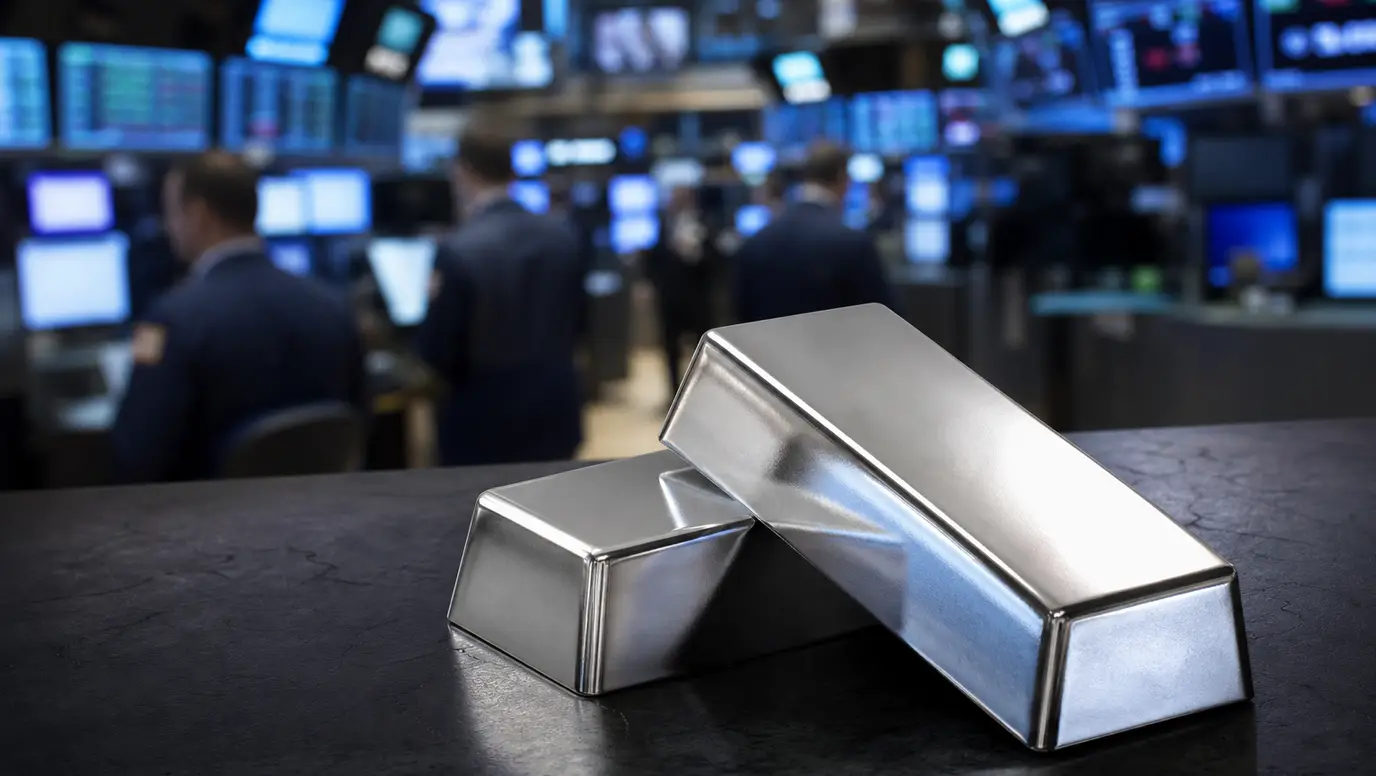
JUNE 14, 2026
Platinum and Palladium Pullback Tests the PGM Deficit Trade