OCTOBER 25, 2026
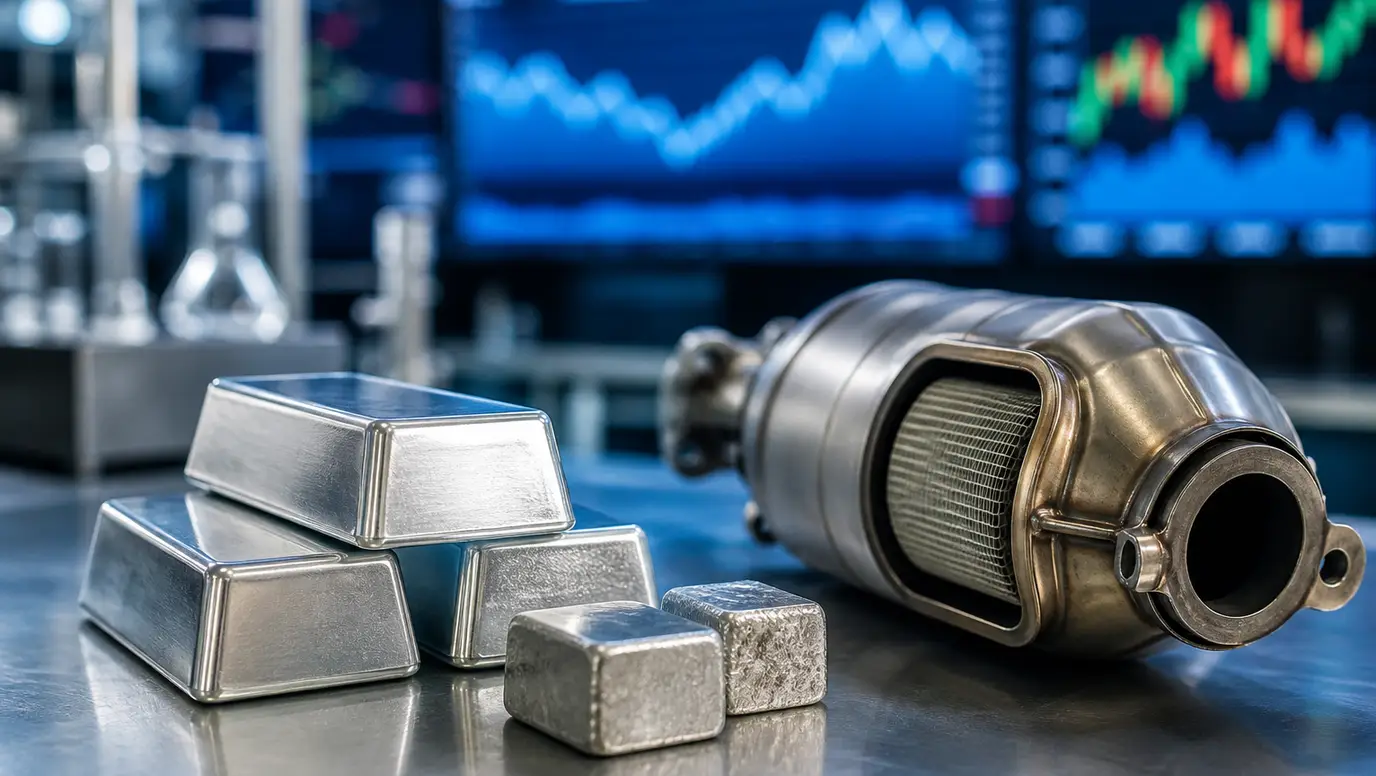
Palladium Metals Market Tests $1,050 as Platinum Premium Widens Before Federal Reserve WeekPalladium trades near $1,050 as platinum holds a wide premium, with auto demand and Federal Reserve policy shaping metals risk.

© 1box.site 2026
NOVEMBER 1, 2026
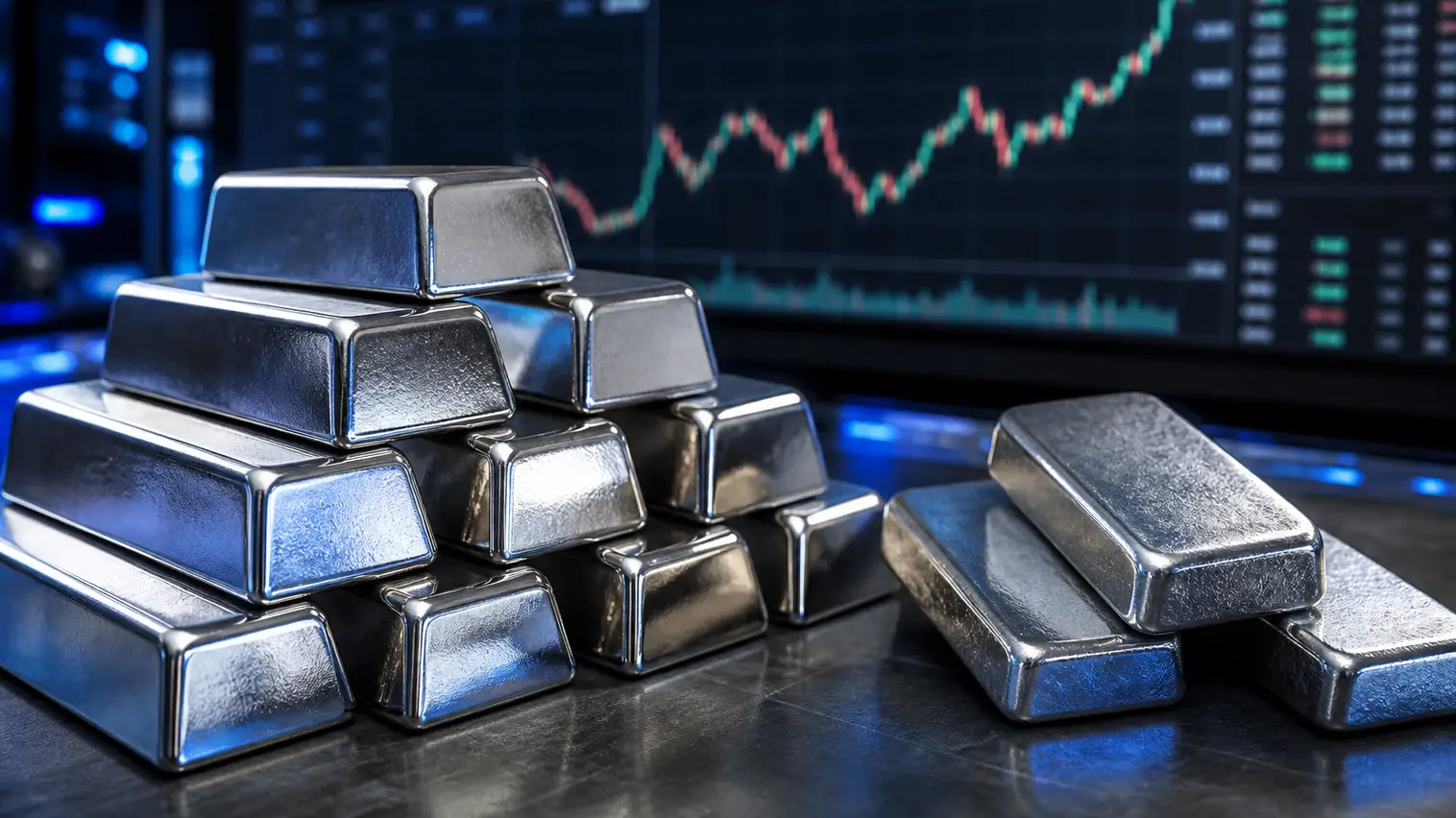
Platinum extended its late-October retreat as the metals market entered November with traders reassessing how much of this year’s precious metals rally can survive a firmer US Dollar, elevated Treasury yields and weaker industrial confidence. The move was sharpened by palladium slipping below the psychologically important $1,000 an ounce area, a level that has brought renewed attention to the demand risks facing platinum-group metals.
The latest pullback marks a clear change in tone from the momentum-driven buying seen earlier in 2026. Platinum had already fallen to its lowest level since mid-summer in late October after a sharp unwind in macro-sensitive metals. Market participants now describe the complex as technically fragile, with platinum caught between its precious-metal identity and its heavy exposure to autocatalyst, hydrogen and industrial demand cycles.
A major pressure point for platinum has been the scale of investment liquidation earlier in the year. Industry estimates point to heavy platinum ETF outflows during the first half of 2026, which returned metal to the physical market and softened the shortage narrative that had supported prices during previous rallies.
That shift matters because platinum had attracted investor interest as a relative-value alternative to gold and silver. When broader precious metals sold off in late October, platinum did not have enough fresh physical tightness to offset macro selling. Softer lease rates also suggested that the acute tightness seen earlier in the year had eased, reducing the urgency for industrial buyers to chase material at higher prices.
The result is a market that still has medium-term supply constraints but less short-term scarcity. For traders, that combination can create choppy price action: supply worries limit the downside, while weaker fund flows cap rebounds.
Palladium’s drop below $1,000 added another bearish signal for platinum-group metals. The metal remains closely tied to gasoline and hybrid vehicle catalysts, and investors continue to debate how quickly electric vehicle adoption, thrifting and substitution will erode long-term demand.
Platinum has sometimes benefited from substitution trends inside autocatalysts, but the relationship is not one-way. If palladium weakness reflects a broader downgrade in auto-sector metals demand, platinum can also struggle to attract new buying. That is why traders are watching whether palladium stabilizes near current levels or extends its decline into a deeper industrial-demand repricing.
Automotive production, Chinese jewelry demand and hydrogen-sector investment are now key variables for platinum. A recovery in any of those areas could help rebuild support, but weak manufacturing signals would keep rallies vulnerable to profit-taking.
The macro backdrop remains uncomfortable for non-yielding metals. A Federal Reserve stance that keeps another rate increase in play tends to support the US Dollar and raise the opportunity cost of holding precious metals. That pressure has been especially visible across metals that enjoyed strong speculative inflows earlier in the year.
For platinum, the near-term test is whether buyers defend the recent support zone after the late-October slide. A sustained rebound would likely require either a softer dollar, lower Treasury yields or fresh signs of physical tightness. Without those catalysts, platinum may remain rangebound and reactive to broader precious-metals flows.
The longer-term story is more balanced. Mine supply remains concentrated, recycling growth is limited by available scrap, and industrial users are still sensitive to disruptions in refined metal availability. But for now, the market is trading the immediate news: weaker investment demand, palladium stress and a macro environment that has turned less forgiving for metals bulls.
OCTOBER 25, 2026
Palladium Metals Market Tests $1,050 as Platinum Premium Widens Before Federal Reserve Week
OCTOBER 19, 2026
Platinum and Palladium Metals Market Rallies as Federal Reserve Pause Bets Return
OCTOBER 10, 2026
Palladium Metals Market Slips as Auto Demand and US Dollar Pressure Deepen Surplus Worries
OCTOBER 3, 2026
Palladium Rebound Attempt Puts Metals Market Focus on Auto Demand and Federal Reserve Risk
SEPTEMBER 28, 2026
Palladium and Platinum Slide as Dollar, Yields Pressure Metals Market
SEPTEMBER 20, 2026
Palladium Futures Rebound Puts Metals Market on Autocatalyst Supply Watch
SEPTEMBER 11, 2026
Palladium Futures Swing as Auto Demand Clouds Metals Market Outlook
SEPTEMBER 3, 2026
Platinum and Palladium Rebound as Softer Dollar Lifts Metals Before US Jobs Data
AUGUST 28, 2026
Palladium Jump Puts Metals Market on Federal Reserve Watch as Supply Risks Return
AUGUST 24, 2026
Platinum Rally Puts Metals Market on Treasury Yields Watch as Supply Deficit Talk Returns
AUGUST 21, 2026
Palladium Rebound Puts Metals Market on Autocatalyst Supply Watch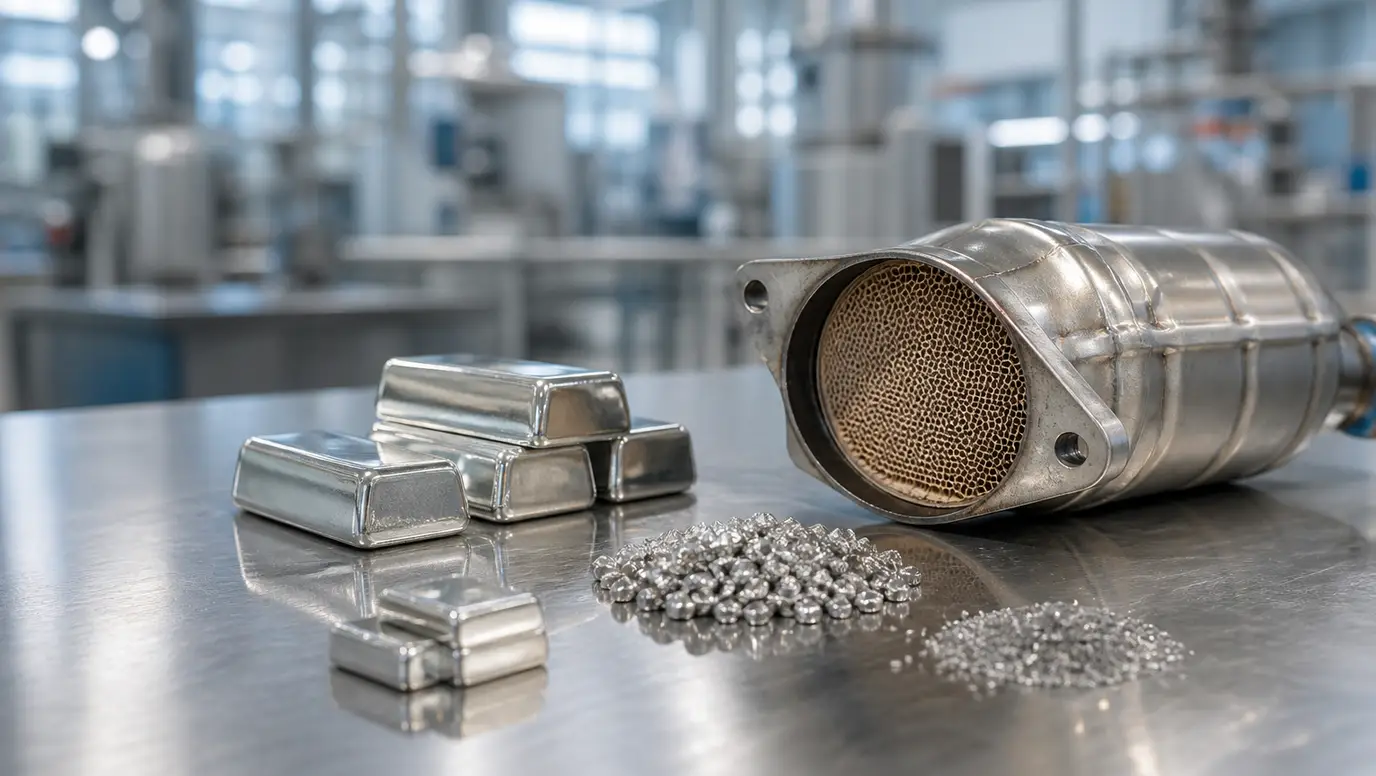
AUGUST 17, 2026
Platinum Holds Metals Market Focus as Deficit Story Meets Federal Reserve Minutes
AUGUST 11, 2026
Platinum Rally Puts Metals Market on Deficit Watch as Palladium Lags
AUGUST 5, 2026
Platinum Rally Puts Metals Market on Supply Deficit Watch as Palladium Joins Move
JULY 30, 2026
Palladium Rebound Stalls as Metals and Commodities Traders Weigh Auto Demand
JULY 23, 2026
Platinum and Palladium Rebound as Metals Traders Price Fed Risk and Supply Friction
JULY 17, 2026
Platinum and Palladium Slide as Gold Bounce Fails to Lift Metals Market
JULY 7, 2026
Platinum and Palladium Buck Gold Slide as Asia Bullion Moves Reshape Metals Market
JUNE 14, 2026
Platinum and Palladium Pullback Tests the PGM Deficit Trade