OCTOBER 19, 2026
Platinum and Palladium Metals Market Rallies as Federal Reserve Pause Bets ReturnPlatinum and palladium rise as softer rate-hike expectations lift precious metals, while supply and auto-demand signals shape PGM trading.

© 1box.site 2026

SEPTEMBER 11, 2026
Palladium returned to the center of the metals market on Friday after a sharp futures retreat exposed how fragile sentiment remains in the platinum-group metals complex. The latest price screens showed the active palladium futures contract suffering a steep September 10 selloff, with spot indications early on September 11 stabilizing only modestly around the low $1,300 area per troy ounce.
The move stood out because it came as precious metals broadly continued to trade around Federal Reserve expectations, a firm US dollar backdrop and elevated Treasury yields. Palladium, however, has its own problem: the market is no longer pricing a simple scarcity story. Traders are instead trying to balance concentrated mine supply against a less certain automotive demand outlook.
Palladium supply remains one of the most geographically concentrated areas of the commodities market, with Russia and South Africa still central to primary mine output. That structure can support sudden risk premiums when logistics, sanctions, power reliability or mine-grade concerns appear. Yet recent trading suggests investors are not willing to chase rallies without clearer evidence that physical tightness is worsening.
The September futures break followed several sessions of wide intraday ranges, a pattern that often signals thin liquidity rather than a decisive shift in long-term fundamentals. In practical terms, that means palladium can rally quickly on supply headlines and then give back those gains when macro pressure returns or when traders reassess the demand side of the equation.
For metals investors, the important signal is not only the price level but the failure of rebounds to hold. Palladium remains well below the speculative peaks seen earlier in the year, leaving the market vulnerable to two-way trading as funds test whether the metal is a recovery candidate or still a laggard within precious metals.
The central demand question remains the automotive sector. Palladium is heavily used in gasoline-engine catalytic converters, making it sensitive to global vehicle production, hybrid demand, emissions rules and the pace of battery-electric vehicle adoption. A stronger hybrid cycle can help consumption, but long-term substitution and electrification continue to cap enthusiasm.
Industrial buyers are also watching recycling flows. Higher prices can draw more spent catalytic converters into the secondary supply chain, easing pressure from mine disruptions. If recycling improves while gasoline vehicle demand softens, rallies may struggle to extend even when primary supply looks constrained.
That tension explains why traders are treating palladium differently from broader safe-haven metals. Gold and silver often respond directly to real yields, the dollar and inflation expectations. Palladium reacts to those same macro forces, but it also has to clear a separate test: whether auto catalyst demand can absorb supply without rebuilding surplus expectations.
Macro conditions remain an additional headwind. Higher yields increase the opportunity cost of holding non-yielding metals, while a resilient dollar makes dollar-denominated commodities more expensive for many overseas buyers. Those factors do not determine palladium’s entire direction, but they can suppress speculative appetite when the fundamental picture is mixed.
The next stage for the metals market will depend on whether palladium can hold recent support after the futures shakeout. A sustained recovery would likely require firmer auto production signals, evidence of tighter physical availability or a softer US rate outlook. Without those catalysts, traders may continue to fade rallies and treat the metal as a tactical market rather than a broad precious-metals leader.
For now, palladium’s message is cautious. The metal still carries supply-risk appeal, but the demand side is no longer strong enough to give bulls a free pass. That makes futures volatility a warning sign for the wider metals market: scarcity matters, but in 2026 it must compete with shifting technology, recycling economics and central-bank-driven financial conditions.
OCTOBER 19, 2026
Platinum and Palladium Metals Market Rallies as Federal Reserve Pause Bets Return
OCTOBER 10, 2026
Palladium Metals Market Slips as Auto Demand and US Dollar Pressure Deepen Surplus Worries
OCTOBER 3, 2026
Palladium Rebound Attempt Puts Metals Market Focus on Auto Demand and Federal Reserve Risk
SEPTEMBER 28, 2026
Palladium and Platinum Slide as Dollar, Yields Pressure Metals Market
SEPTEMBER 20, 2026
Palladium Futures Rebound Puts Metals Market on Autocatalyst Supply Watch
SEPTEMBER 3, 2026
Platinum and Palladium Rebound as Softer Dollar Lifts Metals Before US Jobs Data
AUGUST 28, 2026
Palladium Jump Puts Metals Market on Federal Reserve Watch as Supply Risks Return
AUGUST 21, 2026
Palladium Rebound Puts Metals Market on Autocatalyst Supply Watch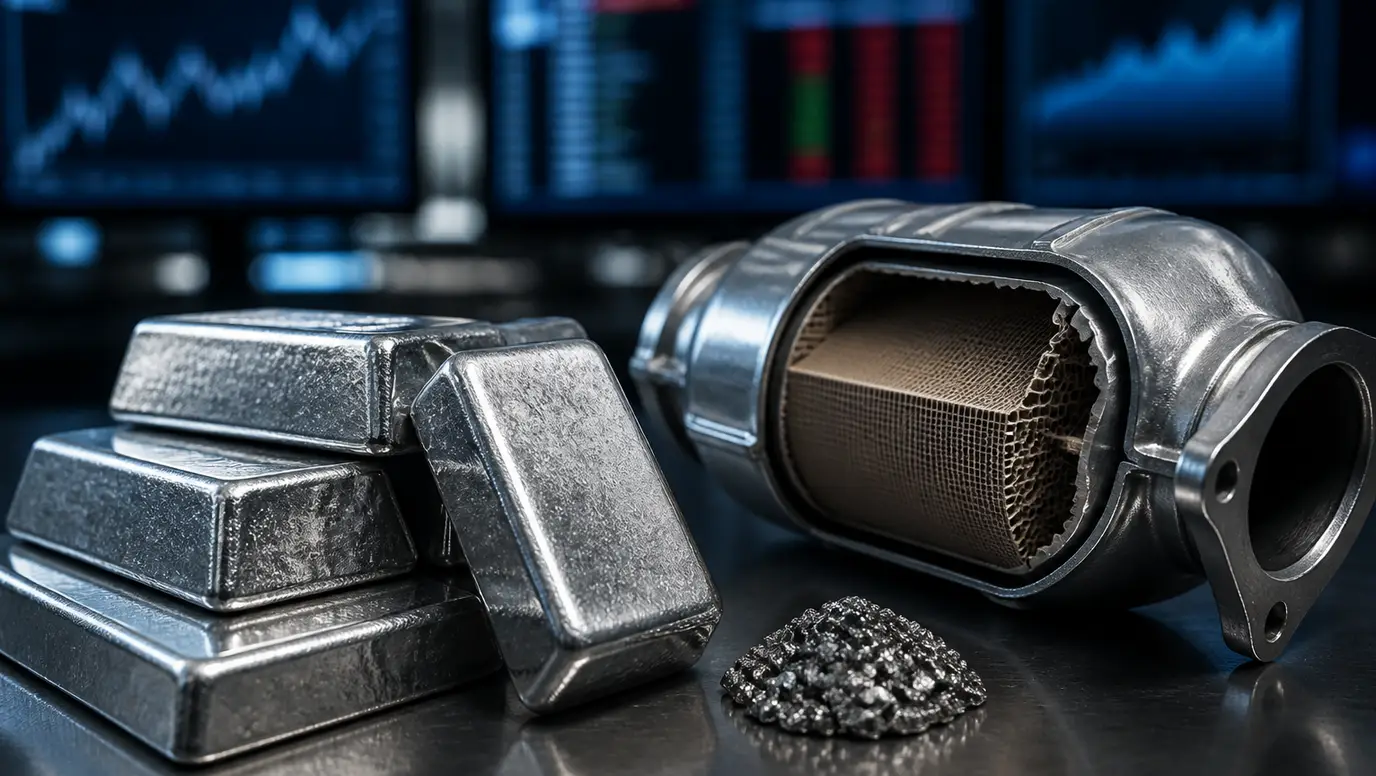
AUGUST 11, 2026
Platinum Rally Puts Metals Market on Deficit Watch as Palladium Lags
AUGUST 5, 2026
Platinum Rally Puts Metals Market on Supply Deficit Watch as Palladium Joins Move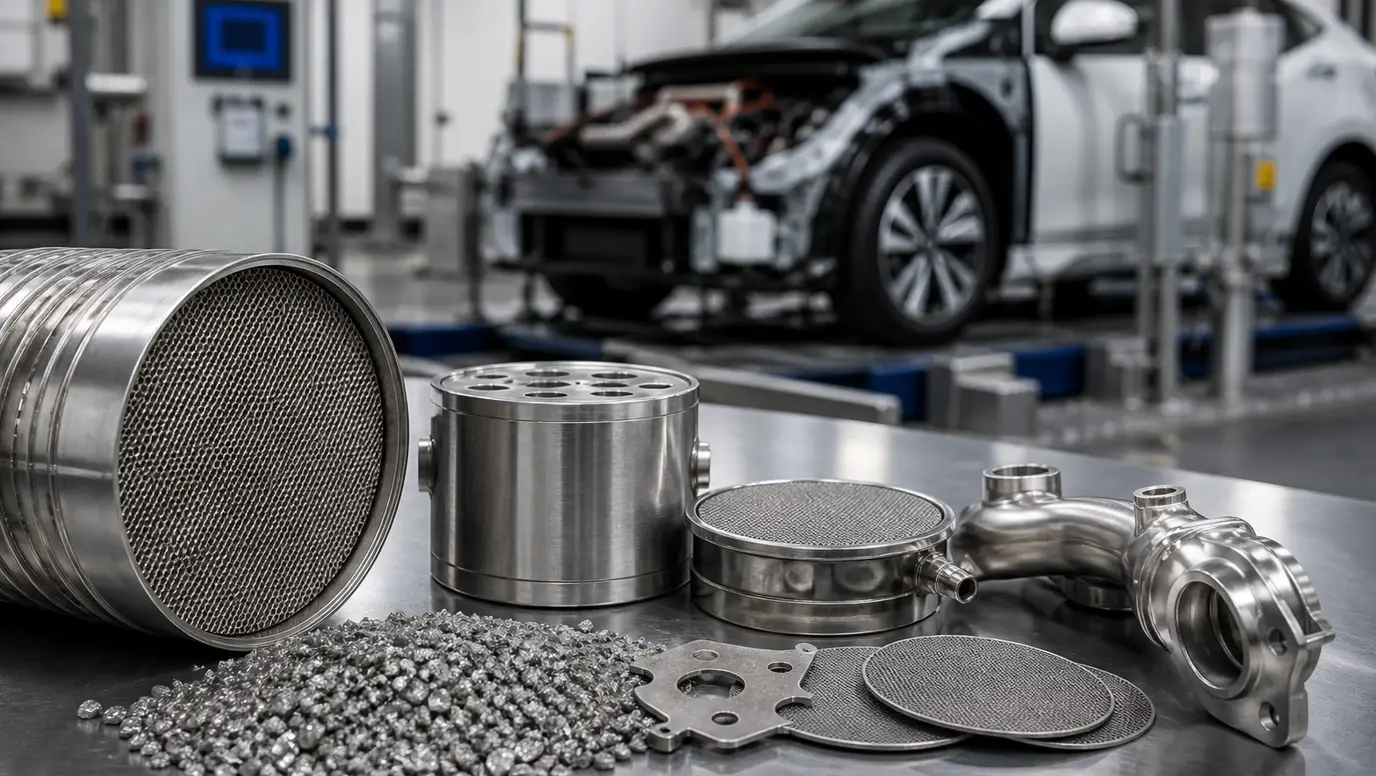
JULY 30, 2026
Palladium Rebound Stalls as Metals and Commodities Traders Weigh Auto Demand
JULY 23, 2026
Platinum and Palladium Rebound as Metals Traders Price Fed Risk and Supply Friction
JULY 17, 2026
Platinum and Palladium Slide as Gold Bounce Fails to Lift Metals Market
JULY 7, 2026
Platinum and Palladium Buck Gold Slide as Asia Bullion Moves Reshape Metals Market
JUNE 14, 2026
Platinum and Palladium Pullback Tests the PGM Deficit Trade