OCTOBER 19, 2026
Platinum and Palladium Metals Market Rallies as Federal Reserve Pause Bets ReturnPlatinum and palladium rise as softer rate-hike expectations lift precious metals, while supply and auto-demand signals shape PGM trading.

© 1box.site 2026
AUGUST 21, 2026
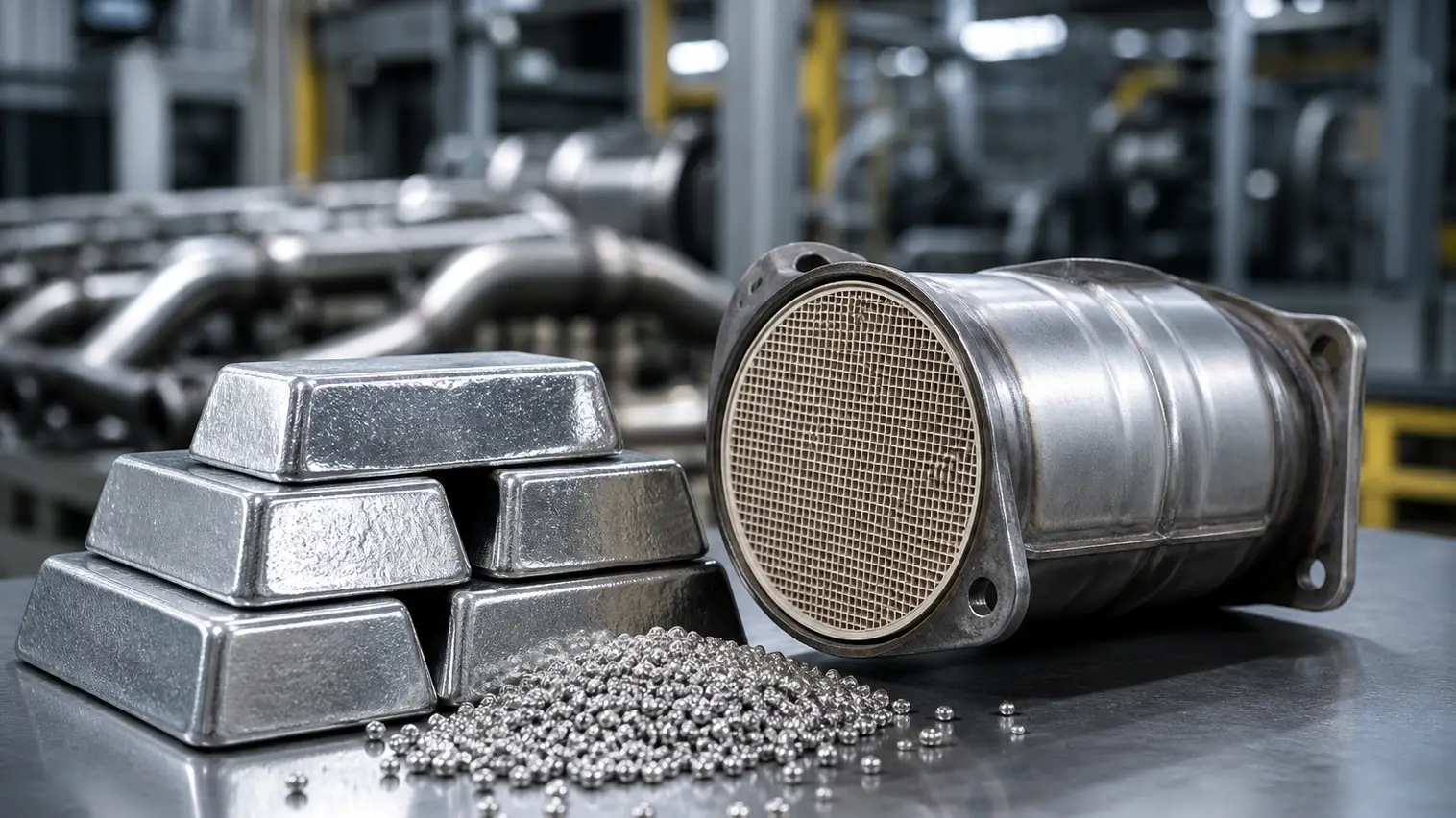
Palladium moved back into focus for metals traders on Friday after a choppy August run left the autocatalyst metal holding near the mid-$1,300s per ounce area. The rebound has not erased the broader uncertainty around demand, but it has forced the market to reprice a tighter near-term balance after prices broke above the resistance zone that capped much of July.
The latest move comes as precious and industrial metals continue to trade around a mix of softer dollar periods, shifting rate expectations and selective supply risks. Palladium has been especially sensitive because its demand base remains heavily tied to gasoline and hybrid vehicle production, while its supply chain is exposed to mine output from a small group of producing regions.
Market attention has turned back to refined availability after recent industry outlooks pointed to weaker Russian mine supply this year. Lower output from a major producing region can matter quickly in palladium because the metal is less liquid than gold or silver and because end users often need reliable physical delivery rather than purely financial exposure.
That supply story is giving palladium a different tone from some base metals, where large exchange stocks and visible contango structures have kept rallies more restrained. In palladium, the market is instead balancing a reduced mine-supply cushion against the long-running threat of demand erosion from electric vehicles and metal substitution in autocatalysts.
The durability of the rebound will likely depend on whether hybrid and gasoline vehicle demand can offset the structural decline from battery-electric adoption. Palladium remains central to catalytic converters used in many gasoline engines, but automakers have spent years adjusting metal loadings and using more platinum where technically and economically possible.
For traders, that makes the current advance a test of confidence rather than a simple breakout. A sustained hold above recent support would suggest that supply concerns are gaining more weight, while a failure to extend gains could show that investors still see palladium as vulnerable to the auto sector’s gradual technology shift.
The metals market is also watching currency and yield signals. A softer dollar can make dollar-priced metals more attractive for non-U.S. buyers, while falling real yields tend to support non-yielding precious metals. However, palladium’s smaller investment market means physical demand and supply headlines can have a larger price impact than macro signals alone.
August trading has already shown how quickly palladium sentiment can shift. Prices climbed early in the month, pulled back sharply in the middle of the period, and then steadied as buyers returned near the lower end of the recent range. That pattern points to an active but cautious market, with short-term traders responding to both supply headlines and broader risk appetite.
If palladium can stay firm into the next set of U.S. inflation, employment and Federal Reserve signals, the metal may draw fresh interest from investors looking for under-owned precious metals exposure. Still, the upside case remains more fragile than in metals with broader industrial demand bases, because palladium’s future is closely tied to the pace of auto-sector electrification.
For now, the key question is whether the rebound is the start of a tighter supply repricing or only another relief move inside a volatile 2026 range. Until clearer evidence emerges from auto production, recycling flows and mine output, palladium is likely to remain one of the metals market’s more headline-sensitive trades.
OCTOBER 19, 2026
Platinum and Palladium Metals Market Rallies as Federal Reserve Pause Bets Return
OCTOBER 10, 2026
Palladium Metals Market Slips as Auto Demand and US Dollar Pressure Deepen Surplus Worries
OCTOBER 3, 2026
Palladium Rebound Attempt Puts Metals Market Focus on Auto Demand and Federal Reserve Risk
SEPTEMBER 28, 2026
Palladium and Platinum Slide as Dollar, Yields Pressure Metals Market
SEPTEMBER 20, 2026
Palladium Futures Rebound Puts Metals Market on Autocatalyst Supply Watch
SEPTEMBER 11, 2026
Palladium Futures Swing as Auto Demand Clouds Metals Market Outlook
SEPTEMBER 3, 2026
Platinum and Palladium Rebound as Softer Dollar Lifts Metals Before US Jobs Data
AUGUST 28, 2026
Palladium Jump Puts Metals Market on Federal Reserve Watch as Supply Risks Return
AUGUST 11, 2026
Platinum Rally Puts Metals Market on Deficit Watch as Palladium Lags
AUGUST 5, 2026
Platinum Rally Puts Metals Market on Supply Deficit Watch as Palladium Joins Move
JULY 30, 2026
Palladium Rebound Stalls as Metals and Commodities Traders Weigh Auto Demand
JULY 23, 2026
Platinum and Palladium Rebound as Metals Traders Price Fed Risk and Supply Friction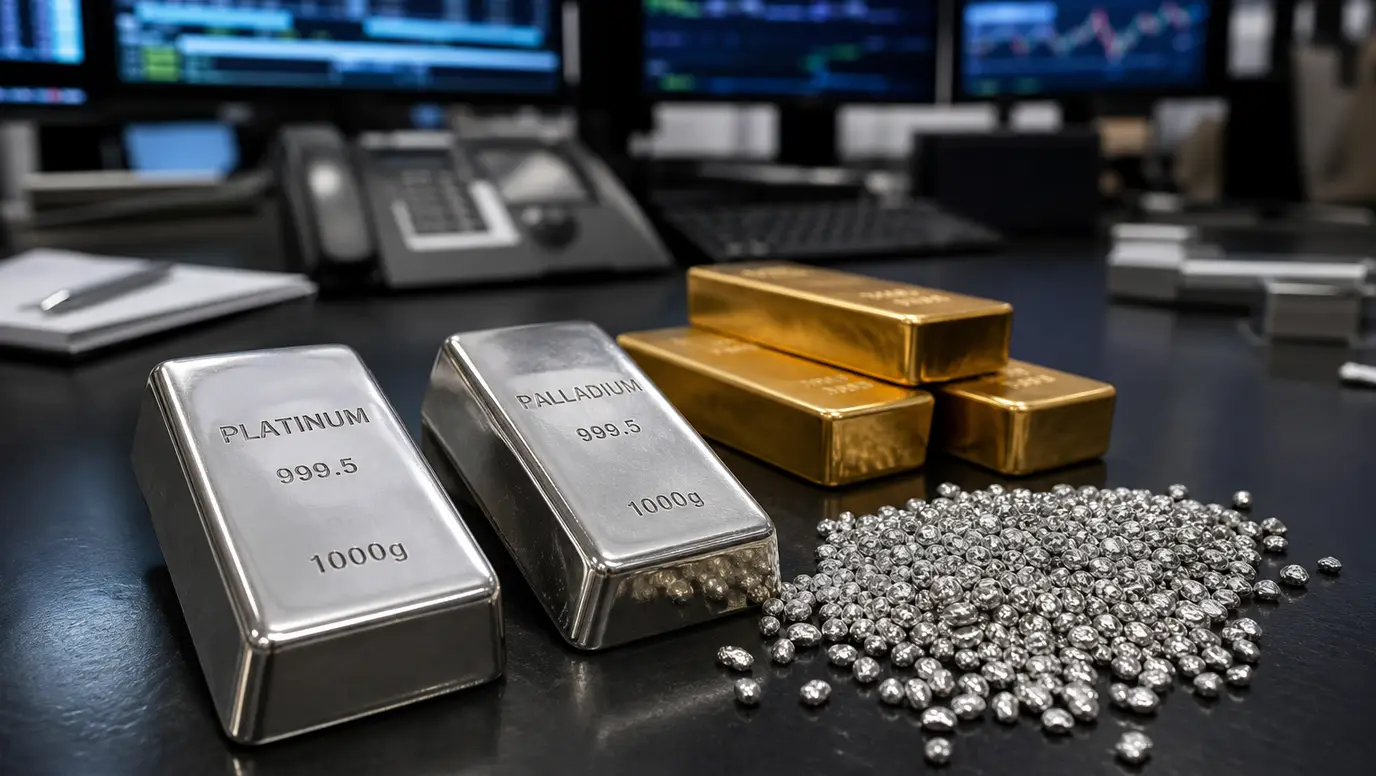
JULY 17, 2026
Platinum and Palladium Slide as Gold Bounce Fails to Lift Metals Market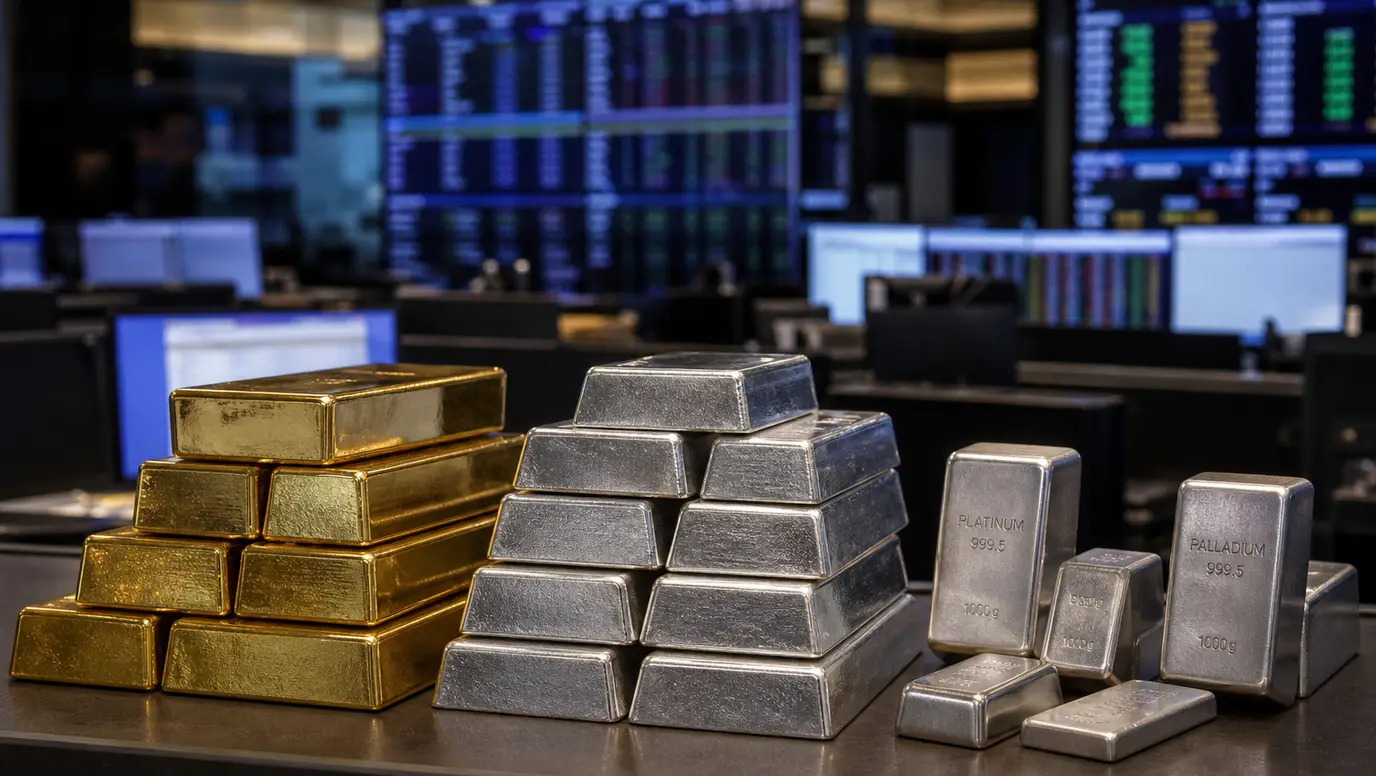
JULY 7, 2026
Platinum and Palladium Buck Gold Slide as Asia Bullion Moves Reshape Metals Market
JUNE 14, 2026
Platinum and Palladium Pullback Tests the PGM Deficit Trade