OCTOBER 19, 2026
Platinum and Palladium Metals Market Rallies as Federal Reserve Pause Bets ReturnPlatinum and palladium rise as softer rate-hike expectations lift precious metals, while supply and auto-demand signals shape PGM trading.

© 1box.site 2026

JULY 30, 2026
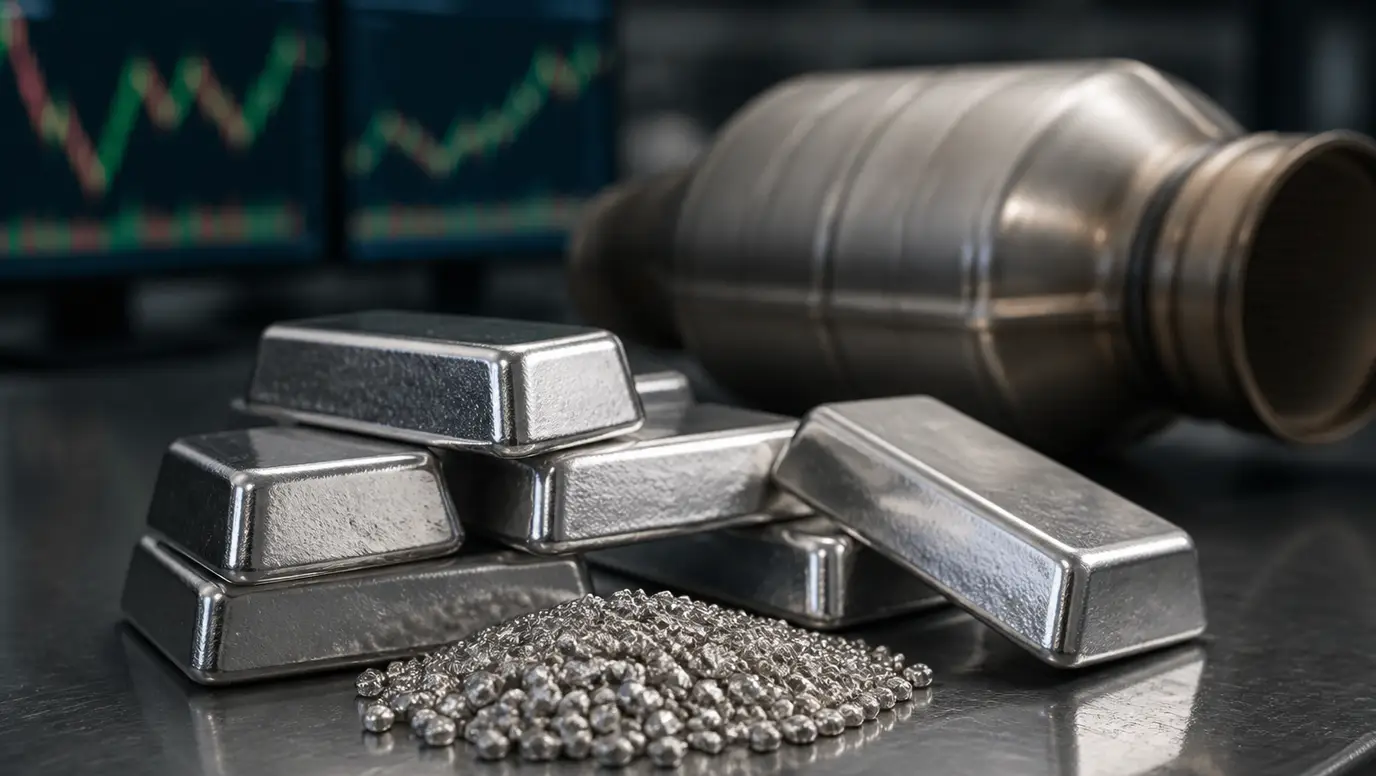
Palladium is struggling to extend its late-July rebound, leaving metals traders focused on whether the recent bounce reflects genuine physical tightness or only short covering after a weak stretch for platinum group metals.
The metal moved back toward the mid-$1,260 per ounce area in the final days of July after July futures settled near $1,255 on July 23. The recovery has been modest compared with the volatility seen earlier in the month, and the market remains sensitive to signals from the automotive sector, where palladium is heavily used in emissions-control systems.
The tone in palladium contrasts with the stronger attention recently given to industrial metals with clearer infrastructure and electrification demand stories. For traders, that makes the current move less about broad commodity enthusiasm and more about whether autocatalyst demand can absorb available supply without a sharper improvement in vehicle production or replacement demand.
Palladium’s core challenge remains the demand mix. Internal-combustion and hybrid vehicles still require platinum group metals in catalytic converters, but the long-term shift toward electric vehicles continues to cap enthusiasm for palladium exposure. That structural concern is keeping rallies vulnerable when macro conditions turn less supportive.
Market participants are also watching substitution trends within platinum group metals. When manufacturers find room to adjust loadings between palladium and platinum, the relative price spread can influence procurement choices. That means palladium does not trade only on its own supply balance; it also reacts to the competitive position of platinum and the broader outlook for emissions-system demand.
Fresh price action suggests traders are not yet convinced that the market has moved into a sustained shortage. The July rebound has helped stabilize sentiment, but it has not removed the overhang from cautious industrial buying and expectations that the global balance could remain comfortable if auto demand underperforms.
Macro conditions are adding another layer of uncertainty. Precious metals that do not generate yield can lose momentum when Treasury yields rise or when the US dollar firms, because higher real returns elsewhere raise the opportunity cost of holding metal exposure. Palladium is especially exposed to this pressure when its industrial demand story is not strong enough to offset financial-market headwinds.
The Federal Reserve backdrop remains important for the metals market after traders spent the week reassessing policy risk, yield moves and the durability of risk appetite. If rate expectations stay firm, palladium may find it difficult to attract fresh investment demand beyond short-term technical buying.
For now, the key trading zone is the recent band between the low-$1,240s and the high-$1,280s. A sustained move above that range would suggest improving confidence in demand or a tighter physical market, while a retreat back toward the lower end would reinforce the view that the late-July bounce was corrective rather than trend-changing.
Supply discipline is the other variable that could reshape the palladium outlook. Mine plans, recycling flows and producer responses to lower prices will determine whether the market can tighten even if end-use demand remains uneven. Platinum group metals supply is geographically concentrated, so disruptions or project delays can quickly alter sentiment.
Still, the near-term message from the market is cautious. Palladium has stabilized, but the rebound lacks the urgency normally associated with a clear supply squeeze. Until automotive demand improves or inventories show a more decisive draw, metals and commodities traders may continue to treat rallies as opportunities to reassess exposure rather than chase momentum.
That leaves palladium in a holding pattern: supported by periodic supply-risk buying, but capped by surplus concerns, substitution risk and a rate environment that remains demanding for non-yielding metals.
OCTOBER 19, 2026
Platinum and Palladium Metals Market Rallies as Federal Reserve Pause Bets Return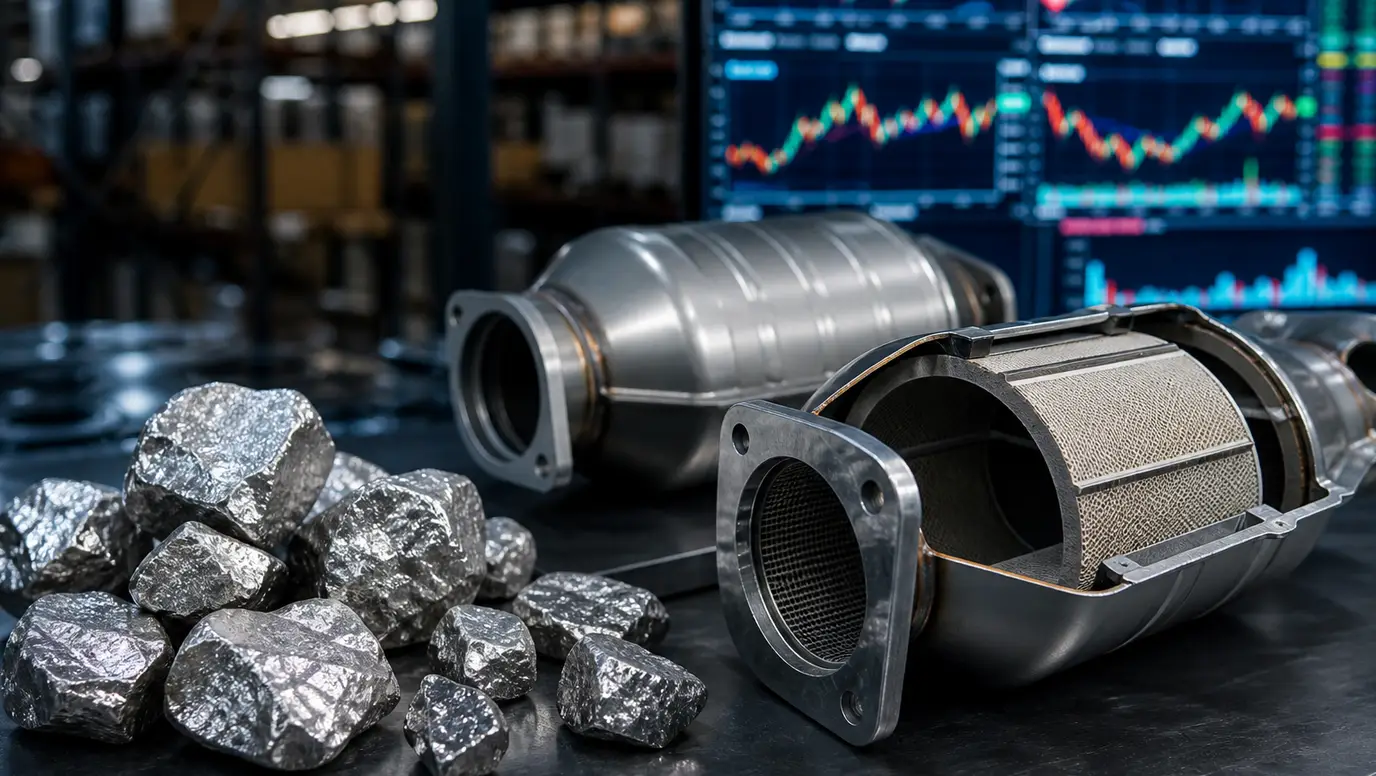
OCTOBER 10, 2026
Palladium Metals Market Slips as Auto Demand and US Dollar Pressure Deepen Surplus Worries
OCTOBER 3, 2026
Palladium Rebound Attempt Puts Metals Market Focus on Auto Demand and Federal Reserve Risk
SEPTEMBER 28, 2026
Palladium and Platinum Slide as Dollar, Yields Pressure Metals Market
SEPTEMBER 20, 2026
Palladium Futures Rebound Puts Metals Market on Autocatalyst Supply Watch
SEPTEMBER 11, 2026
Palladium Futures Swing as Auto Demand Clouds Metals Market Outlook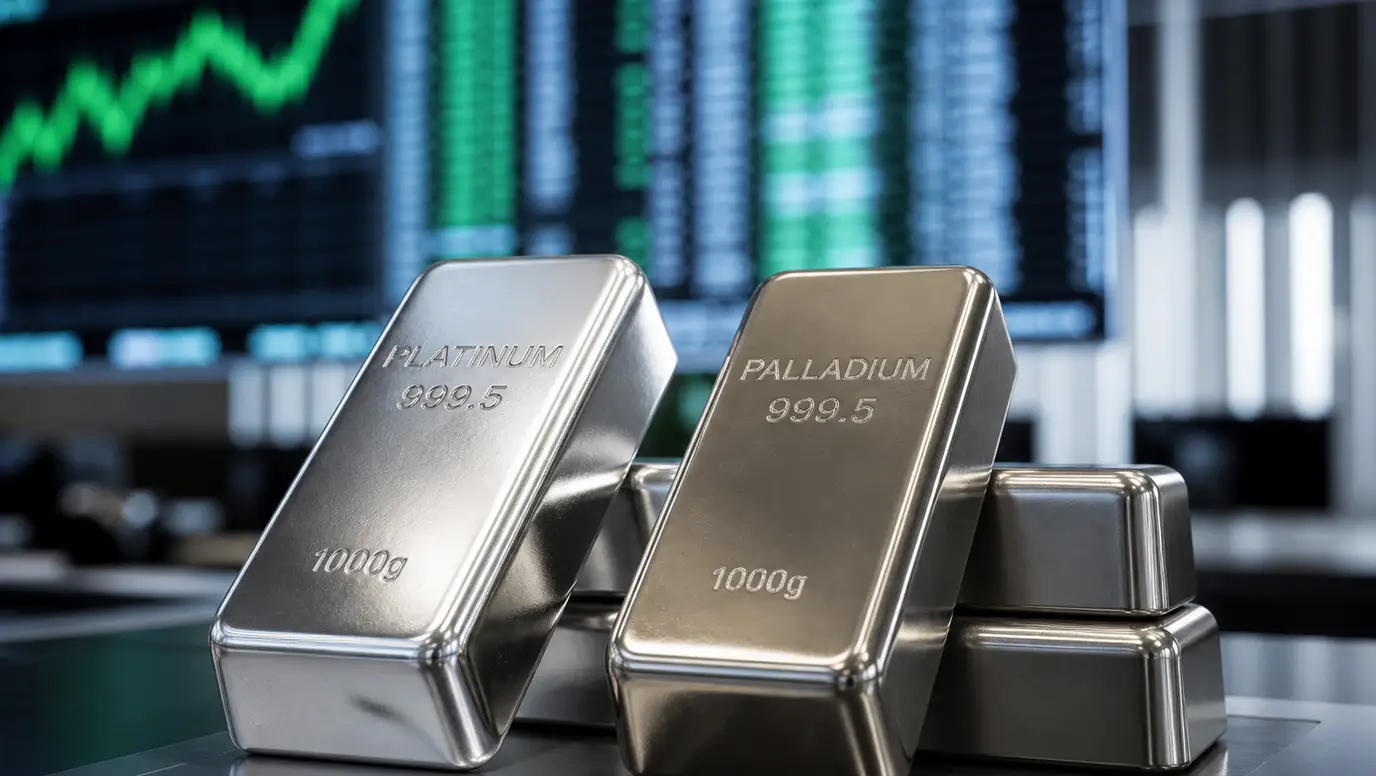
SEPTEMBER 3, 2026
Platinum and Palladium Rebound as Softer Dollar Lifts Metals Before US Jobs Data
AUGUST 28, 2026
Palladium Jump Puts Metals Market on Federal Reserve Watch as Supply Risks Return
AUGUST 21, 2026
Palladium Rebound Puts Metals Market on Autocatalyst Supply Watch
AUGUST 11, 2026
Platinum Rally Puts Metals Market on Deficit Watch as Palladium Lags
AUGUST 5, 2026
Platinum Rally Puts Metals Market on Supply Deficit Watch as Palladium Joins Move
JULY 23, 2026
Platinum and Palladium Rebound as Metals Traders Price Fed Risk and Supply Friction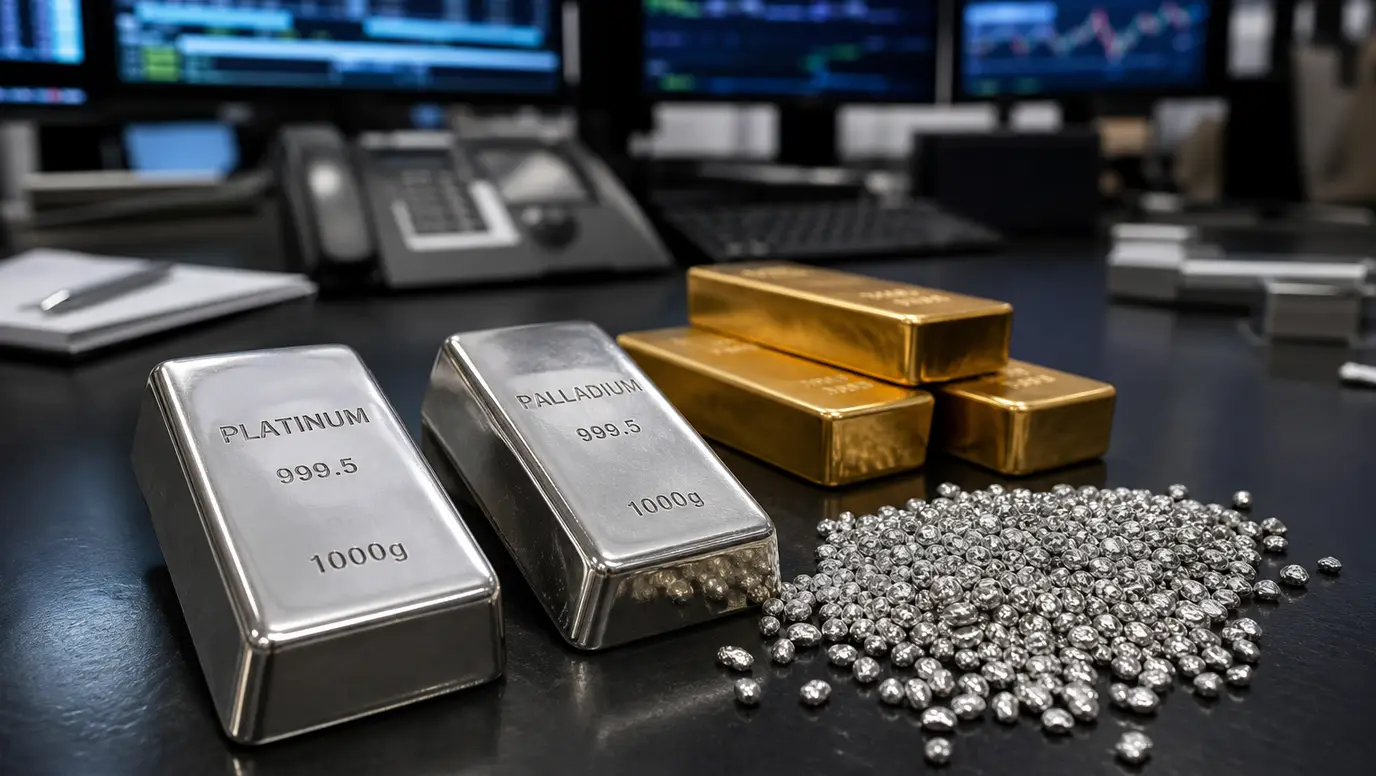
JULY 17, 2026
Platinum and Palladium Slide as Gold Bounce Fails to Lift Metals Market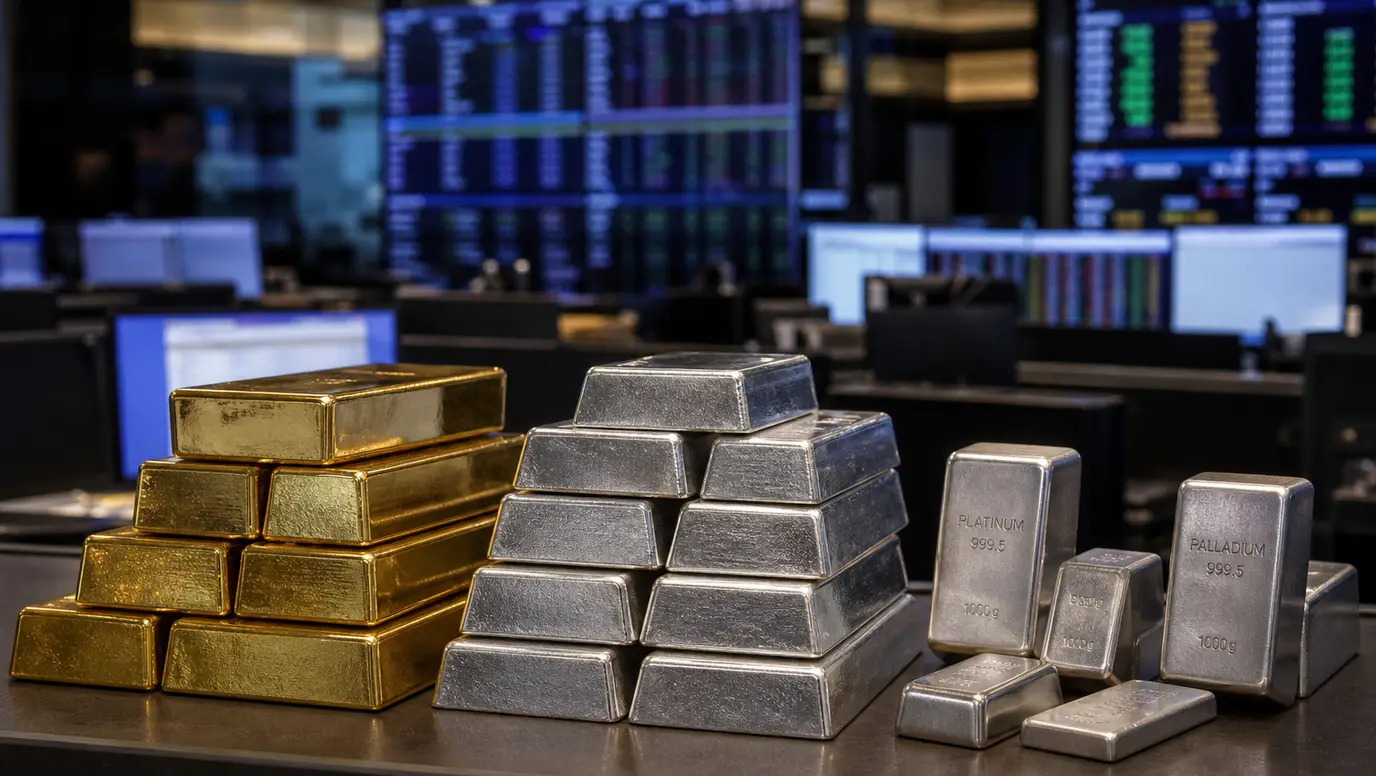
JULY 7, 2026
Platinum and Palladium Buck Gold Slide as Asia Bullion Moves Reshape Metals Market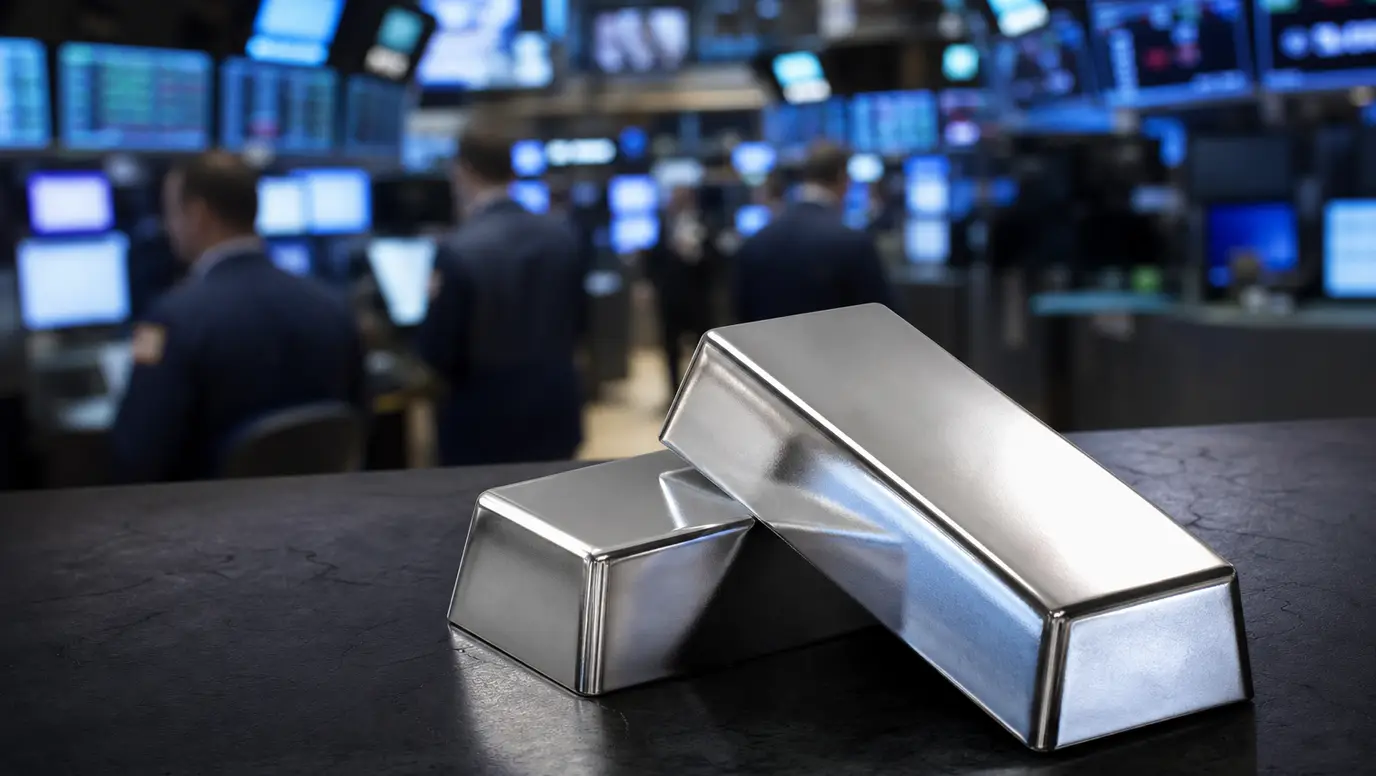
JUNE 14, 2026
Platinum and Palladium Pullback Tests the PGM Deficit Trade