
NOVEMBER 1, 2026
Platinum Metals Market Slumps as Palladium Breaks Below $1,000 and ETF Outflows Hit SentimentPlatinum extends its pullback as ETF outflows, softer lease rates and palladium weakness test precious metals sentiment.

© 1box.site 2026
NOVEMBER 16, 2026
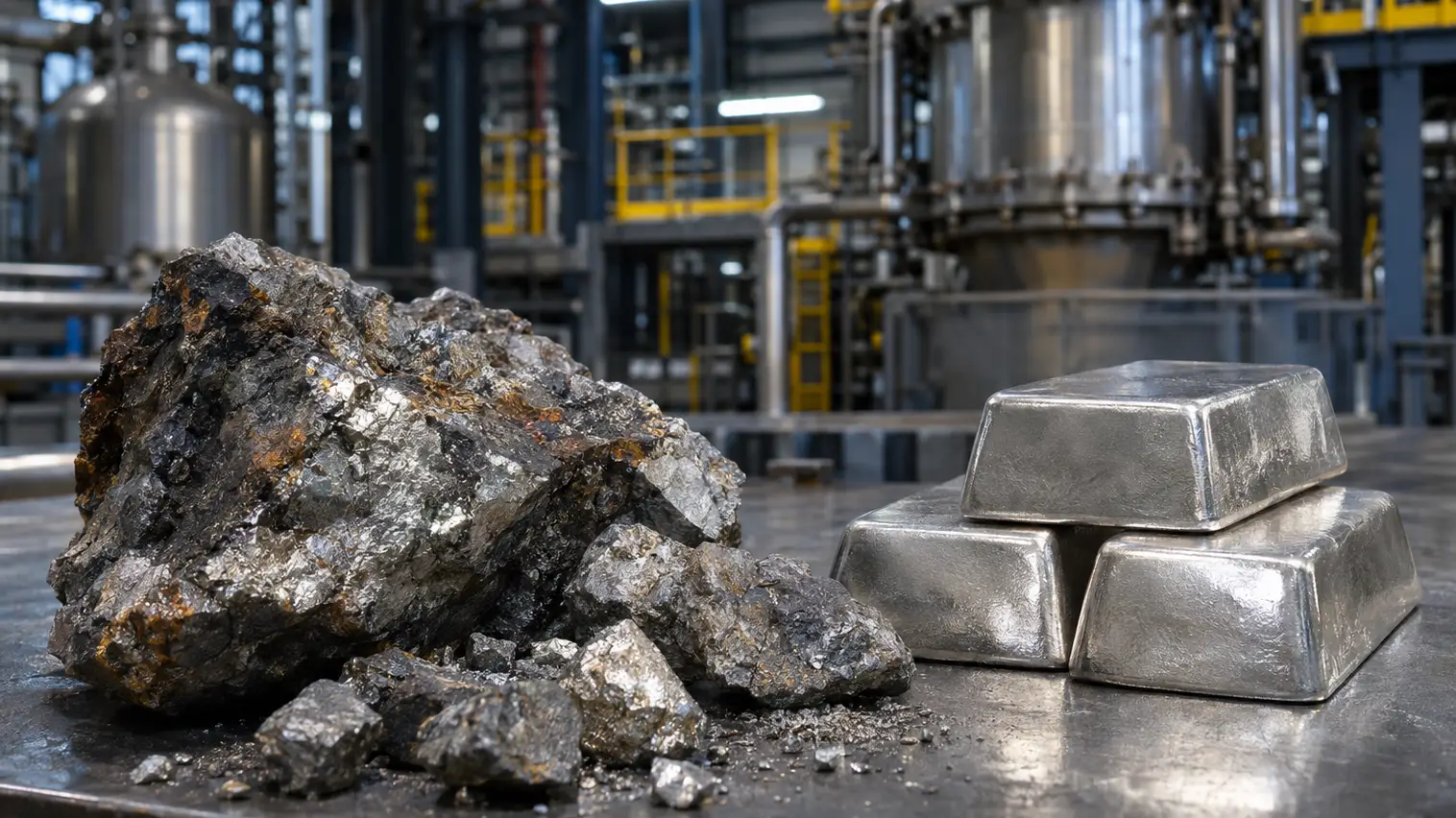
Platinum fell to around $1,466.50 an ounce on Monday, November 16, as a stronger US dollar and expectations of higher interest rates coincided with a broader retreat in precious metals. The decline comes ahead of a quarterly update that could reshape expectations for platinum supply and demand.
The metal was down about 1.5% on the day and 6.1% over five trading days in a market snapshot taken at 10:35 UTC. Prices can vary between trading venues and may have changed since then.
The latest industry forecast projects a platinum surplus of 265,000 ounces in 2026, reflecting investment outflows during the first half of the year. The next quarterly supply-and-demand update is scheduled for November 18.
The existing forecast marks a shift from the estimated 2025 deficit of more than 1.4 million ounces. Even so, above-ground inventories are projected to cover only about 3.4 months of global demand at the end of 2026, leaving a relatively limited buffer against unexpected disruptions.
Investors will be watching for revisions to the outlook for mine supply, recycling and investment flows. A smaller projected surplus could support the case for tighter conditions, while a larger one could reinforce concerns about excess supply.
Platinum has both industrial and investment uses, making its outlook sensitive to changes in manufacturing demand as well as financial conditions. The current industry forecast anticipates a 5% rise in industrial demand this year, offsetting a projected 4% decline in automotive demand. Jewelry demand is expected to fall 15%, partly because of high prices and weak consumption in China.
On the financial side, higher interest rates can make non-yielding metals less attractive relative to interest-bearing assets. A stronger dollar can also make dollar-priced platinum more expensive for buyers using other currencies. Those relationships are not fixed, and changes in physical demand can influence prices independently.
Traders are also awaiting the November 18 release of minutes from the Federal Reserve's October meeting for clues about the policy outlook. With the supply report due the same day, platinum faces a test from both its physical market fundamentals and the wider interest-rate environment.
NOVEMBER 1, 2026
Platinum Metals Market Slumps as Palladium Breaks Below $1,000 and ETF Outflows Hit Sentiment
OCTOBER 25, 2026
Palladium Metals Market Tests $1,050 as Platinum Premium Widens Before Federal Reserve Week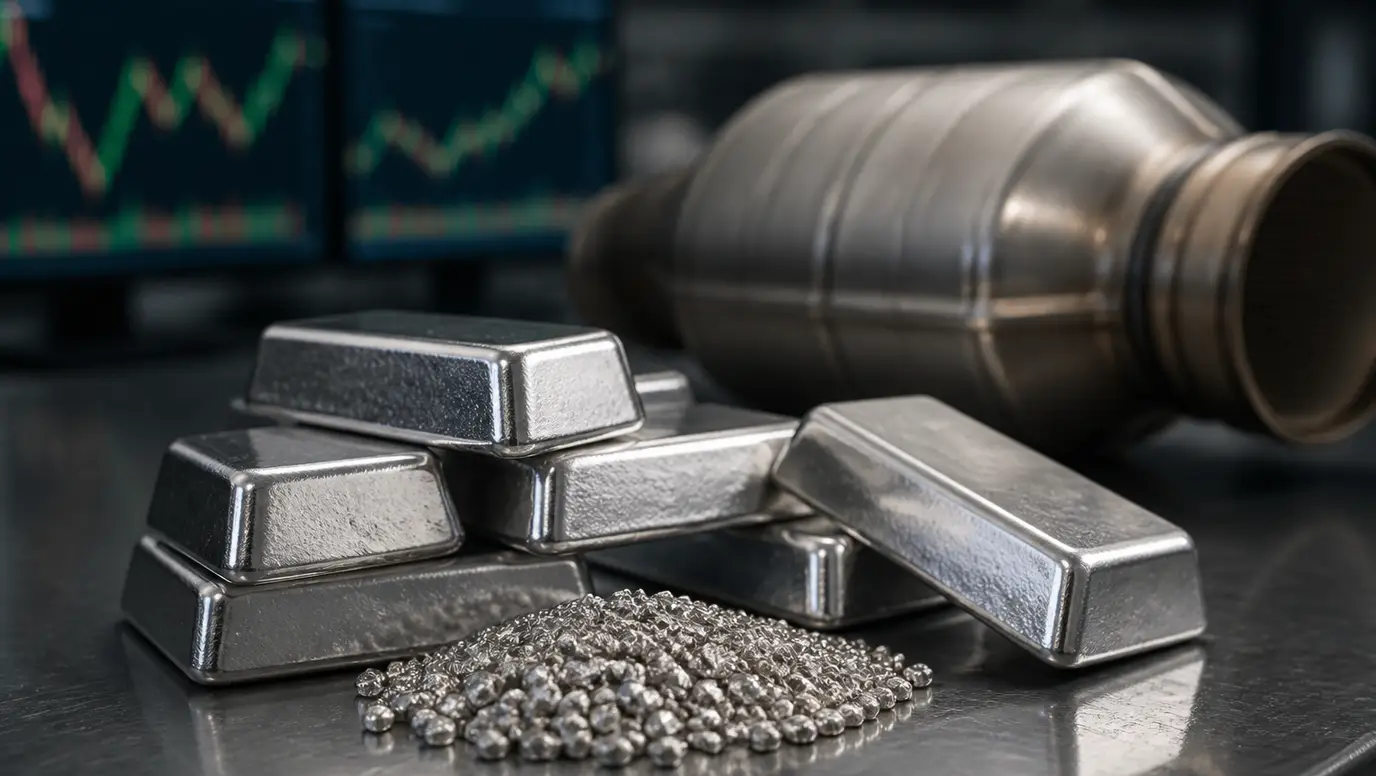
OCTOBER 19, 2026
Platinum and Palladium Metals Market Rallies as Federal Reserve Pause Bets Return
SEPTEMBER 28, 2026
Palladium and Platinum Slide as Dollar, Yields Pressure Metals Market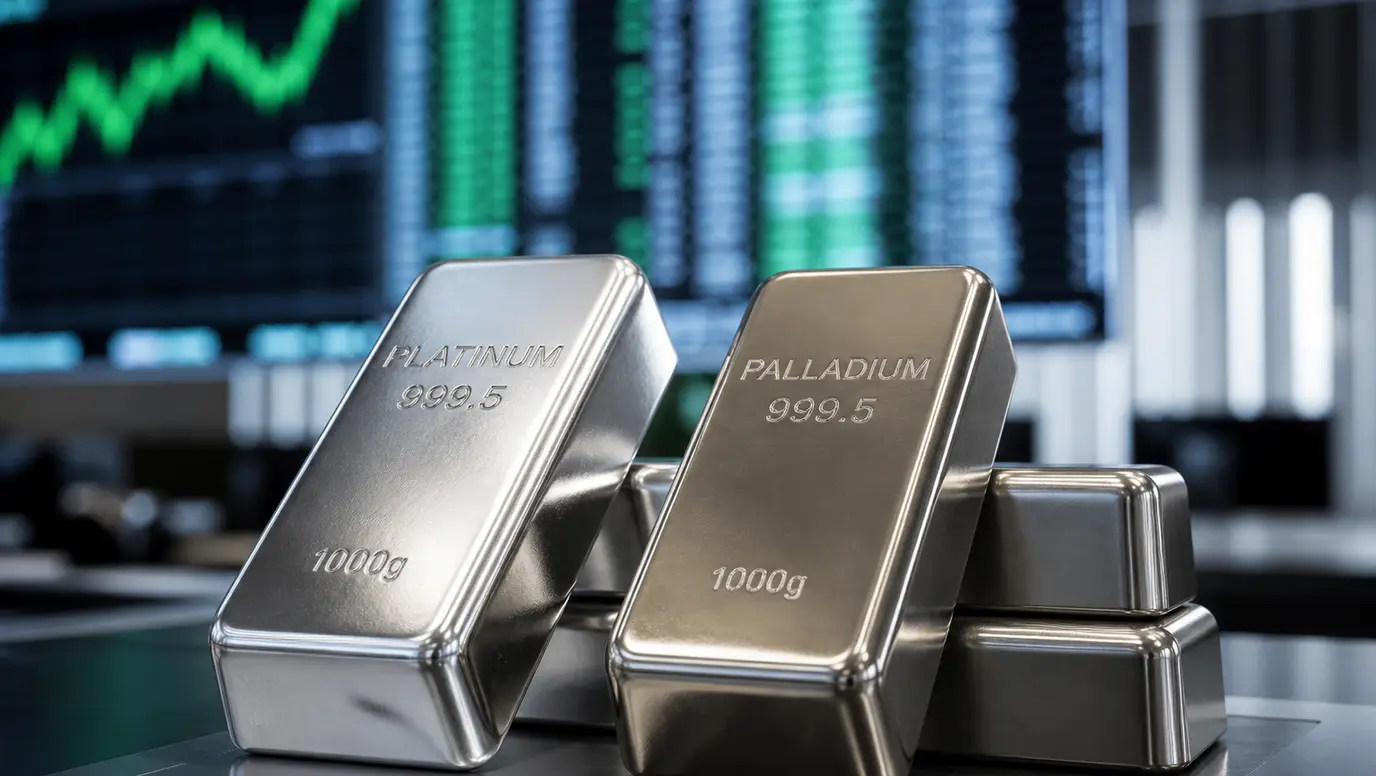
SEPTEMBER 3, 2026
Platinum and Palladium Rebound as Softer Dollar Lifts Metals Before US Jobs Data
AUGUST 24, 2026
Platinum Rally Puts Metals Market on Treasury Yields Watch as Supply Deficit Talk Returns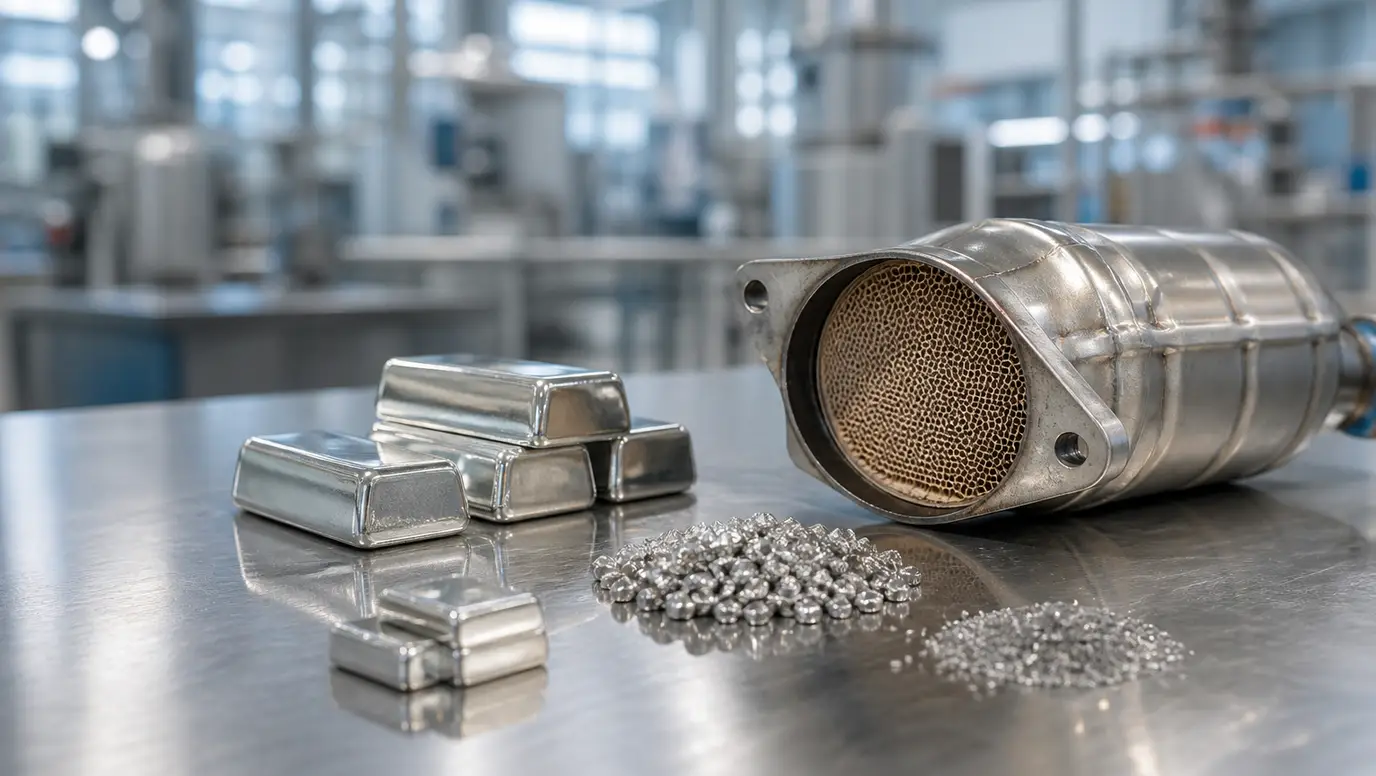
AUGUST 17, 2026
Platinum Holds Metals Market Focus as Deficit Story Meets Federal Reserve Minutes
AUGUST 11, 2026
Platinum Rally Puts Metals Market on Deficit Watch as Palladium Lags
AUGUST 5, 2026
Platinum Rally Puts Metals Market on Supply Deficit Watch as Palladium Joins Move
JULY 23, 2026
Platinum and Palladium Rebound as Metals Traders Price Fed Risk and Supply Friction
JULY 17, 2026
Platinum and Palladium Slide as Gold Bounce Fails to Lift Metals Market
JULY 7, 2026
Platinum and Palladium Buck Gold Slide as Asia Bullion Moves Reshape Metals Market