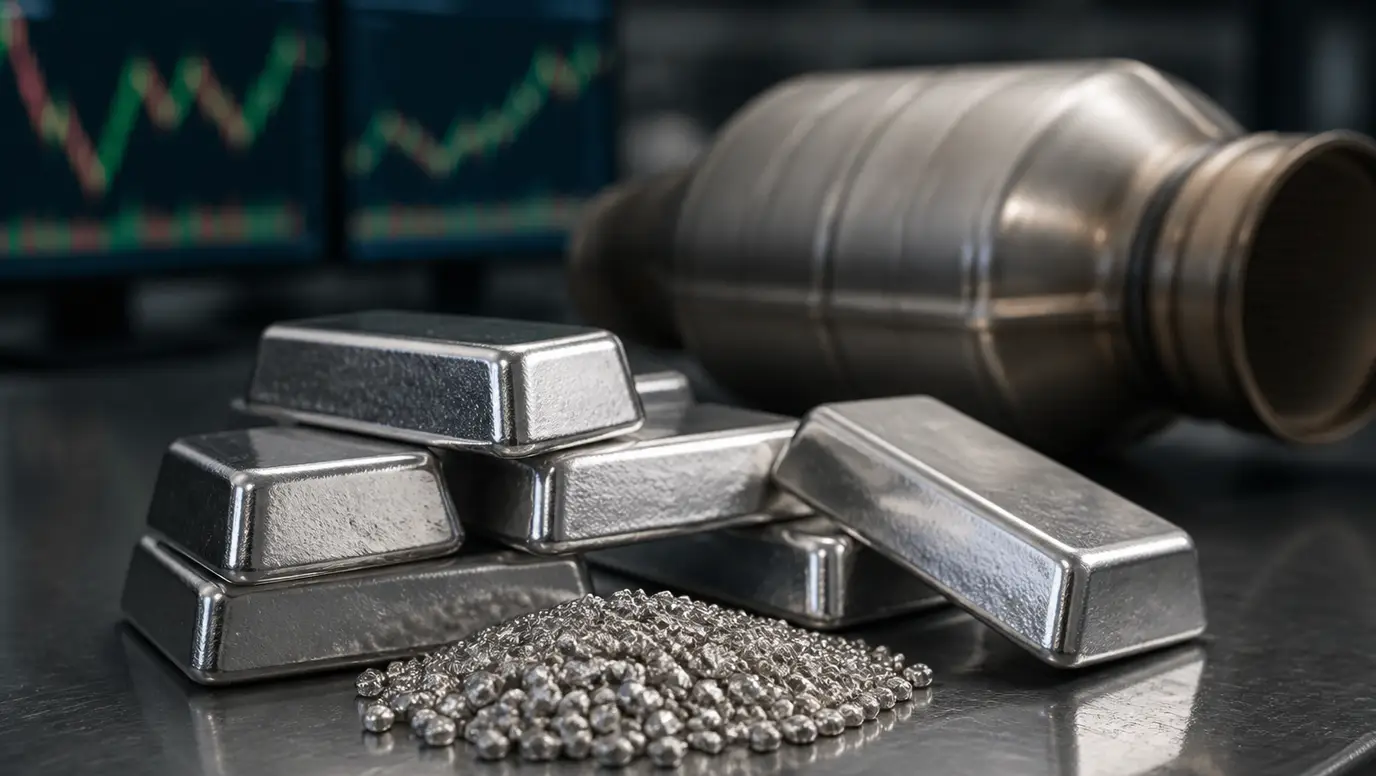
OCTOBER 19, 2026
Platinum and Palladium Metals Market Rallies as Federal Reserve Pause Bets ReturnPlatinum and palladium rise as softer rate-hike expectations lift precious metals, while supply and auto-demand signals shape PGM trading.

© 1box.site 2026
AUGUST 17, 2026
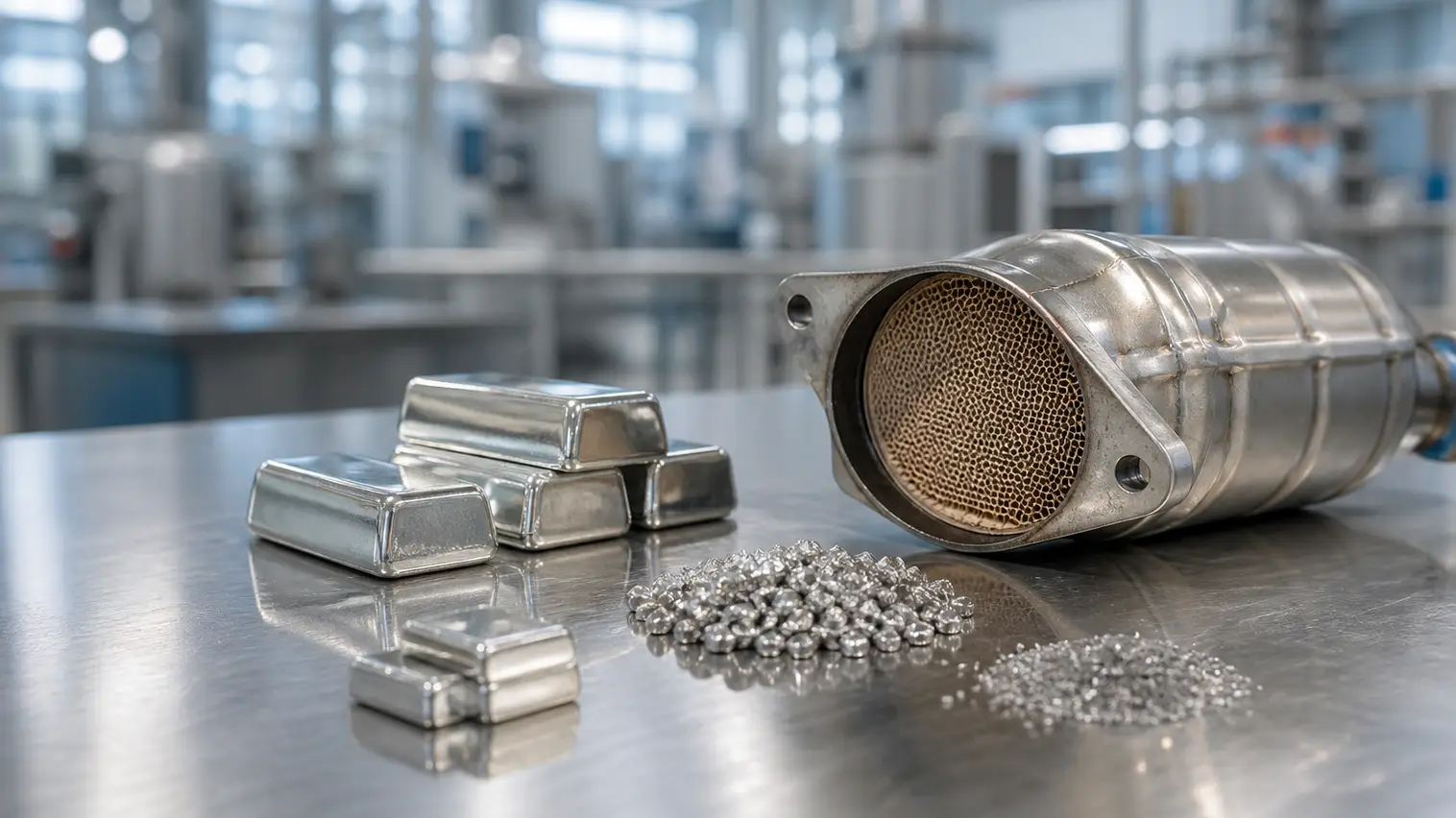
Platinum is taking a larger share of metals-market attention as traders balance a tightening physical outlook against the next macro test from the Federal Reserve. With gold already covered by the recent Treasury-yield rebound and base metals reacting to warehouse swings, platinum offers a different story: a precious metal with industrial exposure, constrained supply and renewed sensitivity to investment flows.
Recent price action has been choppy but constructive. Platinum has been trading around the mid-$1,700s per ounce area in recent indications, holding above late-July levels while investors reassess whether the 2026 deficit theme can survive a stronger US dollar or a higher-yield backdrop. The move is not a clean momentum breakout, but it has been enough to return platinum to the center of the metals conversation.
Industry supply-and-demand estimates released this year point to a fourth consecutive annual platinum deficit in 2026. The expected shortfall has been revised modestly deeper, to roughly 300,000 ounces, while above-ground inventories are projected to shrink further by year-end. That gives platinum a tighter fundamental backdrop than many traders expected after the volatility seen earlier in the year.
The deficit story matters because platinum sits between two markets. It often trades with precious metals when the dollar, real yields and safe-haven demand dominate, but it also reacts to industrial trends in autos, glass, chemicals and emerging clean-energy applications. That hybrid profile can make platinum more volatile than gold when investment demand returns, especially if physical availability remains limited.
Investment demand is also part of the latest bullish case. Bar and coin buying is expected to remain firm in 2026, while industrial demand is forecast to improve from last year’s softer base. Recycling supply is rising in response to higher prices, but the increase has not yet erased the projected annual deficit. For metals investors, that creates a market where dips may attract physical and strategic buyers faster than in looser commodity segments.
The next short-term test is macroeconomic. The Federal Reserve minutes due this week could influence the US dollar and Treasury yields, two factors that often set the direction for precious metals. A softer policy tone would likely help platinum by easing pressure from real yields and improving the appeal of non-yielding assets. A more hawkish tone could slow the rally, particularly if it revives dollar strength.
Platinum’s reaction may differ from gold’s because the market is also pricing physical scarcity. If yields rise but deficit expectations remain intact, selling could be shallower than in metals driven mainly by monetary policy. Conversely, if the minutes weaken the dollar while industrial demand indicators stay stable, platinum could attempt to retest the upper end of its recent trading range.
China remains another key variable for the metals market. Industrial production, manufacturing demand and investor appetite for precious metals in Asia can influence sentiment toward platinum, even when the immediate price driver is US monetary policy. Traders are watching whether demand from industrial users and investors remains resilient after the sharp price swings seen earlier in 2026.
Automotive demand remains central to the platinum outlook because the metal is used in emissions-control systems. The longer-term substitution trend from palladium to platinum has slowed as the price relationship between the two metals has shifted, but platinum continues to benefit from a broader demand base and a tighter supply picture. That makes the platinum-palladium spread an important signal for metals desks through the rest of the quarter.
Industrial demand is another support pillar. Glass capacity additions, chemical applications and hydrogen-related uses are helping offset weaker areas such as jewelry demand. The market is not pricing a demand boom, but it is pricing enough resilience to keep the deficit narrative alive. That distinction is important: platinum does not need a surge in consumption to stay supported if supply growth remains limited.
For now, the metals-market setup favors selective trading rather than broad chasing. Platinum bulls need confirmation from a softer dollar, stable industrial demand and continued evidence of physical tightness. Bears need either a hawkish Federal Reserve surprise or signs that recycling and investor selling are loosening supply faster than expected. Until one of those signals dominates, platinum is likely to remain a high-beta metals trade tied to both macro policy and scarcity risk.
OCTOBER 19, 2026
Platinum and Palladium Metals Market Rallies as Federal Reserve Pause Bets Return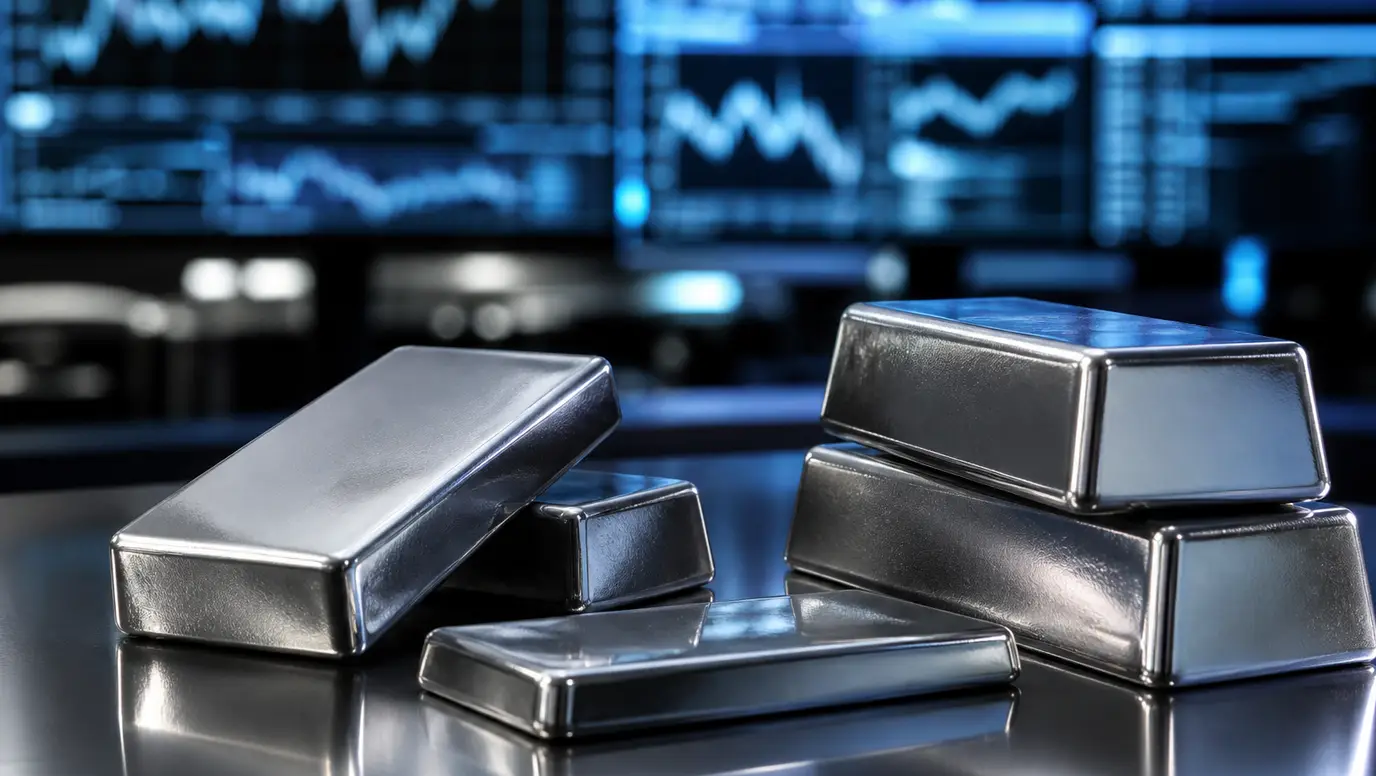
SEPTEMBER 28, 2026
Palladium and Platinum Slide as Dollar, Yields Pressure Metals Market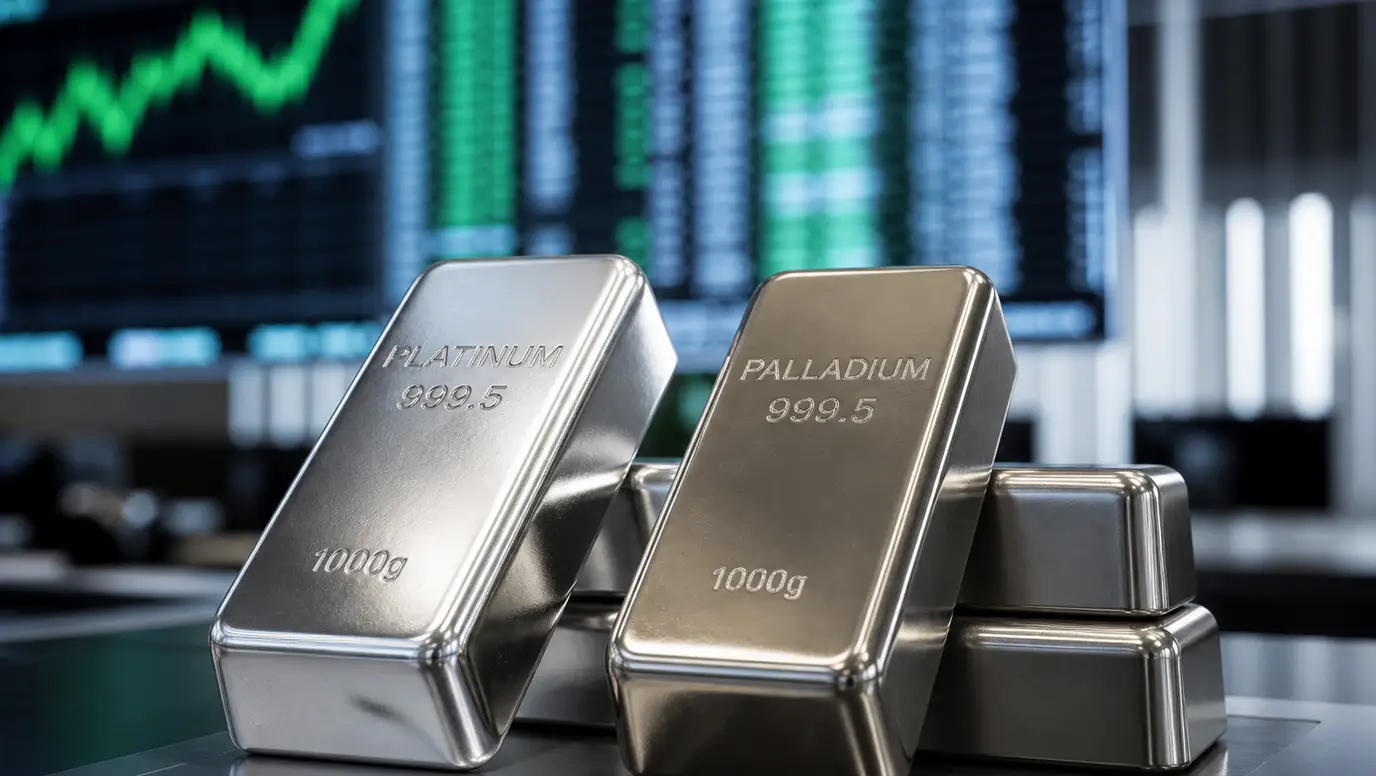
SEPTEMBER 3, 2026
Platinum and Palladium Rebound as Softer Dollar Lifts Metals Before US Jobs Data
AUGUST 24, 2026
Platinum Rally Puts Metals Market on Treasury Yields Watch as Supply Deficit Talk Returns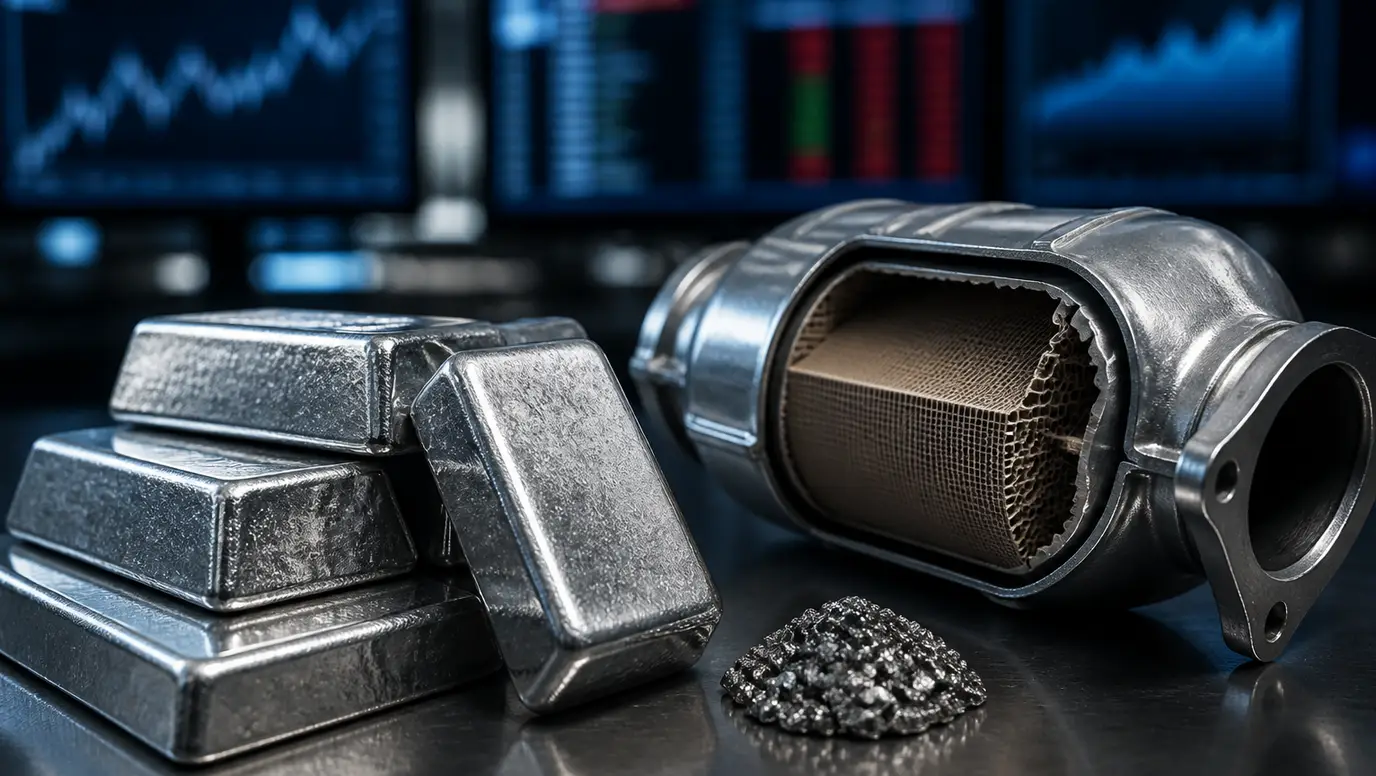
AUGUST 11, 2026
Platinum Rally Puts Metals Market on Deficit Watch as Palladium Lags
AUGUST 5, 2026
Platinum Rally Puts Metals Market on Supply Deficit Watch as Palladium Joins Move
JULY 23, 2026
Platinum and Palladium Rebound as Metals Traders Price Fed Risk and Supply Friction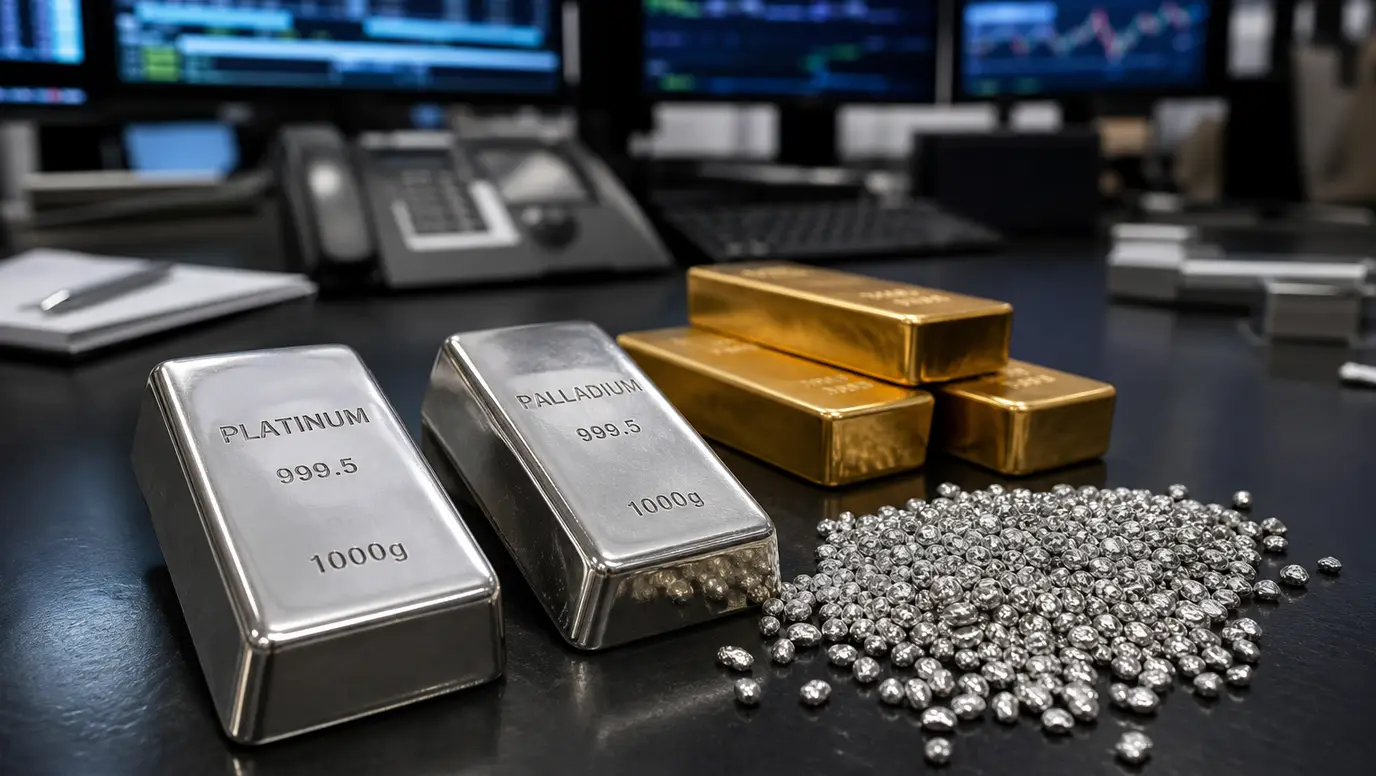
JULY 17, 2026
Platinum and Palladium Slide as Gold Bounce Fails to Lift Metals Market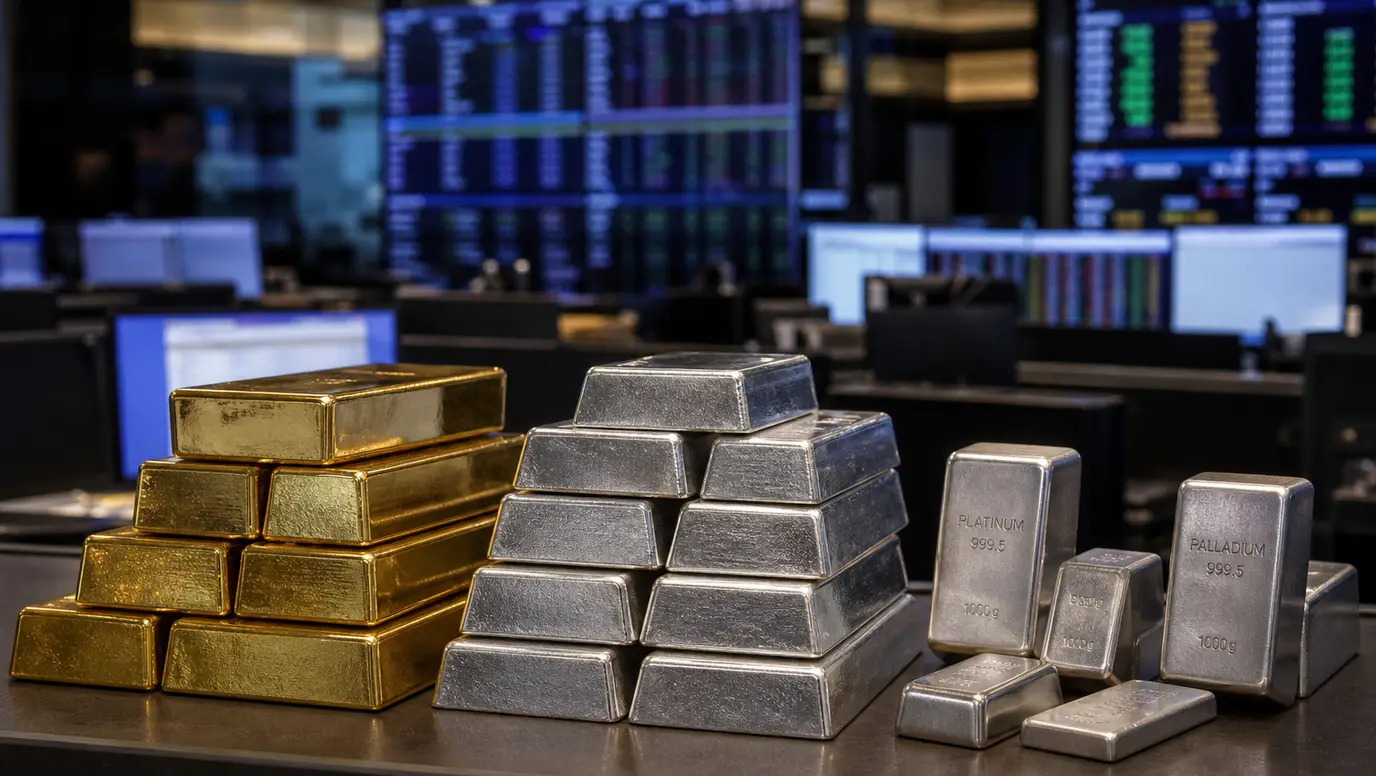
JULY 7, 2026
Platinum and Palladium Buck Gold Slide as Asia Bullion Moves Reshape Metals Market
JUNE 14, 2026
Platinum and Palladium Pullback Tests the PGM Deficit Trade