
NOVEMBER 12, 2026
Australian Dollar Forex Slides as US Dollar Rally Erases Reserve Bank of Australia Rate EdgeAustralian Dollar forex pressure deepens as AUD/USD nears 10-month lows, with Fed hike bets overpowering RBA support.

© 1box.site 2026

NOVEMBER 12, 2026
Silver stayed near the center of the metals market conversation on Thursday as spot prices hovered around the $51 to $52 an ounce area, with traders weighing resilient bullion demand against a firmer US dollar and elevated Treasury yields. The move left silver steadier than many risk-sensitive assets, but the market remained vulnerable to another repricing of Federal Reserve expectations after hotter inflation data revived talk of tighter policy.
The latest trading pattern shows a market caught between two forces. On one side, silver continues to draw support from its dual role as a precious metal and industrial input, especially in electronics, solar equipment and electrification supply chains. On the other, higher real yields and a stronger dollar raise the opportunity cost of holding non-yielding metals, limiting follow-through buying after rebounds from earlier losses.
The US dollar remained a central obstacle for silver bulls, as currency strength makes dollar-denominated metals more expensive for overseas buyers. Treasury yields also stayed in focus because the market has been reassessing how long restrictive policy may last. When yields rise, silver often struggles to extend rallies even when physical and industrial demand narratives remain constructive.
Silver’s ability to hold close to $52 suggests that buyers are still willing to defend the metal after sharp volatility earlier in the week. However, the market has not yet delivered a clean breakout signal. Traders are watching whether silver can maintain support above the low-$50 area while building momentum toward recent highs, or whether another dollar advance forces a deeper consolidation.
Unlike gold, silver is more exposed to industrial cycles, which can become a source of support when manufacturing and clean-energy demand improve. Solar panel production, grid investment and electronic components continue to underpin the longer-term consumption story, even as short-term macro pressure dominates daily price action.
That industrial link also adds risk. If investors begin to price slower global growth, silver can weaken alongside base metals, even while safe-haven flows support precious metals more broadly. This makes the current setup more nuanced than a simple inflation hedge trade. Silver is being valued both as a monetary metal and as a growth-sensitive commodity.
For the near term, traders are likely to treat the $50 area as an important psychological support zone, while the $52 to $53 region acts as a first test of bullish conviction. A sustained move above that band could invite fresh momentum buying, particularly if the dollar eases or Treasury yields retreat. Failure to hold the low-$50s, by contrast, would put the recent rebound at risk and shift attention back to defensive positioning.
The broader metals market remains sensitive to incoming US economic data, central bank commentary and shifts in inflation expectations. Until those signals become clearer, silver may continue to trade in a choppy range, supported by industrial demand but capped by the same Federal Reserve and dollar pressures weighing on the wider precious metals complex.
NOVEMBER 12, 2026
Australian Dollar Forex Slides as US Dollar Rally Erases Reserve Bank of Australia Rate Edge
NOVEMBER 11, 2026
US Dollar Forex Rally Sends Swiss Franc Lower as Federal Reserve Hike Bets Build
NOVEMBER 10, 2026
Copper Metals Market Holds Above $14,000 as Tight Supply Offsets Stronger Dollar
NOVEMBER 10, 2026
Euro Forex Market Slips as Hot US CPI Revives US Dollar and Federal Reserve Hike Bets
NOVEMBER 8, 2026
Gold Metals Market Defends $4,000 as US Dollar and Treasury Yields Revive Federal Reserve Risk
NOVEMBER 7, 2026
Silver Holds Near $52 in Metals Market as Stronger US Dollar Tests Precious Metals Rally
NOVEMBER 2, 2026
Gold and Silver Metals Market Rebounds as Softer Oil Eases Federal Reserve Rate Fears
OCTOBER 29, 2026
Copper Metals Market Holds Near Two-Week High as China Premium and US Dollar Shape Squeeze
OCTOBER 29, 2026
US Dollar Forex Holds Firm as Fed Pause Puts Euro and GDP Data in Focus
OCTOBER 28, 2026
Gold Metals Market Holds Near $4,030 as ETF Demand Buffers Federal Reserve and US Dollar Pressure
OCTOBER 28, 2026
Euro Forex Slides Toward $1.11 as Fed and ECB Decisions Put Dollar in Control
OCTOBER 27, 2026
Silver Metals Market Falls Toward $53 as US Dollar and Federal Reserve Risk Pressure Bulls
OCTOBER 25, 2026
Palladium Metals Market Tests $1,050 as Platinum Premium Widens Before Federal Reserve Week
OCTOBER 25, 2026
Japanese Yen Forex Rebounds as USD/JPY Nears 157 Before Fed and Bank of Japan Decisions
OCTOBER 24, 2026
Zinc Metals Market Leads Base-Metal Rebound as Dollar Risk Meets Inventory Build
OCTOBER 21, 2026
Silver Metals Market Slips as US Dollar and Treasury Yields Revive Federal Reserve Risk
OCTOBER 20, 2026
Australian Dollar Forex Eyes 0.70 as China Growth and Fed Pause Bets Lift AUD/USD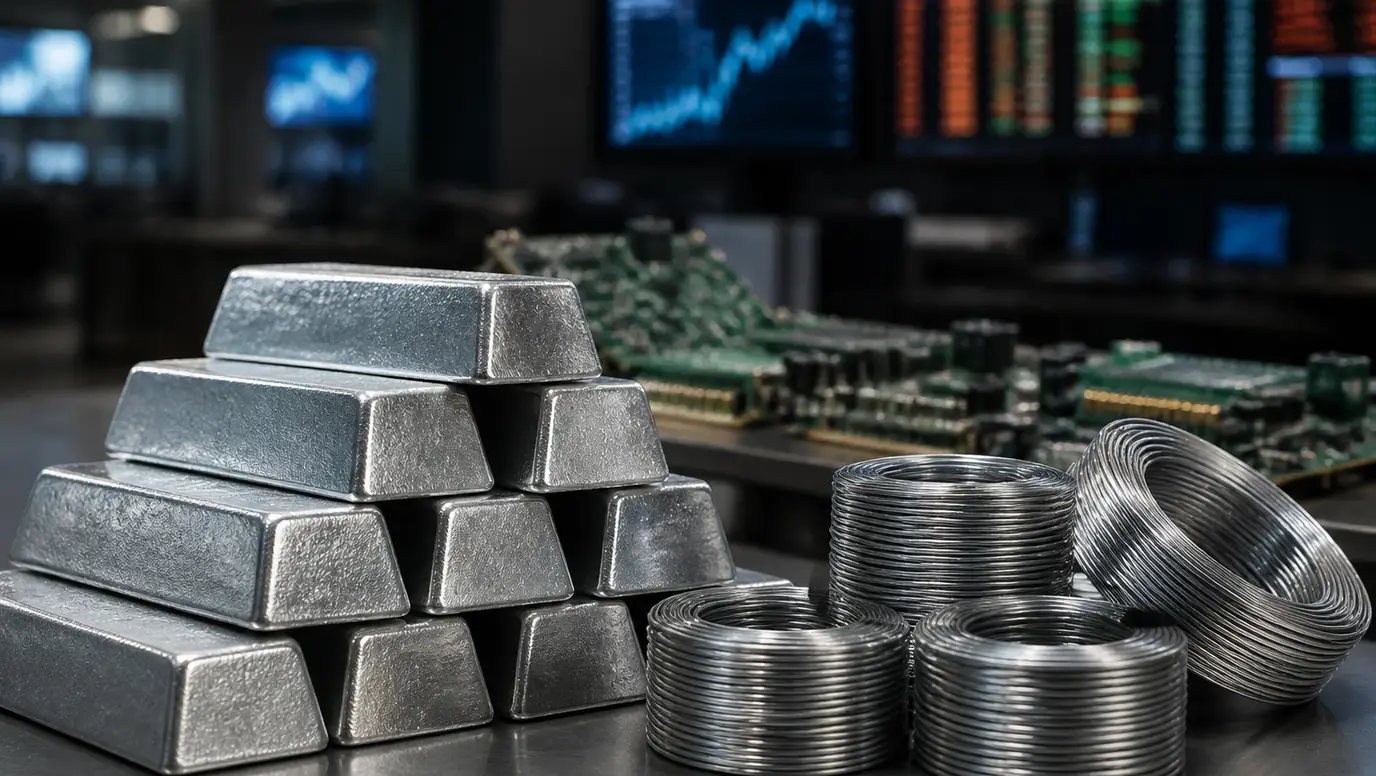
OCTOBER 20, 2026
Tin Metals Market Holds Above $50,000 as Inventory Draws Offset Dollar Risk
OCTOBER 19, 2026
Platinum and Palladium Metals Market Rallies as Federal Reserve Pause Bets Return
OCTOBER 18, 2026
Copper Metals Market Holds Near Record as Tight Stocks Offset Federal Reserve Shock
OCTOBER 16, 2026
Gold Metals Market Rebounds as US Dollar and Treasury Yields Ease Before Federal Reserve Decision
OCTOBER 15, 2026
Silver Metals Market Tests 2026 Low as Federal Reserve Rate Bets Lift US Dollar
OCTOBER 13, 2026
Zinc Metals Market Falls as LME Stock Jump and US Dollar Pressure Base Metals
OCTOBER 12, 2026
Copper Metals Market Rises as China Premium and Tight LME Stocks Challenge US Dollar
OCTOBER 11, 2026
Gold Metals Market Braces for Federal Reserve Test as US Dollar and Treasury Yields Bite
OCTOBER 10, 2026
Palladium Metals Market Slips as Auto Demand and US Dollar Pressure Deepen Surplus Worries
OCTOBER 9, 2026
Silver Rebound Tests Metals Market as Treasury Yields Cap XAG Demand
OCTOBER 8, 2026
Zinc Metals Tightness Faces US Dollar and Treasury Yield Test
OCTOBER 7, 2026
Japanese Yen Forex Weakens as USD/JPY Tests 158 Before Fed Minutes
OCTOBER 7, 2026
Aluminum Rebound Tests Metals Market as Dollar Strength and China Lull Cap Buyers