
OCTOBER 28, 2026
Gold Metals Market Holds Near $4,030 as ETF Demand Buffers Federal Reserve and US Dollar PressureGold holds near $4,030 before the Fed decision as high Treasury yields weigh, while record ETF holdings support the metals market.

© 1box.site 2026
OCTOBER 29, 2026
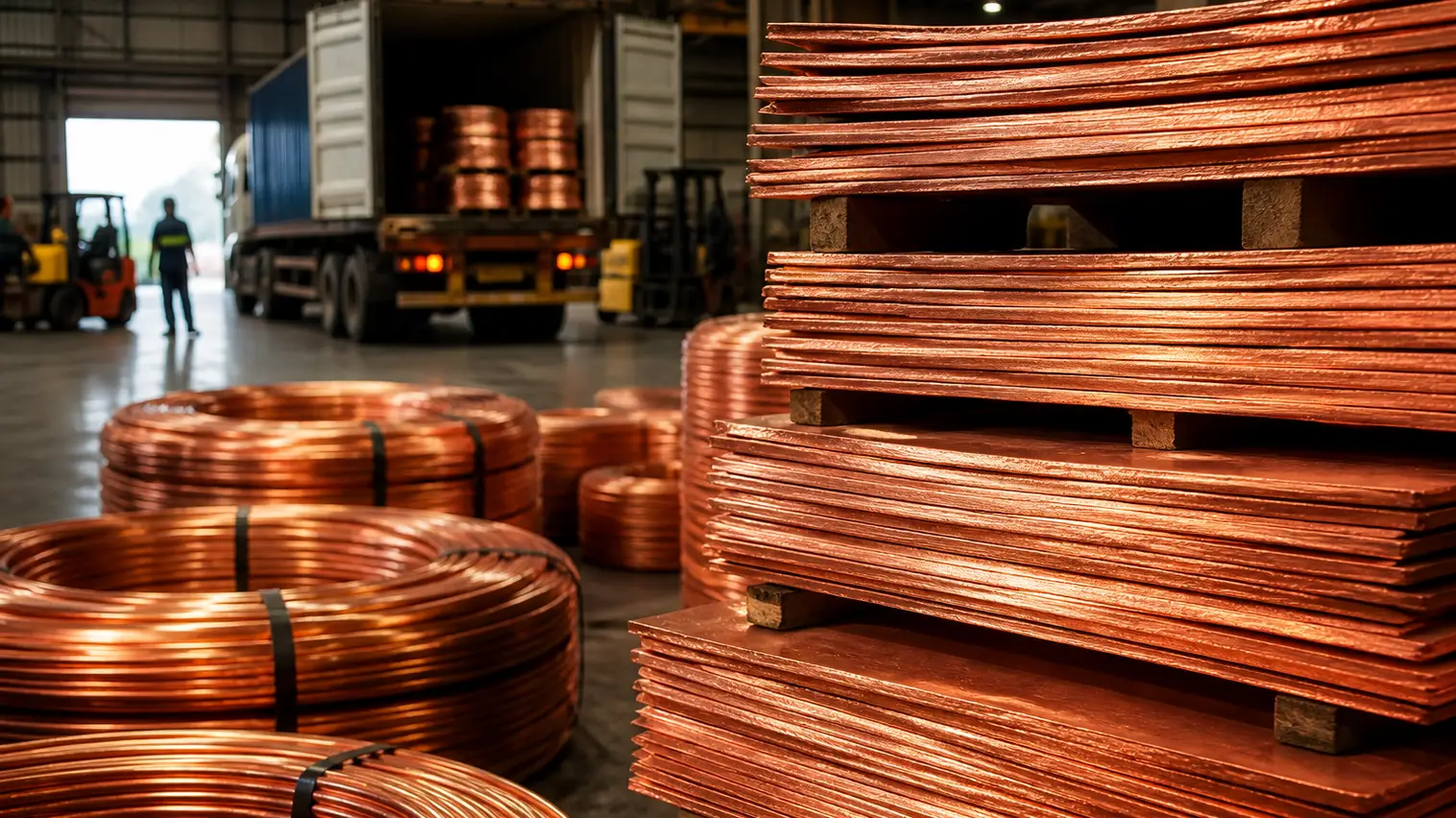
Copper moved to the center of the metals market on Thursday as tight physical supply in China helped prices hold near a two-week high, even as a firmer US dollar and renewed interest-rate caution limited bullish momentum. The move gave industrial metals a stronger fresh news impulse than broad index trading, where the latest equity action was still dominated by familiar mega-cap and Federal Reserve themes.
Three-month copper on the London Metal Exchange eased slightly in early trade to around $14,430 a metric ton after touching its strongest level in roughly two weeks on Wednesday. The pullback was modest compared with the scale of the recent physical squeeze, suggesting traders are still reluctant to fade copper while available material in Asia remains tight.
The clearest stress signal came from China’s import market. The Yangshan copper premium, widely watched as a gauge of Chinese appetite for overseas metal, rose above $200 a ton this week, its highest level in more than a decade. Such a premium indicates that buyers in the world’s largest copper-consuming economy are paying up for prompt supply, even with outright prices already elevated.
The China story is not just about price momentum; it is about location and availability. Shanghai-monitored copper inventories dropped by more than a quarter last week, reversing recent inflows and pointing to a faster drawdown in local supply. At the same time, LME stocks have been more concentrated in North America, leaving traders focused on whether metal in the wrong region can relieve pressure in Asia quickly enough.
The result has been a strong backwardation in the copper curve, with cash metal trading at a sizable premium to three-month delivery. In practical terms, that structure rewards holders of immediately available copper and reflects a market where near-term demand is pressing against constrained deliverable supply.
Restocking after China’s holiday period appears to be adding urgency, particularly for fabricators and industrial buyers that need cathode for wire, tube, foil and electrical applications. Demand tied to grid spending, data centers, artificial intelligence infrastructure and electrification continues to support copper’s medium-term narrative, but the current rally is being driven more by the immediate scramble for units than by a simple growth story.
Still, high prices can create resistance. Downstream users may delay discretionary purchases if premiums rise too far, and manufacturers with thin margins may struggle to pass higher input costs to customers. That makes the next phase of the copper move dependent on whether physical tightness persists or whether elevated prices begin to ration demand.
The metals market is also facing a familiar macro headwind: a resilient US dollar. Because copper and most exchange-traded base metals are priced in dollars, a stronger greenback raises the effective cost for non-US buyers and can slow speculative inflows into commodities.
Interest-rate expectations are another restraint. The Federal Reserve’s latest decision to hold policy steady did not remove the risk of tighter financial conditions, as officials continued to signal concern about elevated inflation. That has kept Treasury yields and the dollar in focus for metals traders, especially with inflation data still capable of shifting expectations for the next policy meeting.
For copper, the macro backdrop creates a two-sided market. Physical signals are constructive, but the financial environment is less forgiving. If the dollar continues to firm, copper may struggle to break decisively above recent highs unless China premiums keep rising or fresh supply disruptions appear.
Supply risks remain part of the bullish case. Mine interruptions in Latin America, constrained concentrate availability and uncertainty around trade policy have all contributed to a market that is increasingly sensitive to production setbacks. Even where exchange inventories look comfortable on headline numbers, regional imbalances are forcing traders to pay close attention to where metal is stored and how quickly it can move.
The immediate test for copper is whether the Yangshan premium stays elevated. A sustained premium above $200 a ton would reinforce the view that China’s physical market is still short of available material. A quick retreat, by contrast, could suggest that the latest buying wave has been satisfied and that high prices are starting to curb demand.
Inventory data will also matter. Further declines in Shanghai stocks would keep the squeeze narrative intact, while a renewed build could cool the rally. Traders will also monitor the spread between cash and three-month copper, as a narrowing backwardation would be an early sign that nearby supply pressure is easing.
For now, copper remains one of the most active stories in the metals market. The metal is balancing a strong physical signal from China against the drag of a firm US dollar and uncertain Fed path. As long as premiums remain elevated and regional supply stays uneven, dips may continue to attract buyers, but the rally’s durability will depend on whether industrial demand can absorb prices near current levels.
OCTOBER 28, 2026
Gold Metals Market Holds Near $4,030 as ETF Demand Buffers Federal Reserve and US Dollar Pressure
OCTOBER 27, 2026
Silver Metals Market Falls Toward $53 as US Dollar and Federal Reserve Risk Pressure Bulls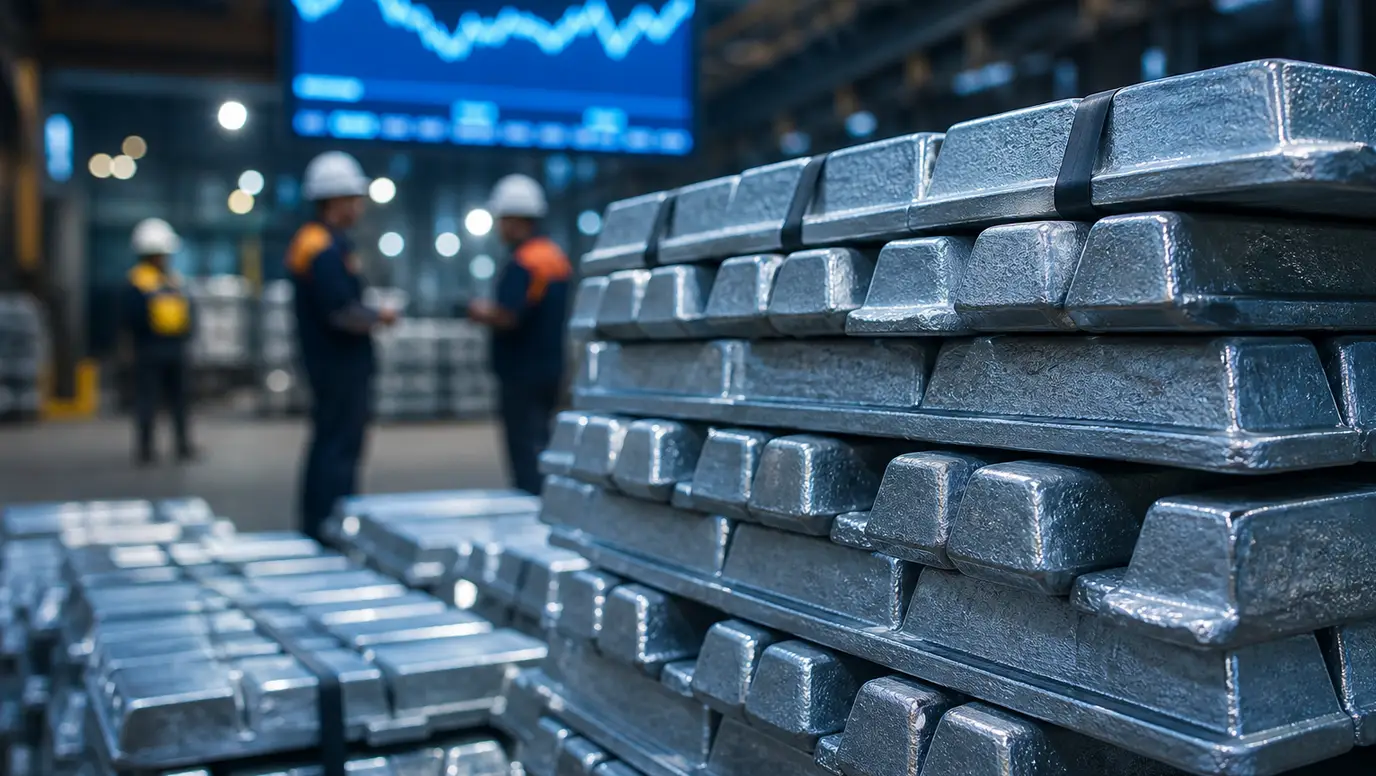
OCTOBER 24, 2026
Zinc Metals Market Leads Base-Metal Rebound as Dollar Risk Meets Inventory Build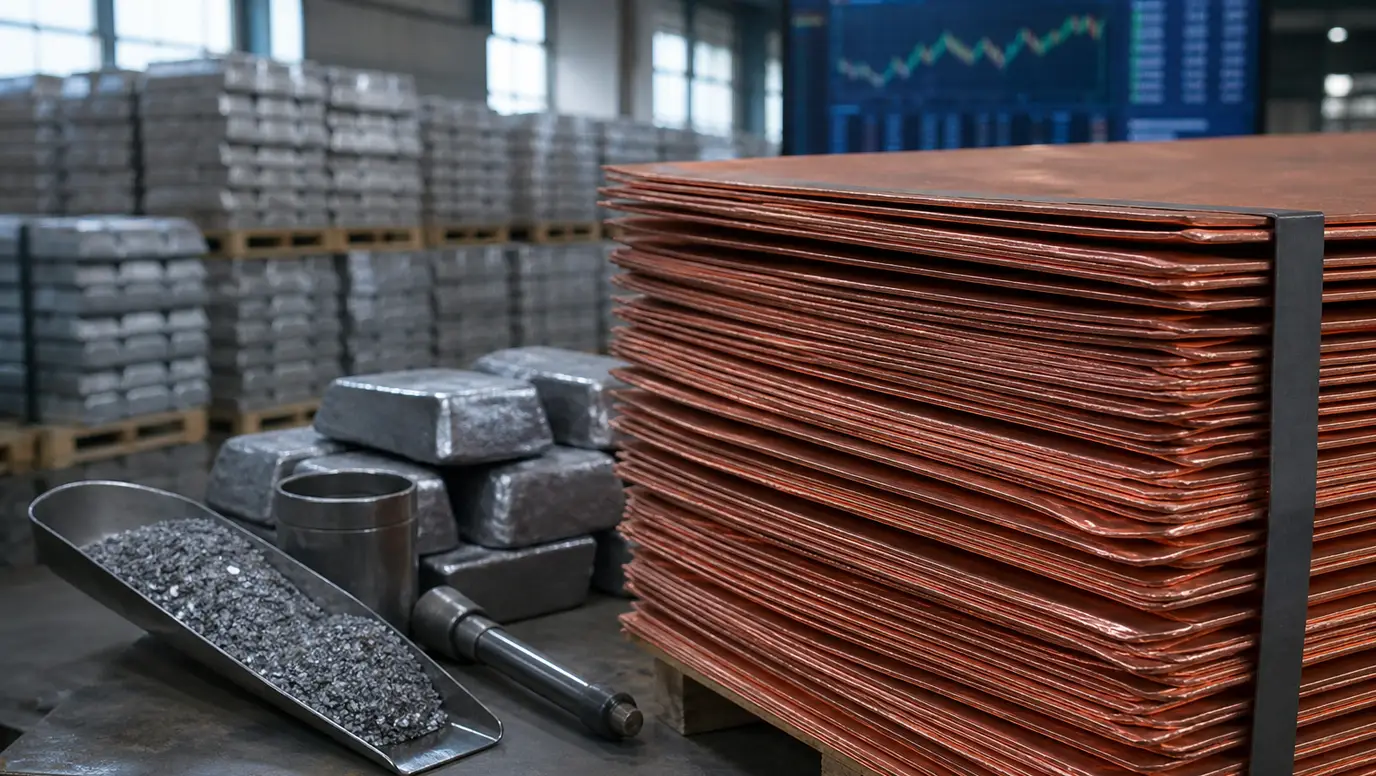
OCTOBER 23, 2026
Copper Metals Market Rebounds as Nickel Slips on Indonesia Cut Watch
OCTOBER 21, 2026
Silver Metals Market Slips as US Dollar and Treasury Yields Revive Federal Reserve Risk
OCTOBER 20, 2026
Tin Metals Market Holds Above $50,000 as Inventory Draws Offset Dollar Risk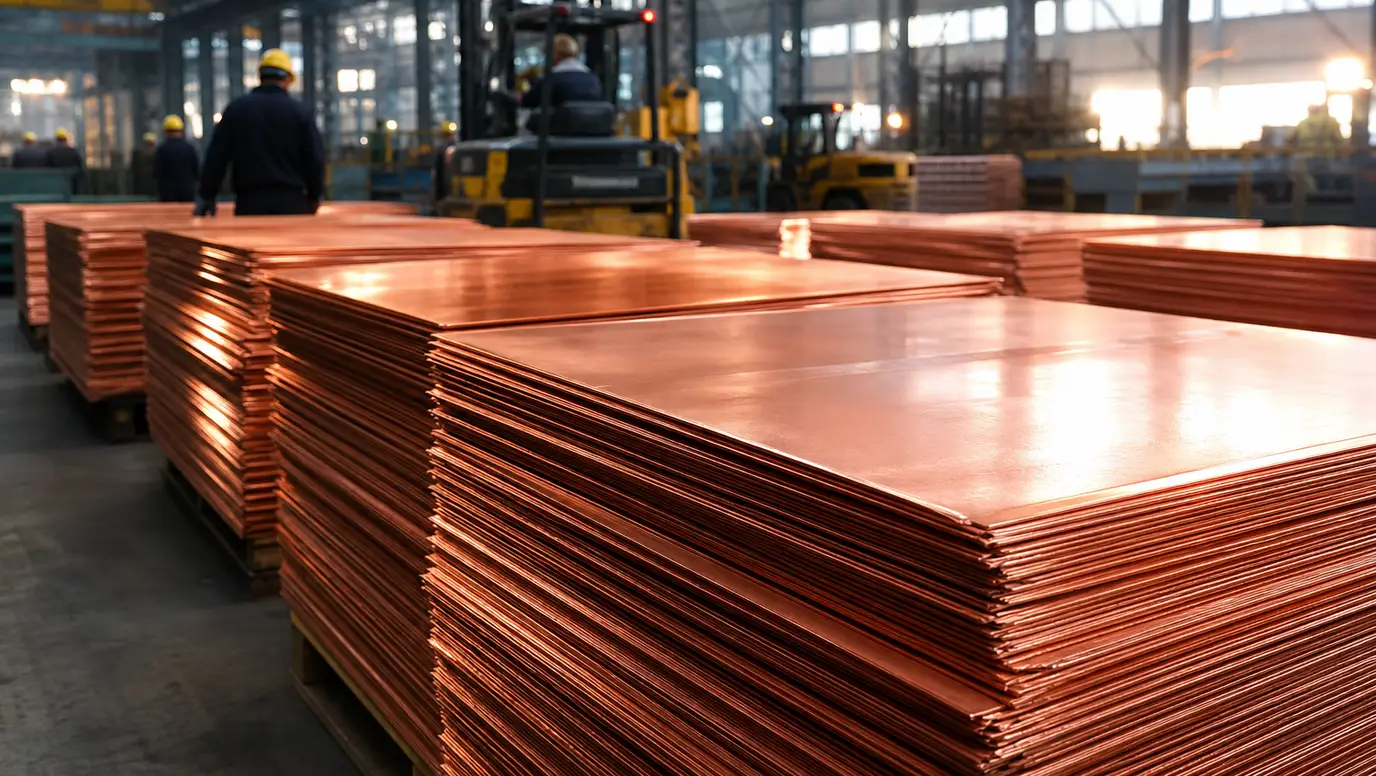
OCTOBER 18, 2026
Copper Metals Market Holds Near Record as Tight Stocks Offset Federal Reserve Shock
OCTOBER 16, 2026
Gold Metals Market Rebounds as US Dollar and Treasury Yields Ease Before Federal Reserve Decision
OCTOBER 15, 2026
Silver Metals Market Tests 2026 Low as Federal Reserve Rate Bets Lift US Dollar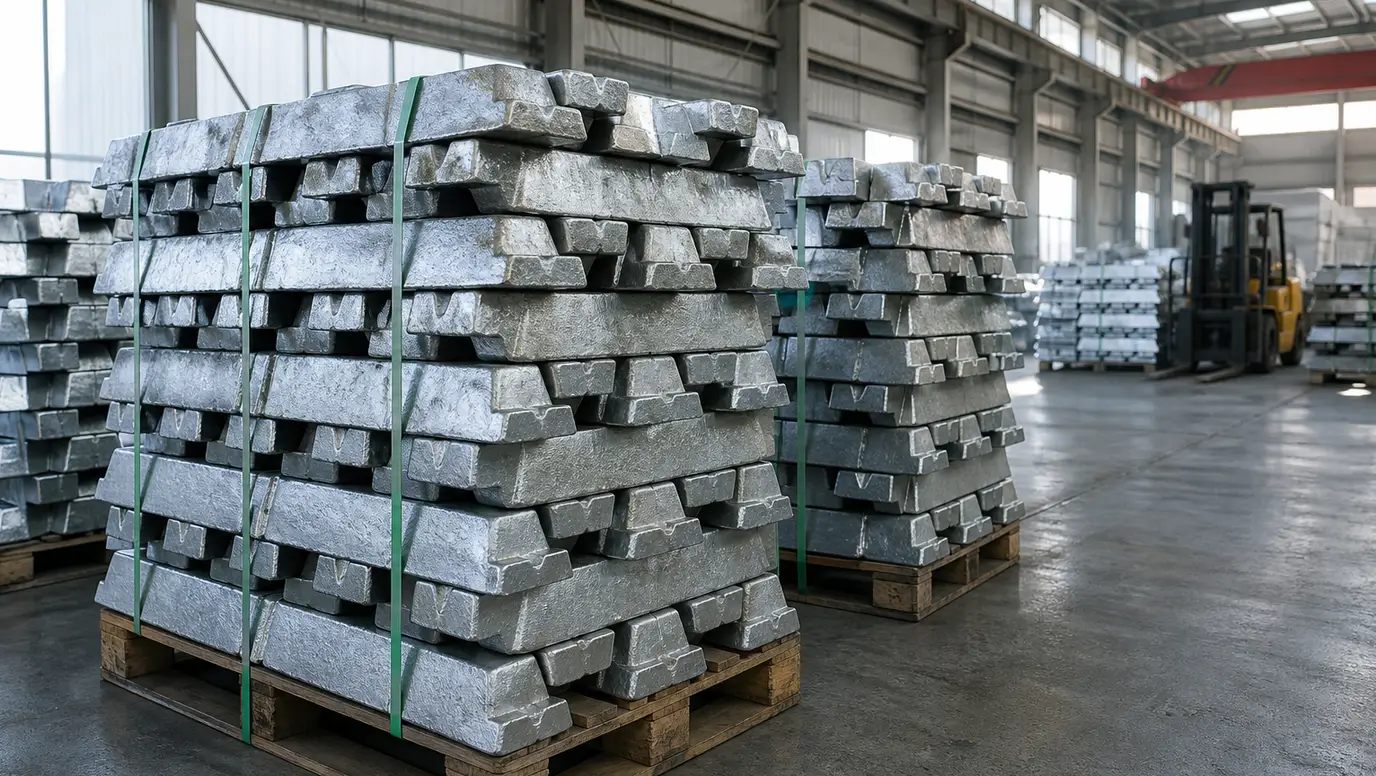
OCTOBER 13, 2026
Zinc Metals Market Falls as LME Stock Jump and US Dollar Pressure Base Metals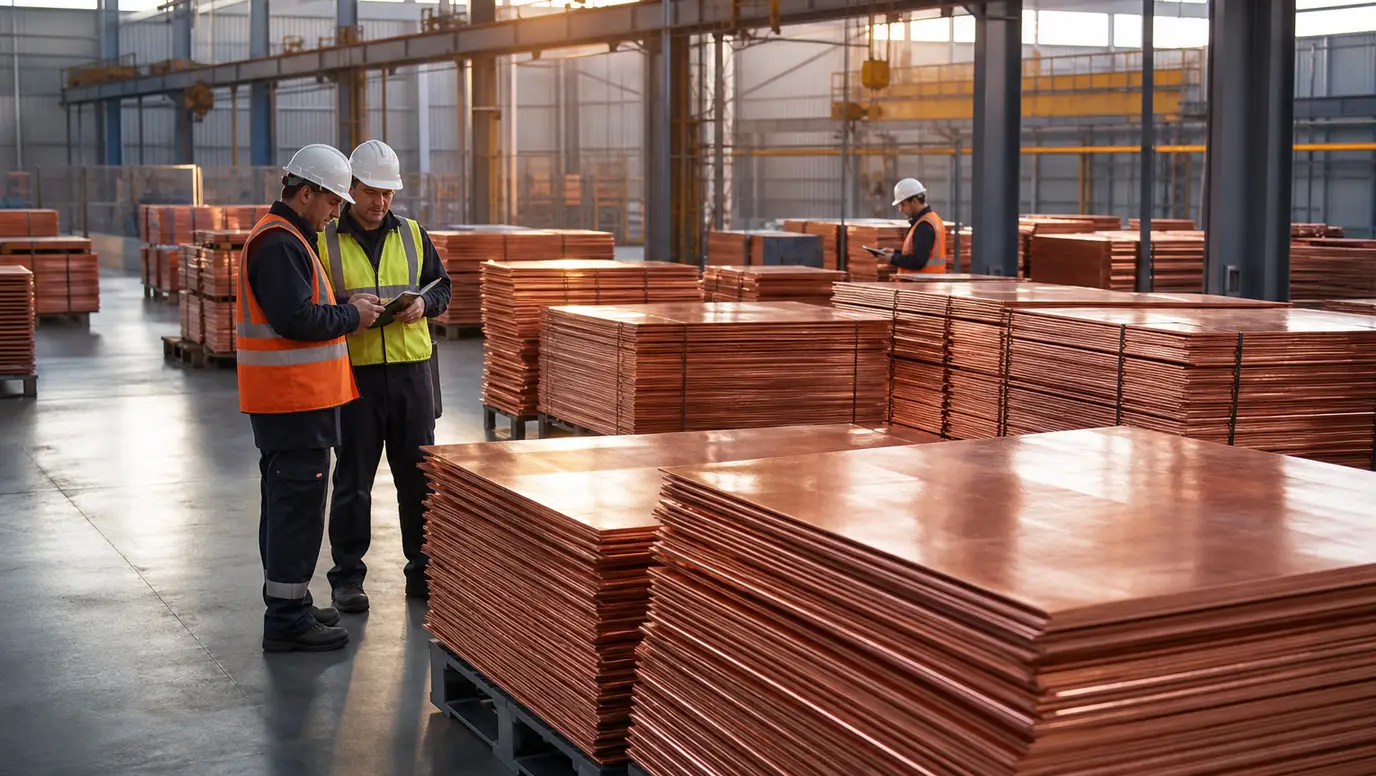
OCTOBER 12, 2026
Copper Metals Market Rises as China Premium and Tight LME Stocks Challenge US Dollar
OCTOBER 11, 2026
Gold Metals Market Braces for Federal Reserve Test as US Dollar and Treasury Yields Bite
OCTOBER 10, 2026
Palladium Metals Market Slips as Auto Demand and US Dollar Pressure Deepen Surplus Worries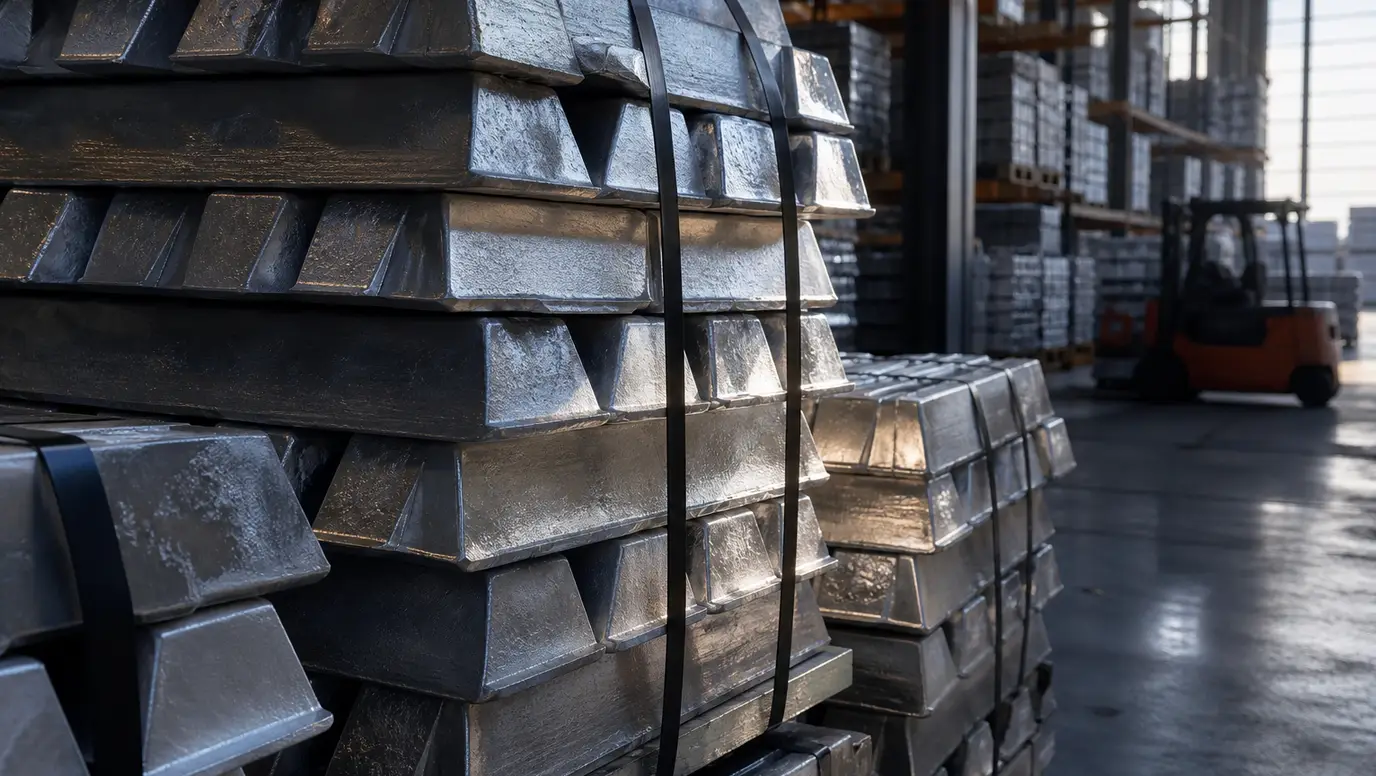
OCTOBER 8, 2026
Zinc Metals Tightness Faces US Dollar and Treasury Yield Test
OCTOBER 7, 2026
Aluminum Rebound Tests Metals Market as Dollar Strength and China Lull Cap Buyers
OCTOBER 6, 2026
Copper Futures Rally Puts Metals Market Focus on Smelter Squeeze
OCTOBER 2, 2026
Silver Holds Above $61 as Dollar and Treasury Yields Keep Metals Market on Payrolls Watch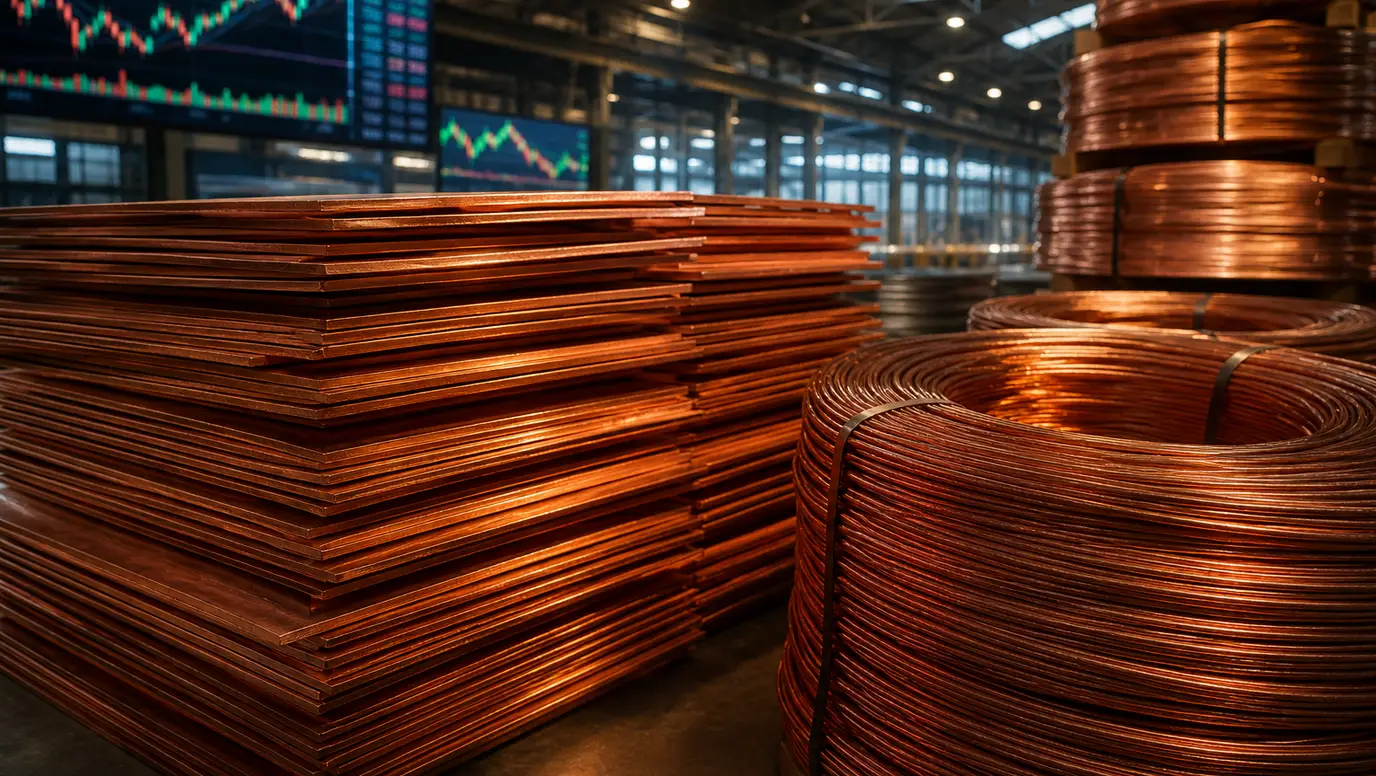
SEPTEMBER 30, 2026
Copper Futures Steady as Metals Market Weighs Dollar, Oil and Federal Reserve Risk
SEPTEMBER 29, 2026
Zinc Futures Fall as China Demand Worries Test Metals Market Tightness
SEPTEMBER 25, 2026
Copper Futures Climb as China Tightness Puts Metals Market on Supply Watch
SEPTEMBER 24, 2026
Aluminum Futures Steady as China Destocking Offsets Metals Market Yield Pressure
SEPTEMBER 19, 2026
Copper Futures Rally Puts Metals Market on Federal Reserve and PMI Watch
SEPTEMBER 16, 2026
Aluminum Rally Tests China Supply Cap as Metals Market Weighs Export Surge
SEPTEMBER 13, 2026
Copper Futures Pullback Puts Metals Market on Tariff Doubt Watch
SEPTEMBER 8, 2026
Copper Hits Record High as Tariff Risk Tightens Metals Market Supply
SEPTEMBER 6, 2026
Aluminum Futures Split Metals Market as Supply Risk Meets Soft China Demand
SEPTEMBER 2, 2026
Copper Pullback Hits Metals Market as Strong Dollar Revives Federal Reserve Rate Risk
AUGUST 27, 2026
Copper Backwardation Puts Metals Market on Supply Stress Alert as Fed Risk Caps Rally
AUGUST 20, 2026
Copper Backwardation Puts Metals Market on Tariff Watch as Warehouse Stocks Fall
AUGUST 15, 2026
Aluminum Keeps Metals Market on Inventory Watch as China Demand Offsets Tariff Risk