OCTOBER 8, 2026
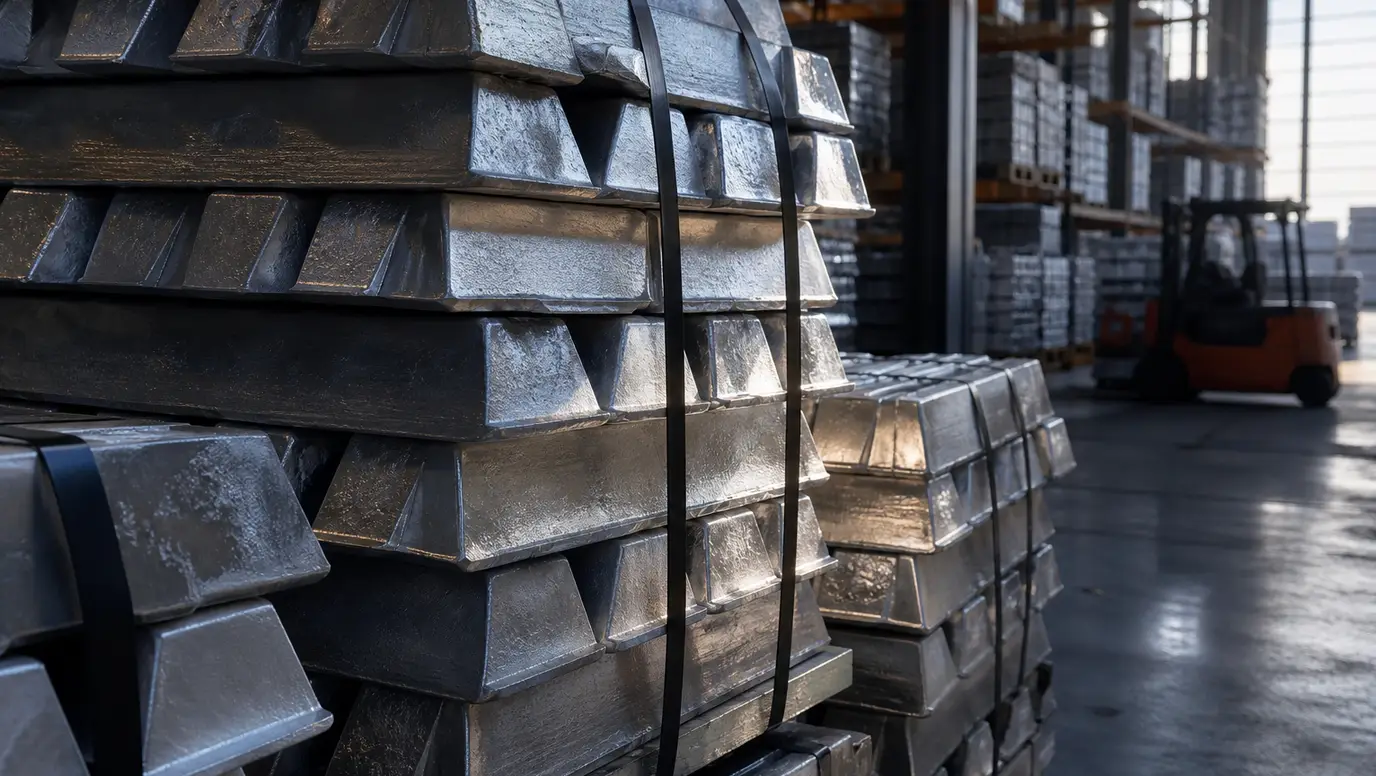
Zinc Metals Tightness Faces US Dollar and Treasury Yield TestZinc stays firm as tight nearby supply offsets a stronger dollar and elevated Treasury yields in the metals market.

© 1box.site 2026

OCTOBER 6, 2026
Copper futures remained one of the most closely watched contracts in the metals market on Tuesday, October 6, as prices held near elevated levels and traders weighed whether tight raw-material supply can keep overpowering macroeconomic headwinds. The metal’s recent strength has been reinforced by a squeeze in copper concentrate, resilient electrification demand and continued buying interest tied to power grids, artificial intelligence infrastructure and industrial restocking.
Indicative market pricing showed copper still trading close to the upper end of its 2026 range, even as the broader commodity complex faced pressure from a firm US dollar and higher real-yield expectations. That divergence has made copper stand out from other base metals: investors are treating the move less as a simple growth bet and more as a supply-chain repricing across mines, smelters and refined metal inventories.
The key issue for the copper market is no longer only the headline price of refined metal. The deeper signal is coming from treatment and refining charges, which have stayed under pressure as smelters compete for limited concentrate. In normal conditions, miners pay smelters to process concentrate into refined copper. When those charges collapse or turn negative, it suggests that smelters have too much capacity chasing too little raw material.
That dynamic is changing the economics of the whole supply chain. Miners with available concentrate are gaining stronger bargaining power, while smelters face thinner margins despite high copper prices. The imbalance is particularly important for traders because it can limit the speed at which strong mine-side demand translates into refined metal supply. If smelters cut operating rates or rely more heavily on scrap, the market may remain sensitive to any disruption in mine output, logistics or regional inventory flows.
China remains central to the story because of its large refining base and its role in global industrial demand. New and expanded smelting capacity has increased the need for feedstock, but mine supply growth has been slower and more uneven. That mismatch is keeping attention on port stocks, scrap availability and any signs of smelter maintenance that could tighten nearby refined copper availability.
The demand side also remains supportive. Copper is heavily used in power transmission, renewable energy connections, electric vehicles, cooling systems and data-center buildouts. Even where manufacturing data has been mixed, the longer-term electrification theme has helped keep dip-buying interest alive. Traders are increasingly separating copper from metals that depend more narrowly on construction cycles or discretionary manufacturing demand.
Still, the rally is not risk-free. A stronger US dollar can make dollar-priced metals more expensive for non-US buyers, while elevated Treasury yields can reduce the appeal of holding commodities without income. Any disappointment in Chinese industrial activity, a sudden inventory build or a recovery in concentrate supply could cool momentum quickly. That is why copper’s next move may depend as much on physical-market signals as on macro headlines.
For now, the copper market is sending a constructive but volatile signal. Tight concentrate conditions are keeping supply risk in focus, while demand from electrification and digital infrastructure is giving the rally a stronger fundamental base than a short-lived speculative spike. The challenge for bulls is that prices already reflect a meaningful shortage premium, leaving the contract vulnerable to profit-taking when the dollar strengthens or risk appetite fades.
If copper futures can hold near current levels while treatment charges remain depressed, traders may interpret that as confirmation that the supply squeeze is still driving the market. A break lower, however, would likely shift attention back to macro pressure and demand elasticity. Until one of those signals becomes decisive, copper is likely to remain the metals market’s main barometer for the tension between industrial demand and constrained mine supply.
OCTOBER 8, 2026
Zinc Metals Tightness Faces US Dollar and Treasury Yield Test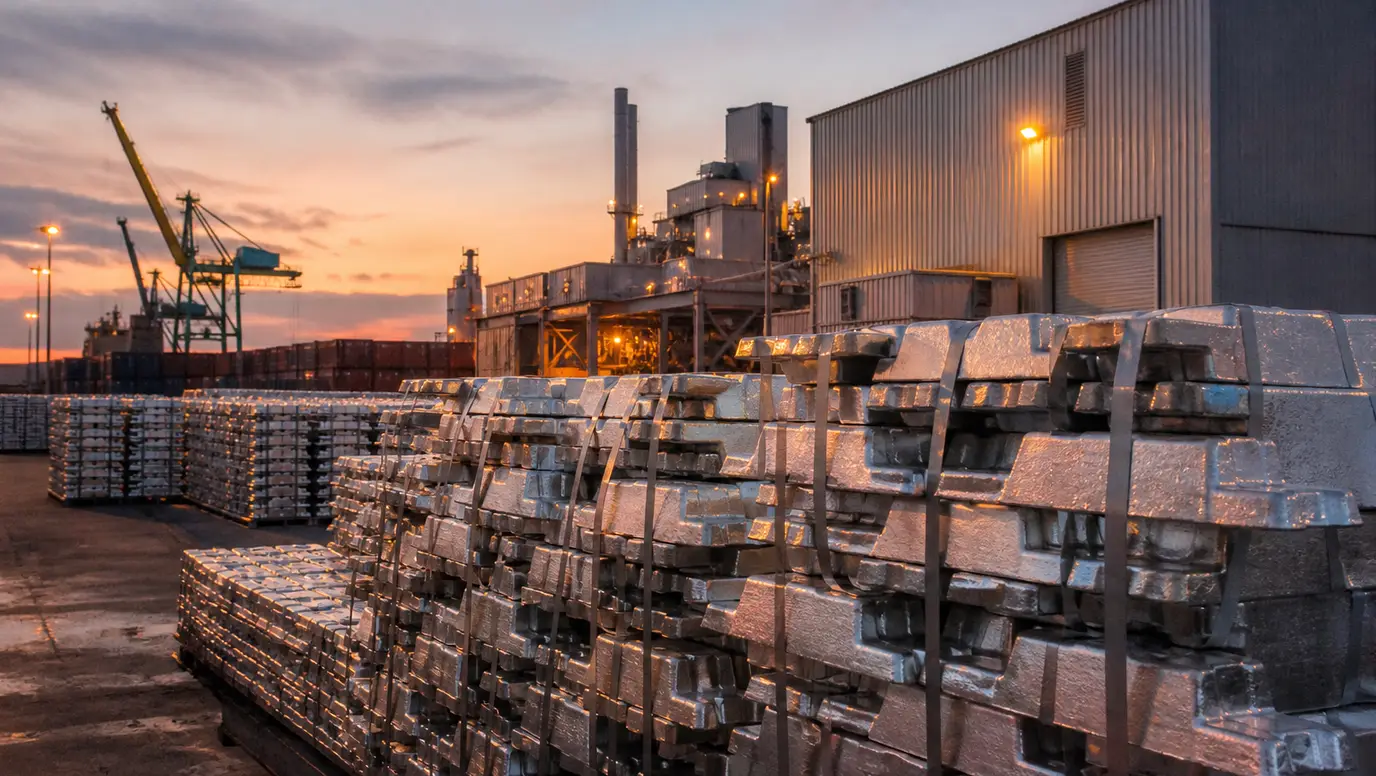
OCTOBER 7, 2026
Aluminum Rebound Tests Metals Market as Dollar Strength and China Lull Cap Buyers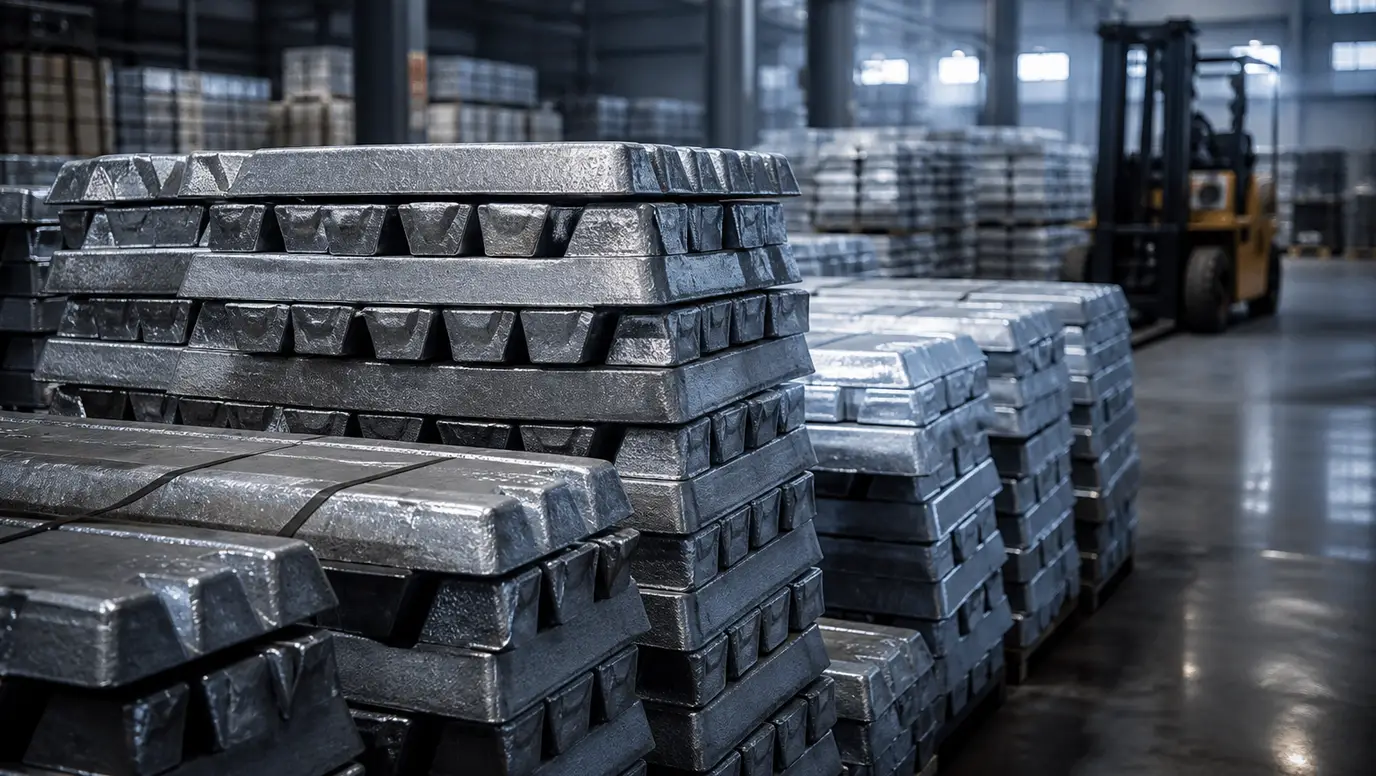
OCTOBER 5, 2026
Lead Futures Rebound as Warehouse Drawdown Puts Battery Metal Back on Metals Watch
OCTOBER 4, 2026
Gold Metals Rebound Stalls as Treasury Yields Blunt Fed Pause Bets
OCTOBER 3, 2026
Palladium Rebound Attempt Puts Metals Market Focus on Auto Demand and Federal Reserve Risk
OCTOBER 2, 2026
Silver Holds Above $61 as Dollar and Treasury Yields Keep Metals Market on Payrolls Watch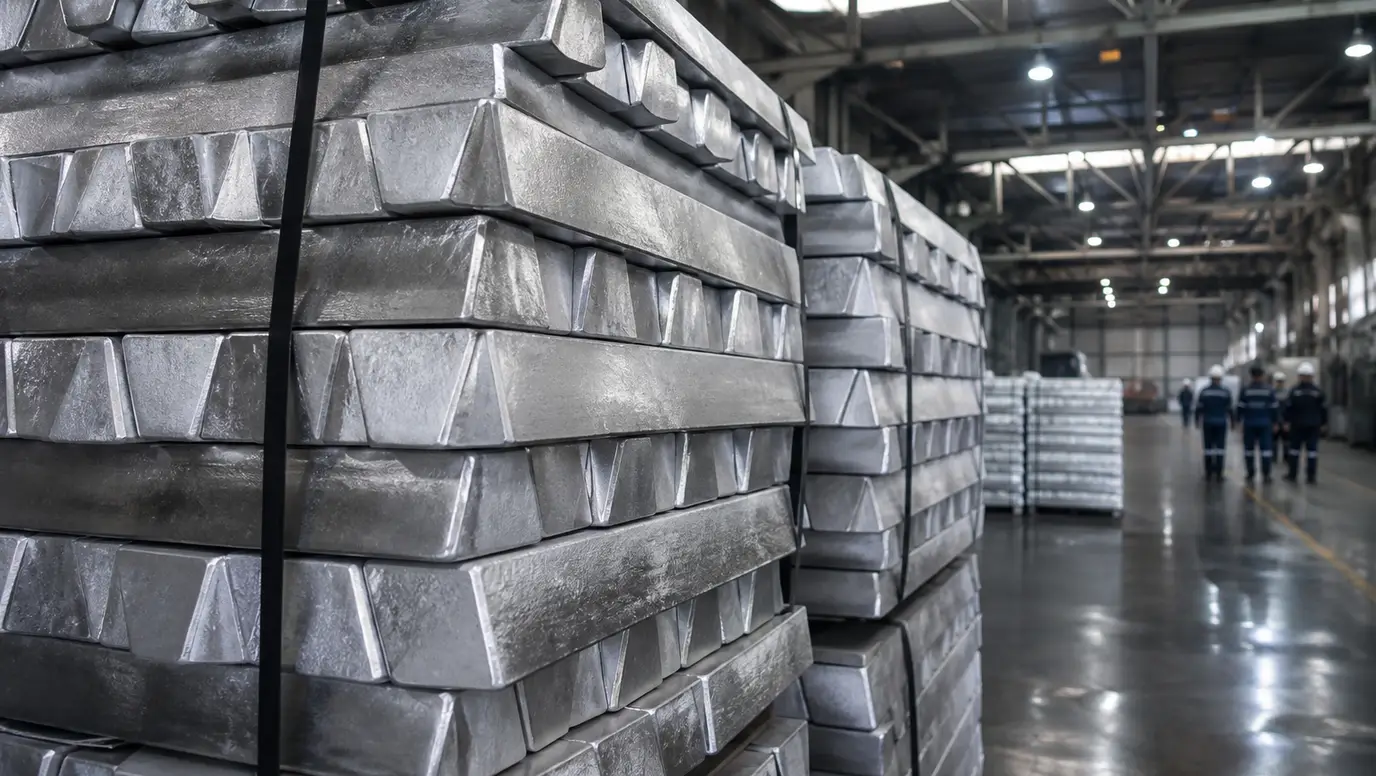
OCTOBER 1, 2026
Aluminum Slumps to 12-Week Low as Strong Dollar Hits Metals Market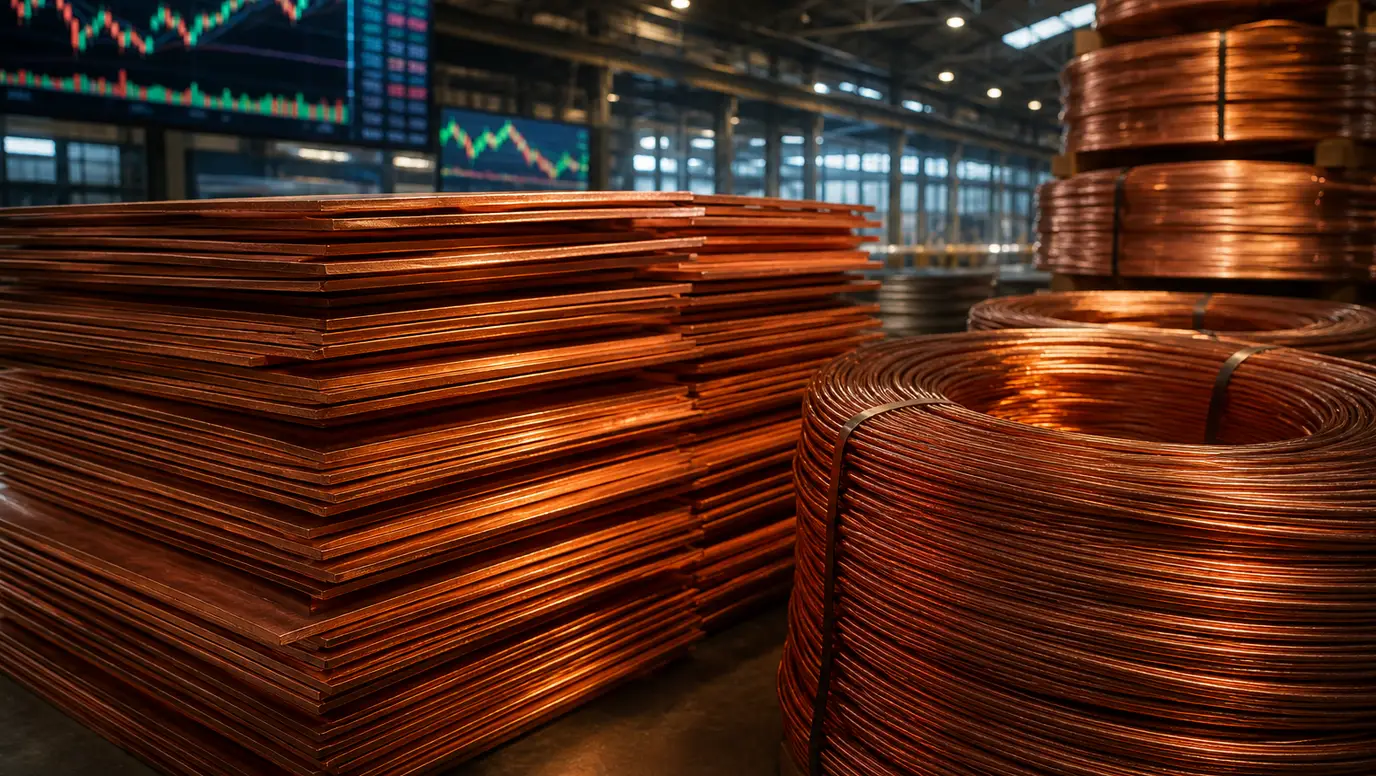
SEPTEMBER 30, 2026
Copper Futures Steady as Metals Market Weighs Dollar, Oil and Federal Reserve Risk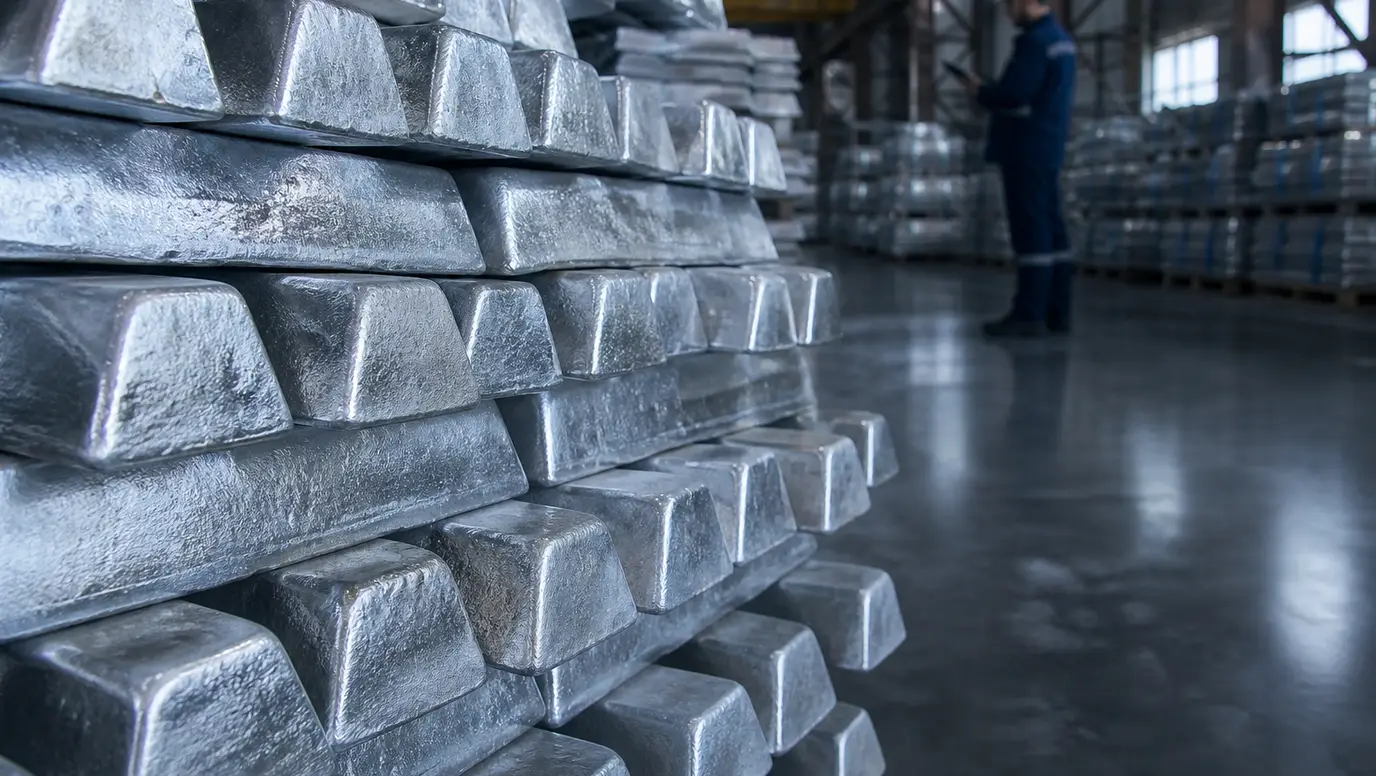
SEPTEMBER 29, 2026
Zinc Futures Fall as China Demand Worries Test Metals Market Tightness
SEPTEMBER 28, 2026
Palladium and Platinum Slide as Dollar, Yields Pressure Metals Market
SEPTEMBER 27, 2026
Gold Futures Slip as Sticky Inflation and Fed Rate Bets Cap Metals Market Rebound
SEPTEMBER 26, 2026
Silver Futures Rebound as Treasury Yield Pause Tests Metals Market Bears
SEPTEMBER 25, 2026
Copper Futures Climb as China Tightness Puts Metals Market on Supply Watch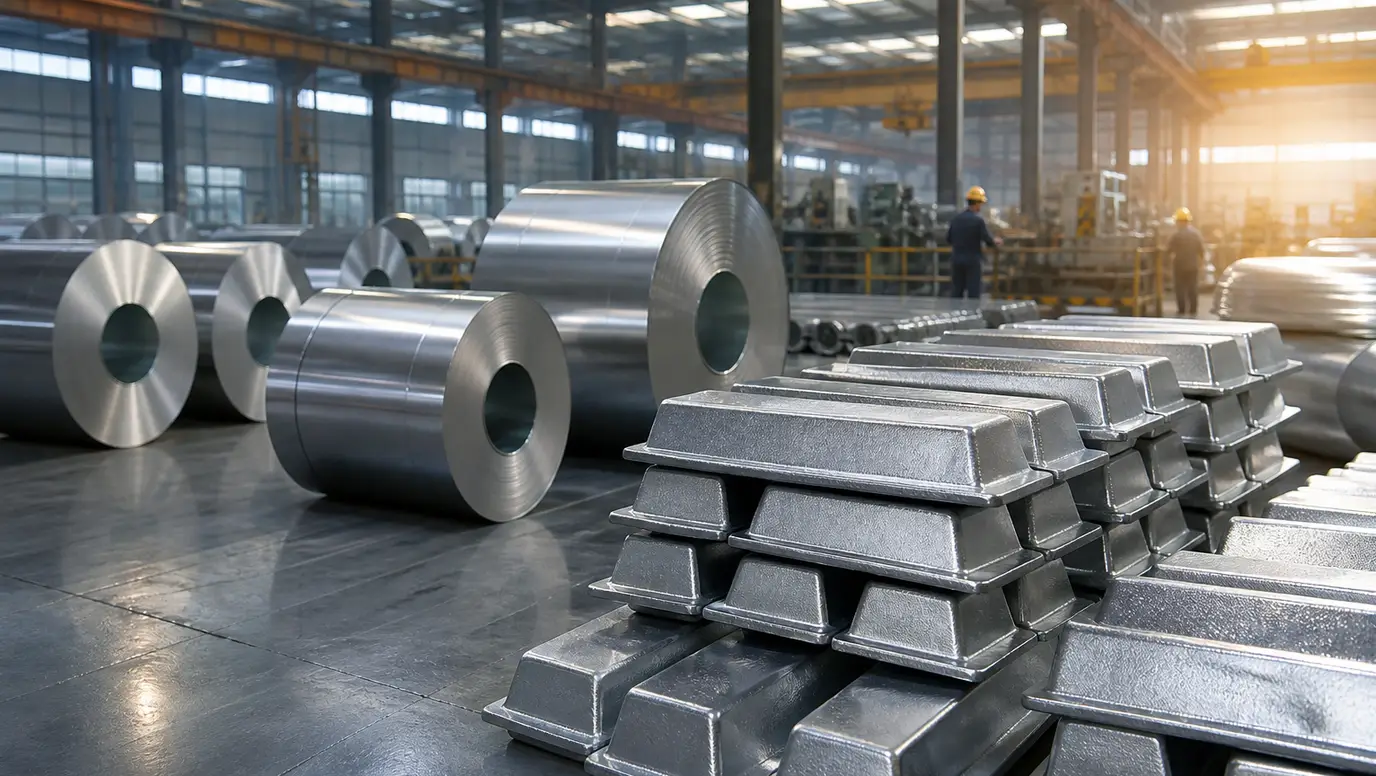
SEPTEMBER 24, 2026
Aluminum Futures Steady as China Destocking Offsets Metals Market Yield Pressure
SEPTEMBER 23, 2026
Nickel Futures Hold Firm as Indonesia Drought Cuts Put Metals Market on Supply Watch
SEPTEMBER 22, 2026
Gold Holds Near $4,350 as Federal Reserve Rate Bets Cap Metals Market Rebound
SEPTEMBER 21, 2026
Silver Futures Hold Above $66 as Federal Reserve Hike Tests Metals Market Rally
SEPTEMBER 20, 2026
Palladium Futures Rebound Puts Metals Market on Autocatalyst Supply Watch
SEPTEMBER 19, 2026
Copper Futures Rally Puts Metals Market on Federal Reserve and PMI Watch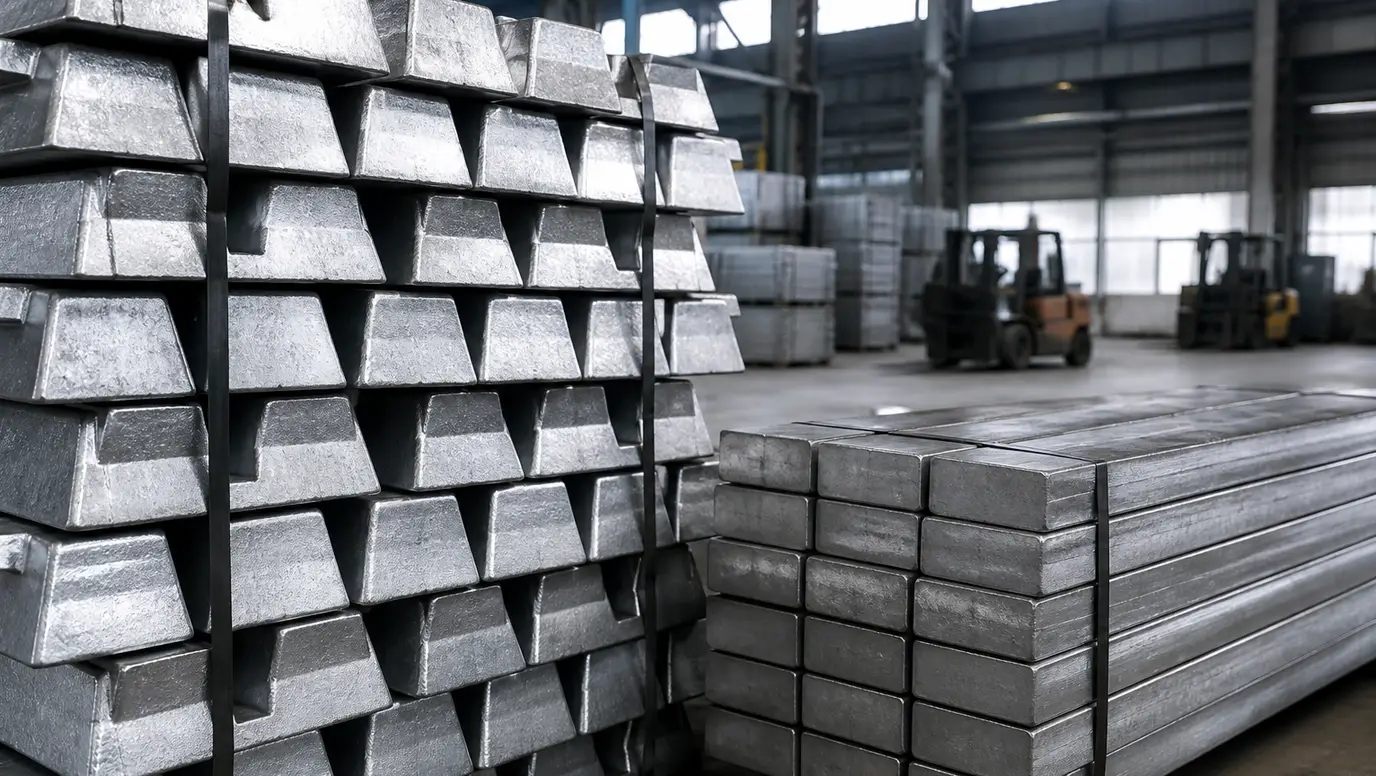
SEPTEMBER 18, 2026
Zinc Futures Squeeze Lifts Metals Market as Lead Inventories Tighten
SEPTEMBER 17, 2026
Nickel Futures Slide as Indonesia Ore Price Reset Tests Metals Market
SEPTEMBER 16, 2026
Aluminum Rally Tests China Supply Cap as Metals Market Weighs Export Surge
SEPTEMBER 15, 2026
Gold Holds Near $4,300 as Federal Reserve Hike Bets Pressure Metals Market
SEPTEMBER 14, 2026
Silver Rebound Puts Metals Market on Federal Reserve Real-Yield Watch
SEPTEMBER 13, 2026
Copper Futures Pullback Puts Metals Market on Tariff Doubt Watch
SEPTEMBER 12, 2026
Zinc Futures Rally Faces Inventory Test as Metals Market Weighs Demand Signals
SEPTEMBER 11, 2026
Palladium Futures Swing as Auto Demand Clouds Metals Market Outlook
SEPTEMBER 10, 2026
Gold Edges Higher as Soft Dollar Puts Metals Market on Federal Reserve Watch
SEPTEMBER 9, 2026
Nickel Futures Rebound as Indonesia Supply Risk Jolts Metals Market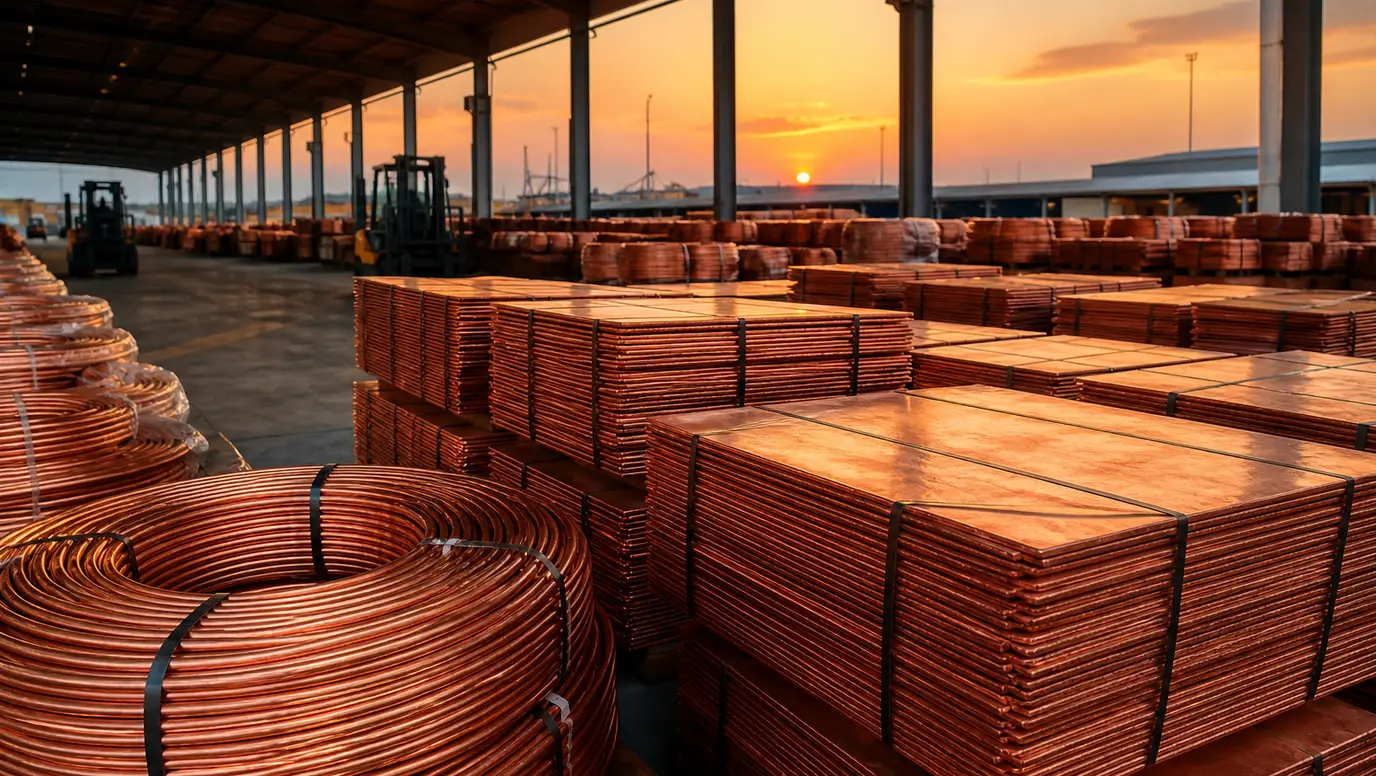
SEPTEMBER 8, 2026
Copper Hits Record High as Tariff Risk Tightens Metals Market Supply