OCTOBER 24, 2026
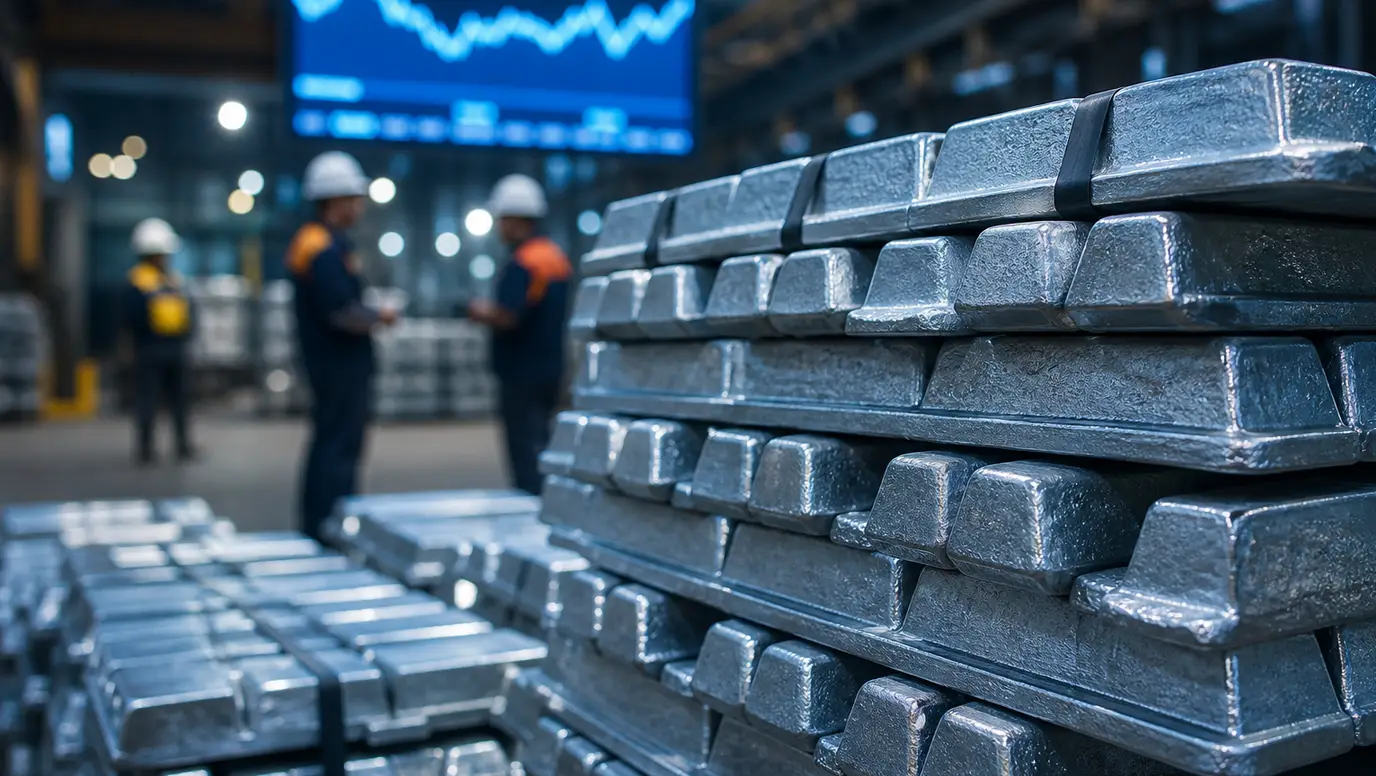
Zinc Metals Market Leads Base-Metal Rebound as Dollar Risk Meets Inventory BuildZinc leads the metals market rebound as traders weigh stronger base-metal demand signals against rising inventories and dollar risk.

© 1box.site 2026
OCTOBER 1, 2026
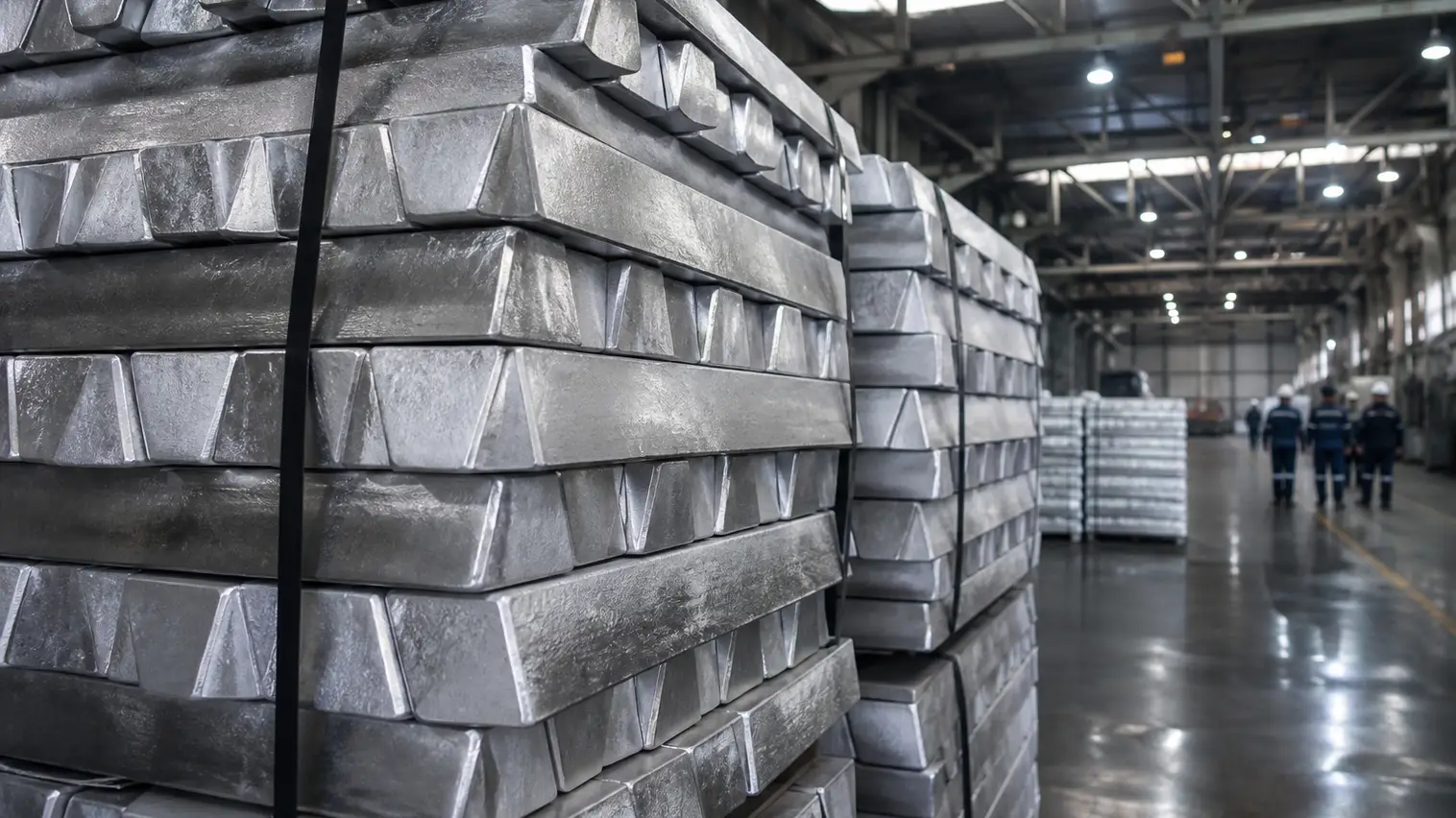
Aluminum prices fell sharply on Thursday as a stronger US dollar, elevated bond yields and thin holiday trading in China combined to pressure the industrial metals complex. The three-month London aluminum contract dropped around 1.5% in early European trading to near $3,121 per metric ton, after touching about $3,116, its weakest level since early July.
The move made aluminum one of the clearest stress points in the metals market, even as traders continued to track supply risks across the broader base metals complex. With Chinese markets closed for the National Day holiday, liquidity was lighter and price action was more exposed to macro drivers from the dollar, Treasury yields and energy costs.
The latest slide in aluminum came as the dollar held near multi-month highs, making dollar-priced metals more expensive for buyers using other currencies. That currency effect was amplified by another rise in global borrowing costs, which has kept speculative appetite restrained across commodities.
Industrial metals have also been under pressure from signs of uneven demand in China, the world’s largest consumer of raw materials. Recent manufacturing signals have been mixed, while weak industrial profit data has kept investors cautious about near-term restocking momentum. For aluminum, the absence of Chinese trading this week removed a key source of physical-market direction just as macro pressure intensified.
The aluminum market is not facing a simple bearish supply story. Inventories in parts of Asia have remained relatively tight, and some production issues outside China have kept traders alert to possible disruptions. However, those supportive factors were not enough to offset the impact of a firmer dollar and rising yields during Thursday’s session.
Energy prices are another important variable for aluminum because smelting is power-intensive. Higher energy costs can support production expenses, but they can also weigh on global industrial demand if they tighten financial conditions and squeeze manufacturers. That tension has left aluminum vulnerable to two-way volatility rather than a clean fundamental trend.
Markets are still weighing whether softer inflation readings will be enough to prevent another Federal Reserve rate increase. For metals, the problem is that even a less aggressive Fed outlook has not yet produced a decisive retreat in yields. As long as real borrowing costs remain elevated, non-yielding and industrial commodities may struggle to attract fresh bullish flows.
For aluminum traders, the near-term focus is now whether prices can stabilize above the latest 12-week low or whether a break lower encourages more liquidation across base metals. A recovery would likely require either a softer dollar, calmer bond markets or stronger evidence that China’s post-holiday demand is improving.
Until then, aluminum is likely to remain a key barometer for risk appetite in the metals market. The latest decline shows that supply concerns can still be overshadowed when currency strength, higher yields and fragile industrial sentiment move in the same direction.
OCTOBER 24, 2026
Zinc Metals Market Leads Base-Metal Rebound as Dollar Risk Meets Inventory Build
OCTOBER 23, 2026
Copper Metals Market Rebounds as Nickel Slips on Indonesia Cut Watch
OCTOBER 22, 2026
Gold Metals Market Rebounds as Softer Treasury Yields Put PCE Inflation Test in Focus
OCTOBER 21, 2026
Silver Metals Market Slips as US Dollar and Treasury Yields Revive Federal Reserve Risk
OCTOBER 20, 2026
Tin Metals Market Holds Above $50,000 as Inventory Draws Offset Dollar Risk
OCTOBER 19, 2026
Platinum and Palladium Metals Market Rallies as Federal Reserve Pause Bets Return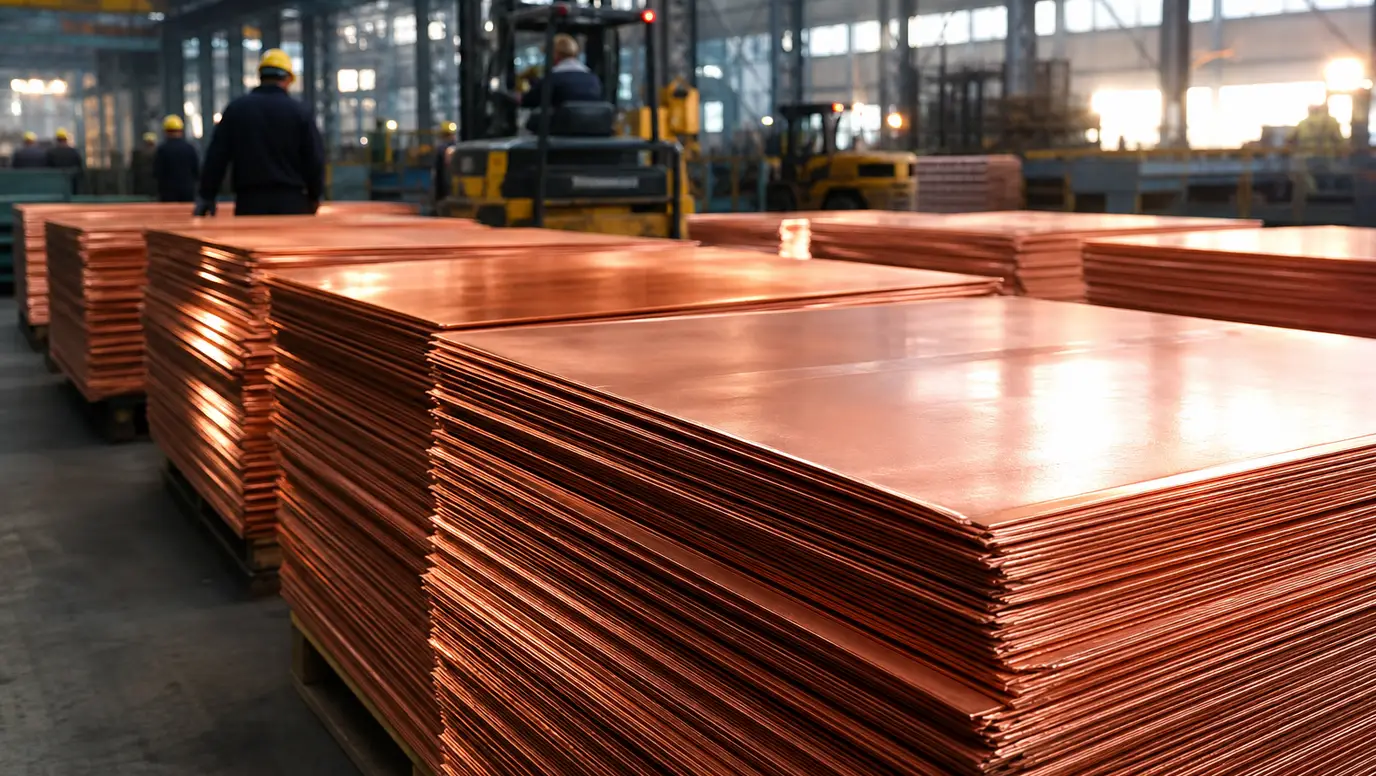
OCTOBER 18, 2026
Copper Metals Market Holds Near Record as Tight Stocks Offset Federal Reserve Shock
OCTOBER 17, 2026
Nickel Metals Market Stalls as Indonesia Smelter Freeze Talk Meets Weak Demand
OCTOBER 16, 2026
Gold Metals Market Rebounds as US Dollar and Treasury Yields Ease Before Federal Reserve Decision
OCTOBER 15, 2026
Silver Metals Market Tests 2026 Low as Federal Reserve Rate Bets Lift US Dollar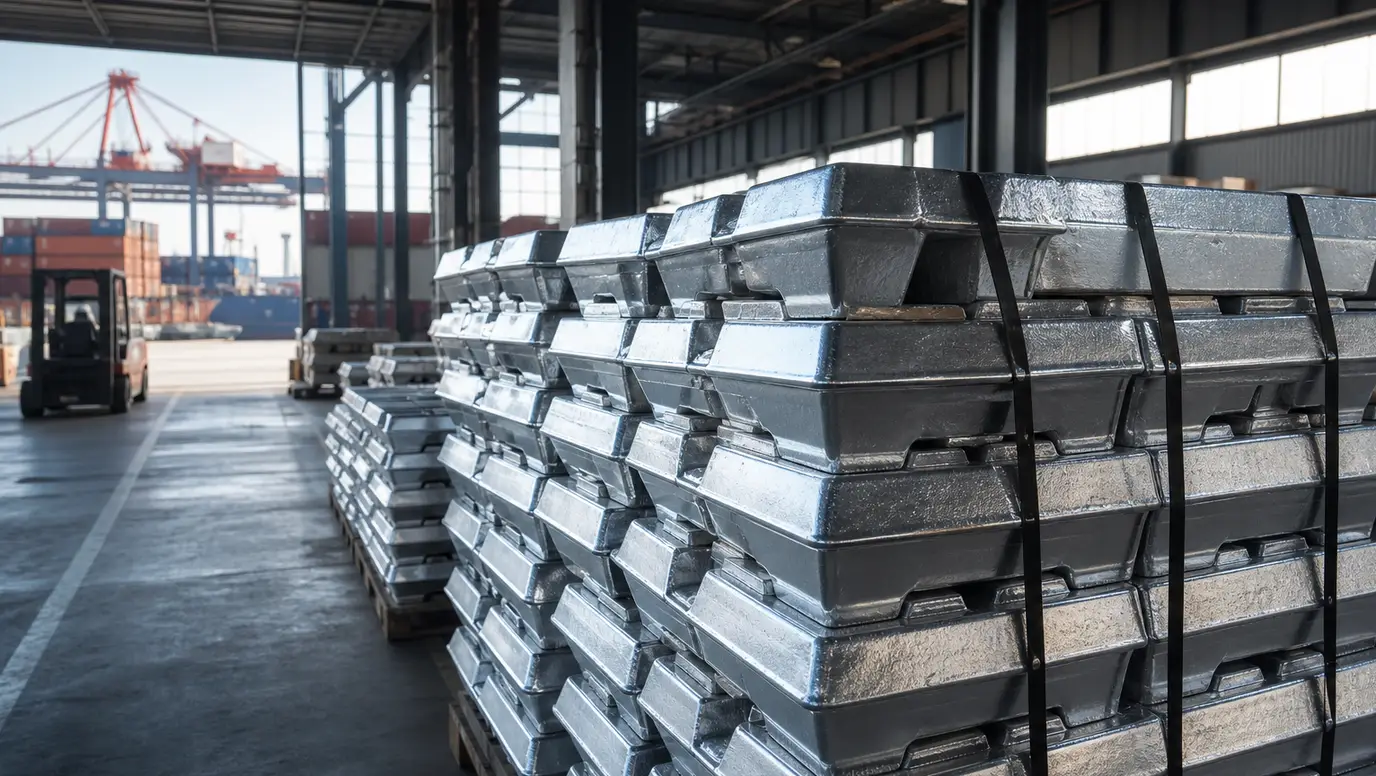
OCTOBER 14, 2026
Aluminum Metals Futures Hold Near $3,000 as Japan Premium Drop Masks Supply Stress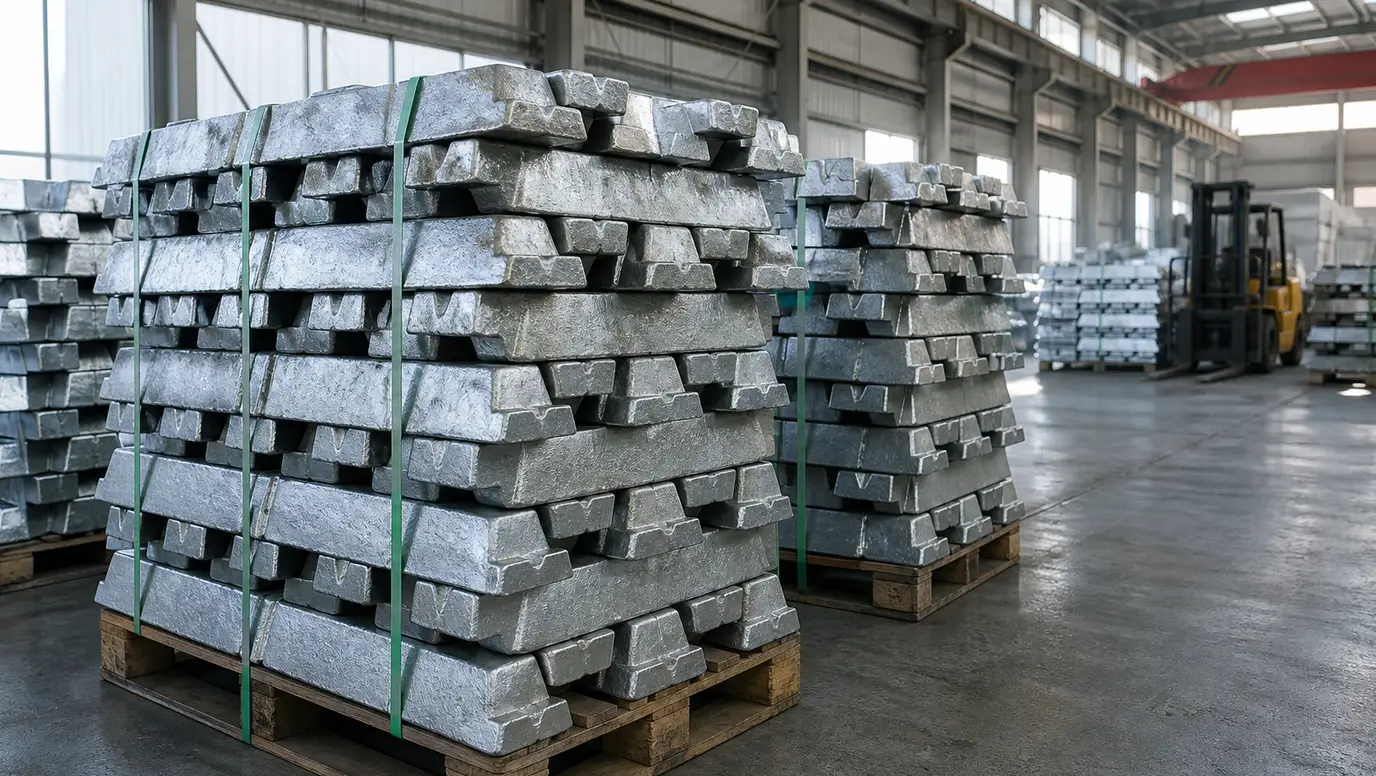
OCTOBER 13, 2026
Zinc Metals Market Falls as LME Stock Jump and US Dollar Pressure Base Metals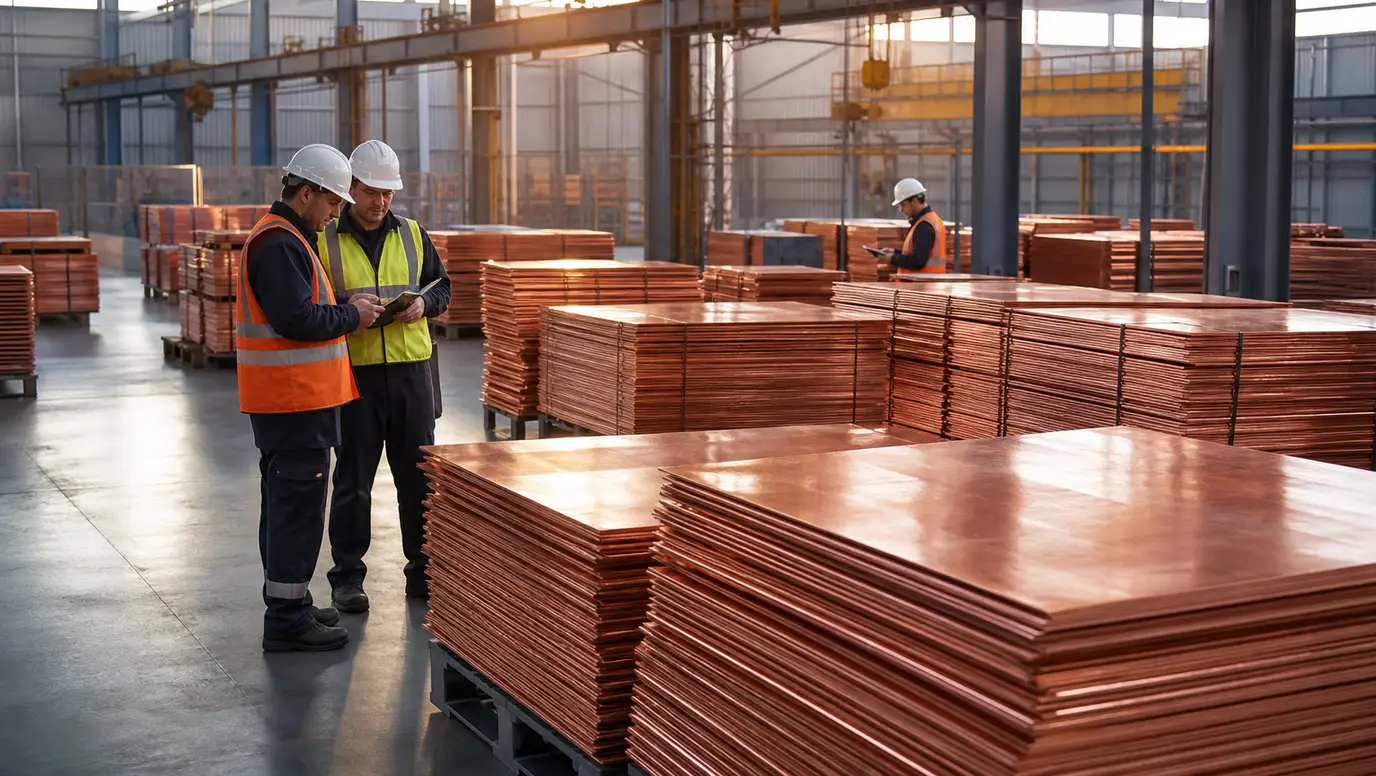
OCTOBER 12, 2026
Copper Metals Market Rises as China Premium and Tight LME Stocks Challenge US Dollar
OCTOBER 11, 2026
Gold Metals Market Braces for Federal Reserve Test as US Dollar and Treasury Yields Bite
OCTOBER 10, 2026
Palladium Metals Market Slips as Auto Demand and US Dollar Pressure Deepen Surplus Worries
OCTOBER 9, 2026
Silver Rebound Tests Metals Market as Treasury Yields Cap XAG Demand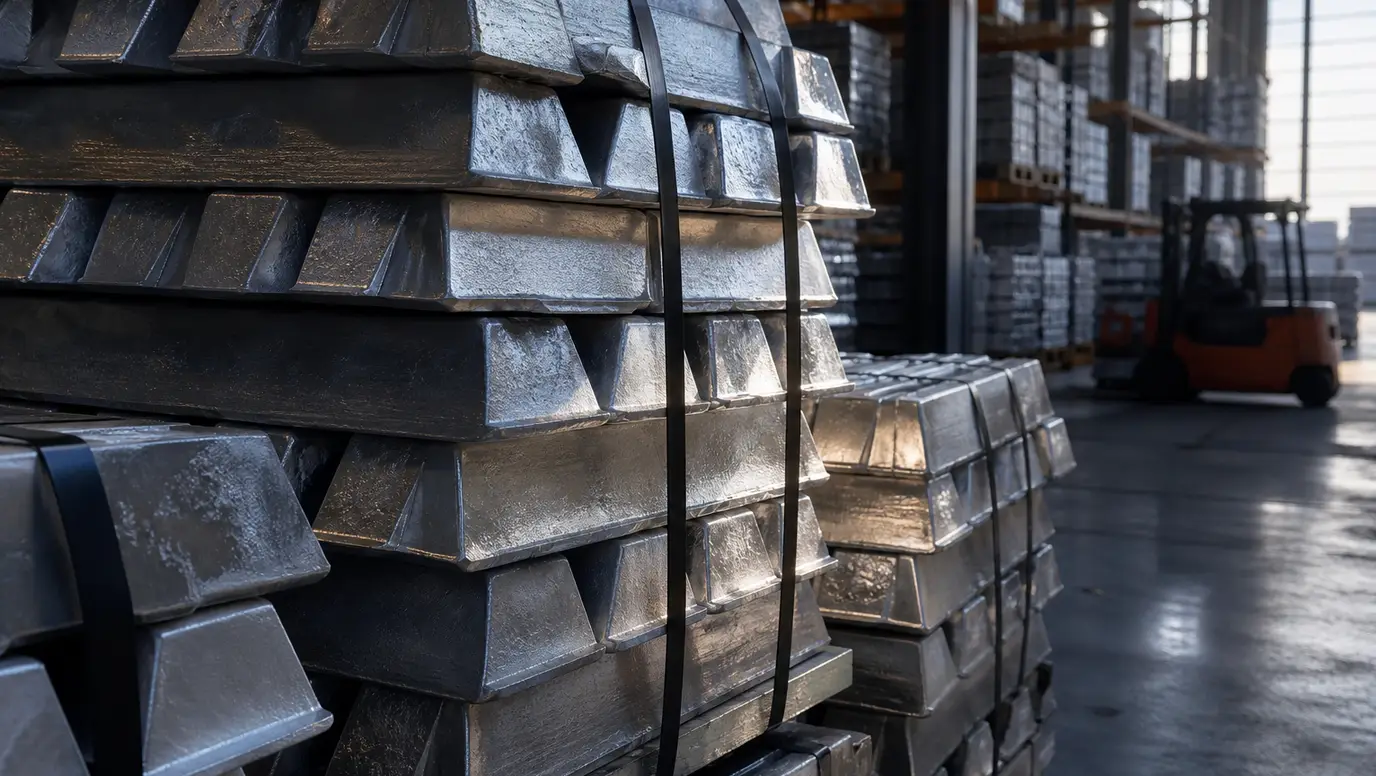
OCTOBER 8, 2026
Zinc Metals Tightness Faces US Dollar and Treasury Yield Test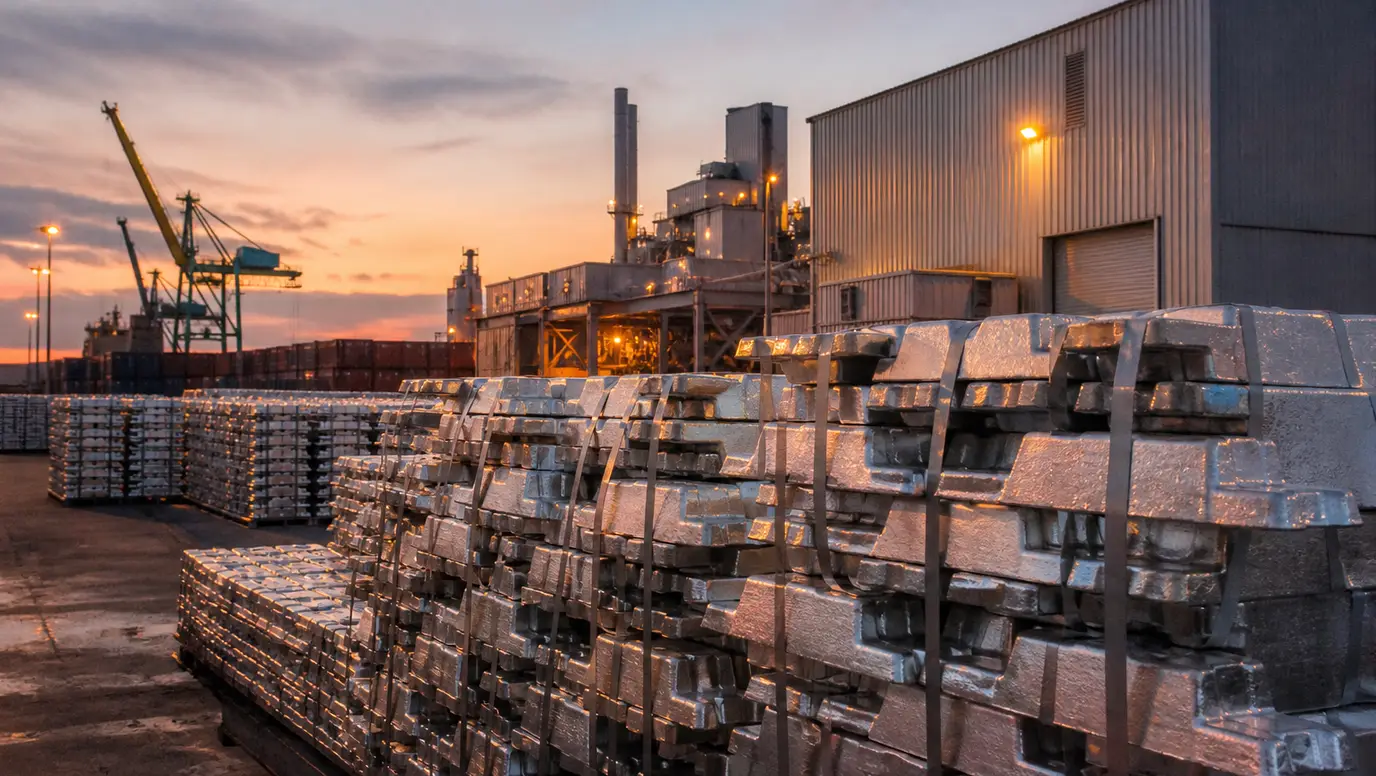
OCTOBER 7, 2026
Aluminum Rebound Tests Metals Market as Dollar Strength and China Lull Cap Buyers
OCTOBER 6, 2026
Copper Futures Rally Puts Metals Market Focus on Smelter Squeeze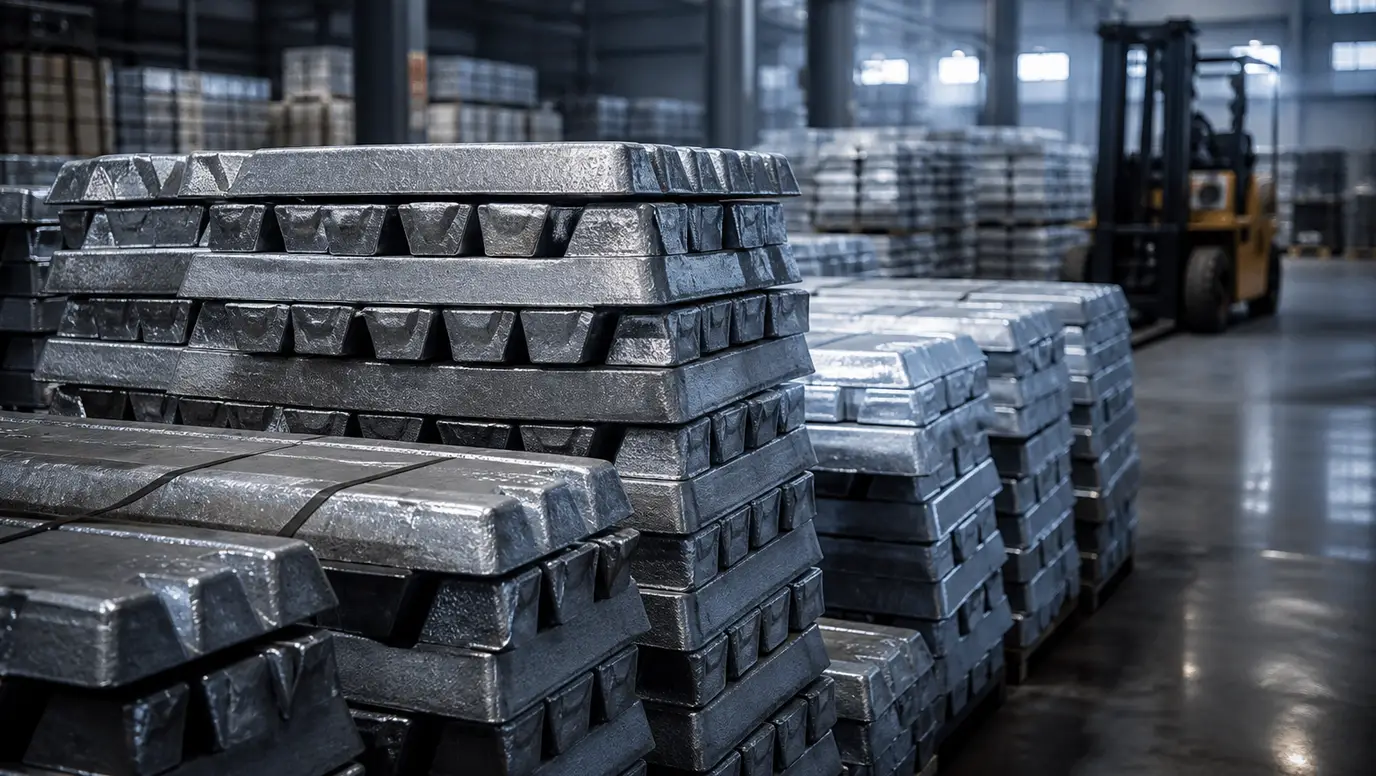
OCTOBER 5, 2026
Lead Futures Rebound as Warehouse Drawdown Puts Battery Metal Back on Metals Watch
OCTOBER 4, 2026
Gold Metals Rebound Stalls as Treasury Yields Blunt Fed Pause Bets
OCTOBER 3, 2026
Palladium Rebound Attempt Puts Metals Market Focus on Auto Demand and Federal Reserve Risk
OCTOBER 2, 2026
Silver Holds Above $61 as Dollar and Treasury Yields Keep Metals Market on Payrolls Watch
SEPTEMBER 30, 2026
Copper Futures Steady as Metals Market Weighs Dollar, Oil and Federal Reserve Risk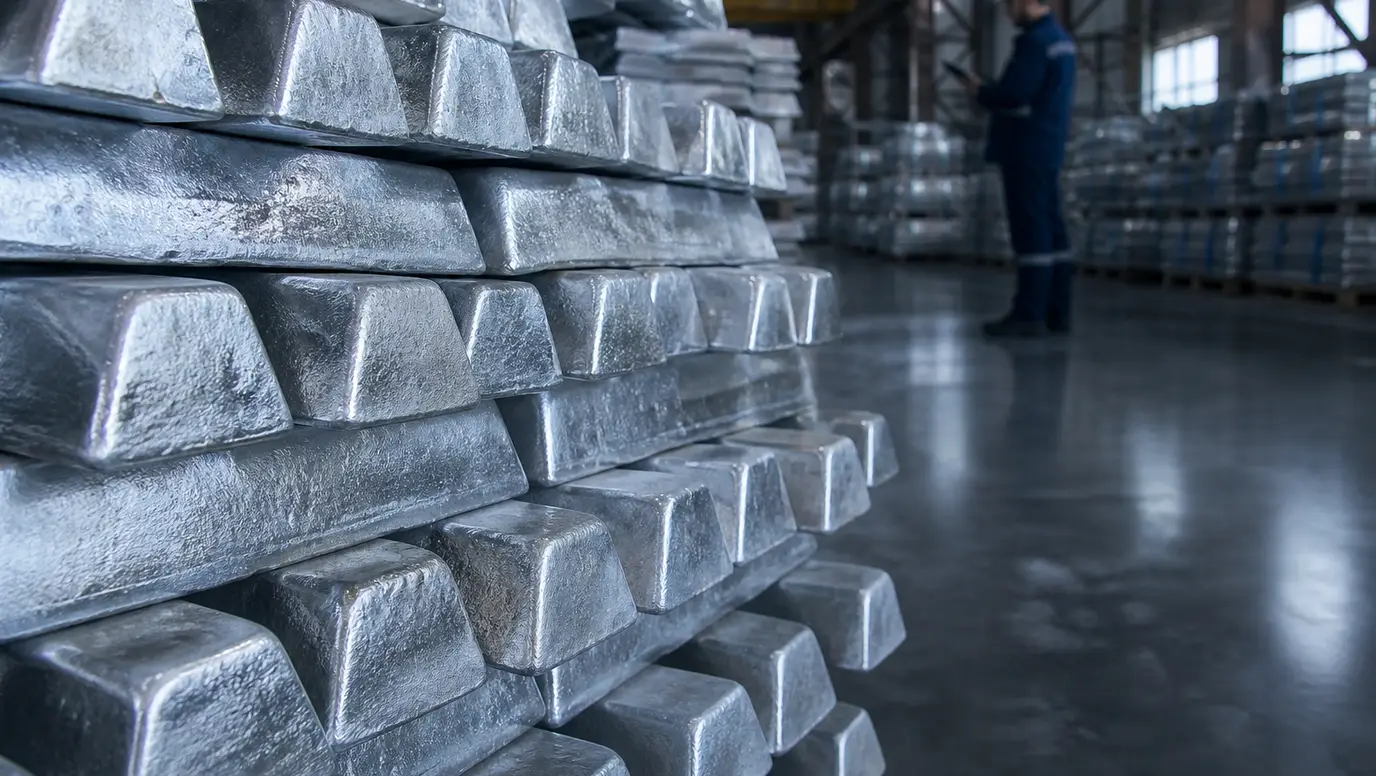
SEPTEMBER 29, 2026
Zinc Futures Fall as China Demand Worries Test Metals Market Tightness
SEPTEMBER 28, 2026
Palladium and Platinum Slide as Dollar, Yields Pressure Metals Market
SEPTEMBER 27, 2026
Gold Futures Slip as Sticky Inflation and Fed Rate Bets Cap Metals Market Rebound
SEPTEMBER 26, 2026
Silver Futures Rebound as Treasury Yield Pause Tests Metals Market Bears
SEPTEMBER 25, 2026
Copper Futures Climb as China Tightness Puts Metals Market on Supply Watch
SEPTEMBER 24, 2026
Aluminum Futures Steady as China Destocking Offsets Metals Market Yield Pressure