OCTOBER 8, 2026
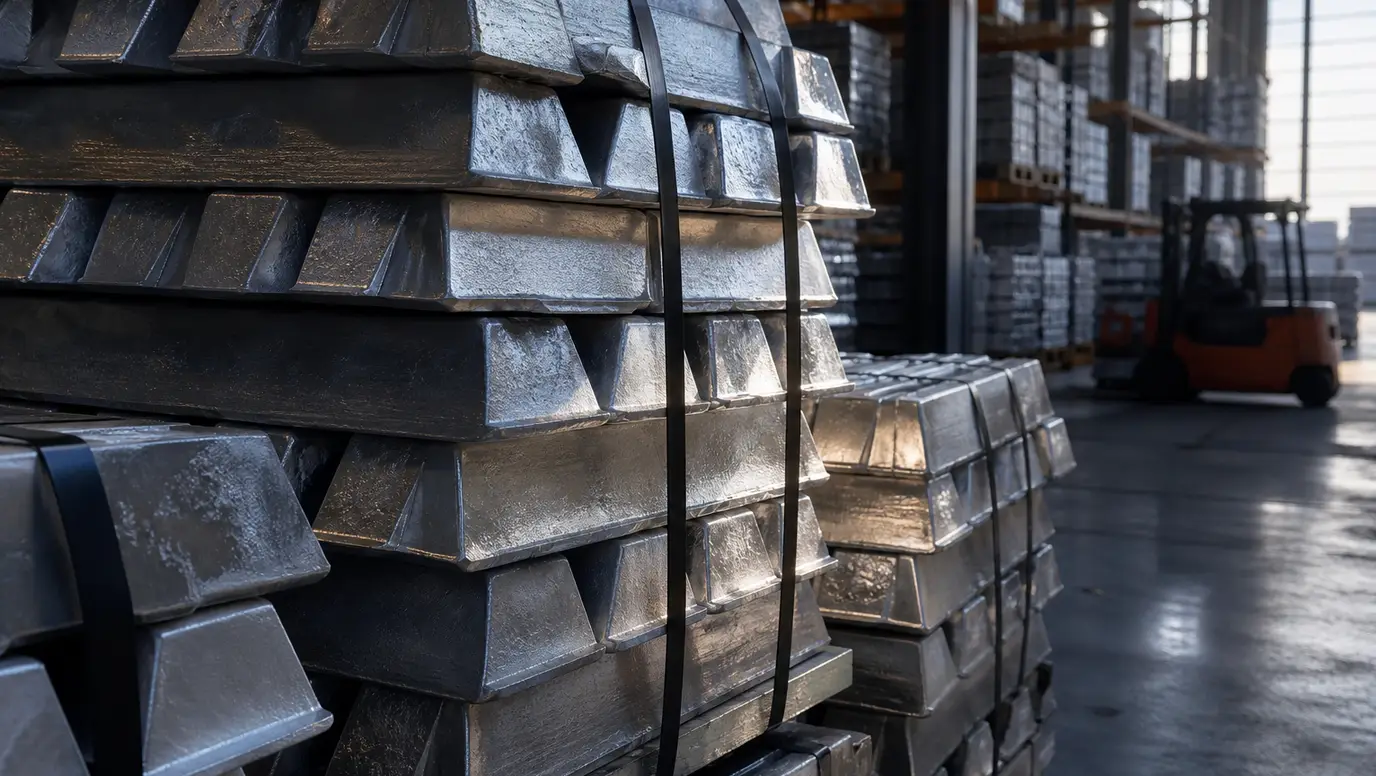
Zinc Metals Tightness Faces US Dollar and Treasury Yield TestZinc stays firm as tight nearby supply offsets a stronger dollar and elevated Treasury yields in the metals market.

© 1box.site 2026
SEPTEMBER 16, 2026
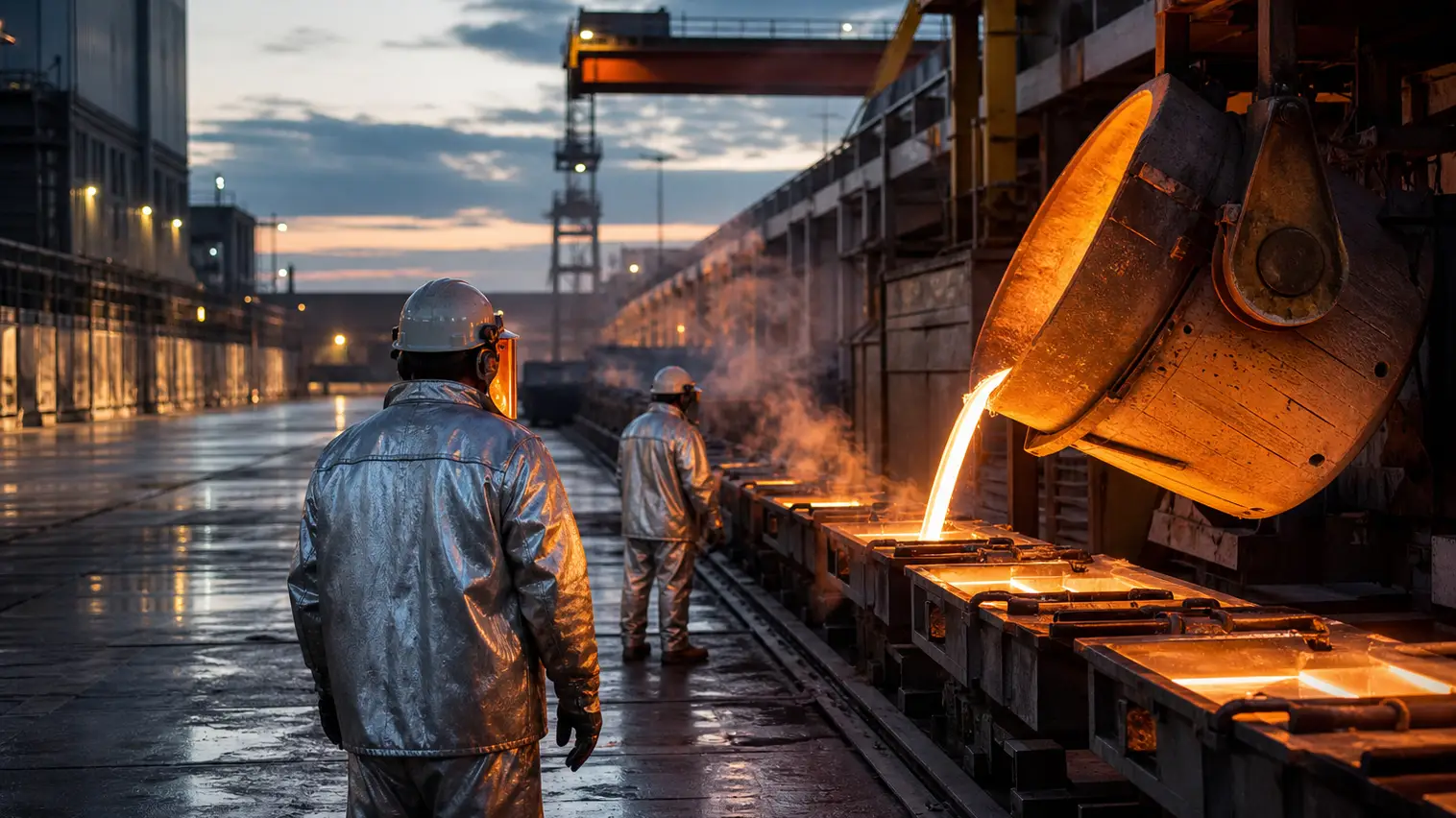
Aluminum has become the freshest pressure point in the metals market as traders weigh firm prices against a complicated mix of tight primary smelter capacity, strong Chinese exports and easing raw-material costs.
The metal has held near elevated September levels, with international prices supported by expectations that Chinese production has limited room to expand quickly. Recent market data showed aluminum trading around the low $3,000s per tonne internationally, while Chinese spot assessments remained firm as fabricators and smelters adjusted to a supply chain that is no longer driven only by property-sector demand.
The latest move is not a simple scarcity story. China’s aluminum exports remained strong in August, with shipments of unwrought aluminum and aluminum products running above year-earlier levels for the first eight months of the year. At the same time, domestic alumina output continued to rise, leaving the upstream feedstock market better supplied than the primary metal market itself.
The key issue for aluminum traders is China’s long-standing ceiling on primary smelting capacity. Industry estimates indicate that smelter utilization has moved close to practical limits, leaving less spare capacity to respond if demand accelerates into the fourth quarter.
That capacity constraint matters because China remains the central swing factor for the global aluminum balance. When smelters are already operating near maximum levels, additional demand from power infrastructure, electric vehicles, solar installations, grid equipment and packaging can translate more quickly into tighter available supply.
However, the same backdrop also encourages a more cautious view. High utilization does not automatically mean a straight-line rally. If exports slow, if downstream orders soften, or if fabricators delay restocking after recent price gains, aluminum could struggle to extend its advance. The market is therefore watching whether September buying reflects durable industrial demand or a short-term inventory cycle.
Chinese export flows are keeping the global aluminum market alert. August shipments were lower than July but remained well above the same month last year, helping reinforce the view that overseas demand and arbitrage conditions are still supportive.
For producers, the more favorable raw-material picture is an important offset. Alumina supply has been described as ample, with output rising and forecasts pointing to continued surplus conditions. That can protect smelter margins even when aluminum prices pause, particularly if energy costs remain manageable in key producing regions.
For investors, this creates a split signal. A surplus in alumina may limit cost-push pressure, but it does not fully solve constraints in primary aluminum if smelting capacity remains capped and demand keeps rotating toward electrification-linked uses. The result is a market where margins can improve for producers while end-users still face firm metal prices.
Aluminum’s demand mix is changing. Construction remains important, but the market is increasingly focused on transport, renewable power, electrical networks and consumer packaging. This diversification has helped cushion the metal from weakness in property-related demand, especially in China.
The near-term test is whether those newer demand channels can absorb continued export supply without forcing a correction. If infrastructure and electrification orders remain steady, aluminum could hold a premium versus other base metals that face more visible inventory pressure. If demand disappoints, the recent rally may invite profit-taking.
Macro conditions remain part of the equation. A stronger US dollar and elevated real yields can weigh on commodities priced in dollars, while any shift toward easier financial conditions would likely improve risk appetite across the metals complex. Aluminum is less directly tied to safe-haven flows than gold, but it remains sensitive to manufacturing sentiment, global trade expectations and energy costs.
For now, aluminum’s setup is constructive but not one-sided. Tight primary capacity in China is giving the market a bullish anchor, while export strength shows that supply is still reaching global buyers. The next directional move may depend on whether downstream demand confirms the rally or whether ample alumina and cautious restocking cool the advance.
OCTOBER 8, 2026
Zinc Metals Tightness Faces US Dollar and Treasury Yield Test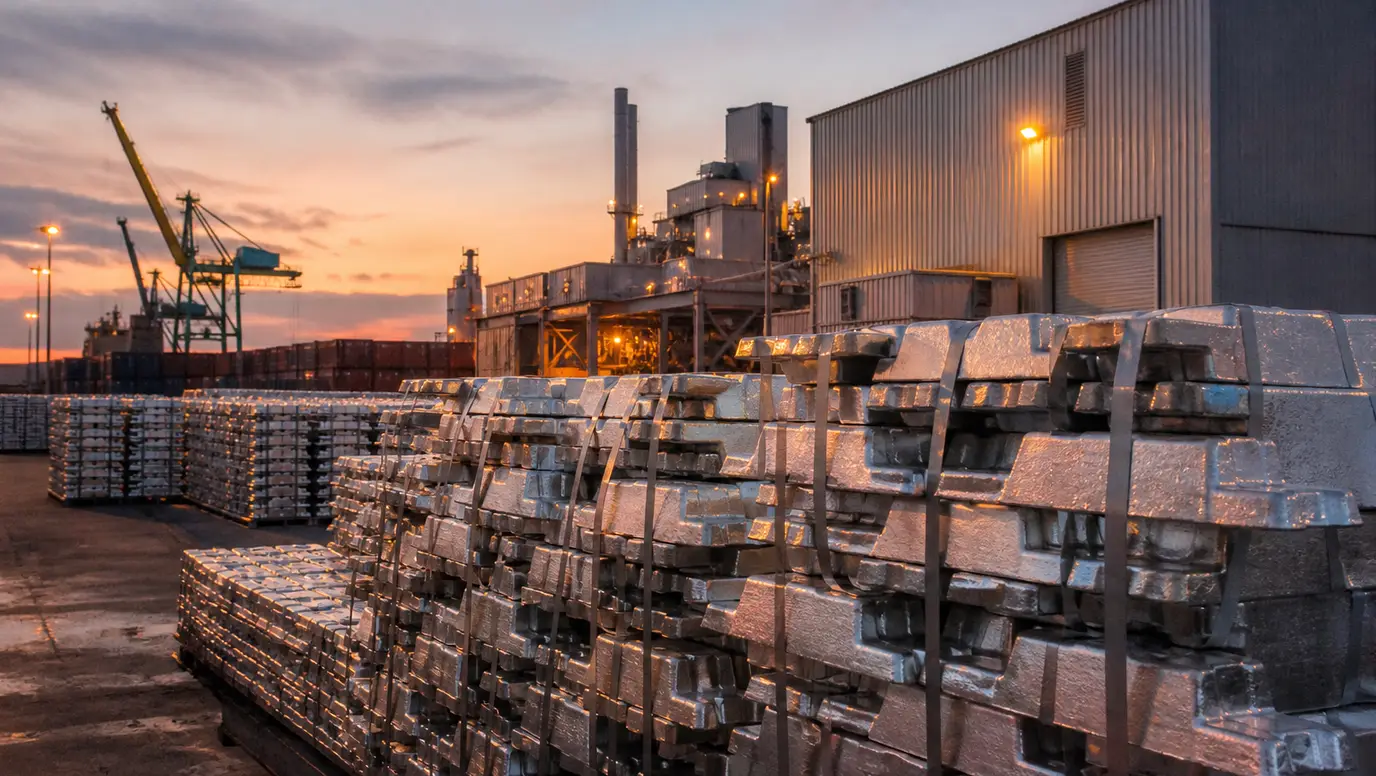
OCTOBER 7, 2026
Aluminum Rebound Tests Metals Market as Dollar Strength and China Lull Cap Buyers
OCTOBER 6, 2026
Copper Futures Rally Puts Metals Market Focus on Smelter Squeeze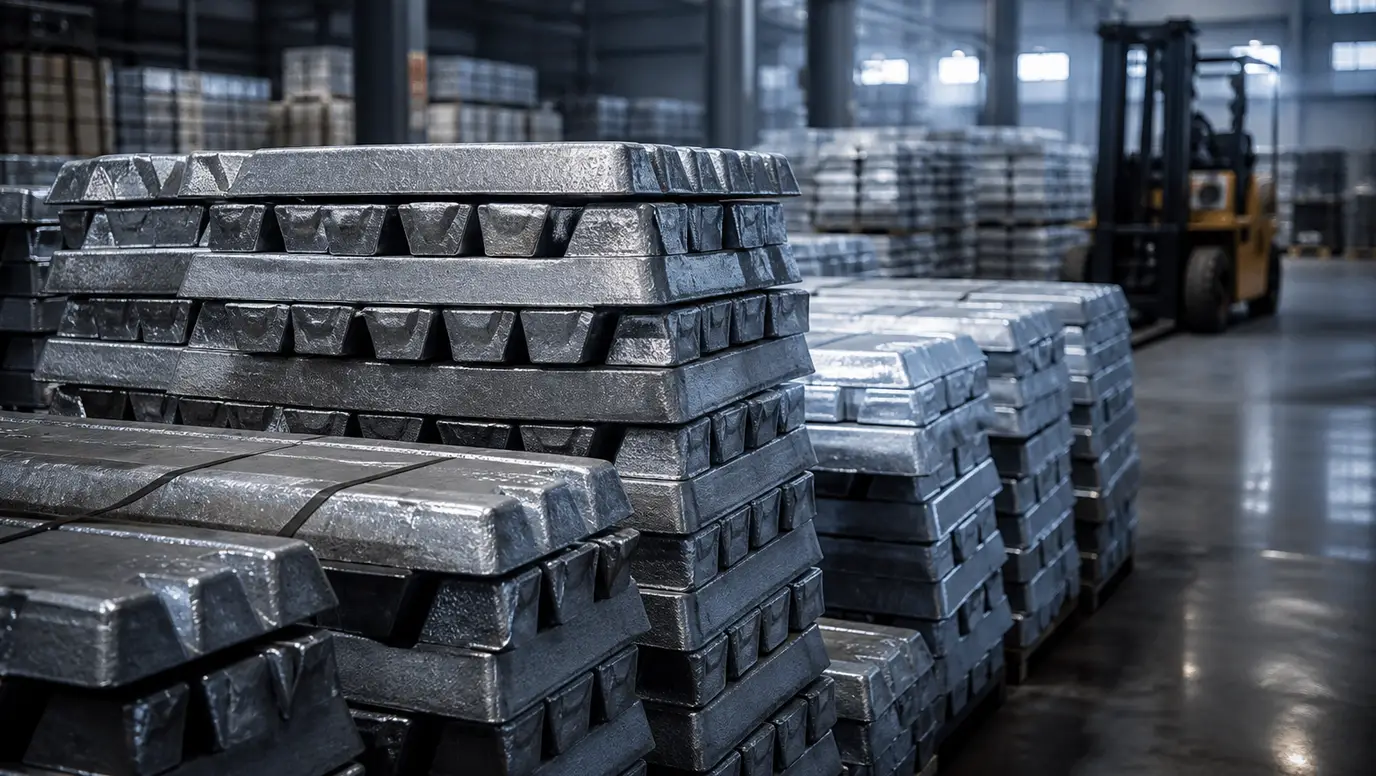
OCTOBER 5, 2026
Lead Futures Rebound as Warehouse Drawdown Puts Battery Metal Back on Metals Watch
OCTOBER 4, 2026
Gold Metals Rebound Stalls as Treasury Yields Blunt Fed Pause Bets
OCTOBER 3, 2026
Palladium Rebound Attempt Puts Metals Market Focus on Auto Demand and Federal Reserve Risk
OCTOBER 2, 2026
Silver Holds Above $61 as Dollar and Treasury Yields Keep Metals Market on Payrolls Watch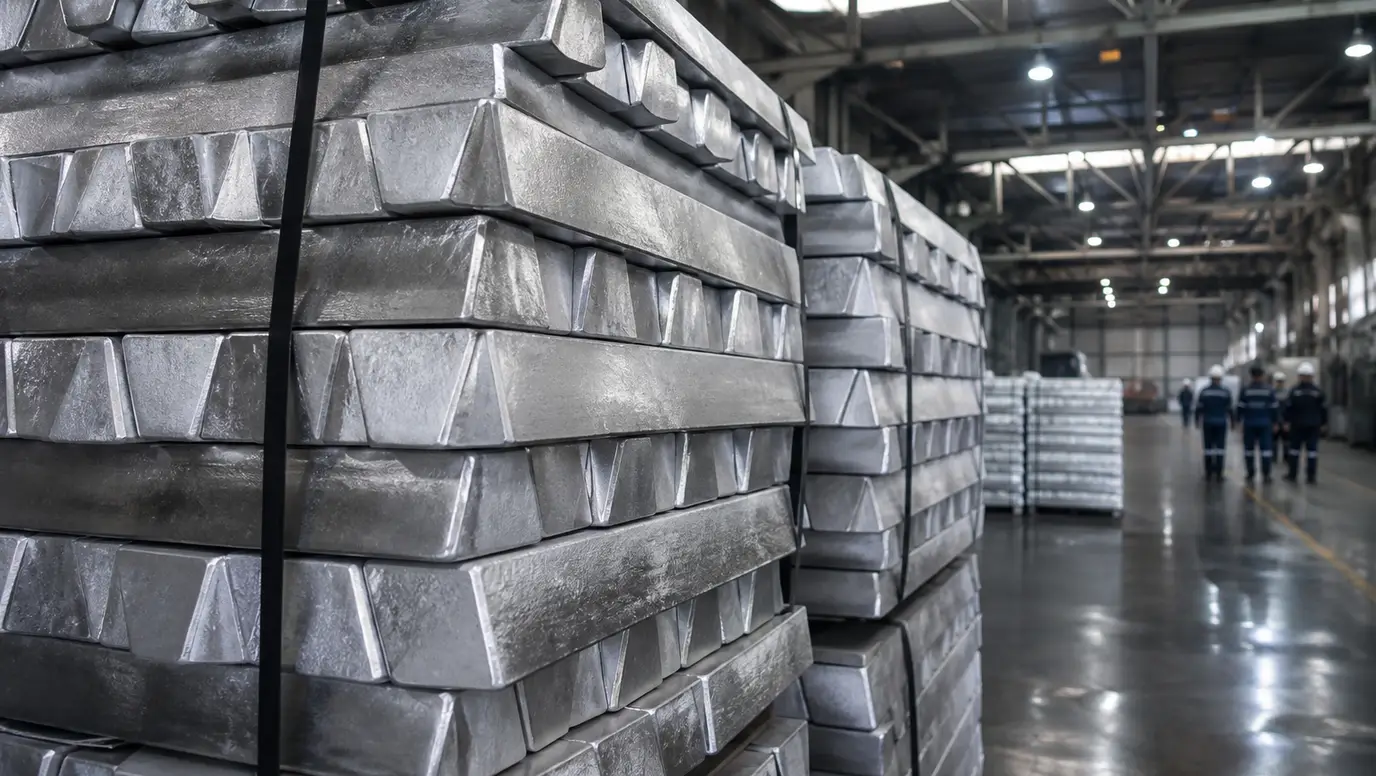
OCTOBER 1, 2026
Aluminum Slumps to 12-Week Low as Strong Dollar Hits Metals Market
SEPTEMBER 30, 2026
Copper Futures Steady as Metals Market Weighs Dollar, Oil and Federal Reserve Risk
SEPTEMBER 29, 2026
Zinc Futures Fall as China Demand Worries Test Metals Market Tightness
SEPTEMBER 28, 2026
Palladium and Platinum Slide as Dollar, Yields Pressure Metals Market
SEPTEMBER 27, 2026
Gold Futures Slip as Sticky Inflation and Fed Rate Bets Cap Metals Market Rebound
SEPTEMBER 26, 2026
Silver Futures Rebound as Treasury Yield Pause Tests Metals Market Bears
SEPTEMBER 25, 2026
Copper Futures Climb as China Tightness Puts Metals Market on Supply Watch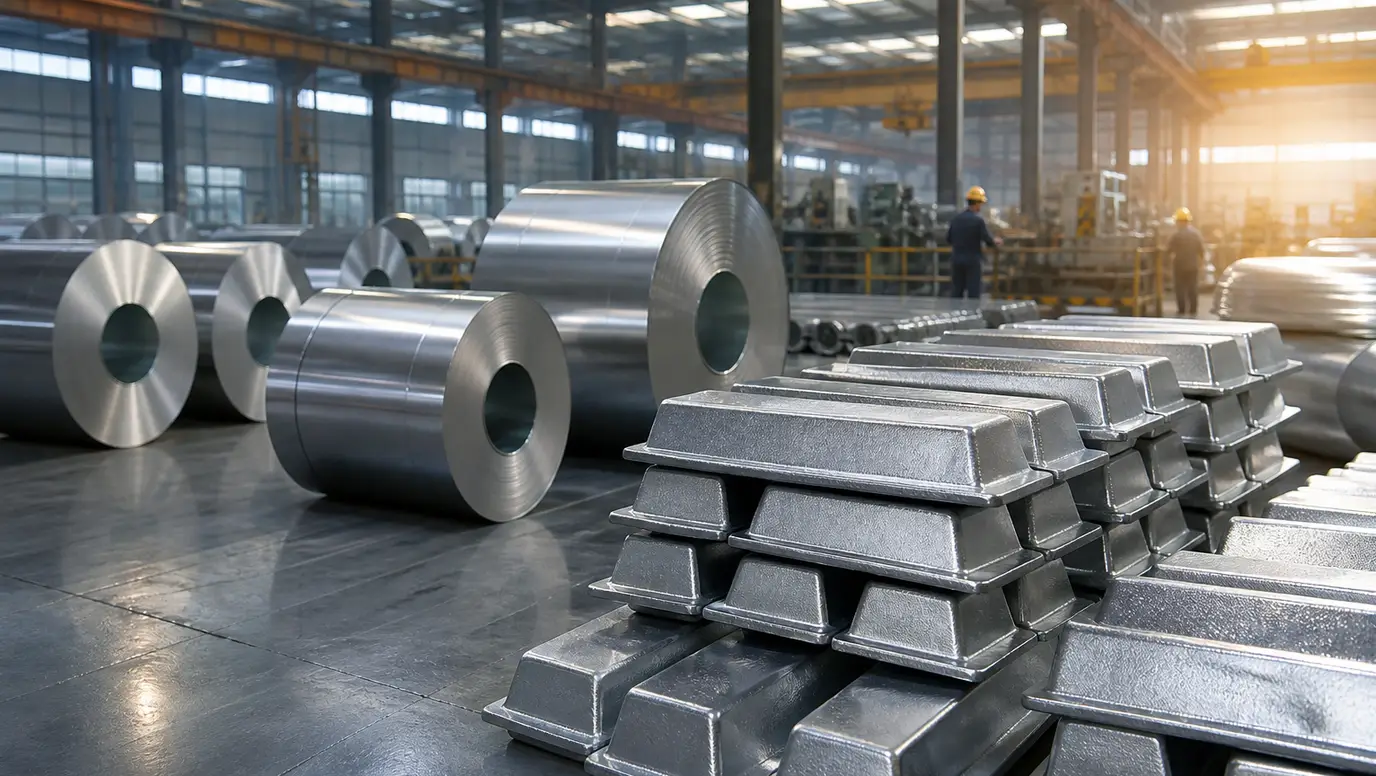
SEPTEMBER 24, 2026
Aluminum Futures Steady as China Destocking Offsets Metals Market Yield Pressure
SEPTEMBER 23, 2026
Nickel Futures Hold Firm as Indonesia Drought Cuts Put Metals Market on Supply Watch
SEPTEMBER 22, 2026
Gold Holds Near $4,350 as Federal Reserve Rate Bets Cap Metals Market Rebound
SEPTEMBER 21, 2026
Silver Futures Hold Above $66 as Federal Reserve Hike Tests Metals Market Rally
SEPTEMBER 20, 2026
Palladium Futures Rebound Puts Metals Market on Autocatalyst Supply Watch
SEPTEMBER 19, 2026
Copper Futures Rally Puts Metals Market on Federal Reserve and PMI Watch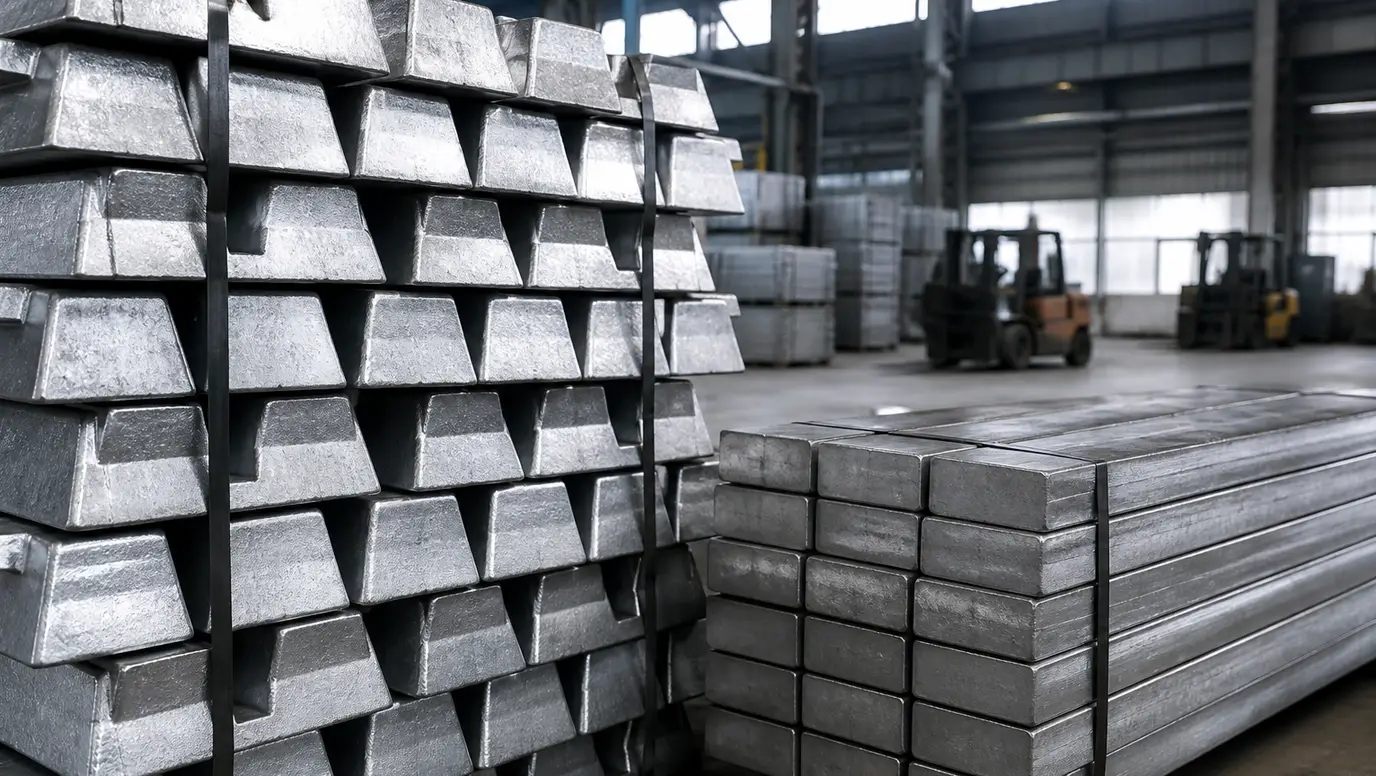
SEPTEMBER 18, 2026
Zinc Futures Squeeze Lifts Metals Market as Lead Inventories Tighten
SEPTEMBER 17, 2026
Nickel Futures Slide as Indonesia Ore Price Reset Tests Metals Market
SEPTEMBER 15, 2026
Gold Holds Near $4,300 as Federal Reserve Hike Bets Pressure Metals Market
SEPTEMBER 14, 2026
Silver Rebound Puts Metals Market on Federal Reserve Real-Yield Watch
SEPTEMBER 13, 2026
Copper Futures Pullback Puts Metals Market on Tariff Doubt Watch
SEPTEMBER 12, 2026
Zinc Futures Rally Faces Inventory Test as Metals Market Weighs Demand Signals
SEPTEMBER 11, 2026
Palladium Futures Swing as Auto Demand Clouds Metals Market Outlook
SEPTEMBER 10, 2026
Gold Edges Higher as Soft Dollar Puts Metals Market on Federal Reserve Watch
SEPTEMBER 9, 2026
Nickel Futures Rebound as Indonesia Supply Risk Jolts Metals Market
SEPTEMBER 8, 2026
Copper Hits Record High as Tariff Risk Tightens Metals Market Supply