
OCTOBER 17, 2026
Nickel Metals Market Stalls as Indonesia Smelter Freeze Talk Meets Weak DemandNickel steadies near recent lows as Indonesia smelter freeze talk is offset by weak stainless and battery demand signals.

© 1box.site 2026

OCTOBER 5, 2026
Lead futures moved back into focus on Monday as the battery metal attempted to recover from last week’s broad base-metals selloff. Prices traded around the mid-$1,800s per metric ton area, with intraday indications showing a modest rebound after a slide that had pushed the market close to its lowest levels since mid-summer.
The move stood out because lead had been under pressure alongside other industrial metals as a firm U.S. dollar, elevated Treasury yields and caution around China’s holiday-thinned demand weighed on risk appetite. Monday’s bounce did not erase the recent decline, but it gave traders a fresh reason to watch whether the $1,850 area can act as near-term support.
Recent exchange-monitored warehouse data showed lead inventories falling over the latest reporting week, extending a drawdown that has helped keep the market from turning decisively bearish. The decline in stocks suggests that physical demand has not disappeared, even though available material remains sufficient and spreads still point to a market that is not in an acute squeeze.
That distinction matters for the metals market. A falling inventory line can support prices when buyers are worried about replacement costs, but a comfortable level of available warrants can also cap rallies by reducing the urgency to secure immediate supply. For lead, this leaves the market in a balanced position: stronger than last week’s selloff implied, but not yet tight enough to force a sustained breakout.
Battery-related demand remains the key fundamental anchor. Lead is still heavily tied to lead-acid batteries used in replacement auto batteries, backup power systems and industrial energy storage. Even as electric vehicles reshape long-term metals demand, many vehicles still use low-voltage auxiliary batteries, keeping a resilient baseline for refined lead consumption.
The broader macro setup remains mixed. Softer U.S. labor data has reduced expectations for another immediate Federal Reserve rate increase, which can help non-yielding and dollar-priced commodities by easing pressure from real rates. However, the U.S. dollar remains relatively firm and long-end Treasury yields are still high enough to restrain speculative buying across the metals complex.
For lead traders, that means the next directional signal may come less from a single price move and more from confirmation across spreads, warehouse flows and demand from battery manufacturers after China’s Golden Week disruption fades. A continued drawdown in inventories, paired with firmer physical premiums, would make the rebound more convincing. A reversal in stocks or renewed dollar strength would leave lead vulnerable to another test of support.
Technically, the $1,850 zone has become the first major line for the market. Holding above that area would suggest last week’s decline was a correction within a range rather than the start of a deeper downtrend. A push back toward $1,900 would likely bring momentum accounts back into the discussion, especially if other base metals stabilize at the same time.
Still, the rebound should be treated cautiously until follow-through improves. Lead’s latest move appears to be supported by short-covering, lower inventories and better risk sentiment rather than a dramatic change in end-user demand. That makes the metal a candidate for selective recovery, but not yet a clear leader of the base-metals complex.
For the metals market, lead’s importance now lies in its role as a demand barometer. If the battery metal can hold its rebound while the dollar stays firm, it would point to underlying industrial resilience. If it fades again, traders may read that as another sign that macro pressure is still stronger than physical-market support.
OCTOBER 17, 2026
Nickel Metals Market Stalls as Indonesia Smelter Freeze Talk Meets Weak Demand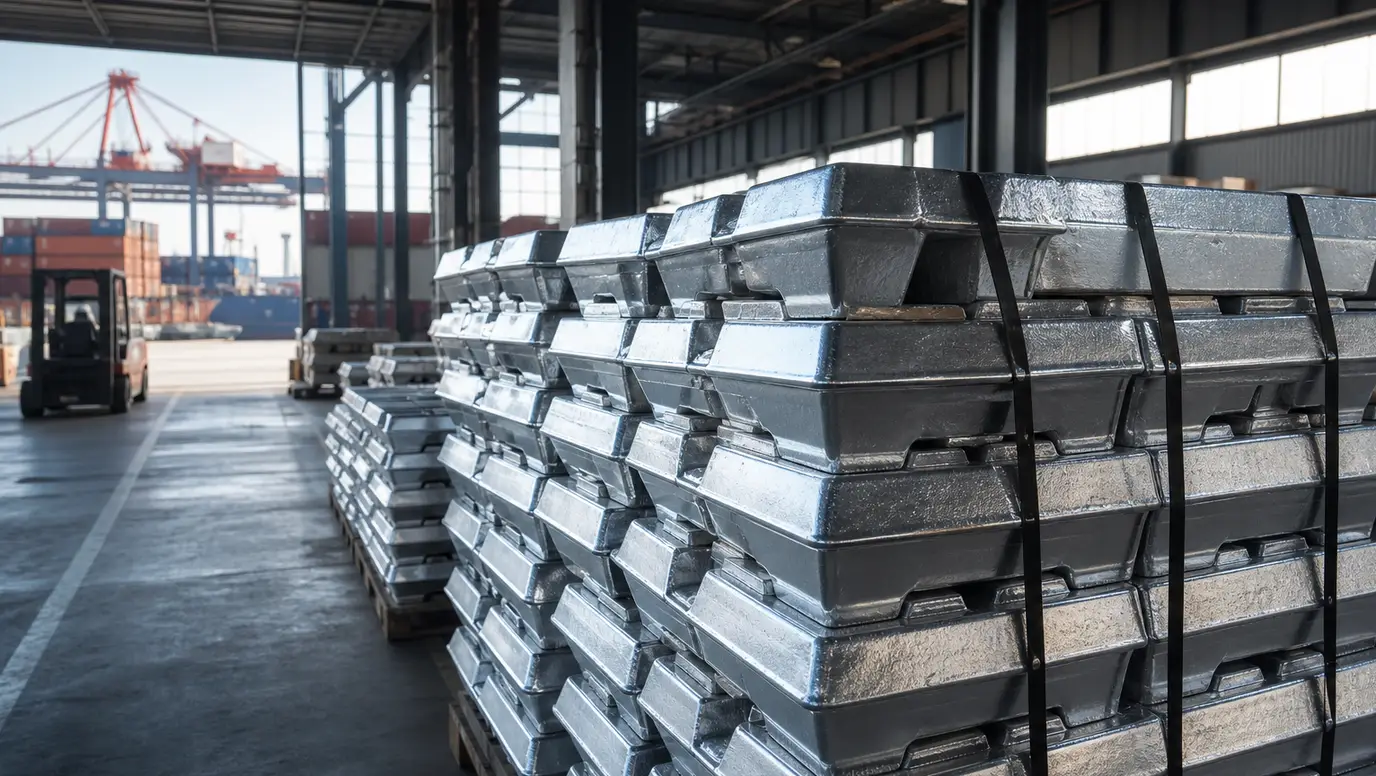
OCTOBER 14, 2026
Aluminum Metals Futures Hold Near $3,000 as Japan Premium Drop Masks Supply Stress
OCTOBER 6, 2026
Copper Futures Rally Puts Metals Market Focus on Smelter Squeeze
SEPTEMBER 30, 2026
Copper Futures Steady as Metals Market Weighs Dollar, Oil and Federal Reserve Risk
SEPTEMBER 29, 2026
Zinc Futures Fall as China Demand Worries Test Metals Market Tightness
SEPTEMBER 26, 2026
Silver Futures Rebound as Treasury Yield Pause Tests Metals Market Bears
SEPTEMBER 24, 2026
Aluminum Futures Steady as China Destocking Offsets Metals Market Yield Pressure
SEPTEMBER 23, 2026
Nickel Futures Hold Firm as Indonesia Drought Cuts Put Metals Market on Supply Watch
SEPTEMBER 21, 2026
Silver Futures Hold Above $66 as Federal Reserve Hike Tests Metals Market Rally
SEPTEMBER 20, 2026
Palladium Futures Rebound Puts Metals Market on Autocatalyst Supply Watch
SEPTEMBER 19, 2026
Copper Futures Rally Puts Metals Market on Federal Reserve and PMI Watch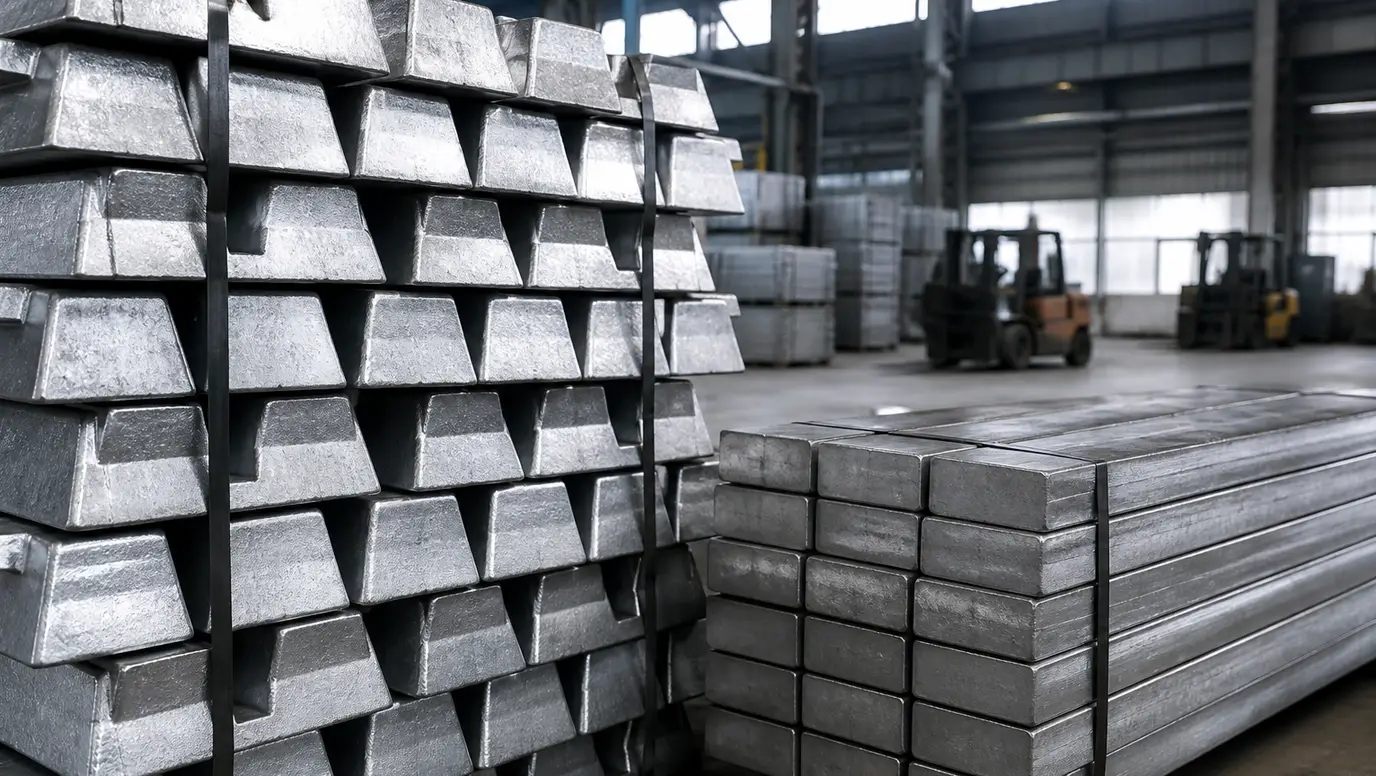
SEPTEMBER 18, 2026
Zinc Futures Squeeze Lifts Metals Market as Lead Inventories Tighten
SEPTEMBER 17, 2026
Nickel Futures Slide as Indonesia Ore Price Reset Tests Metals Market
SEPTEMBER 13, 2026
Copper Futures Pullback Puts Metals Market on Tariff Doubt Watch
SEPTEMBER 12, 2026
Zinc Futures Rally Faces Inventory Test as Metals Market Weighs Demand Signals
SEPTEMBER 11, 2026
Palladium Futures Swing as Auto Demand Clouds Metals Market Outlook
SEPTEMBER 9, 2026
Nickel Futures Rebound as Indonesia Supply Risk Jolts Metals Market
SEPTEMBER 7, 2026
Zinc Futures Defy Federal Reserve Pressure as Supply Squeeze Tightens Metals Market
SEPTEMBER 6, 2026
Aluminum Futures Split Metals Market as Supply Risk Meets Soft China Demand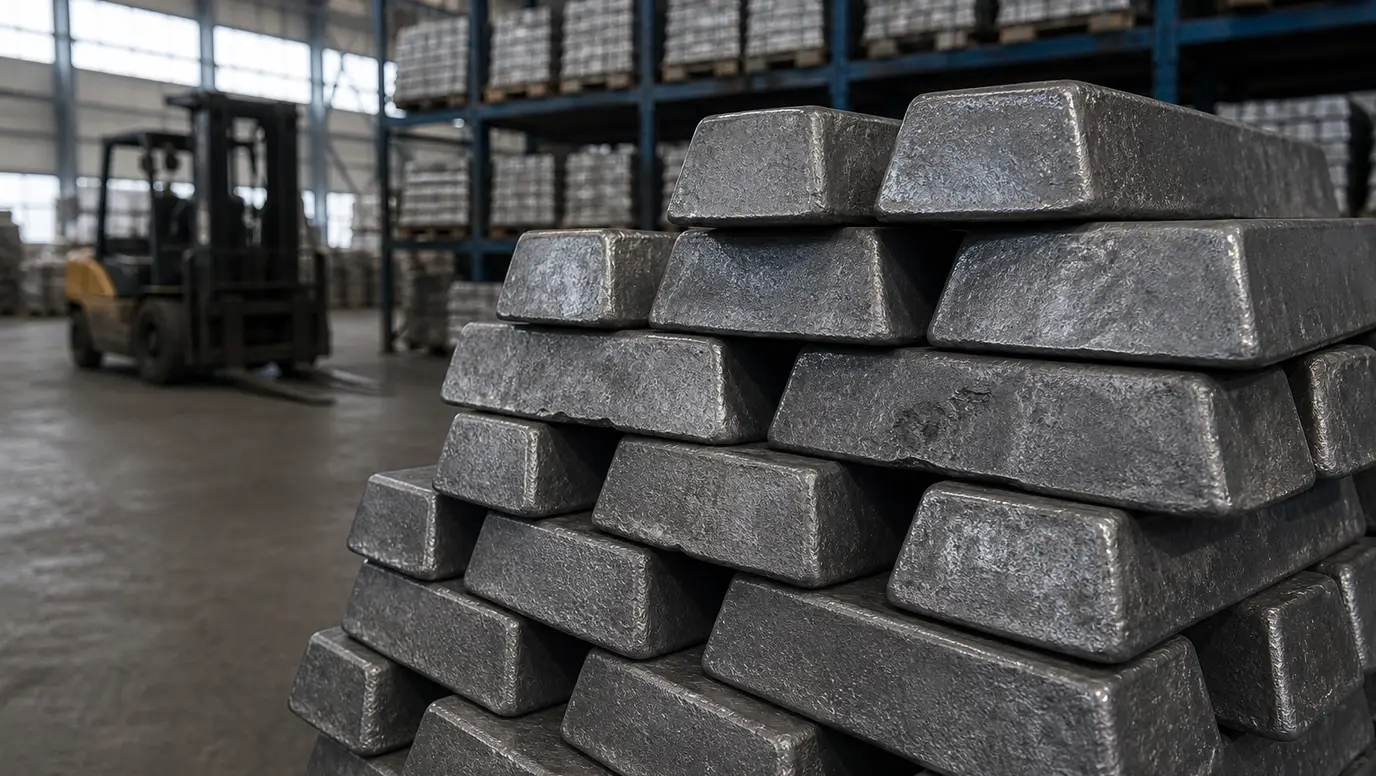
SEPTEMBER 5, 2026
Lead Lags Metals Market as Inventory Draws Fail to Shift Demand Doubts
AUGUST 26, 2026
U.S. Zinc Futures Debut Puts Metals Market on Regional Pricing Watch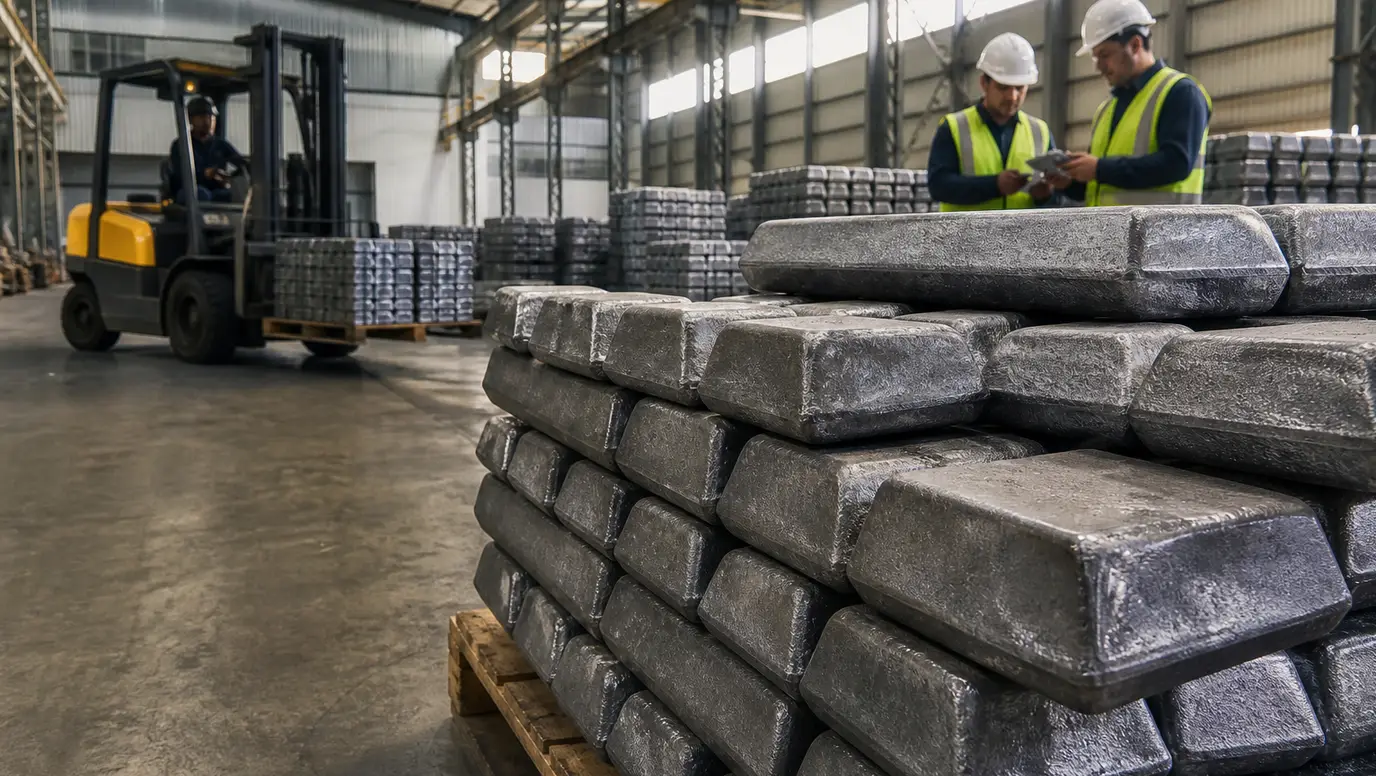
AUGUST 12, 2026
Lead Stocks Swing Puts Metals Market on Warehouse Watch After CPI Relief
AUGUST 2, 2026
Lead Rebound Tests Metals and Commodities as Warehouse Overhang Caps Rally
JULY 24, 2026
Lead Inventory Shock Puts Metals Traders on Battery Demand Watch