
OCTOBER 22, 2026
Gold Metals Market Rebounds as Softer Treasury Yields Put PCE Inflation Test in FocusGold steadies as Treasury yields ease, with traders watching inflation data and Fed expectations for the next metals market move.

© 1box.site 2026
SEPTEMBER 6, 2026
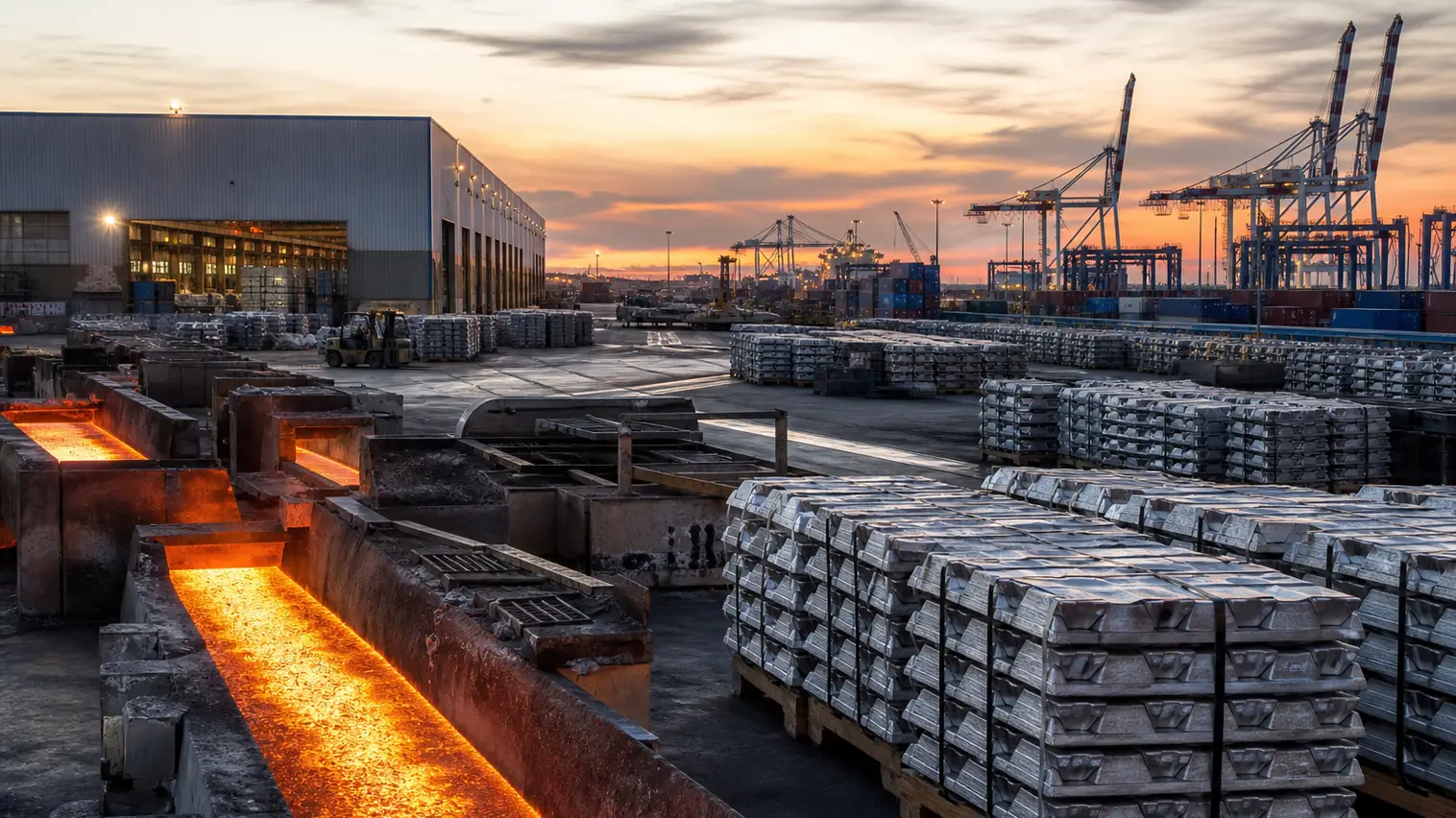
Aluminum has become the liveliest fresh story in the metals market as traders weigh a tightening visible-inventory backdrop against uneven demand from China, the world’s most important consumer of the lightweight industrial metal. The latest available benchmark data showed cash aluminum near $3,303 per tonne on September 3, with three-month pricing almost flat to spot levels, a structure that points to a market still sensitive to nearby physical availability.
The move is notable because aluminum is not being driven by one clean bullish or bearish signal. Exchange-monitored inventories have continued to hover near historically lean levels, with reported stocks around 245,975 tonnes in the latest published data, down from late-July levels above 264,000 tonnes. That decline has helped keep sellers cautious, even as parts of the Asian spot market show clear signs of buyer resistance at elevated prices.
For metals investors, aluminum now offers a different angle from the recent precious-metals focus. Gold, platinum, palladium, copper and lead have already dominated recent market attention, but aluminum’s latest price action is being shaped by a more industrial mix: energy costs, smelter reliability, transport flows, China’s construction and manufacturing appetite, and the ability of new supply projects to reach the market without adding fresh political or environmental risk.
The inventory picture remains the main reason aluminum futures have not broken decisively lower despite softer spot signals. When visible stocks are lean, even moderate disruptions can carry an outsized impact on price expectations. Traders are watching whether recent supply concerns tied to power availability, fuel costs and geopolitical disruption can keep the market tight into the fourth quarter.
Aluminum smelting is one of the most energy-intensive processes in the base-metals complex. That makes the metal unusually exposed to fuel shortages, electricity pricing and regional grid stress. When power costs rise or industrial infrastructure is disrupted, smelters may delay restarts, trim output or prioritize higher-margin supply contracts. Those decisions can quickly alter the availability of deliverable metal, especially when warehouse stocks are already thin.
Indonesia’s effort to expand aluminum production has added another layer to the story. New capacity could eventually ease global supply pressure, but the expansion is closely tied to coal-fired power, which may draw greater scrutiny from buyers trying to reduce the carbon footprint of their raw-material supply chains. That creates a timing problem for the market: future production may be coming, but near-term supply is still vulnerable to energy constraints and logistics shocks.
This is why aluminum has held a firmer tone than weak spot trading alone might suggest. Futures traders are not simply pricing current consumption; they are also assigning value to optionality in a market where replacement metal may become harder or more expensive to source if disruptions persist.
The counterweight is China. Recent spot trading in southern China has shown that downstream buyers are reluctant to chase high prices. Procurement has been described as largely need-based, with fabricators and processors waiting for clearer demand confirmation before building inventories aggressively. Spot premiums over a domestic September futures contract were still present late last week, but overall transactions remained subdued.
That matters because aluminum demand is closely linked to property, power-grid investment, packaging, transportation, consumer goods and renewable-energy infrastructure. Some of those sectors remain resilient, but the market is struggling to find a broad-based seasonal demand surge. If September’s expected industrial pickup remains patchy, aluminum’s upside may be capped even with low exchange stocks.
The price structure is therefore finely balanced. Low inventories and supply risk provide a floor, while weak spot appetite and a stronger US rate backdrop limit speculative follow-through. A firmer dollar would make dollar-denominated metals more expensive for non-US buyers, while higher-rate expectations can reduce investor appetite for cyclical commodities. That macro pressure is especially relevant after stronger US labor data revived debate over whether monetary policy will stay restrictive for longer.
The immediate technical focus is whether aluminum can sustain trade around the $3,300-per-tonne area. Holding that zone would suggest the market is still rewarding tight inventory and supply risk. A failure to hold it could shift attention back to soft physical demand and the risk of a longer consolidation phase across base metals.
For now, aluminum futures are sending a mixed but important signal for the broader metals market. The contract is not trading like a market with abundant spare supply, yet it is also not showing the kind of demand-led momentum that would confirm a durable breakout. Until China’s buying improves or inventories begin rebuilding more clearly, traders may treat rallies as vulnerable but dips as difficult to chase lower.
The result is a metals-market setup built around tension rather than trend. Aluminum bulls can point to tight visible stocks, energy-sensitive production and fragile supply chains. Bears can point to cautious Chinese buyers, high absolute prices and macro pressure from US rates. The next move will likely depend on which side gains confirmation first: a fresh supply disruption, or clearer evidence that end-user demand is not strong enough to absorb current pricing.
OCTOBER 22, 2026
Gold Metals Market Rebounds as Softer Treasury Yields Put PCE Inflation Test in Focus
OCTOBER 21, 2026
Silver Metals Market Slips as US Dollar and Treasury Yields Revive Federal Reserve Risk
OCTOBER 20, 2026
Tin Metals Market Holds Above $50,000 as Inventory Draws Offset Dollar Risk
OCTOBER 19, 2026
Platinum and Palladium Metals Market Rallies as Federal Reserve Pause Bets Return
OCTOBER 18, 2026
Copper Metals Market Holds Near Record as Tight Stocks Offset Federal Reserve Shock
OCTOBER 17, 2026
Nickel Metals Market Stalls as Indonesia Smelter Freeze Talk Meets Weak Demand
OCTOBER 16, 2026
Gold Metals Market Rebounds as US Dollar and Treasury Yields Ease Before Federal Reserve Decision
OCTOBER 15, 2026
Silver Metals Market Tests 2026 Low as Federal Reserve Rate Bets Lift US Dollar
OCTOBER 14, 2026
Aluminum Metals Futures Hold Near $3,000 as Japan Premium Drop Masks Supply Stress
OCTOBER 13, 2026
Zinc Metals Market Falls as LME Stock Jump and US Dollar Pressure Base Metals
OCTOBER 12, 2026
Copper Metals Market Rises as China Premium and Tight LME Stocks Challenge US Dollar
OCTOBER 11, 2026
Gold Metals Market Braces for Federal Reserve Test as US Dollar and Treasury Yields Bite
OCTOBER 10, 2026
Palladium Metals Market Slips as Auto Demand and US Dollar Pressure Deepen Surplus Worries
OCTOBER 9, 2026
Silver Rebound Tests Metals Market as Treasury Yields Cap XAG Demand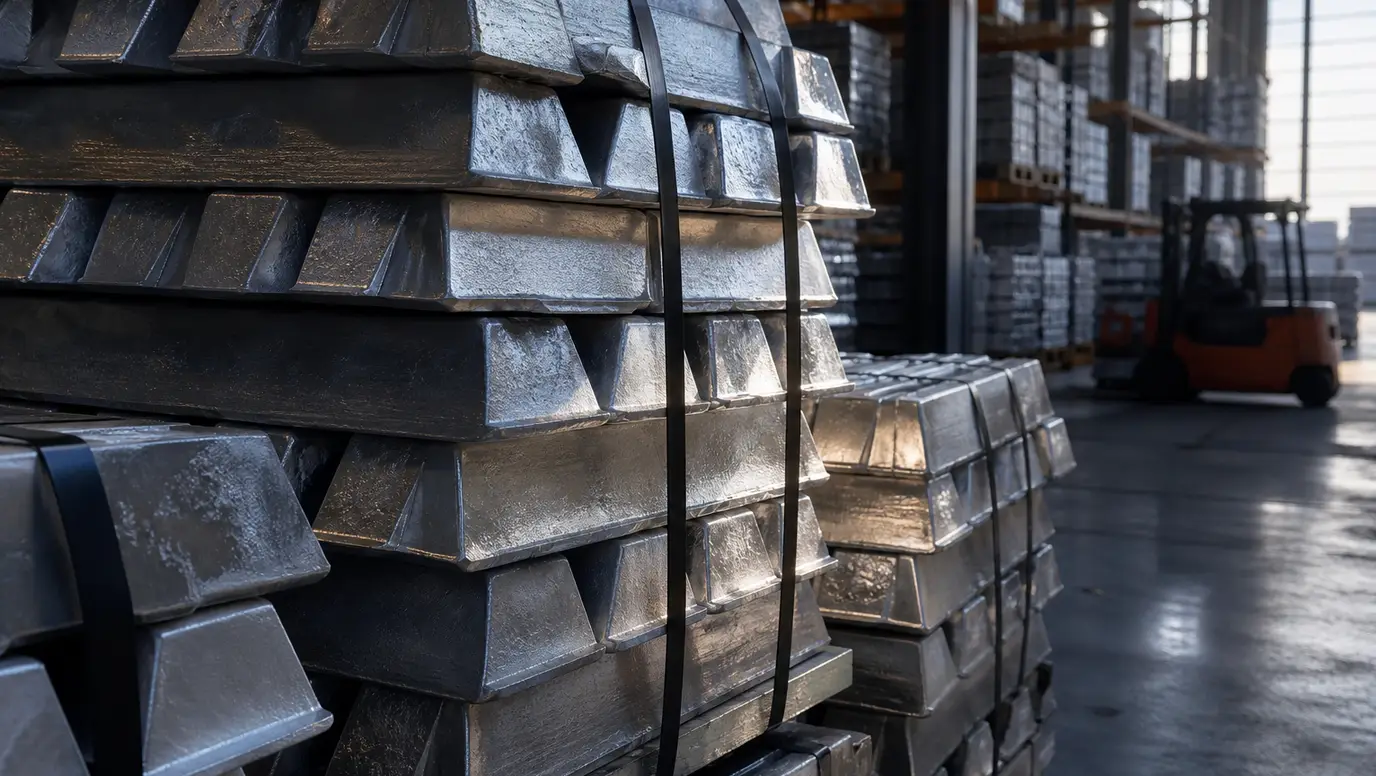
OCTOBER 8, 2026
Zinc Metals Tightness Faces US Dollar and Treasury Yield Test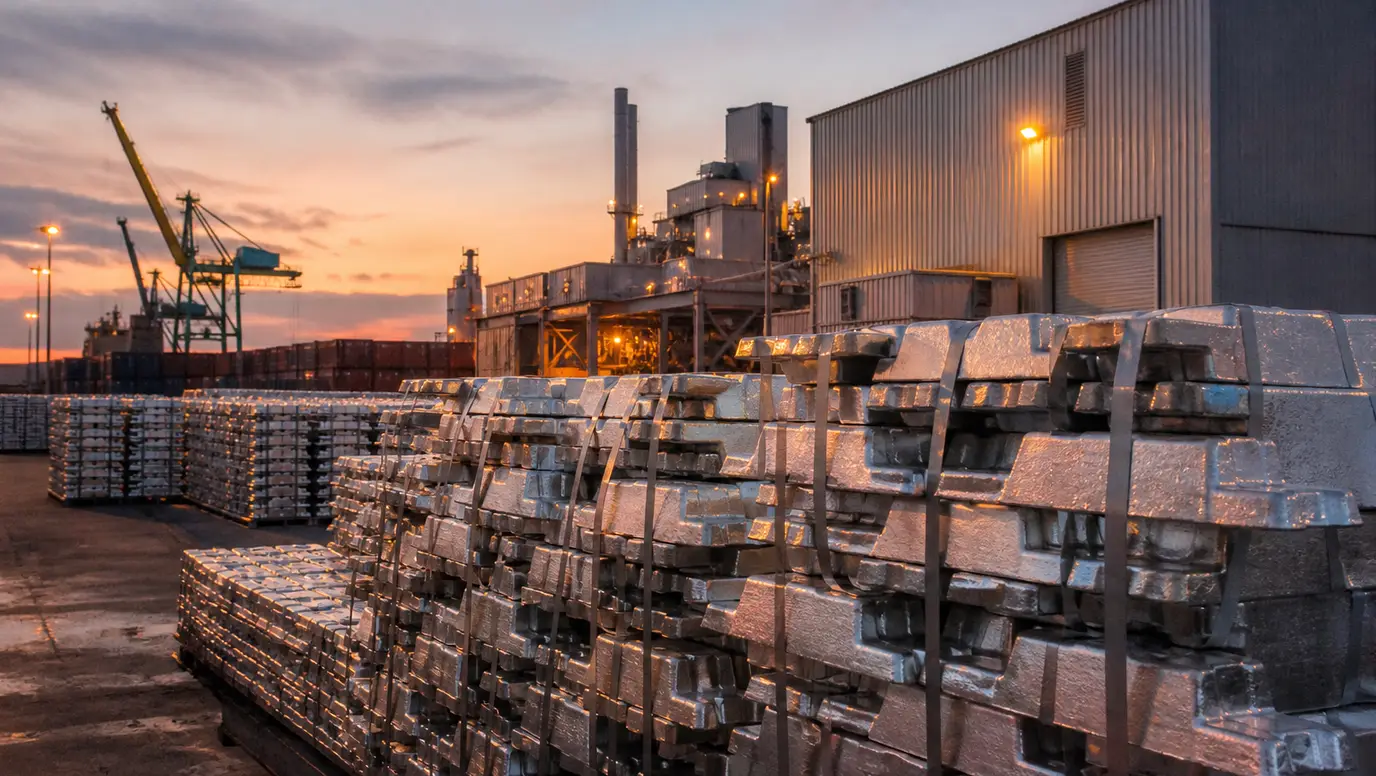
OCTOBER 7, 2026
Aluminum Rebound Tests Metals Market as Dollar Strength and China Lull Cap Buyers
OCTOBER 6, 2026
Copper Futures Rally Puts Metals Market Focus on Smelter Squeeze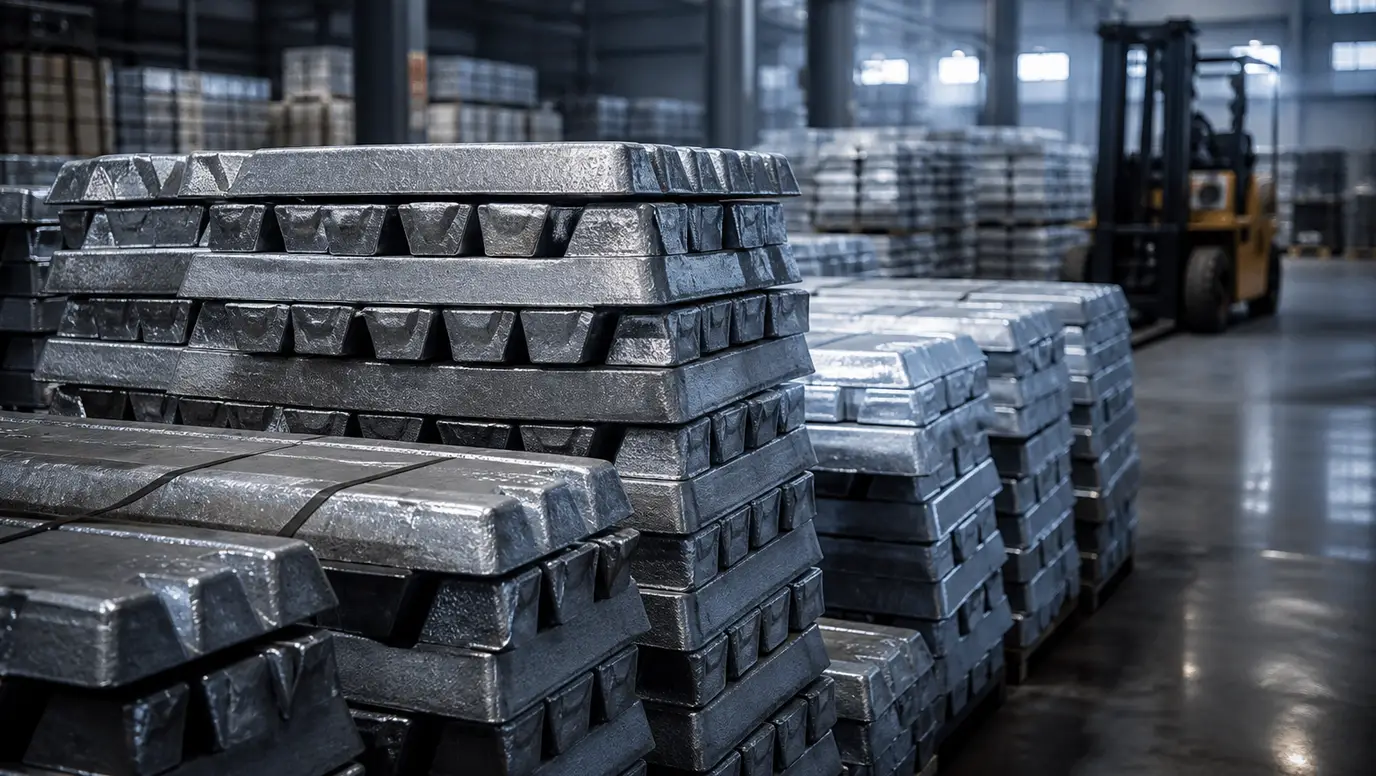
OCTOBER 5, 2026
Lead Futures Rebound as Warehouse Drawdown Puts Battery Metal Back on Metals Watch
OCTOBER 4, 2026
Gold Metals Rebound Stalls as Treasury Yields Blunt Fed Pause Bets
OCTOBER 3, 2026
Palladium Rebound Attempt Puts Metals Market Focus on Auto Demand and Federal Reserve Risk
OCTOBER 2, 2026
Silver Holds Above $61 as Dollar and Treasury Yields Keep Metals Market on Payrolls Watch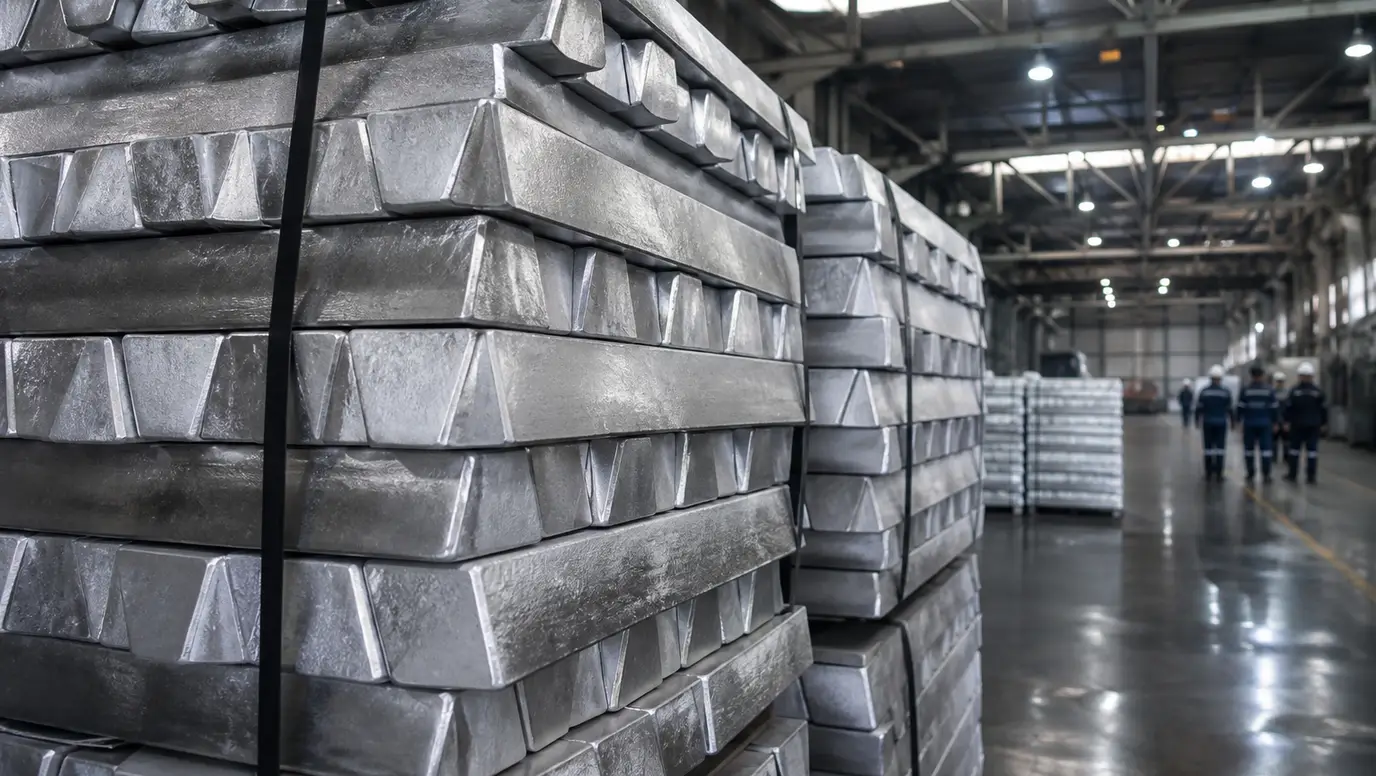
OCTOBER 1, 2026
Aluminum Slumps to 12-Week Low as Strong Dollar Hits Metals Market
SEPTEMBER 30, 2026
Copper Futures Steady as Metals Market Weighs Dollar, Oil and Federal Reserve Risk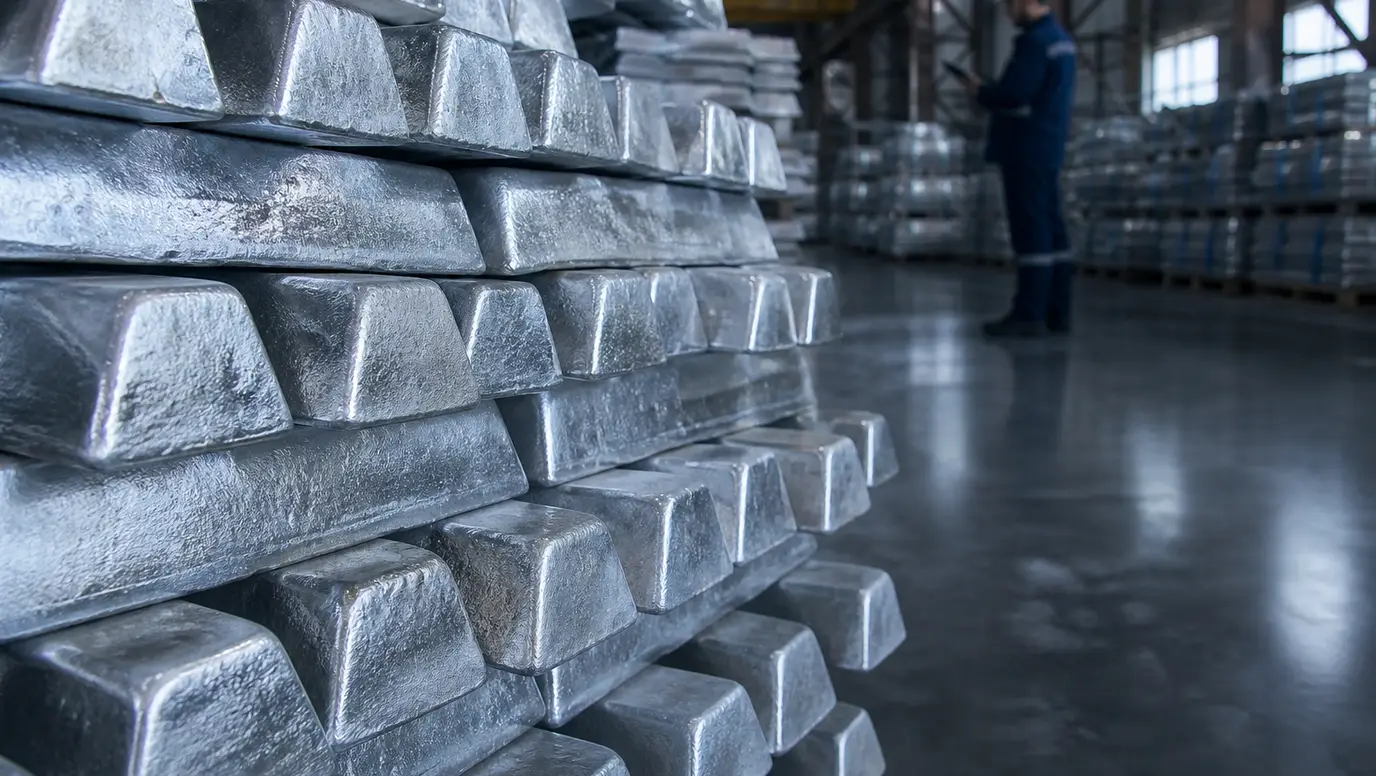
SEPTEMBER 29, 2026
Zinc Futures Fall as China Demand Worries Test Metals Market Tightness
SEPTEMBER 28, 2026
Palladium and Platinum Slide as Dollar, Yields Pressure Metals Market
SEPTEMBER 27, 2026
Gold Futures Slip as Sticky Inflation and Fed Rate Bets Cap Metals Market Rebound
SEPTEMBER 26, 2026
Silver Futures Rebound as Treasury Yield Pause Tests Metals Market Bears
SEPTEMBER 25, 2026
Copper Futures Climb as China Tightness Puts Metals Market on Supply Watch
SEPTEMBER 24, 2026
Aluminum Futures Steady as China Destocking Offsets Metals Market Yield Pressure
SEPTEMBER 23, 2026
Nickel Futures Hold Firm as Indonesia Drought Cuts Put Metals Market on Supply Watch