OCTOBER 5, 2026
Lead Futures Rebound as Warehouse Drawdown Puts Battery Metal Back on Metals WatchLead futures recover after a weak week as lower warehouse stocks, battery demand and Fed rate expectations shape metals sentiment.

© 1box.site 2026
SEPTEMBER 5, 2026
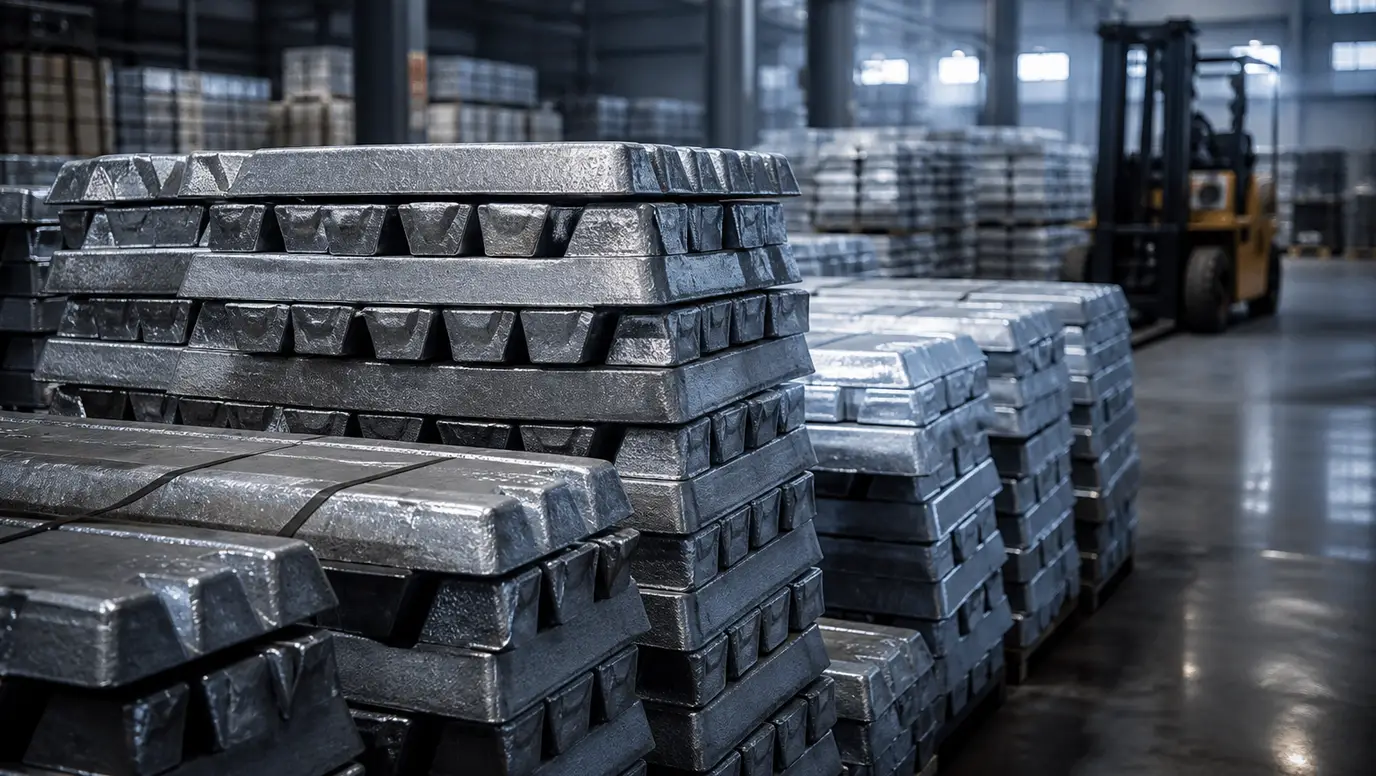
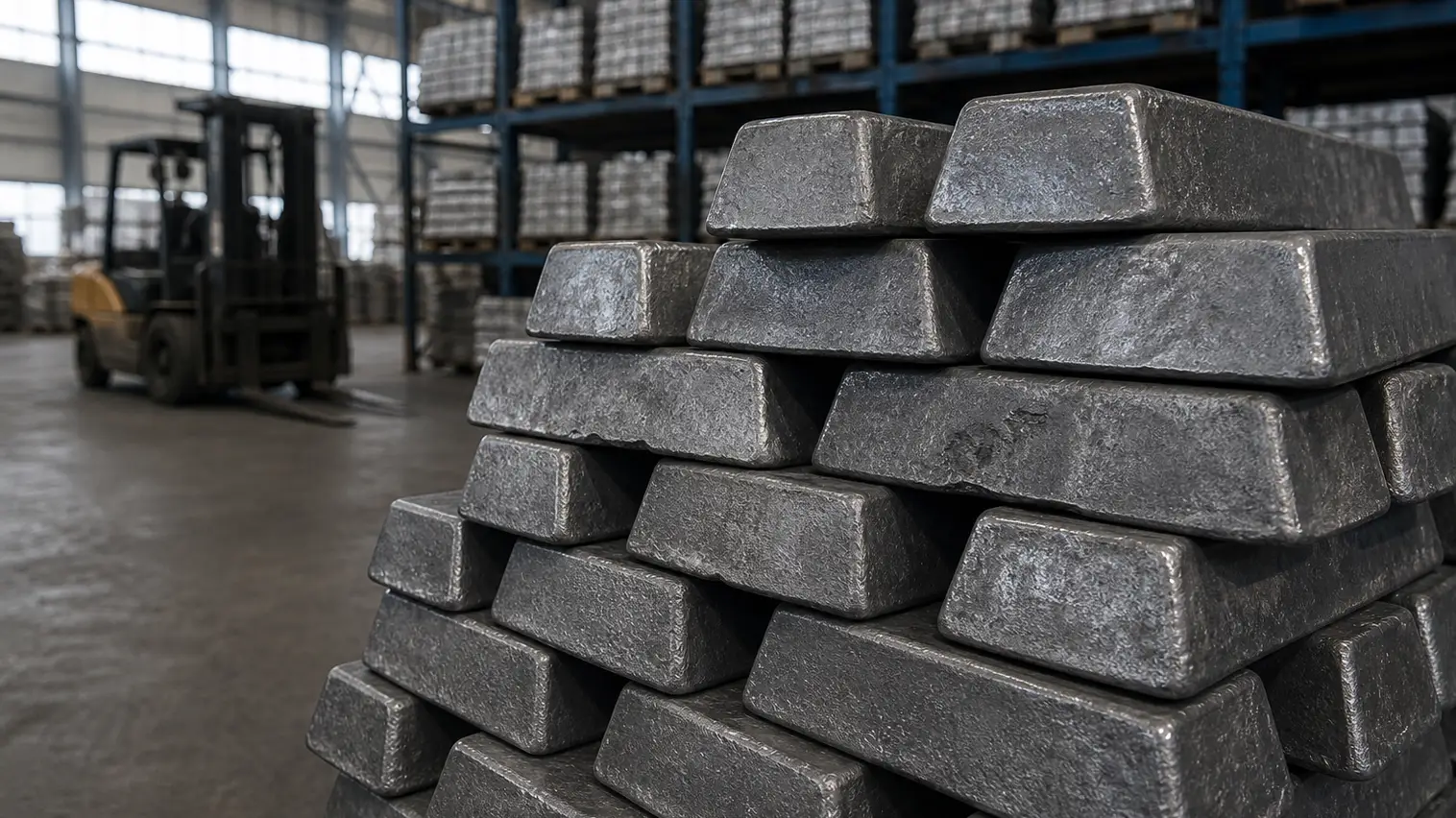
Lead moved to the weaker side of the metals market at the end of the week as traders looked past fresh inventory draws and kept their focus on uncertain industrial demand. The metal’s failure to gain stronger traction stood out in a mixed base-metals session, where supply-sensitive contracts continued to attract selective buying while lead remained weighed down by doubts over consumption momentum.
The latest price action suggests that the market is not treating lower visible stocks as a clear bullish signal. Lead inventories have been declining, but remaining exchange-held supply is still considered ample enough to limit urgency among buyers. That has left the contract vulnerable whenever macro sentiment turns cautious or when stronger metals pull capital away from laggards.
Base metals have entered September with a split tone. Some contracts have benefited from tight ore conditions, supply disruptions, and rotation into lower-priced industrial metals. Lead, however, has not yet convinced traders that its own fundamentals justify a sustained breakout.
The market’s hesitation reflects the metal’s close link to battery demand, replacement cycles, and broader manufacturing activity. Without clearer evidence of stronger end-user buying, short-term rallies may continue to meet selling interest. Traders are also watching whether recent stock declines become persistent enough to tighten nearby availability rather than simply reduce headline inventory levels from elevated bases.
Lead’s relative underperformance is important because it shows that metals investors are becoming more selective. Instead of buying the entire base-metals complex on supply risk, funds appear to be separating metals with stronger demand stories from those still carrying questions about consumption and surplus material.
The demand debate is being sharpened by a firmer interest-rate backdrop. A stronger U.S. labor reading revived expectations that monetary policy could stay restrictive for longer, supporting the dollar and reducing appetite for cyclical commodities. That setting typically makes it harder for industrial metals to rally unless their own supply-demand balance is tight enough to overpower macro pressure.
For lead, that bar looks higher than it does for several rival base metals. The contract may need confirmation from physical premiums, order books, and further warehouse drawdowns before traders view the recent inventory decline as a genuine tightening signal. Until then, any advance could remain dependent on short covering rather than durable demand.
The next test for the metals market will be whether lead can hold its recent trading range while other base metals respond to supply concerns and China-linked demand signals. A break above nearby resistance would suggest that inventory draws are finally changing sentiment. A failure to follow through would reinforce lead’s position as one of the more cautious corners of the base-metals complex.
OCTOBER 5, 2026
Lead Futures Rebound as Warehouse Drawdown Puts Battery Metal Back on Metals Watch
SEPTEMBER 27, 2026
Gold Futures Slip as Sticky Inflation and Fed Rate Bets Cap Metals Market Rebound
SEPTEMBER 18, 2026
Zinc Futures Squeeze Lifts Metals Market as Lead Inventories Tighten
AUGUST 15, 2026
Aluminum Keeps Metals Market on Inventory Watch as China Demand Offsets Tariff Risk
AUGUST 12, 2026
Lead Stocks Swing Puts Metals Market on Warehouse Watch After CPI Relief
AUGUST 7, 2026
Tin Keeps Metals Market on Supply Watch as AI Demand Supports Commodities
AUGUST 4, 2026
Aluminum Premium Squeeze Keeps Metals and Commodities Traders Focused on U.S. Tariffs
AUGUST 2, 2026
Lead Rebound Tests Metals and Commodities as Warehouse Overhang Caps Rally
JULY 30, 2026
Palladium Rebound Stalls as Metals and Commodities Traders Weigh Auto Demand
JULY 29, 2026
Aluminum Stockpile Drain Puts Metals and Commodities on Premium Watch
JULY 28, 2026
Copper Tightness Puts Metals and Commodities Traders on China Supply Watch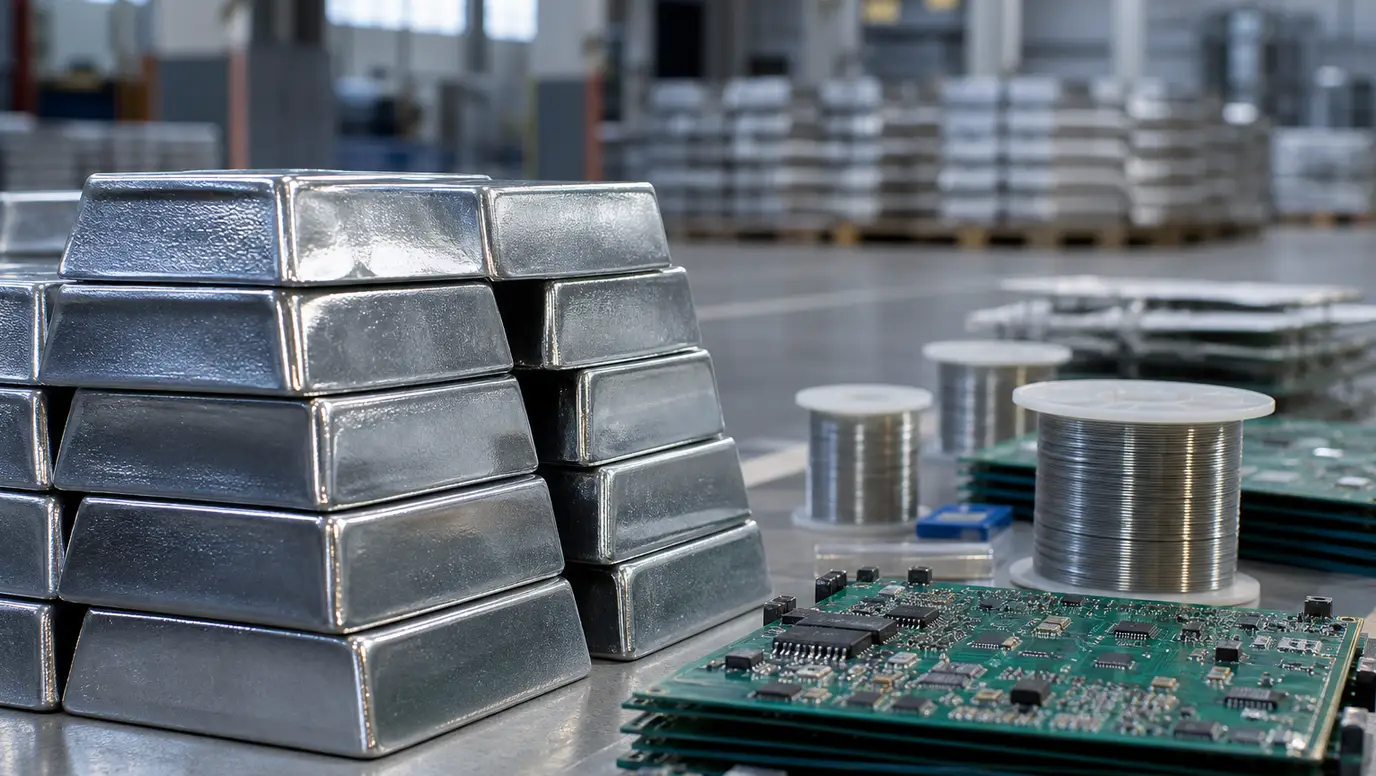
JULY 25, 2026
Tin Tightness Puts Metals and Commodities Traders on Solder Supply Watch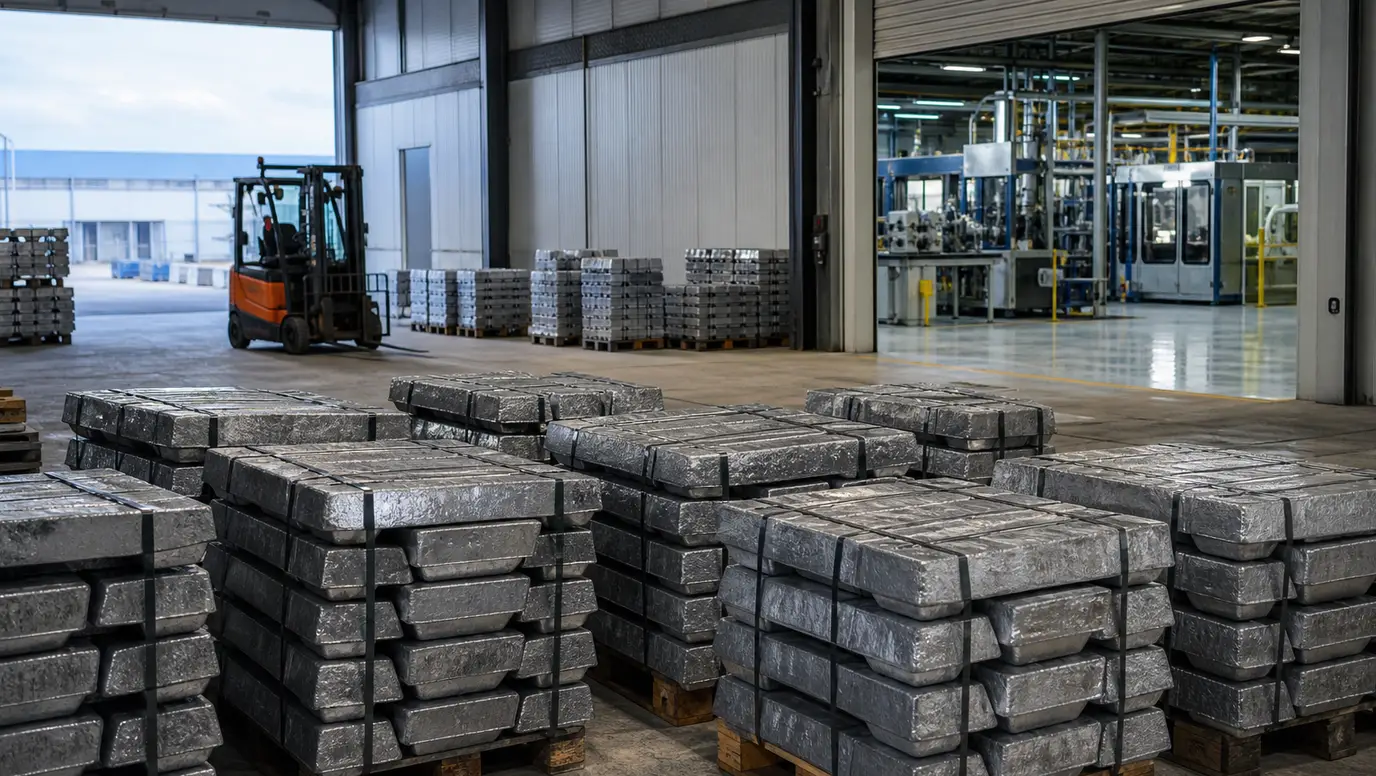
JULY 24, 2026
Lead Inventory Shock Puts Metals Traders on Battery Demand Watch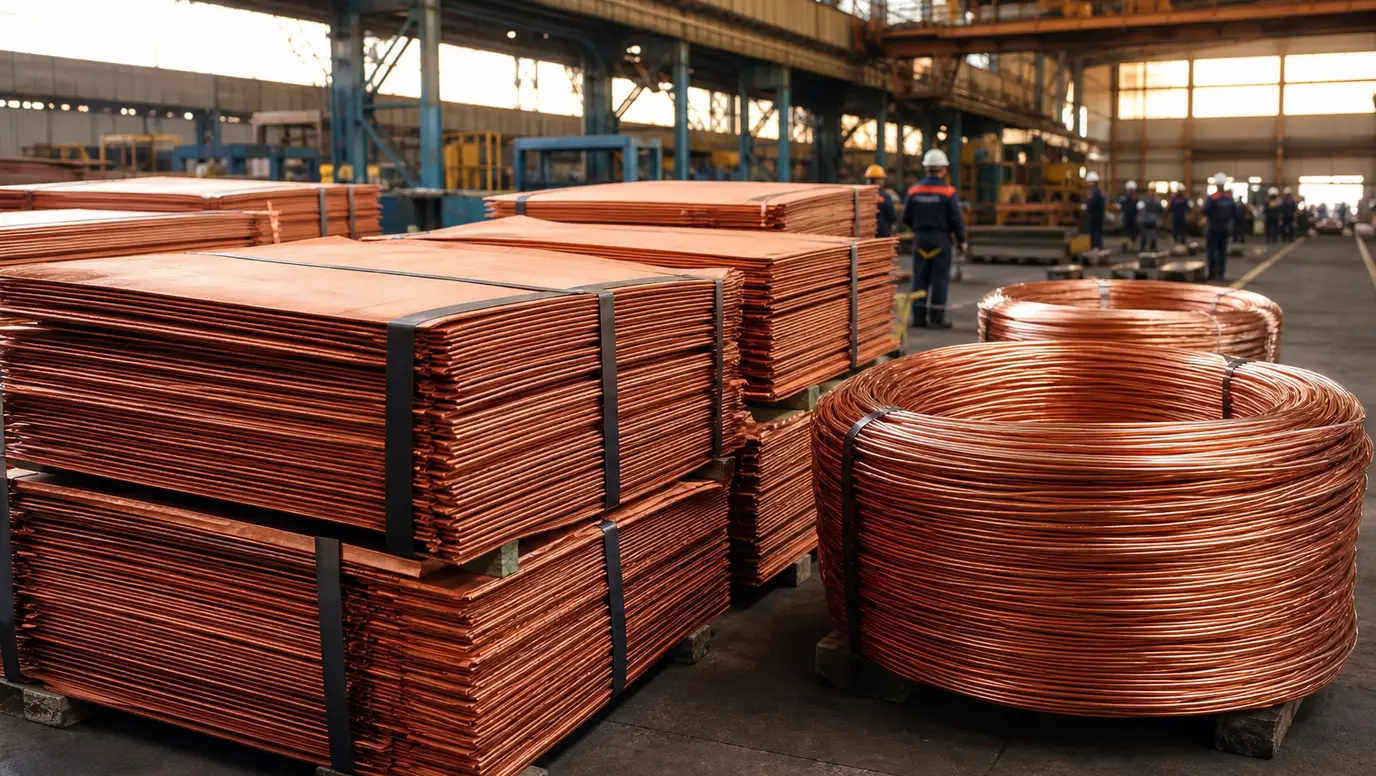
JULY 15, 2026
Copper Prices Lead Metals Market as China Demand Puts Supply Tightness Back in Focus
JULY 14, 2026
Gold and Silver Jump as Cool CPI Pulls Metals Market Back Toward Real-Yield Trade
JULY 13, 2026
Silver Slides as Yield Shock Overpowers Haven Demand in Metals Market
JULY 12, 2026
Gold Bulls Face Oil-Inflation Trap as Metals Market Watches $4,000 Support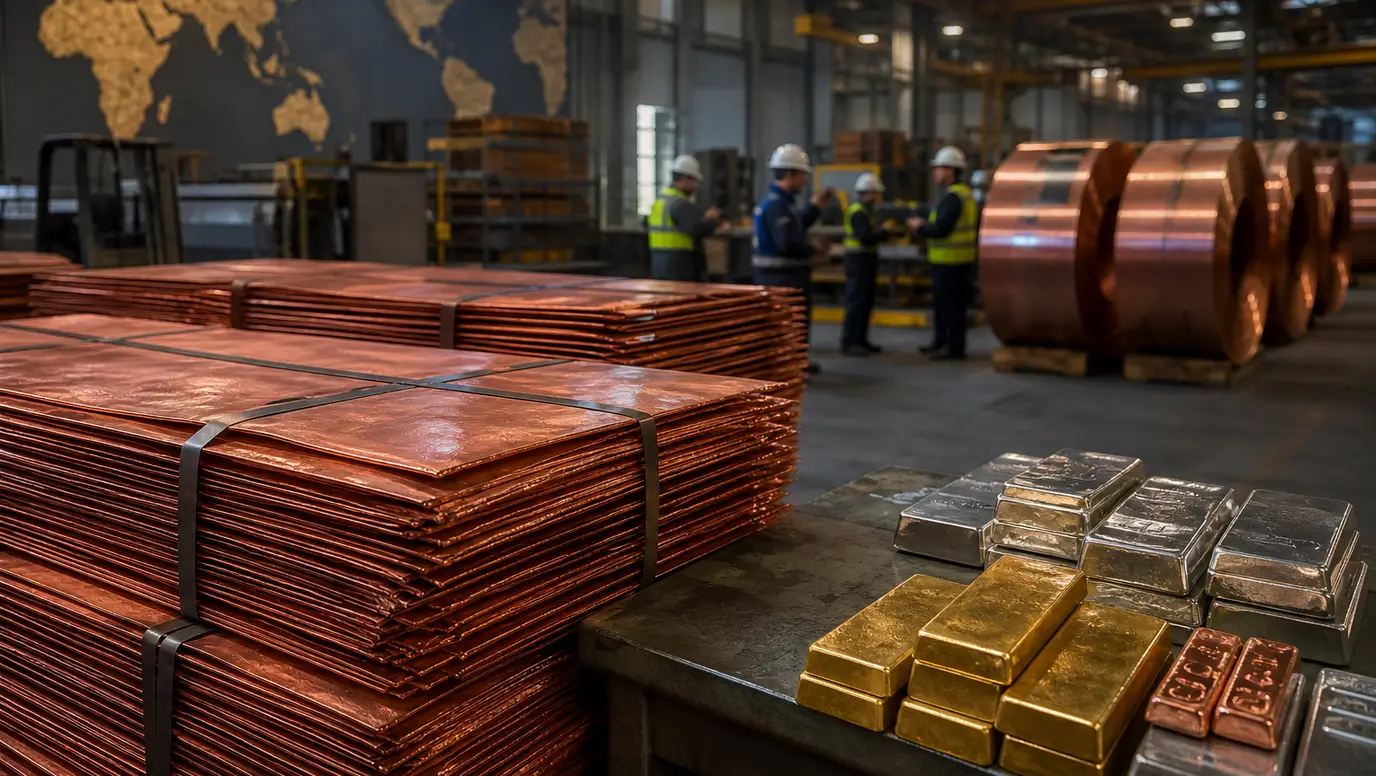
JULY 11, 2026
Copper Premium Takes Center Stage as Metals Market Weighs Tariff Risk and Fed Headwinds
JULY 9, 2026
Copper Retreats as Gulf Tension Turns Base Metals Toward Demand Risk
JULY 3, 2026
Aluminum and Copper Rebound as Softer Dollar Revives Base Metals Demand
JUNE 28, 2026
Copper Tariff Deadline Overtakes Gold Rebound as Metals Market Enters Quarter-End