
OCTOBER 9, 2026
Silver Rebound Tests Metals Market as Treasury Yields Cap XAG DemandSilver rebounds above $60, but high Treasury yields and weak industrial signals keep the metals market cautious.

© 1box.site 2026

SEPTEMBER 21, 2026
Silver futures started the week holding near the upper end of their recent range, keeping the metals market focused on whether momentum buying can survive a tougher interest-rate backdrop. After a volatile stretch around the Federal Reserve’s September decision, silver remained above the $66 area, while gold also steadied after recovering from pressure tied to elevated Treasury yields.
The move leaves silver at a pivotal point for commodity traders. A rally that began with precious-metals demand and inflation-hedge buying is now being tested by the same macro forces that often cap non-yielding assets: higher policy rates, a firm U.S. dollar and long-dated Treasury yields close to levels that have repeatedly unsettled risk appetite.
The Federal Reserve’s latest rate increase has changed the short-term trading map for precious metals. Higher rates generally raise the opportunity cost of holding silver and gold because neither pays income. That makes every shift in Treasury yields and the dollar more important for metals traders looking for confirmation that the rally can extend.
Still, silver’s resilience suggests investors are not treating the Fed decision as a clean sell signal. The market is balancing tighter monetary policy against persistent fiscal concerns, inflation uncertainty and demand for hard assets during periods of cross-asset stress. That mix has allowed precious metals to hold support even as bond yields remain historically demanding.
For silver specifically, the key question is whether price action can stay constructive if rate expectations remain hawkish. A sustained break higher would likely require either softer U.S. economic data, a pullback in real yields or renewed buying from investors seeking diversification away from equities and currencies. Without that support, the metal could remain vulnerable to sharp intraday reversals.
Silver differs from gold because it is not only a monetary metal. It is also widely used in electronics, solar panels, electrical components and other industrial applications. That gives the market an added demand channel at a time when energy transition spending and grid investment remain important themes across commodities.
This industrial link can amplify upside when macro sentiment is positive, but it can also add pressure when investors worry about slower manufacturing activity. Traders are therefore watching purchasing managers’ data, factory orders and China-linked demand signals alongside the usual precious-metals indicators. If industrial demand expectations improve while investment flows remain firm, silver could continue to outperform parts of the broader metals complex.
The latest setup is especially important because several base metals have already experienced sharp moves tied to supply disruptions, inventory shifts and policy expectations. Silver’s ability to attract both precious-metal and industrial-metal interest makes it one of the more sensitive contracts in the sector heading into the next round of U.S. inflation and labor-market releases.
Near-term attention is centered on the $65 to $67 area, where momentum traders are likely to decide whether silver is consolidating before another advance or forming a short-term top. Holding above $66 would keep the bullish narrative intact, especially if gold remains supported and the dollar fails to extend its advance.
A move below the mid-$65 area, however, could invite profit-taking after the recent rally. In that scenario, traders may look for signs of physical demand or renewed exchange-traded product inflows to confirm whether buyers are still willing to defend the market. The risk is that silver’s high-beta character can turn a routine pullback into a larger correction if macro conditions deteriorate quickly.
For now, the metals market is treating silver as a leading gauge of investor confidence in the broader precious-metals trade. The contract’s strength above $66 shows that buyers remain active, but the next leg will likely depend on whether the Federal Reserve’s tightening signal keeps yields elevated or whether softer data gives metals bulls room to rebuild momentum.
OCTOBER 9, 2026
Silver Rebound Tests Metals Market as Treasury Yields Cap XAG Demand
OCTOBER 2, 2026
Silver Holds Above $61 as Dollar and Treasury Yields Keep Metals Market on Payrolls Watch
SEPTEMBER 26, 2026
Silver Futures Rebound as Treasury Yield Pause Tests Metals Market Bears
SEPTEMBER 14, 2026
Silver Rebound Puts Metals Market on Federal Reserve Real-Yield Watch
AUGUST 30, 2026
Silver Breakout Failure Puts Metals Market on Federal Reserve Yield Watch
AUGUST 25, 2026
Silver Pullback Puts Metals Market on $70 Resistance Watch as Inflation Data Looms
AUGUST 18, 2026
Silver Pullback Keeps Metals Market Focus on Federal Reserve Minutes
AUGUST 9, 2026
Silver Rebound Puts Metals Market on Deficit Watch as Federal Reserve Risk Eases
AUGUST 1, 2026
Silver Slide Puts Metals Market on Fed Watch as US Dollar Reasserts Pressure
JULY 26, 2026
Gold and Silver Hold Firm as Metals Traders Brace for Federal Reserve Signal
JULY 20, 2026
Silver Leads Metals as Gold Stalls Near $4,000 on Oil-Driven Inflation Risk
JULY 19, 2026
Gold and Silver Enter Federal Reserve Week Under Pressure as US Dollar and Yields Bite
JULY 18, 2026
Copper Pullback Keeps Metals Market Defensive as Gold and Silver Watch Yields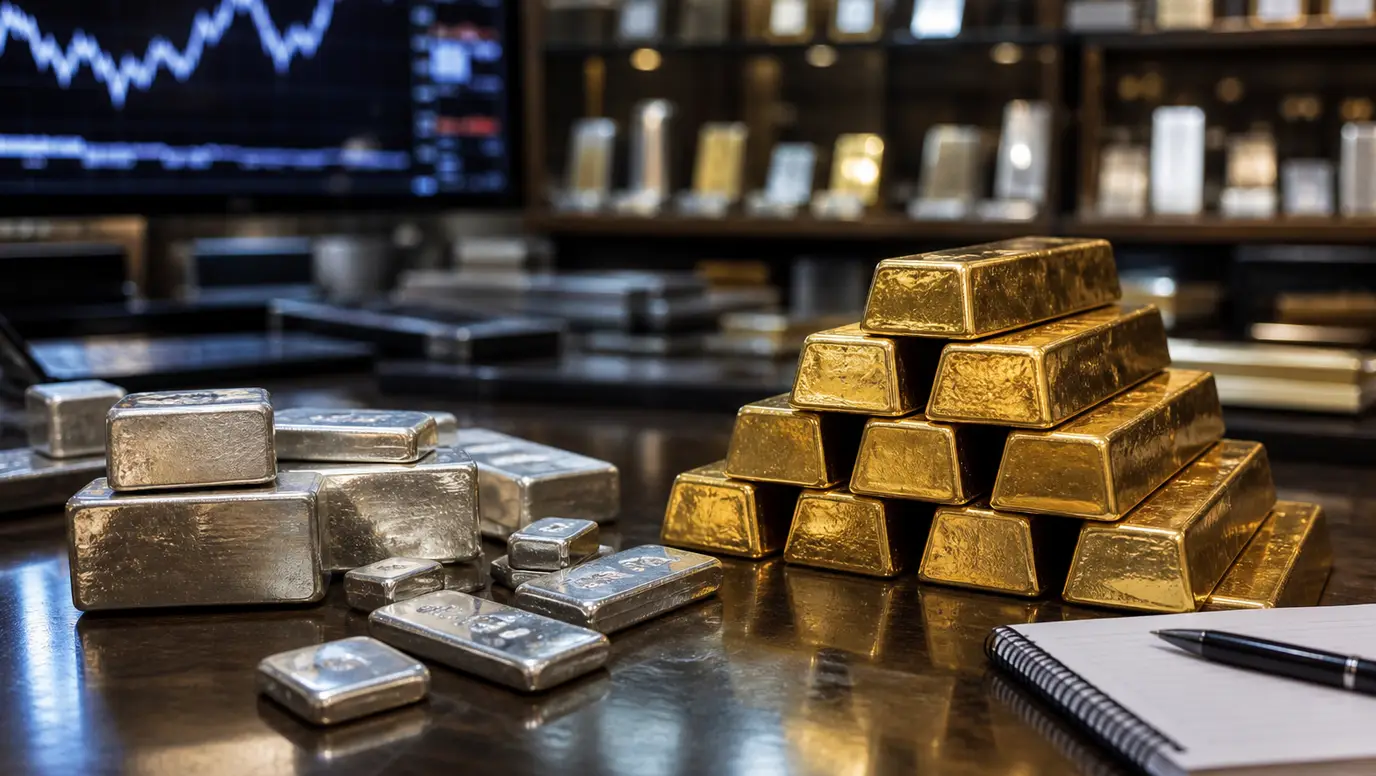
JULY 16, 2026
Gold Holds Above $4,000 as Silver Slide Puts Metals Market on Federal Reserve Watch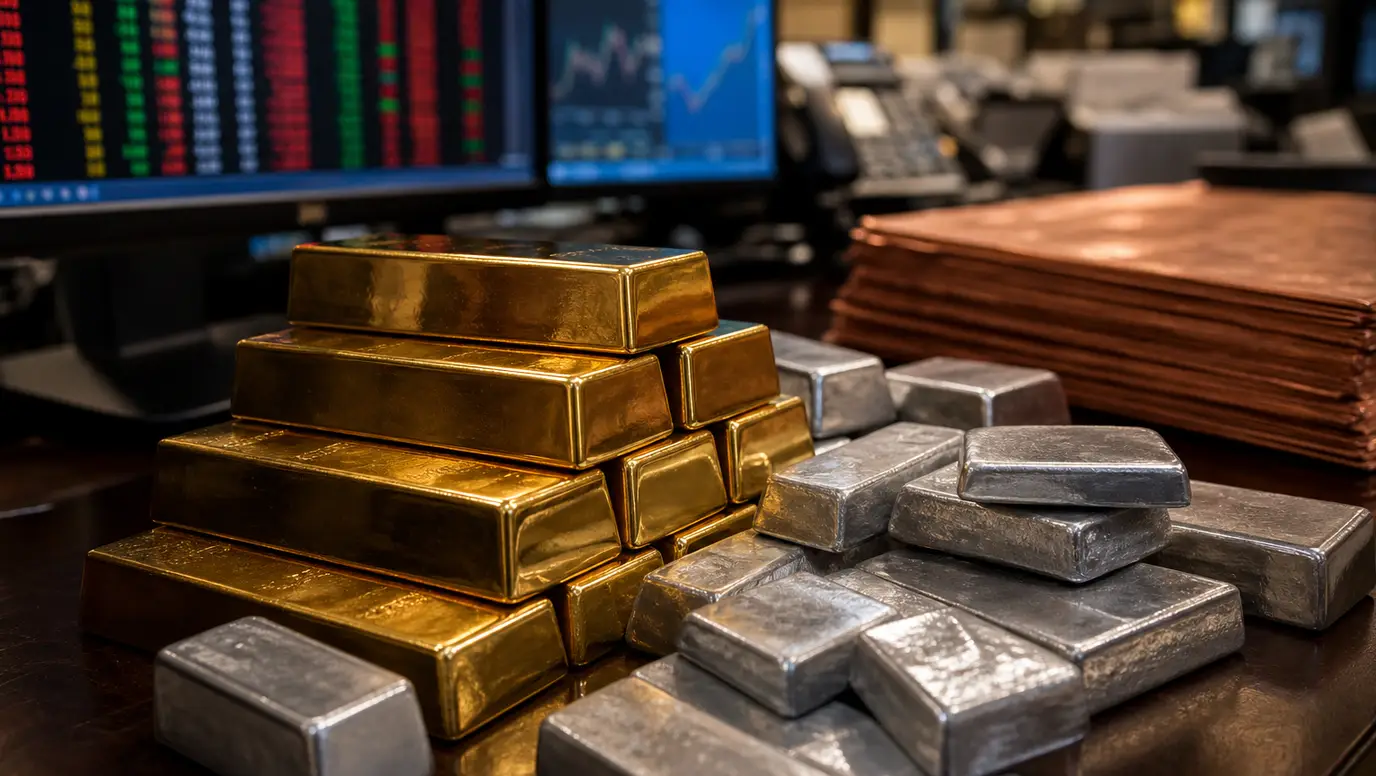
JULY 14, 2026
Gold and Silver Jump as Cool CPI Pulls Metals Market Back Toward Real-Yield Trade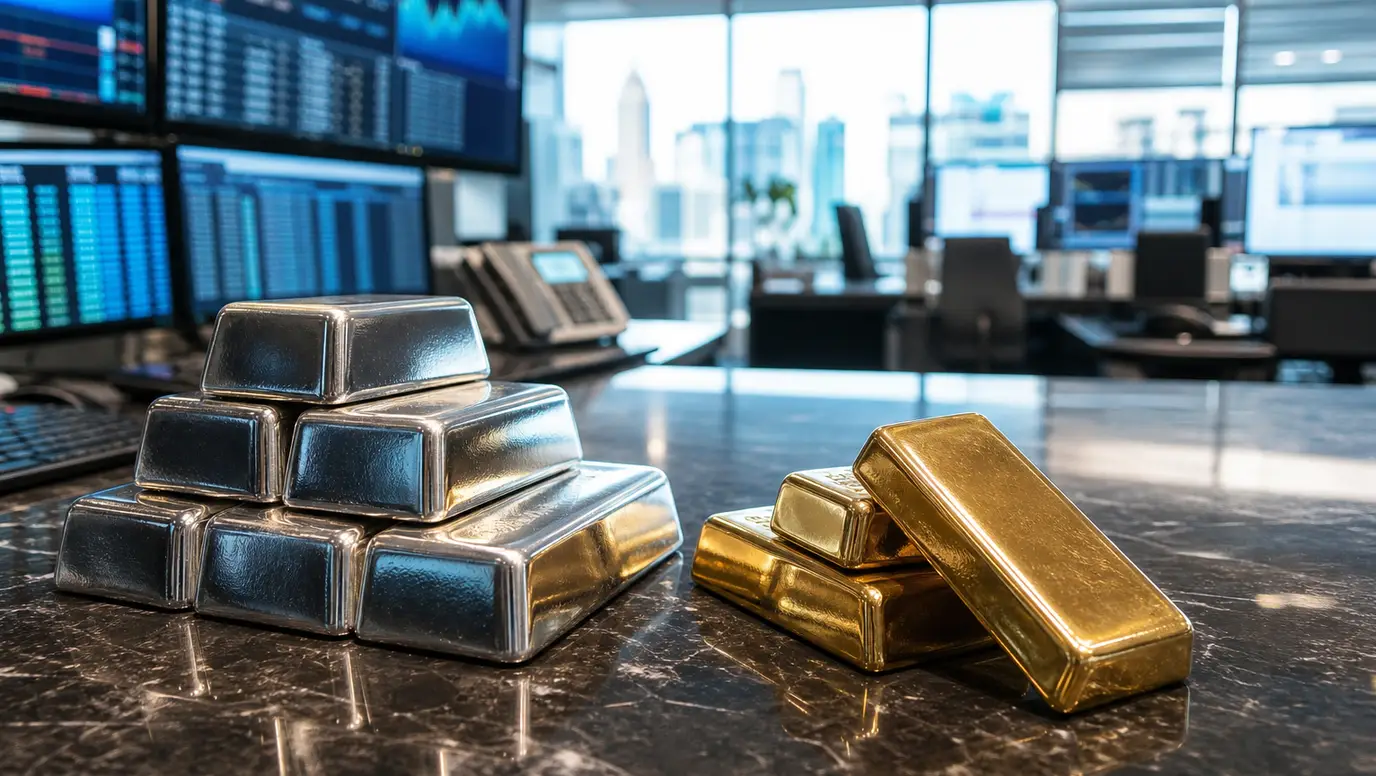
JULY 13, 2026
Silver Slides as Yield Shock Overpowers Haven Demand in Metals Market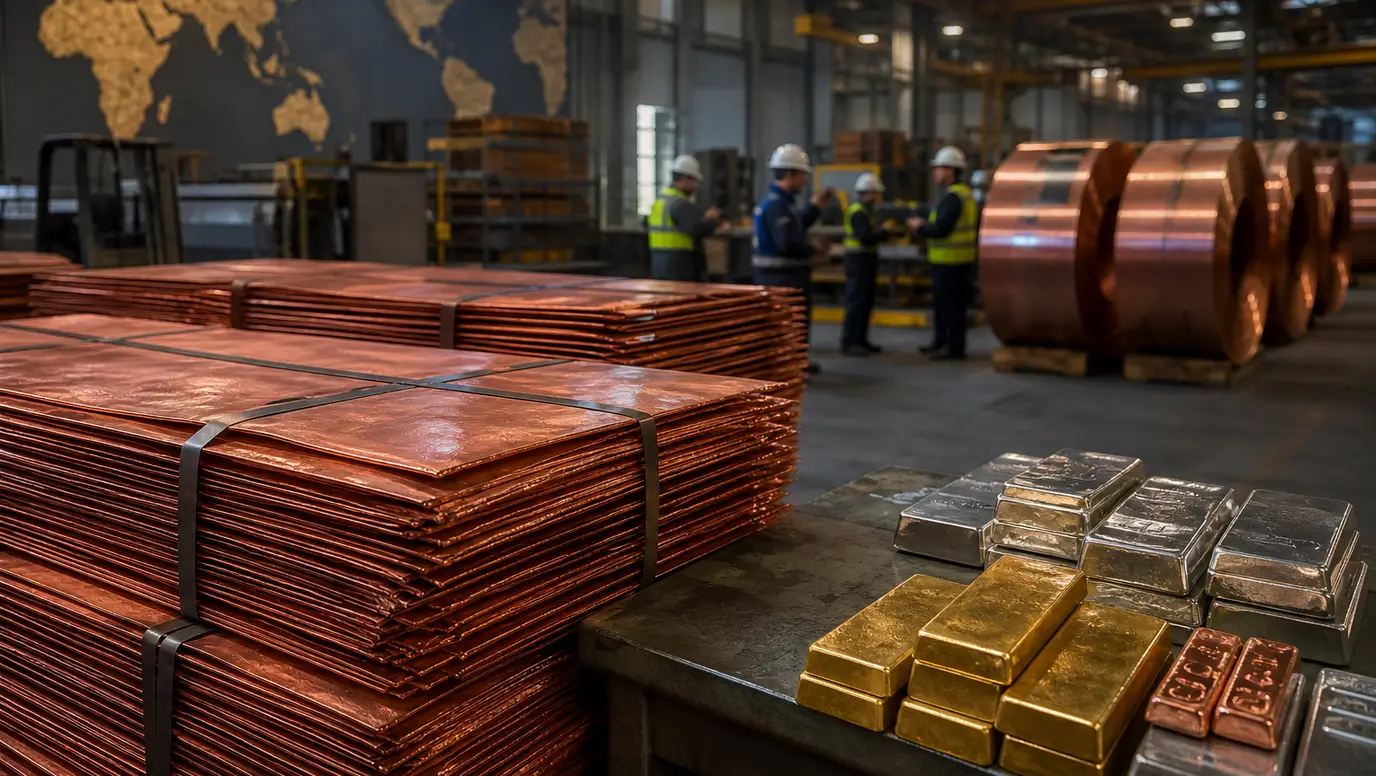
JULY 11, 2026
Copper Premium Takes Center Stage as Metals Market Weighs Tariff Risk and Fed Headwinds
JULY 10, 2026
Silver and Copper Rebound as Softer US Dollar Revives Metals Market Bid
JULY 7, 2026
Platinum and Palladium Buck Gold Slide as Asia Bullion Moves Reshape Metals Market
JULY 5, 2026
Copper Tariff Delay Keeps Metals Market on Edge as Gold Holds Jobs-Report Rebound
JULY 4, 2026
Silver and Zinc Lead Broad Metals Rally as Dollar Weakness Extends Holiday Bounce
JULY 2, 2026
Gold and Silver Regain Momentum as Softer Jobs Signals Pull Yields Lower
JUNE 30, 2026
Gold Nears Worst Quarter Since 2013 as Fed Bets Reprice Metals Market
JUNE 29, 2026
Silver Breaks Below $60 as Dollar Pressure Spills Into Copper