OCTOBER 23, 2026
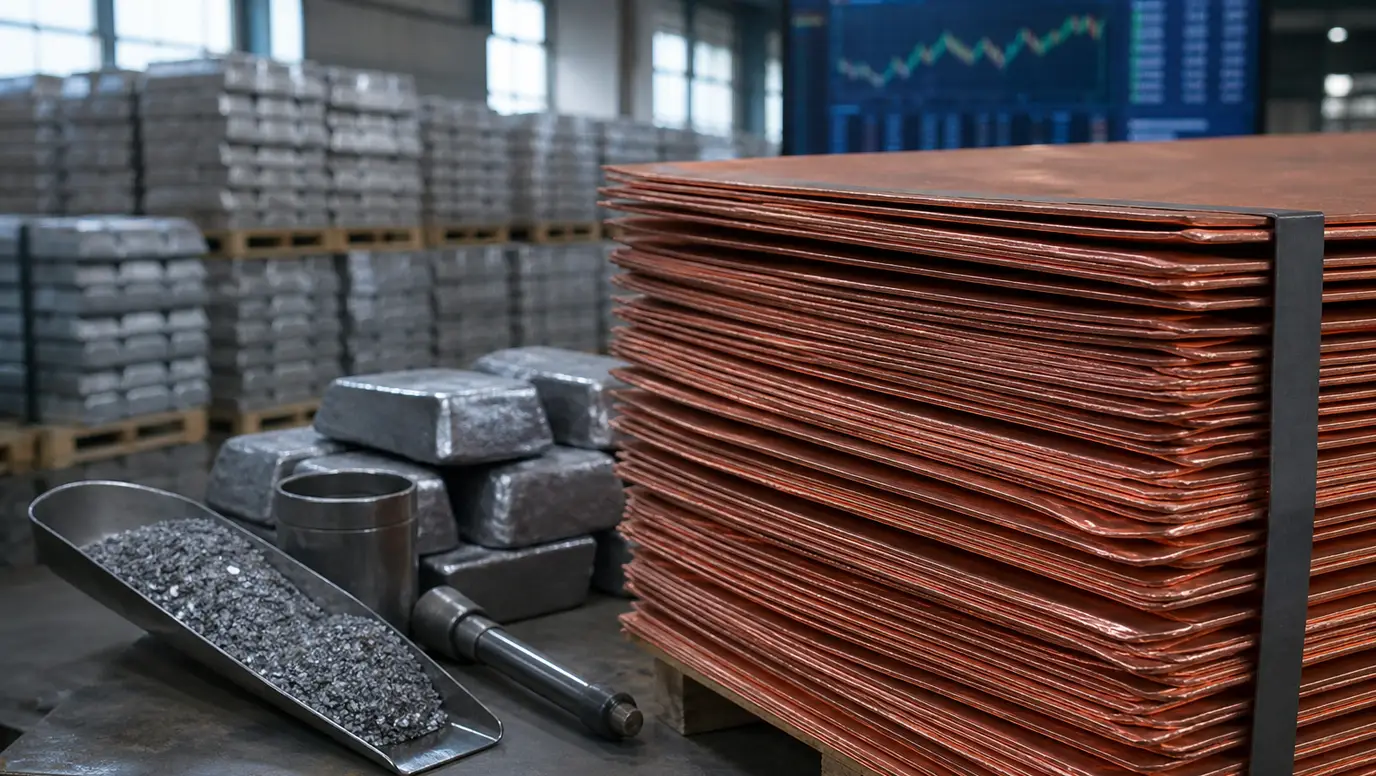
Copper Metals Market Rebounds as Nickel Slips on Indonesia Cut WatchCopper rebounds as risk appetite steadies, while nickel slips as traders await firmer signals on Indonesian output cuts.

© 1box.site 2026
JULY 11, 2026
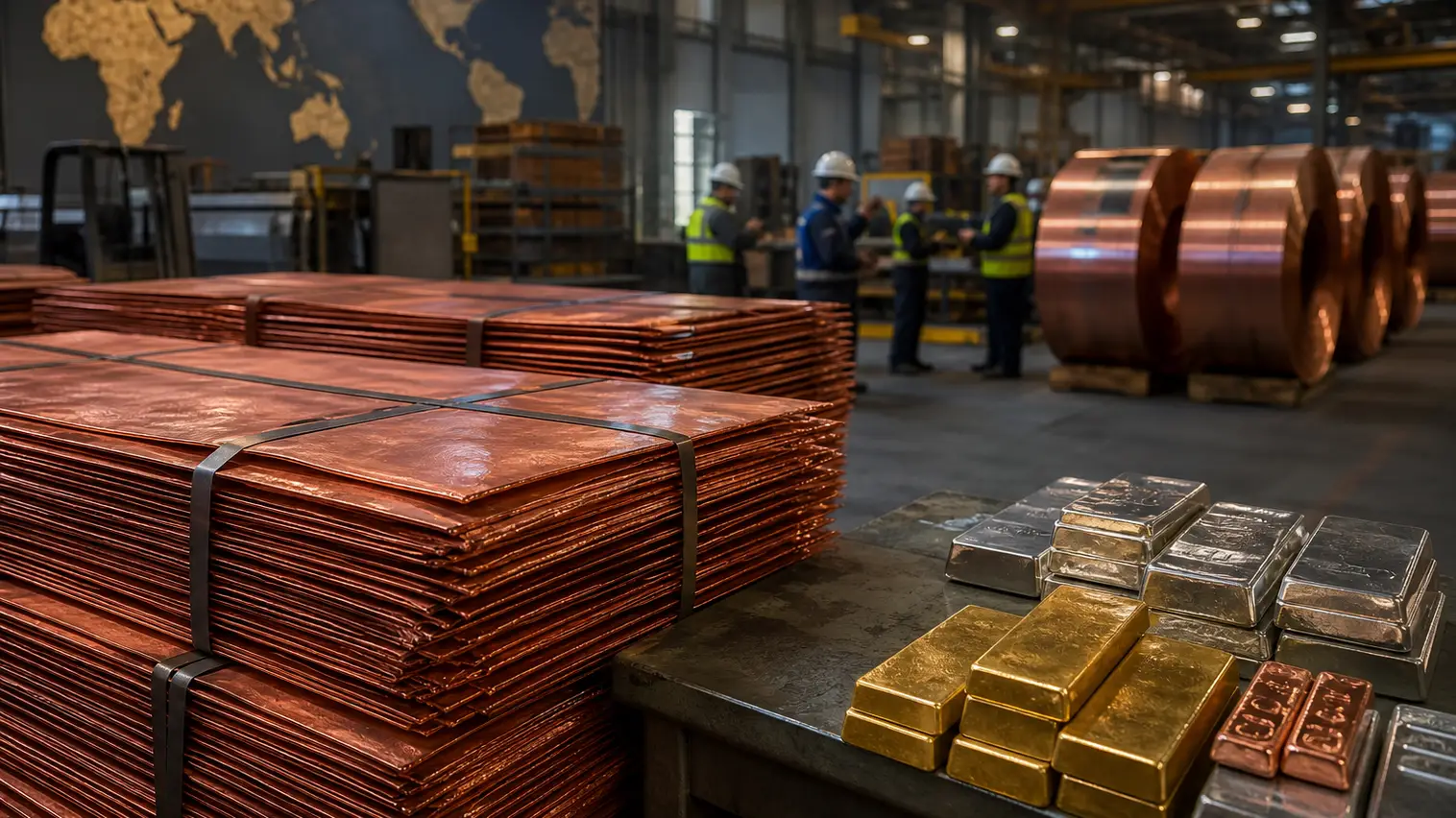
The metals market entered the weekend with copper drawing the strongest fresh attention, as traders focused less on a simple direction call and more on the widening policy premium embedded in US pricing. Early Saturday indications showed COMEX copper holding near $6.28 a pound, while gold hovered around $4,129 an ounce and silver traded near $60.30 an ounce. The split leaves copper as the clearest stress point in the complex, even as precious metals remain sensitive to the US dollar, Treasury yields and Federal Reserve expectations.
The latest move is not just about industrial demand. Copper is being pulled between physical tightness, inventory relocation and uncertainty over whether US import policy will extend more directly into refined metal. That possibility has kept the US market better supported than global benchmarks and has made the COMEX premium a key gauge for manufacturers, fabricators and speculative funds trying to price supply-chain risk before any policy clarity arrives.
For investors, the story is increasingly about market structure. A copper price that rises because end demand is improving sends one signal; a copper price that rises because metal is being diverted toward the United States ahead of potential tariffs sends another. The first implies a broad-cycle growth impulse. The second can create regional shortages, temporary dislocations and abrupt reversals if policy risk is resolved differently than traders expect.
Copper’s strength has been reinforced by the perception that US buyers may need to secure material before policy changes affect import costs. That has encouraged a continued focus on exchange inventories and regional spreads rather than on headline spot prices alone. The buildup of metal in US-registered warehouses over recent months has eased some near-term delivery concerns, but it has also highlighted how aggressively trade flows have shifted in response to tariff expectations.
The result is a market where the same metal can tell different stories depending on the venue. US futures continue to reflect a premium for domestic availability, while global prices remain more exposed to China’s mixed macro signals and to questions about whether high copper prices will eventually curb demand from manufacturers. This is why traders are watching not only whether copper holds above recent support, but whether the premium between US and international pricing narrows or widens into the next policy window.
Underlying demand remains a supportive counterweight. Electrification, grid upgrades, data-center power needs and electric-vehicle supply chains continue to strengthen copper’s medium-term investment case. At the same time, the old-economy side of demand remains uneven, particularly where property, construction and traditional manufacturing are not yet showing a synchronized recovery. That tension has made copper one of the most news-sensitive metals in the current commodity landscape.
Gold and silver are not leading the latest metals narrative, but they remain important because their reaction to macro data can either validate or challenge the copper move. Gold’s failure to build a more decisive advance above the $4,200 area earlier this week showed that safe-haven demand is still competing with a stubborn rate backdrop. When Treasury yields rise or the US dollar firms, non-yielding metals tend to lose part of their appeal, even when geopolitical risk remains present.
Silver has been more volatile. Its industrial profile gives it some connection to copper’s demand story, but its investment profile keeps it tied to gold and real-rate expectations. That dual identity has left silver vulnerable to sharper intraday swings whenever traders reassess the path of Fed policy. A move back above recent resistance would improve sentiment, but a failure to hold the $60 area would likely invite more cautious positioning from momentum accounts.
The Federal Reserve remains central to the precious-metals outlook. Markets are still balancing signs of slower labor momentum against inflation concerns and a policy stance that has not turned clearly dovish. Until that balance shifts, gold may continue to trade as a high-level consolidation rather than a clean breakout, while silver may remain more exposed to liquidation risk when yields move higher.
The immediate metals-market checklist is unusually crowded. Copper traders are watching tariff headlines, exchange warehouse flows, US physical premiums and China demand indicators. Gold and silver traders are watching the US dollar, Treasury yields and the next inflation readings. Any combination of softer inflation and a weaker dollar could revive precious-metals buying, but a renewed rise in yields would likely cap rallies.
For copper, the more important question is whether the current premium reflects a durable re-pricing of supply risk or a temporary distortion created by policy uncertainty. If tariff fears intensify, US copper could stay firm even if global benchmarks struggle. If the policy risk fades, the market may have to reprice inventories that were pulled forward into the United States, potentially narrowing regional spreads and reducing the urgency behind recent buying.
That leaves the broader metals complex in a cautious but active setup. Copper is carrying the strongest current news impulse because it sits at the intersection of trade policy, physical logistics and long-term electrification demand. Gold and silver remain supported by macro uncertainty, but their upside is still being filtered through the rate market. Until one of those forces breaks decisively, the metals market is likely to remain selective, with copper premiums offering the clearest real-time signal of where stress is building.
OCTOBER 23, 2026
Copper Metals Market Rebounds as Nickel Slips on Indonesia Cut Watch
OCTOBER 22, 2026
Gold Metals Market Rebounds as Softer Treasury Yields Put PCE Inflation Test in Focus
OCTOBER 21, 2026
Silver Metals Market Slips as US Dollar and Treasury Yields Revive Federal Reserve Risk
OCTOBER 18, 2026
Copper Metals Market Holds Near Record as Tight Stocks Offset Federal Reserve Shock
OCTOBER 16, 2026
Gold Metals Market Rebounds as US Dollar and Treasury Yields Ease Before Federal Reserve Decision
OCTOBER 15, 2026
Silver Metals Market Tests 2026 Low as Federal Reserve Rate Bets Lift US Dollar
OCTOBER 12, 2026
Copper Metals Market Rises as China Premium and Tight LME Stocks Challenge US Dollar
OCTOBER 11, 2026
Gold Metals Market Braces for Federal Reserve Test as US Dollar and Treasury Yields Bite
OCTOBER 9, 2026
Silver Rebound Tests Metals Market as Treasury Yields Cap XAG Demand
OCTOBER 6, 2026
Copper Futures Rally Puts Metals Market Focus on Smelter Squeeze
OCTOBER 4, 2026
Gold Metals Rebound Stalls as Treasury Yields Blunt Fed Pause Bets
OCTOBER 2, 2026
Silver Holds Above $61 as Dollar and Treasury Yields Keep Metals Market on Payrolls Watch
SEPTEMBER 30, 2026
Copper Futures Steady as Metals Market Weighs Dollar, Oil and Federal Reserve Risk
SEPTEMBER 27, 2026
Gold Futures Slip as Sticky Inflation and Fed Rate Bets Cap Metals Market Rebound
SEPTEMBER 26, 2026
Silver Futures Rebound as Treasury Yield Pause Tests Metals Market Bears
SEPTEMBER 25, 2026
Copper Futures Climb as China Tightness Puts Metals Market on Supply Watch
SEPTEMBER 22, 2026
Gold Holds Near $4,350 as Federal Reserve Rate Bets Cap Metals Market Rebound
SEPTEMBER 21, 2026
Silver Futures Hold Above $66 as Federal Reserve Hike Tests Metals Market Rally
SEPTEMBER 19, 2026
Copper Futures Rally Puts Metals Market on Federal Reserve and PMI Watch
SEPTEMBER 15, 2026
Gold Holds Near $4,300 as Federal Reserve Hike Bets Pressure Metals Market
SEPTEMBER 14, 2026
Silver Rebound Puts Metals Market on Federal Reserve Real-Yield Watch
SEPTEMBER 13, 2026
Copper Futures Pullback Puts Metals Market on Tariff Doubt Watch
SEPTEMBER 10, 2026
Gold Edges Higher as Soft Dollar Puts Metals Market on Federal Reserve Watch
SEPTEMBER 8, 2026
Copper Hits Record High as Tariff Risk Tightens Metals Market Supply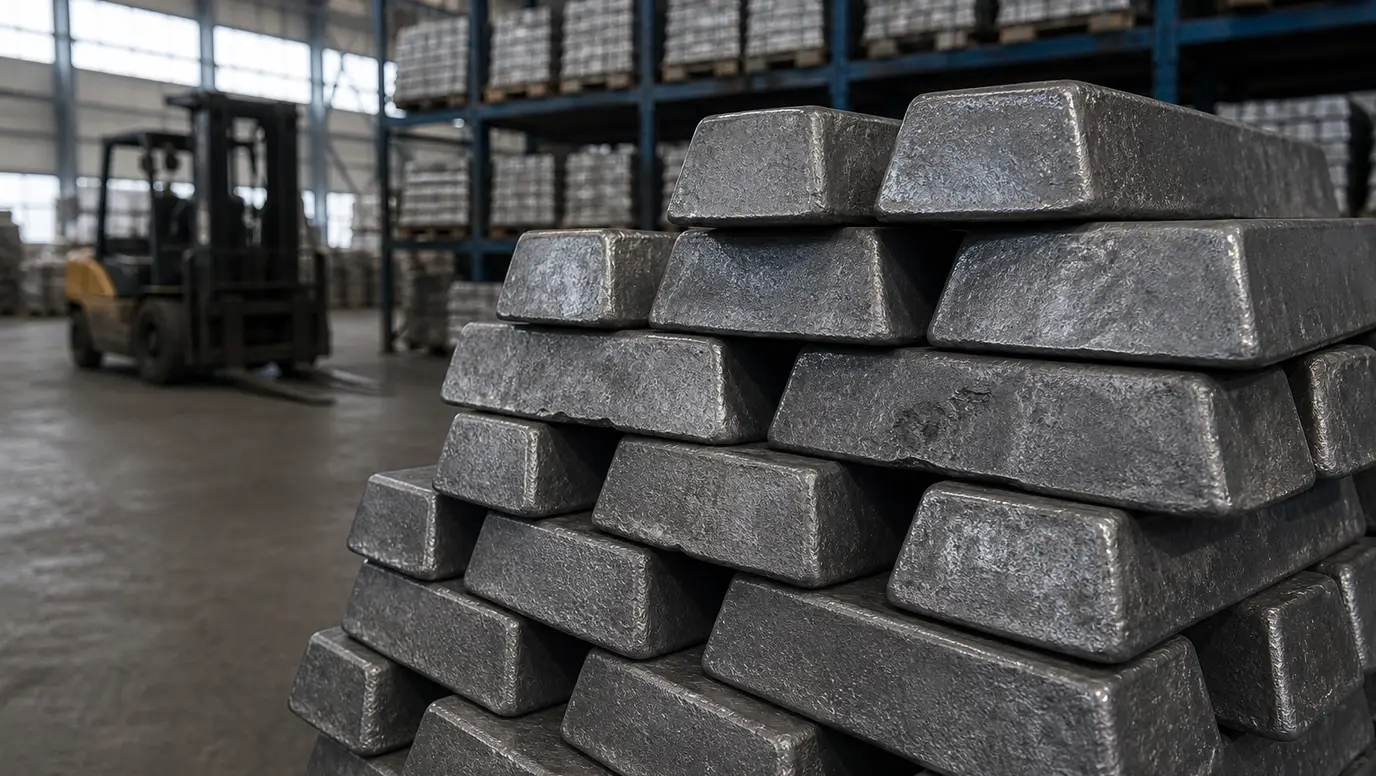
SEPTEMBER 5, 2026
Lead Lags Metals Market as Inventory Draws Fail to Shift Demand Doubts
SEPTEMBER 4, 2026
Gold Slides as Strong US Jobs Report Reprices Metals Market for Federal Reserve Risk
SEPTEMBER 2, 2026
Copper Pullback Hits Metals Market as Strong Dollar Revives Federal Reserve Rate Risk
AUGUST 30, 2026
Silver Breakout Failure Puts Metals Market on Federal Reserve Yield Watch
AUGUST 29, 2026
Gold Retreat Puts Metals Market on Federal Reserve Rate-Hike Watch
AUGUST 27, 2026
Copper Backwardation Puts Metals Market on Supply Stress Alert as Fed Risk Caps Rally