
OCTOBER 4, 2026
Canadian Dollar Forex Slips as U.S. Rate Gap and Flat GDP Keep USD/CAD Near HighsCanadian dollar pressure builds as flat GDP, a wide U.S. rate premium and Bank of Canada caution keep USD/CAD near recent highs.

© 1box.site 2026
JULY 2, 2026
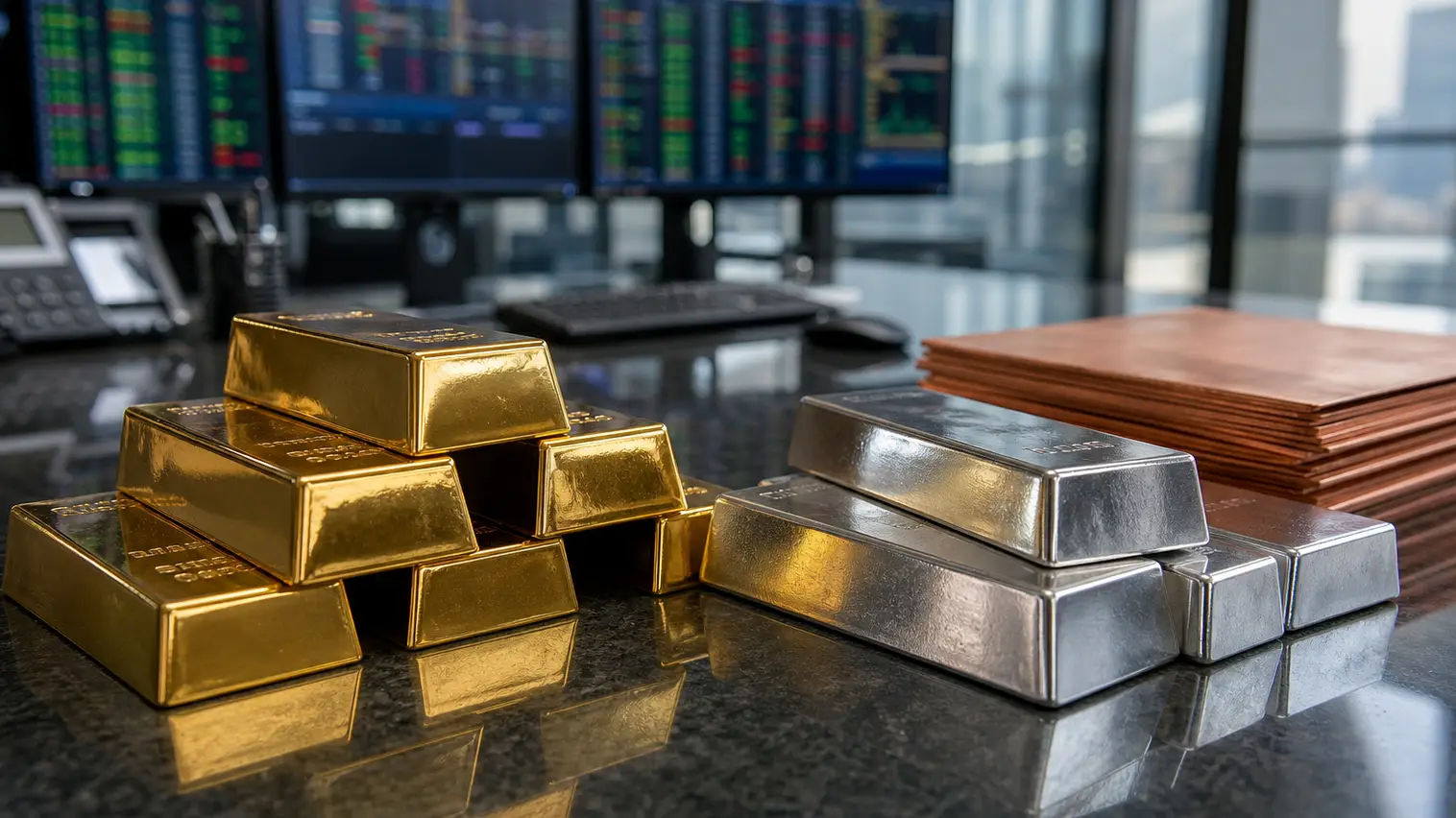
Gold and silver moved back to the center of the metals market on Thursday as traders responded to softer U.S. labor signals, a less forceful dollar tone and a pullback in Treasury yields. The shift helped precious metals recover from the defensive posture that dominated the end of June, when higher real-rate expectations weighed on non-yielding assets.
Spot gold held near the low $4,000s per ounce area during the session, while silver again tested the psychologically important $60 level. The move did not erase the volatility of recent weeks, but it showed that buyers are still willing to rebuild exposure when macro data weakens the case for tighter Federal Reserve policy.
The reaction was most visible in precious metals because the market is highly sensitive to changes in rate expectations. When yields fall, the opportunity cost of holding bullion declines. That dynamic also tends to soften the U.S. dollar, making dollar-priced metals more attractive to overseas buyers.
The latest price action suggests investors are treating gold less as a one-way safe-haven trade and more as a macro hedge tied to labor data, inflation expectations and the Fed’s next policy signal. A softer employment backdrop can support bullion if it reduces fears of additional tightening or brings rate-cut expectations forward.
Silver’s rebound carried an additional layer of interest because the metal has both monetary and industrial characteristics. Its higher volatility means it often moves faster than gold when traders rotate back into precious metals. Renewed interest around solar, electronics and electrification demand continues to provide a medium-term support story, even when short-term flows are dominated by the dollar and bond yields.
Still, the market remains cautious. Gold’s recent pullback left technical resistance above current levels, while silver’s repeated swings around $60 show that speculative positioning can shift quickly. A stronger-than-expected inflation print or a renewed rise in yields would likely test the rebound.
Base metals were more restrained than gold and silver, with copper trading more like a cyclical growth asset than a pure rate-sensitive hedge. The metal remains supported by long-term demand linked to power grids, data centers and energy infrastructure, but near-term buyers are still weighing global manufacturing momentum and policy uncertainty.
Copper’s relative calm also highlights a broader split inside the metals complex. Precious metals are reacting first to yields and central-bank expectations, while industrial metals need stronger evidence of demand recovery before extending gains. Aluminum, zinc and nickel remain vulnerable to shifts in Chinese demand expectations, inventory signals and trade-policy headlines.
For metals investors, the next test is whether the decline in yields can persist after the latest U.S. employment data is fully digested. If the bond market continues to price a less restrictive Fed path, gold and silver could hold their renewed bid. If yields rebound into the holiday-thinned trading environment, the metals market may quickly return to the choppy conditions that defined the end of the second quarter.
OCTOBER 4, 2026
Canadian Dollar Forex Slips as U.S. Rate Gap and Flat GDP Keep USD/CAD Near Highs
OCTOBER 2, 2026
Silver Holds Above $61 as Dollar and Treasury Yields Keep Metals Market on Payrolls Watch
SEPTEMBER 30, 2026
Swiss Franc Forex Rebound Tests US Dollar Rally as Federal Reserve Inflation Gauge Cools
SEPTEMBER 22, 2026
Japanese Yen Slides as Dollar Strength and Bank of Japan Doubts Put Forex Market on Intervention Watch
SEPTEMBER 15, 2026
Euro Slides as US Dollar Rally Puts Forex Market on Federal Reserve Watch
SEPTEMBER 11, 2026
Japanese Yen Firms in Forex Market as Bank of Japan Bets Challenge US Dollar Rally
SEPTEMBER 6, 2026
Euro Firms in Forex Market as European Central Bank Decision Sets Up Dollar Test
SEPTEMBER 1, 2026
Swiss Franc Weakens as Forex Market Backs Dollar on Federal Reserve Rate Risk
AUGUST 27, 2026
US Dollar Rebound Tests Forex Market as Hot PCE Revives Fed Rate Risk
AUGUST 21, 2026
Dollar Slide Puts Forex Market on Treasury Yields Watch as Fiscal Fears Spread
AUGUST 20, 2026
Euro Forex Rally Holds as US Dollar Weighs Hawkish Federal Reserve Minutes
AUGUST 19, 2026
Swiss Franc Takes Forex Funding Spotlight as Dollar Rate Gap Stays Wide
AUGUST 18, 2026
Stablecoin Liquidity Squeeze Puts Cryptocurrency Market on US Dollar Rail Watch
AUGUST 13, 2026
US Dollar Drifts as Soft PPI Pulls Treasury Yields Into Federal Reserve Forex Focus
AUGUST 12, 2026
British Pound Rises as Softer US CPI Hits US Dollar and Resets Bank of England Watch
AUGUST 11, 2026
Forex Market: Japanese Yen Weakens as US Dollar Rebound Tests Intervention Risk Before CPI
AUGUST 9, 2026
Swiss Franc Holds Near US Dollar Pivot as SNB Intervention Warning Shapes Forex Market
AUGUST 8, 2026
Forex Market: New Zealand Dollar Stalls Against US Dollar as Reserve Bank Path Turns Data-Heavy
AUGUST 7, 2026
Forex Market: Euro Rallies as US Dollar Slides After Payrolls Shock Tests Federal Reserve
AUGUST 6, 2026
Forex Market: Canadian Dollar Firms Before Jobs Data as US Dollar Momentum Fades
AUGUST 6, 2026
Zinc Inventory Draw Keeps Metals Market Focused on China Supply and US Dollar Risk
AUGUST 5, 2026
Japanese Yen Intervention Keeps Forex Market Focused on US Dollar Risk
AUGUST 3, 2026
Copper Rebound Puts Metals Market on US Dollar Watch as Supply Tightness Offsets Demand Caution
AUGUST 3, 2026
Australian Dollar Firms as Reserve Bank of Australia Outlook Tests US Dollar
AUGUST 2, 2026
New Zealand Dollar Faces RBNZ Test as US Dollar Jobs Risk Looms
AUGUST 1, 2026
Euro Rebound Tests US Dollar as Forex Traders Weigh ECB and Federal Reserve Divide
AUGUST 1, 2026
Silver Slide Puts Metals Market on Fed Watch as US Dollar Reasserts Pressure
JULY 31, 2026
Zinc Rally Puts Metals Traders on Alert as LME Stocks Slide After US Dollar Pullback
JULY 30, 2026
Swiss Franc Softens in Forex Market as Federal Reserve Dissent Lifts US Dollar
JULY 28, 2026
British Pound Slips Below $1.33 as US Dollar Firms Before Federal Reserve and Bank of England Calls