
OCTOBER 24, 2026
Zinc Metals Market Leads Base-Metal Rebound as Dollar Risk Meets Inventory BuildZinc leads the metals market rebound as traders weigh stronger base-metal demand signals against rising inventories and dollar risk.

© 1box.site 2026

JULY 12, 2026
Gold is entering the new trading week with a more complicated safe-haven story than usual: geopolitical risk is still present, but the market is increasingly treating higher energy prices as a threat to bullion rather than a simple reason to buy it.
Spot gold ended last week under pressure after sliding toward the low $4,100 area, leaving prices down for the week and keeping attention fixed on the psychologically important $4,000 level. The move was notable because it came despite renewed tension in the Gulf, a backdrop that would normally support defensive demand for precious metals.
The difference is the inflation channel. If higher oil prices feed into consumer prices and keep central banks cautious, gold’s lack of yield becomes a larger handicap. That has made the metals market more sensitive to Treasury yields, the US dollar and incoming inflation data than to the headline geopolitical risk alone.
The current setup shows why gold can struggle even when risk headlines are supportive. Investors are not only asking whether geopolitical stress will increase demand for bullion; they are also asking whether that same stress will lift fuel costs, slow the disinflation trend and force the Federal Reserve to keep policy restrictive for longer.
That rates question matters because gold does not pay interest. When real yields rise or when traders price in a more hawkish Fed path, the opportunity cost of holding bullion increases. A firm US dollar can add a second headwind by making dollar-denominated metals more expensive for non-US buyers.
Gold’s recent retreat also follows a broader loss of momentum from earlier 2026 highs. The metal has already shown that buyers remain active on sharp declines, but the market has not yet rebuilt the kind of upside conviction that defined the first-quarter surge. For now, rallies are being tested against rate expectations almost immediately.
The $4,000 zone is not just a round number. It has become a practical dividing line for short-term sentiment after gold briefly moved below that area in late June before recovering. A sustained hold above it would suggest that strategic demand, central-bank reserve interest and portfolio hedging remain strong enough to absorb rate-driven selling.
A clean break below $4,000, however, would risk turning the metals market more defensive. In that scenario, momentum accounts could reduce exposure, and traders may shift focus toward lower support levels rather than renewed record-high attempts.
Silver and platinum may take cues from gold, but their reactions could be uneven because industrial demand also shapes those markets. If the macro concern becomes slower growth rather than only sticky inflation, industrially linked precious metals may struggle to outperform even if bullion finds support.
The next catalyst is the incoming US inflation picture. A cooler reading would help gold by easing fears that oil-driven price pressure is spreading more broadly through the economy. It could also weaken the dollar and lower yields, giving bullion room to recover from last week’s losses.
A hotter reading would do the opposite. It would strengthen the argument that policymakers have limited room to soften their stance, particularly if energy prices remain elevated. Under that outcome, gold may retain a geopolitical floor but still face difficulty sustaining rallies.
For metals traders, the key question is whether gold can reclaim its traditional role as the clean hedge against uncertainty, or whether the market continues to view geopolitical stress through an inflation-and-rates lens. Until that balance shifts, the $4,000 support area is likely to remain the line that separates consolidation from a deeper correction.
OCTOBER 24, 2026
Zinc Metals Market Leads Base-Metal Rebound as Dollar Risk Meets Inventory Build
OCTOBER 22, 2026
Gold Metals Market Rebounds as Softer Treasury Yields Put PCE Inflation Test in Focus
OCTOBER 21, 2026
Silver Metals Market Slips as US Dollar and Treasury Yields Revive Federal Reserve Risk
OCTOBER 20, 2026
Tin Metals Market Holds Above $50,000 as Inventory Draws Offset Dollar Risk
OCTOBER 16, 2026
Gold Metals Market Rebounds as US Dollar and Treasury Yields Ease Before Federal Reserve Decision
OCTOBER 15, 2026
Silver Metals Market Tests 2026 Low as Federal Reserve Rate Bets Lift US Dollar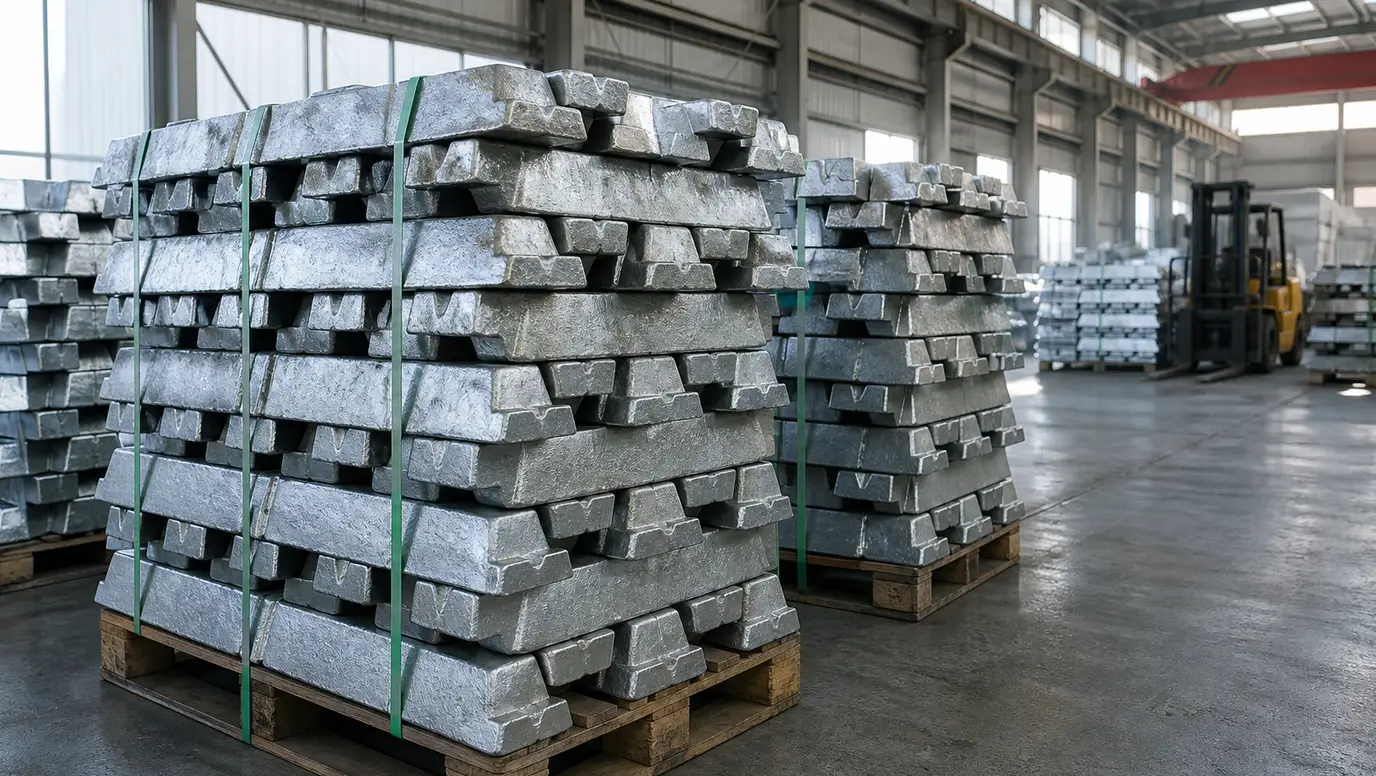
OCTOBER 13, 2026
Zinc Metals Market Falls as LME Stock Jump and US Dollar Pressure Base Metals
OCTOBER 12, 2026
Copper Metals Market Rises as China Premium and Tight LME Stocks Challenge US Dollar
OCTOBER 11, 2026
Gold Metals Market Braces for Federal Reserve Test as US Dollar and Treasury Yields Bite
OCTOBER 10, 2026
Palladium Metals Market Slips as Auto Demand and US Dollar Pressure Deepen Surplus Worries
OCTOBER 8, 2026
Zinc Metals Tightness Faces US Dollar and Treasury Yield Test
OCTOBER 7, 2026
Aluminum Rebound Tests Metals Market as Dollar Strength and China Lull Cap Buyers
OCTOBER 4, 2026
Gold Metals Rebound Stalls as Treasury Yields Blunt Fed Pause Bets
OCTOBER 2, 2026
Silver Holds Above $61 as Dollar and Treasury Yields Keep Metals Market on Payrolls Watch
SEPTEMBER 27, 2026
Gold Futures Slip as Sticky Inflation and Fed Rate Bets Cap Metals Market Rebound
SEPTEMBER 22, 2026
Gold Holds Near $4,350 as Federal Reserve Rate Bets Cap Metals Market Rebound
SEPTEMBER 15, 2026
Gold Holds Near $4,300 as Federal Reserve Hike Bets Pressure Metals Market
SEPTEMBER 10, 2026
Gold Edges Higher as Soft Dollar Puts Metals Market on Federal Reserve Watch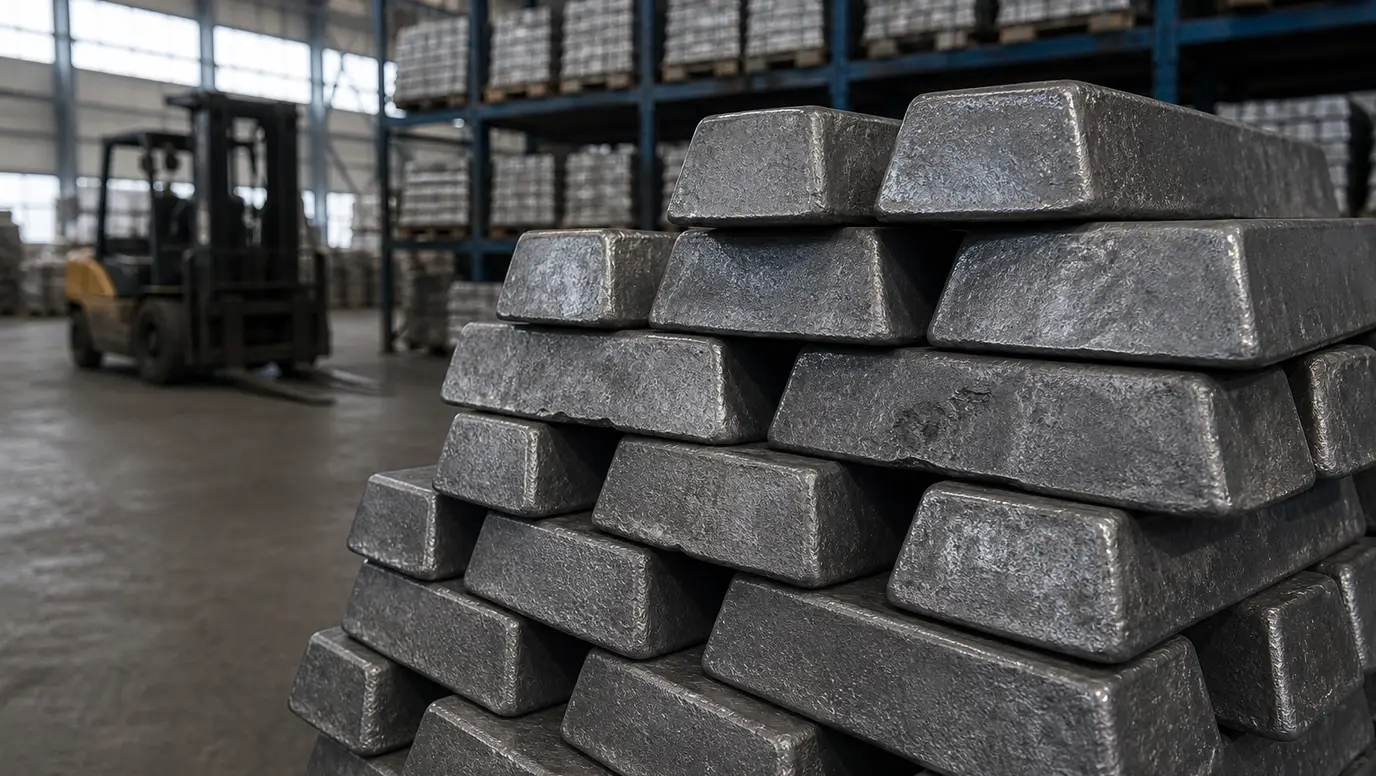
SEPTEMBER 5, 2026
Lead Lags Metals Market as Inventory Draws Fail to Shift Demand Doubts
SEPTEMBER 4, 2026
Gold Slides as Strong US Jobs Report Reprices Metals Market for Federal Reserve Risk
AUGUST 29, 2026
Gold Retreat Puts Metals Market on Federal Reserve Rate-Hike Watch
AUGUST 22, 2026
Gold Breakout Puts Metals Market on Treasury Yields and Federal Reserve Watch
AUGUST 16, 2026
Gold Rebound Puts Metals Market on Treasury Yields Watch
AUGUST 15, 2026
Aluminum Keeps Metals Market on Inventory Watch as China Demand Offsets Tariff Risk
AUGUST 10, 2026
Gold Holds $4,000 Line as Federal Reserve CPI Test Nears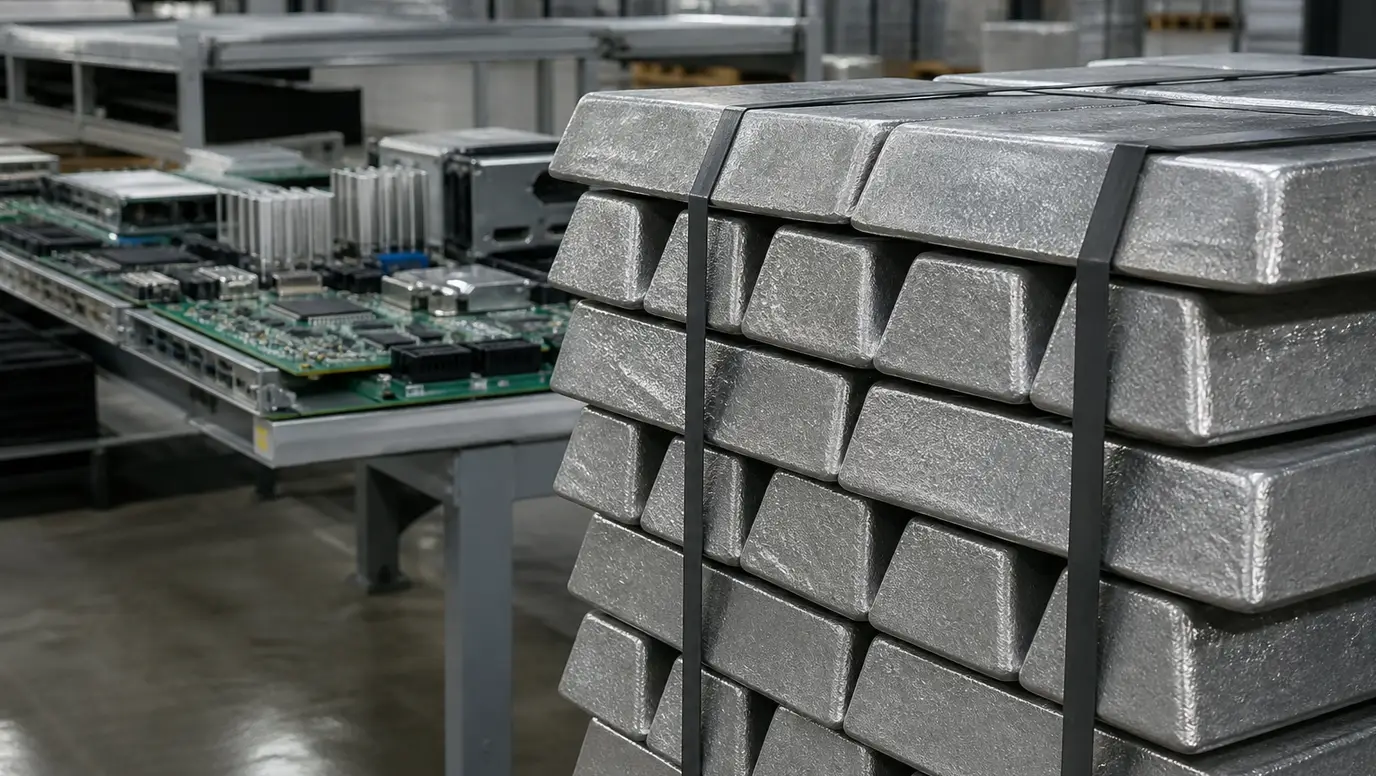
AUGUST 7, 2026
Tin Keeps Metals Market on Supply Watch as AI Demand Supports Commodities
AUGUST 6, 2026
Zinc Inventory Draw Keeps Metals Market Focused on China Supply and US Dollar Risk
AUGUST 4, 2026
Aluminum Premium Squeeze Keeps Metals and Commodities Traders Focused on U.S. Tariffs
AUGUST 3, 2026
Copper Rebound Puts Metals Market on US Dollar Watch as Supply Tightness Offsets Demand Caution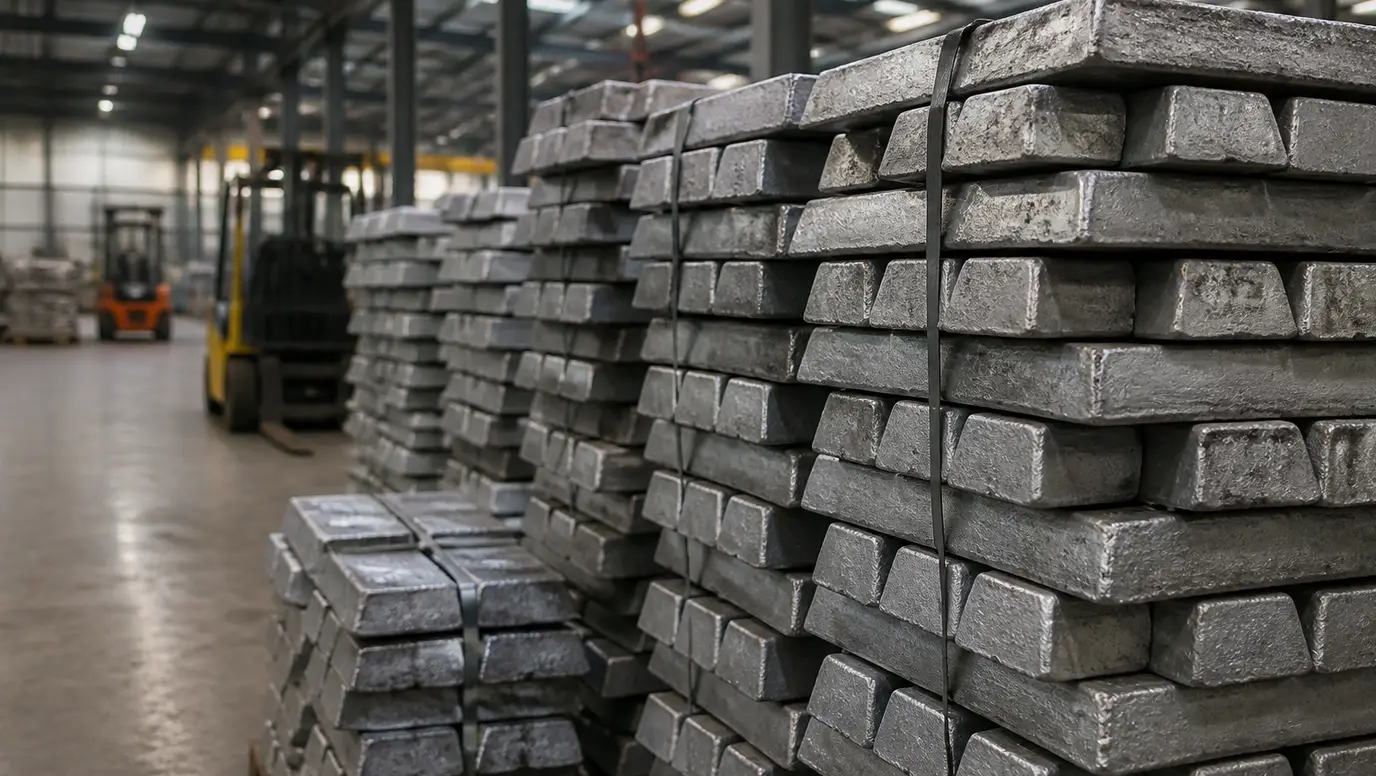
AUGUST 2, 2026
Lead Rebound Tests Metals and Commodities as Warehouse Overhang Caps Rally