
OCTOBER 22, 2026
Euro Forex Stalls as French Bond Rout Blunts Softer US Dollar Before Central Bank WeekEuro forex steadies near key levels as French bond stress offsets a softer US dollar before the Fed and ECB policy decisions.

© 1box.site 2026

JULY 24, 2026
The Swiss franc came under renewed pressure on Friday, July 24, as the foreign exchange market continued to reward the US dollar for its yield advantage and safe-haven depth while questioning whether Switzerland’s currency can keep its defensive premium in a fresh energy shock.
The move marks a notable shift in the forex market’s traditional playbook. In periods of geopolitical stress, the franc often attracts demand alongside the dollar and Japanese yen. This time, however, higher oil prices, rising US Treasury yields and a cautious Swiss National Bank stance have left the franc exposed, particularly against the dollar and the euro.
USD/CHF has pushed higher as traders reprice the inflation impact of stronger energy prices and new trade frictions. The dollar index held near a multi-week high, supported by Treasury yields that have climbed on expectations that US inflation risks could force the Federal Reserve to maintain a tighter policy bias for longer.
The key driver for currency traders is the widening gap between the US rate outlook and Switzerland’s policy profile. US yields moved sharply higher this week as oil prices climbed back above the psychologically important $100 area for Brent crude, adding to concerns that headline inflation could become sticky again. In that environment, the dollar has benefited from both defensive demand and the carry appeal created by higher Treasury yields.
For the franc, the same energy shock has produced a more complicated reaction. Switzerland remains a low-inflation economy compared with many major peers, giving the Swiss National Bank more room to tolerate a weaker currency than it had during previous inflation spikes. That policy flexibility has reduced the urgency for traders to buy the franc as a hedge against imported price pressures.
The result is a forex market in which the dollar is acting as the cleaner safe-haven trade. The yen remains near historically weak levels against the greenback, while the franc has failed to draw the same level of protection flows that investors might normally expect during a period of Middle East tension and shipping risk.
EUR/CHF has also reflected that shift, with the euro regaining ground against the franc as euro-area yields rise in response to renewed energy inflation concerns. While the euro faces its own growth risks from expensive energy, the franc’s underperformance suggests traders are focusing more on relative central bank reaction functions than on classic haven labels.
The Swiss National Bank remains central to the franc outlook. Policymakers have previously signaled discomfort with rapid and excessive currency appreciation, and that message has made traders cautious about chasing franc strength. Unless Swiss inflation expectations rise materially, the market may assume the central bank is still prepared to resist a disorderly rally in CHF.
That matters because the franc’s defensive appeal often works best when it is aligned with policy. In 2022, a more hawkish Swiss policy stance helped turn the currency into a powerful inflation hedge. In the current market, the starting point is different: Swiss inflation remains comparatively contained, and rate markets are pricing only limited tightening risk. That gives the dollar a clearer path to outperform when US yields are rising.
For USD/CHF, the immediate focus is whether the pair can hold above its recent breakout area as traders assess incoming US labor, inflation and Federal Reserve signals. A stronger US data pulse would likely reinforce the dollar’s yield support. Softer numbers, by contrast, could cool Treasury yields and allow the franc to stabilize.
Energy markets are the other major variable. If oil prices extend their advance, the dollar could remain supported by inflation-hedge flows and higher yield expectations. But a rapid de-escalation in crude prices would remove one of the strongest arguments behind the latest dollar rally and could trigger a broader unwind in crowded long-dollar positions.
The franc’s weakness is not yet a simple risk-on story. Equity volatility, shipping concerns and geopolitical headlines still point to a cautious global backdrop. Instead, the current move shows that safe-haven demand is being distributed unevenly, with the dollar taking the lead because it combines liquidity, yield and reserve-currency status.
That leaves CHF traders watching two signals closely: whether Swiss officials soften their preference against franc strength, and whether US yields continue to rise. A shift in either could change the tone quickly. Until then, the franc is likely to remain vulnerable on crosses where the opposing currency is backed by a stronger rate story.
For the broader forex market, the message is clear. The latest phase of currency trading is being driven less by traditional haven categories and more by the inflation consequences of oil, trade policy and central bank credibility. In that mix, the US dollar remains the dominant benchmark, while the Swiss franc is struggling to reclaim its defensive role.
OCTOBER 22, 2026
Euro Forex Stalls as French Bond Rout Blunts Softer US Dollar Before Central Bank Week
OCTOBER 21, 2026
Silver Metals Market Slips as US Dollar and Treasury Yields Revive Federal Reserve Risk
OCTOBER 21, 2026
New Zealand Dollar Forex Slips Below 0.57 as CPI Test Puts RBNZ Hike Bets in Focus
OCTOBER 20, 2026
Australian Dollar Forex Eyes 0.70 as China Growth and Fed Pause Bets Lift AUD/USD
OCTOBER 20, 2026
Tin Metals Market Holds Above $50,000 as Inventory Draws Offset Dollar Risk
OCTOBER 19, 2026
Japanese Yen Forex Holds Near 158 Per Dollar as Bank of Japan Signals Tightening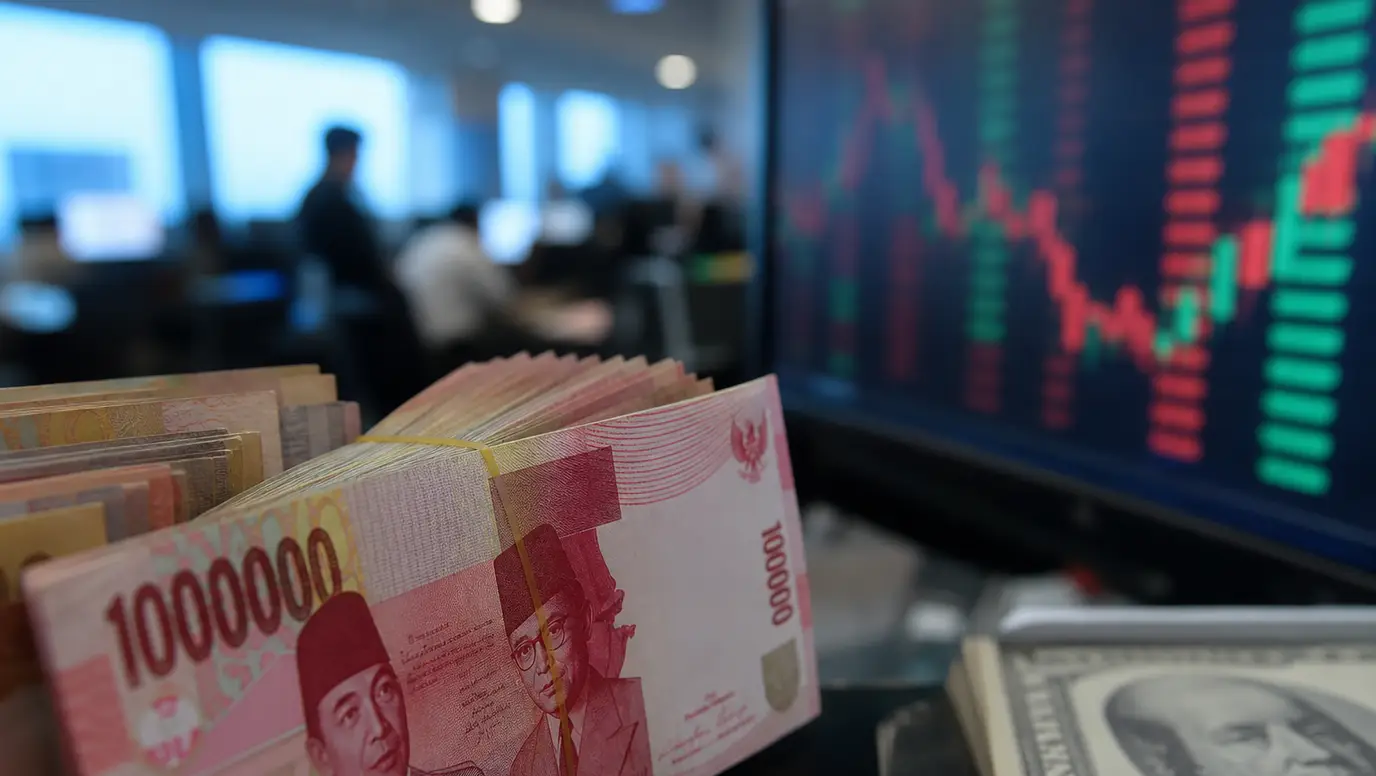
OCTOBER 18, 2026
Indonesia Rupiah Forex Slumps as Index Downgrade Risk Spurs Dollar Demand
OCTOBER 16, 2026
Gold Metals Market Rebounds as US Dollar and Treasury Yields Ease Before Federal Reserve Decision
OCTOBER 16, 2026
Canadian Dollar Forex Rebounds as US Dollar Retreat Sets Up Bank of Canada Test
OCTOBER 15, 2026
Swiss Franc Forex Rises as Treasury Yields Pull US Dollar From 18-Month High
OCTOBER 15, 2026
Silver Metals Market Tests 2026 Low as Federal Reserve Rate Bets Lift US Dollar
OCTOBER 14, 2026
Euro Forex Edges Higher as US Dollar Retreats Before Inflation Test
OCTOBER 13, 2026
Zinc Metals Market Falls as LME Stock Jump and US Dollar Pressure Base Metals
OCTOBER 13, 2026
Japanese Yen Forex Rebounds as Bank of Japan Price Data Checks US Dollar Rally
OCTOBER 12, 2026
Copper Metals Market Rises as China Premium and Tight LME Stocks Challenge US Dollar
OCTOBER 12, 2026
British Pound Forex Holds Steady as Bank of England Speakers and US Dollar Test Loom
OCTOBER 11, 2026
Gold Metals Market Braces for Federal Reserve Test as US Dollar and Treasury Yields Bite
OCTOBER 11, 2026
Australian Dollar Faces Reserve Bank of Australia Minutes Test as US Dollar Stays Near 18-Month High
OCTOBER 10, 2026
Iraqi Dinar Devaluation Puts Forex Market on Alert as US Dollar Premium Widens
OCTOBER 10, 2026
Palladium Metals Market Slips as Auto Demand and US Dollar Pressure Deepen Surplus Worries
OCTOBER 8, 2026
Euro Forex Slides as French Debt Stress and Treasury Yields Lift Dollar
OCTOBER 8, 2026
Zinc Metals Tightness Faces US Dollar and Treasury Yield Test
OCTOBER 7, 2026
Japanese Yen Forex Weakens as USD/JPY Tests 158 Before Fed Minutes
OCTOBER 7, 2026
Aluminum Rebound Tests Metals Market as Dollar Strength and China Lull Cap Buyers
OCTOBER 6, 2026
British Pound Forex Steadies as Firm US Dollar and Gilt Yields Cap GBP/USD Bounce
OCTOBER 5, 2026
Australian Dollar Forex Holds Below 70 Cents as Reserve Bank of Australia Hike Meets Firm US Dollar
OCTOBER 4, 2026
Canadian Dollar Forex Slips as U.S. Rate Gap and Flat GDP Keep USD/CAD Near Highs
OCTOBER 2, 2026
Silver Holds Above $61 as Dollar and Treasury Yields Keep Metals Market on Payrolls Watch
SEPTEMBER 30, 2026
Swiss Franc Forex Rebound Tests US Dollar Rally as Federal Reserve Inflation Gauge Cools
SEPTEMBER 22, 2026
Japanese Yen Slides as Dollar Strength and Bank of Japan Doubts Put Forex Market on Intervention Watch